Skribent: Dawid Cylke

  • Huawei Watch Fit 5 vs Fit 5 Pro: which smartwatch to choose?

    Huawei Watch Fit 5 vs Fit 5 Pro: which smartwatch to choose?

    Huawei Watch Fit 5 Pro (949 zł) beats the base Fit 5 (599 zł) with four features: a larger 1.92″ AMOLED LTPO screen with a brightness of 3,000 nits, a titanium bezel, sapphire glass, and ECG measurement with a depth sensor for diving. The rest of the specifications are very similar: the same 10-day battery, the same Sunflower GPS, over 100 sports modes, and wireless charging in 60 minutes.

    If you care about ECG measurement, screen quality, and scratch resistance, the additional 350 zł for the Pro version makes sense. For everyday workouts, sleep monitoring, and notifications, the base Huawei Watch Fit 5 is more than sufficient.

    After the Polish premiere on May 7, 2026, both watches are available at promotional prices until June 21, 2026. We break them down into their components and suggest which one to choose for the gym, running, swimming, and everyday use.

    Huawei Watch Fit 5 and Fit 5 Pro in Poland: price, premiere, and variants

    The Polish premiere of both models took place on May 7, 2026. The watches are available at Media Expert, Komputronik, x-kom, RTV Euro AGD, and in the official Huawei store. Along with the premiere, Huawei offered a promotion of -200 PLN valid until June 21, 2026.

    ModelCatalog PricePromotional PriceBonus
    Huawei Watch Fit 5799 PLN599 PLNFree strap (selected variants)
    Huawei Watch Fit 5 Pro1,149 PLN949 PLN3 months of Huawei Health+ (105 PLN)

    The base Watch Fit 5 is available in four color versions: black, white, silver-green, and purple. The Watch Fit 5 Pro comes in three colors: black, white, and orange (the latter with a microfiber strap).

    Tip: The silver-green version of the Watch Fit 5 is made from recycled materials (100% recycled aluminum and 100% recovered nylon), making it a choice for those who value sustainable accessories.

    Specification of Huawei Watch Fit 5 vs Fit 5 Pro: complete comparison table

    The main differences are in the screen, case materials, and ECG measurement. The battery, GPS, heart rate sensor, sports modes, and charging are identical in both models.
    ParametrWatch Fit 5Watch Fit 5 Pro
    Wyświetlacz1,82″ AMOLED1,92″ AMOLED LTPO 1–60 Hz
    Jasność szczytowa2 500 nitów3 000 nitów
    Szkło ochronneceramiczneszafirowe 2,5D
    Materiał ramkialuminiumtytan klasy lotniczej
    Materiał kopertyaluminiumaluminium
    Grubość9,5 mm9,5 mm
    Waga (bez paska)27 g30,4 g
    EKG
    Czujnik głębokości (nurkowanie)✅ (do 40 m)
    Wodoodporność5 ATM5 ATM / IP69
    Pomiar tętna✅ (6 LED + 6 PD)✅ (6 LED + 6 PD)
    SpO2
    TruSleep 5.0
    Wykrywanie upadku
    GPSHuawei Sunflower (GNSS, GLONASS, BeiDou, Galileo)Huawei Sunflower (GNSS, GLONASS, BeiDou, Galileo)
    Mapy offline
    Mapy golfowe✅ (17 000+ pól)
    Tryby sportowe100+100+
    Mini treningi30 ćwiczeń z animacjami30 ćwiczeń z animacjami
    NFC (płatności)
    Bluetooth
    KompatybilnośćAndroid i iOSAndroid i iOS
    Bateria, lekkie użyciedo 10 dnido 10 dni
    Bateria, typowe użyciedo 7 dnido 7 dni
    Bateria, AOD włączonydo 4 dnido 4 dni
    Ładowaniebezprzewodowe SuperCharge (~60 min)bezprzewodowe SuperCharge (~60 min)
    Koloryczarny, biały, srebrno-zielony, fioletowyczarny, biały, pomarańczowy
    Cena promocyjna599 zł949 zł
    Cena katalogowa799 zł1 149 zł

    The Pro version is 3.4 g heavier than the base model, a result of the titanium bezel and an additional depth sensor. In everyday use, the weight difference is practically imperceptible.

    Screen: 1.82 vs 1.92 inches AMOLED and 2,500 vs 3,000 nits

    This is one of the most noticeable differences in everyday use. The Watch Fit 5 Pro has a larger display 1.92 inches with LTPO technology and adaptive refresh rate 1–60 Hz. The base Watch Fit 5 received a classic AMOLED panel 1.82 inches.

    The Pro also offers higher peak brightness, 3,000 nits compared to 2,500 nits in the base model. In practice, both screens are well readable in full sunlight, but the Pro version provides a greater comfort margin in difficult conditions (e.g., cycling in bright sunlight).

    The Pro version has slimmer bezels, 1.8 mm, which occupy only 83% of the front panel surface. Visually, the watch looks more premium. The Watch Fit 5 is not ugly, it has a similar rectangular design, but with thicker borders.

    The second significant difference is the protective glass:

    • Watch Fit 5: ceramic glass (durable, but prone to scratches when falling on sand or concrete)
    • Watch Fit 5 Pro: sapphire glass 2.5D (very scratch-resistant, premium class)

    If you are planning intense outdoor training, MTB cycling, or crossfit with dumbbells, the sapphire glass of the Watch Fit 5 Pro can save you from having to replace the screen after a few months.

    Note: LTPO in the Watch Fit 5 Pro not only provides smoother animations but also offers a realistically longer battery life in AOD mode, with the screen able to drop to 1 Hz with a static watch face.

    Materials: titanium vs aluminum and the weight of both watches

    The casing of both models is made of aircraft-grade aluminum, but the Pro additionally features a titanium bezel. This is a real visual and mechanical difference:

    • Titanium is a material that you won’t find in many watches under 1,000 PLN
    • The titanium bezel is corrosion-resistant, hypoallergenic, and feels more premium to the touch
    • The aluminum in the Watch Fit 5 is also lightweight and durable, but more prone to visible scratches

    Pro weighs 30.4 g, the base model 27 g. Both are very lightweight compared to typical 45 mm smartwatches (50–60 g), making them suitable for sleep and all-day wear.

    The thickness of the case for both models is identical at 9.5 mm, so neither protrudes significantly from the cuff of a shirt. You can comfortably wear them with a suit and at the gym.

    ECG and depth sensor: why the Watch Fit 5 Pro is a different health watch

    This is a key functional difference between the two watches. The Watch Fit 5 Pro has two sensors that are not present in the base model:

    ECG sensor (electrocardiogram)

    The Watch Fit 5 Pro allows for ECG recording directly from the wrist, providing a chart and analysis in 30 seconds:

    • Detection of atrial fibrillation (AFib)
    • Analysis of arterial stiffness
    • Assessment of sinus rhythm risk
    • Export of the recording to PDF (from the Huawei Health app)

    Note: ECG in the smartwatch does not replace a medical examination but is a very useful screening tool, especially for people over 40, athletes, and those with a history of cardiovascular diseases.

    Watch Fit 5 bazowy nie ma EKG. Możesz mierzyć tylko basic parameters: resting and active heart rate, SpO2 and HRV (heart rate variability). This is sufficient for most fitness scenarios, but not for heart rhythm analysis.

    Depth sensor and diving up to 40 m

    Watch Fit 5 Pro has a built-in depth sensor, which allows for free diving up to 40 meters. This is rare in smartwatches priced under 1,000 PLN, such features are usually found in Apple Watch Ultra (from 3,999 PLN) or Garmin Descent (from 4,000 PLN).

    Watch Fit 5 regular has 5 ATM (compliance with ISO 22810:2010), which is sufficient for swimming in a pool and showering, but not for diving. For those practicing freediving or diving on vacation, the Pro is the only sensible choice.

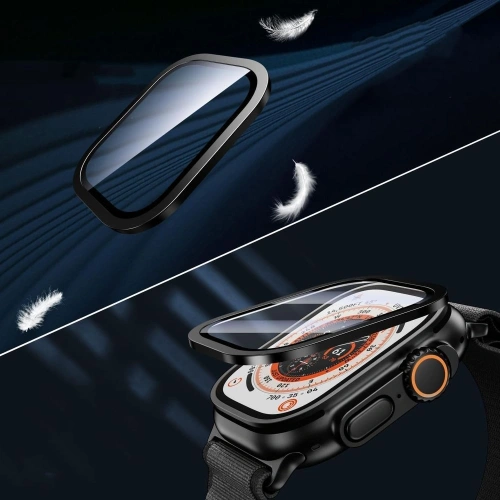
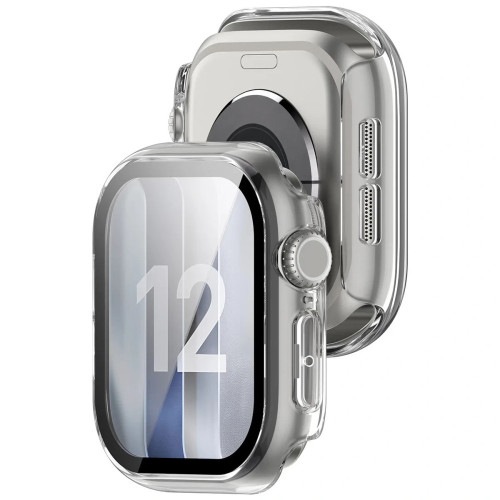
    Want to better protect your watch? Check out the available accessories for Huawei Watch Fit 5 at homescreen.pl, for example, the Tech-Protect Defense protective case will secure the screen and case from scratches.

    In addition to cases, at homescreen.pl you will also find watch bands (silicone, leather, milanese) that allow you to match the look of the watch to your style — from sporty to elegant.

    Batteri og lading: her er det praktisk talt ingen forskjeller

    Begge klokkene har identiske batteriparametre:

    • Opptil 10 dager ved lett bruk (varsler, skrittelling)
    • Opptil 7 dager ved typisk bruk (med trening 3× i uken)
    • Opptil 4 dager med Always-On Display
    • Trådløs SuperCharge-lading ~60 minutter fra 0 til 100%

    I praktiske tester fra redaksjonen Benchmark.pl oppnådde Watch Fit 5 Pro omtrent 8 dager med blandet bruk og GPS aktivert under trening. Watch Fit 5 bør gi et lignende resultat, det er en liten forskjell i forhold til produsentens spesifikasjoner.

    The wireless charger is included in the package with both models. It also fits other Huawei watches from the GT and Watch series, so if you have, for example, Huawei Watch GT 5 or Watch GT Runner 2, you can use one charger.

    Tip: A 10-day battery life is a great result compared to the Apple Watch Series 10 (18–36 hours) or Galaxy Watch 7 (40 hours). If you are tired of charging your watch every day, the Huawei Watch Fit series is for you.

    GPS, sports modes, and health features

    The differences here are minimal. Both models share:

    • Huawei Sunflower GPS, a proprietary positioning system supporting GNSS, GLONASS, BeiDou, and Galileo
    • Offline maps, load the route before training, works without a phone
    • Over 100 sports modes, running, cycling, swimming, yoga, tennis, football, crossfit, and mini-workouts with animations
    • Automatic activity detection, walking, running, cycling
    • Fall detection, with SOS function and emergency notification

    What the Watch Fit 5 lacks that the Pro has?

    The Pro version has three additional sports features:

    1. Golf maps, over 17,000 mapped courses in 50+ countries
    2. Professional running and cycling modes, carried over from Watch GT Runner 2
    3. Advanced swimming analysis, pool segmentation, SWOLF, automatic stroke detection

    For recreational runners and fitness enthusiasts, the base Watch Fit 5 will offer everything they need. The Pro is an option for golfers, ambitious runners, and triathletes.

    Health features common to both models

    • TruSleep 5.0, advanced sleep phase analysis (REM, deep, light)
    • Pulse Wave Analysis, heart rate wave analysis
    • Stress monitor and breathing exercises
    • Śledzenie cyklu menstruacyjnego z predykcją
    • Analiza emocji (nowość 2026)

    Kompatybilność z iOS i Android: co warto wiedzieć

    Oba zegarki działają z iPhone’em (iOS 13+) i telefonami z Androidem (8.0+). Jest jednak istotne zastrzeżenie:

    Na Androidzie musisz pobrać aplikację Huawei Health spoza Google Play, bezpośrednio ze strony producenta (plik APK). To efekt sankcji USA na Huawei i braku Google Mobile Services.

    Na iOS aplikacja jest dostępna w App Store i działa normalnie, ale niektóre funkcje są ograniczone (np. odpowiadanie na wiadomości WhatsApp wymaga Androida). Pełna integracja iCloud Health nie jest dostępna, ale można eksportować treningi do Strava, Apple Health (przez Huawei Health) i innych aplikacji.

    Uwaga: Jeśli używasz iPhone’a i zależy Ci na pełnej integracji z ekosystemem Apple, Apple Watch będzie lepszym wyborem. Ale Huawei Watch Fit 5 Pro za 949 zł oferuje pomiar EKG, czego Apple Watch SE (2 199 zł) nie ma w ogóle.

    Huawei Watch Fit 5 vs Fit 5 Pro: który wybrać?

    Oto trzy proste scenariusze, które pomogą Ci podjąć decyzję:

    Wybierz Huawei Watch Fit 5 (599 zł), jeśli:

    • You’re looking for a lightweight smartwatch for everyday use
    • You train recreationally (gym 3× a week, jogging, cycling)
    • You want to monitor sleep, steps, heart rate, and SpO2
    • You don’t need ECG measurement or diving
    • You value a large battery and don’t want to charge daily
    • Your budget is 600–700 PLN

    Choose Huawei Watch Fit 5 Pro (949 PLN) if:

    • You care about ECG measurement and heart rhythm analysis
    • You dive or plan to freedive up to 40 m
    • You play golf and need course maps
    • You value premium materials (titanium, sapphire glass)
    • You want a better screen (1.92″ LTPO 3 000 nits)
    • Your budget is 900–1 200 zł

    Choose another watch if:

    • You use an iPhone and want full integration → Apple Watch Series 10 or Huawei Watch 5
    • You need Wear OS and Google Pay → Galaxy Watch 7 or Pixel Watch 3
    • You run long distances with advanced metrics → Huawei Watch GT Runner 2
    • You are looking for a larger classic watch → Huawei Watch GT 6
    • You have a smaller budget (up to 400 zł) and need a solid smartband → Huawei Watch Fit 3

    Summary: is the extra 350 zł for Watch Fit 5 Pro worth it?

    Huawei Watch Fit 5 and Fit 5 Pro are two very good smartwatches at affordable prices, with minimal differences in sports functions and identical battery. The decision depends on three factors:

    1. Do you need EKG? If yes, the additional cost of 350 PLN makes sense and Pro is the only choice
    2. Do you care about a premium screen? LTPO 1.92″ with sapphire glass is a noticeable difference in everyday use
    3. Do you dive? Pro is the only option with a depth sensor at this price

    If you don’t need EKG or diving, the base Huawei Watch Fit 5 for 599 PLN will be fully sufficient. For athletes, health monitors, golfers, and divers, Pro is a great investment worth the extra cost.

    Our choice: For recreational users, Huawei Watch Fit 5 priced at 599 PLN. For active athletes or those caring for their heart, Huawei Watch Fit 5 Pro for 949 PLN. Regardless of your choice, protect your watch with a Tech-Protect case and check the full range of accessories for Huawei Watch Fit 5 at homescreen.pl →

    FAQ, frequently asked questions

    What is the difference between Huawei Watch Fit 5 and Fit 5 Pro?

    Watch Fit 5 Pro has a larger 1.92″ AMOLED LTPO display (3,000 nits), titanium bezel, sapphire glass, ECG measurement, and a depth sensor for diving (40 m). The base Watch Fit 5 has a 1.82″ display (2,500 nits), aluminum, ceramic glass, and does not have ECG or a depth sensor.

    How much does Huawei Watch Fit 5 and Fit 5 Pro cost?

    On promotion until June 21, 2026: Watch Fit 5, 599 PLN, Watch Fit 5 Pro, 949 PLN. Regular prices are 799 PLN and 1,149 PLN respectively.

    Does Huawei Watch Fit 5 have ECG?

    No. The base Huawei Watch Fit 5 measures heart rate, SpO2, and heart rate variability (HRV), but does not have an ECG sensor. ECG measurement is only available in the Pro version.

    Does Huawei Watch Fit 5 work with iPhone?

    Yes. Both models are compatible with iOS 13+ and Android 8.0+. On iOS, the Huawei Health app is available in the App Store. However, some features (e.g., replying on WhatsApp) require Android.

    How long does the battery last in Huawei Watch Fit 5 and Fit 5 Pro?

    Both models have identical battery life: up to 10 days with light use, up to 7 days with typical use, and up to 4 days with Always-On Display. In practical tests, both versions achieve about 7–8 days with active GPS during workouts.

    Is Huawei Watch Fit 5 Pro suitable for diving?

    Yes, the Watch Fit 5 Pro has a built-in depth sensor and a 5 ATM / IP69 certification, allowing for freediving up to 40 meters. The base Watch Fit 5 only has 5 ATM, which is sufficient for swimming in a pool and showering, but not for diving.

    What accessories are worth buying for the Huawei Watch Fit 5?

    The most important accessory is a protective case with integrated tempered glass, which protects the screen and case from scratches. On homescreen.pl, Tech-Protect Defense cases (black and transparent) are available for 25 PLN. It’s also worth having an extra strap for a change.

  • Samsung changes design? Galaxy S27 looks like Pixel and S10

    Samsung changes design? Galaxy S27 looks like Pixel and S10

    Samsung Galaxy S27 Ultra will get a horizontal pill-shaped camera bar, Qi2 magnets for wireless charging, and will lose the 3x telephoto lens? Renders from Ice Universe show a design reminiscent of the Galaxy S10 and Google Pixel. The premiere is expected in February or March 2027.

    Below we have gathered all confirmed leaks, renders, and specifications that have appeared online by May 2026. We also check what the new design means for accessories: particularly for cases, wireless chargers, and the MagSafe accessory ecosystem in Android.

    Pill-shaped camera bar: the end of the island known from Galaxy S21–S26

    The most noticeable change is the horizontal, elongated camera module. Instead of the vertical arrangement of three lenses, known from every Galaxy S model since 2021, Samsung is returning to the concept of a horizontal bar. It looks like a hybrid of two familiar designs: the back panel of the Galaxy S10 from 2019 and the Google Pixel series, where the pill-shaped camera bar has been a hallmark since the Pixel 6.

    The first information about the new look comes from Ice Universe, one of the most reliable Chinese leakers of Samsung.

    Specific renders, based on his findings, were published on April 29, 2026, by the WHYLAB profile on the Chinese platform Weibo. These graphics then spread throughout the industry network and can be seen below. The third independent leaker, Smart Pikachu, confirms the outline of the concept. However, he notes that the final version may differ in details.

    Context: This is the first such deep modification of the rear panel of the Galaxy S since the S21 Ultra was released in early 2021. For six years, Samsung has stuck to a vertical island with three lens openings.

    According to the renders, the strip will be available in two variants: black (contrasting with the casing) or in a color matching the casing. The graphics from Ice Universe show, among other things, a deep burgundy (wine) version, in which the strip blends into the body.

    Why is Samsung changing the design? Everything for Qi2 magnets

    The change is not dictated by aesthetics. It is an engineering necessity. Samsung needs space for the Qi2 wireless charging coils and a ring of magnets that allow for native magnetic mounting (similar to Apple MagSafe).

    According to a report from the Korean service Naver, in the current Galaxy S26, the charging ring is placed too close to the camera module. In practice, this blocks compatibility with most MagSafe accessories available on the market. Samsung tried to implement magnets already in the S26 series, but it did not succeed. Galaxy S27 is another attempt to solve the same problem.

    What Qi2 with native magnets means in practice:

    • Magnetic attachment of power banks, mounts, and wallets to the back of the phone
    • More stable wireless charging without the phone sliding on the charger
    • Większa prędkość ładowania bez kabla: Qi2 oferuje 15 W w wersji standardowej, a profil HPP może sięgać 25 W
    • Kompatybilność z istniejącymi akcesoriami MagSafe dla iPhone’a (przynajmniej w warstwie magnetycznej)

    Jeden minus: koszty produkcji są wyższe. W połączeniu z trwającym kryzysem cen pamięci DRAM oznacza to, że według niektórych źródeł funkcja może zostać przesunięta dopiero na Galaxy S28 z 2028 roku.

    Aparat: koniec teleobiektywu 3x i nowy czujnik 200 MP

    Drugą dużą zmianą jest reorganizacja modułu fotograficznego. Samsung planuje całkowicie zrezygnować z 10 MP teleobiektywu 3x, znanego z każdego modelu Ultra od czterech lat. Zamiast tego w środku znajdą się:

    ObiektywRozdzielczośćFunkcja
    Główny200 MP ISOCELL HP6 (1/1,3″) z LOFICZdjęcia + zoom 1–3x przez przycinanie kadru
    Ultraszerokokątny50 MP (z 12 MP)Krajobrazy, makro
    Periskop teleobiektyw50 MP, 5x optyczny (do 10x hybrydowy)Zbliżenia
    Przedni (selfie)Kwadratowy czujnik + system Polar ID 3D od MetalenzSkanowanie twarzy, selfie

    Lack of a 3x telephoto lens is a controversial decision. Samsung argues that the new 200 MP sensor with LOFIC (Lateral Overflow Integration Capacitor) has such a high resolution that a threefold zoom can be achieved through intelligent cropping without loss of quality. Some users who value 3x optical zoom may be disappointed.

    Samsung Galaxy S27 Ultra: display, processor, battery

    Leaks also concern the device’s internals. Although some information still requires confirmation, the direction is quite consistent.

    Display

    • 6.9″ Dynamic AMOLED 2X
    • Resolution 1440 × 3120 px
    • LTPO 1–144 Hz (1 Hz in AOD, 144 Hz in games)
    • Frames approx. 1 mm, the narrowest in Galaxy S history

    Processor and memory

    • Snapdragon 8 Elite Gen 6 Pro for Galaxy in a 2 nm process
    • 12 or 16 GB LPDDR6 RAM
    • 256 GB / 512 GB / 1 TB UFS 5.0 memory (transfer up to 10.8 Gbps)
    • One UI 9.5 with Galaxy AI 2.0 on Android 17

    Battery and Charging

    • Silicon-carbon cells with a capacity of 5,500–6,000 mAh
    • Wired charging 65 W Super Fast Charging v3.0 (0 → 70% in about 30 minutes)
    • Wireless charging Qi2 with native magnets
    • Up to 3 days of use with light usage

    Case

    • Frame made of Grade 5 titanium
    • IP69 rating (highest resistance to water and dust)
    • S Pen as a key productivity element

    Galaxy S27, S27+, S27 Ultra, S27 Pro: what do we know about them?

    The Galaxy S27 line is expected to be the widest in years. According to leaks, there will be three or four variants:

    ModelDisplayMain cameraRAMExpected starting price
    Galaxy S276.3″ AMOLED 1–120 Hz50 MP + 12 MP8/12 GBfrom approx. 4,499 PLN
    Galaxy S27+6.7″ AMOLED 1–120 Hz50 MP + 12 MP12 GBfrom approx. 5,499 PLN
    Galaxy S27 Ultra6.9″ AMOLED 1–144 Hz200 MP HP6 LOFIC12/16 GBfrom approx. 6,999 PLN
    Galaxy S27 Pro (?)6.7″ AMOLED200 MP HP6 LOFIC16 GBfrom approx. 6,499 PLN

    The S27 Pro variant is the biggest unknown. According to Notebookcheck, it would take over some advanced features from the Ultra (200 MP sensor, Snapdragon 8 Elite Gen 6 Pro), but in a smaller, more compact body. This is Samsung’s response to the «compact flagship» trend that Apple is implementing through the iPhone Pro. However, some leakers claim that Pro is just a name change, and the S27+ will simply disappear from the offer.

    All models will receive a new horizontal camera strip. They will mainly differ in the number of lenses: the standard S27 will retain two, S27+ two or three, and Ultra/Pro three plus an additional ToF element.

    When is the Galaxy S27 premiere? Price and risk of delay

    According to consistent leaks, Samsung will showcase the Galaxy S27 series in February or March 2027, following the traditional Unpacked schedule. The actual date is usually the second week of February (as was the case with S24, S25, and S26).

    Price is the biggest unknown. The increase in costs comes from three sources:

    1. DRAM Memory: global supply crisis drives up LPDDR6 prices
    2. New 2 nm process for Snapdragon 8 Elite Gen 6 Pro
    3. Change in casing design for Qi2 magnets

    Experts Sammy Fans estimate that the S27 Ultra could be more expensive by 100–200 USD compared to its predecessor. In Poland, this would mean a starting price of around 6,999 PLN for the base version, compared to 6,499 PLN, from which the S26 Ultra started.

    Risk: If the memory market situation does not improve, Samsung may forgo the most expensive upgrades (Qi2, new sensor) and push them to the Galaxy S28.

    What does the new design mean for accessories?

    The layout change of the devices will necessitate a completely new generation of cases for the Galaxy S27 Ultra. Cases designed for the vertical module of the S26 Ultra will not physically fit. This is good news for those planning to buy the S27: a fresh selection of new cases, tempered glass, and films will be available from brands like Spigen, Tech-Protect, Ringke, and ESR.

    The second change is the explosion of MagSafe accessories in Android. After years when the magnetic ecosystem was practically reserved for the iPhone, Galaxy S27 owners will receive:

    • Magnetic power banks that stick to the back of the phone, without a cable
    • Magnetic mounts for cars and desks
    • MagSafe-compatible wallets with card slots
    • Qi2 wireless chargers with a 15 W certification

    Right now in our category of induction chargers, you will find over 500 models supporting MagSafe and Qi2. Most of them will be compatible with the Galaxy S27 Ultra right after the premiere.

    If you own an older model, check the full categories of accessories for the Galaxy S26 Ultra, Galaxy S25 Ultra, or the entire Galaxy S series.

    Is it worth waiting for the Galaxy S27, or should you buy the S26 Ultra now?

    Short answer: it depends on how much you care about Qi2 magnetic charging and the new design. If you currently have an S22 Ultra or an older model, the S26 Ultra is a great choice today. You get 100x Space Zoom, a 5,000 mAh battery, and the Snapdragon 8 Elite for Galaxy. Accessories are widely available, and prices have started to drop six months after the launch.

    However, if you own an S24 Ultra or S25 Ultra, the situation looks different. The performance jump to the S26 Ultra is moderate. Waiting another 9 months for the S27 launch makes sense if you care about:

    • Native magnetic attachment for the entire Qi2 ecosystem
    • New, fresh look after six years of the same design
    • 200 MP HP6 sensor with LOFIC, which is expected to significantly improve night photos
    • 2 nm processor, saving battery in intensive tasks

    On the other hand, the risk of delays and price increases may prompt some to purchase the S26 Ultra on promotion. The final decision depends on how often you reach for magnetic accessories in your daily life.

    Summary: Galaxy S27 Ultra in brief

    Everything that is known today about Samsung’s upcoming flagship boils down to five key points:

    1. New design: horizontal pill-shaped camera bar, similar to Galaxy S10 and Google Pixel
    2. Native Qi2 magnets: Samsung’s answer to Apple MagSafe, compatible with existing accessories
    3. No 3x telephoto lens: zoom achieved through cropping from the 200 MP ISOCELL HP6 sensor
    4. Snapdragon 8 Elite Gen 6 Pro 2 nm + 16 GB LPDDR6 + UFS 5.0
    5. Launch February–March 2027: price likely 100–200 USD higher than its predecessor

    This is the biggest visual change in the Galaxy S line since the S21 Ultra. If the leaks from Ice Universe and Smart Pikachu are confirmed, the Samsung Galaxy S27 could be the phone that finally closes the magnetic accessory ecosystem in Android, just as the iPhone did with MagSafe in 2020.

    Before the launch arrives, it’s worth following Samsung’s official channels and our articles about the news. The first cases and screen protectors for the new model will appear on Home Screen shortly after Unpacked.

    FAQ: frequently asked questions about Samsung Galaxy S27

    When is the Samsung Galaxy S27 launch?

    The latest leaks indicate February or March 2027. Samsung traditionally holds the Galaxy Unpacked event at the beginning of the year, so this date is very likely. An earlier reveal is unlikely due to the production cycle.

    Will the Galaxy S27 Ultra have MagSafe?

    Not literally MagSafe (that’s an Apple trademark), but native magnets in the Qi2 standard. This means magnetic attachment for chargers, power banks, mounts, and wallets. Functionally, it’s identical to MagSafe. This is the first Galaxy with this solution.

    Why does the Galaxy S27 look like a Pixel and Galaxy S10?

    Engineering, not nostalgia. To fit the Qi2 coils and the ring of magnets, Samsung must move the camera module from a vertical island to a horizontal strip. This layout has been used by Google in Pixels for years, and Samsung itself used it in the Galaxy S10 from 2019.

    Will the Galaxy S27 Ultra lose the 3x telephoto lens?

    Yes, the 10 MP lens with 3x optical zoom is set to disappear. In its place, a 50 MP periscope with 5x zoom and a 200 MP main sensor will take over, which will achieve 3x zoom through cropping. A full-fledged 5x optical zoom remains.

    How much will the Samsung Galaxy S27 Ultra cost in Poland?

    The exact price is not yet available. Experts estimate an increase of 100–200 USD compared to the S26 Ultra, which in Poland would mean a starting price of around 6,999 zł for the base version. The final price depends on currency exchange rates and the situation in the DRAM memory market.

    Will current cases and chargers fit the Galaxy S27?

    Cases and glass for the S26 Ultra will not fit. The change in camera layout will necessitate a completely new generation of accessories. However, Qi and Qi2 wireless chargers and MagSafe accessories will work, as they use the same magnetic standards and charging frequencies. USB-C cables for fast charging at 65 W will also remain compatible.

    Does the Galaxy S27 Pro exist, or is it just a rumor?

    For now, it’s a rumor. The hits online mainly come from Korean and Chinese leakers who speculate that Samsung will introduce a fourth variant. However, there is no solid confirmation from the supply chain. The most likely scenario is that the Pro will take over some features from the Ultra in a smaller body. Some leakers believe it’s simply a name change for the Plus model.

  • Xiaomi 17T and 17T Pro: specifications, price, and release (May 2026)

    Xiaomi 17T and 17T Pro: specifications, price, and release (May 2026)

    Xiaomi szykuje wyjątkowo wczesny ruch. Xiaomi 17T i 17T Pro mają trafić na rynek globalny już w drugiej połowie maja 2026, choć poprzednia generacja (Xiaomi 15T i 15T Pro) zadebiutowała dopiero we wrześniu. Wraz z parą smartfonów spodziewamy się także światowej zapowiedzi modelu Xiaomi 17 Max z baterią 8000 mAh oraz nowej opaski Smart Band 10 Pro.

    Poniżej zbieramy wszystko, co wyciekło z oficjalnych renderów Xiaomi, certyfikatów 3C i benchmarków Geekbench. Wyjaśniamy też, czym 17T różni się od 17T Pro i komu polecimy który model.

    Kiedy premiera Xiaomi 17T i 17T Pro?

    Globalna premiera Xiaomi 17T i 17T Pro odbędzie się w drugiej połowie maja 2026, to nieoficjalna data potwierdzona przez europejskich partnerów dystrybucyjnych Xiaomi oraz wycieki cen w EUR. Dla porównania, seria Xiaomi 15T (Pro) zadebiutowała we wrześniu 2025, a Xiaomi 14T w październiku 2024. Tegoroczne przyspieszenie premiery o cztery miesiące to świadoma decyzja producenta, który chce wejść w sezon letni z nową ofertą średniej półki premium.

    Według sygnałów rynkowych telefony mają trafić do Polski w pierwszej fali europejskiej dystrybucji. Spodziewajmy się oficjalnej dostępności w Media Expert, RTV Euro AGD, Komputroniku oraz w sieciach operatorskich (Play, Orange, T-Mobile, Plus) w czerwcu 2026, najpóźniej na początku lipca. Sklep mi.com Polska uruchomi sprzedaż w dniu premiery globalnej.

    Xiaomi 17T: full specification

    Xiaomi 17T is a mid-range flagship aimed at users who want a long battery life, a good screen, and Leica in the camera, but without paying extra for the highest segment. The heart of the device is the MediaTek Dimensity 8500 Ultra, a 4 nm chip with one core at 3.4 GHz, three cores at 3.2 GHz, and four cores at 2.2 GHz, paired with a Mali-G720 graphics unit. In Geekbench AI, the 17T scores over 1700 single-core points, placing it between the Dimensity 9300 and the Snapdragon 8 Gen 3 from 2024.

    ParametrXiaomi 17T
    Wyświetlacz6,59″ AMOLED, 1.5K (2756 × 1268), 120 Hz
    ProcesorMediaTek Dimensity 8500 Ultra (4 nm)
    RAM12 GB LPDDR5X
    Pamięć256 GB (UFS 4.1)
    Aparat główny50 MP Light Fusion 800, OIS
    Teleobiektyw50 MP, zoom optyczny 5×
    Ultraszeroki12 MP
    Selfie32 MP
    Bateria6500 mAh
    Ładowanie przewodowe67 W
    Ładowanie bezprzewodowebrak
    ŁącznośćWi-Fi 6E, Bluetooth 5.4, NFC, 5G
    SystemAndroid 16 z HyperOS 3
    Obudowaplastikowa ramka
    Koloryczarny, jasny niebieski, różowy
    Cena startowa749 EUR (12 / 256 GB)

    Mocne strony 17T to wyraźnie większa bateria (6500 mAh) niż w 15T Pro (5500 mAh) oraz realny teleobiektyw 5× zamiast cyfrowego przybliżenia. Dla wielu kupujących to przesądza o wyborze, telefon nadaje się do zdjęć portretowych i koncertowych bez kompromisów.

    Xiaomi 17T Pro: flagowiec średniej półki premium

    Xiaomi 17T Pro is approaching the specifications of a true flagship from the Xiaomi 17 series. Under the hood, it runs on the MediaTek Dimensity 9500, the top chip from MediaTek for 2026, manufactured using a 3 nm process. It is a real competitor to the Snapdragon 8 Elite Gen 5, offering about 30% higher single-core performance than the Dimensity 9400 found in the Xiaomi 15T Pro.

    ParameterXiaomi 17T Pro
    Display6.83″ AMOLED, 1.5K (2772 × 1280), 144 Hz
    ProcessorMediaTek Dimensity 9500 (3 nm)
    RAM12 GB LPDDR5X
    Storage512 GB (UFS 4.1)
    Main Camera50 MP Light Fusion 950, OIS
    Telephoto50 MP, 5× optical zoom
    Ultrawide12 MP
    Selfie32 MP
    Battery7000 mAh
    Wired Charging100 W
    Wireless Charging50 W
    ConnectivityWi-Fi 7, Bluetooth 5.4, NFC, 5G
    Operating SystemAndroid 16 with HyperOS 3
    Bodymetal frame
    Colorsblack, dark blue, dark pink
    Starting Price999 EUR (12 / 512 GB)

    Three key «Pro-worth-paying» features in the 17T Pro are: 6.83″ 144 Hz display (vs 6.59″ 120 Hz in 17T), 100 W wired charging with 50 W wireless charging (vs 67 W wired and no induction in 17T), and flagship Dimensity 9500 processor instead of the mid-range 8500. Additionally, it includes a metal frame and Wi-Fi 7, which were missing in the basic 17T.

    Xiaomi 17T vs 17T Pro: which one to choose?

    The quickest answer: if long-term performance, wireless charging, and a larger 144 Hz screen matter to you, pay extra for the 17T Pro. If you are primarily looking for a good battery, a telephoto camera, and Leica for under 3500 PLN, the 17T will be more than sufficient.

    CategoryXiaomi 17TXiaomi 17T Pro
    Screen6.59″ 120 Hz6.83″ 144 Hz
    ProcessorDimensity 8500 UltraDimensity 9500
    Battery6500 mAh7000 mAh
    Wired charging67 W100 W
    Wireless chargingnone50 W
    Main sensorLight Fusion 800Light Fusion 950
    Wi-FiWi-Fi 6EWi-Fi 7
    Bodyplasticmetal
    Starting price749 EUR (~3100 PLN)999 EUR (~4150 PLN)

    The price difference is 250 EUR (approx. 1050 PLN). For this amount, you get a larger and faster display, twice as fast wired charging, wireless charging, a flagship processor, and Wi-Fi 7. From a value-for-money perspective, this is a fair premium, as in the 15T Pro, a similar upgrade cost more.

    Our choice: Xiaomi 17T Pro for users who heavily use their phone for gaming, photography, and video recording. Xiaomi 17T for users looking for a “good phone for 3 years” with minimal investment.

    Leica camera in both models: what can it do?

    Both phones receive Leica certification and the same set of lenses on paper, 50 MP main + 50 MP telephoto 5× + 12 MP ultra-wide. The difference lies in the sensors: 17T uses Light Fusion 800, while 17T Pro uses Light Fusion 950, which is larger, brighter, and has 14-bit RAW.

    What does this mean in practice?

    • Daytime photos: practically identical, the difference is only visible in 200% pixel analysis.
    • Night photos / interiors: Pro produces less noise and better reproduces colors, thanks to the larger 1/1.28″ sensor (vs 1/1.55″ in 17T).
    • Video mode: 17T Pro records 4K Dolby Vision, 17T only 4K HDR10.
    • Tryb portretowy z teleobiektywem 5×: w obu modelach na tym samym poziomie, to zasługa identycznej matrycy 50 MP w tele.
    • Selfie 32 MP z autofokusem: w obu modelach identyczne, z trybem Leica Authentic i Vibrant.

    Dla osób, które dużo fotografują w słabym świetle, dopłata do Pro za sam aparat jest zauważalna. Dla zdjęć dziennych i okazjonalnych portretów, 17T radzi sobie wyśmienicie.

    Ceny Xiaomi 17T i 17T Pro w Polsce

    Oficjalne ceny w EUR ujawnione w przeciekach z 28 kwietnia 2026:

    WariantCena EURSzac. cena PL
    Xiaomi 17T 12 / 256 GB749 EUR~3 199 zł
    Xiaomi 17T Pro 12 / 512 GB999 EUR~4 199 zł

    Polskie ceny są zwykle nieco wyższe niż przeliczenie 1:1 (ze względu na VAT i marżę dystrybucji), ale Xiaomi konsekwentnie utrzymuje konkurencyjne ceny katalogowe. Po pierwszych 2–3 miesiącach w sprzedaży spodziewajmy się promocji „przedpłaty» z dodatkową pamięcią gratis oraz pakietów z słuchawkami Xiaomi Buds 6 czy opaską Smart Band 10 Pro.

    W porównaniu do bezpośredniej konkurencji 17T Pro za 4200 zł plasuje się obok Samsunga Galaxy A56 5G (od 1899 zł, słabszy), OnePlus 13R (~3000 zł, mocniejszy procesor) oraz Honor 200 Pro (~3500 zł, lepszy aparat selfie). To uczciwa propozycja, choć, jak zwykle u Xiaomi, pierwsze tygodnie po premierze to czas wysokiej ceny startowej, która spada o 300–500 zł w ciągu kwartału.

    Xiaomi 17T Pro vs Xiaomi 17 Pro: w czym się różnią?

    Pytanie pojawia się często: po co Xiaomi wypuszcza Xiaomi 17T Pro w maju, skoro Xiaomi 17 Pro już jest w sprzedaży od września 2025? Odpowiedź sprowadza się do trzech rzeczy: procesora, aparatu peryskopowego i ceny.

    ParametrXiaomi 17T ProXiaomi 17 Pro
    ProcesorDimensity 9500Snapdragon 8 Elite Gen 5
    Aparat50 MP + 50 MP 5× + 12 MP50 MP + 50 MP peryskop + 50 MP
    Tylny ekranbrak2,9″ AMOLED
    Bateria7000 mAh6330 mAh
    Ładowanie100 W + 50 W indukcja100 W + 50 W indukcja
    Cena startowa~4200 zł~4800 zł

    Xiaomi 17 Pro is the flagship of the series (with a custom dual screen and Snapdragon), Xiaomi 17T Pro is a cheaper alternative with comparable battery and charging, but with MediaTek instead of Qualcomm and without a rear screen. If the 600 PLN difference doesn’t hurt and you care about the highest gaming performance, choose Xiaomi 17 Pro. If you want to save and mainly take photos, use social media, and work in 5G, 17T Pro gives you 95% of the experience for 85% of the price.

    Accessories for Xiaomi 17T and 17T Pro: what to prepare before the premiere

    Dedicated cases and tempered glass for Xiaomi 17T and 17T Pro will appear in the homescreen.pl store in the first weeks after the premiere. The first brands to introduce accessories are usually 3mk, Bizon, Crong, and Tech-Protect, similarly to the Xiaomi 17 series, where cases and glass were available 2–3 weeks after the debut.

    What is worth ordering from day one with 17T or 17T Pro:

    • Tempered glass, screen protection against scratches and cracks.
    • MagSafe case, in 17T Pro you have 50 W wireless charging, so compatibility with magnets will speed up the process.
    • 100 W USB PD charger, to utilize the full charging power of 17T Pro, you need a PD 3.0 charger with 100 W PPS mode. Check network chargers.
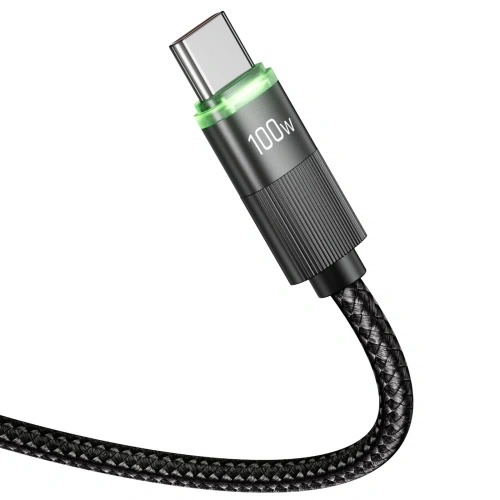
    • USB-C to USB-C cable 100 W, a cheap 60 W cable is not enough. We recommend USB-C cables with a 5 A certification.
    • Powerbank 100 W with PD 3.0, in the 17T Pro it saves two hours of charging on the go. Choose a model from the powerbanks category.

    Tip: A phone with a 7000 mAh battery (17T Pro) needs a reinforced 100 W cable. A regular USB-C 3 A cable will not support full power, the phone will charge only at 27 W instead of 100 W.

    You can find the full category of Xiaomi accessories and current news on the Xiaomi brand page on homescreen.pl. When dedicated categories for 17T and 17T Pro appear, we will add them to the store navigation.

    Summary: is it worth waiting for Xiaomi 17T and 17T Pro?

    Xiaomi 17T and 17T Pro are a logical addition to Xiaomi’s portfolio in the 3000–4200 PLN range. The 17T offers a large battery, a good 120 Hz display, a 5× telephoto lens, and Leica for 749 EUR, making it a strong offer for a first premium smartphone. The 17T Pro, for 250 EUR more, adds the flagship Dimensity 9500 processor, faster 100 W charging, 50 W induction, and a 6.83″ 144 Hz display, becoming an interesting alternative to the Galaxy S25+ or iPhone 16 Plus at a lower price.

    The three main reasons to wait for the premiere:

    1. Earlier release means a longer support period, phones bought in May will receive 5 years of Android updates, until 2031.
    2. Starting prices in EUR are lower than similarly equipped competitors (S25+ costs from 4799 PLN, iPhone 16 Plus from 4799 PLN).
    3. Global distribution from day one, you buy the official version with a Polish menu, warranty, and full compatibility with Google services.

    After the premiere, we will add dedicated categories for cases, tempered glass, and 100 W chargers for Xiaomi 17T and 17T Pro to the homescreen.pl store. Subscribe to the newsletter to receive a notification on the first day of accessory availability.

    FAQ: most frequently asked questions about Xiaomi 17T and 17T Pro

    When is the release of Xiaomi 17T and 17T Pro?
    The global premiere will take place in the second half of May 2026. This is an exceptionally early move, the previous 15T series debuted in September 2025.

    How much does Xiaomi 17T cost?
    The price is 749 EUR (approx. 3199 PLN) for the only available variant 12 / 256 GB (LPDDR5X / UFS 4.1).

    How much does Xiaomi 17T Pro cost?
    The price is 999 EUR (approx. 4199 PLN) for the only available variant 12 / 512 GB.

    What battery does Xiaomi 17T Pro have?
    7000 mAh with 100 W wired charging and 50 W wireless charging. That’s 700 mAh more than its predecessor 15T Pro.

    Does Xiaomi 17T have wireless charging?
    No. The basic model 17T only supports wired charging at 67 W. Induction at 50 W is available only in the 17T Pro variant.

    What processor does Xiaomi 17T Pro have?
    MediaTek Dimensity 9500 (3 nm), MediaTek’s flagship chip for 2026, comparable in performance to Snapdragon 8 Elite Gen 5.

    Will Xiaomi 17T and 17T Pro be available in Poland?
    Yes. Both models will enter global distribution from day one, so we expect official sales in Media Expert, RTV Euro AGD, Komputronik, and mi.com Poland stores in June 2026.

    Does Xiaomi 17T have a telephoto lens?
    Yes. Both models have a real 50 MP telephoto lens with 5× optical zoom from Leica, which is their strongest feature in the segment.

    What is the difference between Xiaomi 17T Pro and Xiaomi 17 Pro?
    17 Pro is a top flagship with Snapdragon 8 Elite Gen 5 and a 2.9″ rear display for about 4800 PLN; 17T Pro for 4200 PLN offers Dimensity 9500 and a larger 7000 mAh battery, but without a rear display.

  • Xiaomi Pad 8 Pro vs iPad Air 11 — which tablet to choose in 2026?

    Xiaomi Pad 8 Pro vs iPad Air 11 — which tablet to choose in 2026?

    Xiaomi Pad 8 Pro wins with parameters for less: 11.2″ 144 Hz 3.2K display, 9,200 mAh, and Snapdragon 8 Elite for 2,599 PLN. iPad Air 11 with M4 chip and iPadOS 26 (from 2,899 PLN) wins with pro apps, Apple ecosystem, and support for 6–7 years. Below is a full comparison with recommendations for every type of user.

    Xiaomi Pad 8 Pro vs iPad Air 11 — comparison at a glance

    ParametrXiaomi Pad 8 ProiPad Air 11 (M4)
    Ekran11.2″, IPS, 144 Hz, 800 nitów11″, Liquid Retina IPS, 60 Hz, 500 nitów
    Rozdzielczość3200 × 2136 (345 ppi), Dolby Vision2360 × 1640 (264 ppi), True Tone
    ProcesorSnapdragon 8 Elite (3 nm)Apple M4 (3 nm), 9-rdzeniowe GPU
    RAM / pamięć8 / 12 GB + 256 / 512 GB UFS 4.112 GB + 128 GB / 256 GB / 512 GB / 1 TB
    Bateria9 200 mAh28.93 Wh (~7 606 mAh)
    Ładowanie67 W (przewodowe)~20 W (USB-C PD)
    Aparaty50 MP tył + 32 MP przód12 MP tył + 12 MP Center Stage
    Głośniki4× Dolby Atmos2× stereo (landscape)
    Wi-Fi / BTWi-Fi 7 / BT 5.4Wi-Fi 7 / BT 5.3
    Waga485 g464 g
    Wymiary251.2 × 173.4 × 5.75 mm247.6 × 178.5 × 6.1 mm
    BiometriaCzytnik linii w przycisku + face unlock 2DTouch ID w przycisku
    SystemAndroid 16 + HyperOS 3iPadOS 26
    RysikXiaomi Focus PenApple Pencil Pro / Pencil (USB-C)
    Cena (start)2 599 zł (8/256 GB)2 899 zł (128 GB Wi-Fi)

    Nasz wybór w stosunku jakości do ceny: Xiaomi Pad 8 Pro — za 300 zł mniej dostajesz lepszy ekran, większą baterię i szybsze ładowanie.

    Our choice for iPhone / Mac users: iPad Air 11 — seamless ecosystem, longer system support, and better pro apps.

    Screen — where Xiaomi clearly wins

    Xiaomi Pad 8 Pro has an 11.2″ screen with a resolution of 3200 × 2136 pixels (345 ppi) with a refresh rate of 144 Hz. iPad Air 11 features an 11″ Liquid Retina at 2360 × 1640 pixels (264 ppi) with a refresh rate of 60 Hz.

    The difference in refresh rate is noticeable in everyday scrolling and gaming. 144 Hz in Xiaomi provides smoothness unavailable in any iPad below the Pro model. Apple maintains 60 Hz across the entire Air line and offers full ProMotion 120 Hz only in the iPad Pro.

    Xiaomi also has an advantage in brightness (800 nits vs 500 nits) and supports Dolby Vision with 12-bit color depth. Apple only offers True Tone. However, Xiaomi lacks a matte anti-reflective coating.

    Tip: If you plan to draw or take notes with a stylus, purchase a matte film for the iPad that reduces reflections and gives the feeling of writing on paper — check out accessories for iPad Air 11.

    Conclusion about the screen: Xiaomi wins on parameters (resolution, frequency, HDR, brightness). The iPad Air, however, has better out-of-the-box color calibration and support for full P3.

    Processor i wydajność — pojedynek M4 vs Snapdragon 8 Elite

    Apple M4 i Snapdragon 8 Elite to dwa najmocniejsze chipy w tabletach z 2026 roku. Oba są wykonane w procesie 3 nm, a różnice są w architekturze i oprogramowaniu.

    Apple M4 wygrywa w benchmarkach syntetycznych single-core i jest zoptymalizowany pod aplikacje pro: Procreate, LumaFusion, DaVinci Resolve, Affinity Designer. Aplikacje na iPadOS są tworzone z myślą o jednym chipie, więc działają bezawaryjnie.

    Snapdragon 8 Elite w Xiaomi Pad 8 Pro daje większą elastyczność: emulację konsoli, multitasking, desktop mode i kompatybilność z plikami Office bez kombinowania. W AnTuTu 10 osiąga ponad 2 800 000 punktów — to wynik na poziomie flagowych smartfonów.

    Test (wynik orientacyjny)Xiaomi Pad 8 ProiPad Air 11 (M4)
    Geekbench 6 single-core~3 100~3 700
    Geekbench 6 multi-core~9 800~14 500
    3DMark Wild Life Extreme~6 400~5 200
    AnTuTu 10~2 800 000n/d (iOS)

    W praktyce: oba tablety obsłużą każdą grę i aplikację bez zająknięcia. iPad jest szybszy w eksporcie wideo i renderowaniu 3D. Xiaomi lepiej radzi sobie z grami AAA i emulacją (Nintendo Switch, PS2) dzięki Adreno 830.

    Bateria i ładowanie — przewaga Xiaomi

    Bateria 9 200 mAh w Xiaomi Pad 8 Pro vs 28.93 Wh (ok. 7 606 mAh) w iPadzie Air. Xiaomi ładuje się z mocą 67 W, Apple ogranicza się do ~20 W przez USB-C PD.

    W realnym użytkowaniu różnica to:
    Xiaomi: 0 → 100% w ok. 96 minut, 50% w 38 minut
    iPad Air 11: 0 → 100% w ok. 150 minut

    The battery life on both tablets is comparable — about 10 hours in internet browsing and video streaming tests. Xiaomi compensates for what it loses on a less optimized Android with a larger battery.

    Note: Apple does NOT include a full-power charger in the box. To charge the iPad in a reasonable time, you need a GaN charger of at least 30 W with a USB-C port. Check the charging offer at homescreen.pl.

    Cameras — who even uses them on a tablet?

    Xiaomi Pad 8 Pro: 50 MP f/1.8 (rear) + 32 MP (front, ultra-wide).
    iPad Air 11: 12 MP f/1.8 (rear) + 12 MP (front, in landscape, with Center Stage).

    Xiaomi wins on paper, but the camera on a tablet is mainly used for scanning documents and video conferencing. Here, the iPad has a better front camera setup — placed on the longer side (landscape), perfect for Zoom and Google Meet when holding the tablet horizontally with a keyboard.

    Xiaomi has a front camera in portrait mode, which forces a strange frame during video conferencing.

    System — Android 16 + HyperOS 3 vs iPadOS 26

    This is the most significant difference between these tablets — and it determines whether it’s even worth considering Xiaomi.

    iPadOS 26 is a mature system designed for tablets: Stage Manager, support for external monitors, pro apps (Adobe, Autodesk, Procreate, LumaFusion). Apple guarantees 6–7 years of updates — an iPad from 5 years ago still receives the latest iPadOS.

    HyperOS 3 on Android 16 in Xiaomi is a system written for phones, adapted for tablets. Multitasking and desktop mode work well, but some apps (streaming, banking) can be poorly adapted to large screens. Xiaomi guarantees 4 years of Android updates and 6 years of security patches.

    What Xiaomi does better:
    – Full Microsoft Office without iCloud/iPadOS restrictions
    – Compatibility with .exe/.apk files through emulators
    – Desktop mode with a taskbar and windows
    – No App Store tax — most apps are free

    What iPad does better:
    – Creative apps (Procreate, LumaFusion, Affinity)
    – Integration with Mac/iPhone (Handoff, Universal Clipboard, AirDrop)
    – Longer system support (6–7 years vs 4 years)
    – Consistency of the interface across the system

    Stylus and keyboard — what each ecosystem gets

    iPad Air 11 works with Apple Pencil Pro and Apple Pencil (USB-C) as well as the original Magic Keyboard. This is a mature set with haptic feedback and precision that has been missing in other ecosystems for years.

    Xiaomi offers its own Focus Pen (8,192 pressure levels, magnetic charging) and Focus Keyboard often included in the set. Functionally, it is closer to the Apple Pencil 2nd generation — for significantly less.

    Cases and protection are a must for tablets costing over 2,500 zł. You can find the full range of accessories in the categories: Xiaomi Pad 8 / 8 Pro → | iPad Air 11 →.

    Price — where the difference makes the biggest impact

    ConfigurationXiaomi Pad 8 ProiPad Air 11
    128–256 GB Wi-Fi2 599 zł (8/256 GB)2 899 zł (128 GB) / 3 399 zł (256 GB)
    512 GB Wi-Fi2 999 zł (12/512 GB)4 399 zł
    1 TB Wi-Fin/d5 399 zł
    LTE / 5Gn/d (only Wi-Fi)+800 zł for Cellular
    Pencil~350 zł (Focus Pen)399 zł (Pencil USB-C) / 599 zł (Pencil Pro)
    Keyboard~599 zł (or in a set)~1 599 zł (Magic Keyboard)

    For the same price (~3 500 zł) you get:
    – Xiaomi Pad 8 Pro 12/512 GB + Focus Pen + keyboard case.
    – Just the iPad Air 11 256 GB Wi-Fi (without pencil and keyboard).

    The difference becomes even greater if you need LTE — the iPad Air adds 800 zł for the Cellular module, while Xiaomi has no such option at all (requires a phone hotspot).

    Which tablet to choose? Recommendations based on needs

    Choose Xiaomi Pad 8 Pro if:

    • You have a budget of up to 3 000 zł and want maximum specifications for that price.
    • You watch a lot of videos and play games — the 144 Hz 3.2K Dolby Vision screen and 4 Dolby Atmos speakers will make a difference.
    • You use Android on your phone — synchronization works smoother.
    • You want to take notes with a stylus and have a keyboard included.
    • You need a large battery and fast charging (67 W).

    Choose iPad Air 11 if:

    • You have an iPhone or Mac — the Apple ecosystem is the biggest added value.
    • You work on pro apps: Procreate, Affinity, LumaFusion, DaVinci Resolve.
    • You want the longest system support (6–7 years of updates).
    • You need a variant with LTE/5G.
    • You value a cohesive system and don’t want to deal with stores and sideloading.

    Our verdict: For 70% of users looking for a tablet for learning, entertainment, and simple office work, Xiaomi Pad 8 Pro is the smarter choice — it offers more for less money. The iPad Air 11 is worth the extra 300–500 PLN only if you are already in the Apple ecosystem or use apps not available on Android.

    What to buy after purchase? Tablet protection

    Regardless of your choice — case and tempered glass are a must. Repairing the display on both models costs around 1,200–1,800 PLN. Meanwhile, a solid case and tempered glass protect the tablet from 90% of accidental damage for a fraction of that price.

    You can find the full range of accessories — cases, tempered glass, matte films, keyboards — in our categories:

    Check accessories: Xiaomi Pad 8 / 8 Pro → | iPad Air 11 (2024/2025/2026) →

    Summary — Xiaomi Pad 8 Pro vs iPad Air 11

    Xiaomi Pad 8 Pro vs iPad Air 11 is a battle of better hardware versus better software. Xiaomi offers 144 Hz, 9,200 mAh, and 67 W charging for 2,599 PLN. Apple provides the M4 chip, iPadOS 26, and 6–7 years of updates for 2,899 PLN.

    If you want the best value for money outside the Apple ecosystem — choose Xiaomi. If you have an iPhone or Mac and need pro apps — pay extra for the iPad. Regardless of your choice: protect your tablet with a case and tempered glass — repairing the display costs 20× more.

    FAQ — frequently asked questions

    Will the Xiaomi Pad 8 Pro be available in LTE / 5G version?

    No. The Xiaomi Pad 8 Pro is sold globally only in the Wi-Fi version. If you need mobile internet, you have to use a hotspot from your phone or choose the iPad Air 11 in the Cellular version (+800 PLN).

    Which tablet is better for studying and taking notes?

    Both tablets are very good for note-taking, but the iPad Air 11 has an advantage in apps (GoodNotes, Notability, Apple Notes). The Xiaomi Pad 8 Pro with the Focus Pen and keyboard included is cheaper, and Microsoft OneNote and Xiaomi Notes on Android perform excellently.

    Does the iPad Air 11 support 144 Hz like Xiaomi?

    No. iPad Air 11 ma ekran 60 Hz. Jeśli chcesz wyższe odświeżanie u Apple, musisz wybrać iPada Pro z technologią ProMotion (120 Hz) — który zaczyna się od ok. 5 200 zł.

    Does the Xiaomi Pad 8 Pro receive regular updates?

    Yes, Xiaomi guarantees 4 years of major Android system updates and 6 years of security updates. The iPad Air 11 typically receives 6–7 years of full iPadOS updates.

    Do cases for Xiaomi Pad 7 Pro fit the Xiaomi Pad 8 Pro?

    Yes — Xiaomi Pad 7 / 7 Pro / 8 / 8 Pro have almost identical dimensions of 11.2″. Most cases and glass protectors are compatible with the entire series. Check the exact product description — in the Xiaomi Pad 8 Series category, all products are marked with compatibility.

    Does the 2nd generation Apple Pencil work with the iPad Air 11 (M4)?

    No. The iPad Air 11 with the M4 chip supports Apple Pencil Pro and Apple Pencil (USB-C). The older 2nd generation Pencil (with inductive charging for iPad Pro 2018–2022) does not work with the new Air.

    Which tablet to choose for gaming?

    For mobile gaming, Xiaomi Pad 8 Pro is the better choice — Adreno 830 + 144 Hz + 4 Dolby Atmos speakers is an optimal set for Genshin Impact, PUBG, or Honkai. The iPad Air 11 excels in AAA games ported from Mac (Resident Evil, Death Stranding) and emulating older consoles.

  • Xiaomi Smart Band 10 Pro – the first ceramic Mi Band bracelet in history

    Xiaomi Smart Band 10 Pro – the first ceramic Mi Band bracelet in history

    Xiaomi Smart Band 10 Pro debuts in May 2026 in China, with a Polish premiere expected in the summer. The latest Xiaomi band will retain the form of the best-selling smart band in the world, but for the first time in the series» history, there will be a variant with a ceramic casing. The starting price is expected to be around 100 dollars (approx. 350 PLN), which is only slightly more than its predecessor. This is a significant step towards premium, on the border of the smartwatch world.

    Do you want to know what exactly distinguishes the Smart Band 10 Pro from the Smart Band 10, what will be improved compared to the Mi Band 9 Pro, and when exactly you will be able to buy it in Poland? Below we have gathered all the confirmed information, leaks, and comparisons to help you make an informed decision about whether it’s worth waiting for the new band or better to buy the currently available model.

    Premiere of Xiaomi Smart Band 10 Pro (Mi Band 10 Pro), when and where to buy?

    The official premiere of Xiaomi Smart Band 10 Pro is set for May 2026 in China. This information is confirmed by the well-known leaker Digital Chat Station and a Brazilian store that has already listed the model M2552B1 in its system. The Polish market traditionally waits for Xiaomi bands several weeks to three months after the Chinese premiere.

    The Polish debut is expected earliest in July 2026, realistically in August, if we compare the release schedules of previous generations. The Smart Band 9 Pro appeared in Poland in January 2025, about three months after the global premiere.

    Cena Xiaomi Smart Band 10 Pro w Polsce

    Według brazylijskiego sklepu Smart Band 10 Pro będzie kosztować o 10 dolarów więcej niż Mi Band 9 Pro, co przekłada się na cenę startową około 350-400 zł w Polsce dla wersji standardowej. Ceramiczna edycja premium z białą obudową prawdopodobnie sięgnie 500-600 zł.

    WariantSpodziewana cena PLNMateriał obudowy
    Smart Band 10 Pro standardok. 350-400 złaluminium / poliwęglan
    Smart Band 10 Pro Ceramicok. 500-600 złbiała ceramika

    Dla porównania, ceny aktualnych modeli w polskim rynku:

    ModelCena startowa (premiera)Cena obecna
    Xiaomi Smart Band 9 Pro299 złod 185 zł
    Xiaomi Smart Band 10199 złod 175 zł
    Xiaomi Smart Band 10 Ceramic235 złod 235 zł

    Advice: If budget is a priority, it’s worth considering Xiaomi Smart Band 9 Pro, which has already dropped to 185 PLN. Functionally, the new Pro won’t surprise with a huge change, and the 9 Pro still offers GPS, AMOLED 1.74″, and 21 days of battery life.

    Specifications of Xiaomi Smart Band 10 Pro, what we already know

    Xiaomi has not yet revealed the full specifications of Smart Band 10 Pro, but leaks published on Notebookcheck and Gizmochina allow us to outline the picture of the new band.

    Housing and dimensions

    • Weight of the standard version: below 40 g (Smart Band 9 Pro weighs 24.5 g)
    • Weight of the ceramic version: above 50 g
    • Materials: aluminum and polycarbonate in color variants, white ceramic in the premium edition
    • Model number: M2552B1 (confirmed in the Korean certification database)
    • Colors: black, white, silver, orange, pink, plus white ceramic

    Greater weight is simultaneously a sign of a larger battery and more advanced electronics. The manufacturer is clearly moving towards a «small smartwatch,» rather than an even thinner band.

    Display

    Xiaomi has not confirmed the screen size, but based on the previous generation and the arrangement of sensors, we expect AMOLED 1.74″, similar to the Smart Band 9 Pro. Realistic predictions are:

    • Diagonal: 1.74″ AMOLED (unchanged compared to 9 Pro)
    • Resolution: 360 × 480 px
    • Peak brightness: 1500 nits (up from 1200 nits)
    • Refresh rate: 60 Hz
    • Always-On Display: yes

    Higher brightness is a key change that will help in full sunlight, e.g., when running at noon.

    Battery and Charging

    • Capacity: approx. 350-400 mAh (up from 289 mAh in 9 Pro)
    • Usage time: up to 21 days (typical use), up to 14 days with active GPS
    • Full charge: approx. 60-75 minutes
    • Magnetyczna ładowarka pogo-pin: yes

    Większa obudowa, szczególnie w wersji ceramicznej, daje miejsce na większy akumulator. Bateria do 21 dni to standard, który Xiaomi utrzymuje od czterech generacji.

    Health and sports sensors

    Smart Band 10 Pro ma rozszerzyć kompetencje swojego poprzednika o:

    • Optyczny czujnik tętna: 5-kanałowy, dokładniejszy niż w 9 Pro
    • Pulsoksymetr (SpO₂): pomiar nasycenia krwi tlenem 24/7
    • Akcelerometr i żyroskop: śledzenie ruchu i wykrywanie upadków
    • Kompas elektroniczny: nawigacja podczas treningu
    • Czujnik światła otoczenia: automatyczna jasność
    • Barometr: pomiar wysokości i prognoza pogody (nowość)
    • Temperatura skóry: nowy sensor (do potwierdzenia)
    • EKG: niepotwierdzone, mało prawdopodobne w tej cenie

    GPS and connectivity

    • GPS dwuczęstotliwościowy: more accurate location fix (new feature)
    • GLONASS, Galileo, BeiDou: support for multiple satellite systems
    • Bluetooth 5.3 LE: low energy consumption and stable connection to the phone
    • Wodoszczelność: 5 ATM (swimming, shower)

    Xiaomi Smart Band 10 Pro NFC, will you pay in Poland?

    Smart Band 10 Pro will feature a built-in NFC module, which in China will work with the Xiaomi Pay system supporting bank cards and public transport. This is one of the features that distinguishes the Pro from the standard Smart Band 10 (where NFC is only available in the NFC version).

    In Poland, unfortunately, the situation is less rosy. Xiaomi Pay does not yet have partners among Polish banks, and Google Wallet does not work with Xiaomi bands (only with Wear OS watches). This means that NFC in the Smart Band 10 Pro in Poland will mainly work for pairing devices and transferring files, but not for contactless payments.

    Sport modes

    We expect 150+ activity modes (like in Smart Band 10), with selected novelties:

    • running, walking, cycling, swimming, yoga, HIIT
    • winter sports (skiing, snowboarding) with auto-detection of routes
    • e-sports with real-time heart rate monitoring

    Smart Band 10 Pro vs Smart Band 10 vs Smart Band 9 Pro, comparison

    ParametrSmart Band 10 Pro (przecieki)Smart Band 10Smart Band 9 Pro
    Ekran1,74″ AMOLED 1500 nitów1,72″ AMOLED 1500 nitów1,74″ AMOLED 1200 nitów
    Rozdzielczość360 × 480 px212 × 520 px336 × 480 px
    Bateriado 21 dni (350-400 mAh)do 21 dni (233 mAh)do 21 dni (289 mAh)
    GPSdwuczęstotliwościowybrakjednoczęstotliwościowy
    NFCtakwersja NFC opcjonalnabrak
    Obudowaaluminium / ceramikapoliwęglanaluminium
    Wodoszczelność5 ATM5 ATM5 ATM
    Waga35-50 g15,9 g24,5 g
    Tryby sportowe150+150+150+
    Cena startowaok. 350-400 zł199 zł299 zł

    Wnioski:

    • Względem Smart Band 10 Pro to inna kategoria, większy ekran z lepszym GPS, droższy o około 150-200 zł
    • Względem Smart Band 9 Pro głównymi nowościami będą lepszy ekran (1500 nitów), GPS dwuczęstotliwościowy i edycja ceramiczna
    • If you have a Smart Band 9 Pro, the upgrade is not necessary, the difference will be mainly felt visually and in navigation precision

    Ceramic edition, the biggest novelty in the history of the series

    For the first time in the history of Mi Band / Smart Band, Xiaomi introduces a variant with a white ceramic case. This solution has so far been reserved for premium watches, such as the Apple Watch Edition Ceramic or Huawei Watch GT 4 Ceramic.

    Why ceramic?

    • Scratch resistance: ceramic does not scratch from contact with a desk, wall, or keys in your pocket
    • Premium appearance: matte, smooth white with a porcelain effect
    • Hypoallergenic: ideal for people with metal allergies
    • No oxidation: color does not fade, does not become dull
    • Weight: about 15 g heavier than the standard version, but still significantly lighter than a smartwatch

    What to expect from the ceramic edition?

    Following the example of the Smart Band 10 Ceramic, the ceramic case will be combined with:

    The price of the ceramic edition will likely settle at 500-600 PLN, which is 50-60% more expensive than the standard version. This is still significantly cheaper than any smartwatch with ceramic.

    Accessories for Xiaomi Smart Band 10 Pro, what is worth buying?

    Xiaomi consistently maintains accessory compatibility between Smart Band 8, 9, and 10. All existing straps, cases, and films for the Smart Band 10 series will likely fit the Smart Band 10 Pro in the standard version (assuming the same case size). The ceramic version may require dedicated straps due to the holder.

    Check the full offer: All accessories for Xiaomi Smart Band 8/9/10 NFC at homescreen.pl.

    Xiaomi Smart Band 10 Pro vs konkurencja w 2026 roku

    Smart Band 10 Pro nie wchodzi na pusty rynek. Na półkach polskich sklepów dostępne są opaski Huawei Band 10, Samsung Galaxy Fit 4 oraz Honor Band 10. Jak nowa Xiaomi wypadnie na ich tle?

    ModelEkranBateriaGPSNFCCena
    Xiaomi Smart Band 10 Pro1,74″ AMOLED 1500 nitdo 21 dnidwuczęstotliwościowytakok. 350-400 zł
    Huawei Band 101,47″ AMOLEDdo 14 dnibraktak219 zł
    Samsung Galaxy Fit 41,6″ AMOLEDdo 14 dniprzez telefontak379 zł
    Honor Band 101,57″ AMOLEDdo 14 dnibrakbrak189 zł

    Xiaomi Smart Band 10 Pro wyróżni się przede wszystkim pełnoprawnym GPS w opasce, której konkurenci w tej cenie po prostu nie mają. Bateria 21 dni to także najdłuższy wynik w segmencie.

    Czy warto czekać na Smart Band 10 Pro?

    Tak, jeśli:

    • you have Mi Band 7 or an older Mi Band 5/6 and need GPS on your wrist
    • you appreciate premium ceramic finish at a reasonable price
    • you plan to run or bike without your phone
    • you want the latest gear and are not afraid to wait until summer 2026

    It’s not worth waiting if:

    Xiaomi Smart Band 10 Pro, reviews and first impressions from leaks

    Tech-leaker community (Digital Chat Station, Notebookcheck, Gizmochina) is currently gathering moderately positive opinions about the Xiaomi Smart Band 10 Pro. There are no reviews of the final product yet, but initial reactions focus on three threads.

    Pros highlighted in pre-release reviews:

    • ceramic edition as the first in the budget band segment (premium for below 600 PLN)
    • expected 21-day battery life despite the larger electronics
    • dual-frequency GPS at a price where competitors do not offer it
    • familiar Mi Band design, which has already proven itself in 200 million sold units of the series

    Cons reported in pre-release reviews:

    • weight of 35-50 g may be noticeable for those used to the 24-gram Smart Band 9 Pro
    • lack of EKG, which competitors in the higher segment have been offering for several generations
    • limited NFC in Poland (no Xiaomi Pay)
    • Smart Band 11 expected 1-2 months after Pro, which may weaken the appeal of this generation

    After the Polish premiere, we will publish a full review of the Xiaomi Smart Band 10 Pro along with the results of GPS, battery, and screen tests in full sunlight.

    Summary, Xiaomi Smart Band 10 Pro at a glance

    Xiaomi Smart Band 10 Pro is an evolution, not a revolution. The most important changes compared to its predecessor:

    • ceramic premium edition, the first in the series» history, probably 500-600 PLN
    • dual-frequency GPS, more accurate navigation during training
    • brightness of 1500 nits, readability in full sunlight
    • compatibility with existing bands and cases, significant savings if you already have Smart Band 8/9/10
    • price 350-400 PLN, an increase of about 50 PLN compared to Smart Band 9 Pro

    Wait for the Smart Band 10 Pro if you care about the ceramic case and improved GPS. Otherwise, the Smart Band 9 Pro for 185 PLN remains the best price-to-performance ratio in the Polish store.

    FAQ, frequently asked questions

    When is the Mi Band 10 Pro release?

    Xiaomi Smart Band 10 Pro debuts in May 2026 in China. The global premiere is expected in June or July 2026, and the Polish market will receive the band no earlier than July, no later than August 2026.

    Is there a Mi Band 10 Pro?

    Tak, Smart Band 10 ma GPS, co czyni go bardziej funkcjonalnym w porównaniu do poprzednich modeli. Dzięki temu możesz śledzić swoje trasy biegowe czy rowerowe bez potrzeby zabierania ze sobą telefonu.

    No, the standard version of the Xiaomi Smart Band 10 does not have built-in GPS, it uses the phone’s location. The built-in GPS is offered by the Smart Band 9 Pro and the upcoming Smart Band 10 Pro.

  • Accessories for Huawei Watch GT Runner 2: ranking 2026

    Accessories for Huawei Watch GT Runner 2: ranking 2026

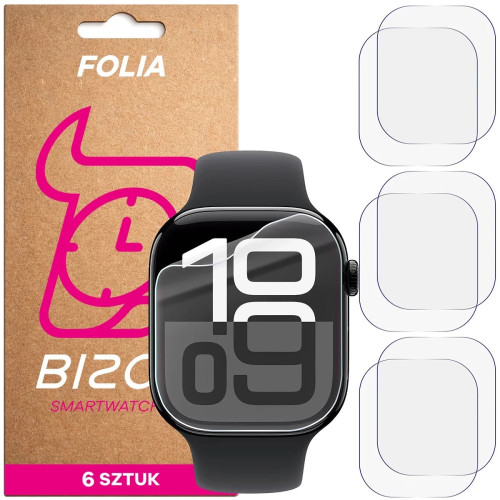
    The best accessories for the Huawei Watch GT Runner 2 are Bizon Case Watch Adamo case (25 zł) with integrated 9H glass, Tech-Protect Glass Flex+ [2 PACK] (19 zł) for maximum durability, and Bizon Watch Film HydroFlex [3 PACK] (25 zł) for runners who value minimal weight.

    Below you will find the complete ranking of 9 accessories available in the Home Screen store, divided into three categories: protective cases, tempered glass, and films. Each product is described with parameters, price, and a specific recommendation for whom it will be the best choice.

    Why the Huawei Watch GT Runner 2 Requires Protective Accessories

    The Huawei Watch GT Runner 2 is a watch tailored for marathon runners. According to Huawei’s official specifications, it has an aerospace-grade titanium case, second-generation Kunlun Glass, and a water resistance of 5 ATM with EN13319 certification for diving up to 40 meters. Sounds good, but none of these parameters protect against one specific scenario: the corner of the case hitting the edge of a desk or falling onto asphalt during training.

    In practice, it is the edges and the display that take the most hits. Repairing a cracked screen at an authorized Huawei service center costs around 500–700 zł according to the manufacturer’s price list. A ceramic film costs 12.99 zł, and a case with glass 25 zł. The ROI from securing the accessory is counted after the first fall.

    Attention: Titanium is harder than steel but susceptible to scratches. Every abrasion against the buckles of a running backpack, jacket zippers, or stone walls leaves a permanent mark. The Felipe case made of TPU solves this problem for 19 zł.

    Best protective cases for Huawei Watch GT Runner 2

    In the Home Screen store, there are two lines of cases from the Bizon brand, specifically designed for the GT Runner 2: Adamo (premium, with integrated glass) and Felipe (slim, with a TPU screen protector). Both protect the titanium case and display, but differ in their protection philosophy and aesthetics.

    1. Bizon Case Watch Adamo: premium with tempered glass (25 zł)

    Our selection in the premium protection category

    Bizon Case Watch Adamo is a two-part construction made of polycarbonate (PC) with factory-integrated 9H tempered glass. This is a 2-in-1 solution, you buy both a case and screen glass at the same time, saving several zlotys compared to purchasing both products separately.

    Specifications:
    – Frame material: polycarbonate (PC)
    – Screen protection: 9H tempered glass included
    – Weight: approx. 8 g
    – Variants: silver-orange, transparent-red, transparent-orange, transparent-blue

    For whom: For runners who want one solution instead of two, a protective frame and glass. The silver-orange variant matches well with the Dawn Orange color, while the blue one goes well with Dusk Blue.

    2. Bizon Case Watch Felipe: with TPU screen protector (19 zł)

    Best price for full 360° protection

    Bizon Case Watch Felipe is a monolithic TPU (thermoplastic polyurethane) case with a factory-built screen protector. The absence of hard joints means no critical points where the case could break upon impact. Touch sensitivity is maintained despite the TPU layer on the display.

    Specification:
    – Material: TPU (thermoplastic polyurethane)
    – Screen protection: integrated TPU shield
    – Slightly raised edges (raised edges)
    – Variants: silver, pink, gold, transparent, blue, black (6 colors)

    For whom: For trail runners and those training in difficult terrain. Soft TPU absorbs impact energy better than hard polycarbonate, thus providing better protection against stones on the running trail. Six color variants offer a lot of stylistic flexibility.

    Comparison of Adamo vs Felipe cases

    ParameterBizon AdamoBizon Felipe
    Price25 zł19 zł
    MaterialPolycarbonate (PC)TPU
    Screen protection9H tempered glassTPU shield
    ConstructionTwo-pieceMonolithic
    Number of color variants46
    Best forDaily use + trainingTrail running + impacts

    Tip: If you plan to wear the watch mainly at work and for light training, choose Adamo (the hard glass on the screen withstands daily abrasions). If you run in forests, on stones, and in difficult terrain, opt for Felipe (TPU absorbs impacts).

    The best tempered and hybrid glasses for Huawei Watch GT Runner 2

    Kunlun glass on the factory display is exceptionally hard, but not flawless. In practice, every runner notices minor scratches on the screen surface after a year. Tempered or hybrid glass is a sacrificial layer, it will break instead of the original display.

    1. Tech-Protect Glass Flex+ Black [2 PACK]: the most durable (19 zł)

    Our choice in the glass category

    Tech-Protect Glass Flex+ is a flexible hybrid glass with a black frame that masks the edges of the display. The hybrid combines the durability of glass with the flexibility of film, it does not crack when bent, unlike classic 9H glass. The set includes two pieces, so you have a spare for replacement after the first damage.

    Specyfikacja:
    – Typ: szkło hybrydowe (poliwęglan + warstwa szklana)
    – Twardość: 9H (warstwa zewnętrzna)
    – Ramka: czarna (maskuje krawędzie wyświetlacza)
    – Zestaw: 2 sztuki

    Dla kogo: Dla biegaczy, którzy chcą maksymalnej trwałości i nie boją się drobnych zarysowań, szkło hybrydowe wytrzymuje więcej niż klasyczna folia, a nie pęka jak 9H. Czarna ramka ukrywa łapane przez Kunlun Glass refleksy.

    2. Bizon Glass Watch Clear: klasyczne szkło hartowane (19 zł)

    Najlepszy wybór dla minimalistów

    Bizon Glass Watch Clear to przezroczyste szkło hartowane bez ramki, klejone na całej powierzchni. Brak czarnych krawędzi sprawia, że Always-On Display Huawei wygląda dokładnie tak samo jak na fabrycznym wyświetlaczu, bez efektu „okienka».

    Specyfikacja:
    – Typ: szkło hartowane
    – Twardość: 9H
    – Bez ramki, pełna przezroczystość
    – Grubość: 0,33 mm

    Dla kogo: Dla osób ceniących minimalistyczny wygląd i pełen widok wyświetlacza. Klasyczne szkło 9H świetnie chroni przed zarysowaniami, ale jest mniej odporne na punktowe uderzenia niż hybryda.

    3. GrizzGlass HybridGlass: najtańsze (13,99 zł)

    Najlepsza cena w rankingu szkieł

    GrizzGlass HybridGlass to budżetowa hybryda, łączy elastyczność folii z trwałością szkła w cenie, której nie pobije żadna inna opcja w sklepie. Nie ma zestawu 2-w-1, ale za mniej niż 14 zł zabezpieczasz ekran tytanowego flagowca Huawei.

    Specyfikacja:
    – Typ: szkło hybrydowe
    – Grubość: 0,2 mm
    – Bez ramki, przezroczyste
    – Polska marka

    Dla kogo: Dla biegaczy, którzy testują różne akcesoria i nie chcą inwestować dużo w jeden produkt. To także najlepszy wybór, jeśli już masz etui i szukasz dodatkowej warstwy szkła w niskiej cenie.

    Porównanie szkieł, tabela

    SzkłoMarkaTypRamkaZestawCena
    Glass Flex+ Black [2 PACK]Tech-Protecthybrydoweczarna2 szt.19 zł
    Glass Watch ClearBizonhartowane 9Hbrak1 szt.19 zł
    HybridGlassGrizzGlasshybrydowebrak1 szt.13,99 zł

    Najlepsze folie ochronne do Huawei Watch GT Runner 2

    Folia to alternatywa dla szkła, cieńsza, bardziej elastyczna i tańsza. Dla biegaczy maratonowych, którzy liczą każdy gram, folia jest często lepszym wyborem niż szkło, bo nie zmienia ergonomii ekranu i nie wpływa na czułość dotyku.

    1. Bizon Watch Film HydroFlex [3 PACK]: najlepszy zestaw (25 zł)

    Our selection in the film category

    Bizon Watch Film HydroFlex is a self-healing hydrogel film, minor scratches disappear over time thanks to the properties of the TPU material. The set includes 3 pieces, so they last for over a year of use even with intense training. The price of one film is 8.33 zł.

    Specification:
    – Type: hydrogel film (HydroFlex)
    – Function: self-healing of minor scratches
    – Set: 3 pieces
    – Thickness: 0.2 mm

    For whom: For runners who regularly rub the display against a backpack strap, technical shirt, or headlamp band. Three pieces mean that even after two replacements, you still have a spare.

    2. GrizzGlass CeramicFilm: the cheapest ceramic protection (12.99 zł)

    Najlepsza cena w rankingu folii

    GrizzGlass CeramicFilm to folia z warstwą ceramiczną, twardszą od standardowej folii TPU, ale wciąż elastyczną. Świetna alternatywa dla osób, które wolą trwałość ceramiki, ale nie chcą sztywności klasycznego szkła hartowanego.

    Specyfikacja:
    – Typ: folia ceramiczna
    – Twardość: porównywalna z 7–8H
    – Grubość: 0,2 mm
    – Polska marka

    Dla kogo: Dla świadomych zakupowo użytkowników, którzy chcą połączyć budżet z dobrymi parametrami ochronnymi. Najtaniej w całym sklepie, a parametry dorównują droższym foliom hybrydowym.

    3. GrizzGlass PaperScreen: folia matowa dla biegaczy w słońcu (13,99 zł)

    Best in bright sunlight and rain

    GrizzGlass PaperScreen is a matte film with a «paper» effect, eliminating light reflections and fingerprints. It’s a huge difference during training on a sunny day when you need to quickly check your pace or heart rate.

    Specification:
    – Type: matte film (anti-reflective)
    – Finish: matte, paper-like to the touch
    – Thickness: 0.2 mm
    – Glare reduction: up to 80%

    For whom: For marathon runners and triathletes who train outdoors. The matte surface provides a readable screen even in direct sunlight. Cons: slightly reduces the color saturation of the Always-On Display. Reviews such as Komputer Świat editorial test confirm that the peak brightness of 3000 nits is sufficient even without a matte film, but in full midday sun, readability increases significantly.

    Film comparison, table

    FilmBrandTypeSetPrice per 1 pc.Price
    HydroFlex [3 PACK]Bizonhydrogel3 pcs.8.33 zł25 zł
    CeramicFilmGrizzGlassceramic1 pc.12.99 zł12.99 zł
    PaperScreenGrizzGlassmatte1 pc.13.99 zł13.99 zł
    Watch Film Matte Duo [2 PACK]Bizonmatte2 pcs.14.50 zł29 zł

    Complete comparison of the 9 best accessories

    AccessoryCategoryBrandPriceBest for
    Bizon Case Watch AdamoCase with glassBizon25 złDaily use + office
    Bizon Case Watch FelipeCase with coverBizon19 złTrail running
    Tech-Protect Glass Flex+ [2 PACK]Hybrid glassTech-Protect19 złMaximum durability
    Bizon Glass Watch ClearTempered glassBizon19 złMinimalist look
    GrizzGlass HybridGlassHybrid glassGrizzGlass13,99 złBudget hybrid
    Bizon Watch Film HydroFlex [3 PACK]Hydrogel filmBizon25 złIntensive training
    GrizzGlass CeramicFilmCeramic filmGrizzGlass12,99 złBest price
    GrizzGlass PaperScreenMatte filmGrizzGlass13,99 złTraining in the sun
    Bizon Watch Film Matte Duo [2 PACK]Matte filmBizon29 złAnti-glare + spare

    How to choose accessories for your running style

    The choice of accessory depends on three variables: where you run, how long you train, and whether you wear a watch outside of running. Below are practical scenarios.

    Running on asphalt and in the city: The Bizon Adamo case (with 9H glass) is sufficient. Asphalt rarely leaves deep scratches, but a fall on the curb can damage the corner of the case. The dual-layer construction of PC + glass protects both the frame and the display.

    Trail routes and mountain runs: The Bizon Felipe case with soft TPU. Stones and roots can be merciless, and TPU absorbs impact energy better than hard polycarbonate. Plus, there are 6 color variants, with the orange case providing additional visibility on the route.

    Marathons and ultramarathons: A thin film (HydroFlex 3 PACK or PaperScreen) instead of a case. Every gram counts during a 42 km run, and the film practically does not change the ergonomics of the watch. The hydrogel HydroFlex regenerates minor scratches, so you don’t have to replace it after every workout.

    Triathlon and swimming: Only film, no case. Cases can trap water at the seals of the case, making it difficult to synchronize sensors with the body. The ceramic film GrizzGlass CeramicFilm or Glass Flex+ does not affect touch detection in water.

    Daily use + office: The Adamo case (premium look) plus the tempered glass Bizon Glass Watch Clear (frameless, full display view). This combination provides 360° protection without visual compromises.

    Tip: If you are buying accessories for the first time, start with the combination of Felipe case + HydroFlex 3 PACK film (total 44 PLN). This is a complete starter set with a year’s supply for use.

    What else is worth buying for the Huawei Watch GT Runner 2

    The Home Screen store offers accessories dedicated to the GT Runner 2, but there are also universal products that may come in handy. The watch has a standard 22 mm strap mount, so straps from the watch strap category fit it. If you are considering an upgrade to a newer model, check the categories Huawei Watch GT 6 or Huawei Watch Ultimate.

    Owners of older models can take a look at accessories for Huawei Watch GT 5 and Huawei Watch GT 4, some straps are interchangeable between models. A complete list of accessories for all Huawei smartwatch models can be found in the Other Watch / Band category.

    Summary of what to buy first

    The best single investment in protecting the Huawei Watch GT Runner 2 is the Bizon Case Watch Adamo case (25 zł), which combines a protective frame with 9H tempered glass. The second place goes to the Bizon Case Watch Felipe case (19 zł) for those training in difficult terrain.

    If you prefer minimalism, opt for just the Tech-Protect Glass Flex+ [2 PACK] (19 zł), two pieces at the price of one from competitors, hybrid technology. For marathon runners, the optimal choice is the Bizon Watch Film HydroFlex [3 PACK] (25 zł) with self-regenerating function.

    All the listed products are available at the Home Screen store with next business day shipping (for orders placed by 12:00 PM). Free shipping on orders over 100 PLN and 30 days for returns.

    FAQ, frequently asked questions about accessories for Huawei Watch GT Runner 2

    What accessories fit Huawei Watch GT Runner 2?

    Dedicated cases from Bizon (Adamo and Felipe), tempered glass from Bizon, Tech-Protect, and GrizzGlass, as well as protective films from Bizon and GrizzGlass fit Huawei Watch GT Runner 2. The watch also has a standard 22 mm strap mount, so universal straps of this width are compatible.

    Is tempered glass better than film for Huawei Watch GT Runner 2?

    Tempered glass offers better protection against point impacts (e.g., contact with a stone), while the film is thinner, lighter, and more flexible. For marathon runners, the film is better (less weight), while for trail runners, the Tech-Protect Glass Flex+ hybrid glass is a good compromise between flexibility and hardness.

    How much does it cost to repair Huawei Watch GT Runner 2?

    Naprawa pękniętego wyświetlacza Huawei Watch GT Runner 2 w autoryzowanym serwisie kosztuje ok. 500–700 zł. Etui ochronne zaczynają się od 19 zł, a folie od 12,99 zł, więc inwestycja w ochronę zwraca się po pierwszym uniknionym upadku.

    Jaki rozmiar ma pasek do Huawei Watch GT Runner 2?

    Huawei Watch GT Runner 2 używa paska o szerokości 22 mm ze standardowym mocowaniem quick-release. Możesz wymienić oryginalny pasek na dowolny inny pasek 22 mm, silikonowy, skórzany, milanese lub nylonowy.

    Czy etui Bizon Adamo i Felipe pasują do innych modeli Huawei Watch?

    Nie, etui Bizon Case Watch Adamo i Felipe są zaprojektowane konkretnie pod wymiary koperty Huawei Watch GT Runner 2 (45,9 × 43,5 × 10,7 mm). Do innych modeli Huawei Watch (GT 4, GT 5, GT 6, Ultimate) potrzebujesz dedykowanych etui z odpowiednich kategorii.

    Czy folia ceramiczna utrudnia korzystanie z dotyku?

    Nie, folia ceramiczna GrizzGlass CeramicFilm ma grubość 0,2 mm i nie wpływa zauważalnie na czułość dotyku Huawei Watch GT Runner 2. Funkcja Always-On Display oraz wszystkie gesty (przesunięcia, nacisk) działają normalnie.

    Które akcesorium kupić, jeśli mam ograniczony budżet?

    If you have less than 25 zł, the best investment is GrizzGlass CeramicFilm (12.99 zł), the ceramic film protects the screen from scratches and point impacts at the lowest price in the store. If the budget allows for 25 zł, go for Bizon Adamo case (case + glass 2-in-1).

  • What is the best glass for Xiaomi 17 Ultra? Ranking of 8 models for 2026

    What is the best glass for Xiaomi 17 Ultra? Ranking of 8 models for 2026

    The best glass for Xiaomi 17 Ultra is 3MK FlexibleGlass (34.90 zł) — a hybrid glass with an antibacterial coating containing silver nanoparticles and a ceramic layer that absorbs impact energy and does not crack like traditional tempered glass. In second place is Bizon Glass Edge Duo (35 zł) — a two-pack of 9H glasses with a black frame and 4D rounded edges.

    Xiaomi 17 Ultra is a flagship device, whose LTPO AMOLED display costs more than many mid-range smartphones. The fingerprint sensor under the screen, peak brightness, and gently curved edges — all of this requires proper protection. In this ranking, you will find the best tempered and hybrid glasses for Xiaomi 17 Ultra (also compatible with 17 Pro Max), tested for hardness, fit, touch sensitivity, and compatibility with cases.

    What to pay attention to when choosing glass for Xiaomi 17 Ultra?

    Before we move on to the ranking, it is worth knowing what to consider when choosing protective glass for Xiaomi 17 Ultra. Here are the key parameters.

    Hardness 9H — this is the industry standard for tempered glass. It indicates resistance to scratches from keys, coins, and other everyday objects. Hybrid glasses usually have 6–7H, which they compensate for with flexibility and resistance to cracking.

    Thickness 0.25–0.43 mm — thinner glasses (0.25 mm) are less visible and work better with the fingerprint reader under the screen. Thicker ones (0.33–0.43 mm) offer greater shock absorption during falls but may protrude beyond the outline of the case.

    Full Glue — the best glasses for Xiaomi 17 Ultra have an adhesive layer over the entire surface, not just along the edges. This eliminates air bubbles and prevents the corners from peeling off.

    Oleophobic coating — repels fingerprints, makes cleaning easier, and improves the smoothness of finger movement across the screen. Lack of this coating leads to quick dirt accumulation and visible streaks.

    Compatibility with cases — glasses with 4D rounded edges and a black frame effectively mask the transition between the screen and the casing, but some cases with high edges may lift the corners of the glass. A safe choice are models with a narrower outline (e.g., Bizon Glass Clear).

    Fingerprint reader under the screen — Xiaomi 17 Ultra has a sensor under the display. Standard 9H tempered glasses work correctly with it, but matte privacy glasses (e.g., Bizon Hybrid Shadow) may reduce the effectiveness of fingerprint recognition.

    Ranking of glasses for Xiaomi 17 Ultra

    1. 3MK FlexibleGlass — hybrid with antibacterial coating (34.90 zł)

    Our choice

    3MK FlexibleGlass is a hybrid glass from a Polish brand that combines the flexibility of a film with the durability of a ceramic coating. It features a silver nanoparticle antibacterial coating — a rare attribute in this segment, particularly useful for those who frequently use their smartphones in public places.

    The construction absorbs impact energy, preventing it from cracking during moderate falls. The oleophobic coating reduces fingerprints, and the almost invisible structure maintains the original appearance of the Xiaomi 17 Ultra screen. The package includes a complete installation kit with wipes and a bubble removal card.

    Advantages:
    – Antibacterial coating with silver nanoparticles
    – Hybrid construction — does not crack upon impact
    – Ceramic layer increases scratch resistance
    – Oleophobic coating
    – Complete installation kit

    2. Bizon Glass Edge Duo — complete protection in a two-pack (35 zł)

    Najlepszy stosunek ceny do jakości

    Bizon Glass Edge Duo to najlepiej dopasowany pakiet ochronny do Xiaomi 17 Ultra. W jednym pudełku otrzymujesz dwa szkła hartowane o twardości 9H, grubości 0.33 mm i zaokrąglonych krawędziach 4D z dyskretną czarną ramką. Ramka maskuje przejście między ekranem a obudową, dając efekt szkła „od krawędzi do krawędzi”.

    Powłoka oleofobowa redukuje odciski palców, a powierzchnia zachowuje pełną przezroczystość i czułość dotyku. W zestawie znajdziesz dwa komplety akcesoriów montażowych — mikrofibrę, chusteczki czyszczące, naklejki pozycjonujące i pochłaniacz pyłu. Drugie szkło traktuj jako zapas, jeśli pierwsze pęknie po upadku.

    Zalety:
    – Dwa szkła w cenie 35 zł (17,50 zł za sztukę)
    – Twardość 9H i grubość 0.33 mm
    – 4D zaokrąglone krawędzie z czarną ramką
    – Powłoka oleofobowa
    – Kompatybilność z Xiaomi 17 Ultra i 17 Pro Max

    3. Crong 3D Armour Glass Lite — full glue and 2.5D edges (29 zł)

    Our choice in the edge-to-edge category

    Crong 3D Armour Glass Lite is a 9H tempered glass with full glue that covers the entire display of the Xiaomi 17 Ultra. The 2.5D edges gently slope down the sides, and the black frame masks the outline of the case. A light transmission rate of 92% means that the screen retains its original brightness and colors.

    Thickness 0.33 mm is the industry standard. The shatter-resistant coating limits the spread of cracks — if the glass breaks upon impact, the shards remain within the film layer. The oleophobic coating minimizes fingerprints, and the package includes a complete installation kit.

    Advantages:
    – Full Glue adhesion across the entire surface
    – 2.5D rounded edges with a black frame
    – Shatter-resistant coating
    – Light transmission of 92%
    – Hardness 9H, thickness 0.33 mm

    4. Bizon Hybrid Shadow — privacy glass for the demanding (35 zł)

    Our choice in the privacy category

    Bizon Hybrid Shadow to pryvatisujące szkło hybrydowe, które ogranicza kąt widzenia do 28°. Patrząc pod kątem na ekran, osoba obok widzi tylko ciemną taflę. Idealne rozwiązanie do pracy w open space, podróży komunikacją publiczną i wszędzie tam, gdzie chcesz chronić poufne dane na ekranie.

    Matowa powierzchnia eliminuje refleksy i odciski palców, a transparentność na poziomie 60% wystarcza do komfortowego korzystania z telefonu. Grubość 0.25 mm i twardość 6H to kompromis między ochroną a dyskrecją. Pamiętaj — matowa powłoka pryvatisująca może obniżyć skuteczność czytnika linii papilarnych pod ekranem.

    Zalety:
    – Kąt widzenia ograniczony do 28°
    – Matowa powierzchnia bez refleksów
    – Eliminuje odciski palców
    – Grubość 0.25 mm — niemal niewidoczne
    – Powłoka oleofobowa

    5. Bizon Glass Clear Duo — przezroczyste szkło w dwupaku (35 zł)

    If you don’t mind the lack of a black frame, Bizon Glass Clear Duo is a practical alternative to Edge Duo. You get two 9H tempered glasses that are fully transparent, without a frame color — ideal if you don’t want anything to stand out on the white background of the application.

    A thickness of 0.33 mm, oleophobic coating, and full transparency are standard. The glass covers the flat part of the display, and there may be a slight air border on the curved edges — this is natural for 2D glasses. The second set remains in the box as a spare. Eco-packaging with minimal plastic is a plus for conscious users.

    Advantages:
    – Two glasses for 35 zł (17.50 zł each)
    – Full transparency — without a black frame
    – Hardness 9H, thickness 0.33 mm
    – Oleophobic coating
    – Eco-packaging

    6. Bizon Glass Edge 2 — single glass with frame (25 zł)

    Bizon Glass Edge 2 is a budget choice with a frame for Xiaomi 17 Ultra. Single 9H glass with a thickness of 0.33 mm and 4D rounded edges with a black frame that masks the transition between the screen and the housing. It is the same quality standard as in Edge Duo, just without the markup at a price of 25 zł.

    The oleophobic coating reduces fingerprints, and the manufacturer claims greater transparency and smoothness than in the first generation of Glass Edge. The set includes a complete installation kit: microfiber, wipes, positioning stickers, and a dust absorber.

    Advantages:
    – Price 25 zł for glass with a frame
    – Hardness 9H, thickness 0.33 mm
    – 4D rounded edges with a black frame
    – Oleophobic coating
    – Complete installation kit

    7. Bizon Angelo Pack — case and tempered glass included (45 zł)

    Our choice in the set category

    Bizon Angelo Pack is a clever «two in one» solution — in one box you get a smoky case with a beige frame and the Bizon Glass Edge tempered glass with a black frame. The set costs 45 zł (or 40.50 zł in a product package), which is less than buying both products separately. It’s the perfect option if you’re buying accessories for the new Xiaomi 17 Ultra and want to ensure full protection right away.

    The glass has standard parameters of the Edge series: hardness 9H, thickness 0.3 mm, and 2.5D coating with a black frame. The smoky case is made of flexible material with a matte finish — it protects the edges and back of the phone, feels good in hand, and doesn’t collect fingerprints. The beige frame adds a subtle color accent.

    Advantages:
    – Case and tempered glass at one price — 45 zł
    – Bizon Glass Edge with black frame (hardness 9H, 2.5D)
    – Smoky case with beige frame included
    – Cheaper than buying separately

    8. GrizzGlass HybridGlass — best price for hybrid glass (14.99 zł)

    Best price in the ranking

    For 14.99 zł you get hybrid glass from the Polish brand GrizzGlass, which strengthens the screen by 400% against impacts and is resistant to scratches. The construction combines tempered glass with flexible film — thanks to this, the glass does not shatter like classic tempered glass.

    The surface has an oleophobic coating, and the precise laser cut ensures a perfect fit for the Xiaomi 17 Ultra. The manufacturer guarantees full compatibility with the under-screen fingerprint reader and Face Unlock. Polish production means a shorter supply chain and a lower carbon footprint.

    Advantages:
    – The lowest price in the comparison — 14.99 PLN
    – Screen reinforcement by 400% against impacts
    – Flexible — does not crack like tempered glass
    – Oleophobic coating, precise laser cut
    – Polish production

    Comparison of glasses for Xiaomi 17 Ultra — summary table

    GlassPriceTypeHardnessFrameFor whom
    3MK FlexibleGlass34.90 PLNHybrid antibacterial7HAntibacterial coating, drop protection
    Bizon Glass Edge Duo35 PLNTempered (2-pack)9H✅ BlackBest price-to-quality ratio
    Crong 3D Armour Glass Lite29 PLNTempered Full Glue9H✅ BlackEdge-to-edge with full glue
    Bizon Hybrid Shadow35 PLNHybrid privacy6HPrivacy protection (angle 28°)
    Bizon Glass Clear Duo35 PLNTempered (2-pack)9HFull transparency, two-pack
    Bizon Glass Edge 225 PLNTempered9H✅ BlackCheapest for glass with frame
    Bizon Angelo Pack45 PLNCase + tempered glass9H✅ BlackProtective set at one price
    GrizzGlass HybridGlass14.99 PLNHybrid6HCheapest flexible protection

    Which glass to choose for Xiaomi 17 Ultra? Recommendations

    The choice of glass for Xiaomi 17 Ultra depends on what you value the most. Here is a short guide tailored to your needs.

    If you care about hygiene and drop resistance → choose 3MK FlexibleGlass (34.90 zł). Antibacterial coating with silver nanoparticles and a hybrid construction that absorbs impact energy — this is our number one choice.

    If you want to get two glasses for the price of oneBizon Glass Edge Duo (35 zł). Two 9H glasses with a black frame and 4D edges for 17.50 zł each — the second one remains as a spare.

    If you are looking for full screen coverage with a black frameCrong 3D Armour Glass Lite (29 zł) with full adhesion and 2.5D edges fits perfectly on the entire display of the Xiaomi 17 Ultra.

    If you want to protect your privacy on the screenBizon Hybrid Shadow (35 zł) limits the viewing angle to 28° — no one next to you will see what you have on the screen.

    If you are buying a set of accessoriesBizon Angelo Pack (45 zł) is a case and tempered glass in one package. You save compared to buying separately and have full protection right away.

    If price is the most important factorGrizzGlass HybridGlass for 14.99 zł is the cheapest flexible protection in the comparison, with a guarantee of screen reinforcement by 400%.

    Tip: The glass protects the screen, but the Leica camera module in the Xiaomi 17 Ultra protrudes above the housing and also requires protection. If you care about full protection, consider complementing the screen glass with a case that has a high edge around the lens.

    Don’t forget about cases and accessories

    Tempered glass protects the display, but the Xiaomi 17 Ultra also has a protruding Leica camera island and a metal frame prone to scratches. At homescreen.pl you will find a full range of accessories for the Xiaomi 17 Ultra — from cases by Bizon, Tech-Protect, and Ringke, to wireless chargers and camera protection.

    If you are comparing the Xiaomi 17 Ultra with the competition, check out our article Vivo X300 Ultra vs Xiaomi 17 Ultra — comparison of photographic flagships. And if you are considering other models from the series, see the full category of Xiaomi 17 accessories.

    Summary

    The best glass for Xiaomi 17 Ultra is 3MK FlexibleGlass (34.90 zł) — a hybrid glass with an antibacterial coating, a ceramic layer, and a construction that absorbs impact energy. If you prefer classic tempered glass with a reserve, Bizon Glass Edge Duo (35 zł) offers two 9H glasses with a black frame and 4D edges. The widest coverage is provided by Crong 3D Armour Glass Lite (29 zł) with full adhesion, and those valuing privacy should reach for Bizon Hybrid Shadow (35 zł) with a viewing angle of 28°. In the budget category, GrizzGlass HybridGlass wins at 14.99 zł.

    Check the full offer of tempered glasses for Xiaomi 17 Ultra at homescreen.pl — free shipping from 100 zł and next business day delivery.

    FAQ — frequently asked questions

    What tempered glass fits Xiaomi 17 Ultra?

    For Xiaomi 17 Ultra, glasses designed specifically for this model are suitable. In the offer of homescreen.pl, you will find glasses from 3MK, Bizon, Crong, and GrizzGlass — all with precise cutouts for the fingerprint sensor, upper speaker, and protruding camera module. Most models are also compatible with Xiaomi 17 Pro Max.

    Does the glass for Xiaomi 17 Pro Max fit 17 Ultra?

    Yes, most glasses marked as “for Xiaomi 17 Ultra / 17 Pro Max” (e.g., Bizon Glass Edge and Clear series) are compatible with both models. Both phones have a similar display size and identical sensor layout. Always check the packaging to see if the manufacturer lists both models.

    Does tempered glass affect the fingerprint reader on Xiaomi 17 Ultra?

    Standard 9H tempered glasses with a thickness of 0.33 mm work correctly with the fingerprint reader under the screen of the Xiaomi 17 Ultra. Matte privacy glasses (e.g., Bizon Hybrid Shadow) may pose a problem — their coating that reduces the viewing angle can lower the effectiveness of fingerprint recognition.

    How much does glass for Xiaomi 17 Ultra cost?

    Prices for glasses for Xiaomi 17 Ultra start from 14.99 PLN (GrizzGlass HybridGlass) and reach 45 PLN for a case + glass set Bizon Angelo Pack. Most of the glasses themselves fall within the range of 25–35 PLN. The premium hybrid 3MK FlexibleGlass with antibacterial coating costs 34.90 PLN.

    Is it worth buying hybrid glass instead of tempered glass?

    Hybrid glass (e.g., 3MK FlexibleGlass, GrizzGlass HybridGlass) is flexible and does not crack like classic tempered glass, but has lower hardness (6–7H instead of 9H). It works well for people who often drop their phones. Classic 9H tempered glass handles scratches from keys and coins in pockets better.

    Does glass with a black frame better protect the screen of Xiaomi 17 Ultra?

    Glass with a black frame (Bizon Glass Edge, Crong 3D Armour) masks the transition between the screen and the case and looks more aesthetically pleasing, especially with a case. The protection itself is comparable to transparent models — the difference lies in appearance. Choose the framed version if you use a case with high edges.

    How to apply tempered glass on Xiaomi 17 Ultra?

    Clean the screen with a damp wipe and dry it with a microfiber cloth. Use the positioning stickers from the kit to lift the glass and collect dust with a dust absorber. Slowly apply the glass to the top edge and lower it — air bubbles will disappear on their own within 24–48 hours. In every package of 3MK, Bizon, and Crong glasses, you will find a complete installation kit.

  • What is the best charger for MacBook Neo 13 [2026]? Top 7 models

    What is the best charger for MacBook Neo 13 [2026]? Top 7 models

    The best charger for MacBook Neo 13 is Ugreen X524 45 W USB-C GaN (59.90 PLN), a compact GaN power supply with Power Delivery that fully utilizes the maximum 30 W that the MacBook Neo accepts, and the additional 15 W reserve allows you to charge an iPhone as well. The second place goes to Usams T70 40 W (49 PLN), a multi-port charger with 2× USB-C and 2× USB-A. Below is the full ranking of 7 models with prices, specifications, and recommendations for various scenarios.

    MacBook Neo 13″ (A18 Pro) is sold without a power adapter, in the box you will find only the laptop and a USB-C cable. You need to purchase the charger separately. We selected 7 models from the homescreen.pl offer, with power ranging from 33 W to 140 W, which is where the new MacBook actually utilizes the available energy. We focused on proven brands: Ugreen (including Nexode S 140 W), Usams (including US-CC180 Sandru 65 W), Spigen, Crong, and 3MK.

    What power charger for MacBook Neo 13?

    MacBook Neo 13 with A18 Pro chip is the cheapest Apple laptop, launching in March 2026, priced from $599. The device weighs under 1.3 kg and has two USB-C ports (USB 3 on the left, USB 2 on the right). Unlike the MacBook Pro, the Neo does not support fast charging.

    The optimal charger power for the MacBook Neo 13 is around 35 W, as this model can accept a maximum of 30 W. Tests have shown that the Neo will not utilize higher power when charging the laptop itself.

    Weaker chargers, such as 20 W, will also charge the laptop, but the energy replenishment time will be noticeably longer. Stronger chargers, such as 60–140 W, will be useful when you want to charge several devices simultaneously or if you also use them for a more powerful laptop. We do not include models exceeding 140 W in the ranking, as for the Neo, they would only mean an additional cost, not speed.

    When is it worth choosing a stronger charger (45–140 W)?

    A higher power charger will be useful if:

    • You plan to also charge a more powerful laptop, e.g. MacBook Pro (14″ requires 70–96 W, 16″ even 140 W).
    • You are looking for a multi-port charger to charge the MacBook Neo and other devices simultaneously, e.g. iPhone, iPad, AirPods.
    • You travel often and want to have one charger for the entire Apple ecosystem.
    • You want to keep some power reserve for future devices.

    Advice: If you want to charge your laptop and other devices, such as an iPhone and iPad, choose a multi-port charger with two or three USB-C ports. Smart power management will automatically adjust the performance for each connected device.

    What standards to look for?

    The charger for the MacBook Neo should support:

    • USB Power Delivery (USB PD), fast charging standard up to 240 W, essential for USB-C.
    • Minimum 30 W on the USB-C port, to ensure Neo charges at full supported speed.
    • GaN (gallium nitride), allows for a smaller charger while maintaining power; ideal for a backpack.
    • PPS (Programmable Power Supply), optionally, useful for newer iPhones and Samsungs.

    Ranking: 7 best chargers for MacBook Neo 13

    The following models were selected from the homescreen.pl offer, comparing power, number of ports, GaN technology, and value for money. All come from reputable brands and fall within the range of 33–140 W.

    1. Ugreen X524 45 W USB-C GaN, our choice (59.90 PLN)

    Our choice. Ugreen X524 45 W is a GaN charger with a single USB-C port and a power of 45 W priced below 60 PLN, making it hard to find a better price-to-performance ratio. Gallium nitride has allowed the casing to be reduced to the size of a standard 25 W charger, while still delivering a full 45 W output.

    45 W is a safe margin over the maximum 30 W that Neo accepts. This means that the laptop will charge at the full supported speed, and Ugreen X524 is also sufficient for the iPhone 17 Pro Max (27 W) or iPad Pro. If you want a ready-made set, choose the variant Ugreen X524 45 W with a 1 m USB-C cable for 69.90 PLN.

    ParameterValue
    Power45 W
    Ports1× USB-C
    TechnologyGaN, USB PD
    Weightapprox. 80 g
    Price59.90 zł

    2. Usams T70 40 W, multi-port home hub (49.00 zł)

    If you are looking for one charger that will support the entire family of devices, Usams T70 40 W is the cheapest option in the ranking. Four ports (2× USB-C + 2× USB-A) allow you to charge a MacBook Neo, iPhone, iPad, and headphones simultaneously, and the total cost is 49 zł. This is unbeatable in this category.

    It is worth remembering that in the Usams T70 40 W is the total power, intelligently distributed among the ports. When charging four devices simultaneously, Neo will receive less than 30 W, but overnight charging of the entire set is not a problem. It is the perfect charger for a desk or a nightstand.

    ParameterValue
    Power40 W (total)
    Ports2× USB-C + 2× USB-A
    TechnologyUSB PD, Quick Charge
    Price49.00 zł

    3. 3MK Hyper Charger PD 33 W GaN, the most precisely matched power (49.90 zł)

    3MK Hyper Charger PD 33 W GaN is the most precisely matched power model in the ranking. 33 W is practically exactly what Neo can accept (30 W), so you don’t pay for unused capacity. At this price, you also get a second USB-A port, useful for a phone with an older cable or an additional accessory.

    3MK supports a full set of fast charging standards: USB PD, QC 4+, PPS, AFC, FCP, and SCP. The intelligent circuit automatically adjusts the power to the connected device, and protections against overheating, overloading, and voltage spikes protect both the charger and the laptop.

    ParameterValue
    Power33 W (total)
    Ports1× USB-C + 1× USB-A
    TechnologyGaN, PD, QC 4+, PPS
    Price49.90 zł

    4. Spigen Essential 45 W (white) with USB-C cable, premium (79.00 zł)

    Spigen to marka, która zbudowała reputację na akcesoriach premium dla ekosystemu Apple. Spigen Essential 45 W to stabilny, pewny wybór z kablem USB-C 1 m w komplecie, nie musisz kupować niczego dodatkowo. Kabel od Spigena jest zbrojony i wytrzymały, co ma znaczenie przy codziennym użytkowaniu w plecaku.

    45 W w Spigen Essential to ta sama moc co w Ugreenie, ale za dodatkowe 20 zł dostajesz markowy kabel i klasyczny, biały design pasujący do MacBooka. Jeśli zależy Ci na estetyce i markowym komplecie, to rozsądny wydatek.

    ParameterValue
    Power45 W
    Ports1× USB-C
    TechnologyUSB PD
    IncludedUSB-C cable 1 m
    Price79,00 zł

    5. Crong Ultra Compact GaN 45 W with PPS, battery protection (89,00 zł)

    Crong Ultra Compact 45 W stands out for two reasons: very small size (one of the smallest 45 W chargers on the market) and full support for the PPS (Programmable Power Supply) standard. PPS dynamically adjusts the voltage, which in practice means less heat and reduced battery cell wear over the long term.

    Crong Ultra Compact is an option for those who want to take care of the longevity of their MacBook Neo and iPhone battery. The price of 89 PLN is higher than the competition, but for the PPS technology in such a compact housing, it’s fair.

    ParameterValue
    Power45 W
    Ports1× USB-C
    TechnologyGaN, PD 3.0, PPS
    Price89.00 PLN

    6. Usams US-CC180 Sandru 65 W GaN, multi-port travel (129.00 PLN)

    Usams US-CC180 Sandru 65 W is a compact GaN charger that combines higher power with multi-port capability in one travel case. Two USB-C ports (main up to 65 W) and one USB-A output allow simultaneous charging of a MacBook Neo, iPhone, and smartwatch, while the foldable plugs save space in your backpack.

    65 W daje realny zapas: MacBook Neo dostanie swoje 30 W z portu głównego, a drugi port USB-C wciąż może zasilić iPhone’a 27 W. Dla osób, które chcą jednej ładowarki na wyjazd służbowy i do domu, Usams US-CC180 jest sensownym kompromisem między mocą a rozmiarem.

    ParametrWartość
    Moc65 W (łącznie)
    Porty2× USB-C + 1× USB-A
    TechnologiaGaN, USB PD, QC
    Cena129,00 zł

    7. Ugreen Nexode S 140 W GaN z 3× USB-C, desktop power hub (199,00 zł)

    Ugreen Nexode S 140 W to najbardziej uniwersalna ładowarka w rankingu. Cztery porty (3× USB-C + 1× USB-A) i 140 W łącznej mocy pozwalają jednocześnie zasilić MacBooka Pro 16″ (140 W), MacBooka Neo, iPhone’a i słuchawki bezprzewodowe, a GaN gwarantuje, że obudowa pozostaje zwarta i nie grzeje się pod obciążeniem.

    At a price of 199 zł Ugreen Nexode S is exceptionally advantageous, competitive single-port 140 W chargers from original manufacturers cost twice as much, and here you also get 3× USB-C for power sharing. This is a choice for users who want to reduce the number of chargers on their desk to one and have extra power for a laptop running at full load.

    ParameterValue
    Power140 W (total)
    Ports3× USB-C + 1× USB-A
    TechnologyGaN, USB PD 3.1
    Price199.00 zł

    Comparison of chargers for MacBook Neo 13

    ModelMocPortyGaNPPSCena
    Ugreen X524 45 W45 W1× USB-C59,90 zł
    Usams T70 40 W40 W2× USB-C + 2× USB-A49,00 zł
    3MK Hyper Charger 33 W33 W1× USB-C + 1× USB-A49,90 zł
    Spigen Essential 45 W biały45 W1× USB-C79,00 zł
    Crong Ultra Compact 45 W45 W1× USB-C89,00 zł
    Usams US-CC180 Sandru 65 W65 W2× USB-C + 1× USB-A129,00 zł
    Ugreen Nexode S 140 W140 W3× USB-C + 1× USB-A199,00 zł

    Which charger to choose? Recommendations by scenario

    We have shown the full spectrum of possibilities. To make the decision easier, we suggest which charger to choose depending on how you use your MacBook Neo:

    What to avoid when choosing a charger for MacBook Neo

    Not every USB-C charger will charge the MacBook Neo as it should. What to watch out for:

    • Chargers below 20 W will charge the Neo, but very slowly. They are not suitable for intensive laptop use while charging.
    • Ładowarki bez USB Power Delivery, część tanich modeli ogranicza się do 5 V / 3 A, co daje maksymalnie 15 W. Neo nie wykorzysta nawet swojego limitu 30 W.
    • Taniochy z marketplace’ów bez certyfikatów, brak zabezpieczeń przeciwzwarciowych i przeciwprzepięciowych to realne ryzyko uszkodzenia laptopa za kilka tysięcy złotych.
    • Pojedyncza ładowarka o mocy 5–10 W z telefonu, fizycznie się podłączy, ale może nawet rozładowywać laptopa przy intensywnym użytkowaniu.

    Uwaga: MacBook Neo nie obsługuje standardu szybkiego ładowania (jak MacBook Pro). Kupowanie ładowarki 140 W tylko dla Neo nie ma sensu, wykorzystasz z niej maksymalnie 30 W. Sens to ma wyłącznie, jeśli planujesz ładować również MacBooka Pro albo kilka urządzeń naraz.

    Gdzie kupić ładowarkę do MacBook Neo 13?

    Wszystkie ładowarki z rankingu znajdziesz w kategorii ładowarki sieciowe w homescreen.pl. W sklepie dostępna jest też osobna kategoria akcesoria do MacBook Neo 13″ A18 Pro, w której znajdziesz kompatybilne etui Tech-Protect, szkła GrizzGlass i folie 3MK.

    If you also use an iPhone, it’s worth checking out MagSafe accessories, the wireless chargers work with the phone, and the same USB-C power supply powers both it and the MacBook. This is the most economical way to reduce the number of chargers in the house. A wider selection of power banks, USB-C cables, and wireless chargers can also be found in the collective category charging accessories.

    The USB Power Delivery standard, which is supported by both the MacBook Neo and all chargers in the ranking, is detailed in the official USB-IF specification. It’s a good source if you want to understand why 30 W from one charger is not the same as 30 W from another.

    Our choice: For most MacBook Neo 13 users, the optimal choice will be the Ugreen X524 45 W GaN (59.90 PLN), it has power to spare, GaN technology, is inexpensive, and comes from a trusted brand.

    Summary

    The MacBook Neo 13 is sold without a power adapter, so you need to purchase a charger for the MacBook Neo separately. The optimal power is around 35 W, as the laptop accepts a maximum of 30 W and does not support fast charging. More powerful adapters in the range of 45–140 W make sense mainly when you want to charge other devices simultaneously or a more powerful MacBook Pro.

    If you don’t know where to start, choose Ugreen X524 45 W (59.90 PLN), Usams T70 40 W (49 PLN) or 3MK Hyper Charger 33 W (49.90 PLN), all three support USB PD and will charge the Neo at full available speed.

    If you are also charging your phone and tablet while traveling, it’s worth considering Usams US-CC180 Sandru 65 W (129 PLN) with 2× USB-C + USB-A. For a desk with a MacBook Pro, Neo, and other accessories, the best choice is Ugreen Nexode S 140 W (199 PLN), 3× USB-C + USB-A and 140 W total power covers even the MacBook Pro 16″ along with a phone and headphones.

    Check the full offer of chargers for MacBook Neo in the category of network chargers at homescreen.pl and choose a model that fits your work style. If you have any questions, feel free to write to [email protected], we will advise you on the best configuration for your devices.

    FAQ, frequently asked questions

    What power charger is optimal for MacBook Neo 13?

    The optimal power is around 35 W, as the MacBook Neo accepts a maximum of 30 W and does not support fast charging. Chargers of 33–45 W provide full supported speed with a slight reserve for the phone.

    Will a 20 W charger charge the MacBook Neo?

    Yes, a 20 W charger will charge the MacBook Neo, but the charging time will be noticeably longer, by about 30–40% compared to a 30–45 W power adapter. This is a good emergency option, but not for everyday use.

    Will a charger for iPhone 16 Pro Max charge the MacBook Neo?

    Yes, if it is a USB-C 30 W (or more) charger with USB Power Delivery support. The 20 W charger from the iPhone will also work, but charging will be slower than with a dedicated 40–45 W power adapter.

    Does the MacBook Neo come with a charger in the box?

    No. In the MacBook Neo box, you will find only the laptop and a USB-C cable. The power adapter must be purchased separately, Apple offers 20 W, 30 W, and 35 W dual-port models.

    Is it worth buying a 140 W charger for the MacBook Neo?

    Only if you plan to use the same charger for the MacBook Pro 14″ or 16″ (which require 70–140 W). For the Neo itself, a 33–45 W charger is sufficient, as the laptop will not draw more than 30 W anyway.

    What is the difference between a GaN charger and a regular one?

    GaN (gallium nitride) is a semiconductor technology that allows reducing the size of the charger by 30–50% while maintaining the same power. GaN chargers heat up less and are lighter, making them ideal for backpacks and travel.

    Will a charger from a manufacturer other than Apple work with the MacBook Neo?

    Yes, any USB-C charger that supports USB Power Delivery works with the MacBook Neo, regardless of the brand. Standards (USB PD, power) are important, not the manufacturer. Branded chargers from Ugreen, Usams, or Spigen meet the same USB-IF specifications as the original Apple.

    What charger brands are recommended for the MacBook Neo?

    For the MacBook Neo, chargers from trusted accessory brands are the best choice: Ugreen, Usams, Spigen, Crong, and 3MK. These are manufacturers with years of experience in USB PD and GaN, with reliable protections and warranties.

  • Xiaomi 18 Pro na renderach — AI button, two 200 MP cameras and a screen on the back

    Xiaomi 18 Pro na renderach — AI button, two 200 MP cameras and a screen on the back

    Xiaomi 18 Pro appeared in the first renders with a dedicated AI button on the side frame, two 200 MP cameras with LOFIC HDR 3.0, a rear AMOLED screen (returning after Xiaomi 17 Pro) and a 7000 mAh battery. The larger Pro Max will get 8500 mAh and an expanded audio set. Both models are powered by Snapdragon 8 Elite Gen 6 in a 2 nm process — the Pro variant with a higher clock speed than the base model.

    The most interesting novelty is the dedicated AI button placed centrally on the curved middle frame. Xiaomi has made it a three-function controller: a single click launches the AI agent, a double click controls the Xiaomi SU7 electric car, and a long press activates smart home routines. This is the first button in a smartphone designed from scratch for AI — unlike the Apple Action Button, which is simply a configurable shortcut.

    Xiaomi 18 Pro in renders, what can be seen

    Leaked renders show the Xiaomi 18 Pro with a distinctive camera island in the shape of a round «plate», similar to the Xiaomi 17, but enlarged with a second 200-megapixel module. On the back cover, there is an additional AMOLED display, which Xiaomi calls an «intelligent window». The small screen allows for receiving calls, controlling music, translating conversations in real-time, and functioning as a viewfinder during selfies with the main camera.

    The design departs from the flat edges known from the previous generation. The renders show a rounded titanium frame and a slightly curved display, a move towards ergonomics that Xiaomi has already tested in the 17 Ultra model. The colors visible in the leaks are classic black, white with a ceramic texture, and dark Leica brown, the latter likely as a limited edition with distinctive leather finishes.

    Note: The renders come from early prototypes. Xiaomi regularly changes design details between the leak and the premiere, so the final version may look different. The confirmed elements are two 200 MP modules and the rear display.

    Specifications of Xiaomi 18 Pro and 18 Pro Max, what we already know

    Below is a summary of all confirmed and expected parameters of both models, gathered from leaks mgsm.pl, notebookcheck.pl, and gsmmaniak.pl.

    ParameterXiaomi 18 ProXiaomi 18 Pro Max
    ProcessorSnapdragon 8 Elite Gen 6 (2 nm)Snapdragon 8 Elite Gen 6 Pro (SM8975)
    Main display6.3″ 2K LTPO OLED6.9″ flat 2K LTPO OLED
    Rear displayAMOLED “intelligent window»AMOLED AI-powered (enhanced version)
    Main camera200 MP, 1/1.28″ SmartSens, LOFIC HDR 3.0200 MP, 1/1.28″, LOFIC HDR 3.0
    Telephoto200 MP periscope, 3× zoom200 MP periscope, 3× zoom
    Ultrawide50 MP50 MP
    OpticsLeicaLeica
    Battery7000 mAh8500 mAh
    Wired charging100 W100 W
    Wireless charging50 W50 W
    AI buttonDedicated, 3 functions (click/double click/long press)Dedicated, 3 functions (click/double click/long press)
    SpeakersStereoSymmetrical stereo
    Haptic engineX-axisX-axis (enhanced)
    Fingerprint readerUltrasonic, under the screenUltrasonic, under the screen
    Water resistanceIP68/IP69 (expected)IP68/IP69 (expected)
    SystemHyperOS 4 on Android 17HyperOS 4 on Android 17
    Global launchSeptember 2026September 2026
    Availability in Poland20272027

    The most important change compared to its predecessor is the second 200 MP module in the telephoto lens. This would be the first Xiaomi with two 200 MP sensors — previously, such a configuration was only available in selected Chinese models. The European version of the Xiaomi 17 Pro ended with a single 200 MP + 50 MP periscope 5× zoom.

    Xiaomi 18 Pro Camera, Leica and Two 200 MP

    The heart of the Xiaomi 18 Pro is two SmartSens 1/1.28″ sensors (each 200 MP), tuned by Leica. The photo configuration is a triple rear module: main 200 MP + periscope 200 MP with zoom + ultra-wide 50 MP. We have the same sensor size as in the Oppo Find X9 Ultra and Vivo X300 Ultra, but used in two lenses simultaneously.

    The change in focal length from 5× in the Xiaomi 17 Pro to 3× in the 18 Pro is a response to user criticism. A 3× zoom (approx. 75-85 mm) is a classic portrait range — natural face proportions, gentle bokeh, less distortion. 5× is great for cropping details from afar, but few people use it in everyday photography.

    LOFIC HDR 3.0, what does it give

    LOFIC (Lateral Overflow Integration Capacitor) is a CMOS sensor technology that allows for capturing brighter lights without clipping and darker shadows without noise in a single shot. According to leaks, the third generation of this implementation in SmartSens sensors has two advantages over older versions:

    • Larger dynamic range (by 1-1.5 EV more than LOFIC 2.0), practically noticeable in high-contrast scenes like sunsets or night street photography
    • Faster detection, fewer artifacts on moving objects, which will be appreciated by those photographing children or pets

    LOFIC 3.0 will debut for the first time in the Xiaomi 18 Pro. Previously, the 1-inch version of the technology debuted in the Xiaomi 17 Ultra, but only in one module.

    Do you have the current Xiaomi flagship? Check out available accessories for the Xiaomi 17 series at homescreen.pl, including cases, protective glasses, and films.

    Dedicated AI button in Xiaomi 18 Pro — Miclaw, smart home, and Xiaomi SU7

    The most important physical novelty in the Xiaomi 18 Pro is the dedicated AI button placed centrally on the curved side frame. Renders from tipster Leo Hefeng (Gizchina) clearly show it — it is located below the power button, on the right edge.

    In contrast to the Apple Action Button from the iPhone 16/17 Pro, which is simply a configurable shortcut, the Xiaomi button has been designed from the ground up as an AI controller. It supports three different interactions:

    • Single click — invokes the AI assistant Miclaw (the new Xiaomi HyperIntelligence agent) with an immediate query
    • Double click — controls the electric car Xiaomi SU7 (opens doors, climate control, navigation)
    • Long press — launches smart home routines (lighting scenes, thermostat, Xiaomi Mi Home devices)

    What the Miclaw assistant can do

    Miclaw is the first fully agent-based AI from Xiaomi — unlike traditional chatbots, it understands the context of what you see on the screen. Confirmed features from leaks:

    • Flight and hotel booking — you press the button during a conversation on Messenger, Miclaw books a ticket according to the discussed dates
    • Automatic photo organization — you press the button in the Gallery, Miclaw groups photos by places, people, or events and adds tags
    • Editing emails — in Gmail, long press starts dictation, Miclaw adds a formal tone and context of previous conversations
    • Screen summary — one click summarizes a long article, email, or Slack message

    Integration with the Xiaomi ecosystem

    The AI button unlocks full integration with the Xiaomi ecosystem in a way that is not programmatically accessible from the app level. For owners of Xiaomi SU7 and SU7 Ultra, this means a physical key in the smartphone — double-clicking from a distance of up to 10 m opens the car, without the need to take out the phone. Similar integration applies to Mi Smart Plug smart sockets, Roborock vacuum cleaners, and air purifiers.

    For Polish users, a key question is whether the AI button will work with the global ROM version. Xiaomi 17 Pro (sold in Poland) only has the classic silent mode slider. If the Polish distribution of Xiaomi 18 Pro does not receive a dedicated button, the entire Miclaw + Xiaomi SU7 function will bypass the Polish market — just like before with the satellite connectivity feature in Xiaomi 14 Ultra.

    Note: The functionality of Xiaomi SU7 in Poland is purely theoretical until Xiaomi officially introduces electric vehicles to the European market — and that will not happen before 2027-2028. Until then, «double-click» will either be inactive or reassigned to another function in the EEA ROM.

    Rear screen, what the «intelligent window» can do

    The second AMOLED display on the back cover is a feature that debuts in the Xiaomi series for the first time. Previously, we encountered a similar solution in the Honor Magic V5, Nubia Z70 Ultra, and even earlier, in the pre-release series of foldable smartphones. Xiaomi positions the rear screen as a «intelligent window» with several specific applications.

    Notification widget and AI control

    The rear display shows notifications from the calendar, music, incoming calls, all without the need to turn the phone around. A dedicated AI button (a new element of the casing) launches the Xiaomi HyperIntelligence assistant, which works in tandem with the rear screen: you see the assistant’s responses directly on the back of the phone.

    Recording prompter and selfie viewfinder

    A feature that will delight vloggers and streamers, the rear screen acts as a viewfinder when recording with the main camera. You see the frame you are in without fiddling with an additional monitor. The built-in prompter displays scripts during recordings, scrolling the text at a set pace.

    Live translation

    The rear screen shows a real-time transcription of the conversation on the side of the interlocutor. You turn the phone around, the interlocutor sees the text in their language, and you hear the translation through the speaker. The feature works offline for several languages, including Polish.

    Advice: If you often record videos for YouTube or TikTok, the rear screen saves you from purchasing an external monitor for 800-1500 PLN. For a combined tripod, consider accessories for Xiaomi after the Polish premiere.

    Snapdragon 8 Elite Gen 6 in 2 nm lithography

    Xiaomi 18 Pro gets Snapdragon 8 Elite Gen 6 — the upcoming Qualcomm chip in 2-nanometer lithography (a shift from 3 nm in the previous generation). A smaller manufacturing process means lower energy consumption at the same performance, which will realistically extend battery life by 15-20% compared to Xiaomi 17 Pro with 8 Elite Gen 5.

    Pro Max goes a step further — it is powered by Snapdragon 8 Elite Gen 6 Pro (designation SM8975), a variant with higher GPU clock speed. The practical difference: Pro Max renders 8K video faster, handles HDR computational photography effects more smoothly, and performs better in AAA game titles at maximum settings.

    Xiaomi 18 Pro is powered by a 7000 mAh battery (with a new silicon-carbon cell), while Pro Max boasts a record 8500 mAh. This is 20% more than the Motorola Edge 70 Pro (6500 mAh) and almost twice as much as the iPhone 17 Pro Max (4685 mAh). Charging: 100 W wired and 50 W wireless in both models. Thanks to Si-C cells, Xiaomi managed to fit 8500 mAh in a case of the same thickness as the previous generation.
    Availability of Xiaomi 18 Pro in Poland

    The global premiere of the Xiaomi 18 series is planned for September 2026, in line with Xiaomi’s typical cycle (similar to the 17 series in 2025). The problem is that European distribution, including Poland, will likely not start until the first quarter of 2027.

    Xiaomi’s past practice: global premiere in China → international distribution after 3-5 months → full availability in Poland (Media Expert, x-kom) after another 2-3 months. For the 18 series, this realistically means January-February 2027 for orders in Polish stores.
    Estimated Polish price for Xiaomi 18 Pro: 5499-5999 zł (12/256 GB variant), and 6499-6999 zł for Pro Max. This positions it in the flagship segment, comparable to the launch price of Xiaomi 15 and Samsung Galaxy S26 Ultra flagships.
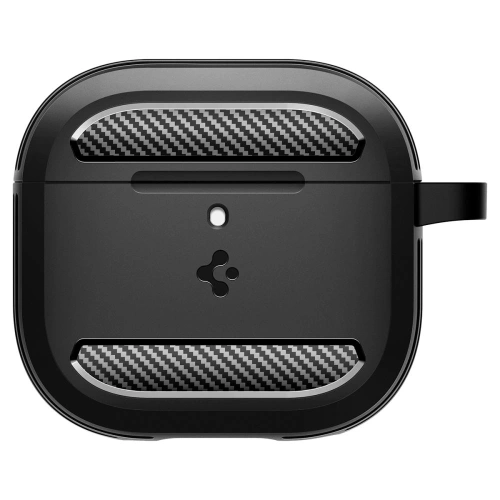
    Xiaomi 18 Pro vs competition, who will it be best for

    The photo-flagship segment of 2026-2027 will be the most competitive in years. The Xiaomi 18 Pro must compete with three specific models that target the same group of users.
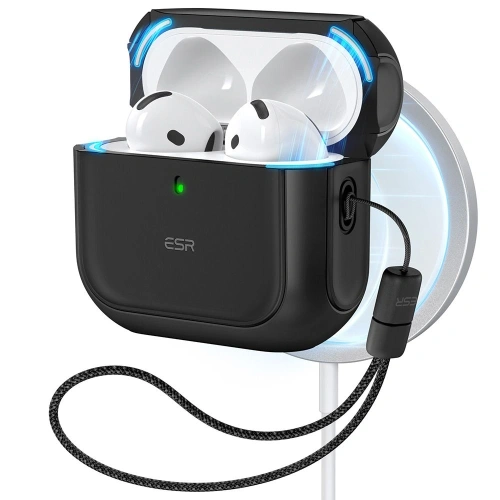
    ModelGłówny aparatTeleobiektywBateriaCena premierowa (PL)
    Xiaomi 18 Pro200 MP, 1/1.28″200 MP peryskop 85 mm7000 mAh~5799 zł (szac.)
    Oppo Find X9 Ultra50 MP, 1-calowy200 MP peryskop 85 mm6500 mAh~5999 zł
    Vivo X300 Ultra200 MP, 1/1.28″200 MP, 85 mm6500 mAh~6299 zł
    Samsung Galaxy S26 Ultra200 MP HP550 MP peryskop 5×5000 mAh~7499 zł
    iPhone 18 Pro Max48 MP Fusion48 MP peryskop 5×4200 mAh~7999 zł

    Xiaomi 18 Pro stands out with its battery (7000 mAh vs 4200-6500 in the competition) and a rear screen that no one else has in this segment. The photo advantage over the Oppo Find X9 Ultra is minimal (the same sensor in the telephoto lens, competitive 1-inch main). The difference with the iPhone and Samsung is obvious; Xiaomi wins in photography and battery, but loses in the application ecosystem and long-term support.

    Who should buy the Xiaomi 18 Pro

    Entuzjaster mobilfotografii, dwa sensorer 200 MP z Leiki to najbardziej allround zestaw foto na rynku Android. Jeśli mobilfotografia jest Twoim hobby i nie masz problemu z chińskim ekosystemem, to najlepszy wybór. Pasujące szkła i etui dla całej serii Xiaomi znajdziesz w kategorii Xiaomi 17, Xiaomi 15 oraz starsze Xiaomi 14.

    Vlogerzy i streamerzy, tylny ekran + prompter to unikalna funkcja, która oszczędza setki złotych na dodatkowym sprzęcie. Do pełnego zestawu warto dodać powerbanki z PD i dobre akcesoria do Xiaomi Pad 7 jako drugi ekran.

    Osoby nienawidzące krótkiej baterii, 7000 mAh to 40% więcej niż iPhone 18 Pro Max (4200 mAh) i 65% więcej niż Samsung Galaxy S26 Ultra (5000 mAh). Realnie oznacza to 2 dni użytkowania bez ładowarki.

    Podsumowanie, czy warto czekać na Xiaomi 18 Pro

    Pierwsze rendery Xiaomi 18 Pro potwierdzają ambitny zestaw: dwa aparaty 200 MP Leica z LOFIC HDR 3.0, tylny ekran AMOLED, bateria 7000 mAh i Snapdragon 8 Elite Gen 6 Pro. Premiera globalna we wrześniu 2026, dostępność w Polsce spodziewana styczeń-luty 2027, szacowana cena 5499-5999 zł.

    Xiaomi 18 Pro is the choice for mobile photographers, vloggers, and those who value battery over brand. If you’re considering a Xiaomi flagship today, the 17 Pro (4499-4999 PLN) is still a strong competitor, and its cameras are only slightly inferior to the upcoming 18 Pro. The new model is mainly an evolution (second 200 MP, rear screen, better battery), not a revolution.

    FAQ, frequently asked questions about Xiaomi 18 Pro

    When is the Xiaomi 18 Pro premiere?

    The global premiere of Xiaomi 18 Pro is planned for September 2026 in China. International distribution, including Poland, is expected in the first quarter of 2027. Typical Xiaomi schedule: China → Asia → Europe (3-5 months delay).

    How much will Xiaomi 18 Pro cost in Poland?

    The estimated launch price of Xiaomi 18 Pro in Poland: 5499-5999 PLN for the 12/256 GB variant. Xiaomi 18 Pro Max is expected to cost 6499-6999 PLN. Prices are based on the previous generation and market trends +10-15% annually.

    What is the difference between Xiaomi 18 Pro and 18 Pro Max?

    Both models have the same processor (Snapdragon 8 Elite Gen 6 Pro), identical camera setup (2× 200 MP Leica), and AMOLED rear screen. Differences include: larger main screen in Pro Max (expected 6.9″ vs 6.73″), larger battery in Pro Max (~7500 mAh vs 7000 mAh), and price (difference of about 1000 PLN).

    Where to buy accessories for Xiaomi 18 Pro?

    After the Polish premiere in 2027, compatible cases, protective glasses, and films will appear in the Xiaomi category at homescreen.pl. Until then, accessories for the previous generation Xiaomi 17 and Xiaomi 15 from brands Spigen, Tech-Protect, 3mk, and ESR are available.

  • Huawei Pura 90 Pro Max — a photographic monster with 200 MP zoom

    Huawei Pura 90 Pro Max — a photographic monster with 200 MP zoom

    Huawei officially presented the Pura 90 series on April 20, 2026, and sales of the base variant in China will start on April 29, 2026. At the top of the range is the Huawei Pura 90 Pro Max with a record telephoto lens 200 MP on a RYYB 1/1.28″ sensor, a main camera of 50 MP with a variable, 10-step mechanical aperture f/1.4–f/4.0, and an ultra-wide 40 MP. Additionally, it features a new processor HiSilicon Kirin 9030S, the HarmonyOS 6.1 system, a 6000 mAh battery with 100 W wired and 80 W wireless charging, and a 6.9″ OLED LTPO 1–120 Hz display with next-generation Kunlun glass.

    Prices in China start from 6499 yuan (approx. 3500 PLN) for the 12/256 GB variant and rise to 8499 yuan (approx. 4500 PLN) for the top 16 GB + 1 TB. In China, this is a lower price than for the iPhone 17 Pro Max, Samsung Galaxy S25 Ultra, or Xiaomi 15 Ultra. We break down everything that Huawei announced and check if the Pura 90 Pro Max will make it to Poland.

    When is the Huawei Pura 90 Pro Max premiere in Poland

    The official presentation of the Huawei Pura 90 series took place on April 20, 2026, in China. Sales of the Pro and Pro Max variants start on April 29, 2026 in the Chinese market, while the basic Pura 90 model goes on sale a few days earlier. All three phones are initially available on consumer.huawei.com, in the Vmall network, and with official offline partners.

    The global premiere is expected at the turn of June and July 2026. Since 2023, Huawei has been consistently introducing the Pura series to Europe, albeit with a 2–3 month delay compared to China. The predecessor, Huawei Pura 80 Ultra, debuted in China in March 2025, and appeared in Poland in June 2025 at a price of 6,499 PLN. For the Pura 90 Pro Max, we can expect a similar pattern — availability in Poland from July to September 2026.

    Note: Availability in the European Union is not guaranteed. Some color variants (Orange Ocean, Sunset Purple) remain exclusive to the Chinese market. The Polish distribution will likely offer only Dawn Gold and Obsidian Black, similar to the Pura 80 Pro.

    We will return to the article on Polish prices after the official announcement. At this moment, estimates for Polish prices of Huawei Pura 90 Pro Max are 6,999–8,499 PLN depending on the configuration. The Pro model is expected to be around 5,799–6,999 PLN, and the basic Pura 90 — 4,999–5,499 PLN.

    Specifications of Huawei Pura 90 Pro Max — full technical data

    Below is the complete specification of the flagship provided by Huawei at the Chinese conference and confirmed by benchmark.pl, GSMArena, and Notebookcheck.

    ParametrHuawei Pura 90 Pro Max
    Wyświetlacz6,9″ OLED LTPO
    Rozdzielczość2880 × 1308 px (458 ppi)
    Odświeżanie1–120 Hz adaptywne
    Ochrona ekranuKunlun Glass (nowa generacja, −70% odbicia)
    ProcesorHiSilicon Kirin 9030S
    RAM12 GB / 16 GB LPDDR5X + HyperSpace Memory
    Pamięć256 GB / 512 GB / 1 TB
    Aparat główny50 MP, RYYB 1/1,28″, f/1,4–f/4,0 (10-stopniowa mechaniczna), OIS
    TechnologiaLOFIC + XMAGE
    Ultraszeroki40 MP, f/2,2
    Teleobiektyw200 MP, RYYB 1/1,28″, zoom optyczny 4×, hybrydowy 16×, OIS, f/2,6
    Makro5 cm
    Selfie13 MP, f/2,0
    Bateria6000 mAh
    Ładowanie przewodowe100 W
    Ładowanie bezprzewodowe80 W
    Ładowanie zwrotneTak (indukcyjne)
    WodoszczelnośćIP69
    Wymiary164 × 77,1 × 8,1 mm
    Waga231 g
    SystemHarmonyOS 6.1
    Łączność5G (SA/NSA), Wi-Fi 7, Bluetooth 6.0, NFC, podczerwień, satelitarna, eSIM
    KoloryOrange Ocean, Sunset Purple, Emerald Lake, Dawn Gold, Obsidian Black
    Cena Chinyod 6499 CNY (~3 500 zł) do 8499 CNY (~4 500 zł)
    Cena PL (szac.)6 999–8 499 zł
    Premiera29.04.2026 (Chiny), ~07.2026 (PL)

    The most important key features are the 200-megapixel RYYB telephoto lens with a 1/1.28″ sensor (the largest in the industry in a telephoto camera), variable 10-step mechanical aperture f/1.4–f/4.0, and LOFIC technology that expands the dynamic range of the main sensor.

    Huawei Pura 90 Pro Max Camera — 200 MP Telephoto Lens with 1/1.28″ Sensor

    The heart of the Pura 90 Pro Max is the 200 MP telephoto lens with a RYYB 1/1.28″ sensor — the same size as the main camera. In the Samsung Galaxy S25 Ultra or iPhone 17 Pro Max, telephoto lenses have sensors of 1/2.5″ and smaller, which results in a loss of quality in low light. In Huawei’s case, the opposite is true: the 4× optical zoom and 16× hybrid zoom remain usable even in a museum gallery, and the macro mode from a distance of 5 cm produces full-quality 200 MP photos of flowers or jewelry — without a dedicated macro sensor.

    The main 50 MP camera has a 10-step variable mechanical aperture f/1.4–f/4.0 — f/1.4 for portraits with bokeh, f/2.8 for general scenes, f/4.0 for landscapes. Competitors (iPhone, Samsung, Xiaomi) use a fixed aperture of f/1.6–f/1.8, which forces compromises. Additionally, there are two unique Huawei technologies: LOFIC (Lateral Overflow Integration Capacitor) that expands the dynamic range, and the RYYB sensor with yellow pixels instead of green — 40% more light than RGB, which is visibly noticeable in night mode and zoom in indoor settings. The processing is managed by the proprietary algorithm XMAGE, which balances colors without excessive saturation boosting.

    Ekran 6,9″ OLED LTPO, Kunlun Glass i procesor Kirin 9030S

    Wyświetlacz 6,9″ OLED LTPO oferuje rozdzielczość 2880 × 1308 px (458 ppi) i adaptywne odświeżanie 1–120 Hz — przy czytaniu tekstu ekran pracuje na 1 Hz, w grach na 120 Hz. Nowością jest Kunlun Glass nowej generacji z 70% redukcją odbicia światła (ekran pozostaje czytelny w słońcu bez maksymalnej jasności) oraz dziesięciokrotnie wyższa odporność na upadki niż Gorilla Glass Victus 2 (według deklaracji Huawei).

    Pro Max napędza HiSilicon Kirin 9030S — autorski procesor Huaweia (SMIC 7 nm+). Względem Kirin 9020 z Pura 80 Ultra daje +30% w testach ML i +15% w Geekbench multi-core. Telefon działa na HarmonyOS 6.1 — systemie bez Google Play, Gmaila, Map Google czy YouTube. Huawei oferuje własne App Gallery, które obsługuje polskie aplikacje bankowe (mBank, PKO BP, BLIK), ale Netflix i część narzędzi wymagają ręcznej instalacji. Ekosystem HarmonyOS 6.1 płynnie łączy telefon z Huawei Watch GT 6, FreeBuds Pro 4 i tabletami MatePad.

    Co wyróżnia Pro Max — HyperSpace Memory, satelita, design

    HyperSpace Memory in the 16 GB variant provides up to 24 GB of effective RAM (virtual buffering in UFS) — practically 30 background applications without being removed from memory, instant switching between the camera and editors, no freezes in Genshin Impact after 90 minutes. Samsung and iPhone offer a maximum of 12 GB without expansion.

    Pro Max supports two-way satellite communication via BeiDou and Tiantong (Chinese systems) — SMS and voice calls without GSM coverage. Disclaimer for Poland: lack of full coverage in Europe, so the feature will likely be limited in the European version.

    The design features a round, central camera island (a departure from the squares of Pura 70/80) and a 5th class titanium frame. Of the five colors — Orange Ocean, Sunset Purple, Emerald Lake — they have eco-leather or microcrystalline glass textures, while Dawn Gold and Obsidian Black have matte glass backs.

    6000 mAh battery with 100 W charging and 80 W wireless

    Pro Max dostaje batteri 6000 mAh — więcej niż iPhone 17 Pro Max (4685 mAh) i Galaxy S25 Ultra (5000 mAh). Technologia silikonowo-węglowa daje do 2 dni pracy i 2400 cykli ładowania z zachowaniem 80% pojemności (ok. 5–6 lat). Ładowanie: 100 W przewodowo (0–100% w 38 minut) i 80 W bezprzewodowo (50 minut) — rekord w branży, choć pełne 80 W wymaga oryginalnej ładowarki Huawei Wireless SuperCharge. Dla porównania: iPhone 17 Pro Max ma 25 W MagSafe, Samsung S25 Ultra 15 W Qi2, Xiaomi 15 Ultra 50 W.

    Do ładowania przewodowego sprawdzą się uniwersalne zasilacze GaN 100 W z USB PD 3.1 — zobacz ładowarki sieciowe. W kategorii ładowarek bezprzewodowych znajdziesz modele uniwersalne do 15 W na codzienne użytkowanie biurkowe. Ładowanie zwrotne pozwala używać Pro Max jako powerbanka dla słuchawek lub smartwatcha.

    Huawei Pura 90 Pro Max vs Pura 90 Pro vs Pura 90 — który wariant wybrać

    Seria Pura 90 ma trzy warianty: podstawowy Pura 90, Pura 90 Pro i Pura 90 Pro Max. Focus w tym artykule padł na flagowy model, ale warto wiedzieć, co dostaje się na każdym szczeblu cennika.

    ParametrPura 90 Pro MaxPura 90 ProPura 90
    Screen6,9″ OLED LTPO 2880 × 1308 px6,6″ OLED 2760 × 1256 px6,8″ OLED 2856 × 1320 px
    Refresh Rate1–120 Hz adaptive120 Hz120 Hz
    ProcessorKirin 9030SKirin 9030SKirin 9010S
    Main Camera50 MP f/1,4–f/4,0 LOFIC50 MP f/1,4–f/4,050 MP f/1,8
    Ultrawide40 MP12,5 MP12,5 MP
    Telephoto200 MP 1/1,28″ RYYB 4×50 MP 4× zoom50 MP 3,7× zoom
    Selfie13 MP13 MP50 MP
    Battery6000 mAh6000 mAh6500 mAh
    Dimensions164 × 77,1 × 8,1 mm157,8 × 74,5 × 8,2 mm163,1 × 78,1 × 7 mm
    Weight231 g213,5 g210 g
    Price Chinafrom 6499 CNYfrom 5499 CNYfrom 4699 CNY
    Price PL (est.)6 999–8 499 zł5 799–6 999 zł4 999–5 499 zł

    Key differences are telephoto (200 MP vs 50 MP), ultrawide (40 MP vs 12,5 MP), and screen (6,9″ LTPO vs 6,6″ standard OLED). The Pro model also loses the LOFIC technology in the main camera, although the variable aperture f/1,4–f/4,0 is identical.

    Who is Pro Max for: professional photographers, people using zoom daily (concerts, sports, nature), enthusiasts of top specifications.

    For whom Pro: people looking for a compact flagship, as 6.6″ within 157 mm in height is a rarity in 2026. Pro is also 17.5 g lighter — a difference clearly felt in the pocket.

    For whom the basic Pura 90: people wanting the cheapest Huawei flagship with a good camera and a record battery of 6500 mAh, without paying extra for LOFIC and a 200 MP telephoto lens.

    Huawei Pura 90 — the basic model with a 6500 mAh battery and a 50 MP selfie

    The basic Huawei Pura 90 stands out with two parameters better than in Pro and Pro Max: a larger battery (6500 mAh) and a better selfie camera (50 MP instead of 13 MP). The older Kirin 9010S processor (known from Pura 80 Pro, about 20% slower than 9030S) left room for a larger cell, and the lack of an advanced telephoto lens allowed investment in a better front. Additionally, the thinnest body (7 mm) and the lowest weight (210 g) of the entire trio.

    For whom Pura 90: vloggers and people who take a lot of selfies (50 MP front), users requiring a battery for 2+ days, people in the Huawei ecosystem without the need for top photography. When it’s not enough: if you take a lot of zoom photos, portraits with bokeh, or night photography — the difference compared to Pro Max (lack of LOFIC, variable aperture, smaller tele sensor) will be noticeable. At a price of ~5,000 PLN, the basic Pura 90 competes with Samsung Galaxy S25 and Xiaomi 15 — Samsung offers full Android with Google, Huawei has a better camera and battery.

    Huawei Pura 90 Pro Max vs competition in the 7,000–9,000 PLN segment

    The top tier of flagship cameras in Poland in 2026 consists of four names: Huawei, Apple, Samsung, and Xiaomi. All have sensibly configured camera sets, but each is going in a different direction.

    ModelProcesorAparat gł.TelefotoBateriaEkranCena PL
    Huawei Pura 90 Pro MaxKirin 9030S50 MP f/1,4–f/4,0200 MP 4× RYYB6000 mAh6,9″ 120 Hzod ~6 999 zł
    iPhone 17 Pro MaxA19 Pro48 MP f/1,7848 MP 5×4685 mAh6,9″ 120 Hz8 199 zł
    Samsung Galaxy S25 UltraSnapdragon 8 Elite200 MP f/1,750 MP 5×5000 mAh6,9″ 120 Hz7 499 zł
    Xiaomi 15 UltraSnapdragon 8 Elite50 MP f/1,63 Sony LYT-900200 MP 4,3× Leica5410 mAh6,73″ 120 Hz6 999 zł

    Huawei wygrywa w trzech parametrach: sensor teleobiektywu (1/1,28″ to dwukrotnie większy niż u Samsunga czy Apple), zmienna przysłona (unikat w 2026) i bateria (6000 mAh to najwięcej w segmencie). Traci w aparacie głównym — 200 MP w Samsungu daje więcej szczegółów w pełnym kadrze, a Xiaomi z sensorem Sony LYT-900 ma lepszy zakres dynamiczny.

    Czy Huawei Pura 90 Pro Max jest najlepszym aparatem fotograficznym w 2026

    Z perspektywy samej jakości zdjęć — prawdopodobnie tak, ale z zastrzeżeniem. Pura 90 Pro Max będzie dominował w scenariuszach wymagających zoomu (koncerty, sport, natura, fotografia uliczna), portretów i trybu nocnego. Samsung Galaxy S25 Ultra pozostanie lepszy w pełnych kadrach i w szczegółowości, a Xiaomi 15 Ultra — w naturalnych kolorach dzięki Leica Summicron.

    The problem for a Pole remains the lack of Google services. For those who take photos, but also use Gmail, Google Maps, and YouTube as their main source of multimedia — the Pura 90 Pro Max requires compromises. For photographers who mainly use the phone for photos and editing — this lack becomes irrelevant.

    Prices of Huawei Pura 90 Pro Max in China and expected in Poland

    VariantChina (CNY)Estimated Poland (PLN)
    12 GB + 256 GB6499 CNY~6 999 zł
    12 GB + 512 GB7199 CNY~7 599 zł
    16 GB + 512 GB7799 CNY~8 199 zł
    16 GB + 1 TB8499 CNY~8 499 zł

    The Polish price list has not been officially announced and the above amounts are estimates based on the yuan exchange rate (1 CNY ≈ 0.54 zł) and distributor margin (traditionally 15–25% for the Pura series). For reference: the Huawei Pura 80 Ultra cost 9,999 CNY (about 5,400 zł) in China, while in Poland it was sold for 6,499 zł — with VAT and distribution costs, this is a fair conversion.

    If Huawei maintains a similar pricing policy, Pura 90 Pro Max in Poland will fall within the range of 6,999–8,499 zł depending on the memory variant. Competition from Xiaomi 15 Ultra (6,999 zł) and Samsung Galaxy S25 Ultra (7,499 zł) forces Huawei to adjust prices — the top model 16 GB + 1 TB may not exceed 8,500 zł.

    What else we don’t know about Huawei Pura 90 Pro Max

    Three elements remain to be confirmed in the context of the European market:

    • Official release date in Poland — Huawei may decide on distribution only after the first quarter of sales in China. The Pura 80 Ultra appeared in Poland 3 months after its Chinese debut; we expect a similar pattern for the Pura 90 Pro Max
    • Polish pricing — the official distributor of Huawei in Poland usually announces prices about a week before the start of sales. Our estimates of 6,999–8,499 PLN are based on the yuan exchange rate and the pricing policy of its predecessor
    • Available colors in Polish distribution — from the five Chinese variants (Orange Ocean, Sunset Purple, Emerald Lake, Dawn Gold, Obsidian Black), usually only two reach Poland: neutral black and exclusive gold

    The topic of the top variant remains open (details below).

    Huawei Pura 90 Ultra — will a top variant be created

    Huawei Pura 90 Ultra is a phrase that Polish users search for on Google significantly more often than «Pura 90 Pro Max» (210 vs 10 searches per month, trend +420% month over month). The reason is simple — in previous generations, Huawei always released the Ultra variant as the absolute flagship, even stronger than Pro Plus or Pro Max. The problem is that at the conference on April 20, 2026, Huawei did not show the Pura 90 Ultra.

    What does this mean? There are three scenarios:

    • Ultra will debut later — just like the Pura 70 Ultra, which appeared 3 months after Pro+, the Pura 90 Ultra may have a separate conference in July or September 2026
    • Pro Max replaced Ultra — Huawei may have changed the naming of the line. The Pura 80 had Ultra, the Pura 90 may not — Pro Max with a 200 MP telephoto lens realistically serves the same role as the previous Ultra
    • Ultra is just a leak — it is possible that the phrase «huawei pura 90 ultra» in Google comes solely from extrapolating the names of predecessors, and such a variant may never appear

    For Polish buyers, this means that if you are waiting for Ultra — you are probably wasting your time. The Huawei Pura 90 Pro Max in photo specifications (200 MP zoom, variable aperture, LOFIC) surpasses the Pura 80 Ultra, so there is realistically no room for another, higher variant. Distributors openly focus on two variants instead of three — Pro and Pro Max.

    Our choice: If you are looking for the strongest camera in a smartphone in 2026 and accept the lack of Google — the Huawei Pura 90 Pro Max will be the best purchase of the summer. In any other scenario (Google Pay, YouTube, Android ecosystem) — the Samsung Galaxy S25 Ultra or Xiaomi 15 Ultra will provide more satisfaction in daily use.

    Summary — is it worth waiting for the Huawei Pura 90 Pro Max in Poland

    The Huawei Pura 90 Pro Max officially debuted on April 20, 2026, and sales in China start on April 29, 2026, at prices of 6,499–8,499 CNY (approx. 3,500–4,500 PLN). In Poland, we expect availability from July to September 2026 at prices of 6,999–8,499 PLN. The upgrades compared to the Pura 80 Ultra are spectacular: 200 MP telephoto lens on a sensor with about four times larger surface area, new Kirin 9030S with 30% better AI performance, Kunlun glass with 70% reflection reduction.

    The biggest advantage remains the camera set. No other flagship in 2026 has a variable mechanical aperture, a 200 MP telephoto lens, and LOFIC technology at the same time. For photographers, vloggers, and creative individuals — a natural choice. For other users — it is worth comparing with the Samsung Galaxy S25 Ultra or Xiaomi 15 Ultra, which offer full Android with Google.

    Check out accessories for the Pura 80 series today at homescreen.pl — as soon as the Pura 90 category is opened, you will find it next to it. Also, see accessories for Pura 70, Huawei Watch GT 6, which integrates with HarmonyOS 6.1 in a unique way, and universal protective films and wireless chargers for 80 W of inductive charging.

    FAQ, frequently asked questions about Huawei Pura 90 Pro Max

    When is the premiere of Huawei Pura 90 Pro Max?

    The official presentation of the Pura 90 series took place on April 20, 2026, in China. Sales of the Pura 90 Pro Max and Pura 90 Pro will start on April 29, 2026 in the Chinese market. In Europe and Poland, the phone is expected from July to September 2026 — Huawei traditionally introduces the Pura series to our markets 2–3 months after the Chinese debut.

    How much will Huawei Pura 90 Pro Max cost in Poland?

    The estimated price of Huawei Pura 90 Pro Max in Poland is 6,999–8,499 PLN depending on the memory configuration. The base variant 12 GB + 256 GB is likely to start from 6,999 PLN, while the top variant 16 GB + 1 TB may reach 8,499 PLN. Chinese prices are 6,499–8,499 yuan (approx. 3,500–4,500 PLN). The Polish distributor will announce the official amounts after the date of the Polish premiere is set.

    What camera does the Huawei Pura 90 Pro Max have?

    The Huawei Pura 90 Pro Max has three cameras on the back: 50 MP RYYB 1/1.28″ main camera with a variable mechanical aperture of f/1.4–f/4.0 and LOFIC technology, 40 MP f/2.2 ultra-wide, and 200 MP RYYB 1/1.28″ telephoto lens with 4× optical zoom and 16× hybrid zoom. The selfie camera is 13 MP f/2.0. The telephoto lens has a sensor size equal to that of the main camera — a unique feature in the smartphone industry.

    What battery does the Huawei Pura 90 Pro Max have?

    The Huawei Pura 90 Pro Max comes with a 6000 mAh battery featuring silicon-carbon technology. Wired charging operates at 100 W (from 0 to 100% in about 38 minutes), while wireless charging reaches 80 W (full charge in 50 minutes with Huawei Wireless SuperCharge). The phone also supports reverse wireless charging, allowing it to act as a power bank for headphones or a smartwatch.

    What processor does the Huawei Pura 90 Pro Max have?

    The Huawei Pura 90 Pro Max is powered by the HiSilicon Kirin 9030S — Huawei’s proprietary processor manufactured in China by SMIC using a 7 nm+ process. The chip offers about 30% better AI performance and a 15% higher Geekbench multi-core score compared to its predecessor, the Kirin 9020 from the Pura 80 Ultra. The phone runs on HarmonyOS 6.1.

    Does the Huawei Pura 90 Pro Max have Google Play?

    No, Huawei Pura 90 Pro Max runs on HarmonyOS 6.1 without Google services. There is no Play Store, Gmail, Google Maps, or YouTube as native apps. Huawei offers its own App Gallery, which supports popular Polish banking apps (mBank, PKO BP, BLIK), but some apps (Netflix, public transport apps) require manual installation from APK files.

    What is the difference between Huawei Pura 90 Pro Max and Pura 90 Pro?

    Huawei Pura 90 Pro Max has a larger screen (6.9″ vs 6.6″), significantly better telephoto lens (200 MP vs 50 MP), better ultra-wide (40 MP vs 12.5 MP), and LOFIC technology in the main camera. The processor, RAM, charging, and selfie are identical. Pro Max is also 17.5 g heavier and costs about 1000 CNY more. Pro is a better choice for those looking for a compact flagship, while Pro Max is for photographers requiring top zoom.

    Will there be a Huawei Pura 90 Ultra?

    At the conference on April 20, 2026, Huawei did not show the Pura 90 Ultra variant. There are three scenarios: Ultra will debut with a few months delay (like Pura 70 Ultra in 2024), Huawei has abandoned Ultra in favor of Pro Max as the flagship, or Ultra will not appear at all in this generation. The second scenario seems the most likely — Pura 90 Pro Max with its 200 MP telephoto lens and LOFIC technology surpasses Pura 80 Ultra, so realistically there is no room for a higher variant.