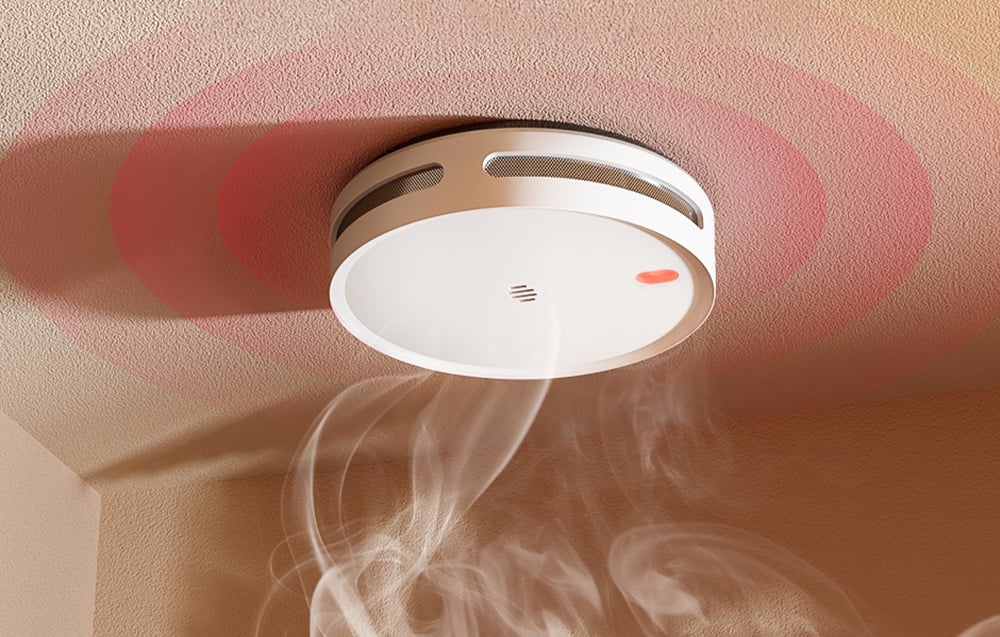
Ordinary smoke detectors do not detect carbon monoxide. Carbon monoxide has no smell or color and does not produce smoke, so it can only be detected by a carbon monoxide detector with a CO sensor. If you have a gas stove, heater, boiler, or fireplace in your apartment, you need a smoke and carbon monoxide detector that meets the EN 14604 and EN 50291-1 standards, such as the Meross CS11.
The heating season is just beginning, and with it comes the period when carbon monoxide poisoning is most prevalent. From October 1, 2025, to March 31, 2026, the fire department recorded 3,750 incidents involving carbon monoxide, in which 1,354 people were injured and 69 died.
In the text, you will find the difference between a smoke detector and a carbon monoxide detector, an explanation of when a regular one is sufficient and when a smart one is useful, and installation guidelines. We also discuss the obligation that is already in effect in new buildings and will cover all apartments.
Smoke Detector vs. Carbon Monoxide Detector: What’s the Difference?
Each of them detects a different hazard.
- Smoke detector reacts to smoke particles in the air. It warns of a fire, often before visible flames appear.
- Carbon monoxide detector, or carbon monoxide (CO), usually has an electrochemical sensor that measures CO concentration. Carbon monoxide is produced during the incomplete combustion of gas, coal, wood, or oil, for example, with a faulty heater or a blocked chimney.
Carbon monoxide is dangerous because it is undetectable. It has no smell, color, or taste, and the first symptoms of poisoning, such as headache, drowsiness, and nausea, can easily be mistaken for fatigue. The smoke detector remains silent in such a situation because there is simply no smoke.
Standards EN 14604 and EN 50291-1
Look for the standard numbers on the packaging of a good detector:
| Standard | What it concerns |
|---|---|
| EN 14604 | Autonomous smoke detectors for homes |
| EN 50291-1 | Carbon monoxide detectors for domestic use |
The smoke and carbon monoxide detector should meet both. Meross CS11 has, according to the manufacturer, certificates EN 14604:2005/AC:2008 and EN 50291-1:2018.
Obligation of smoke and carbon monoxide detectors: deadlines
The regulation of the Minister of Internal Affairs and Administration of November 21, 2024 (Journal of Laws 2024 item 1716) introduces a requirement for the installation of autonomous detectors. According to the Chief Command of the State Fire Service, starting from January 1, 2030, it will apply to all houses and apartments in Poland.
According to the fire service announcement, the deadlines are as follows:
| Who it concerns | From when |
|---|---|
| New residential buildings | From December 23, 2024, already in effect |
| Establishments with hotel services, e.g., short-term rentals | From June 30, 2026, already in effect |
| All houses and apartments | From January 1, 2030. |
What exactly needs to be present:
- at least one autonomous smoke detector in each residential unit,
- at least one autonomous carbon monoxide detector in each room where solid, liquid, or gas fuel is burned.
The deadline for existing apartments is the year 2030. However, the risk of carbon monoxide poisoning is highest during each heating season, from October to March.
Advice: an autonomous detector has a sensor, alarm, and power supply in one housing and activates the sound alarm by itself. It is most often powered by a battery. Phone notifications are an addition, not a requirement of the regulations.
Smoke and carbon monoxide detector from our offer: Meross CS11
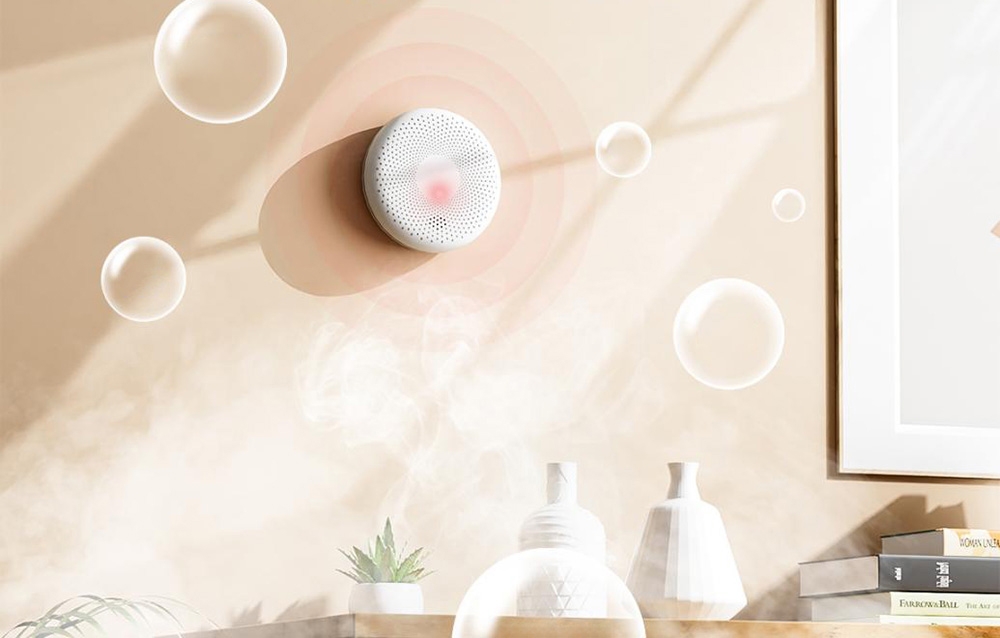
Meross CS11 is our choice for an apartment with a gas stove, heater, or fireplace. It has two independent sensors: photoelectric for smoke and electrochemical for carbon monoxide, so it combines a smoke detector and a carbon monoxide detector in one housing.
- Standards EN 14604 and EN 50291-1
- Alarm 85 dB(A) at a distance of 3 m
- At a CO concentration of 300 ppm, the alarm activates in less than 3 minutes
- Built-in CR123A battery, according to the manufacturer, for about 10 years of operation
- LED in three colors: standby, low battery level or fault, alarm
- Ceiling or wall mounting, no electrician needed
Advantages:
- As the only one in the comparison, it detects carbon monoxide
- Meets both standards, which are worth checking before purchase
- Batteriet varer ifølge produsenten i omtrent 10 år
Ulemper:
- Beskrivelsen nevner ikke appen eller varsler på telefonen
- Batteriet er ikke utskiftbart, så etter at det er utladet, må hele sensoren byttes ut
Wi-Fi røykvarsler: når en smart versjon er nyttig
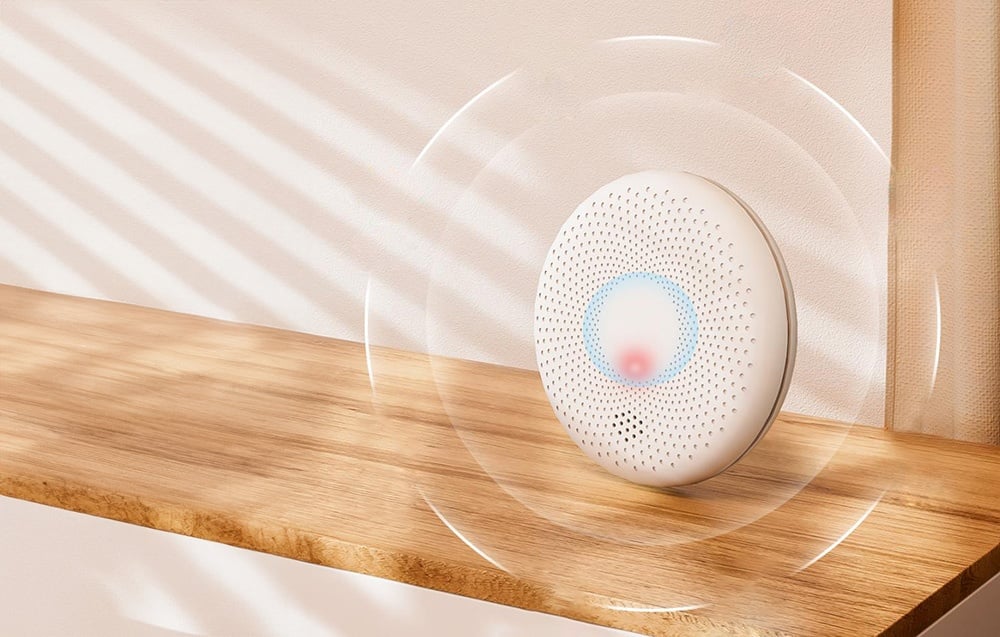
En vanlig røykvarsler vil utløse alarmen i leiligheten, men ingen vil høre den hvis alle er på jobb. En smart røykvarsler vil da sende et varsel til telefonen. Den er nyttig i en enebolig, i en leilighet der det ofte ikke er noen hjemme, eller når eldre foreldre blir hjemme.
Meross MA151 med hub MSH450MA
Meross MA151 monteres i taket. Hub Meross er nødvendig for konfigurasjon og varsler.
Meross MA151-UN detects smoke using dual optical detection technology, which according to the manufacturer recognizes both white and black smoke and reduces false alarms. Despite «Wi-Fi» in the name, the sensor connects to the Meross hub via 433 MHz, and only then does the hub connect to the router and the app.
- Alarm of at least 85 dB, audible from 3 m
- Two AA batteries, according to the manufacturer up to 3 years
- Notifications for alarm, low battery, and offline status, event history in the app
- With multiple sensors connected to the hub, all will sound the alarm when one detects smoke
- Compliance with EN 14604 according to the manufacturer’s website
Advantages:
- Notification to your phone when you are not at home
- Connected alarms throughout the house
Disadvantages:
- Detects only smoke, not carbon monoxide
- Requires a Meross hub for configuration and notifications
Hub Meross MSH450MA
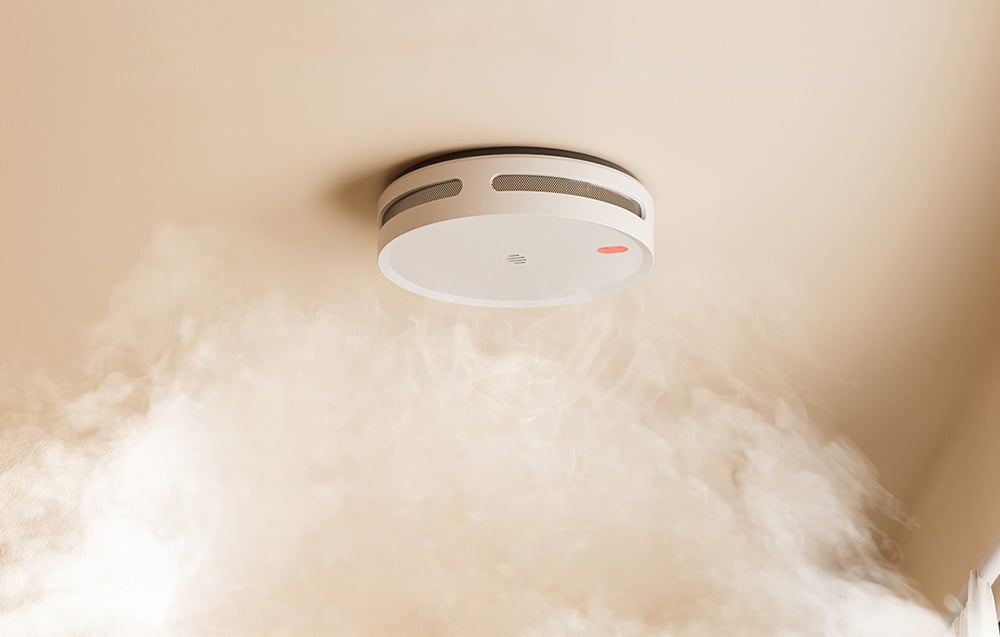
Hub Meross MSH450MA obsłuży do 32 urządzeń Meross. Ma własną syrenę 110 dB i tryb lokalny, dzięki któremu alarmy działają nawet przy awarii internetu. Łączy się z routerem przez Wi-Fi 2,4 GHz albo kablem Ethernet i obsługuje standard Matter.
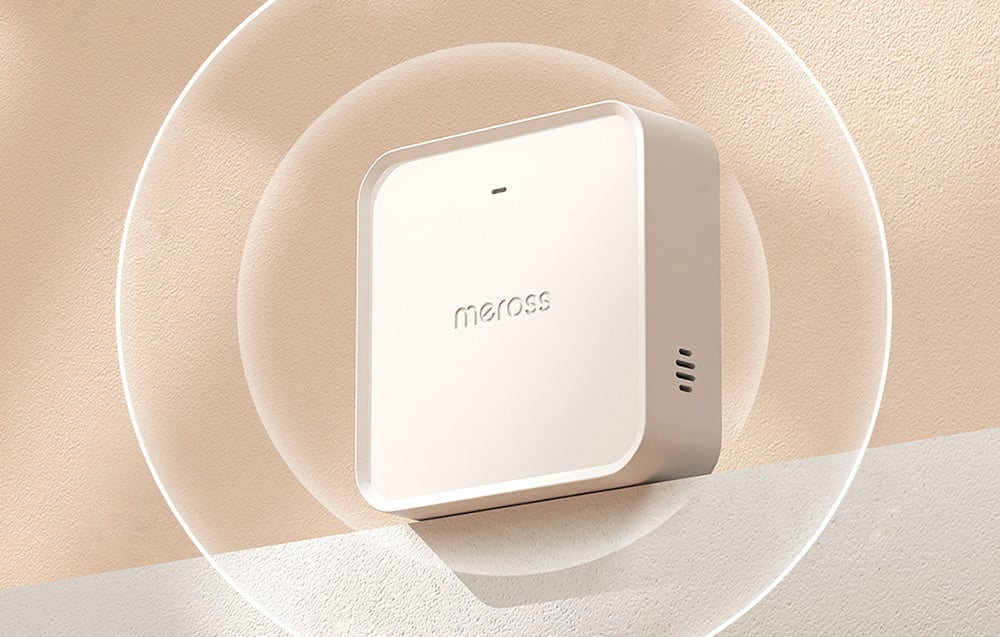
[hs_products ids=»115382,138837,121070″ cols=»3″]
Porównanie: czujnik dymu i czadu czy smart czujnik dymu
| Cecha | Meross CS11 | Meross MA151 + hub MSH450MA |
|---|---|---|
| Wykrywa dym | ✅ | ✅ |
| Wykrywa czad (CO) | ✅ | ❌ |
| Normy | EN 14604, EN 50291-1 | EN 14604 (według strony producenta) |
| Powiadomienia na telefon | ❌ | ✅ |
| Zasilanie | bateria CR123A, ok. 10 lat | 2× AA, ok. 3 lata |
| Potrzebny hub | ❌ | ✅ |
| Najlepsze do | pomieszczeń z kuchenką gazową, piecykiem, kominkiem | korytarza i sypialni, gdy często nikogo nie ma w domu |
Jeśli chcesz mieć i czujnik czadu, i powiadomienia na telefon, połącz oba: CS11 tam, gdzie coś się spala, i smart czujnik dymu w korytarzu.
Gdzie zamontować czujnik czadu i czujnik dymu
O dokładnym miejscu i odległościach zawsze decyduje instrukcja producenta. Kilka zasad powtarza się jednak niemal wszędzie:
- Czujnik czadu w pomieszczeniu ze spalaniem. Chodzi o kuchnię z kuchenką gazową, łazienkę z piecykiem gazowym, kotłownię i pokój z kominkiem. Tak też stanowi rozporządzenie. Straż pożarna podaje, że osobny czujnik CO najczęściej montuje się na wysokości wzroku, co najmniej 1,5 m od podłogi i około 2 m od urządzenia, które może być źródłem czadu.
- Sensor połączony zgodnie z instrukcją. CS11 wykrywa zarówno dym, jak i czad, więc miejsce montażu sprawdź w jego instrukcji, a nie w ogólnych zaleceniach dla czujników CO.
- Czujnik dymu na suficie, najlepiej w korytarzu między sypialniami a resztą mieszkania. Dym unosi się do góry.
- Z dala od kuchenki i pary. Nie montuj czujnika z sensorem dymu tuż nad kuchenką ani przy drzwiach łazienki. Para i dym z garnka to częste źródła fałszywych alarmów. W łazience z piecykiem trzymaj czujnik z dala od prysznica.
- Nie zasłaniaj czujnika meblami ani zasłonami i nie montuj go tuż przy oknie, drzwiach czy kratce wentylacyjnej, bo świeże powietrze zafałszuje pomiar.
- Regularnie testuj czujnik przyciskiem, tak często, jak zaleca instrukcja. MA151 może też uruchomić test z aplikacji.
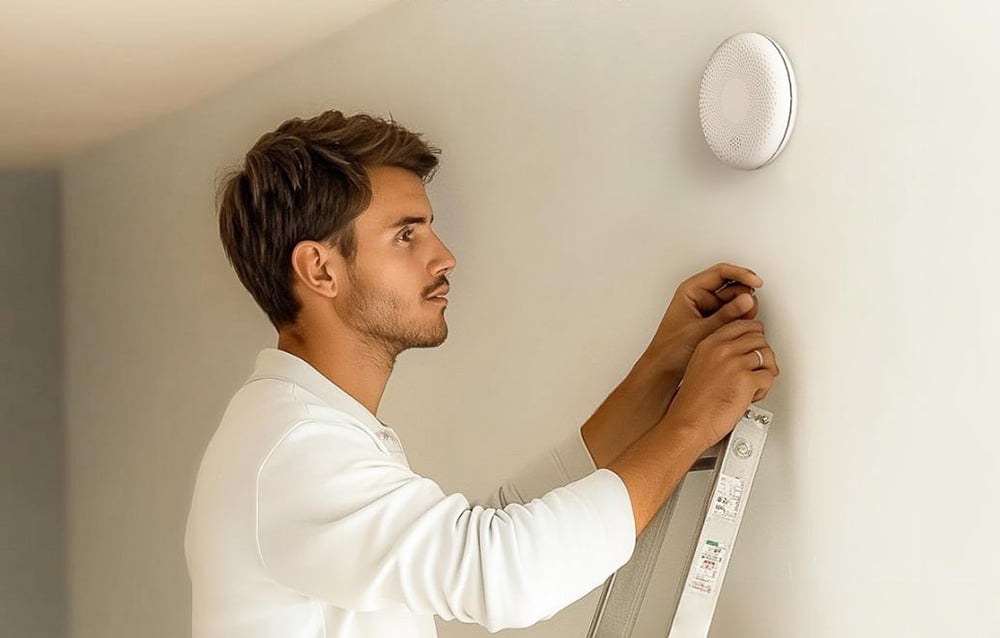
Co zrobić, gdy czujnik czadu włączy alarm
Alarm czujnika czadu to sygnał do natychmiastowego działania, nawet jeśli nikt nie czuje się źle. Czadu nie wyczujesz, a objawy łatwo przeoczyć. Przy dużym stężeniu utrata przytomności może nastąpić w ciągu kilku minut.
- Open windows and doors to let in fresh air.
- Take everyone outside, including pets. Move anyone showing symptoms to a safe place with access to fresh air and do not return inside.
- Call 112 if someone has symptoms of poisoning or the alarm does not stop after airing out.
- Do not restart the furnace or heater until it has been checked by a professional.
What to watch out for? The fire department lists symptoms such as headache and dizziness, shortness of breath, nausea, and vomiting. These can easily be mistaken for a cold or fatigue, and the sensor will alert you before you feel them.
Attention: the sensor does not replace inspection. The fire department reminds you to regularly check the tightness and clean the chimney ducts, as well as to ensure that the ventilation has the proper draft.
Summary: which smoke and carbon monoxide detector to choose
- A smoke detector does not detect carbon monoxide. For rooms with a gas stove, heater, boiler, or fireplace, a carbon monoxide detector is needed.
- Meross CS11 combines both sensors and meets EN 14604 and EN 50291-1 standards.
- Smart smoke detector Meross MA151 with hub MSH450MA will send a notification when you are not at home, but it will not detect carbon monoxide.
- From January 1, 2030, every apartment must have a smoke detector, and rooms with fuel combustion must also have a carbon monoxide detector.
The most carbon monoxide poisonings occur during the heating season, which is just beginning, so it’s not worth waiting until 2030. You can find all the detectors in the smart home sensors category, and shipping is free for orders over 100 PLN.
FAQ
Does a smoke detector detect carbon monoxide? No. A smoke detector reacts to smoke particles, while carbon monoxide, which is a colorless gas without smoke, is not detected by it. A carbon monoxide detector with a CO sensor is needed to detect carbon monoxide, e.g., Meross CS11.
Since when is a smoke and carbon monoxide detector mandatory? In new buildings from December 23, 2024, in establishments with hotel services from June 30, 2026, and in all homes and apartments from January 1, 2030. A carbon monoxide detector is required in rooms where fuel is burned. This is due to the regulation of the MSWiA from November 21, 2024.
Where to install a carbon monoxide detector? In a room where fuel is burned: in a kitchen with gas, in a bathroom with a heater, in a boiler room, or in a room with a fireplace. A separate CO detector is usually installed at eye level, at least 1.5 m from the floor and about 2 m from the combustion source, but the manufacturer’s instructions are binding.
What standard should a carbon monoxide detector meet? A carbon monoxide detector for home should meet the EN 50291-1 standard, and a smoke detector should meet the EN 14604 standard. A smoke and carbon monoxide detector should have both.
Does the Meross smart smoke detector work without the internet? The sound alarm works locally, and the Meross MSH450MA hub has a local mode in which alarms function even during a network failure. Without the internet, you just won’t receive notifications on your phone.
How long does the battery last in a carbon monoxide detector? In the Meross CS11, the built-in CR123A battery lasts up to about 10 years according to the manufacturer. It is non-replaceable, so after that time, the entire detector needs to be replaced.
What to do if the carbon monoxide detector is beeping? A continuous alarm indicates danger: open windows, get everyone to fresh air, and call 112 if someone has symptoms or the alarm does not stop. Short, single beeps from time to time usually signal a low battery, malfunction, or end of the detector’s lifespan. Check the meaning of the signals in the manual.
Legg att eit svar