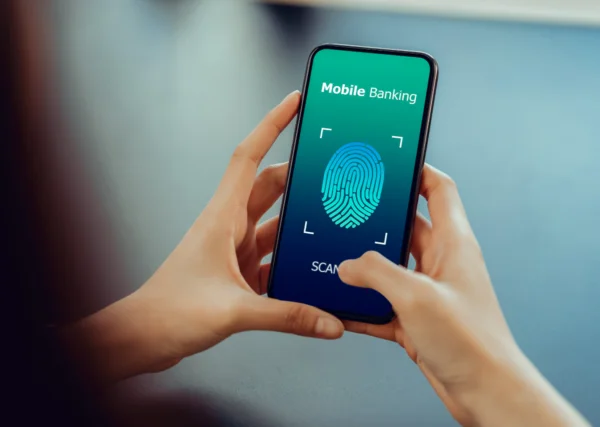
What is a fingerprint reader?
How does a fingerprint reader work in smartphones?
A fingerprint reader in smartphones is a complex system that uses various technologies to identify unique fingerprint patterns. With sensors that scan the fingertip, the device is able to capture and store an image of the user’s fingerprints. When the user attempts to unlock the phone, the scanner compares the scanned fingerprint with the stored pattern, allowing for quick and efficient unlocking of the phone.

What technologies does a fingerprint reader use?
Fingerprint readers use various technologies, including optical and capacitive. Optical technology uses light to create an image of the fingerprints, while capacitive technology works by measuring the difference in electrical capacitance between different areas of the fingertips. Recently, ultrasonic scanners have also gained popularity, which use sound waves to capture detailed information about the fingerprint, increasing recognition accuracy. What are the types of fingerprint readers?
There are various types of fingerprint readers available on the market, which can differ in both technology and application. We distinguish, among others, optical, capacitive, and ultrasonic scanners. Each of these types has its advantages and disadvantages, and their choice depends on the specific needs of the user. For example, optical scanners may be cheaper but less accurate compared to ultrasonic scanners, which offer a high level of security and precise recognition.
How does a fingerprint reader work?
How do fingerprint scanners recognize fingerprints?
Fingerprint scanners work by analyzing the pattern of the papillary lines, which are unique to each individual. After scanning a fingerprint, the device processes the image of the fingerprints and creates a digital template, which is then compared to the stored data. This allows for precise user recognition and unlocking access to the smartphone or application.
How does the sensor read the fingerprint?
The fingerprint reader reads the fingerprint using a sensor that can be located in various places on the device, e.g., in the Home button, on the screen, or on the side of the casing. After placing a finger on the sensor, the device scans the image of the fingerprints and then processes it to create a digital template. In the case of an ultrasonic scanner, the sound wave captured by the sensor allows for more detailed information about the fingerprint.
Is unlocking a phone safe?
The security of unlocking a phone using a fingerprint reader is generally high, but it is not without risks. It is worth remembering that biometrics, although difficult to forge, is not completely foolproof. In the case of optical scanners, there is a risk that a fingerprint image can be cloned. Therefore, smartphone manufacturers are implementing additional security measures, such as facial recognition, to enhance the level of user data protection.

What are the applications of fingerprint readers
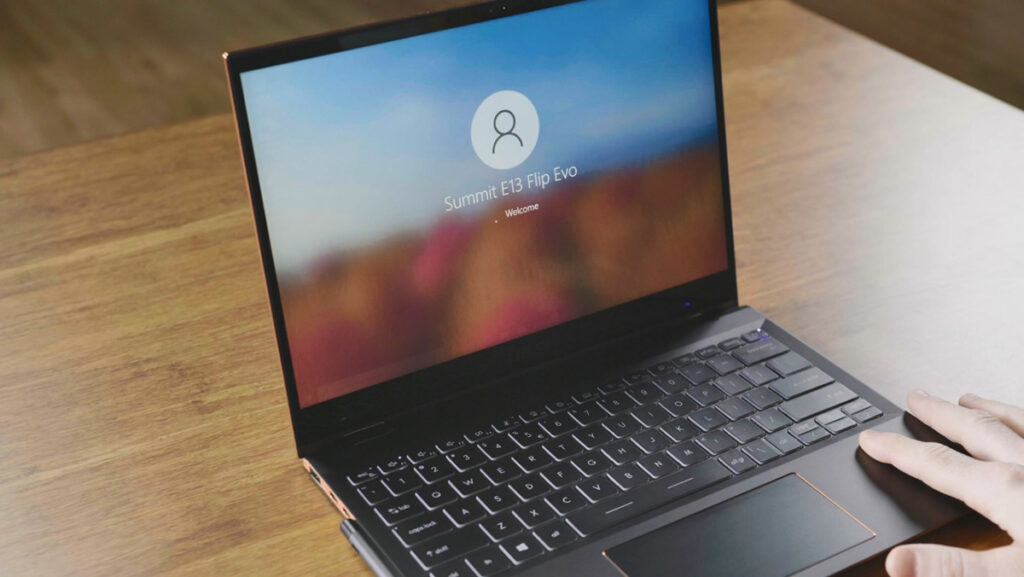
What are the benefits of using a fingerprint reader in laptops?
The use of fingerprint readers in laptops brings many benefits, including increased data security and user convenience. Users can quickly unlock their devices without having to enter passwords, which is particularly useful in situations where immediate authorization is needed. Additionally, this technology minimizes the risk of unauthorized access, which is important in the context of storing sensitive information.
Where else can a biometric fingerprint be used?
A biometric fingerprint is used in many areas, such as access control to rooms, mobile payment systems, and securing data in the cloud. Many companies use fingerprint readers to allow employees access to offices and IT systems. Additionally, biometric scanners are increasingly found in ATMs, which facilitates and speeds up the transaction process.
How does a fingerprint reader affect access control?
Fingerprint readers are an effective access control tool because they can uniquely identify a user based on the unique features of their fingerprint. As a result, security systems become more resistant to fraud and abuse. The introduction of biometric authentication methods in public places, such as airports or public institutions, increases security and comfort when using these services.
The convenience of using a fingerprint reader
How does a fingerprint reader enhance smartphone usability?
Using a smartphone with a fingerprint reader significantly increases the comfort of using the device. It allows for quick unlocking of the phone without the need to remember complicated passwords. The rise in popularity of this technology has led many manufacturers, such as Samsung, to introduce innovative solutions that enable even easier and more intuitive use of mobile devices. As a result, users can focus on functionality rather than remembering passwords.
Can multiple fingerprints be saved?
Yes, many modern devices allow the saving of several fingerprints, which increases the convenience of using the fingerprint reader. With this feature, users can register fingerprints of different people, making access to shared devices, such as laptops or tablets, easier. The ability to add multiple fingerprints also allows for quick switching between different users, which is particularly useful in family or office situations.
Which applications support the operation of fingerprint readers?
Many mobile applications and operating systems, such as Android, support fingerprint reader functionality, allowing users to conveniently log into their accounts. Banking apps, mobile payments, and security systems utilize biometric technology to enhance transaction security. As a result, users can take full advantage of the app’s features without worrying about the safety of their data.
How to ensure security using a fingerprint reader?
What are the potential threats associated with biometrics?
Although fingerprint readers offer a high level of security, there are some potential threats associated with biometrics. Fraud, such as creating a fake fingerprint, can lead to unauthorized access. It is also important to remember that in the event of device loss, access to stored data may be at risk if the device is not adequately secured with additional methods, such as a password or facial recognition.
What precautions should be taken when using a reader?
To ensure safety when using a fingerprint reader, it is advisable to take a few precautions. First, you should regularly update the device’s software to have access to the latest security features. Second, it is important to use additional authentication methods, such as passwords or PIN codes, in case the fingerprint reader does not work properly. It is also advisable to avoid saving fingerprints on devices that are used by multiple people.
What to do in case of fingerprint recognition problems?
In case of fingerprint recognition problems, the first step should be to ensure that the sensor is clean and free of contaminants. It is also worth trying to re-scan the fingerprint to improve the quality of the saved pattern. If problems persist, it is recommended to delete the old fingerprint and add it again or register another finger. If issues continue, it is advisable to consult the manufacturer or a specialist for further diagnosis.
Leave a Reply