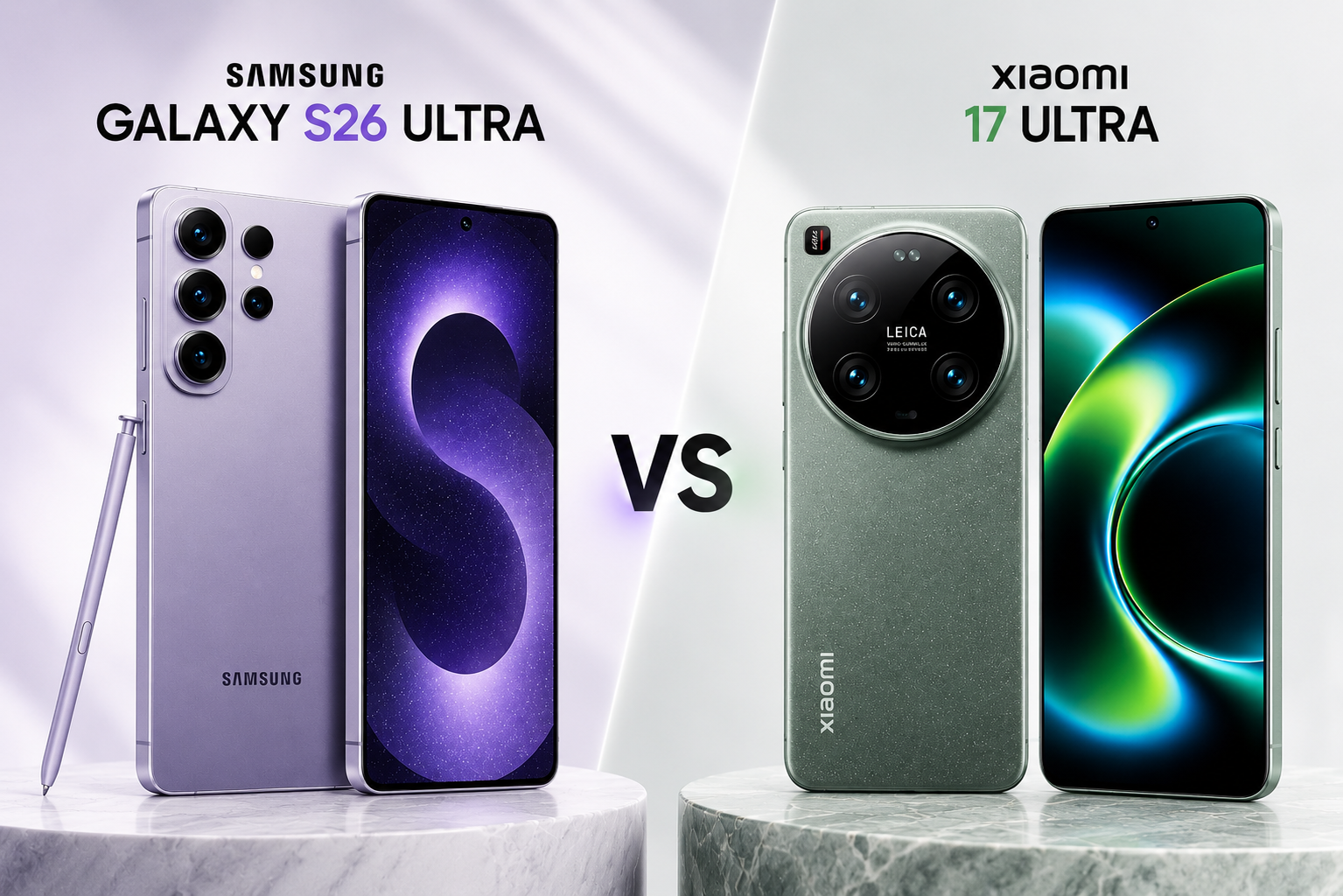
Xiaomi 17 Ultra focuses on a 1-inch Leica sensor and a 200 MP periscope with smooth zoom, while the Galaxy S26 Ultra features a 200-megapixel main camera and two separate telephoto lenses (3x and 5x). Both flagships start at 6,499 PLN. Want photographic character and a large sensor? Choose Xiaomi. Opting for versatile, reliable zoom and Galaxy AI? Go for Samsung.
This is a duel of two completely different philosophies of mobile photography. The Xiaomi 17 Ultra (premiere in Poland on February 28, 2026) leans towards a “real camera” with Leica and a sensor reminiscent of compacts. The Galaxy S26 Ultra (from March 11, 2026) is a computational powerhouse with the most extensive focal length set on the market.
In this comparison of the flagship cameras of 2026, we focus primarily on photography, as it is what divides these phones the most. We break down the main lens, zoom, ultra-wide angle, selfies, character of photos and videos. At the end, you will find a clear recommendation.
Camera Specifications — Xiaomi 17 Ultra vs Galaxy S26 Ultra
Let’s start with a complete overview of the optical systems. This is where it becomes clear how different paths both manufacturers have taken.
| Camera | Xiaomi 17 Ultra | Galaxy S26 Ultra |
|---|---|---|
| Main | 50 MP, 1″ Light Fusion 1050L (Leica), f/1.67 | 200 MP, 1/1.3″, f/1.4, OIS |
| Telephoto | no separate (zoom through periscope) | 10 MP, 3x optical, f/2.4, OIS |
| Periscope | 200 MP, 1/1.4″, smooth optical zoom | 50 MP, 5x optical, f/2.9, OIS |
| Ultrawide | 50 MP | 50 MP, f/1.9, 120° |
| Selfie | 50 MP | 12 MP |
| Color Tuning | Leica (Authentic and Vibrant profiles) | Galaxy AI, ProVisual Engine |
| Optical Zoom | smooth (periscope 200 MP) | two ranges: 3x and 5x |
| Video | up to 8K | up to 8K |
| Special Edition | Leica Edition with mechanical zoom ring | none |
At first glance, two ideas for the same thing are evident. Xiaomi focuses on two huge sensors (main and periscope), while Samsung opts for four specialized lenses covering more focal lengths.
Main camera — 1-inch sensor vs 200 megapixels
This is the heart of both phones and the biggest difference in philosophy. Xiaomi 17 Ultra has a larger sensor, Galaxy S26 Ultra has more pixels.
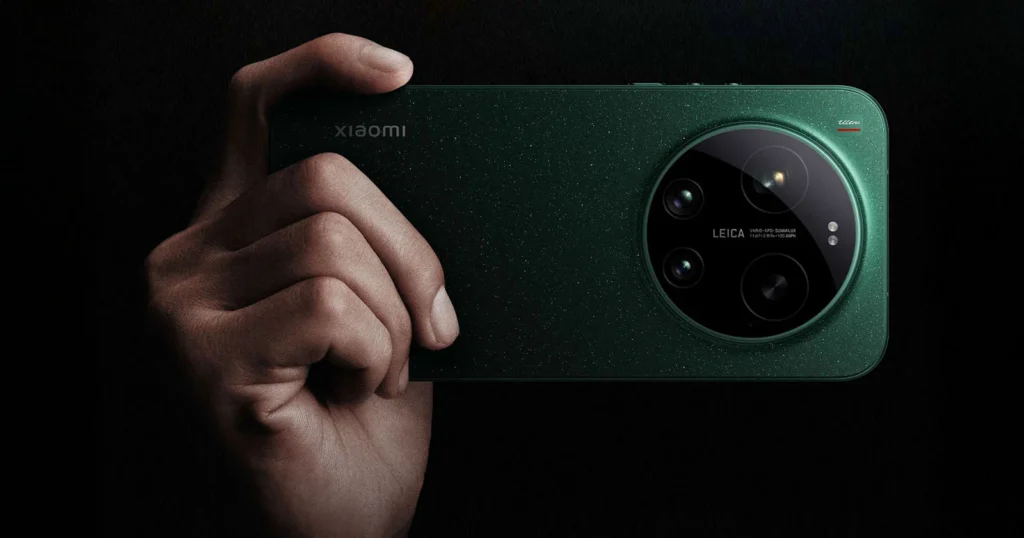
Xiaomi mounts a 50-megapixel sensor Light Fusion 1050L with a 1-inch diagonal, tuned with Leica and featuring LOFIC technology that expands the tonal range. A large sensor means more light per pixel, natural background blur, and better low-light photos without aggressive software. High scores in the camera test of Xiaomi 17 Ultra at DXOMARK confirm that it is one of the best cameras on the market.
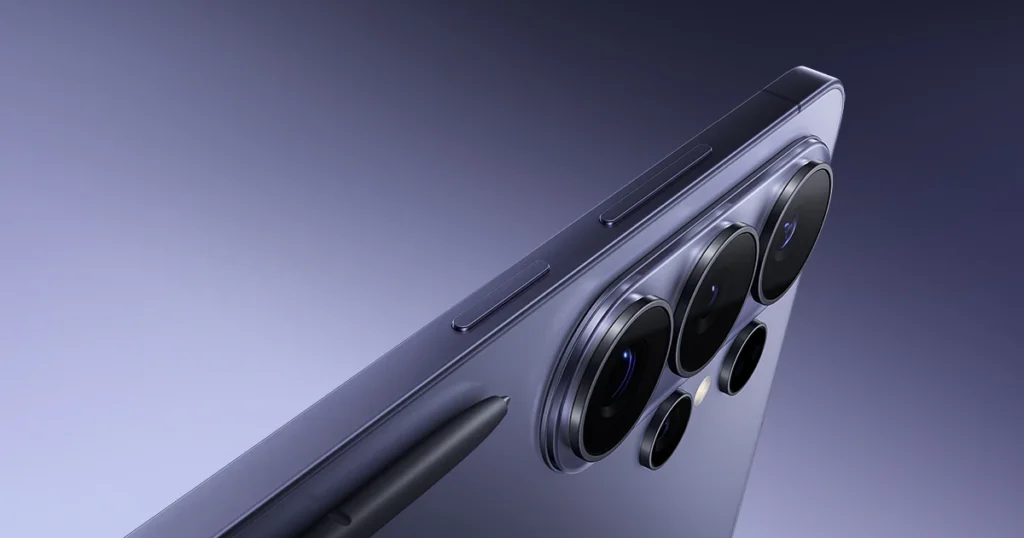
Galaxy S26 Ultra features a 200-megapixel 1/1.3″ sensor with a brighter aperture of f/1.4 (last year it was f/1.7). A smaller sensor, but the gigantic resolution provides a huge amount of detail and freedom in cropping — you can crop the photo and still have a sharp file.
In practice, the difference looks like this:
- Xiaomi — more “camera-like” character, nicer bokeh, better performance in difficult lighting due to the large sensor.
- Samsung — more detail in daylight, greater cropping flexibility, and a more predictable, computational effect.
Conclusion: If the most important factor is the quality of the main camera at night and the photographic atmosphere, the Xiaomi 17 Ultra has the advantage. For photos in full light and maximum resolution, Samsung performs just as well.
Zoom — one powerful periscope vs dual telephoto lens
This is where the paths diverge the most, and often this element determines the choice.
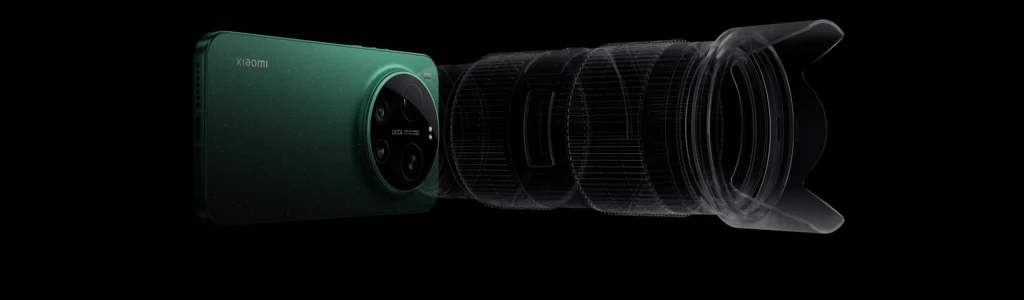
Xiaomi 17 Ultra has one, but exceptional telephoto lens: a 200 MP periscope on a 1/1.4″ sensor with smooth optical zoom. The enormous resolution means that even heavily zoomed-in shots retain surprisingly much detail. This solution shines in medium and long zoom — portraits, architecture, details from a distance. Thanks to the pixel reserve at intermediate magnifications (e.g., 4x or 6x), it crops from the sensor without any real loss of quality.
Galaxy S26 Ultra focuses on the classic versatility typical of the Ultra series: two separate telephoto lenses — a 10 MP with 3x zoom (f/2.4) and a 50-megapixel periscope with 5x zoom (f/2.9, with a brighter aperture than before). This gives you dedicated optics for portraits (3x) and for long zoom (5x), while the software smoothly combines ranges up to 100x digital zoom.
What does it mean in the field?
- Xiaomi wins in raw detail at specific, long-range zoom.
- Samsung wins in versatility — you have native focal lengths for various situations, from portrait to landscape from a distance.
If you take a lot of portraits, Samsung’s dual telephoto lens can be more convenient for everyday use. If maximum detail in strong zoom matters to you, Xiaomi’s periscope is impressive.
Ultrawide angle and selfies
In the ultrawide angle category, it’s a tie on paper — both phones have 50-megapixel sensors. The Galaxy S26 Ultra adds a bright aperture of f/1.9 and a 120-degree angle, which helps with architecture and landscapes. Xiaomi maintains a consistent level and color with the rest of the lenses thanks to Leica tuning.

Selfies are Xiaomi’s advantage at least on the numbers: 50 MP versus 12 MP in Samsung. More pixels up front means sharper self-portraits and better framing for group photos. However, Samsung makes up for it with refined processing and natural skin rendering.


Character of the photos — Leica vs Galaxy AI
Numbers are not everything. Whether you will like the photos depends on their “character” — and here the difference is fundamental.
Xiaomi 17 Ultra uses Leica tuning. You get two profiles: Leica Authentic (contrasty, with strong shadows, more documentary) and Leica Vibrant (brighter colors for social media). This sound is known from Leica cameras, which many photographers simply love. The Leica Edition adds a mechanical zoom ring on the body, allowing you to set the focal length, exposure, and white balance like in a real lens.
Galaxy S26 Ultra is going the computational route. Galaxy AI and the ProVisual engine ensure a consistent, “safe” effect: readable colors, strong HDR, and plenty of automatic enhancements. It’s convenient, predictable, and great for those who want a good photo without fussing around.
Tip: If you like to influence the photo and appreciate a characterful, photographic look, you’ll love Leica in Xiaomi. If you prefer the phone to “do well for you,” you’ll appreciate Samsung’s approach.
Night Photography — Where the Large Sensor Makes a Difference
After dark, Xiaomi 17 Ultra usually wins. The 1-inch sensor of the main camera gathers more light, so night shots are brighter and less “processed” than in phones that have to compensate with algorithms. Less noise, more natural city lights, and better-preserved neon colors.
Galaxy S26 Ultra is not far behind. A brighter f/1.4 aperture and a strong night mode provide very good results, although Samsung tends to brighten and smooth out the scene more. It’s a matter of taste: Xiaomi maintains the night atmosphere, while Samsung prefers to show as many details as possible.
In night zoom, Xiaomi maintains the advantage thanks to the 200 MP periscope, which retains more detail even in low light when zoomed in.

Portraits and Bokeh
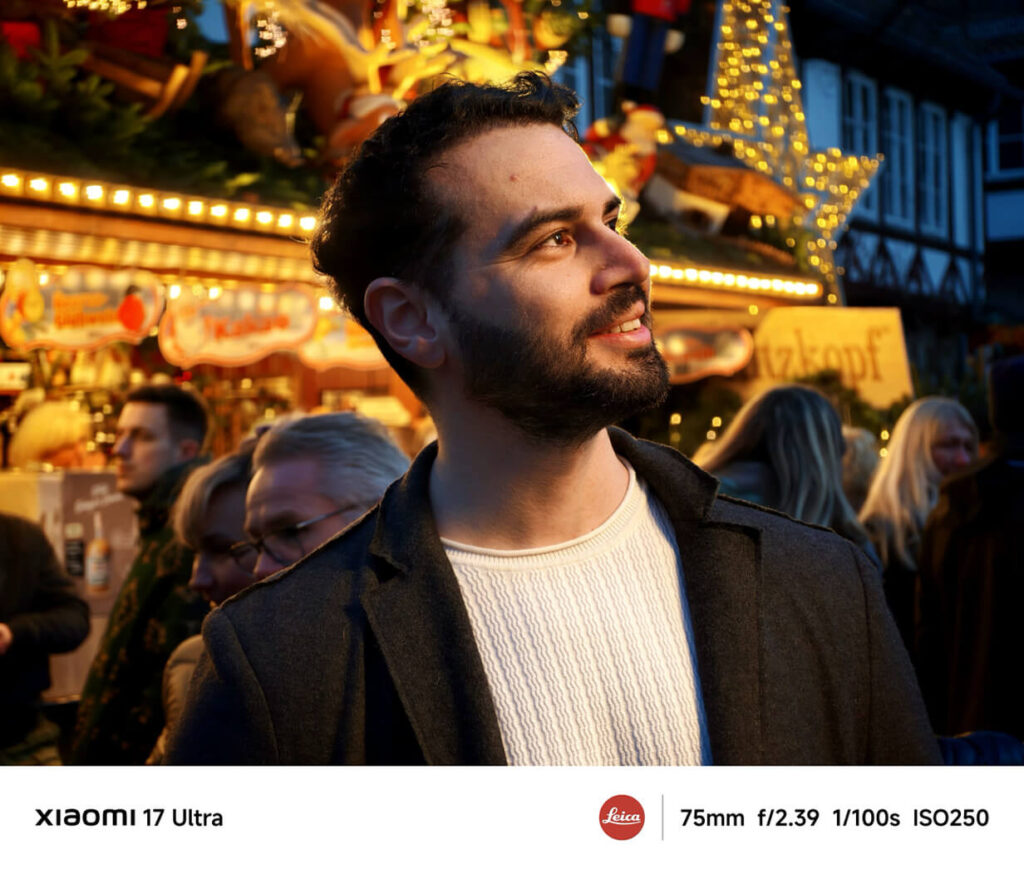
For portraits, two things matter: background blur and skin tone reproduction. The Xiaomi 17 Ultra uses a large sensor and Leica tuning, so the bokeh is natural, and the skin tone is pleasantly warm. The Leica Authentic and Vibrant profiles allow you to match the mood of the photo.

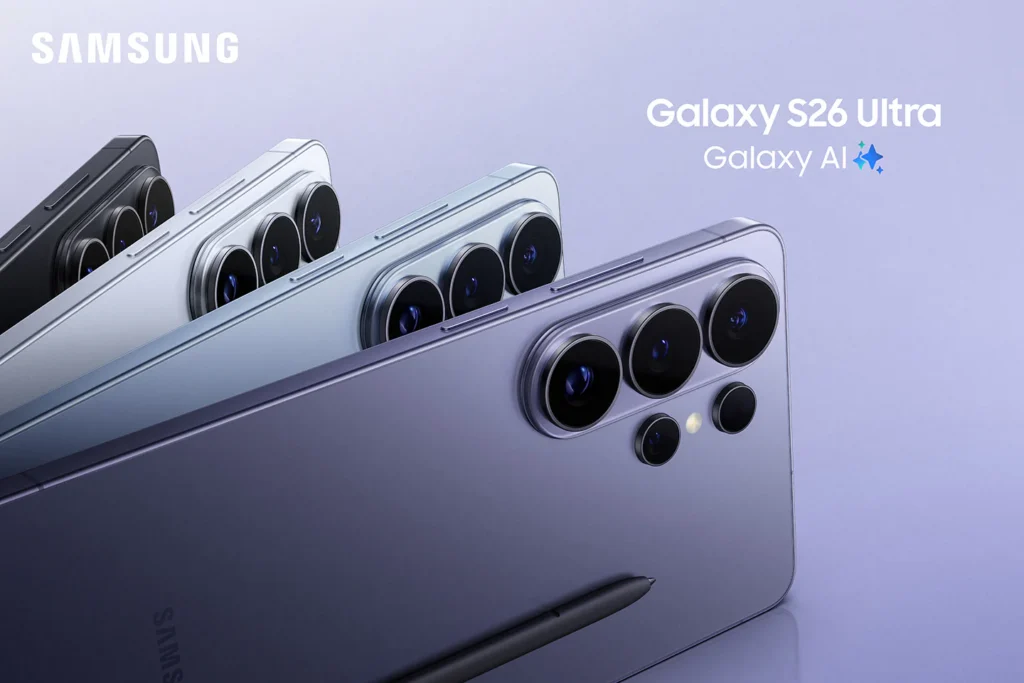
The Galaxy S26 Ultra has a dedicated 3x telephoto lens — a classic “portrait lens” that provides a flattering perspective without getting too close. The effect is consistent and predictable, and Galaxy AI ensures clear separation of the subject from the background.
Video
Both flagships record in up to 8K resolution and offer stabilization and pro modes. Samsung has long been a benchmark in video on Android — it has consistent color across lenses and very good sound. Xiaomi has caught up significantly, and the large sensor of the main camera helps with night recordings. For most users, the differences in filming will be subtle; only creators will fully appreciate the advantage.
The rest of the specifications — display, battery, performance
Cameras are not everything, so a brief note on the rest. Both phones have top processors, bright AMOLED displays, and fast charging. Xiaomi stands out here with a large 6800 mAh battery and a screen brightness of 3500 nits, which translates to excellent readability in sunlight and long battery life.
| Parameter | Xiaomi 17 Ultra | Galaxy S26 Ultra |
|---|---|---|
| Battery | 6800 mAh | flagship, fast charging |
| Display | AMOLED, up to 3500 nits | AMOLED, high refresh rate |
| System / AI | HyperOS, AI assistant | One UI, Galaxy AI |
| Stylus | none | S Pen |
One of Samsung’s advantages remains the S Pen — a stylus that Xiaomi does not offer. If you take notes, draw, or edit photos with your finger, this is a real advantage of the Galaxy.
Price and availability in Poland
The starting prices are identical: both flagships cost from 6,499 PLN. The Xiaomi 17 Ultra in the 16/512 GB version is 6,499 PLN, while the 16 GB/1 TB version is 6,999 PLN. The Galaxy S26 Ultra starts at 6,499 PLN for the 256 GB variant, and during promotions, it can be significantly cheaper.
Both phones are officially available in Poland, so you can buy them with a Polish warranty and support. This is important — with Xiaomi Ultra flagships, it has varied, but the 17 Ultra model has entered official sales.
Which one to choose? Recommendations based on needs
In terms of the camera, there is no single winner — there is a winner for a specific style of photography:
- You want the largest sensor and photographic character → Xiaomi 17 Ultra (1-inch sensor, Leica tuning).
- Maximum detail in strong zoom matters → Xiaomi 17 Ultra (200 MP periscope).
- You value manual control over the frame → Xiaomi 17 Ultra Leica Edition (zoom ring).
- You need a versatile, reliable zoom for everyday use → Galaxy S26 Ultra (3x and 5x).
- You want maximum detail during the day and freedom in framing → Galaxy S26 Ultra (200 MP main).
- You care about the S Pen and Samsung’s ecosystem → Galaxy S26 Ultra.
Our choice: For pure photographic pleasure and night shots — Xiaomi 17 Ultra. As a universal, reliable powerhouse with the best zoom package and S Pen — Galaxy S26 Ultra. Both are at the top of the 2026 rankings.
Looking for a broader picture? Check out our ranking of the best phones for photography in 2026, and if you’re into photographic Xiaomi — also check out the comparison of Vivo X300 Ultra vs Xiaomi 17 Ultra.
Accessories — how to secure a flagship for 6,499 PLN
Protecting a phone that costs over six thousand zlotys from day one is worth it — tempered glass and a case are just a fraction of the repair cost. Check out the compatible accessories for both models: cases and protection for Xiaomi 17 Ultra, and on the Samsung side the best cases for Galaxy S26 Ultra and tempered glass for Galaxy S26 Ultra. With such advanced cameras, it’s also worth considering glass for the camera of Galaxy S26 Ultra, which will protect the lenses from scratches. We suggest specific models in the ranking of the best glasses for Xiaomi 17 Ultra. You are buying from a trusted seller: a rating of 4.9/5 on Google and 99.8% positive reviews on Allegro.
Summary
Xiaomi 17 Ultra and Galaxy S26 Ultra are the two best camera phones in 2026, but they achieve this in different ways. Xiaomi features a large, 1-inch Leica sensor and a 200 MP periscope, focusing on character and detail in zoom. Samsung counters with a 200-megapixel main camera and a dual telephoto lens, emphasizing versatility and computational reliability.
The key takeaways:
- Main camera: Xiaomi (larger sensor, night shots, bokeh) vs Samsung (more detail in daylight).
- Zoom: Xiaomi (200 MP periscope, detail) vs Samsung (3x and 5x, versatility).
- Character: Leica (Xiaomi) vs Galaxy AI (Samsung).
- Price: identical, starting from 6,499 PLN.
Choose Xiaomi 17 Ultra for photographic pleasure and a large sensor, and Galaxy S26 Ultra for versatility, S Pen, and ecosystem. Regardless of your decision, take care of the glass and case, because a camera worth thousands of PLN deserves protection.
FAQ — frequently asked questions
Xiaomi 17 Ultra or Galaxy S26 Ultra, which has a better camera?
It depends on the style. Xiaomi 17 Ultra wins with its sensor size (1 inch) and detail in strong zoom (periscope 200 MP), while Galaxy S26 Ultra excels in zoom versatility (3x and 5x) and the resolution of the main camera (200 MP). For night shots, Xiaomi is better, for general use — Samsung.
Which takes better photos at night?
Usually, Xiaomi 17 Ultra — thanks to its 1-inch main camera sensor that gathers more light. Galaxy S26 Ultra also performs well, but relies more on computational processing.
Which has better zoom?
It depends on the distance. Xiaomi provides more detail with its single, powerful periscope 200 MP, while Samsung is more flexible with two telephoto lenses (3x and 5x) covering different focal lengths.
How much do Xiaomi 17 Ultra and Galaxy S26 Ultra cost in Poland?
Both start at 6,499 PLN. Xiaomi 17 Ultra in the 16/512 GB version is 6,499 PLN, and the 16 GB/1 TB version — 6,999 PLN. Galaxy S26 Ultra costs from 6,499 PLN for 256 GB and can be cheaper during promotions.
What is the Leica edition in Xiaomi 17 Ultra?
It is a variant with a unique design and a mechanical zoom ring on the body, which allows you to set the focal length, exposure, and white balance like in a classic lens. The camera specifications are the same as in the standard version.
Does the Galaxy S26 Ultra have an S Pen, while the Xiaomi 17 Ultra does not?
Yes. The Galaxy S26 Ultra retains the S Pen stylus, which the Xiaomi 17 Ultra does not offer. For note-takers and sketchers, this is a significant advantage for Samsung.
Leave a Reply