Category: Porównania

  • Nothing Phone 4a Pro vs 3a Pro — aluminum instead of glass. Is it worth switching?

    Nothing Phone 4a Pro vs 3a Pro — aluminum instead of glass. Is it worth switching?

    Nothing Phone 4a Pro vs 3a Pro — Phone 4a Pro wins with a 144 Hz display with a brightness of 5000 nits, a Snapdragon 7 Gen 4 processor (even twice as powerful GPU), and a completely new Glyph Matrix with 137 mini-LEDs. However, it loses the iconic transparent back for an aluminum casing and has a weaker selfie camera (32 MP instead of 50 MP). In Poland, the surcharge is about 350 PLN compared to the launch price of the 3a Pro.

    Nothing Phone 4a Pro debuted on March 5, 2026 — exactly one year after the Phone 3a Pro, which premiered during MWC 2025. The first reviews from critics are positive, but the comparison of both generations reveals not only progress — but also a surprising step backward.

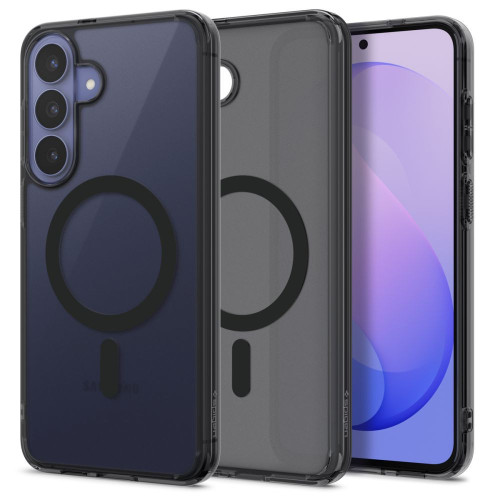
    Looking for a case or tempered glass? In our store, you will find accessories for Nothing Phone 4a Pro and Nothing Phone 3a Pro.

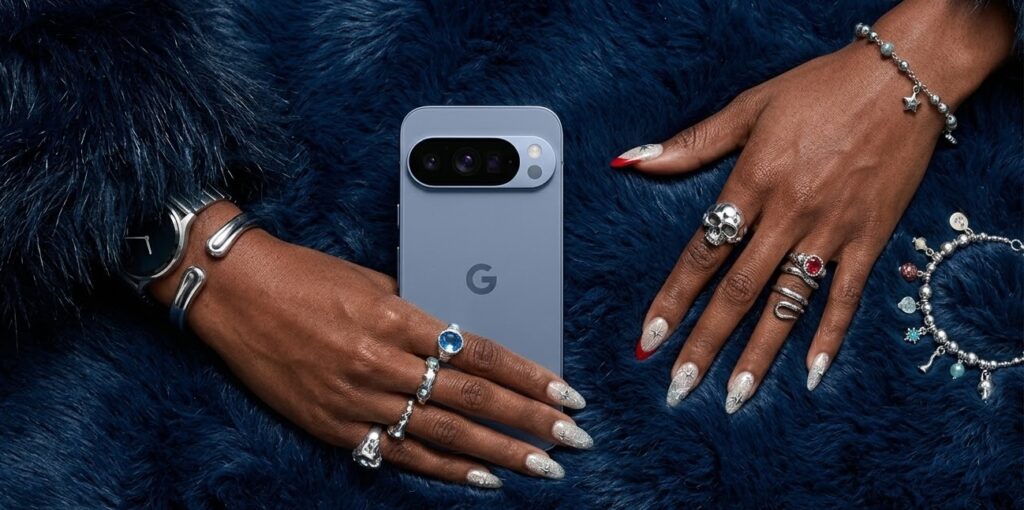
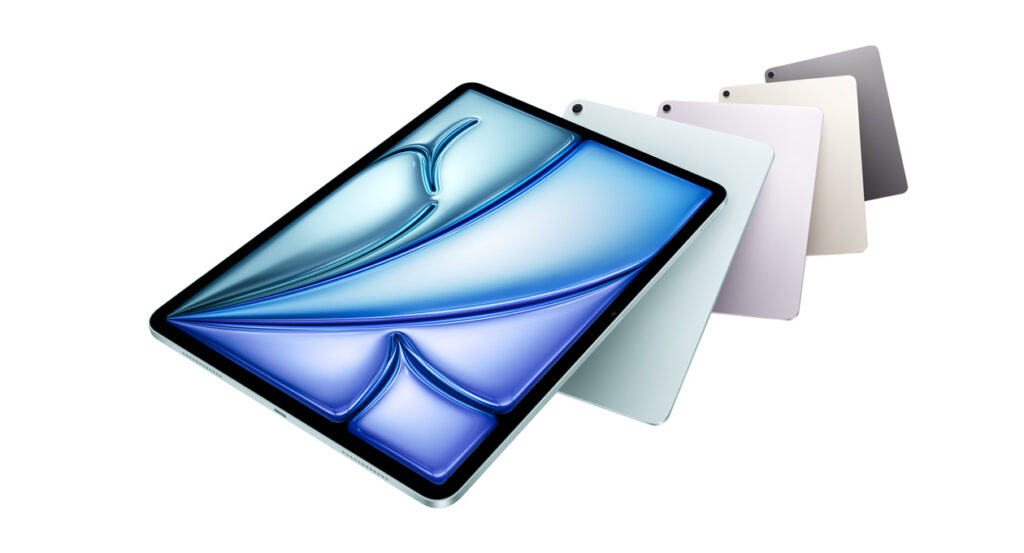
    Nothing Phone 4a Pro — marketing photo, overall view

    Key differences — Nothing Phone 4a Pro vs 3a Pro at a glance

    FeaturePhone 4a Pro (2026)Phone 3a Pro (2025)
    ProcessorSnapdragon 7 Gen 4Snapdragon 7s Gen 3
    Display6.83″ / 144 Hz / 5000 nits6.77″ / 120 Hz / 3000 nits
    Telephoto50 MP, 3.5x optical zoom50 MP, 3x optical zoom
    Selfie Camera32 MP50 MP
    Battery5080 mAh5000 mAh
    Glyph137 mini-LEDs (matrix)3 LED strips, 26 zones
    BodyAluminum (unibody)Glass (transparent) + plastic
    ProtectionGorilla Glass 7i, IP65Panda Glass, IP64
    Price (PL)from 2099 PLN (8/128 GB)from ~1300 PLN (sales)

    Full specification — Nothing Phone 4a Pro vs 3a Pro

    ParameterPhone 4a ProPhone 3a Pro
    ReleaseMarch 2026March 2025
    Dimensions163.7 × 76.6 × 8.0 mm163.5 × 77.5 × 8.4 mm
    Weight210 g211 g
    Display6.83″ AMOLED, 1260 × 2800 px (440 ppi)6.77″ AMOLED, 1080 × 2392 px (387 ppi)
    Refresh Rate144 Hz120 Hz
    PWM2160 Hz2160 Hz
    Peak Brightness5000 nits3000 nits
    ProcessorSnapdragon 7 Gen 4 (4 nm)Snapdragon 7s Gen 3 (4 nm)
    GPUAdreno 722Adreno 810
    RAM8 / 12 GB LPDDR5X8 / 12 GB
    Storage128 / 256 GB (UFS 3.1)128 / 256 GB
    Main Camera50 MP, f/1.9, OIS, 1/1.56″50 MP, f/1.9, OIS, 1/1.56″
    Telephoto50 MP, f/2.9, 3.5× zoom, OIS50 MP, f/2.6, 3× zoom, OIS
    Ultrawide8 MP, f/2.2, 120°8 MP, f/2.2, 120°
    Selfie Camera32 MP, f/2.250 MP, f/2.2
    Video4K 30 fps, Ultra XDR / Dolby Vision4K 30 fps
    Battery5080 mAh5000 mAh
    Charging50 W (100% in 64 min)50 W (100% in 56 min)
    Wireless ChargingNoNo
    SystemAndroid 16 / Nothing OS 4.1Android 15 / Nothing OS 3.1 (update to Android 16)
    Updates3 years Android + 6 years security3 years Android + 6 years security
    5GYesYes
    WiFiWiFi 6WiFi 6
    Bluetooth5.45.4
    NFCYesYes
    IPIP65IP64
    ColorsBlack, Silver, PinkBlack, Gray

    You can check the official specifications from the manufacturer at nothing.tech.

    Display — 5000 vs 3000 nits and higher refresh rate

    The screen is one of the most noticeable changes when comparing Nothing Phone 4a Pro vs 3a Pro.

    The Phone 4a Pro received a larger 6.83-inch panel (vs 6.77″) with a higher resolution — 1260 × 2800 px gives 440 ppi instead of 387 ppi. Text and small interface elements look clearer. The refresh rate increased from 120 Hz to 144 Hz. You will notice the difference mainly in games and fast scrolling through lists.

    The biggest change concerns brightness. 5000 nits in the Phone 4a Pro is 67% more than 3000 nits in the 3a Pro. This has a real impact on screen readability in bright sunlight — while running, cycling, or navigating the city in summer.

    Nothing also applied Corning Gorilla Glass 7i instead of Panda Glass, which means better scratch resistance. You can find the full specifications of the Nothing Phone 4a Pro display in the table above. If you still prefer additional protection, tempered glass for Nothing smartphones is available in our store.

    💡 Tip: If you mainly use your phone indoors, the difference in brightness will be less noticeable. 3000 nits in the 3a Pro is still an excellent result — better than many flagship devices from 2024.

    Design and materials — the end of transparency

    This is the most controversial change. The Nothing Phone 4a Pro abandons the iconic transparent back for an aluminum unibody case. This is the first Nothing phone with a metal construction.

    What does this mean in practice?

    • Materials — 4a Pro: aluminum (frame and back) + Gorilla Glass 7i (front). 3a Pro: plastic frame + glass transparent back + Panda Glass (front).
    • Premium feeling — aluminum gives the impression of a more expensive phone. Reviewers compare it to higher-end devices.
    • Weight and dimensions — practically identical (210 vs 211 g). The Phone 4a Pro is thinner by 0.4 mm and narrower by almost a millimeter.
    • Water resistance — IP65 (resistance to water jets) vs IP64 (resistance to splashes). A small but real improvement.
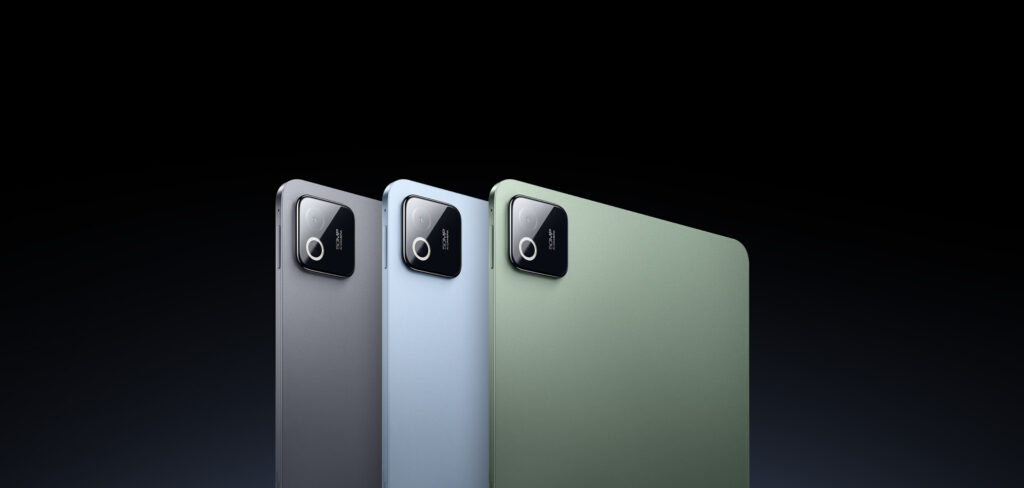
    • Colors — 4a Pro offers three options (Black, Silver, Pink), 3a Pro two (Black, Gray).

    ⚠️ Note: If a transparent design is a key feature for you, Nothing — Phone 3a Pro is the last model in the “a” series that offers it. Phone 4a Pro looks more “mainstream,” which may not appeal to everyone.

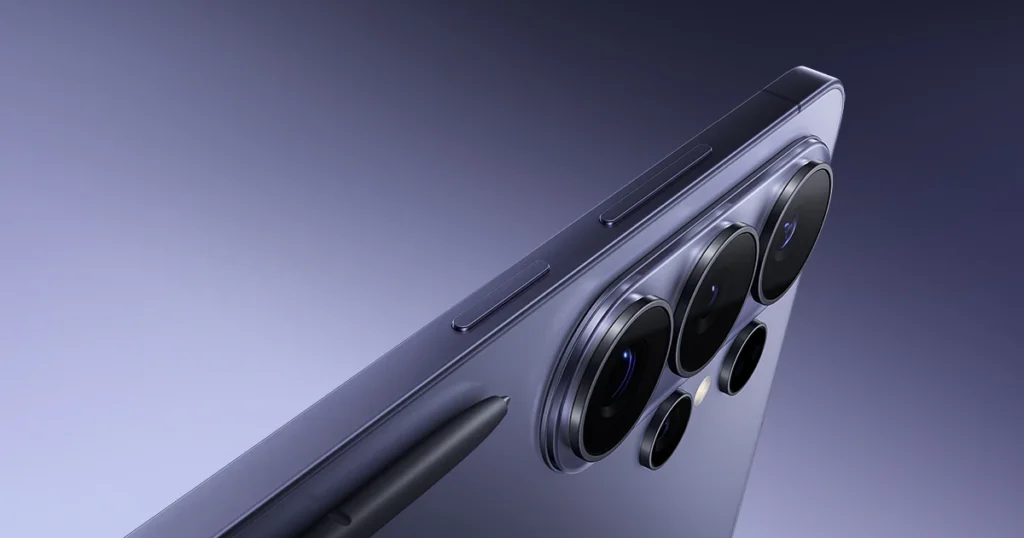
    Nothing Phone 4a Pro — aluminum unibody construction

    Performance — Snapdragon 7 Gen 4 vs 7s Gen 3

    Under the hood, Phone 4a Pro hides the Snapdragon 7 Gen 4, while the 3a Pro has the Snapdragon 7s Gen 3. The difference is significant:

    • CPU — about 15% faster single-core, about 32% faster multi-core in Phone 4a Pro
    • GPU — Adreno 722 in 4a Pro is even twice as efficient as Adreno 810 in 3a Pro
    • RAM — both offer 8 and 12 GB LPDDR5X variants

    What does this mean in everyday use? The Phone 3a Pro is still a smooth phone — Nothing OS is well optimized. You will mainly feel the difference in:

    • Gaming — higher frames per second, more stable framerate in Genshin Impact, Call of Duty Mobile
    • Photo and video editing — export about 30% faster
    • Multitasking — more open apps without reloading

    Both phones have UFS 3.1 memory — the lack of UFS 4.0 is a certain compromise, but in practice, the difference is mainly felt when copying large files.

    Nothing Phone 4a Pro — Snapdragon 7 Gen 4 performance

    Camera — better zoom, but weaker selfies

    The main camera in both phones is identical — 50 MP, f/1.9, 1/1.56″ sensor with OIS. The ultrawide is also unchanged (8 MP, f/2.2). Key differences concern the telephoto lens and the selfie camera.

    Telephoto lens

    ParameterPhone 4a ProPhone 3a Pro
    Resolution50 MP50 MP
    Optical zoom3.5× (80 mm)3× (70 mm)
    Aperturef/2.9f/2.6
    SensorSamsung JN5, 1/2.75″1/1.95″
    Digital zoomup to 140×no data

    Phone 4a Pro offers a longer zoom (3.5× vs 3×), which is useful for photographing distant objects. It also features in-sensor zoom up to 7× and digital zoom up to 140×. But beware — the telephoto sensor is smaller (1/2.75″ vs 1/1.95″), which may result in poorer zoom photos in low light.

    There is also a new TrueLens Engine 4 — multi-frame RAW processing with 12-layer AI segmentation. Video has gained an Ultra XDR mode (similar to Dolby Vision HDR).

    Selfie camera — a step back

    This is the only clear downgrade in the Phone 4a Pro:

    • 3a Pro: 50 MP, 1/2.76″ sensor — one of the better selfie cameras in the segment
    • 4a Pro: 32 MP, 1/3.42″ sensor — smaller sensor, lower resolution, no 4K in video

    If you often take selfies, record TikToks, or have video calls, the 3a Pro has an objective advantage here.

    Nothing Phone 4a Pro — camera and telephoto module

    Battery and charging — Nothing Phone 4a Pro vs 3a Pro

    ParameterPhone 4a ProPhone 3a Pro
    Capacity5080 mAh5000 mAh
    Charging50 W50 W
    0–50%22 min19 min
    0–100%64 min56 min
    Endurance rating (GSMArena)63:24h43:17h
    Wireless chargingNoNo
    Reverse charging7.5 W (wired)No

    Phone 4a Pro has a slightly larger battery (5080 vs 5000 mAh), but achieves a significantly better endurance rating according to GSMArena — 63:24h vs 43:17h. This suggests that the new processor and display are more energy-efficient. Paradoxically, a full charge takes longer (64 vs 56 min) despite the identical power of 50 W.

    A new feature is reverse charging at 7.5 W — you can charge headphones or a smartwatch with a cable from Phone 4a Pro.

    💡 Tip: Neither model supports wireless charging. If this is important to you, consider alternatives like OnePlus 13 or Google Pixel.

    Glyph Interface — 137 LEDs vs 26 zones

    Glyph Interface is the hallmark of Nothing, and here the difference between generations is huge.

    Phone 3a Pro had 3 LED strips with 26 addressable zones arranged around the camera module. They were mainly used for notifications, charging indicators, and illuminating photos.

    Phone 4a Pro introduces a completely new Glyph Matrix — 137 individually controllable mini-LEDs with a brightness of up to 3000 nits. These are no longer strips — this is a pixel matrix that displays:

    • Pixel-style icons and animations
    • Digital clock
    • Battery level indicator
    • Moon phase and sun position
    • Notifications with individual patterns for contacts
    • Android 16 Live Updates on Glyph Bar (navigation, Uber rides, timers)
    • Illumination for photos

    The Glyph matrix occupies 57% more surface area than its predecessor and is 100% brighter. The new “Glyph Toys” features add interactive elements — something no other manufacturer offers.

    Software — Nothing OS 4.1 vs 3.1

    Phone 4a Pro launches with Android 16 and Nothing OS 4.1, while 3a Pro debuted with Android 15 and Nothing OS 3.1 (update to Android 16 / Nothing OS 4.0 available from December 2025).

    New features in Nothing OS 4.1:

    • Glyph Live Updates — integration of Android 16 Live Updates with the Glyph matrix
    • AI Eraser — local object removal from photos (no cloud)
    • AI Ringtone Generation — AI-generated ringtones for individual contacts
    • Relaxation Hub — “Breathing Break” widgets with Focus, Relax, and Calm modes
    • Lock Screen Depth Effect (beta) — clock hides behind wallpaper elements

    The update policy is identical — both phones will receive 3 major Android updates and 6 years of security patches. Phone 4a Pro will get Android up to version 19, while 3a Pro will get up to version 18.

    Price in Poland — Nothing Phone 4a Pro vs 3a Pro

    VariantPhone 4a ProPhone 3a Pro (launch)Phone 3a Pro (now)
    8/128 GB2099 PLNnonenone
    12/256 GB2399 PLN2049 PLNfrom ~1300 PLN

    Phone 4a Pro in the 12/256 GB version costs 2399 PLN — that’s about 350 PLN more than the launch price of the 3a Pro in the same configuration. But the real difference is greater: the 3a Pro can today be purchased in promotions for about 1300–1800 PLN. This means that for the price of the Phone 4a Pro, you can get the Phone 3a Pro and still have enough left for the Nothing 3a Pro case and accessories.

    Phone 4a Pro also offers a cheaper variant of 8/128 GB for 2099 PLN — an option not available with the 3a Pro.

    💡 Tip: If budget is a priority, the Phone 3a Pro at current prices (1300–1800 PLN) is one of the best smartphones in this range. By paying extra for the 4a Pro, you mainly gain a better display, performance, and Glyph Matrix.

    Which model for whom? Summary

    Choose the Nothing Phone 4a Pro if:

    • You care about having the best display in the segment (144 Hz, 5000 nits)
    • You play games and need a stronger GPU
    • You want the new Glyph Matrix with 137 LEDs
    • You prefer a metal, premium build
    • You are buying a new phone and comparing it with other new releases of 2026

    Stick with the Nothing Phone 3a Pro (or buy it now) if:

    • You love the transparent design of Nothing
    • You often take selfies (50 MP vs 32 MP)
    • You are looking for a great smartphone at a lower price (from ~1300 PLN)
    • The current performance of the 3a Pro is enough for you
    • You don’t need the latest Glyph features

    In summary, comparing Nothing Phone 4a Pro vs 3a Pro — the new model is better in almost every technical category, but not enough for 3a Pro users to rush to the store. The biggest arguments for the upgrade are the 5000 nit display, Snapdragon 7 Gen 4, and the revolutionary Glyph Matrix. The biggest argument against it is the loss of the transparent design and a weaker selfie camera.

    Check the full range of accessories for both models:
    Cases and glass for Nothing Phone 4a Pro
    Cases and glass for Nothing Phone 3a Pro
    All Nothing accessories

    Alternatives — what else is worth considering?

    If neither of the Nothing Phones meets your expectations one hundred percent, it’s worth looking at the competition in a similar price range:

    Google Pixel 9a — a direct competitor in the segment. It offers pure Android, seven years of updates, and one of the best cameras among mid-range devices thanks to Google’s algorithms. No Glyph Interface and less distinctive design, but it makes up for it with software. You can find accessories for Pixel in our Google Pixel category.

    OnePlus Nord 4 — if wireless charging is a priority, OnePlus has delivered what both Nothing Phones lack. A metal body (similar philosophy to 4a Pro), 120 Hz AMOLED, and OxygenOS based on pure Android. Check accessories for OnePlus.

    Samsung Galaxy A56 — a choice for those who value the Samsung ecosystem. One UI, Samsung Pay, DeX — this is not offered by Nothing OS. Inferior Glyph (because it doesn’t exist), but better service support in Poland and a wide network of stores.

    CMF Phone 2 Pro — a budget option from the Nothing sub-brand. Much cheaper, lacks periscope and Glyph, but shares the design philosophy and software with Nothing. Ideal if you like Nothing OS but don’t want to spend 2000+ PLN. Check out accessories for CMF Phone.

    Note: Each of the above alternatives has its strengths, but none offers the Glyph Interface — this remains a unique feature of the Nothing ecosystem, which distinguishes the Phone 4a Pro and 3a Pro from the competition.

    FAQ — frequently asked questions

    Is it worth switching from Nothing Phone 3a Pro to 4a Pro?

    If the 3a Pro is working well and you are not complaining about performance or the screen — you don’t need to rush. The upgrade makes sense mainly for those who want the brightest display in the segment (5000 nits), need a stronger GPU for gaming, or have fallen in love with the new Glyph Matrix. It is not worth replacing the phone after a year of use just for the price difference.

    Which has a better camera — 4a Pro or 3a Pro?

    It depends on the scenario. The main camera (50 MP, f/1.9) is identical in both. The Phone 4a Pro wins with the telephoto lens (3.5× vs 3× zoom) and image processing (TrueLens Engine 4, Ultra XDR video). But the 3a Pro has a clearly better selfie camera — 50 MP with a larger sensor vs 32 MP in the newer model.

    How much does the Nothing Phone 4a Pro cost in Poland?

    The Nothing Phone 4a Pro costs in Poland from 2099 PLN for the 8/128 GB version and 2399 PLN for the 12/256 GB version. In comparison, the Nothing Phone 3a Pro (12/256 GB) can now be purchased on promotion for about 1300–1800 PLN.

    Does the Nothing Phone 4a Pro have wireless charging?

    No — just like the 3a Pro. Neither model supports wireless charging. Both charge via cable with a power of 50 W. The Phone 4a Pro, however, offers reverse charging at 7.5 W, which its predecessor did not have.

    What is the difference between the Glyph Interface in the 4a Pro and the 3a Pro?

    The difference is huge. The Phone 3a Pro had 3 LED strips with 26 zones. The Phone 4a Pro has a completely new Glyph Matrix — 137 mini-LEDs displaying icons, animations, a clock, battery level, moon phase, and supporting Android 16 Live Updates.

    How long will Nothing update both phones?

    Both models will receive 3 major Android system updates and 6 years of security patches. Phone 4a Pro (launch: Android 16) will be updated to Android 19. Phone 3a Pro (launch: Android 15, currently Android 16) — to Android 18.

  • OPPO Watch X2 vs OPPO Watch X3 — comparison

    OPPO Watch X2 vs OPPO Watch X3 — comparison

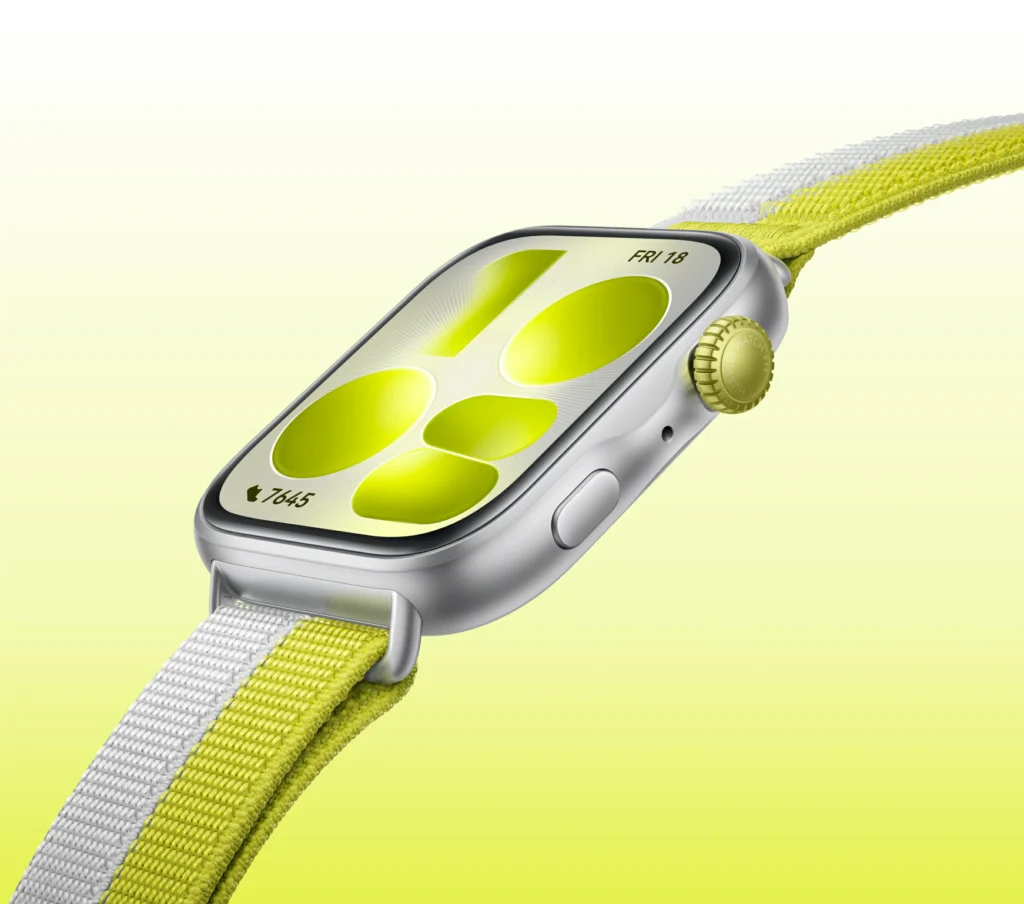
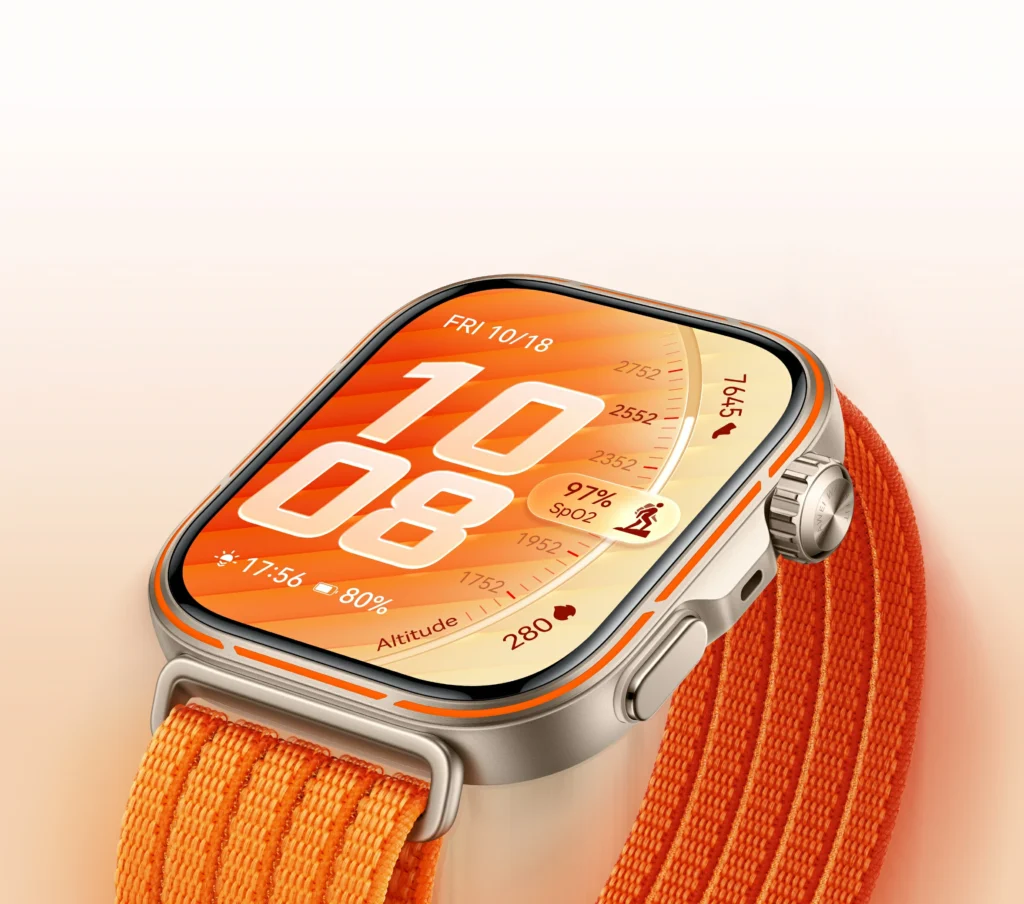
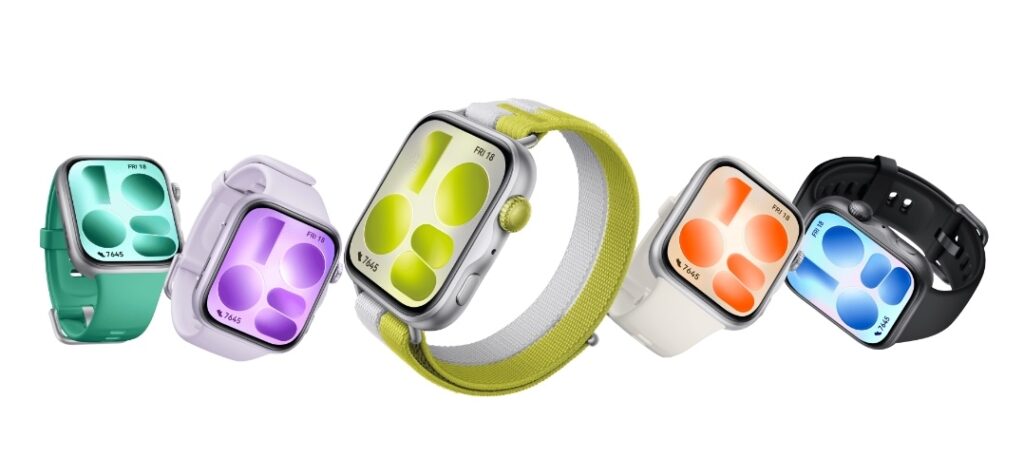
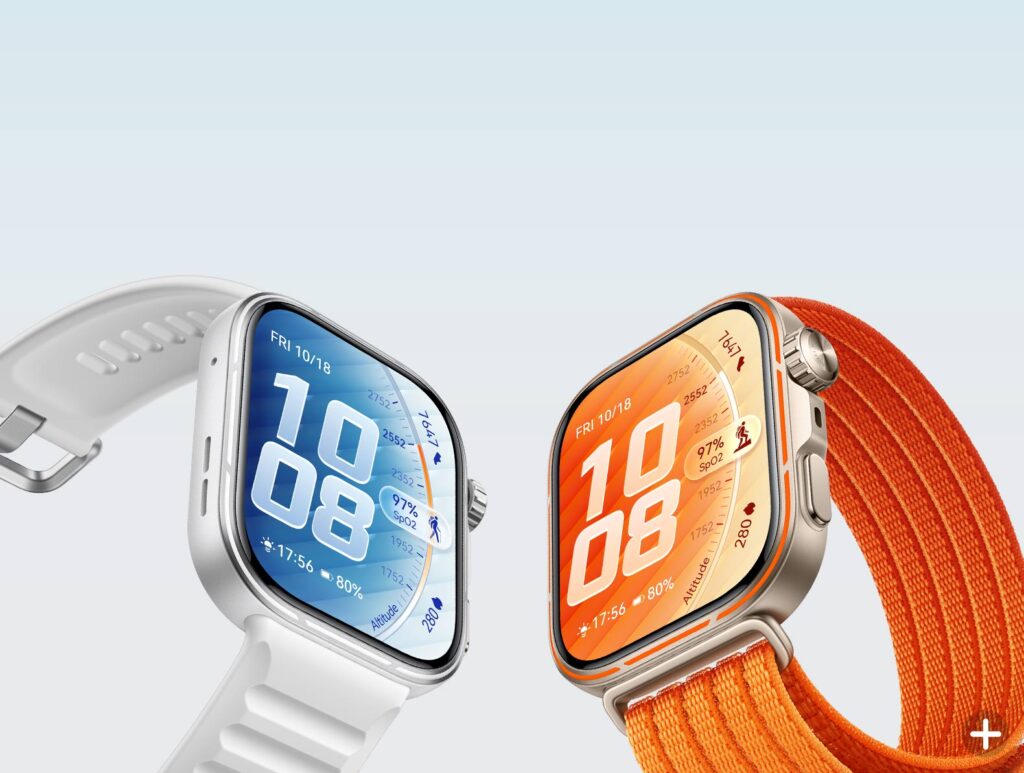
    OPPO Watch X2 vs X3 — what are the differences and is the newer model worth the extra cost? OPPO Watch X3 is a flagship smartwatch with a titanium case, a 3000-nit display, and a blood glucose sensor.

    Compared to the Watch X2, it is lighter by 6 g, thinner by 0.75 mm, and offers a brighter screen and new health features. Below is a detailed comparison of both models.

    OPPO unveiled the Watch X3 on March 17, 2026, in China. It is the direct successor to the Watch X2, which debuted in May 2025. Both smartwatches have a 1.5-inch LTPO OLED screen (dynamic refresh rate technology), a Snapdragon W5 processor, and eSIM (built-in SIM card with LTE support), but the newer model introduces several significant changes in design and sensor set.

    Interestingly, OPPO is also preparing a Watch X3 Mini variant — a smaller version, which is set to launch in April 2026. If the standard 47 mm size is too large for you, it’s worth waiting for this compact alternative.

    Looking for protective accessories for your smartwatch? Check out films and glasses for OPPO Watch in our store.

    Key differences — OPPO Watch X2 vs X3 at a glance

    DifferenceWatch X2Watch X3
    CaseStainless steel + titaniumTC4 titanium (aerospace)
    Screen brightness2200 nits3000 nits
    Weight (without strap)49.7 g43 g
    Glucose sensorNoYes
    Water resistanceIP68, 5 ATMIP68, IP69, 5 ATM
    SystemWear OS 5.0ColorOS Watch 16.0
    ProcessorSnapdragon W5 Gen 1Snapdragon W5 Gen 2

    Full specification OPPO Watch X3 vs Watch X2

    ParameterOPPO Watch X3OPPO Watch X2
    PremiereMarch 2026May 2025
    Display1.5″ LTPO OLED1.5″ LTPO AMOLED
    Resolution466 × 466 px466 × 466 px
    Max brightness3000 nits2200 nits
    ProcessorSnapdragon W5 Gen 2Snapdragon W5 Gen 1
    Co-processorQualcomm QCC5100BES2800BP
    RAM2 GB2 GB
    Internal memory32 GB32 GB
    Battery646 mAh648 mAh
    Battery life (smart mode)up to 5 daysup to 5 days
    Battery life (power saving)up to 16 daysup to 16 days
    Dimensions47.4 × 47.4 × 11.0 mm47.6 × 46.6 × 11.75 mm
    Weight70 g (with strap) / 43 g (watch only)76 g (with strap) / 49.7 g (watch only)
    Case materialaircraft-grade titanium TC4stainless steel + titanium (bezel)
    Glasssapphiresapphire
    Water resistanceIP68, IP69, 5 ATMIP68, 5 ATM
    Military standardMIL-STD-810HMIL-STD-810H
    GPSL1 + L5 (GPS, GLONASS, BeiDou, Galileo, QZSS)L1 + L5 (GPS, GLONASS, Galileo, QZSS)
    Bluetooth5.25.2
    WiFi802.11 a/b/g/n802.11 a/b/g/n
    LTE / eSIMyesyes
    NFCyesyes
    Heart rate sensoryesyes
    SpO2yesyes
    ECGyesyes
    Blood pressureyesyes
    Skin temperatureyesyes
    Glucose sensoryesno
    SystemColorOS Watch 16.0Wear OS 5.0 + ColorOS Watch 7.0
    Sports modes100+100+
    Price (China)from approx. 1400 PLNapprox. 1300–1500 PLN

    Display — 3000 vs 2200 nits

    The watches have the same display size of 1.5 inches and identical resolution of 466 × 466 pixels. In everyday use, the screens look very similar — colors are vibrant, blacks are deep, and viewing angles are wide.

    The key difference is brightness. The OPPO Watch X3 reaches 3000 nits, which is 36% more than the 2200 nits in the older model. In comparison, the display of the OPPO Watch X2 vs X3 is one of the more noticeable aspects — especially under bright sunlight while running, cycling, or walking around the city in summer.

    The Watch X3 uses a next-generation LTPO OLED panel, while the Watch X2 uses LTPO AMOLED. Both support Always-On Display (AOD — continuous display of time and selected information on the screen), but the newer model should be slightly more energy-efficient due to the updated display technology.

    Tip: If you primarily train indoors or in the evenings, the difference in screen brightness won’t be crucial for you. 2200 nits in the Watch X2 is still a very good result — more than in most competing smartwatches.

    Design and materials — titanium vs steel

    This is one of the biggest changes between generations. The OPPO Watch X3 has a case made entirely of aerospace-grade TC4 titanium, while the Watch X2 combines stainless steel with a titanium frame.

    What does this mean in practice?

    • Weight — The Watch X3 weighs 43 g without the strap (vs 49.7 g). The difference of 6.7 g is about 13% less. You will definitely feel this on your wrist, especially during sleep and training.
    • Thickness — The newer model is 11.0 mm thick (vs 11.75 mm). The watch hides better under a shirt cuff and protrudes less on a slim wrist.
    • Durability — Both have sapphire glass and MIL-STD-810H certification (military-grade durability standard). However, the Watch X3 adds IP69 (resistance to high-pressure hot water jets), which its predecessor lacks.

    Both models have two buttons on the right side — the upper one serves as a rotating crown. The Watch X3 offers three color variants: Gravity Black, Global Star Orange, and Infinite Titanium.

    Regardless of which model you choose, it’s worth investing in additional screen protection. At homescreen.pl you will find GrizzGlass HybridGlass hybrid glass and GrizzGlass CeramicFilm ceramic film for OPPO Watch X2 starting from 12.99 PLN.

    Performance — Snapdragon W5 Gen 2 vs Gen 1

    OPPO Watch X3 runs on the newer Snapdragon W5 Gen 2 with an ARM Cortex-A53 processor up to 1.7 GHz and Adreno 702 GPU. It is supported by the Qualcomm QCC5100 coprocessor. Watch X2 uses the Snapdragon W5 Gen 1 with the BES2800BP coprocessor.

    In everyday use, the difference in smoothness is not dramatic — both smartwatches handle navigation through the menu, notifications, and apps efficiently. However, the newer chipset in Watch X3 should provide:

    • Better energy efficiency — the same battery life with increased screen brightness and new sensors.
    • Faster processing of health data — crucial for continuous monitoring of glucose, blood pressure, and ECG.
    • Smoother animations — particularly noticeable when switching between watch faces and apps.

    Both generations have 2 GB of RAM and 32 GB of internal storage, so in this respect, nothing changes. 32 GB is enough for offline maps, music, and several dozen apps.

    Battery and charging — OPPO Watch X3 vs X2

    The battery capacities are nearly identical — 646 mAh in the Watch X3 vs 648 mAh in the Watch X2. The declared usage times (according to the manufacturer) also match:

    • Smart mode — up to 5 days
    • Intensive usage — about 3 days
    • Power saving mode — up to 16 days

    So where is the difference? The Watch X3 achieves the same battery life despite a brighter screen and additional sensors, indicating better energy optimization of the new chipset and display.

    The OPPO Watch X3 charges fully in about 75 minutes, while the Watch X2 takes about 60 minutes with the 10W VOOC charger. The newer model compensates for the longer charging time with a quick “emergency” charging feature — 10 minutes provides power for 24 hours. Useful when you discover a dead watch in the morning before your workout.

    Note: Both models only charge with dedicated magnetic chargers — they do not support the Qi standard. Before purchasing, make sure you have the original charging accessory.

    Health and Sensors — the Biggest Advantage of the Watch X3

    This is an area where the OPPO Watch X3 clearly outpaces its predecessor. Both models offer:

    • 24/7 heart rate monitoring
    • Blood oxygen saturation measurement (SpO2)
    • ECG (electrocardiogram)
    • Blood pressure measurement
    • Skin temperature measurement
    • Sleep analysis with phases (light, deep, REM)

    Watch X3 adds a blood glucose sensor — a feature that the Watch X2 lacks. The watch uses non-invasive optical technology for continuous monitoring of sugar levels. This is particularly useful for people with type 2 diabetes or prediabetes, but also for athletes tracking the impact of diet on training results.

    It is worth noting that non-invasive glucose measurement from the wrist does not replace a professional glucometer. This technology is still developing and is more suited for observing trends rather than for precise medical measurements. Nevertheless, continuous glucose monitoring is a feature that most competitors in this price range do not offer — including Samsung Galaxy Watch and Huawei Watch GT.

    In the showdown between OPPO Watch X2 vs X3, it is the sensors that make the biggest difference. The rest of the health features are identical.

    Sports and Navigation

    Both smartwatches support over 100 sports modes and GPS with dual-band L1 + L5 signal, ensuring precise route tracking in urban areas with tall buildings.

    Watch X3 uses five satellite navigation systems (GPS, GLONASS, BeiDou, Galileo, QZSS), while Watch X2 uses four (GPS, GLONASS, Galileo, QZSS — without BeiDou). In practice, the additional system can improve positioning accuracy in difficult conditions — e.g., in dense forests or narrow streets of old towns.

    Both models have eSIM with LTE support, allowing you to receive calls and messages without a phone. Useful when running or cycling, when you don’t want to take your smartphone with you.

    In the context of sports, it’s worth mentioning the analysis of gait and posture while running — a feature available in both models. The watch monitors cadence, ground contact time, and vertical oscillations, providing runners with specific data to improve their technique.

    If you are comparing smartwatches with other brands, also check our offer of watch bands and accessories.

    Operating System — Wear OS vs ColorOS Watch

    Here lies an interesting change and one of the key elements in the comparison of OPPO Watch X2 vs X3. Watch X2 runs on Wear OS 5.0 with the ColorOS Watch 7.0 overlay, which means access to apps from the Google Play Store — Google Maps, Spotify, Strava, and many others.

    OPPO Watch X3 has transitioned to ColorOS Watch 16.0 as a standalone system. In China, Wear OS is not widely used, so OPPO opted for its own solution with better energy optimization. The question is: what system will the global version of Watch X3 receive?

    If OPPO decides on Wear OS for the international version (as was done with Watch X2), the difference will be smaller. However, if the global version retains ColorOS Watch 16.0, access to applications will be limited to the OPPO ecosystem and selected partners.

    Tip: If you care about the Google app ecosystem (maps, Spotify, Google Wallet), Watch X2 with Wear OS 5.0 is a safer choice — at least until we learn the details of the global launch of Watch X3.

    Price and Availability — OPPO Watch X2 vs X3 in Poland

    OPPO Watch X3 debuted in China at the following prices:

    • Gravity Black — 2599 yuan (approx. 1400 PLN)
    • Global Star Orange / Infinite Titanium — 2799 yuan (approx. 1510 PLN)

    OPPO Watch X2 at launch cost around 1300–1500 PLN depending on the variant. It can currently be found at lower prices, making it an attractive option for those looking for a flagship OPPO smartwatch at a more affordable price.

    The global premiere of the Watch X3 has not yet been officially confirmed, but the OPPO Watch X2 hit the international market (including Poland) a few months after its Chinese premiere. A similar scenario can be expected — it’s worth following the official OPPO website for updates.

    OPPO Watch X3 Mini — a smaller version is coming

    OPPO is also preparing a compact variant, the Watch X3 Mini, which is expected to be released in April 2026. Information about this model has appeared in several leaks, but the official specifications have not yet been revealed.

    If the standard 47-millimeter size of the Watch X3 is too large for you — for example, you have a slim wrist or prefer smaller watches — it’s worth waiting for this model. The Watch X2 Mini turned out to be a popular alternative, and the Watch X3 Mini will likely follow the same path.

    Current accessories for the smaller model are available — check out the GrizzGlass hybrid glass for OPPO Watch X2 Mini in our store.

    Who is the OPPO Watch X3 for, and who is the Watch X2 for?

    Choose the OPPO Watch X3 if:

    • You care about the lightest and thinnest design (43 g vs 49.7 g)
    • You need blood glucose monitoring
    • You train outdoors and need a screen readable in full sunlight (3000 nits)
    • You want the latest generation with an IP69 certification

    Stick with the OPPO Watch X2 if:

    • You are looking for a proven smartwatch with Wear OS 5.0 and access to Google Play
    • You do not need a glucose sensor
    • You want to save money — the Watch X2 at falling prices offers great value for money
    • You prefer to wait for the global version of the Watch X3 and see what operating system it will get

    Summary

    In summary, comparing OPPO Watch X2 vs X3 — Watch X3 is a solid evolution, not a revolution. Key upgrades include a titanium case (lighter and thinner), a brighter 3000-nit display, and a blood glucose sensor. The rest of the specifications — battery, RAM, memory, connectivity — remain at the same level.

    If you have the Watch X2 and it works without issues, upgrading is not necessary. But if you are buying your first flagship OPPO smartwatch or are interested in glucose monitoring, the Watch X3 is definitely the better choice.

    Regardless of your choice, make sure to protect your smartwatch. At homescreen.pl, you will find protective films, hybrid glasses, and cases for OPPO smartwatches — starting from 11.99 PLN with fast delivery.

    FAQ

    Is OPPO Watch X3 compatible with iPhone?

    OPPO Watch X3 works best with Android smartphones. Compatibility with iPhone is limited — there is no full synchronization of notifications and health features. If you have an iPhone, it’s worth considering the Apple Watch, which is optimized for the Apple ecosystem.

    When will OPPO Watch X3 be available in Poland?

    The official date of the Polish premiere has not yet been confirmed. The OPPO Watch X2 reached European markets a few months after its Chinese debut — a similar schedule can be expected for the Watch X3.

    Is the OPPO Watch X3 Mini available yet?

    No — the OPPO Watch X3 Mini has not yet been officially presented. The premiere is expected in April 2026. Only preliminary information from leaks is known.

    Is it worth buying the OPPO Watch X2 now, or should I wait for the X3?

    If you care about Wear OS and access to Google Play — the Watch X2 is a safe choice. If you want the latest health sensors and a titanium case, wait for the global premiere of the Watch X3. The price of the Watch X2 is becoming increasingly attractive.

    What is the weight difference between the Watch X3 and Watch X2?

    The OPPO Watch X3 weighs 43 g (the watch itself without the strap), while the Watch X2 weighs 49.7 g. The difference of 6.7 g is due to the use of titanium instead of stainless steel.

    Does the OPPO Watch X3 measure blood pressure?

    Yes — both the Watch X3 and Watch X2 have a blood pressure sensor. However, the Watch X3 adds blood glucose measurement, which the older model does not offer.

  • Best Phone for Photography 2026 — TOP 5 Flagship Ranking

    Best Phone for Photography 2026 — TOP 5 Flagship Ranking

    What is the best smartphone for photos in 2026? The answer is not straightforward — each manufacturer focuses on different strengths.

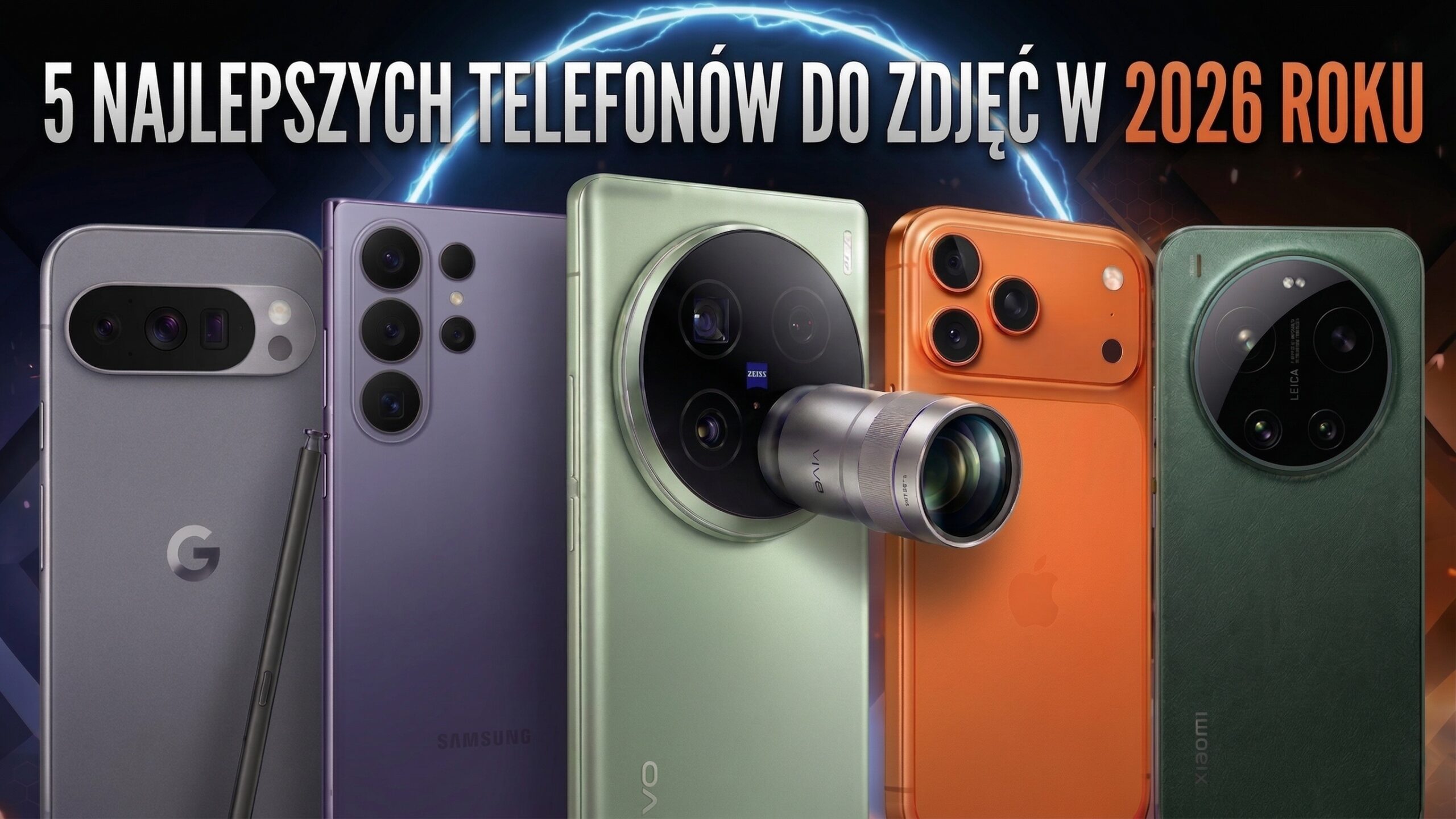
    In this ranking of photo phones, we compare five flagships sorted by camera quality — from the iPhone 17 Pro Max, through the 1-inch sensor Xiaomi 17 Ultra with Leica optics, to the revolutionary vivo system with a ZEISS lens.

    Ranking of the best photo phones 2026 — quick overview

    Before we move on to a detailed analysis, here is a summary of our top five at a glance:

    PositionModelDxOMarkMain sensorOptical zoomPrice from
    1.Apple iPhone 17 Pro Max168 pts48 MP, 1/1.28″ sensor8x (tetraprism, 200 mm)6,299 PLN
    2.Xiaomi 17 Ultra166 pts50 MP, Light Fusion 1050L (1″)4.3x (mechanical Leica zoom)6,499 PLN
    3.Google Pixel 10 Pro163 pts50 MP, Samsung GNK (1/1.31″)5x (100x Pro Res Zoom)~3,450 PLN
    4.Samsung Galaxy S26 Ultra157 pts200 MP, ISOCELL HP2 (1/1.3″)2x/3x/5x/10x6,499 PLN
    5.vivo X300 UltraTBD*200 MP, Sony LYTIA-901 (1/1.12″)3.5x (17x with ZEISS extender)~7,500 PLN

    *estimated price — global premiere Q2 2026


    1. Apple iPhone 17 Pro Max — DxOMark leader and 8x tetraprism zoom

    The Apple iPhone 17 Pro Max is the best camera phone of 2026 according to the DxOMark ranking (168 points). A huge leap in the telephoto lens — from 5x to 8x optical zoom with a new tetraprism and a 48 MP sensor — makes it number one among camera smartphones.
    Camera system

    LensResolutionSensorApertureFocal Length
    Main48 MP Fusion1/1.28″f/1.524 mm
    Ultra Wide48 MPf/2.213 mm
    8x Telephoto (tetraprism)48 MP56% larger sensorf/2.8200 mm
    Front (Centre Stage)18 MPsquare sensorf/2.2

    Why number 1?

    The iPhone 17 Pro Max introduces a groundbreaking telephoto lens — 48 MP sensor with 8x optical zoom (200 mm) on a next-generation tetraprism. This is the longest focal length in iPhone history. Thanks to the crop from the 48 MP sensor, optical quality is maintained even at a 16x zoom range. This is a significant advancement compared to the 12 MP telephoto lens in its predecessor.

    Video remains Apple’s showcase — 4K Dolby Vision, ProRes Log, Cinematic Mode, and Spatial Video for Apple Vision Pro. The new 18 MP front camera with a square Centre Stage sensor allows you to rotate the photo orientation without turning the phone. The physical Camera Control button turns the iPhone into an intuitive camera.

    Tip: Check out cases and tempered glass for iPhone 17 Pro Max at Home Screen — you’ll protect both the camera and the display at the same time.

    Strengths and weaknesses

    Strengths: Highest DxOMark score (168 points), 8x optical zoom 48 MP (200 mm), best video (4K ProRes Log), Camera Control, Spatial Video.

    Weaknesses: No 8K video, high price starting from 6,299 PLN, smaller main sensor than Xiaomi and vivo.


    2. Xiaomi 17 Ultra — 1-inch sensor and Leica mechanical zoom

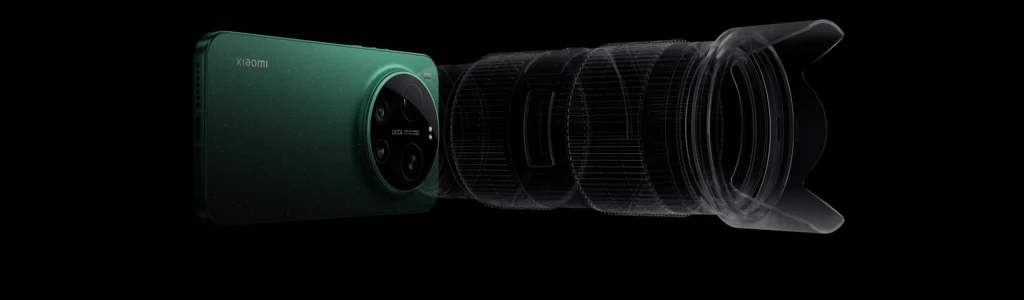
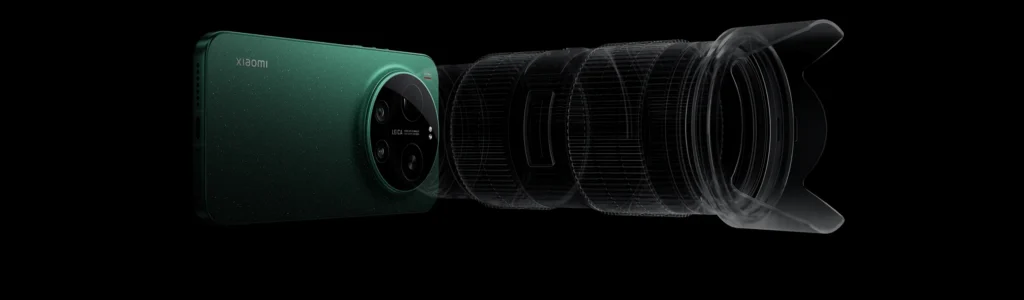
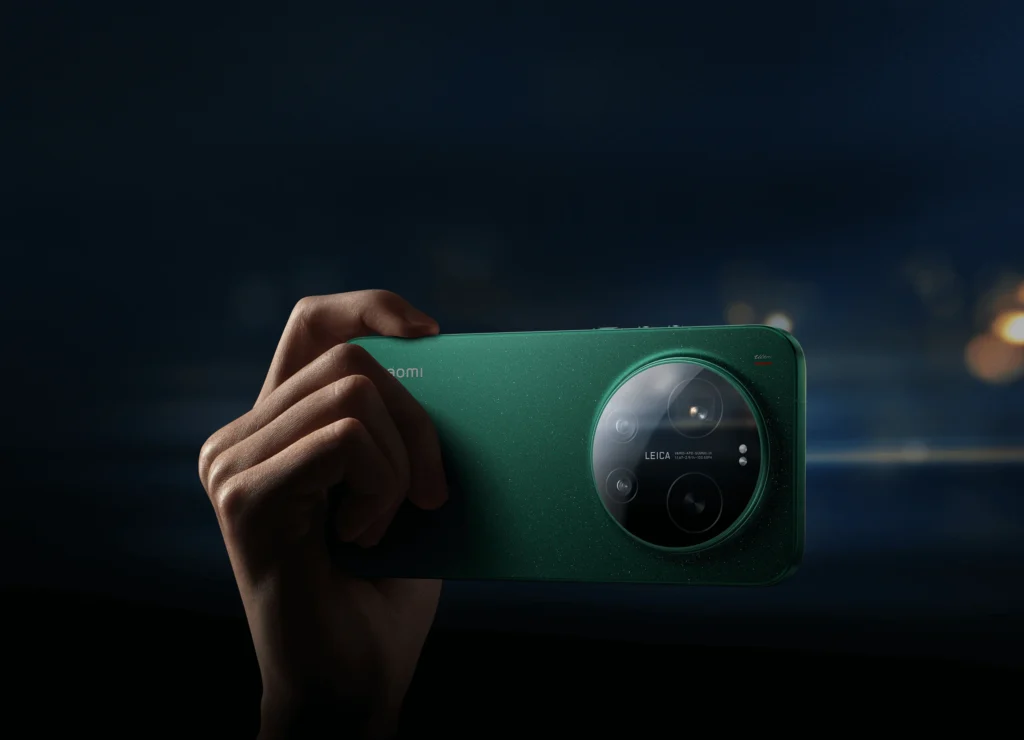
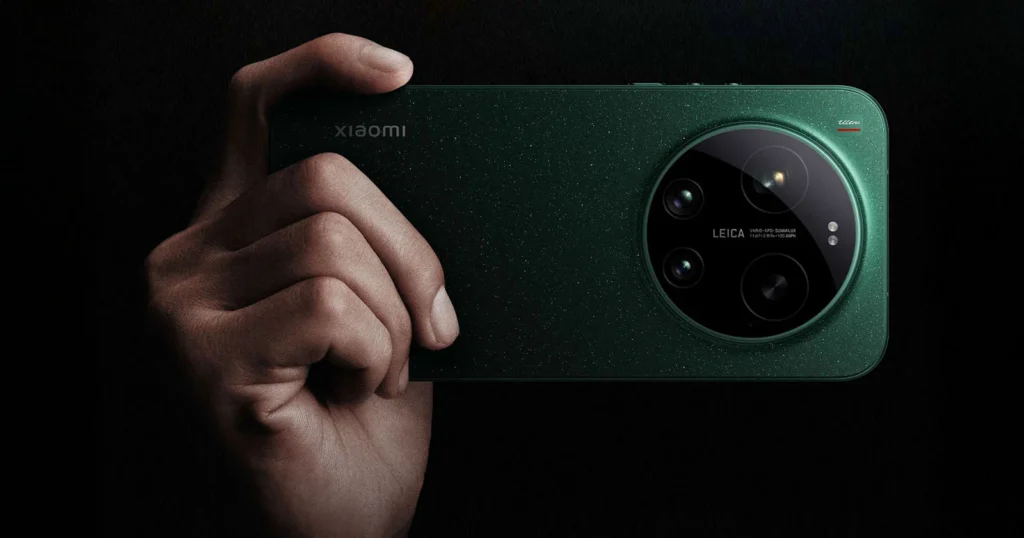
    Xiaomi 17 Ultra is a smartphone designed for photography — the 1-inch main sensor Light Fusion 1050L and Leica APO certified mechanical optical zoom blur the line between a smartphone and a mirrorless camera more than ever.

    Camera system

    LensResolutionSensorApertureFocal length
    Main50 MPLight Fusion 1050L (1″)f/1.6723 mm
    Ultrawide50 MPf/2.214 mm
    Telephoto (mechanical zoom)200 MP1/1.4″75–100 mm (4.3x)
    Front32 MPf/2.0

    Why on the podium?

    Xiaomi 17 Ultra has a 1-inch sensor in the main camera — the largest sensor among smartphones in 2026 (excluding the yet-to-be-global vivo X300 Ultra). The Light Fusion 1050L sensor with LOFIC HDR technology offers a full well capacity 6.3 times greater than its predecessor, the Xiaomi 15 Ultra. In practice, this means phenomenal dynamic range — details in both bright and dark areas of the photo.

    The 200 MP telephoto lens with a 1/1.4″ sensor is a revolution — a mechanical optical zoom system with three groups of lenses changes the focal length from 75 to 100 mm. Leica APO eliminates chromatic aberrations, and the optical quality zoom reaches an equivalent of 400 mm. The special edition Leica Leitzphone adds a physical zoom ring on the body.

    Video and special features

    Recording 8K at 24 fps, 4K at 120 fps Dolby Vision, Movie mode with full manual control and 10-bit Log support. The Xiaomi 17 Ultra is a serious tool for video creators.

    Advice: The Xiaomi 17 Ultra with the Leica camera module requires solid protection — check out the case for Xiaomi 17 Ultra at Home Screen.

    Strengths and Weaknesses

    Strengths: 1-inch main sensor, mechanical optical zoom, 200 MP telephoto lens, Leica APO optics, 6,500 mAh battery.

    Weaknesses: No extender version (like vivo), 32 MP selfie camera weaker than Pixel 9 Pro, price starting from 6,499 PLN.


    3. Google Pixel 10 Pro — master of artificial intelligence with 100x Pro Res Zoom

    The Google Pixel 10 Pro is the best phone for photography in 2026 for those who want to take the perfect shot without worrying about settings. The Tensor G5 chip with an enhanced TPU unit powers powerful AI features, and the new 100x Pro Res Zoom finally puts the Pixel on par with Samsung in terms of close-ups. A score of 163 points in DxOMark ranks it third in the world.

    Camera System

    LensResolutionSensorApertureFocal Length
    Main50 MPSamsung GNK (1/1.31″)f/1.6824 mm
    Ultrawide (AF)48 MP1/2.55″f/1.712 mm
    5x Telephoto (periscope)48 MP1/2.55″f/2.8110 mm
    Front42 MPf/2.218 mm

    What Makes the Pixel 10 Pro Stand Out?

    Google Pixel 10 Pro inherits the best features of its predecessor and adds key improvements:

    • 100x Pro Res Zoom — AI-assisted zoom with optical quality up to 10x
    • 50 MP Portraits — new quality of portrait photos thanks to Tensor G5
    • 8K Video — cloud upscaling to 8K from 4K, a new Pixel feature
    • Magic Eraser — removing unwanted objects and people from photos
    • Magic Editor — generative AI for modifying photo elements
    • Best Take — compiling the best expressions from multiple shots
    • Night Sight Video — recording video in low light with AI

    An ultra-wide lens with autofocus (f/1.7!) is one of the brightest in the industry. The front camera with 42 MP and the widest field of view (18 mm) takes the best selfies in this comparison.

    Tip: The Pixel 10 Pro is the best-priced flagship in this comparison — from ~3,450 PLN. Check out available accessories for Google Pixel 10 Pro at Home Screen.

    Strengths and Weaknesses

    Strengths: DxOMark 163 points (3rd in the world), best AI features, 50 MP portraits, natural color reproduction, best selfie camera (42 MP), lowest price.

    Weaknesses: 8K only through cloud upscaling, Tensor G5 weaker in overall performance than Snapdragon, smaller sensors than Xiaomi/vivo.


    4. Samsung Galaxy S26 Ultra — king of zoom and versatility

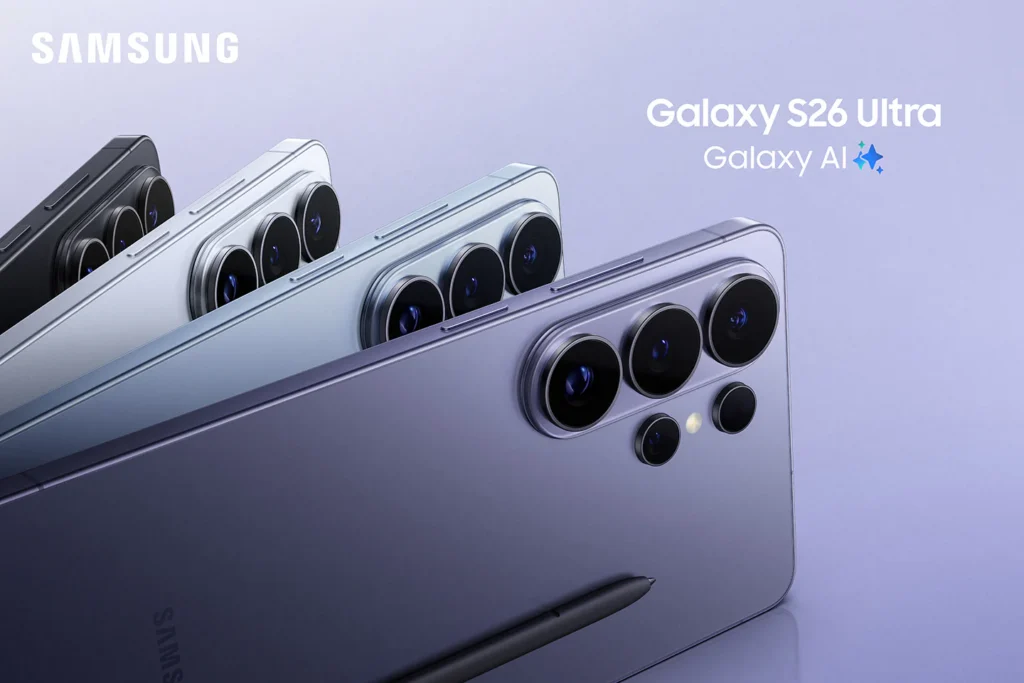
    Samsung Galaxy S26 Ultra (157 pts DxOMark) is the best camera phone of 2026 for those who value versatility. The quadruple camera system covers every photographic scenario — from ultra-wide landscapes to details of distant objects thanks to 100x Space Zoom.

    Camera system

    LensResolutionSensorApertureFocal Length
    Main200 MPSamsung ISOCELL HP2 (1/1.3″)f/1.423 mm
    Ultra-wide50 MPSamsung ISOCELL JN3 (1/2.5″)f/1.9120° FoV
    3x Telephoto10 MPSony IMX754 (1/3.94″)f/2.467 mm
    5x Telephoto (periscope)50 MPSony IMX854 (1/2.52″)f/2.9111 mm
    Front12 MPf/2.226 mm

    Why is it still in the TOP 5?

    Samsung Galaxy S26 Ultra inherits the proven quadruple zoom system from the S25 Ultra but introduces key optical improvements — f/1.4 aperture in the main lens (47% brighter than f/1.7 in its predecessor) and f/2.9 in the periscope (37% brighter than f/3.4). Four optical focal lengths (23, 67, 111 mm + ultra-wide) still provide the widest zoom range among smartphones — no competitor offers this.

    Video on this smartphone is in a league of its own — recording 8K at 30 fps on three lenses, Galaxy Log mode, and new 60 W charging. DxOMark points out issues with exposure and AF in low light, but in everyday use, the Galaxy S26 Ultra remains an incredibly versatile tool.

    Advice: The Samsung Galaxy S26 Ultra is a premium flagship — it’s worth protecting it with a solid case for the Galaxy S26 Ultra that will safeguard the titanium frame and glass back.

    Strengths and Weaknesses

    Strengths: The widest zoom range (4 focal lengths), brighter aperture f/1.4, 8K recording, 60 W charging, Galaxy Log mode.

    Weaknesses: DxOMark 157 points (18th in the world), 3x telephoto only 10 MP, unstable exposure according to DxOMark, high price starting from 6,499 PLN.


    5. vivo X300 Ultra — record-breaking sensor and ZEISS optics

    The Vivo X300 Ultra is a phone with a good camera in 2026, which changes the game in mobile photography. Equipped with a record-breaking sensor — Sony LYTIA-901 with a size of 1/1.12″ — and full ZEISS T* APO optical certification, it approaches the capabilities of mirrorless cameras more than any competitor.

    Camera System

    LensResolutionSensorFocal Length
    Main200 MPSony LYTIA-901 (1/1.12″)35 mm
    Ultrawide50 MPSony LYTIA-818 (1/1.28″)14 mm
    Periscope Telephoto200 MPSamsung ISOCELL HP01 (1/1.4″)3.5x
    Multispectral5 MP
    Front50 MP (AF)

    What Makes vivo X300 Ultra Stand Out?

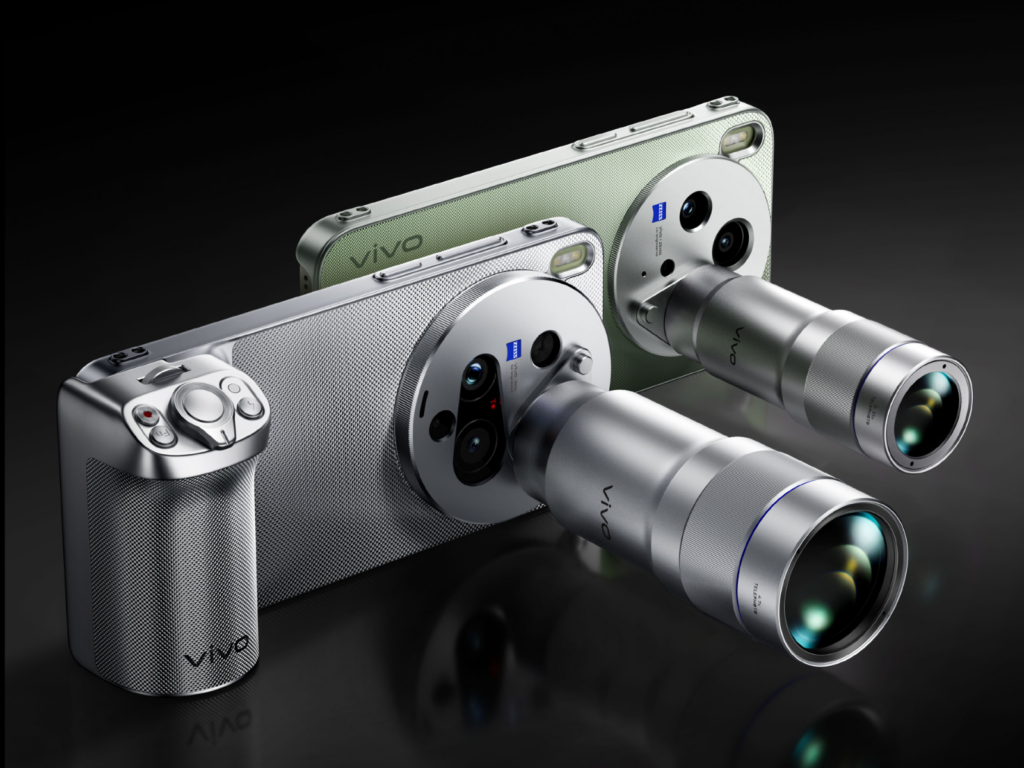
    The key element is the accessory ZEISS Telephoto Extender Gen 2 Ultra — an attachable lens that increases zoom from 3.5x to 17x optical (equivalent to 400 mm). This is the only smartphone on the market capable of achieving such zoom fully optically. With the extender, you maintain the full resolution of 200 MP.

    The main sensor 1/1.12″ collects even more light than the 1-inch sensor of the Xiaomi 17 Ultra. The ultra-wide 50 MP with a 1/1.28″ sensor is larger than the main sensors of many flagships — this is a unique feature of vivo.

    Video and special features

    Recording 4K at 120 fps Dolby Vision HDR on all rear lenses with 10-bit Log mode. vivo also offers a SmallRig accessory ecosystem (video cage).

    Tip: The global launch of the vivo X300 Ultra is planned for Q2 2026. It’s worth keeping an eye on the availability of vivo accessories at the Home Screen store.

    Strengths and weaknesses

    Strengths: The largest sensors (1/1.12″ and 1/1.28″), 17x optical zoom with ZEISS extender, dual 200 MP cameras, 4K 120 fps Dolby Vision.

    Weaknesses: The most expensive option in the ranking (~7,500 PLN), ZEISS extender is an additional purchase, global launch not until Q2 2026, 35 mm focal length may be too wide for portraits.


    Best phone for photos 2026 — comparison in every scenario

    The best flagship for photos is not just about specifications — it’s also about software, AI processing, and the accessory ecosystem. The following comparison of phones with the best camera considers ten key photographic scenarios.

    ScenarioBest ChoiceWhy?
    Daytime Photosvivo X300 UltraLargest sensor 1/1.12″, 200 MP
    Night PhotosXiaomi 17 Ultra1-inch sensor + LOFIC HDR, phenomenal dynamic range
    Long Zoom (>5x)Samsung Galaxy S26 UltraQuad zoom system, 100x Space Zoom
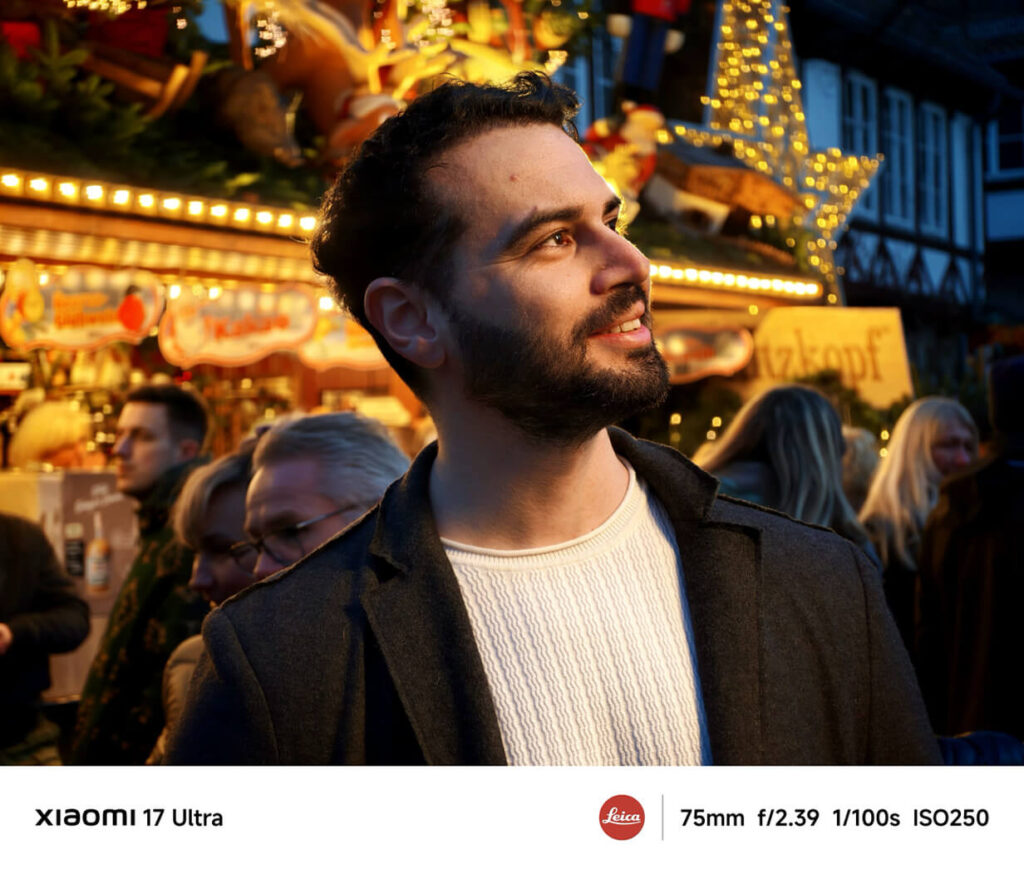
    PortraitXiaomi 17 UltraLeica mechanical zoom 75-100 mm, natural bokeh
    SelfieGoogle Pixel 10 Pro42 MP, widest angle 18 mm
    Professional VideoiPhone 17 Pro Max4K ProRes Log, Dolby Vision
    Casual VideoSamsung Galaxy S26 Ultra8K on three lenses
    Action Shots (Sports)vivo X300 Ultra17x optical zoom with ZEISS extender
    AI PhotographyGoogle Pixel 10 ProMagic Eraser, Best Take, 100x Pro Res Zoom
    Price to Quality RatioGoogle Pixel 10 ProFrom ~3,450 PLN for a flagship camera

    Best Phone for Photos 2026 — Which to Choose?

    The choice of the best phone for photography in 2026 depends on your shooting style and budget.

    For versatile photographers: Samsung Galaxy S26 Ultra — covers every scenario from ultra-wide to 100x zoom. A brighter f/1.4 aperture is a clear improvement over its predecessor.

    For photography enthusiasts: Xiaomi 17 Ultra — 1-inch sensor and Leica mechanical zoom offer image quality unavailable on any other smartphone at this price.

    For budget-conscious professionals: vivo X300 Ultra — if you take mobile photography really seriously. The largest sensors and 17x optical zoom with ZEISS extender are in a league of their own.

    For filmmakers and video creators: iPhone 17 Pro Max — ProRes Log, 8x zoom 48 MP, and Spatial Video are professional tools in a smartphone.

    For those who value simplicity and value: Google Pixel 10 Pro — Google’s artificial intelligence with 100x Pro Res Zoom will do most of the work for you, and the price starting at ~3,450 PLN is unbeatable.

    Our verdict: iPhone 17 Pro Max is the best phone for photography in 2026 according to DxOMark (168 points) — it has the best camera in a phone for 2026 with a groundbreaking 8x zoom 48 MP. Xiaomi 17 Ultra with a 1-inch sensor and Leica optics (166 points) is ideal for photography enthusiasts, while Google Pixel 10 Pro (163 points, starting at ~3,450 PLN) offers the best value for money.

    The flagship phones with large sensors consume more energy while photographing — check out USB-C PD wall chargers to quickly charge your phone after a full day of shooting. For a longer outdoor session, it’s worth bringing a power bank — especially since recording in 4K and 8K can drain even a 6,000 mAh battery in just a few hours.


    Frequently Asked Questions (FAQ)

    What is the best phone for photography in 2026?

    The best phone for photography in 2026 is the Apple iPhone 17 Pro Max with a score of 168 points in DxOMark — it offers 8x optical zoom at 48 MP (200 mm), the best video with ProRes Log, and Camera Control. Right behind it is the Xiaomi 17 Ultra (166 points) with a 1-inch Leica sensor and the Google Pixel 10 Pro (163 points) with revolutionary AI photography.

    Which phone takes the best night photos?

    The Xiaomi 17 Ultra with a 1-inch Light Fusion 1050L sensor and LOFIC HDR technology offers phenomenal dynamic range in low light. The Samsung Galaxy S26 Ultra with an f/1.4 aperture (47% brighter than its predecessor) also performs excellently after dark.

    Will the vivo X300 Ultra be available in Poland?

    vivo announced the global premiere of the X300 Ultra for Q2 2026. The launch in China is scheduled for March 30, 2026. Availability in Poland depends on official distribution — it’s worth keeping an eye on updates from the manufacturer.

    Which flagship has the best zoom?

    The Samsung Galaxy S26 Ultra with a quad optical system (2x/3x/5x/10x) and AI-assisted Space Zoom 100x offers the best built-in zoom range. The iPhone 17 Pro Max with 8x optical zoom 48 MP (200 mm) is a newcomer, while the vivo X300 Ultra with a ZEISS extender achieves 17x pure optical zoom.

    Is the Google Pixel 10 Pro a good choice for mobile photography?

    Yes — the Google Pixel 10 Pro is an excellent choice, especially at its price (from ~3,450 PLN). The Tensor G5 powers unique AI features like Magic Eraser, 100x Pro Res Zoom, and Best Take. Natural color reproduction and the Night Sight Video mode set it apart from the competition.

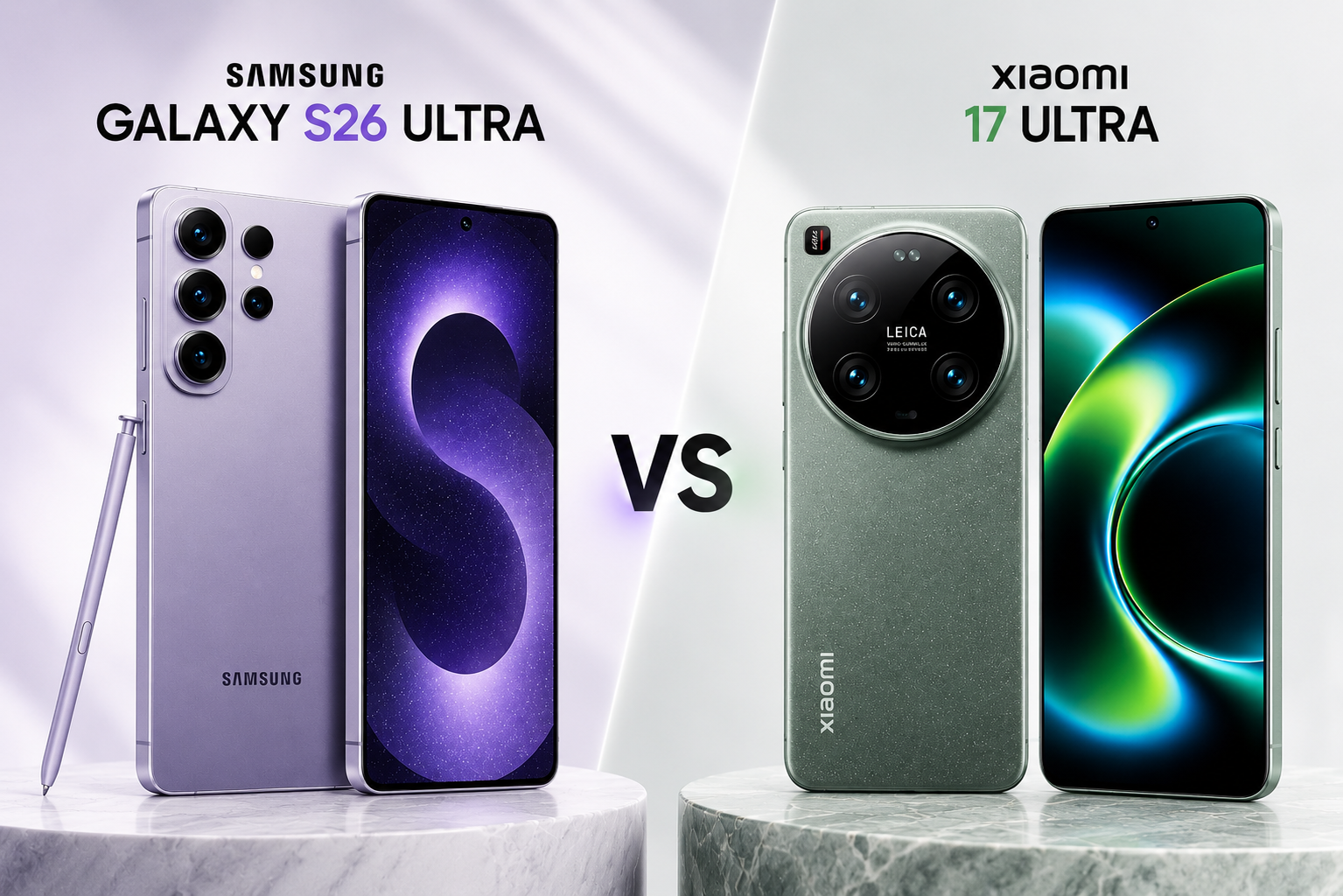
    Samsung Galaxy S26 Ultra or Xiaomi 17 Ultra — which is better for photos?

    The Samsung Galaxy S26 Ultra wins in zoom versatility (4 focal lengths) and 8K recording on three lenses. The Xiaomi 17 Ultra dominates in single photo quality thanks to its 1-inch sensor and Leica APO optics with mechanical zoom. Samsung is better for sports and wildlife photography, while Xiaomi excels in portraits and street photography.