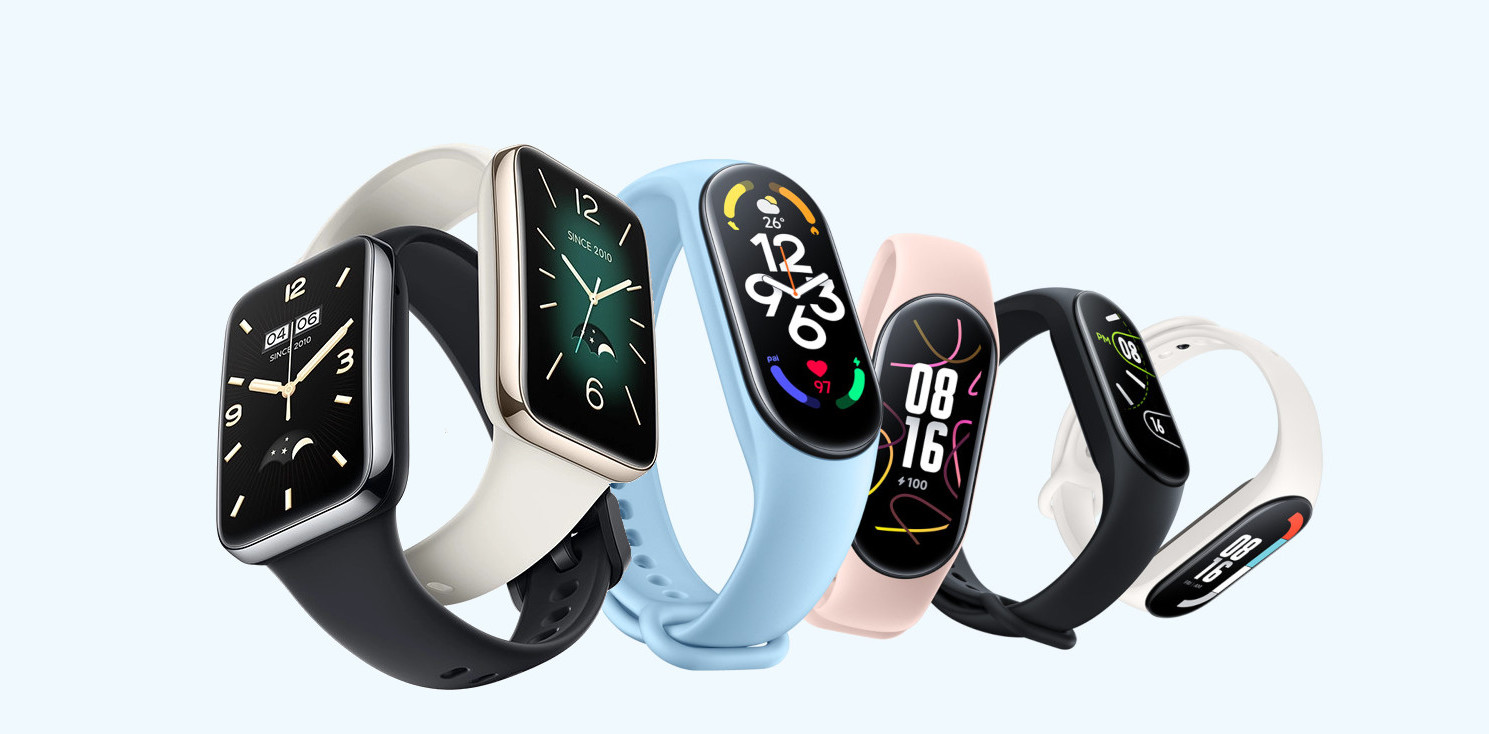
Recently, we compared the Mi Band 7 with the older Mi Band 6 model. Today, we will focus on the advanced version of the model, which is the latest Xiaomi Band 7 Pro, and compare it with the basic model of the Mi Smart Band 7.
Xiaomi Mi Band 7 vs Xiaomi Smart Band 7 Pro
Appearance
The main difference between the two models is, of course, the appearance. The Mi Smart Band 7 still resembles a so-called «elongated pill,» while the Pro version features, for the first time, a larger rectangular shape, resembling a standard smartwatch. Its dimensions are 44.7 x 28.8 x 11, while the dimensions of the basic version are 46.5 x 20.7 x 12.25.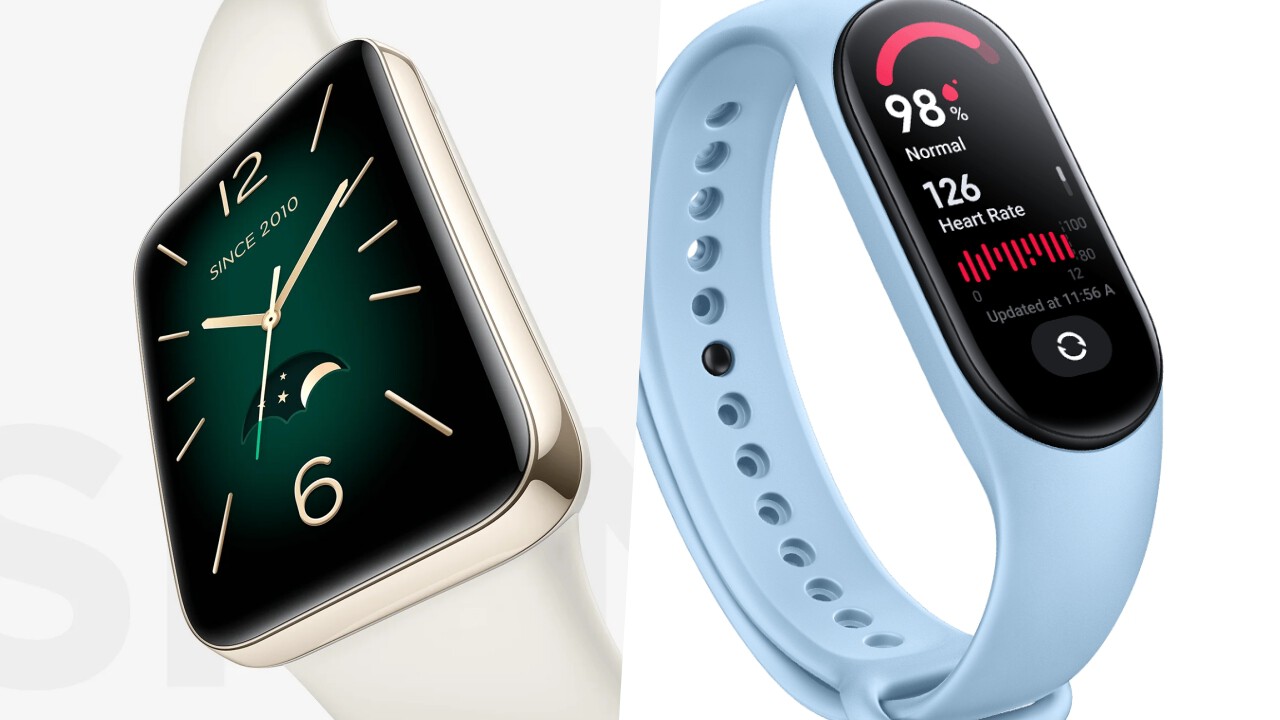
Screen
The screen on the Mi Band 7 Pro is a large, rectangular AMOLED display with a diagonal of 1.64 and a resolution of 280 x 456 pixels. In the case of the Mi Band 7, it is 192 x 490 pixels, so the Pro version allows for more details to be displayed in much better quality. Both versions of the watch have an Always On Display mode that allows notifications and dates to be displayed at all times. The brightness level in both cases can reach a maximum of 500 nits.
Battery
It must be admitted that in both cases, the battery level is satisfactory. For reference, the older version, Mi Band 6, had only 125 mAh. The latest model Mi Band 7 now has 180 mAh, while the Pro version has a battery level of as much as 235 mAh.
Available Features
The most significant difference between the two versions is the introduction of a GPS module in the Xiaomi Mi Band 7 Pro, which can track our traveled route without the need to connect to a phone, as well as the ability to quickly respond to messages. Both bands, however, have all the basic and essential sensors such as a heart rate monitor, pedometer, gyroscope, calorie counter, heart rate, sleep, or stress monitor, and support over 110 sports modes.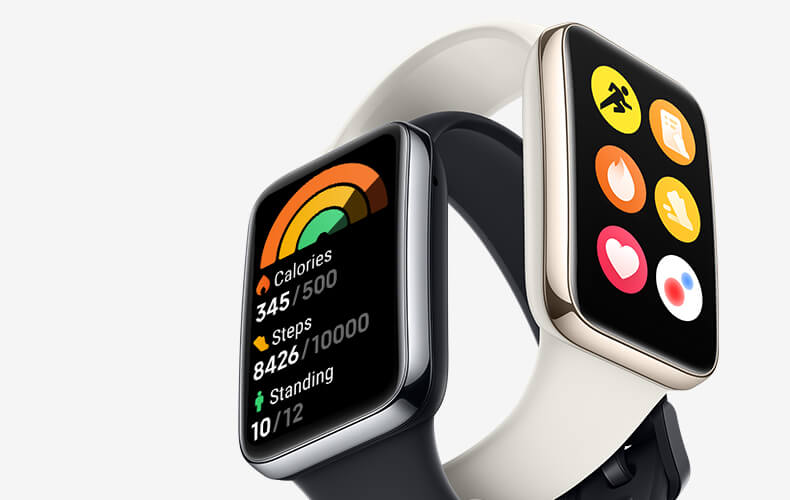
Material
The latest Xiaomi Mi Band 7 Pro features a metal case (the standard version is made entirely of plastic). It is available in a light gold color and a graphite shade of gray. All of this makes the watch look very modern and can confidently be classified as a premium accessory.
Price
This is the last issue we need to mention. The Xiaomi Band 7 can be purchased for 249 PLN, while the Pro version is a more expensive purchase, costing 499 PLN. However, this should not surprise us, as the differences between the two versions are quite clear, and it is up to us to decide which model suits our taste and individual needs better.
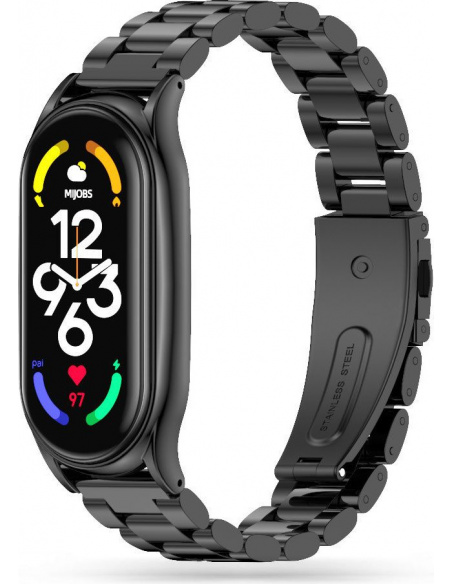
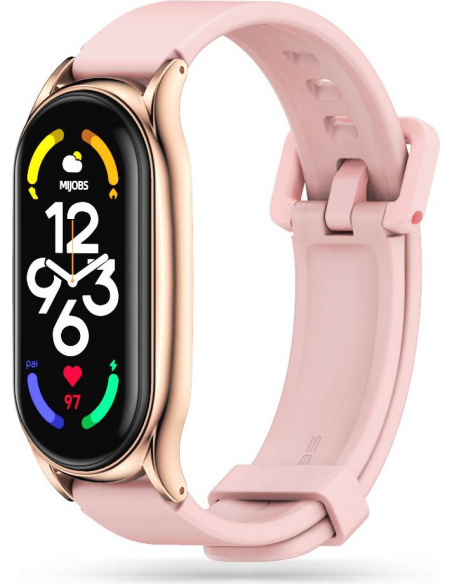
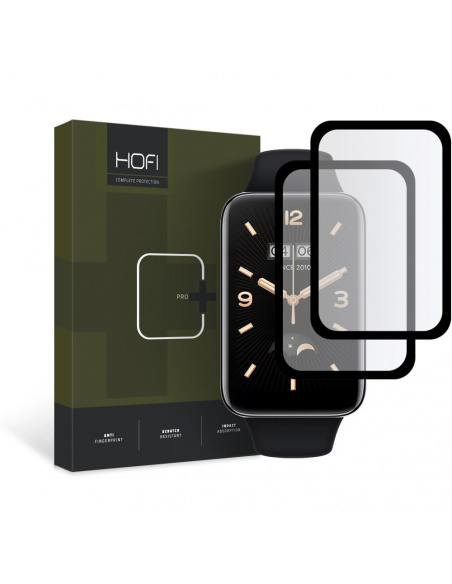
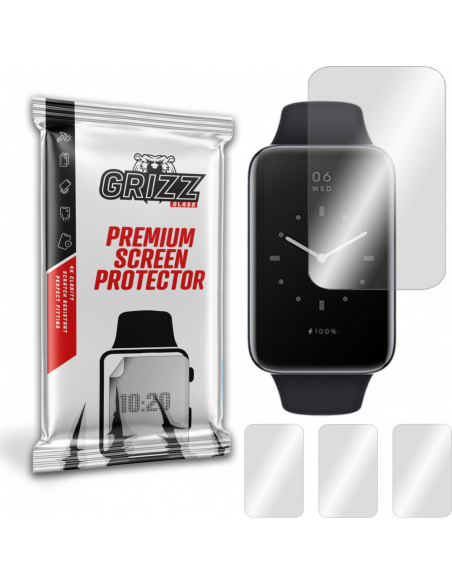
If you are looking for accessories Mi Band 7 and Smart Band 7 Pro, visit our online store where you will find all the necessary additions such as interchangeable, diverse straps, glasses, and protective films. Thanks to interchangeable straps, you can personalize your Mi Band and completely change its appearance, while protective glass or film will provide protection against scratches and maintain the aesthetic appearance of your watch.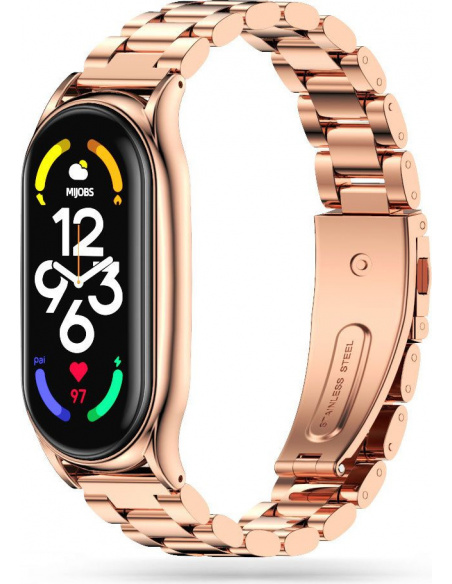
Kategori: No category
-
What are the differences between Xiaomi Mi Band 7 and Smart Band 7 Pro?
-
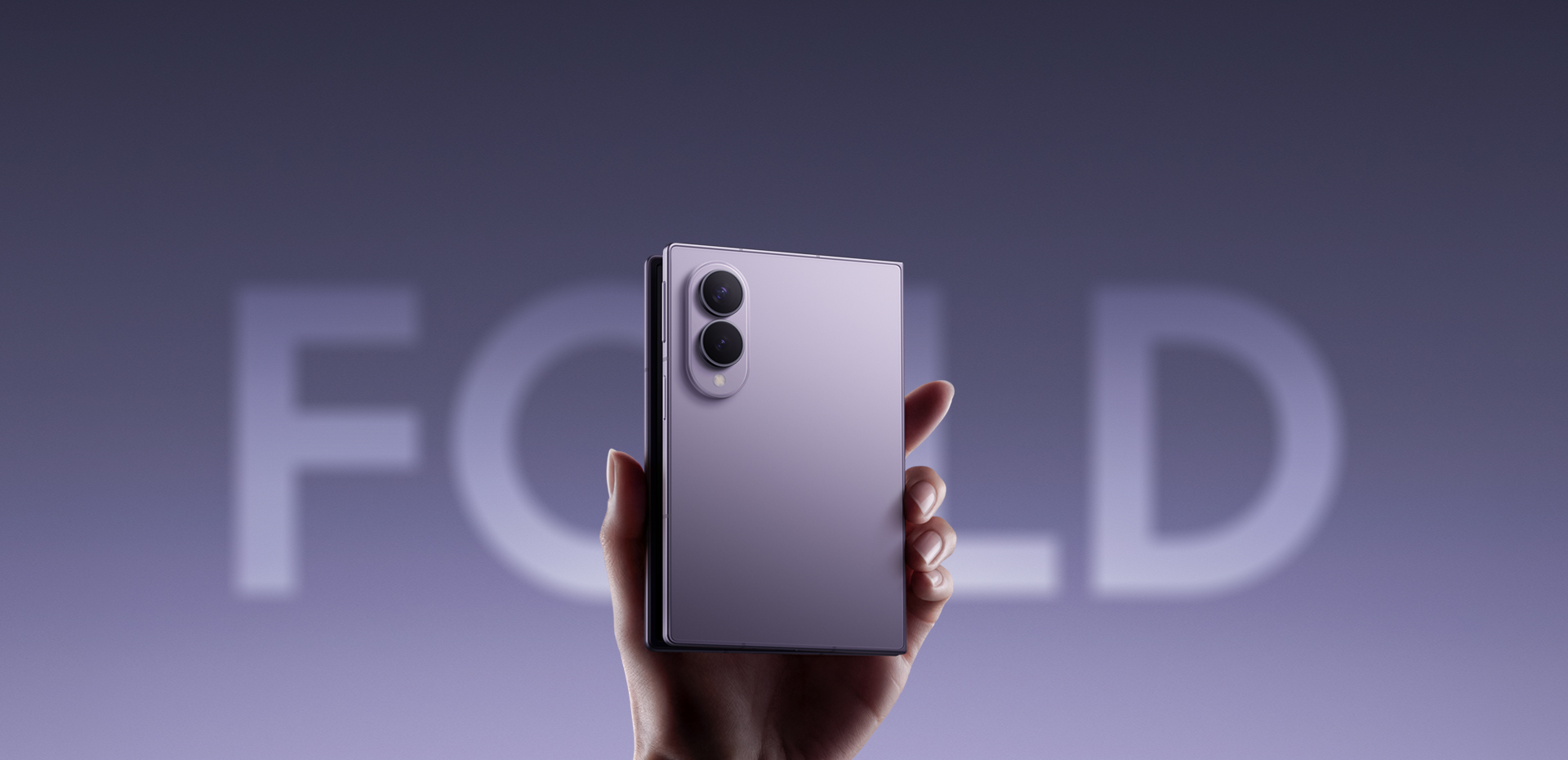
What is the best glass to choose for the Galaxy Z Fold 8?
The best glass for the Galaxy Z Fold 8 is the Spigen Glas.tR EZ Fit Pro HD (79 zł), a 9H+ tempered glass with an application frame that sticks it perfectly straight. For those on a budget, the best choice is the Bizon Glass Clear (25 zł), and among films, the original is the Samsung Anti-reflecting Film (129 zł). It’s also worth adding a camera cover, e.g., Spigen Optik Pro (75 zł).
The Samsung Galaxy Z Fold 8 debuted at the official premiere and immediately became one of the most expensive smartphones on the market. This is a device that practically begs for solid screen protection. A scratch on the outer screen or a cracked lens costs many times more to repair than the price of a good glass.
In this guide, we have clearly gathered the best tempered glasses, films, and camera covers for the Galaxy Z Fold 8 available at homescreen.pl, categorized by brands, prices, and real photos. We also explain the most important rule of protecting the foldable: which screen can have glass applied, and which one never should.
Note: this guide pertains to the standard Galaxy Z Fold 8. If you have the larger variant, choose glass from the dedicated category for Galaxy Z Fold 8 Ultra, as the screen dimensions differ.
Ranking of glasses for Galaxy Z Fold 8
Glass / film Brand Type Price Glas.tR EZ Fit Pro HD Spigen Tempered glass, 2 pcs. 79 zł Cover Display Easy Slide Ringke Tempered glass, 2 pcs. 55 zł Anti-reflecting Film Samsung Anti-reflective film, 2 pcs. 129 zł Glass Clear Bizon Tempered glass 25 zł Glass Edge (black frame) Bizon Glass with frame 25 zł All models can be found in one accessories category for Galaxy Z Fold 8, next to cases and camera shields. Check availability, as the best 2-pack sets sell out quickly.
Which screen in Z Fold 8 to protect with glass and which with film
Galaxy Z Fold 8 has two screens and that changes the rules of the game. Before you buy protection, remember one thing:
- External screen (cover): this is a rigid, flat panel. Here you apply classic tempered glass. This is the screen that gets the most scratches because you use it with the phone closed.
- Internal screen (foldable): never apply tempered glass on it. The rigid panel will crack at the fold and may damage the display. Protect the internal screen only with flexible film.
Samsung applies a factory film to the internal screen during production. When it wears out, replace it with a dedicated film for foldables, not glass. The tempered glasses from this ranking are intended for the external screen.
What else to pay attention to when choosing glass for the Galaxy Z Fold 8:
- Hardness 9H: a standard that protects against keys and sand in your pocket. All glasses in the ranking have it (Samsung film is a separate category of protection).
- Application frame (EZ Fit / Easy Slide): allows you to apply the glass perfectly straight, without bubbles. Saves nerves with the narrow screen of the foldable.
- Oleophobic coating: reduces fingerprints and makes cleaning easier.
- 2-pack set: two glasses at the price of one is a backup in case of a failed application or breakage.
- Color frame: the version with a black frame masks the edges of the screen and better hides minor mismatches.
For a quick comparison of the most important models:
Glass / film Hardness Applicator 2-pack Price Spigen Glas.tR EZ Fit Pro HD 9H+ (AluminaCore) ✅ ✅ 79 zł Ringke Cover Display Easy Slide 9H ✅ ✅ 55 zł Samsung Anti-reflecting Film Film (anti-reflective) ❌ ✅ 129 zł Bizon Glass Clear 9H ❌ ❌ 25 zł Bizon Glass Edge 9H ❌ ❌ 25 zł Spigen: the best tempered glass for Z Fold 8
Spigen is the number one brand when it comes to screen protection. For the Galaxy Z Fold 8, it has prepared glass with a proprietary application system that solves the biggest problem of foldables, which is uneven adhesion.
1. Spigen Glas.tR EZ Fit Pro HD (79 zł)
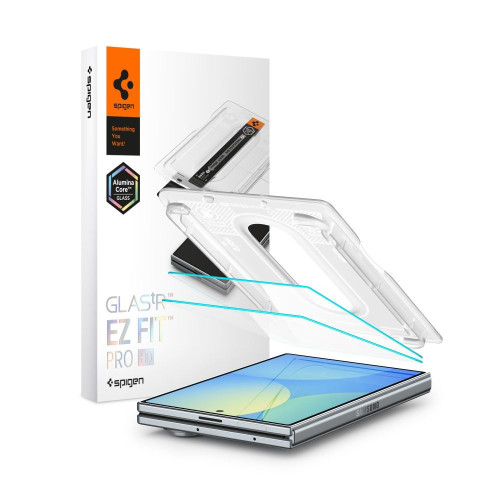
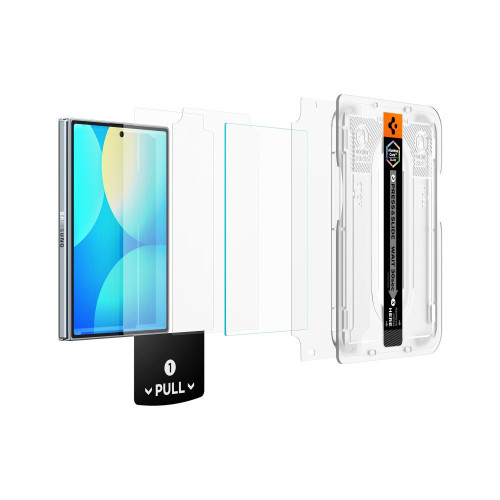
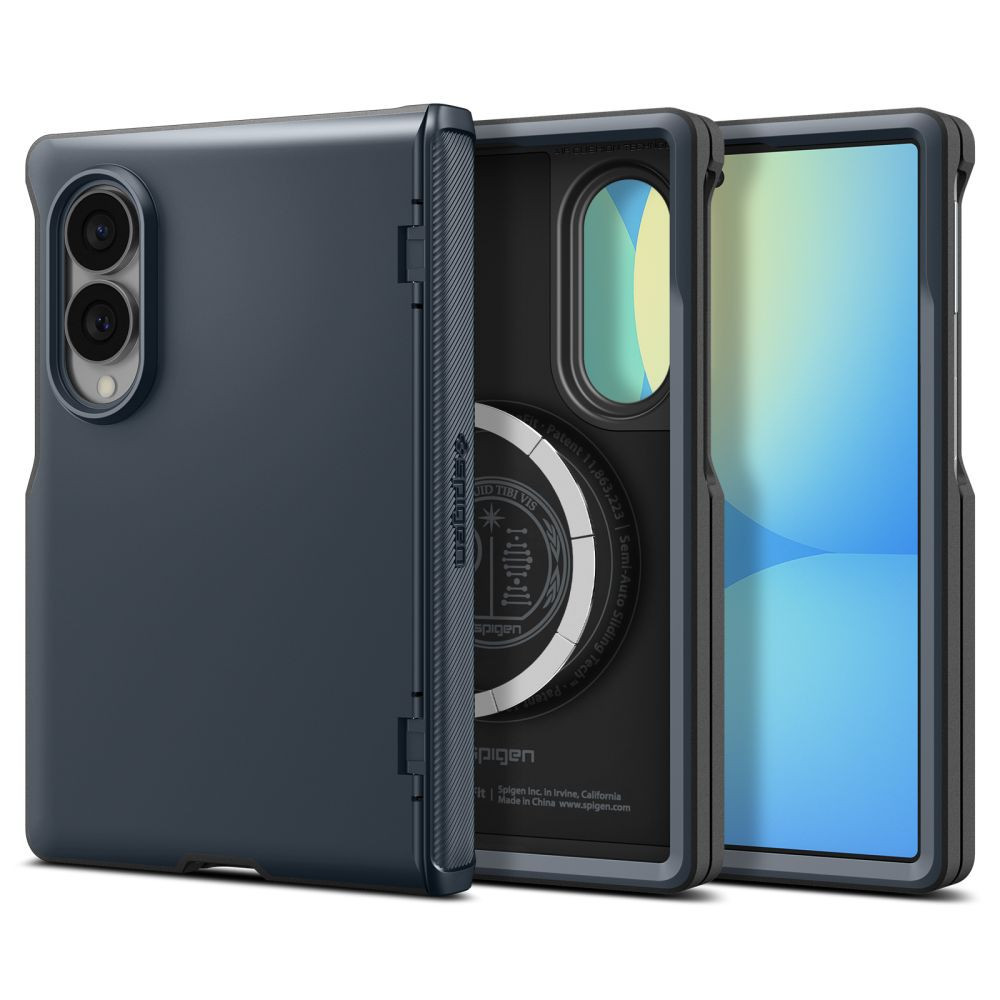
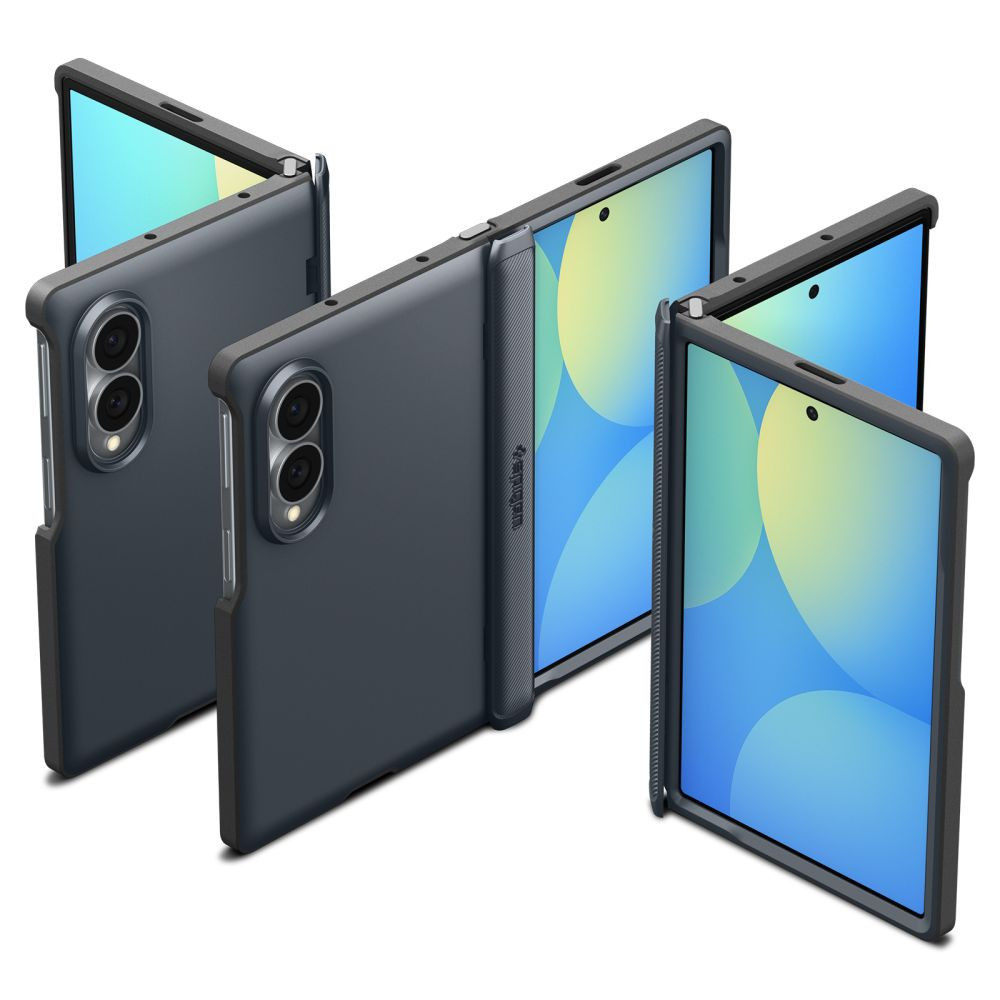
Our choice. Spigen Glas.tR EZ Fit Pro HD is glass with AluminaCore technology, hardness of 9H+, and a crystal clear surface without touch delays. The biggest advantage is the EZ Fit Pro frame: you place it on the external screen, lower the glass, and have it perfectly centered, without air bubbles.
The set includes two glasses and two applicators, so the second attempt costs nothing. For 79 PLN, you get the most refined product in the lineup, an unequivocal leader for those who value secure installation and the highest quality surface.
Tip: Tempered glass protects the external screen, but the phone tends to slip from your hand. Pair it with a case for Galaxy Z Fold 8. Full protection costs less than one repair.
Ringke: solid glass with Easy Slide system
Ringke is a proven accessory brand that focuses on convenient installation at a reasonable price. Its offering is a natural competitor to Spigen for those on a budget.
2. Ringke Cover Display Easy Slide (55 zł)
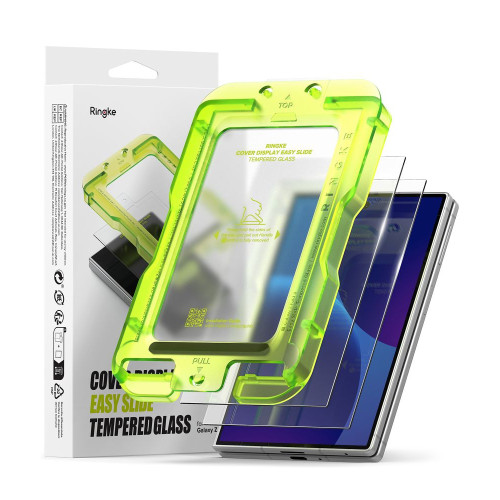
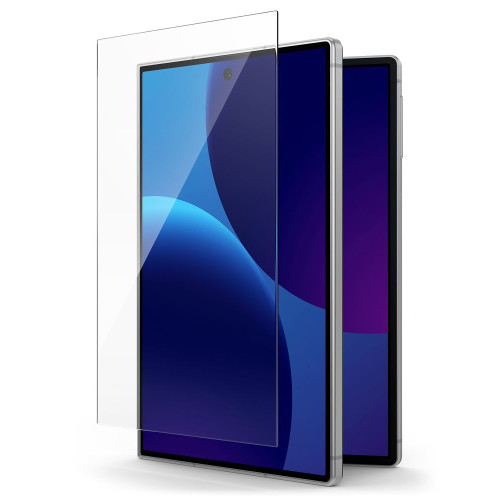
Ringke Cover Display Easy Slide is a 9H tempered glass with a three-layer construction (oleophobic coating, glass, AB layer) with an Easy Slide installation frame. The manufacturer has smoothed the edges so that the glass blends nicely with the external screen.
The package includes two pieces and installation accessories. At 55 zł, it’s a great compromise: almost as convenient to apply as Spigen’s, but at a lower price. A good choice if you don’t want to pay extra for a top brand.
Samsung: original anti-reflective film
If you care about originality and prefer film over glass, choose Samsung’s accessory. It’s the only option that focuses on reducing glare rather than maximum hardness.
3. Samsung Anti-reflecting Film (129 zł)
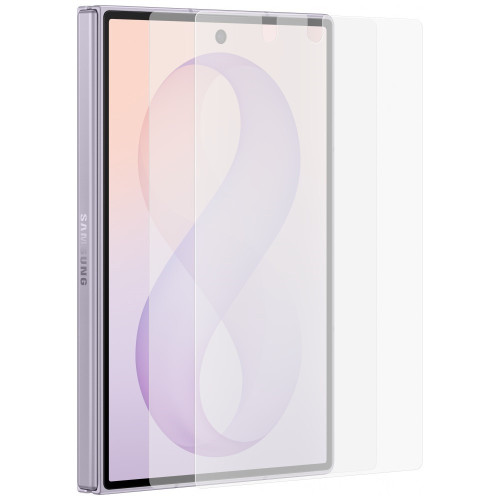
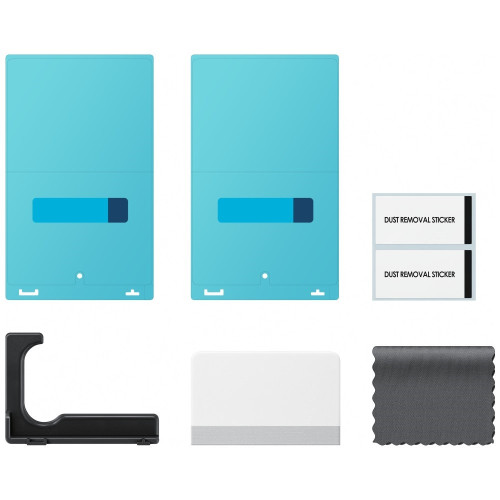
Samsung Anti-reflecting Film is an original film that protects the screen from scratches and significantly reduces glare. It performs well in sunlight and under artificial light, where the glossy glass surface can strain the eyes.
This is the most expensive option in the comparison (129 zł for a two-pack), but as a film, it is thinner and more flexible than glass. Choose it if you care about a matte, anti-reflective finish and an original Samsung product.
Bizon: the cheapest screen protection
Bizon is a budget brand that offers decent protection for a fraction of the price of top glasses. For the Z Fold 8, it has two versions: classic transparent and with a black frame.
4. Bizon Glass Clear (25 zł)
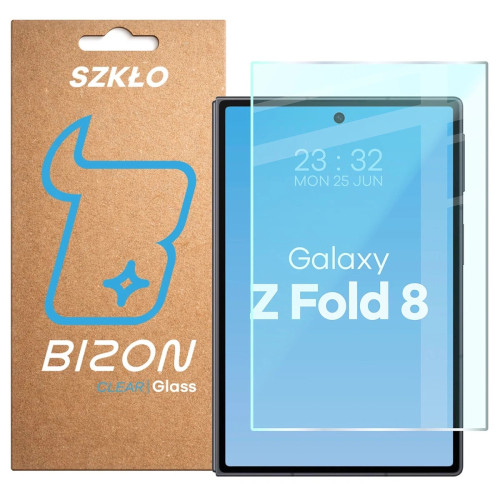
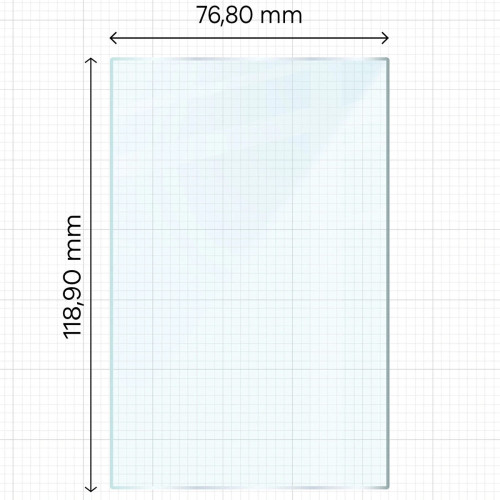
Bizon Glass Clear is the cheapest tempered glass in the comparison. It has a hardness of 9H, a thickness of 0.33 mm, and an oleophobic coating, and in the set, you will find a complete installation kit: wipes, positioning stickers, and a dust absorber.
For 25 zł you get solid, transparent protection for the external screen. This is proof that good glass does not have to cost a fortune, especially when you care about a discreet, fully transparent finish.
5. Bizon Glass Edge, black frame (25 zł)
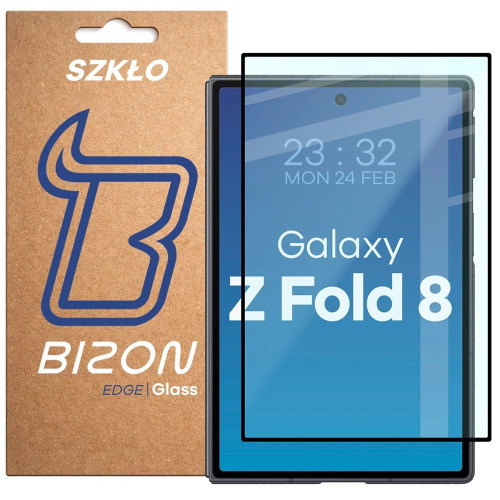
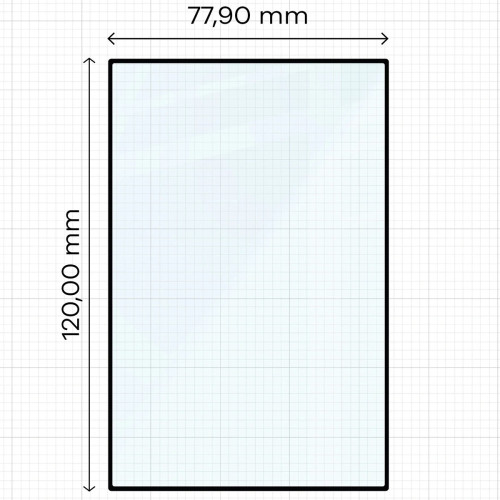
Bizon Glass Edge has the same hardness of 9H and thickness of 0.33 mm, but with a black frame and rounded 4D edges. The frame masks the edges of the screen and makes the glass blend better with the black phone case.
Choose it instead of the Clear version if you prefer the edge of the glass to be invisible and minor misalignments during installation to be less noticeable. The price is the same: 25 zł.
Camera covers for Galaxy Z Fold 8
The protruding camera module is the second element that often gets damaged when you lay the phone with the lenses down. A separate camera cover protects the lens glass from scratches and cracks, and costs a fraction of the repair cost for the module.
Camera Cover Brand Type Price Optik Pro Glas.tR EZ Fit AC Spigen Glass 9H+, 2 pcs. 75 zł Camera Frame Ringke Glass in frame, 2 pcs. 49 zł Glass Lens Bizon Lens glass, 2 pcs. 25 zł Spigen Optik Pro Glas.tR EZ Fit AC (75 zł)
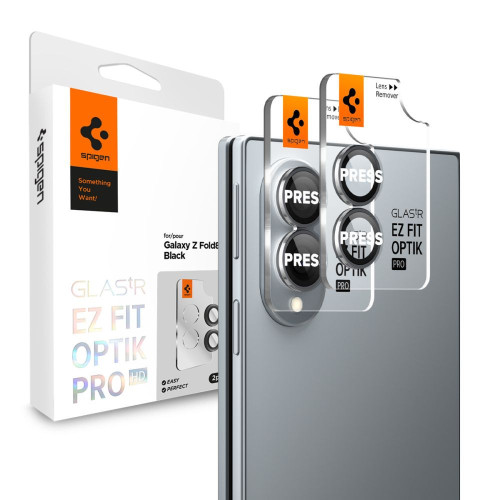

Spigen Optik Pro Glas.tR EZ Fit AC is the best camera cover in the comparison. The glass with AluminaCore technology has a hardness of 9H+, and the maximum light transmission ensures that photos retain their original quality. The application frame, like with screen glass, guarantees precise installation on the lenses.
Ringke Camera Frame (49 zł)
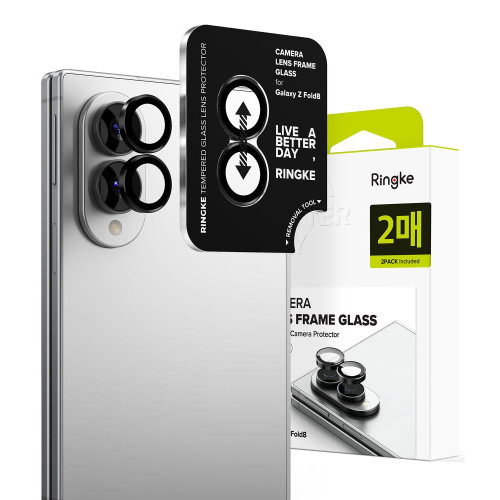
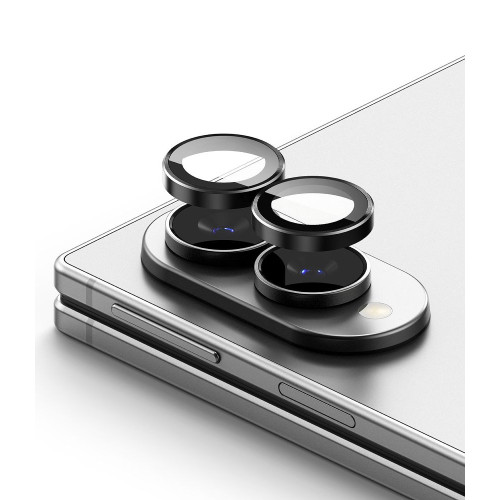
Ringke Camera Frame combines 9H glass with an aluminum frame that additionally protects the edges of the module. The black print at the edges reduces reflections, and the design is low enough to work with most cases. A reasonable balance between price and quality.
Bizon Glass Lens (25 zł)
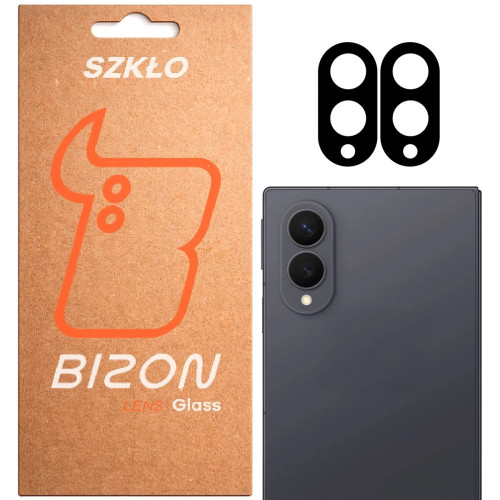
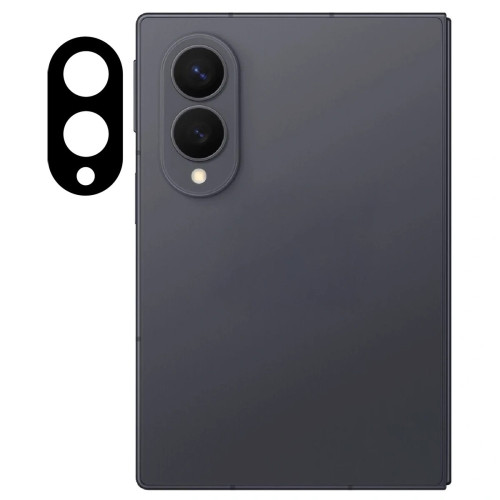
Bizon Glass Lens is the cheapest camera cover (25 zł for a two-pack). Precisely cut glasses with an oleophobic coating protect the lenses from scratches, maintain color temperature, and reduce glare when taking photos with a flash. The best price-to-quality ratio.
Which glass to choose for Galaxy Z Fold 8?
Wybór zależy od tego, co cenisz najbardziej:
- Najlepsze ogólnie: Spigen Glas.tR EZ Fit Pro HD (79 zł) za pewny montaż z ramką i najwyższą jakość tafli.
- Najtaniej, przezroczyste: Bizon Glass Clear (25 zł).
- Z czarną ramką: Bizon Glass Edge (25 zł), gdy wolisz ukryte krawędzie.
- Wygodny montaż w niższej cenie: Ringke Cover Display Easy Slide (55 zł).
- Oryginał i mniej odblasków: Samsung Anti-reflecting Film (129 zł).
- Osłona aparatu: Spigen Optik Pro (75 zł) na topie, Bizon Glass Lens (25 zł) dla oszczędnych.
Wniosek: Dla większości użytkowników najlepszym szkłem do Galaxy Z Fold 8 jest Spigen Glas.tR EZ Fit Pro HD. Ramka aplikacyjna eliminuje krzywe przyklejenie, a dwupak daje zapas. Jeśli liczy się budżet, Bizon Glass Clear za 25 zł chroni ekran zewnętrzny równie skutecznie. Pamiętaj tylko, by ekran wewnętrzny zostawić pod folią, nigdy pod szkłem.
Nie zapomnij o etui i ładowaniu
Glass and camera cover are essential, but full protection for the foldable comes only from a case that secures the hinge and corners. In the accessories category for Galaxy Z Fold 8, you will find cases, glasses, and camera covers all in one place, and in the Galaxy Z Fold section, accessories for other Samsung foldables.
For longer outings, a wireless charger or a power bank will also come in handy. The foldable with a large screen quickly drains the battery with intensive use.
You can order everything with free delivery from 100 PLN and shipping via InPost. Home Screen has a 99.8% positive rating on Allegro and 4.9/5 on Google, so you can buy confidently and quickly.
FAQ: frequently asked questions
What glass is best for Galaxy Z Fold 8?
Overall, the best is Spigen Glas.tR EZ Fit Pro HD (79 PLN), a 9H+ tempered glass with an application frame that adheres it perfectly straight. For those on a budget, we recommend Bizon Glass Clear (25 PLN).
Can tempered glass be applied to the inner screen of Z Fold 8?
No. Protect the inner screen (foldable) only with a flexible film. Rigid tempered glass will crack at the fold and may damage the panel. Apply glass only to the flat outer screen.
What is better: tempered glass or film?
For the external screen, tempered glass is better because it is harder and more pleasant to the touch. A film (e.g., Samsung Anti-reflecting) works well where you want to reduce glare or on the internal screen where glass cannot be used.
Which is better: hybrid glass or tempered glass?
For the external screen of the Z Fold 8, tempered glass is better because it is harder (9H) and more resistant to scratches. Hybrid glass can be thinner and harder to break, but it offers less protection against scratches. Do not apply either of them to the internal screen; only soft film is suitable there.
How much does glass for the Galaxy Z Fold 8 cost?
Prices start at 25 PLN for Bizon Glass Clear and go up to 129 PLN for the original Samsung Anti-reflecting Film. Spigen glass with an application frame costs 79 PLN, and Ringke costs 55 PLN. Camera covers range from 25 to 75 PLN.
Is it worth buying a camera cover for the Z Fold 8?
Yes. The protruding camera module often gets damaged when you place the phone down with the lenses facing down. A cover costing 25 to 75 PLN protects the lenses from scratches and breakage, while repairing the module costs much more.
Does glass with a black frame fit the Z Fold 8?
Yes. The version with a black frame, like Bizon Glass Edge, masks the edges of the screen and matches better with a black case. The protection is the same as in the transparent version; only the appearance of the edges differs.
-
Motorola Edge 70 Max – specifications, price, and release
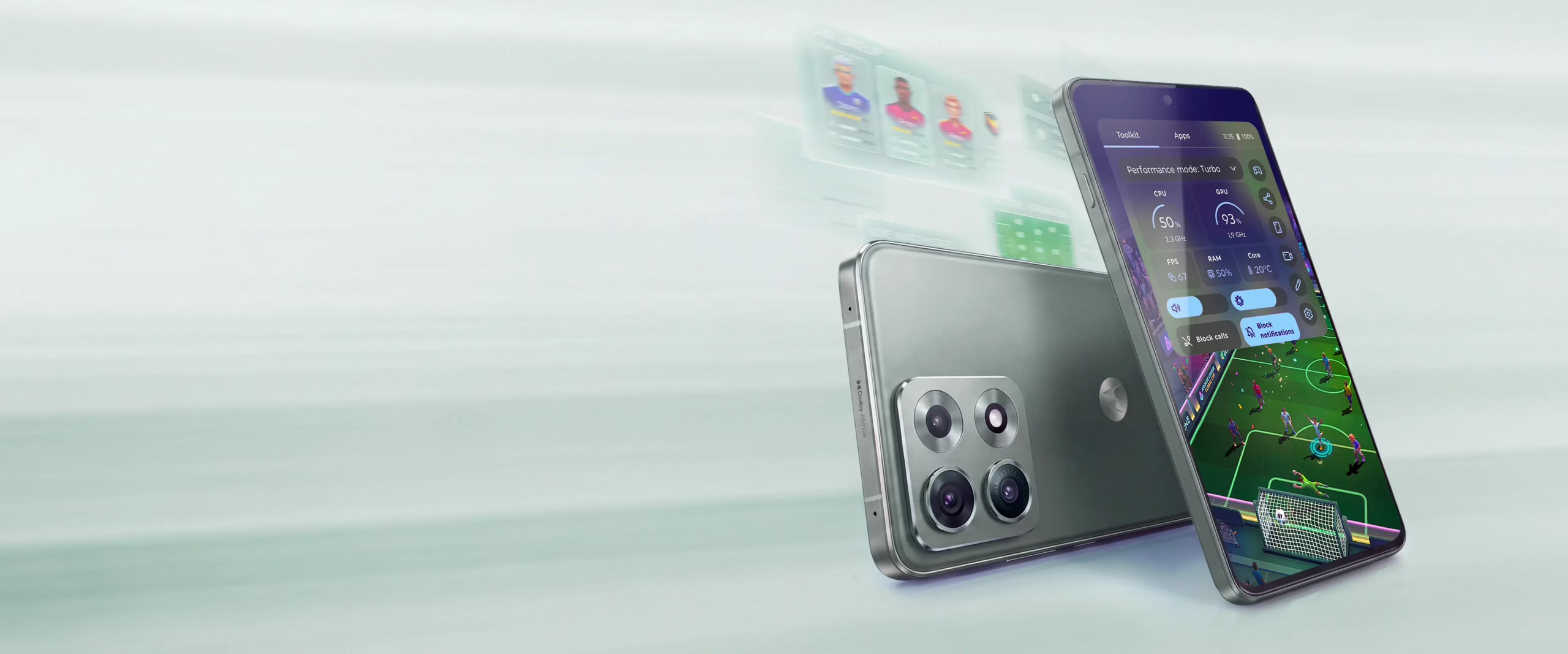
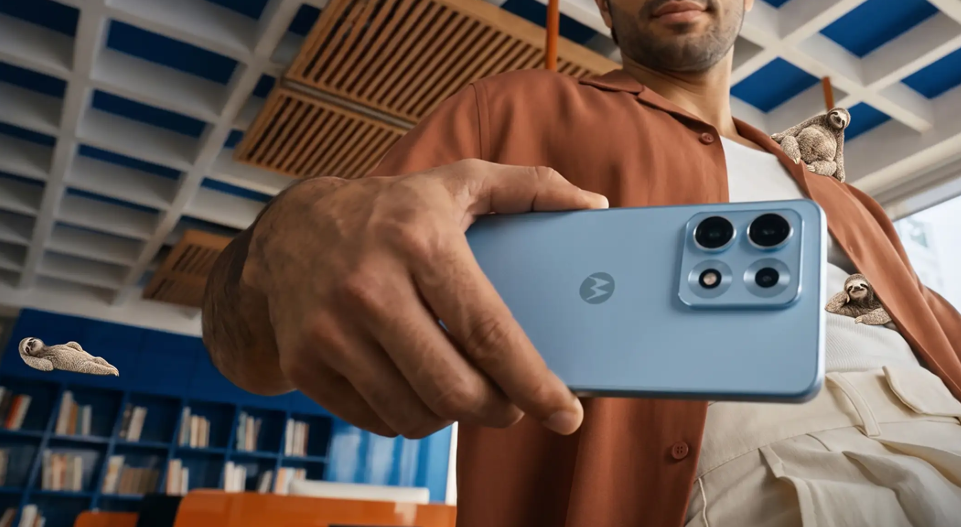
Motorola Edge 70 Max is a new flagship with Snapdragon 8 Gen 5, a 6.82″ 144 Hz display, and a 7100 mAh battery. In Poland, it is expected to cost 2999 PLN for the 8/256 GB version and will be available for sale in the summer of 2026. The premiere took place on July 15, 2026. It is the most powerful model in the Edge 70 series, with 90 W charging, wireless Qi2 25 W, and IP68/IP69 resistance.
Motorola is going all in. The Edge 70 Max combines top-tier components with a price that not long ago seemed unrealistic for such specifications. In one phone, you get Qualcomm’s flagship processor, a gigantic battery, a display with a peak brightness of 7000 nits, and magnets compliant with the Qi2 standard. Below you will find everything that is known after the premiere, as well as the specific date and price for the Polish market.
Specifications of Motorola Edge 70 Max – key parameters
Parametr Motorola Edge 70 Max Wyświetlacz 6,82″ LTPO AMOLED, QHD+ (1440 x 3168, 510 ppi), 144 Hz, HDR10+, 10-bit Jasność szczytowa 7000 nitów Ochrona ekranu Corning Gorilla Glass 7i Procesor Snapdragon 8 Gen 5 (SM8845, 3 nm) CPU / GPU 8-rdzeniowy Oryon V3 / Adreno 829 RAM 8 / 12 GB LPDDR5X Pamięć 256 GB UFS 4.1 (bez slotu na kartę) Aparat główny 50 MP f/1.8, 1/1,56″, dual-pixel PDAF, OIS Ultraszeroki 8 MP f/2.2, 119° Aparat przedni 32 MP f/2.2 Wideo 4K 60 kl./s HDR10+ Bateria 7100 mAh (krzemowo-węglowa) Ładowanie przewodowe 90 W TurboPower (100% w ~51 min) Ładowanie bezprzewodowe 25 W Qi2.2 (magnetyczne) + 5 W zwrotne Łączność 5G, Wi-Fi 7 (tri-band), Bluetooth 6.0, NFC, USB-C SIM 2x nano-SIM + 2x eSIM (maks. 2 aktywne naraz) Dźwięk Stereo, Dolby Atmos, Hi-Res Audio (bez jacka 3,5 mm) Czytnik linii papilarnych optyczny pod ekranem Odporność IP68 / IP69 + MIL-STD-810H Wymiary 164 x 77 x 8,29 mm Waga 221 g Konstrukcja Gorilla Glass 7i (przód i tył), aluminiowa ramka System Android 16 (Hello UX) Aktualizacje 3 wersje Androida + 5 lat poprawek bezpieczeństwa Kolory Pantone Dark Shadow, Ice Melt, Aqua Grey Cena w Polsce 2999 zł (8/256 GB) 144 Hz display and peak brightness of 7000 nits
The heart of the visual experience is a 6.82-inch Extreme AMOLED LTPO panel with a QHD+ resolution (1440 x 3168 pixels). LTPO technology allows for a smooth refresh rate of up to 144 Hz, and when displaying a static image, it can drop lower to save battery.
The brightness is truly impressive. 7000 nits at peak is one of the highest figures on the market. The screen remains readable even in full sunlight. Additionally, the 10-bit color depth ensures smooth tonal transitions without visible banding.
These are parameters that just a year ago were reserved for phones at twice the price. Motorola proves that a top display doesn’t have to mean a flagship price tag.
Snapdragon 8 Gen 5 – flagship performance
The performance is powered by the Snapdragon 8 Gen 5, Qualcomm’s latest flagship chip. It’s the same processor that drives this year’s top-tier phones, so you can be assured of smooth operation.
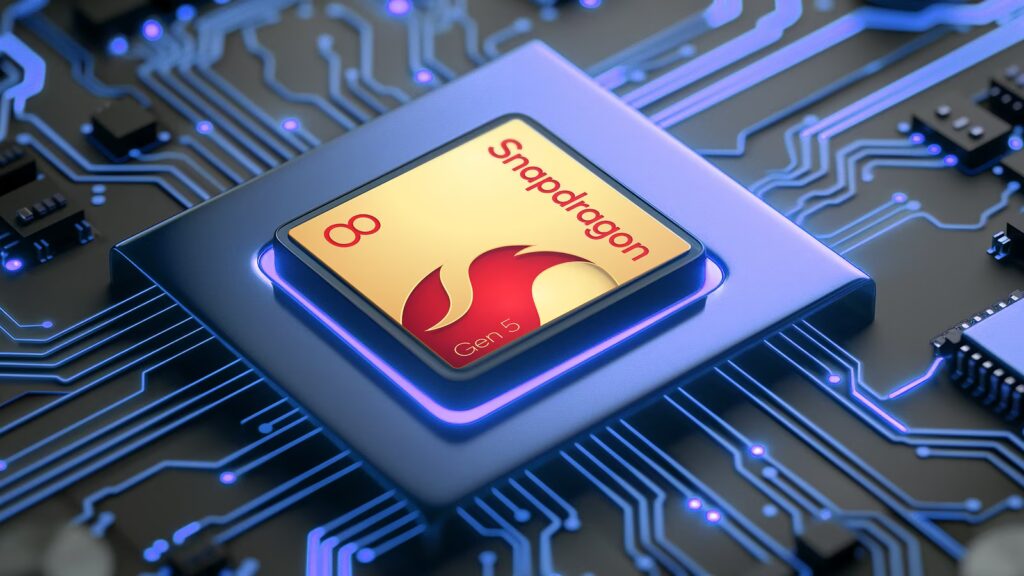
Globally, there are versions with 8 or 12 GB of LPDDR5X RAM and 256 GB of UFS 4.1 storage to choose from. This setup means lightning-fast app launches, smooth multitasking, and plenty of power for several years of use, even in demanding games.
In this price range, the flagship Snapdragon is a rarity. Most competitors for 3000 PLN offer mid-range or upper mid-range chips, not Qualcomm’s top chip.
7100 mAh battery, 90 W charging, and Qi2 25 W
The biggest advantage of the Edge 70 Max is its energy. The 7100 mAh cell is made using modern silicon-carbon technology, allowing it to fit into a casing just 8.29 mm thick. In practice, this means comfortable two days of use with moderate usage.
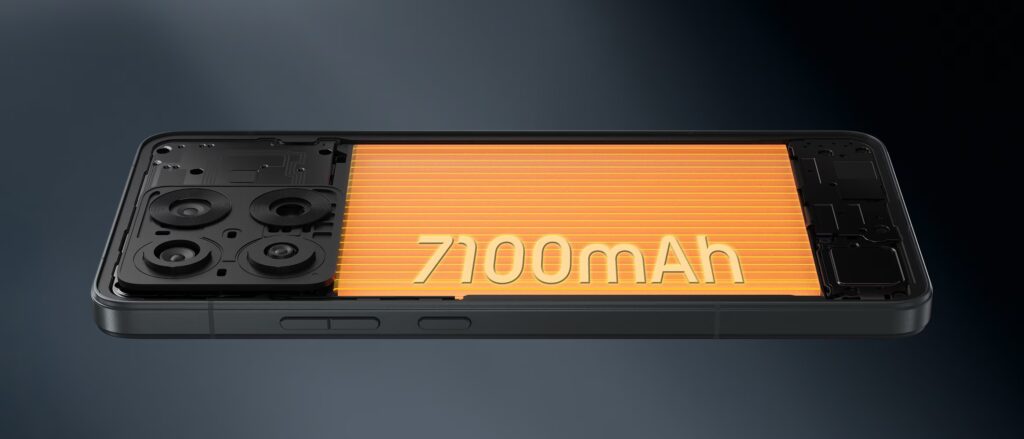
Wired charging with 90 W TurboPower will charge such a large battery to 100% in about 51 minutes, and you can replenish half in just 21 minutes. Even more interesting is the wireless charging of 25 W in the Qi2.2 standard, with built-in magnets compatible with the MagSafe ecosystem. This is still a rarity in Android phones and a real advantage in everyday use. The phone also supports reverse wired charging at 5 W.
Qi2 with magnets opens the way to convenient accessories: magnetic wireless chargers, car mounts, and wallets. If you want to fully utilize the 90 W charging, a strong wall charger with USB PD (Power Delivery) and PPS support will be useful.
Tip: With a 7100 mAh battery, you don’t need a huge energy reserve for longer trips. A compact 10,000 mAh power bank, preferably with USB PD reverse charging, is more than enough to quickly recharge your phone.
50 MP Camera with Sony LYTIA-710 Sensor
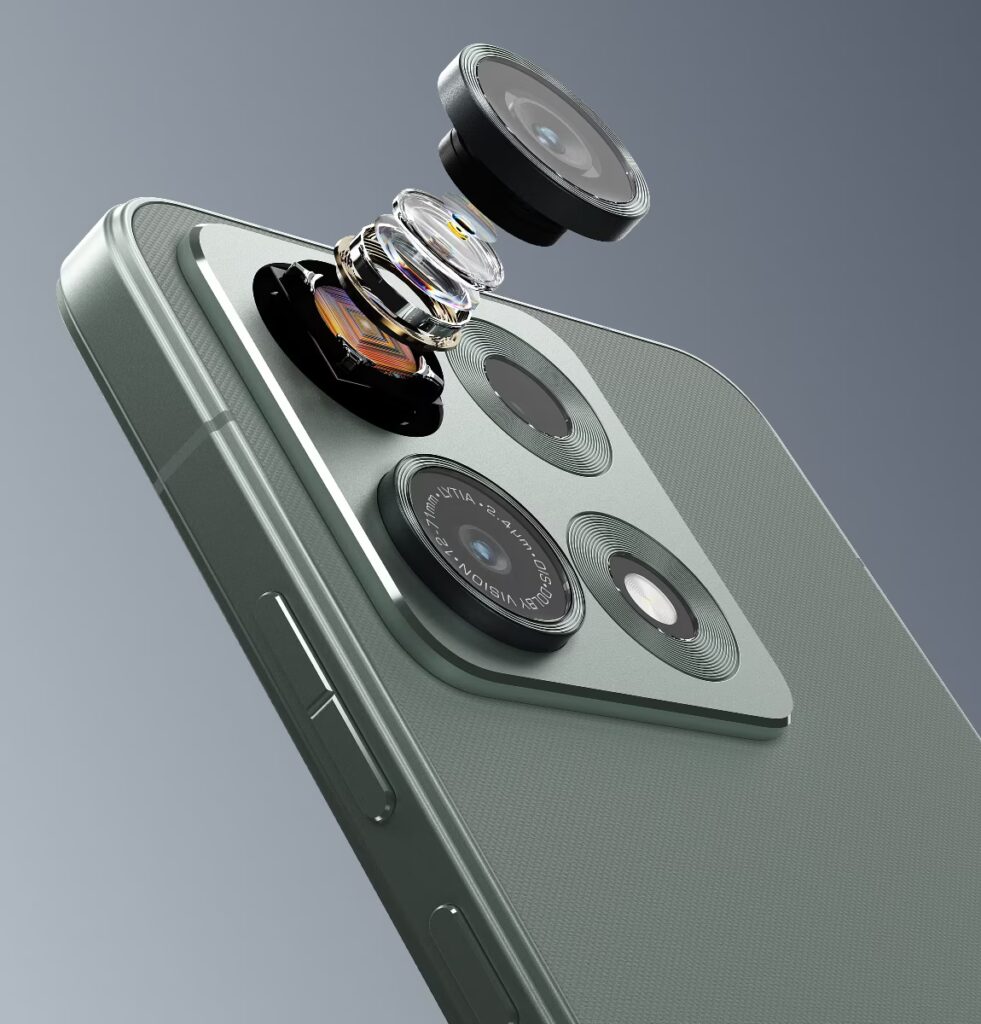
The main eye of the Edge 70 Max is the 50 MP with Sony LYTIA-710 sensor with a diagonal of 1/1.56 inches and optical image stabilization (OIS). The large sensor collects more light, resulting in better low-light photos and less noise.
The set is complemented by an ultra-wide camera 8 MP (f/2.2, 119° field of view) and a front 32 MP for selfies and video calls. This is a classic, practical configuration, without a telephoto lens, but with a strong main sensor that performs very well in everyday photography. You can record video in 4K resolution at 60 fps with HDR10+.
Motorola has been collaborating with Pantone for years on color calibration, which usually results in natural, faithful color reproduction in photos.

Connectivity, sound, and security
The Edge 70 Max features a complete set of modern connectivity: 5G, Wi-Fi 7 in tri-band mode, Bluetooth 6.0, and NFC for contactless payments. Data transfer and charging are handled by a USB-C port, and support for two nano-SIM cards and two eSIM profiles (with a maximum of two active at the same time) provides considerable flexibility while traveling.
Sound is taken care of by stereo speakers with Dolby Atmos and Hi-Res Audio certification. The classic 3.5 mm headphone jack is missing. You can unlock the phone with an optical fingerprint reader under the display, and the additional MIL-STD-810H standard confirms resistance to shocks and harsh conditions.
Design, colors, and IP68/IP69 resistance
The casing combines Corning Gorilla Glass 7i on the front and back with an aluminum frame. Despite the 7100 mAh battery, the phone is only 8.29 mm thick, although it weighs a noticeable 221 g. This is thanks to the silicon-carbon cell that packs more energy into a smaller space.
The Edge 70 Max has received a dual IP68 and IP69 certification. This means it is resistant to both immersion in water and high-pressure hot water jets. This is the highest practical level of protection on the smartphone market.
The phone will be available in three colors from the Pantone palette: Dark Shadow (dark graphite), Ice Melt (light, cool shade), and Aqua Grey (grey with a hint of blue).

Motorola Edge 70 Max vs Edge 70 Pro – czym się różnią?
The Edge 70 Max is positioned above the already available model Edge 70 Pro. The biggest differences are the processor, battery, and screen.
Parametr Edge 70 Max Edge 70 Pro Procesor Snapdragon 8 Gen 5 Snapdragon 8s Gen 4 Ekran 6,82″ 144 Hz, 7000 nitów 6,7″ 120 Hz Bateria 7100 mAh 5000 mAh Ładowanie 90 W + Qi2 25 W 68 W + 15 W Aparat główny 50 MP Sony LYTIA-710 50 MP Odporność IP68 / IP69 IP68 / IP69 Cena startowa 2999 zł ok. 2600 zł W skrócie: Edge 70 Max to wyraźny krok w górę pod względem mocy i czasu pracy. Płacisz około 400 zł więcej, a w zamian dostajesz flagowy procesor, prawie o połowę większą baterię, jaśniejszy ekran 144 Hz i ładowanie Qi2. Jeśli zależy Ci na maksymalnej wydajności i niezależności od gniazdka, dopłata ma sens.
Cena i premiera Motorola Edge 70 Max w Polsce
Oficjalna premiera Edge 70 Max odbyła się 15 lipca 2026 roku. Do polskich sklepów telefon trafi latem 2026, dokładna data sprzedaży nie została jeszcze potwierdzona.
Cena w Polsce to 2999 zł za wariant 8/256 GB, jak dotąd jedyny z potwierdzoną ceną na nasz rynek. To bardzo agresywna wycena jak na flagowy procesor, baterię 7100 mAh i ekran 7000 nitów. Motorola wyraźnie celuje w klientów, którzy szukają maksimum specyfikacji za rozsądne pieniądze. Oficjalne informacje o dostępności publikuje Motorola Polska.
The phone runs on Android 16 with the Hello UX overlay. The manufacturer promises 3 major system updates (to Android 19) and 5 years of security patches. This is solid support that will keep the device up-to-date for years.
Accessories for Motorola Edge 70 Max
Since the model is just debuting, dedicated cases and tempered glass will appear along with the sales launch in Poland. Accessories for the entire family can be found regularly in the Motorola Edge 70 category, and the full brand offer in the Motorola section.
It is worth keeping an eye on these categories. It is best to buy screen and body protection right after purchasing the phone, before the first scratch appears.
Who is the Motorola Edge 70 Max for?
The Edge 70 Max is suitable for people who:
- Want flagship performance (Snapdragon 8 Gen 5) without paying a flagship price.
- Need maximum battery life, the 7100 mAh battery lasts two days without a charger.
- Appreciate a bright, smooth 144 Hz display that is readable in sunlight.
- Want the convenience of Qi2 wireless charging with MagSafe magnets.
Hvis du hovedsakelig er ute etter en lavere pris og ikke trenger en topp prosessor, er et rimeligere alternativ Edge 70 Pro.
FAQ – ofte stilte spørsmål
Hvor mye koster Motorola Edge 70 Max i Polen?
Prisen i Polen er 2999 zł for versjonen 8/256 GB. Dette er den eneste offisielt annonserte minnevarianten for det polske markedet.
Når er premieren for Motorola Edge 70 Max i Polen?
Den offisielle premieren fant sted 15. juli 2026. Telefonen vil være tilgjengelig for salg i Polen sommeren 2026, den nøyaktige datoen er ennå ikke bekreftet.
Hvilket batteri har den nye Motorola Edge?
Telefonen har et 7100 mAh batteri med silisium-karbon teknologi. Den støtter 90 W TurboPower kablet lading og 25 W trådløs lading i Qi2-standarden.
Hvilken prosessor har Motorola Edge 70 Max?
Motorola Edge 70 Max kjører på den flaggskip Snapdragon 8 Gen 5-brikken, med 8 eller 12 GB LPDDR5X RAM og 256 GB UFS 4.1 lagring.
Er denne modellen vanntett?
Ja. Telefonen har dobbel IP68 og IP69 sertifisering, noe som betyr at den er motstandsdyktig mot nedsenking i vann og mot en strøm av varmt vann under trykk.
What distinguishes Edge 70 Max from Edge 70 Pro?
Edge 70 Max has a more powerful processor (Snapdragon 8 Gen 5), a larger battery (7100 vs 5000 mAh), a brighter 144 Hz display, and faster 90 W charging with Qi2. It costs about 400 PLN more than Edge 70 Pro.
-
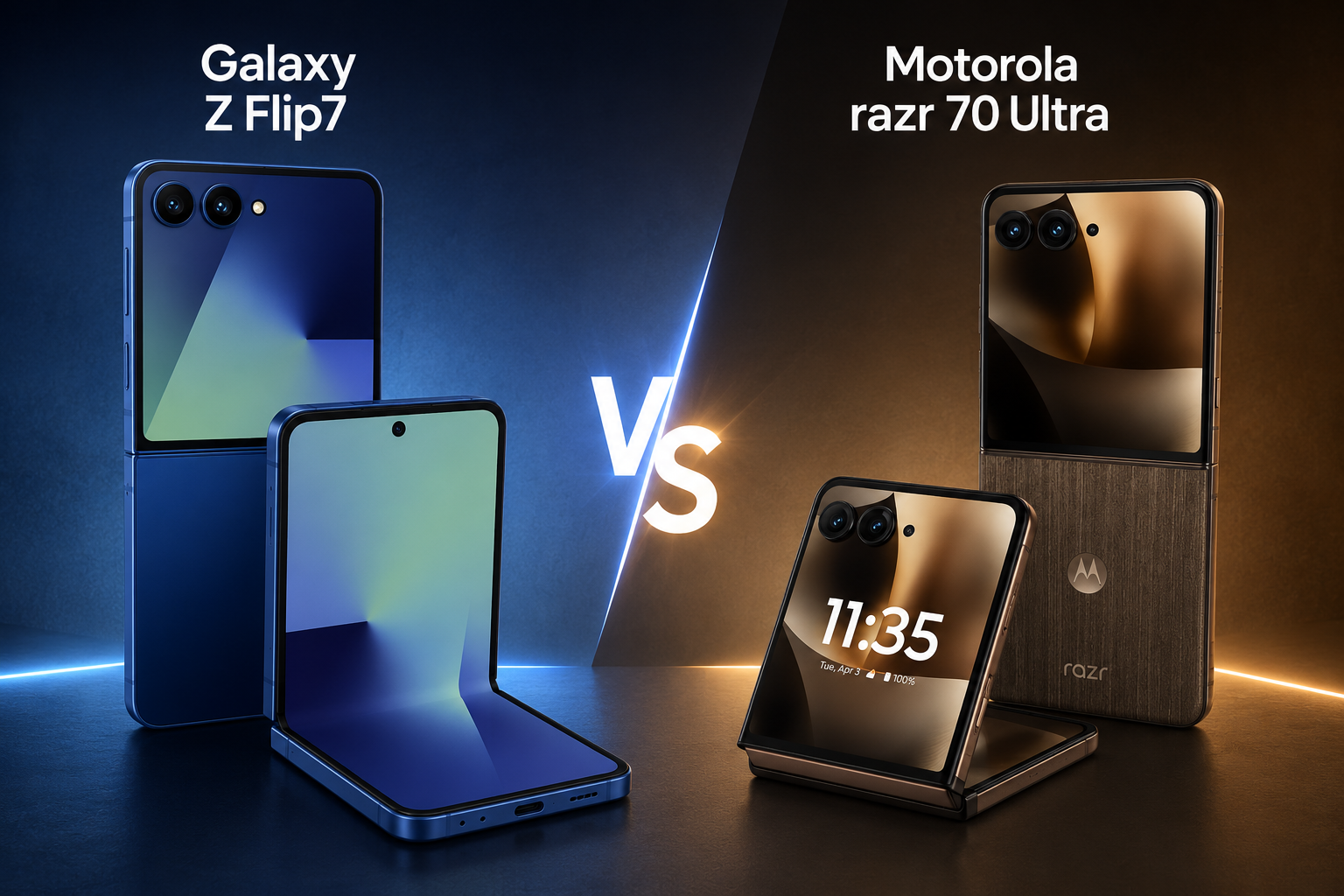
Motorola Razr 70 Ultra kontra Samsung Galaxy Z Flip 7
Motorola Razr 70 Ultra is a more powerful device: larger and brighter screen (7.0″, 165 Hz, 5000 nits), more efficient Snapdragon 8 Elite, 5000 mAh battery, and 68 W charging. Samsung Galaxy Z Flip 7 offers a lighter construction (188 g), a more mature One UI 8, and up to 7 years of updates. Choose Razr if performance, battery, and charging speed matter to you. Opt for Flip 7 if you value Samsung’s ecosystem and the longest support on the market.
Both flip phones target the same customer: you want a compact phone that fits in a small pocket but provides a full-fledged screen when unfolded. The differences lie in the details — and these can weigh heavily on your choice in everyday use. Below, we break down both models into their components — screens, performance, cameras, battery, software, and price — and suggest which one to choose for yourself.
Motorola Razr 70 Ultra vs Samsung Galaxy Z Flip 7 — comparison table
Parametr Motorola Razr 70 Ultra Samsung Galaxy Z Flip 7 Wewnętrzny ekran 7,0″ LTPO AMOLED, 165 Hz 6,9″ LTPO AMOLED, 120 Hz Jasność szczytowa 5000 nitów 2600 nitów Zewnętrzny ekran 4,0″, 165 Hz, 3000 nitów 4,1″ Super AMOLED, 120 Hz, 2600 nitów Procesor Snapdragon 8 Elite (3 nm) Exynos 2500 (3 nm) RAM / pamięć 16 GB (PL) / 12 GB (global), 512 GB 12 GB, 256/512 GB Aparat główny 50 MP f/1.8, OIS 50 MP f/1.8, OIS Ultraszeroki 50 MP f/2.0 12 MP f/2.2 Aparat przedni 50 MP 10 MP Bateria 5000 mAh 4300 mAh Ładowanie przewodowe 68 W 25 W Ładowanie bezprzewodowe 30 W 15 W Odporność IP48 IP48 Waga 199 g 188 g Grubość (złożony) 15,7 mm 13,7 mm System Android 16 (Hello UI) Android 16 (One UI 8) Aktualizacje krótsze wsparcie 7 lat OS + zabezpieczeń Cena PL (od) ~5000–5999 zł (16/512) ~3600–4300 zł (256/512) Już z tabeli widać układ sił: Razr wygrywa parametrami sprzętowymi (ekran, procesor, bateria, ładowanie), a Flip 7 broni się wagą, oprogramowaniem i długością wsparcia. Teraz szczegóły.
Screens — Razr focuses on brightness and smoothness
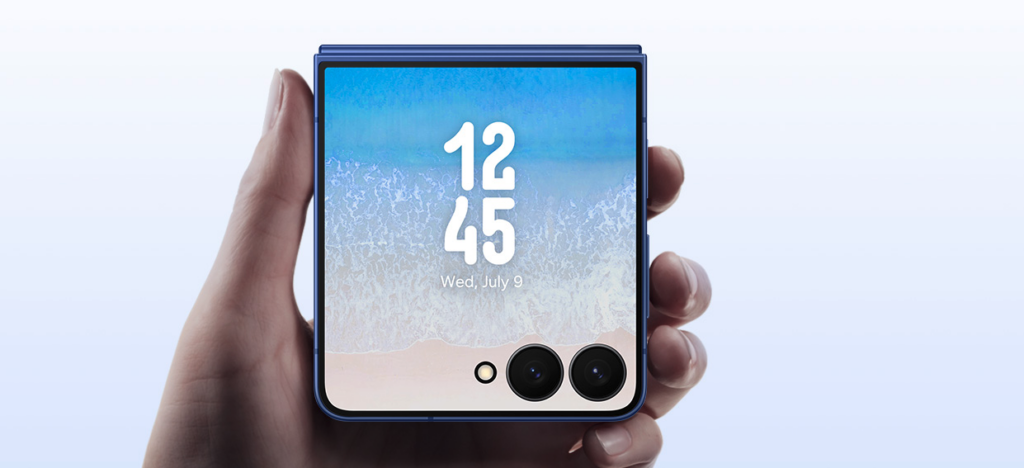
The biggest difference is the screens. The Motorola Razr 70 Ultra has a 7.0-inch internal AMOLED with a refresh rate of 165 Hz and a peak brightness of 5000 nits. These are among the best parameters among foldables, also compared to classic flagships. The 4.0-inch external screen also refreshes at 165 Hz and reaches 3000 nits, so you can handle almost everything from it without unfolding the phone.
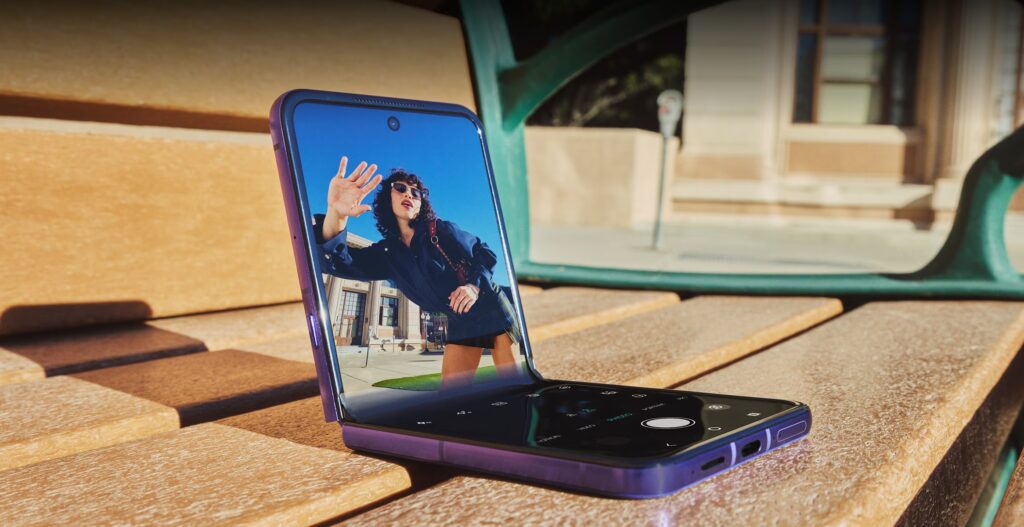
Motorola Razr 70 Ultra The Galaxy Z Flip 7 received a 6.9-inch internal panel at 120 Hz and a new, «edge-to-edge» 4.1-inch external screen. These are very good displays, but on paper, they fall short of Motorola in brightness and smoothness. In practice, not everyone will notice the difference between 120 vs 165 Hz, but the brightness of 5000 vs 2600 nits is noticeable in full sunlight.
Conclusion: For watching content and using in the sun, the Razr 70 Ultra is better. The Flip 7 compensates with a well-crafted external screen and apps that work on the cover.
Regardless of the choice, it’s worth protecting the flexible screen of the foldable from day one with a dedicated film — rigid tempered glass does not work well on a bending panel.
External Screen — Phone Control Without Unfolding
In clamshells, everyday convenience is determined by the external screen, as you respond to messages, check notifications, and take photos with the main camera from it. The Motorola Razr 70 Ultra features a 4.0-inch cover with a refresh rate of 165 Hz and a brightness of 3000 nits, on which you can run practically any Android application.
The Samsung Galaxy Z Flip 7 has opted for a new 4.1-inch panel, more tightly surrounding the camera module, with refined widgets and quick access to Galaxy AI. Samsung has been developing this interface for several generations, so it is more organized, although it by default limits the launching of full applications. Motorola offers more freedom in this regard, while Samsung provides more consistency.
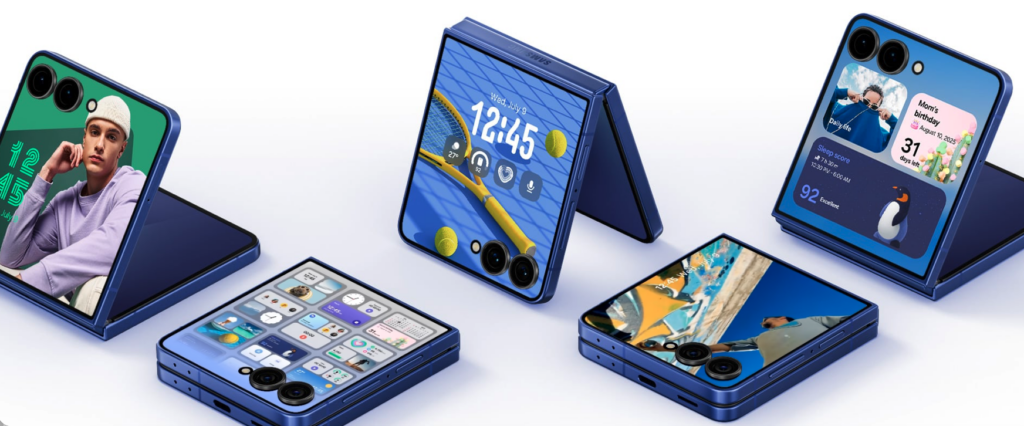
Samsung Galaxy Z Flip7 Performance — Snapdragon 8 Elite vs Exynos 2500
The Motorola Razr 70 Ultra uses the Snapdragon 8 Elite, Qualcomm’s top chip in a 3 nm process. It is the most powerful processor to hit a foldable clamshell, with plenty of power for gaming and years of use.
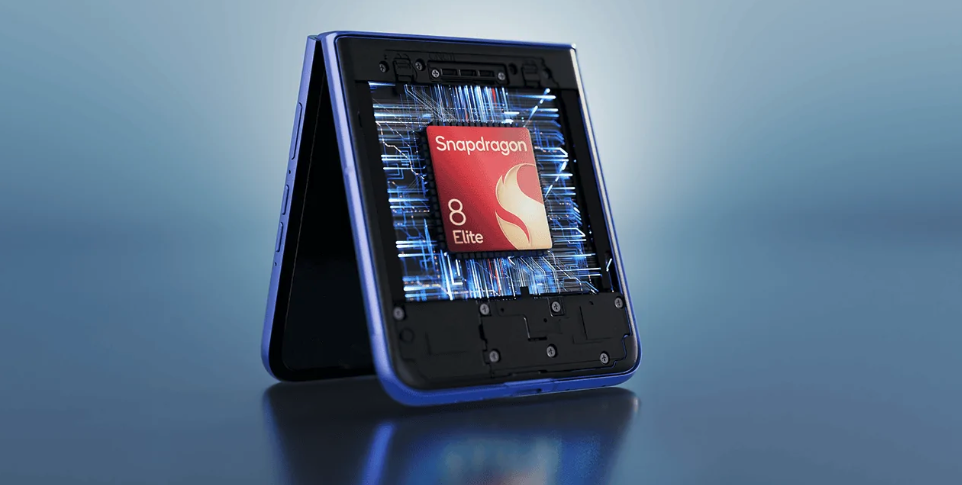
Galaxy Z Flip 7 napędza autorski Samsung Exynos 2500, również w 3 nm. Jest szybki i energooszczędny, ale w testach wydajności i pod obciążeniem zwykle ustępuje Snapdragonowi 8 Elite, szczególnie w grach i utrzymaniu długiej wydajności. Do codziennych zadań, mediów społecznościowych i fotografii oba układy w zupełności wystarczą.
Oba telefony mają 12 GB RAM (Razr również w wariancie 16 GB) i 512 GB pamięci, bez slotu na kartę. Flip 7 oferuje tańszy wariant 256 GB dla osób, którym taka pojemność wystarcza.
Aparaty — Motorola dorzuca ultraszeroki 50 MP
Na papierze aparaty wyglądają podobnie: oba telefony mają główny sensor 50 MP z optyczną stabilizacją. Różnica jest w drugim obiektywie. Razr 70 Ultra ma ultraszeroki aparat 50 MP, podczas gdy Flip 7 stawia na 12 MP. Na zdjęciach szerokokątnych i w trybie makro przekłada się to na więcej detali po stronie Motoroli.
Do tego dochodzi aparat przedni: 50 MP w Razr kontra 10 MP w Flip 7. W praktyce jednak selfie z obu klapek najczęściej robi się głównym aparatem, korzystając z ekranu zewnętrznego jako podglądu, a tam liczy się bardziej oprogramowanie niż liczba megapikseli.
Samsung has had an advantage in image processing and color consistency between lenses for years, while One UI offers a rich Pro mode and AI tools. Motorola catches up with hardware and collaboration with Pantone for color reproduction. It’s a close fight: more «raw» hardware is provided by Razr, while more mature photo software comes from Samsung.
Tip: The protruding camera module on flip phones can easily get scratched when closing. A separate lens protector costs a few dozen zlotys and saves blurry photos.
Battery and charging — a clear advantage for Razr
Here Motorola clearly wins. The Razr 70 Ultra has a 5000 mAh battery, 68 W wired charging, and 30 W wireless charging. The Galaxy Z Flip 7 has 4300 mAh, 25 W wired, and 15 W wireless.
The difference is real: the larger battery of Motorola means longer usage time, and over twice as fast wired charging (68 vs 25 W) significantly reduces the full charging time — the Razr charges its battery much faster than the Flip 7. For many people, this is a decisive argument — foldables inherently have less space for batteries, so every additional mAh and watt of power counts.
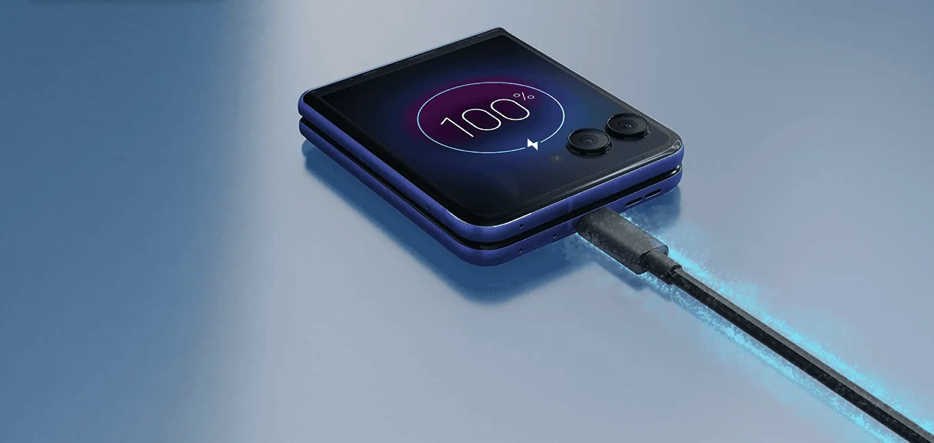
Samsung tłumaczy niższe parametry naciskiem na smukłość i długowieczność ogniwa, ale w codziennym scenariuszu „rano do wieczora» Razr daje więcej spokoju. Obie klapki naładujesz uniwersalną ładowarką GaN z USB Power Delivery, warto dobrać model o mocy co najmniej 30 W.
Design, waga i odporność
Oba telefony mają certyfikat IP48, czyli odporność na kurz i zanurzenie do 1,5 m przez 30 minut, ale bez pełnej ochrony przed pyłem jak w klasycznych flagowcach IP68. To i tak duży postęp dla składaków.
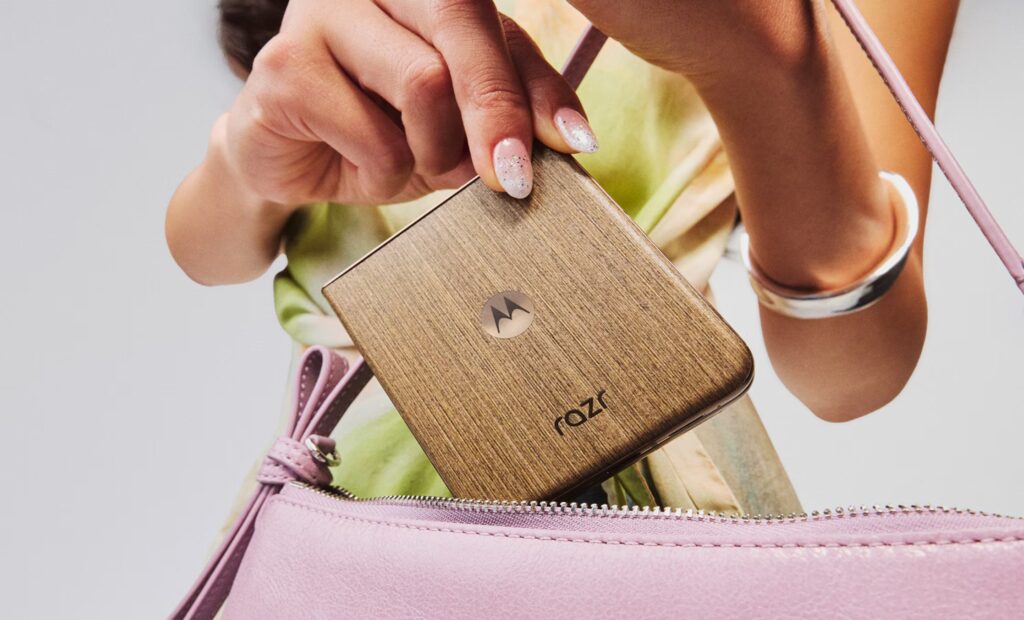
Galaxy Z Flip 7 jest lżejszy (188 g) i smuklejszy po złożeniu, co czuć w kieszeni. Motorola waży 199 g, ale kusi materiałami: wykończeniem Alcantara oraz naturalnym fornirem drewna w wersji Cocoa. To jeden z najbardziej wyróżniających się designów na rynku.
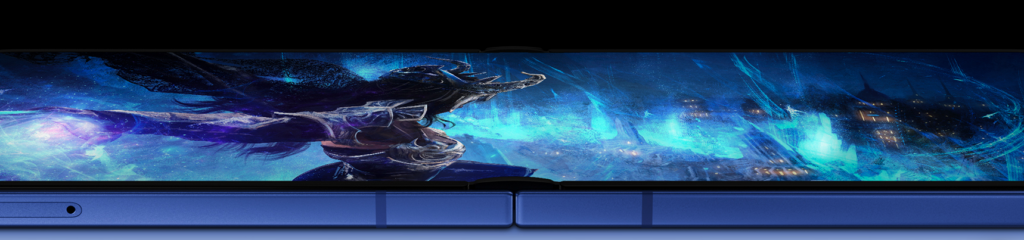
Samsung Galaxy Z Flip7 Zawias w obu modelach jest dopracowany i pozwala zatrzymać ekran pod dowolnym kątem (tryb „flex»). Samsung od lat szlifuje mechanizm i minimalizuje zagięcie na środku ekranu; Motorola nadrabia płaskim złożeniem bez szczeliny.
Conclusion: Flip 7 wins in agility and weight, Razr 70 Ultra — in character and materials. It’s an aesthetic choice as much as a technical one.
Motorola Razr 70 Ultra Software and updates — Samsung’s advantage
The biggest advantage of the Galaxy Z Flip 7 is support. Samsung promises 7 years of system and security updates and the One UI 8 overlay with an extensive Galaxy AI package. This means a phone that stays current for most of the decade and a realistically higher resale value.
Motorola opts for a clean, lightweight Hello UI interface with Moto AI features and convenient external screen handling. Drawbacks? Shorter update support than Samsung — if you plan to keep the phone for 5–6 years, that’s a significant downside.
The ecosystem also favors Samsung: integration with Galaxy Watch, Buds, tablets, and DeX services is more complete. Motorola offers a simpler but very intuitive environment and fewer unnecessary applications (so-called bloatware).
Price — what do you get for your money
The Motorola Razr 70 Ultra is sold in Poland in the 16/512 GB configuration at a catalog price of 5999 PLN, although during promotions and from operators it can be found around 5000 PLN. There is also a global variant of 12/512 GB.
The Samsung Galaxy Z Flip 7 has been on the market since July 2025, so its prices have clearly dropped. The 12/256 GB variant can be purchased today for around 3600–4300 PLN, and the 12/512 GB for about 4100–4500 PLN (the catalog price for 256 GB is 4299 PLN).
This significantly changes the equation: at a similar tier, the Flip 7 is currently 1000–2000 PLN cheaper than the Razr 70 Ultra. You buy the Samsung for a lower price, longer support, and a lighter design, while the Motorola offers the strongest hardware (screen, processor, battery, charging) — but at a premium. It’s worth checking prices regularly, as foldables are often subject to promotions and trade-in offers.
Which foldable to choose: Motorola Razr 70 Ultra or Galaxy Z Flip 7?
There is no single winner — it all depends on your priorities.
- Wybierz Motorola Razr 70 Ultra, jeśli: chcesz najwydajniejszej klapki, najjaśniejszego i najpłynniejszego ekranu, największej baterii i najszybszego ładowania, a design z Alcantary lub drewna Ci się podoba.
- Wybierz Samsung Galaxy Z Flip 7, jeśli: chcesz niższej ceny (dziś ~3600–4300 zł), cenisz lekkość i smukłość, potrzebujesz 7 lat aktualizacji i jesteś w ekosystemie Samsunga (zegarek, słuchawki, dojrzałe One UI oraz Galaxy AI).
- Remis, gdy: robisz głównie zdjęcia głównym aparatem i korzystasz z ekranu zewnętrznego — oba modele poradzą sobie świetnie, a decyzję podejmiesz na podstawie designu i ceny.
Niezależnie od wyboru, klapka to delikatna konstrukcja z elastycznym ekranem i zawiasem — etui oraz folia ochronna to tu nie fanaberia, ale konieczność. Akcesoria do obu modeli znajdziesz w kategoriach Galaxy Z Flip 7 i Motorola Razr w homescreen.pl.
Podsumowanie
Motorola Razr 70 Ultra i Samsung Galaxy Z Flip 7 to dziś dwie najciekawsze klapki na rynku, ale z różnymi charakterami. Najważniejsze wnioski:
- Sprzęt: Razr 70 Ultra wygrywa ekranem (7,0″, 165 Hz, 5000 nitów), procesorem (Snapdragon 8 Elite), baterią (5000 mAh) i ładowaniem (68 W).
- Longevity: Galaxy Z Flip 7 offers 7 years of updates, a lighter design (188 g), and a mature Samsung ecosystem.
- Cameras: balanced — Razr adds an ultra-wide 50 MP, Samsung has better photography software.
- Price: Galaxy Z Flip 7 is clearly cheaper today (~3600–4300 PLN) and has longer support; Razr 70 Ultra is the most powerful device, but at a premium (~5000–5999 PLN).
When choosing any model, think about protection right away — cases and films for Galaxy Z Flip 7 and accessories for Motorola Razr can be found readily at homescreen.pl. Free shipping from 100 PLN, InPost, and shipping within 24 hours.
FAQ — frequently asked questions about Razr 70 Ultra and Z Flip 7
Which phone is better: Razr 70 Ultra or Z Flip 7?
It depends on priorities. Razr 70 Ultra is better in hardware — it has a brighter and faster screen, a more powerful processor, a larger battery, and faster charging. Z Flip 7 wins in lightness, 7 years of updates, and the Samsung ecosystem.
Which has a better screen?
Motorola Razr 70 Ultra. Its internal screen is 7.0 inches, 165 Hz, and peak brightness of 5000 nits, while Galaxy Z Flip 7 offers 6.9 inches and 120 Hz. Samsung’s external screen, however, is very well optimized software-wise.
Which one gets updates longer?
Samsung Galaxy Z Flip 7 — with a guarantee of 7 years of system and security updates. Motorola offers shorter support, which is worth considering if you plan to use the phone for many years.
Are both phones waterproof?
Both have an IP48 certification, are resistant to immersion in water up to 1.5 m for 30 minutes, but do not have full dust protection like flagships with IP68. Protect them from sand and particles that can get into the hinge.
Which flip phone has a better battery?
Razr 70 Ultra — has a 5000 mAh battery and 68 W charging (wired) and 30 W (wireless). Galaxy Z Flip 7 has 4300 mAh and 25 W and 15 W, so it charges noticeably slower.
What accessories are worth buying for a foldable phone?
First of all, a case that protects the hinge and frame, as well as a film for the flexible inner screen (not tempered glass). You will also need protection for the outer screen and camera lenses. You can find a full selection in the accessories categories for Galaxy Z Flip 7 and Motorola Razr at homescreen.pl.
-
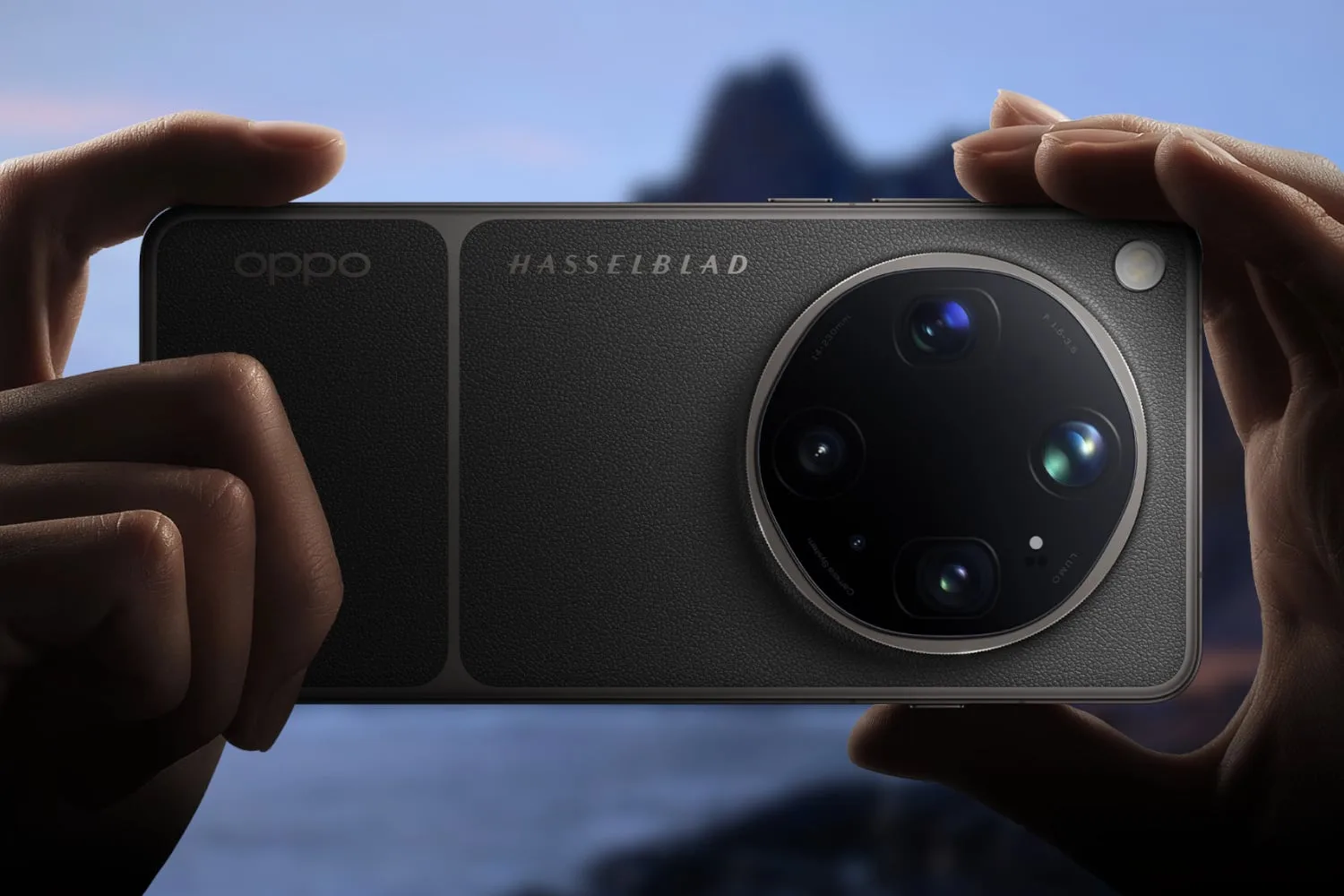
Best accessories for Oppo Find X9 Ultra
The best accessories for the Oppo Find X9 Ultra are the Bizon Case Łupka (35 zł) for back and camera protection, the Bizon Glass Edge tempered glass (25 zł) with a 9H coating for the screen, and the Ugreen Nexode Pro 100 W GaN charger (219.90 zł) for quickly replenishing the 7,050 mAh battery. Additionally, there is protection for the protruding Hasselblad lenses and a fast USB-C cable. Below is the complete ranking with prices, specifications, and specific advice on what to choose for this flagship.
The Oppo Find X9 Ultra costs around 6,000 zł in Europe, has a massive camera module with a 10x optical zoom, and weighs 235 g. Such a phone begs for proper protection before the first drop on tiles wipes out several hundred zł from its value. In this guide, we show tested cases, glasses, and chargers available immediately at homescreen.pl, divided into what is realistically worth its price.
Why it’s worth protecting the Oppo Find X9 Ultra from day one
The Find X9 Ultra is a top-tier device: a 200 MP main sensor, a periscope with a 10x optical zoom, a 6.82″ screen with a peak brightness of 3,600 nits, and NanoCrystal glass (full details in GSMArena specifications). Replacing a cracked display in such a flagship costs around 1,000–1,500 zł. In comparison, a complete set of case and glass costs between 50–70 zł.
The biggest risk is the large, protruding camera module with the Hasselblad logo. It is the first to touch the surface when you lay the phone screen up. Therefore, in this model, protecting the lenses makes even more sense than in an average smartphone.
Advice: The starter kit for the Find X9 Ultra consists of three elements: a case, screen glass, and camera glass. You will pay less than 80 PLN for everything together and avoid the most expensive repairs. Check the full offer in the category accessories for Oppo Find X9 Ultra →
Best cases for Oppo Find X9 Ultra
The cases for the Find X9 Ultra available at homescreen.pl come from the brand Bizon. This manufacturer specializes in accessories for fresh releases and was the first to prepare a fit for this model. You won’t find Spigen or UAG here yet, but Bizon makes up for it with a variety of constructions: from hard polycarbonate, through soft silicone, to a complete set with films.
Case Type Key feature Price Bizon Case Łupka hard polycarbonate raised edges, rims around the camera 35 PLN Bizon Soft Case silicone + PC + microfiber wireless charging, soft interior 45 PLN Bizon Case Clear Pack flexible + 2× film case and screen protection in one 55 PLN Bizon Case Łupka — our everyday choice
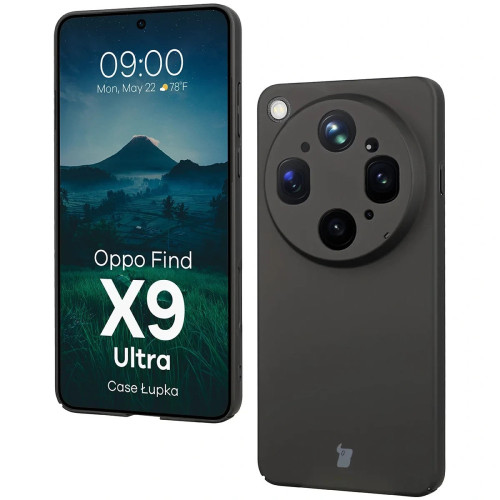
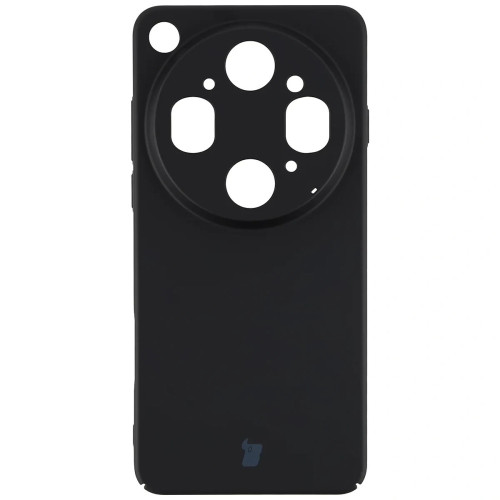
Our choice. Bizon Case Łupka is a rigid polycarbonate case with a thickness of about 1 mm, which allows the phone to maintain a slim profile. The raised edges around the screen and camera keep the glass and lenses away from the surface, while the covered buttons provide a clear click.
It is available in black, blue, and green. It’s a good option for those who like thin cases and don’t want to hide the phone’s design under a thick armor. For 35 PLN, you get solid protection against scratches and everyday drops from a small height.
Bizon Soft Case — soft protection and wireless charging
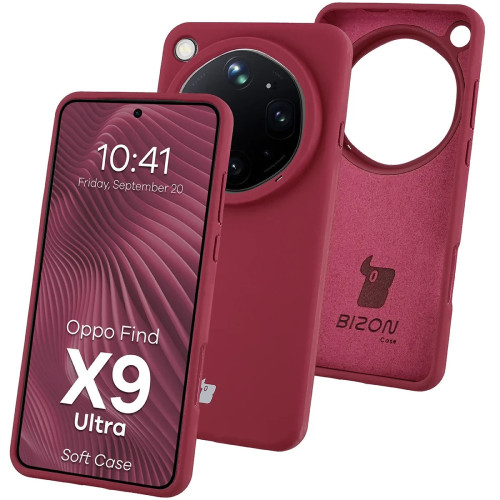
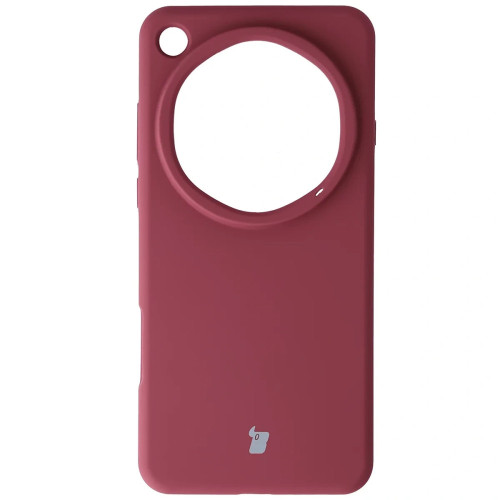
Bizon Soft Case łączy trzy materiały: elastyczny silikon z zewnątrz, wzmocnienie z poliwęglanu i miękką mikrofibrę wewnątrz, która nie rysuje pleców telefonu. Silikon dobrze tłumi drgania przy upadku i daje pewny chwyt w dłoni.
Etui nie blokuje ładowania indukcyjnego, więc położysz telefon na ładowarce Qi bez zdejmowania obudowy. Występuje w odcieniach fioletu i zieleni. Za 45 zł to wybór dla tych, którzy wolą miękki, przyjemny w dotyku materiał zamiast twardego plastiku.
Bizon Case Clear Pack — etui i szkło w jednym zestawie
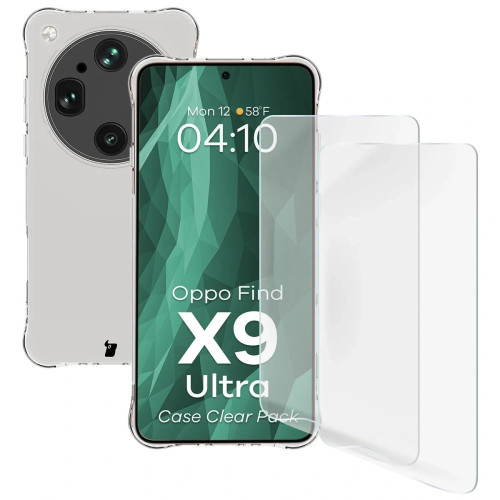
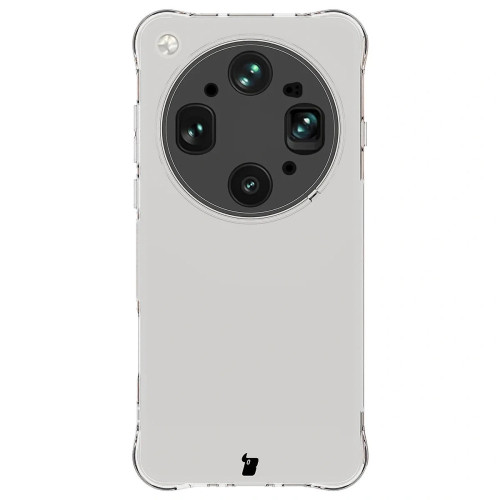
Jeśli chcesz załatwić ochronę jednym zakupem, Bizon Case Clear Pack zawiera przezroczyste, elastyczne etui oraz dwie folie hydrożelowe na ekran, a do tego akcesoria montażowe. Za 55 zł dostajesz komplet, który zabezpieczy plecy i wyświetlacz od razu po wyjęciu z pudełka.
To najbardziej opłacalna opcja dla osoby, która nie chce osobno dobierać etui i szkła. Folie hydrożelowe dobrze układają się na zakrzywionych krawędziach ekranu, choć są mniej odporne na uderzenia niż szkło hartowane.
Chcesz zabezpieczyć telefon od razu? Wszystkie dopasowane etui znajdziesz w kategorii akcesoriów do tego modelu, z darmową dostawą od 100 zł.
Najlepsze szkła hartowane na ekran Oppo Find X9 Ultra
Tutaj wybór jest szerszy. Na ekran Find X9 Ultra dostępne są szkła i folie trzech marek: Bizon, GrizzGlass i 3mk. To pozwala dobrać ochronę pod budżet i preferencje: od taniej folii hybrydowej za 15 zł po pełne szkło 9H z ramką aplikacyjną.
Ochrona ekranu Typ Twardość / cecha Cena Bizon Glass Edge szkło hartowane 9H, klej 4D full glue 25 zł GrizzGlass HybridGlass szkło hybrydowe +400% wytrzymałości, nie pęka 14,99 zł Bizon Hybrid Shadow szkło prywatyzujące matowe, chroni przed podglądaniem 35 zł Bizon Glass Edge — pełne pokrycie i twardość 9H
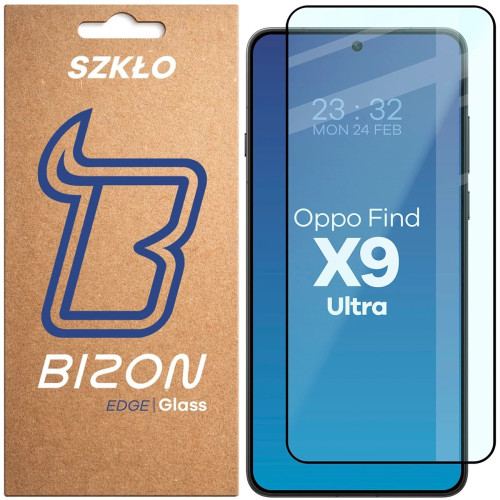
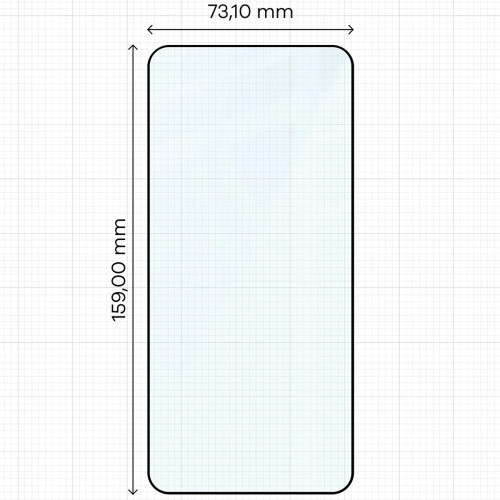
Our choice. Bizon Glass Edge is a classic tempered glass with a hardness of 9H, featuring full 4D adhesive covering the curved edges of the screen. The black frame masks the transition at the edge of the display, and the oleophobic coating reduces fingerprints.
For 25 PLN, you get the best compromise between price and resistance to breakage. If you prefer to have a spare, the same model is available in a two-pack version (Bizon Glass Edge Duo) for 35 PLN — a convenient option when the first installation attempt fails.
GrizzGlass HybridGlass — the cheapest sensible protection
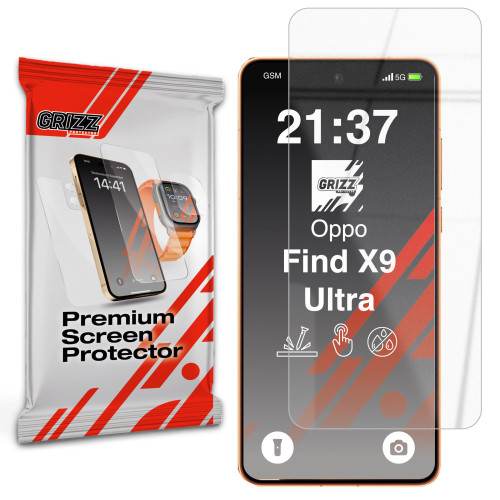
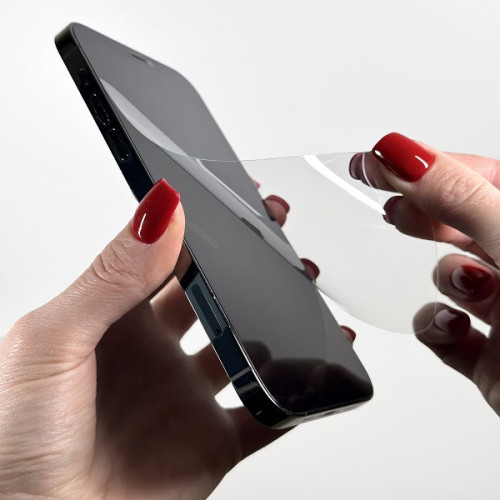
GrizzGlass HybridGlass is a hybrid glass that combines a glass layer with a flexible film. It doesn’t crack or shatter like regular glass, and the manufacturer claims a screen reinforcement of 400% upon impact.
At 14.99 zł, it is the cheapest reasonable screen protection in this comparison. The oleophobic coating maintains full touch sensitivity and does not interfere with the fingerprint reader under the screen. It is suitable for those who already use a case and want only basic protection against scratches.
Bizon Hybrid Shadow Privacy Glass
If you often work on your phone in a train or an open space office, it’s worth considering Bizon Hybrid Shadow, a matte privacy glass that narrows the viewing angle of the screen and makes it difficult to peek from the side. For 35 zł, it combines scratch protection with privacy and a pleasant, anti-glare finish.
Hasselblad Camera Protection — Don’t Skip This Step
The large, protruding camera module is the most vulnerable element of the Find X9 Ultra. A scratched periscope lens means blurry photos in every shot from this focal length. Dedicated glass for the camera costs a few dozen złoty and is one of the best investments in accessories for this phone.
Camera Protection Contents Feature Price 3mk Lens Protection 4 pieces 99% transparency, 9H 19 zł Bizon Glass Lens 2 pieces + set color preservation 25 zł GrizzGlass HybridGlass Camera 1 piece budget protection 9.99 zł 3mk Lens Protection — the best price-to-content ratio
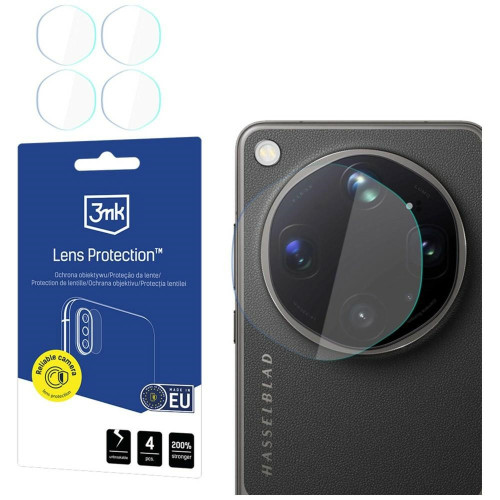
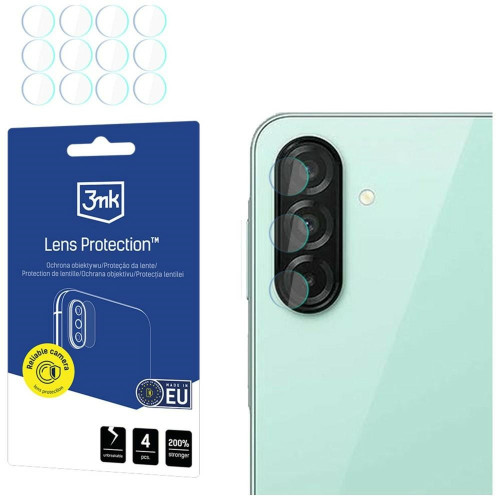
Our choice. 3mk Lens Protection is a set of four lens covers with a hardness of 9H, featuring an oleophobic and hydrophobic coating and 99% transparency. Four pieces in the set mean a backup in case of a failed installation or replacement after months of use.
For 19 zł, you protect the Hasselblad lenses from scratches without a noticeable impact on photo quality. It’s a sensible choice for anyone who places their camera phone face down or carries it in a pocket with keys.
Bizon Glass Lens — with a complete mounting set
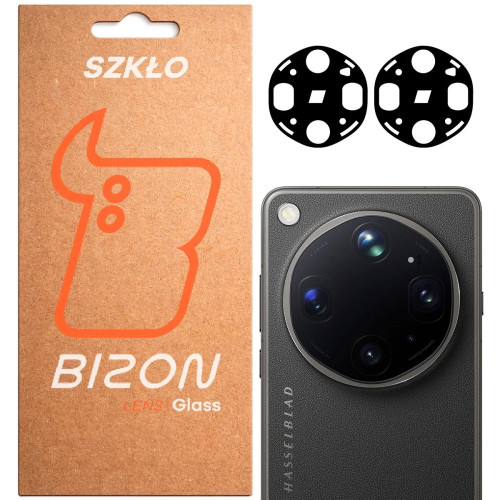
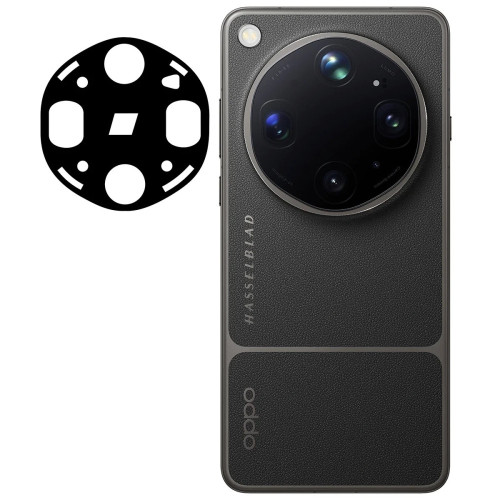
Bizon Glass Lens includes two covers with an oleophobic coating that maintain color fidelity and reduce glare from the flash in night photography. The set includes a microfiber cloth, a wet wipe, positioning stickers, and a dust absorber.
For 25 zł, it is an option for those who want a convenient, complete mounting set in a box. For the most economical, an alternative is the GrizzGlass HybridGlass Camera for 9.99 zł.
The best wall charger for Oppo Find X9 Ultra
Find X9 Ultra ładuje się przewodowo z mocą 100 W SUPERVOOC i uzupełnia baterię 7 050 mAh w niecałe 40 minut, co potwierdza oficjalna specyfikacja OPPO. Pełne 100 W uzyskasz jednak tylko z oryginalną ładowarką SUPERVOOC. Uniwersalna ładowarka sieciowa GaN naładuje telefon szybko i bezpiecznie przez USB Power Delivery oraz PPS, choć nie osiągnie proprietarnych 100 W.
Ugreen Nexode Pro 100 W GaN — nasz wybór
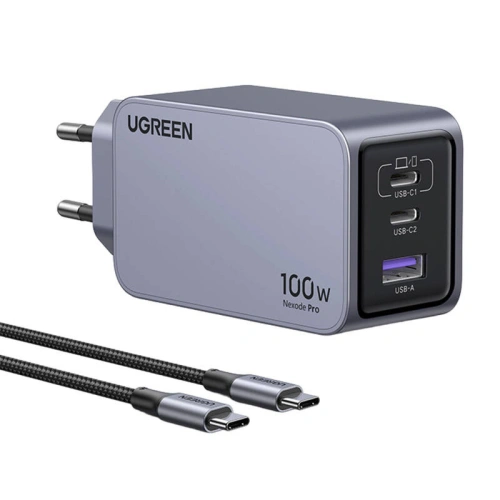
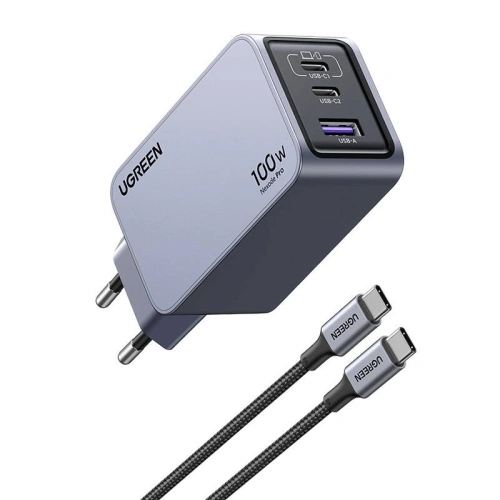
Nasz wybór. Ugreen Nexode Pro 100 W GaN to najlepsze dopasowanie do Find X9 Ultra — na pojedynczym porcie USB-C oddaje pełne 100 W, więc telefon ładuje się z maksymalną prędkością, jaką przyjmuje przez USB Power Delivery i PPS. Trzy porty (2× USB-C + USB-A) i kompaktowa obudowa GaN obsłużą też laptopa czy tablet.
For 219.90 zł you get a brand from the top of the chargers and a set of standards (PD, PPS, QC, SCP, AFC). Remember: full 100 W SUPERVOOC can only be achieved with the original OPPO charger, but this Ugreen provides the fastest universal charging and power reserve for a laptop. Pair it with a USB-C to USB-C cable that supports high power, as a cheap cable limits the actual charging speed.
Best wireless charger for Oppo Find X9 Ultra
The Find X9 Ultra charges wirelessly with a power of up to 50 W, but only in the AIRVOOC standard with the OPPO charger. Universal Qi and Qi2 wireless chargers provide the phone with up to 15 W — conveniently for a desk or bedside table. Magnetic models hold securely with a magnetic case, as the phone does not have built-in magnets; without it, you can use them like a classic Qi stand.
Tech-Protect A51 Arcticboost 3in1 — our choice
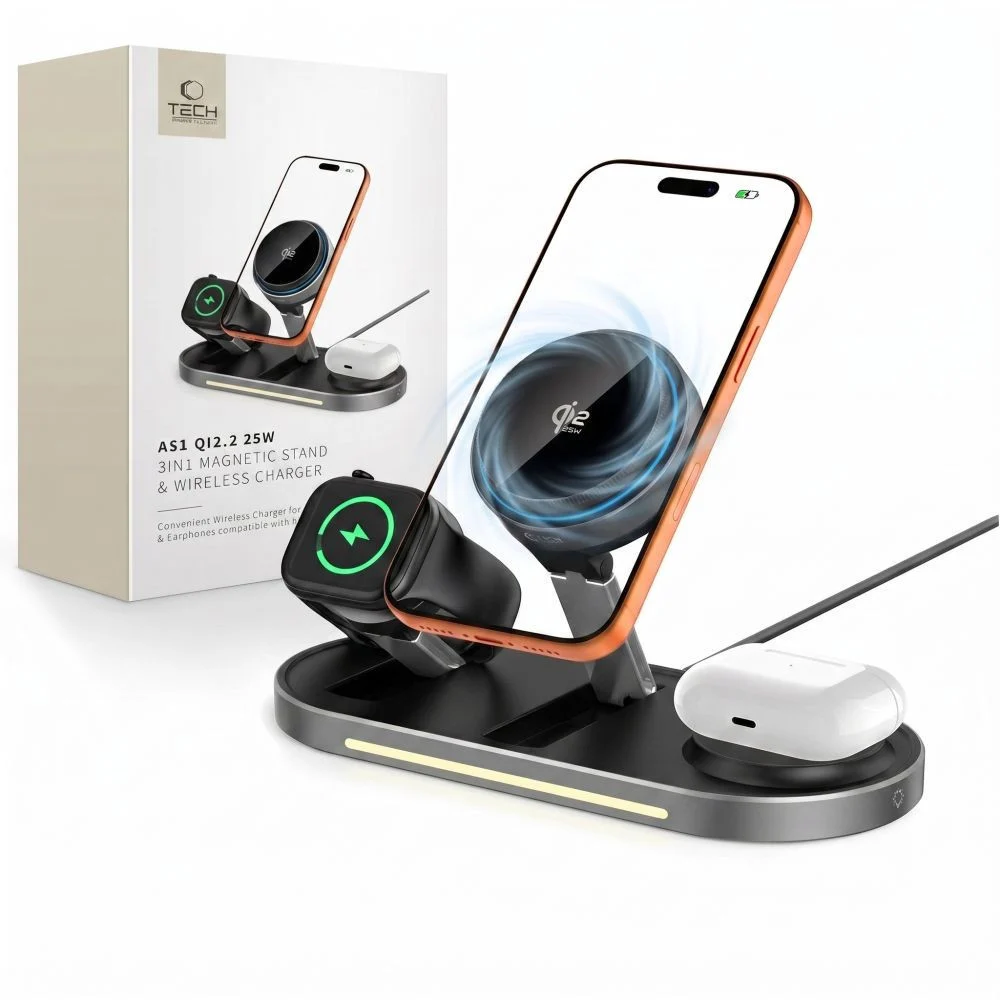
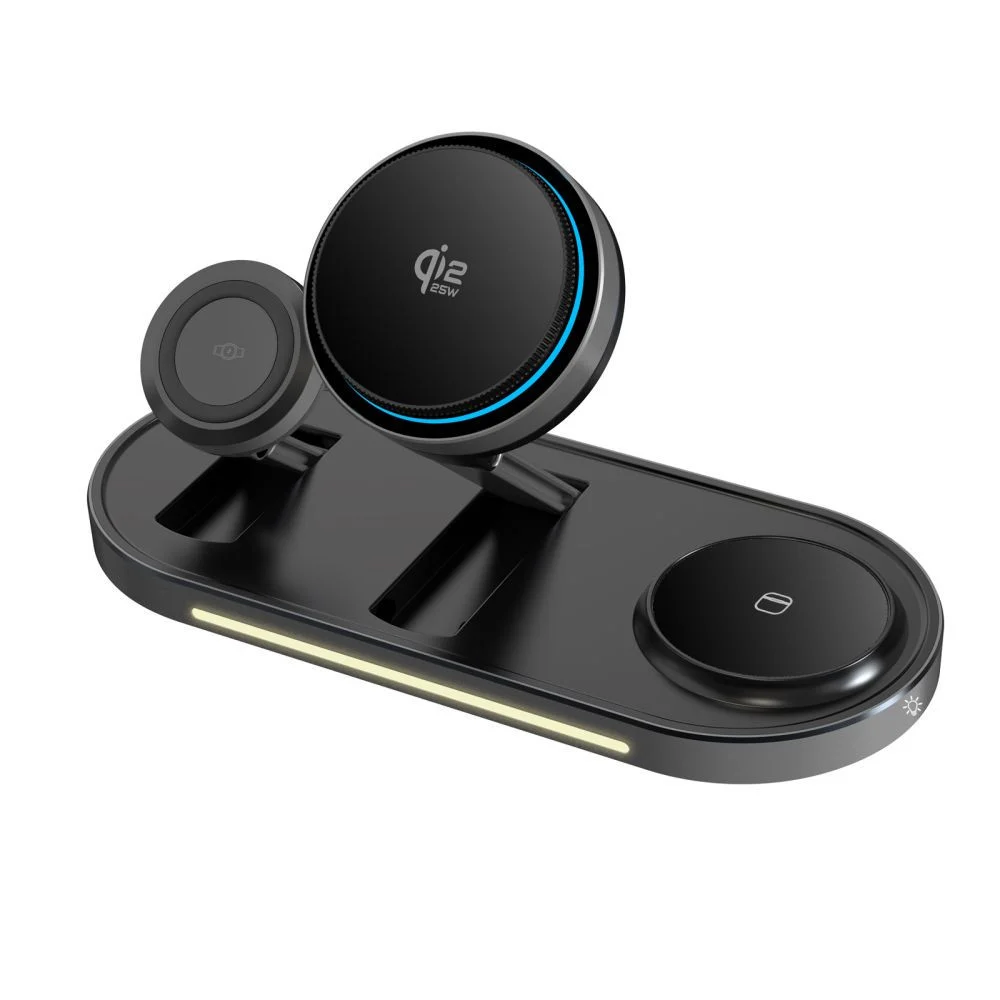
Our choice. Tech-Protect A51 Arcticboost 3in1 (229 zł) charges a phone, smartwatch, and headphones simultaneously, has Qi2 magnets, and active cooling with a fan. To reach full power, connect it to a power adapter of at least 45 W. If you prefer the cheapest option, check out the magnetic pad Tech-Protect A50 for 59 zł.
Worth adding to the cart. For the 7,050 mAh battery, a USB Power Delivery power bank is a perfect match — a compact 10,000 mAh model is a lifesaver on longer trips.
Which accessory set to choose for Oppo Find X9 Ultra?
Not everyone needs everything at once. Below are three scenarios tailored to budget and usage style.
- Budget (approx. 50 zł): Bizon Case Łupka (35 zł) + GrizzGlass HybridGlass (14.99 zł). Basic protection for the back and screen for less than 50 zł.
- Optimal (approx. 80 zł): Bizon Case Łupka (35 zł) + Bizon Glass Edge (25 zł) + 3mk Lens Protection (19 zł). Full protection for the phone and camera — our recommendation for most users.
- Charging set (approx. 300 PLN): the above set plus Ugreen Nexode Pro 100 W GaN (219.90 PLN). Everything you need from day one, including a fast charger.
If you want to minimize your purchases, the ready Bizon Case Clear Pack combines a case and films in one box for 55 PLN.
Summary
The Oppo Find X9 Ultra is a flagship worth about 6,000 PLN, so spending a few dozen PLN on accessories is the cheapest insurance you can buy. The key takeaways:
- Case: Bizon Case Łupka (35 PLN) for everyday use, Soft Case (45 PLN) for those who like soft silicone.
- Screen glass: Bizon Glass Edge (25 PLN) with 9H hardness as the best compromise between price and protection.
- Camera: 3mk Lens Protection (19 PLN) protects protruding Hasselblad lenses — don’t skip this step.
- Charger: Ugreen Nexode Pro 100 W GaN (219.90 PLN) — a full 100 W on USB-C and power reserve for a laptop.
All accessories from this ranking can be found immediately in the category accessories for Oppo Find X9 Ultra →, and a wider selection of matches for the entire Oppo Find X9 series is growing every week. Free shipping from 100 PLN, InPost, and shipping within 24 hours.
FAQ — frequently asked questions
What case fits the Oppo Find X9 Ultra?
The dedicated cases for Find X9 Ultra are Bizon: the hard Case Łupka (35 PLN), the silicone Soft Case (45 PLN), and the Case Clear Pack set with films (55 PLN). All have cutouts tailored to the large Hasselblad camera module and raised edges protecting the screen.
Which tempered glass should I choose for the Oppo Find X9 Ultra?
The best compromise is the Bizon Glass Edge (25 PLN), a 9H tempered glass with full 4D glue. A cheaper alternative is the hybrid GrizzGlass HybridGlass (14.99 PLN), and for screen privacy, the matte privacy glass Bizon Hybrid Shadow (35 PLN) will work well.
Do I need to protect the camera on the Oppo Find X9 Ultra?
Yes. The camera module protrudes significantly and touches the surface first when you set the phone down. A scratched lens worsens every photo from that focal length. A camera cover, such as the 3mk Lens Protection (19 PLN for 4 pieces), costs a few dozen PLN and prevents costly scratches.
What charger for the Oppo Find X9 Ultra?
The phone charges with a power of 100 W SUPERVOOC with the original OPPO charger. Among universal chargers, the GaN 100 W model, like the Ugreen Nexode Pro (219.90 PLN), works best, charging the phone quickly and safely via USB Power Delivery and PPS, while also supporting a laptop. Remember to use a USB-C cable that supports high power.
Does the Oppo Find X9 Ultra support wireless charging?
Yes, the Find X9 Ultra charges wirelessly with a power of up to 50 W and supports reverse charging at 10 W. You can use an induction charger on your desk or nightstand without removing the case, provided that the case, like the Bizon Soft Case, does not block Qi charging.
How much does the accessory set for the Oppo Find X9 Ultra cost?
The basic set of case plus glass costs around 50 PLN. Full protection with a case, screen glass, and camera cover is about 80 PLN. With a fast GaN 100 W charger, the total is around 300 PLN — still a fraction of the cost of repairing a cracked flagship screen.
-
Samsung Galaxy Watch 9 — revolution or evolution?
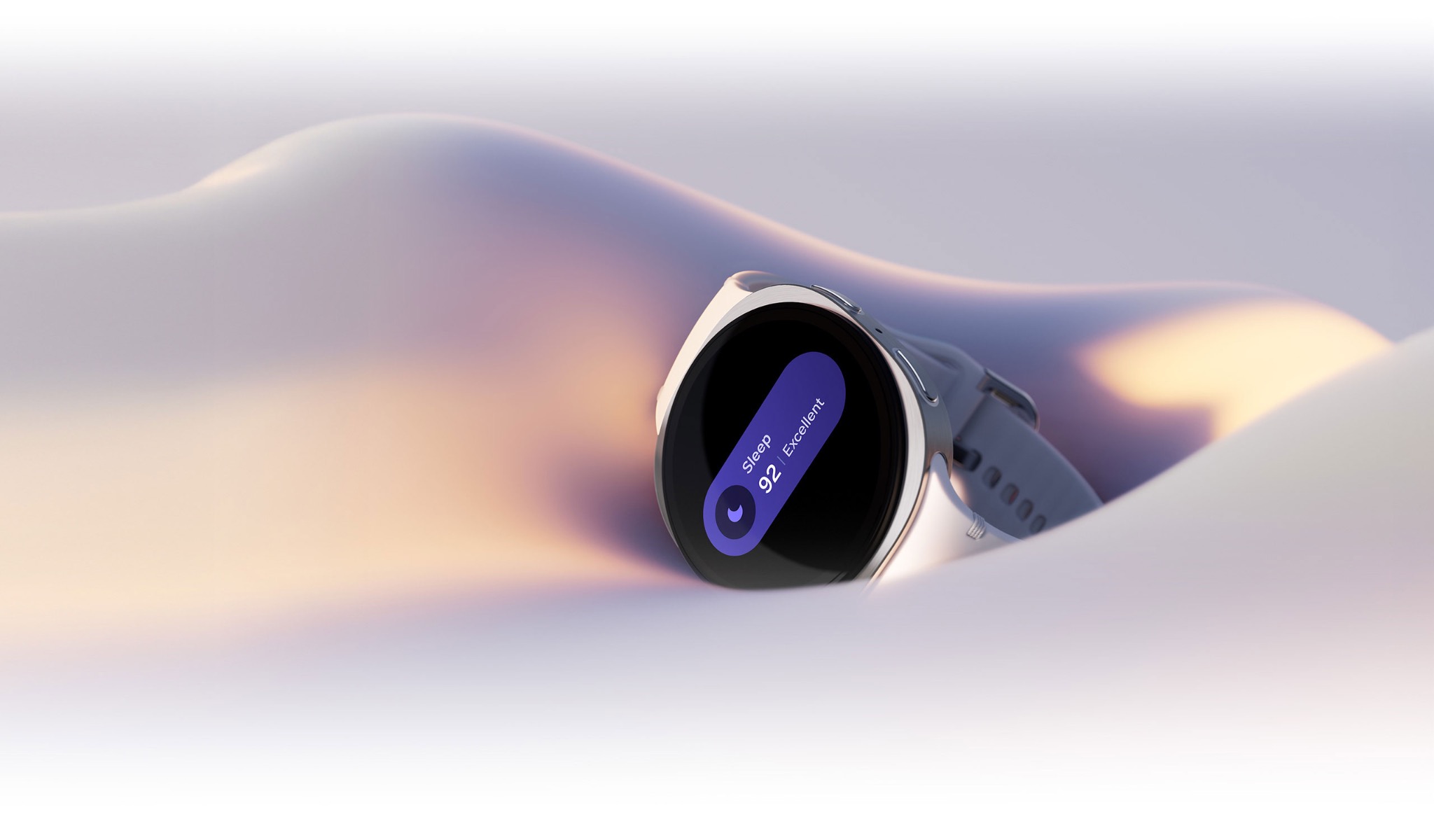
Samsung Galaxy Watch 9 is set to debut on July 22, 2026, at Galaxy Unpacked in London, alongside Galaxy Z Fold 8, Z Flip 8, and Watch Ultra 2. According to leaks, the Classic version with a rotating bezel is disappearing, the battery is increasing by about 23%, and the watch retains two sizes: 40 and 44 mm. These are leak data; Samsung has not yet confirmed them.
Summer is traditionally the time for Samsung’s watches and foldables. Revolution or evolution? Judging by the leaks, it seems more like a calm step forward than a upheaval, but a few changes really make a difference. Below we have gathered everything that is known today about the new watch: the expected release date, specifications from leaks, expected price, and how it differs from Galaxy Watch 8.
When is the Galaxy Watch 9 premiere?
When will Galaxy Watch 9 hit stores? The watch is set to be presented on July 22, 2026 during the Galaxy Unpacked conference. According to reports, Samsung is organizing a summer Unpacked in London, and the new model will appear on stage alongside the next generation of foldables.
A signal that the premiere is near was the passage of the device attributed to the Watch 9 series through the American FCC in mid-June 2026. Certification in the FCC is usually one of the last steps before the official debut.
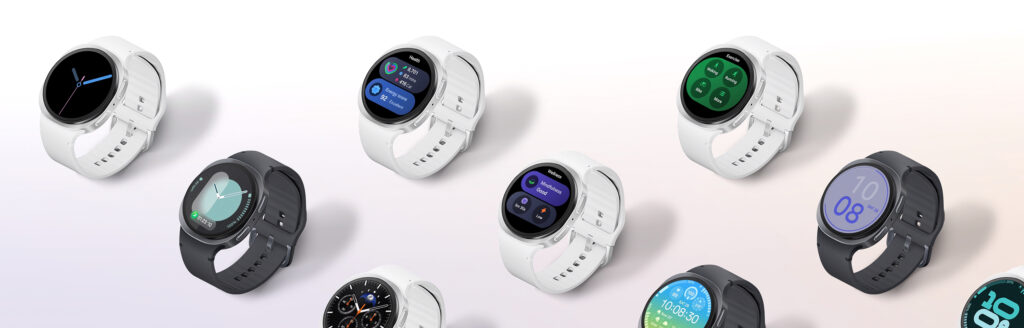
Uwaga: Na dzień publikacji Samsung nie wysłał jeszcze oficjalnego zaproszenia na Unpacked ani nie potwierdził nazwy „Galaxy Watch 9″. Datę 22 lipca i całą specyfikację traktuj jako wysoce prawdopodobne przecieki, a nie dane potwierdzone przez producenta. Oficjalne informacje pojawią się na newsroomie Samsunga.
Przedsprzedaż rusza zwykle w dniu konferencji, a sprzedaż detaliczna 1–2 tygodnie później. Jeśli schemat się powtórzy, zegarek kupisz w sklepach na początku sierpnia 2026.
Samsung Galaxy Watch 9 — specyfikacja z przecieków
Nowy model ma być ewolucją, a nie rewolucją. Samsung dopracowuje sprawdzoną konstrukcję zamiast wywracać ją do góry nogami. Poniższa tabela zbiera najważniejsze parametry, jakie podają zagraniczne redakcje technologiczne.
Parametr (przeciek) Galaxy Watch 9 Premiera 22 lipca 2026 (Galaxy Unpacked) Rozmiary koperty 40 mm i 44 mm Ekran 1,34″ (40 mm) / 1,47″ (44 mm), AMOLED Bateria ok. 382 mAh (40 mm) / ok. 435 mAh (44 mm) Procesor Exynos W1000 lub Snapdragon Wear Elite Wersja Classic brak w tej generacji System Wear OS / One UI Watch Łączność Bluetooth oraz LTE (wersja droższa) Kolory Cream i Graphite It is worth remembering that some of this data comes from individual sources and may still change. The biggest doubts concern the processor — more on that below.
Processor — Exynos W1000 or Snapdragon Wear Elite?
This is the most contentious point of the whole puzzle. The leaks are divided here, and there is no single, coherent version.
Some sources claim that the watch will stick with the Exynos W1000 chip, known from the Galaxy Watch 7 and Watch 8, while the new Snapdragon Wear Elite chip in 3 nm lithography will be exclusive to the more powerful Galaxy Watch Ultra 2. Other reports suggest that it is the standard Watch 9 that will receive Qualcomm’s new processor with significantly higher performance.
Advice: If you care about maximum fluidity and the latest chip, wait for the official specification on July 22. Only Samsung will determine which chip powers the new watch. Until then, treat any information about the processor as unconfirmed.
In everyday use, the difference between these chips will be noticeable mainly in AI functions and heavier applications. For notifications, workouts, and health measurements, either of them will suffice.
Galaxy Watch 9 Classic — the end of the bezel version
The biggest change in this generation is visible to the naked eye: Samsung is set to abandon the Classic variant with a physical, rotating bezel. This has distinguished the more expensive version of the watch for years and attracted fans of the classic look.
Many people are still searching online for the phrase «Galaxy Watch 9 Classic,» but according to reports to the FCC, such a model is unlikely to appear in 2026. If you are keen on a rotating ring, the real options are the older models or the stronger Ultra line.
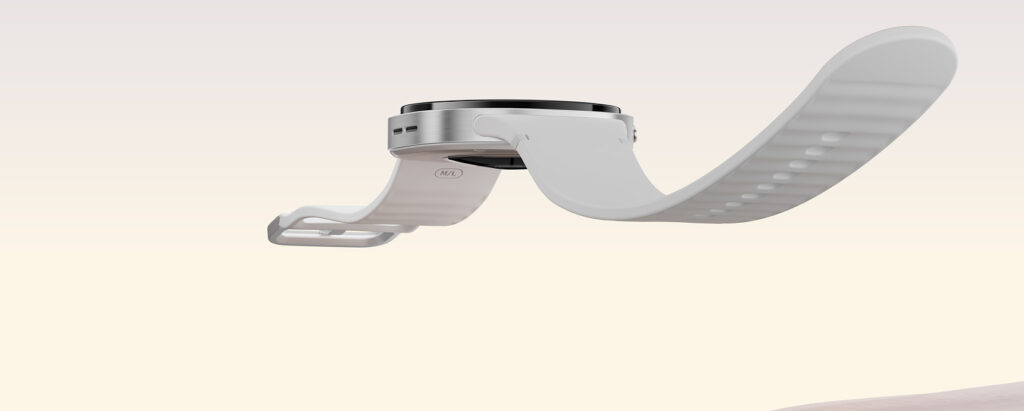
Instead, the manufacturer is set to focus on one cohesive design language: a round case, thinner bezels, and touch control around the screen instead of a physical bezel. This is a decision that simplifies the offering, but not everyone will like it.
Battery and Charging
Battery life is, alongside the processor, the second thing that most interests buyers. Here, the leaks are optimistic.
- 40 mm version — a cell with a capacity of about 382 mAh, marketed as 400 mAh. Samsung is expected to advertise this as an increase of about 23% compared to the Galaxy Watch 8, which has a battery of 325 mAh in this size.
- Wersja 44 mm — akumulator rzędu 435 mAh, co przy oszczędniejszym ekranie i optymalizacji systemu ma pozwolić na dłuższą pracę między ładowaniami.
W praktyce większa bateria oznacza realną szansę na dwa dni działania przy umiarkowanym korzystaniu. Dla wielu użytkowników to właśnie ta zmiana, a nie procesor, przesądzi o sensie przesiadki ze starszego zegarka.
Funkcje zdrowotne i AI
Pod względem zdrowia nowy zegarek ma kontynuować to, co Samsung dopracowywał przez ostatnie generacje. Według przecieków wracają wszystkie kluczowe czujniki:
- EKG — pomiar zapisu pracy serca prosto z nadgarstka.
- Pomiar ciśnienia krwi — funkcja dostępna po kalibracji tradycyjnym ciśnieniomierzem.
- Saturacja (SpO2) — kontrola natlenienia krwi.
- Temperatura skóry — wykorzystywana m.in. do analizy snu i cyklu.
Nowością ma być mocniejszy nacisk na analizę zdrowia wspieraną przez AI — spersonalizowane wskazówki dotyczące snu, aktywności i regeneracji. Zegarek ma działać pod kontrolą Wear OS z nakładką One UI Watch, ściśle zintegrowaną z telefonami Galaxy.

Galaxy Watch 9 vs Galaxy Watch 8 — co się zmienia
Jeśli masz Galaxy Watch 8, różnice są ewolucyjne. Największy zysk to bateria i porządki w ofercie.
Cecha Galaxy Watch 8 (2025) Galaxy Watch 9 (przeciek) Rozmiary 40 i 44 mm 40 i 44 mm Bateria (40 mm) ok. 325 mAh ok. 400 mAh (+23%) Wersja Classic ✅ ❌ Procesor Exynos W1000 Exynos W1000 lub Wear Elite System One UI Watch (Wear OS) One UI Watch (Wear OS) Premiera lipiec 2025 lipiec 2026 Dla posiadaczy Watcha 8 to upgrade „dla chcących», a nie konieczność. Dłuższy czas pracy kusi, ale zestaw czujników zostaje na podobnym poziomie. Większy sens przesiadka ma dla osób z Galaxy Watch 6 lub starszym sprzętem, gdzie skok baterii i wydajności będzie naprawdę odczuwalny.
Cena i dostępność w Polsce
Samsung has not yet provided Polish prices, but leaks indicate a reference point. In the USA, the Bluetooth version is expected to start at $349, while LTE models are expected to be more expensive by $30–40. In Europe, a price of around €409 has appeared for the basic variant.
Translating this to our market and the price of the predecessor, in Poland the new watch should cost approximately from 1,499 to 1,699 PLN for the 40 mm Bluetooth version. The 44 mm variant and LTE models will be correspondingly more expensive. This is still an estimate; we will know the official price list on the day of the premiere.
What else will Samsung show at Unpacked
Unpacked on July 22 is not just about the watch. On the same day, Samsung is expected to refresh practically the entire line of wearable and foldable devices. The following information also comes from leaks.
- Galaxy Watch Ultra 2 — a stronger watch with a 47 mm titanium case, 800 mAh battery, and a new 3 nm chip. You can find details in the text about what we know about the Galaxy Watch Ultra 2.
- Galaxy Z Fold 8 and Z Flip 8 — a new generation of foldables with larger batteries and faster charging.
- Galaxy Glasses — the first smart glasses from Samsung, which have been talked about for several months.
If you are choosing between the standard Watch 9 and the Ultra 2, the key difference is the battery, durability, and price. The Watch 9 is aimed at everyday wear, while the Ultra 2 is designed for extreme sports and maximum battery life.
Accessories for Galaxy Watch 9 — what to prepare
The new watch will retain the case sizes of 40 and 44 mm, so bands and glasses compatible with the Galaxy Watch 8 are likely to work with the new generation as well. Final compatibility will be confirmed right after the premiere.
If you want to have protection and a replaceable strap ready for the first day, check out our categories. You will find accessories for current Samsung models — accessories for Galaxy Watch 8, a wide selection of watch straps, and a comprehensive category of straps, glasses, and bands for Galaxy Watch. We will add and update the category for the new model with products right after the official premiere.
Summary
The Galaxy Watch 9 is shaping up to be a calm, thoughtful upgrade. There are no revolutions here, but there are specific changes: a larger battery, a streamlined offering without a Classic version, and two proven case sizes. The premiere is set to take place on July 22, 2026, at Galaxy Unpacked in London, along with the Galaxy Watch Ultra 2 and a new generation of foldables.
The key takeaways (all based on leaks, without official confirmation from Samsung):
- Premiere: 22 lipca 2026 na Galaxy Unpacked w Londynie.
- Key changes: bateria większa o ok. 23%, koniec wersji Classic, dwa rozmiary 40 i 44 mm.
- Price: prawdopodobnie od ok. 1 499 zł za wersję 40 mm Bluetooth, na podstawie poprzednika i cen z przecieków.
Czekasz na nowy zegarek? Skompletuj ochronę i paski zawczasu — akcesoria do Galaxy Watch 8 są dostępne od ręki, a kategorię nowego modelu aktualizujemy zaraz po premierze.
FAQ — najczęściej zadawane pytania
Kiedy premiera Galaxy Watch 9?
Według przecieków premiera odbędzie się 22 lipca 2026 podczas Galaxy Unpacked w Londynie. Samsung nie potwierdził jeszcze oficjalnie tej daty, ale przejście urządzenia przez FCC w połowie czerwca sugeruje, że debiut jest bardzo blisko.Ile będzie kosztować Samsung Galaxy Watch 9?
Oficjalnej ceny w Polsce jeszcze nie ma. Wersja Bluetooth ma startować od około 349 dolarów (409 euro), co w naszych realiach oznacza orientacyjnie od 1 499 do 1 699 zł za model 40 mm. Wariant LTE i 44 mm będą droższe.Czy będzie Galaxy Watch 9 Classic z obrotowym bezelem?
Prawdopodobnie nie. Według zgłoszeń do FCC Samsung rezygnuje w tej generacji z wersji Classic. Jeśli zależy Ci na fizycznym, obrotowym pierścieniu, realną opcją zostają starsze modele lub linia Ultra.What processor does the Galaxy Watch 9 have?
It’s still uncertain. Some leaks point to the known Exynos W1000, while others suggest the new Snapdragon Wear Elite in a 3 nm process. The final answer will only be known during the official launch.What are the differences between the Galaxy Watch 9 and Watch 8?
The biggest changes are a battery that is about 23% larger and the absence of a Classic version. The case sizes (40 and 44 mm) and the set of health sensors remain similar. It’s an evolution, not a revolution.Do straps from the Galaxy Watch 8 fit the Galaxy Watch 9?
Most likely yes. The new model retains the case sizes of 40 and 44 mm, so the straps and glasses for the Watch 8 should also fit the new generation. Final compatibility will be confirmed after the launch. -
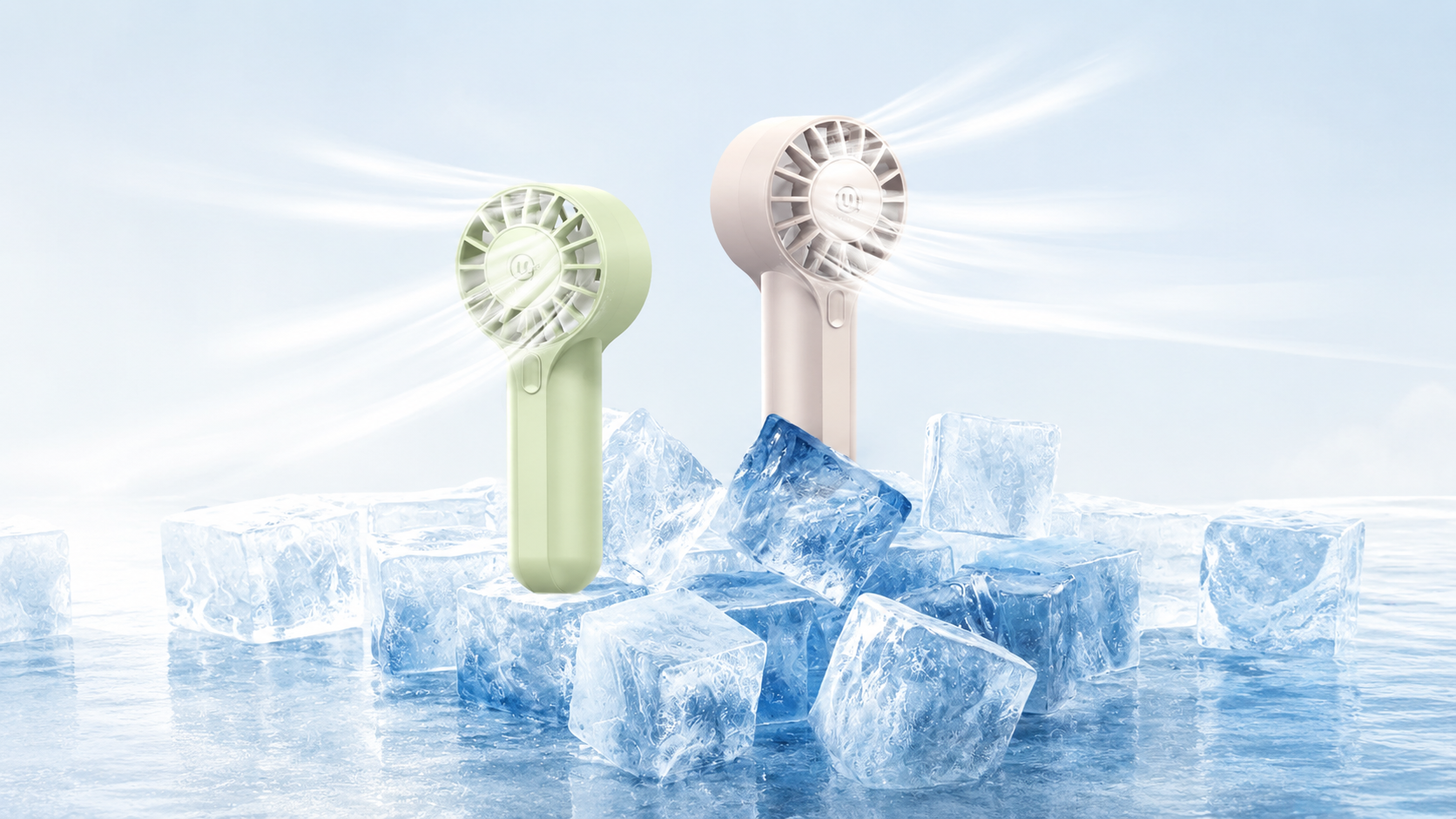
Best Handheld Fan: TOP 10 Fans for Summer 2026
The best hand fan for hot weather is the Spigen A905 Mini (85 zł), a pocket-sized model with a 1800 mAh battery and up to 11 hours of operation. The most powerful is the AWEI F38 MINI (89 zł) with a motor speed of 13,500 RPM, while you can cool off the cheapest with the USAMS Mini Pocket ZB354 for 15.90 zł. Below is the full ranking of the TOP 10 with prices and specifications.
Summer is in full swing, and the heat can be tough in a tram, at a festival, or in a stuffy office without air conditioning. A small fan in your bag costs less than a meal out, and you feel the difference immediately. The problem is that the models look almost identical, and they differ in battery life, airflow strength, and weight. We have gathered the ten best hand fans available at homescreen.pl and suggest which one to choose for your scenario.
How to choose a hand fan? The most important criteria
Before we move on to the ranking, it’s worth knowing what to pay attention to. A good hand fan is a compromise between airflow strength and operating time. A stronger gust drains the battery faster.
- Battery capacity (mAh): determines the operating time. 1200 mAh lasts a few hours on low speed, while 3600 mAh lasts all day away from home.
- Number of speeds: at least three speeds provide real control over airflow strength and noise level.
- Waga: poniżej 100 g wentylator zniknie w kieszeni, powyżej 200 g lepiej sprawdzi się na biurku niż w dłoni.
- Ładowanie USB-C: dziś standard w lepszych modelach. Naładujesz je tym samym kablem co telefon, także z powerbanku.
- Głośność: na najwyższym biegu każdy mały wentylator szumi. Liczy się dobrze dobrany bieg średni, cichy, a wciąż wyczuwalny.
- Typ: do ręki, na biurko, składany, na szyję czy wielofunkcyjny. Każdy pasuje do innej sytuacji.
Nie daj się nabrać na hasła typu „turbo» bez podanych parametrów. Liczą się konkretne mAh, obroty i deklarowany czas pracy. Warto też zwrócić uwagę na materiały: obudowy z ABS i PP są lekkie i odporne na drobne upadki, co przy urządzeniu noszonym w torbie ma znaczenie. Jeśli szukasz sprzętu do plecaka, celuj w wentylator przenośny do 100 g z baterią co najmniej 1800 mAh.
Porada: standard USB-C (USB-IF) sprawia, że jeden kabel obsłuży telefon, słuchawki i wentylator. To realna wygoda w podróży, dlatego traktujemy USB-C jako plus przy wyborze.
Ranking: TOP 10 najlepszych wiatraków ręcznych 2026
Ten models, which are really worth considering, from a budget-friendly mini for 15.90 zł to a multifunctional machine. Each made it here for a specific feature, not for a pretty box. Brands Spigen, USAMS, and AWEI offer a real choice between price and capabilities.
1. Spigen A905 Mini: the best pocket fan
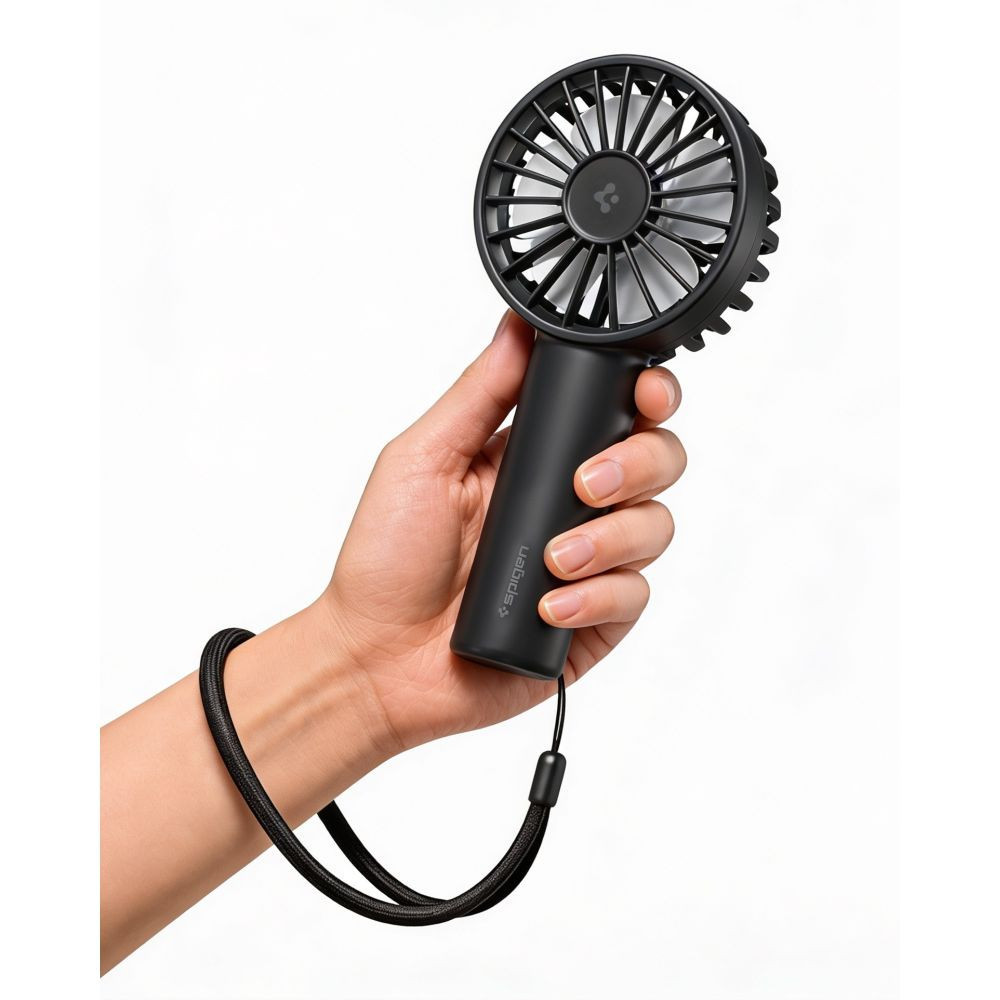
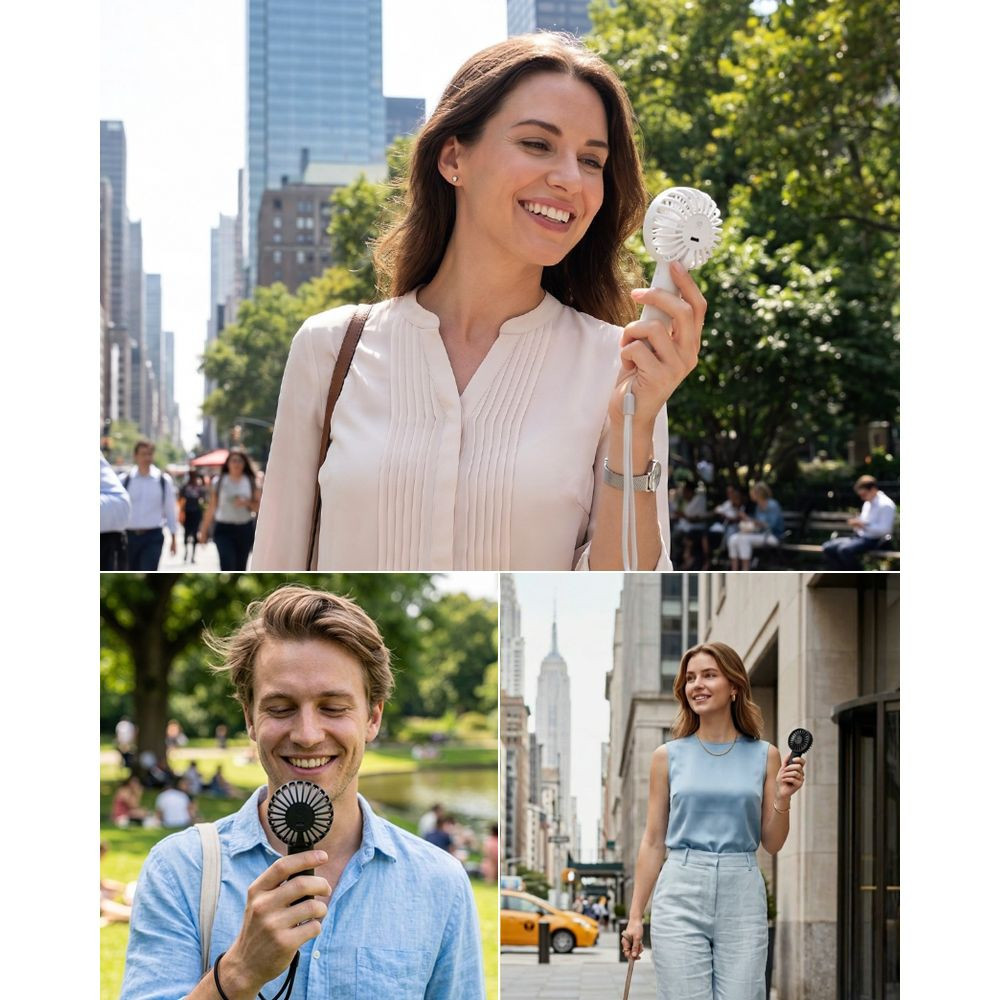
Our daily choice. Spigen A905 Mini combines a solid accessory brand (Spigen) with a reasonable price of 85 zł. The five-blade rotor and wide air intake provide a clear, even breeze, and the 1800 mAh battery lasts for 11 hours on the lowest setting (6 h on medium, 3 h on maximum).
It weighs only 95 g and fits in your pocket. The non-slip silicone base allows it to be placed on a desk, and the illuminated button ring and included wrist strap are nice details. The package includes a USB-C to USB-C cable (100 cm).
- Bateria: 1800 mAh (do 11 h)
- Prędkości: 3 biegi
- Waga: 95 g
- Ładowanie: USB-C, kabel w zestawie
- Plus: pasek na rękę i podstawka 2w1
2. AWEI F38 MINI: najmocniejszy wiatrak do ręki
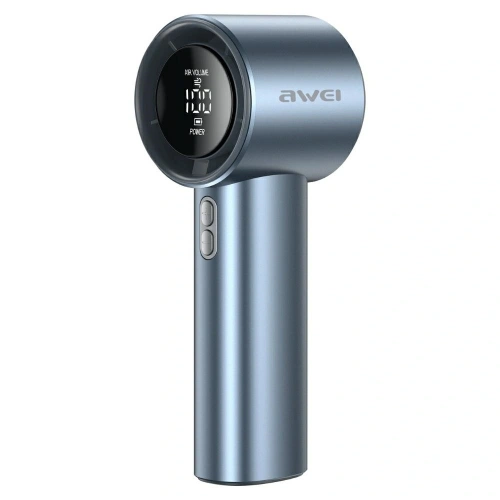
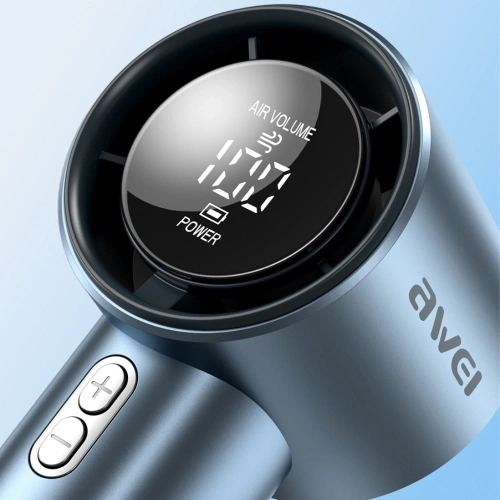
Dla tych, którzy chcą poczuć wiatr. AWEI F38 MINI (89 zł) to najmocniejszy i najbardziej wytrzymały handheld w zestawieniu. Silnik kręci się z prędkością 13 500 obr./min, a strumień powietrza osiąga do 10,5 m/s. Bateria 3600 mAh daje od 2 do nawet 10 godzin pracy, zależnie od biegu.
Największy atut to płynna regulacja: aż 100 poziomów siły nawiewu i wyświetlacz LED pokazujący poziom baterii oraz aktualną moc. Ładowanie przez USB-C (5V/2A) trwa około 3 godzin. Przy 212 g to model, który dobrze leży w dłoni i wygląda elegancko.
- Bateria: 3600 mAh (do 10 h)
- Silnik: 13 500 obr./min, do 10,5 m/s
- Regulacja: 100 poziomów, wyświetlacz LED
- Waga: 212 g
- Plus: największa bateria i najdłuższy czas pracy
3. USAMS Ice-Cooling Digital High-Speed: najlepszy stosunek mocy do ceny
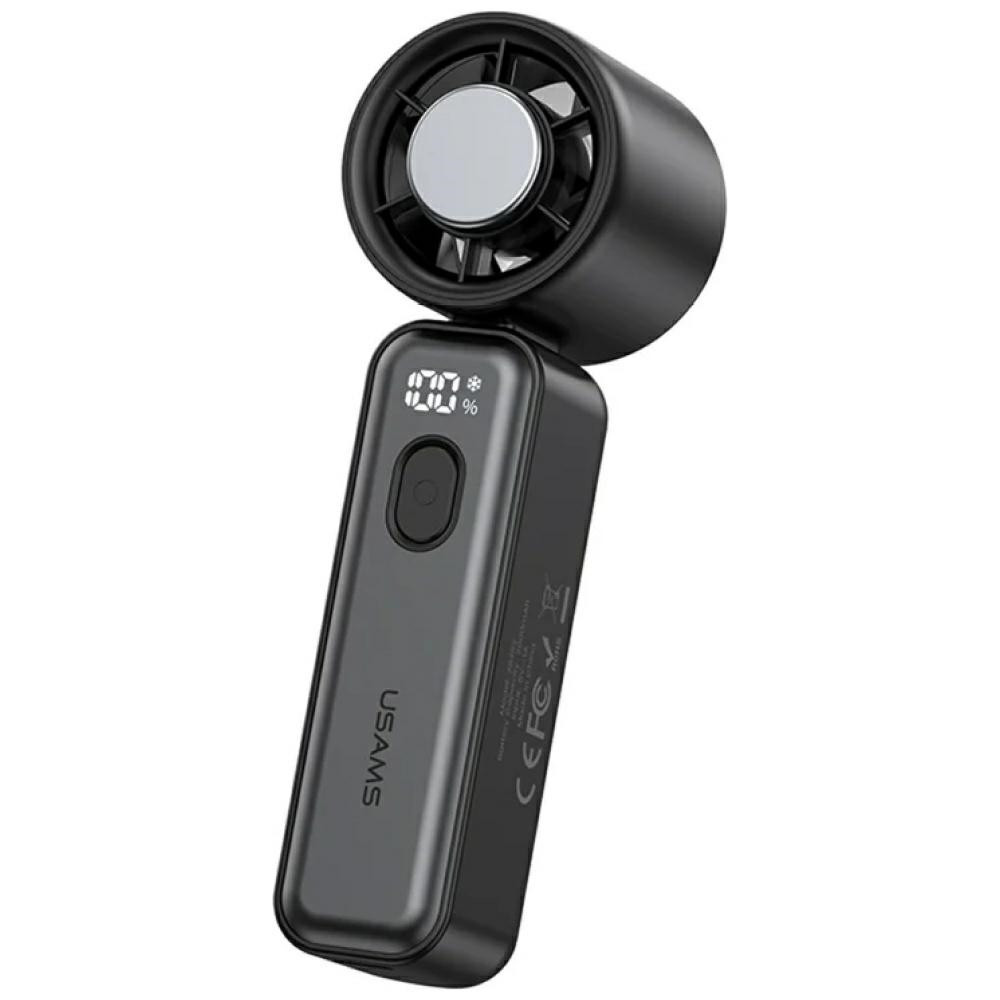
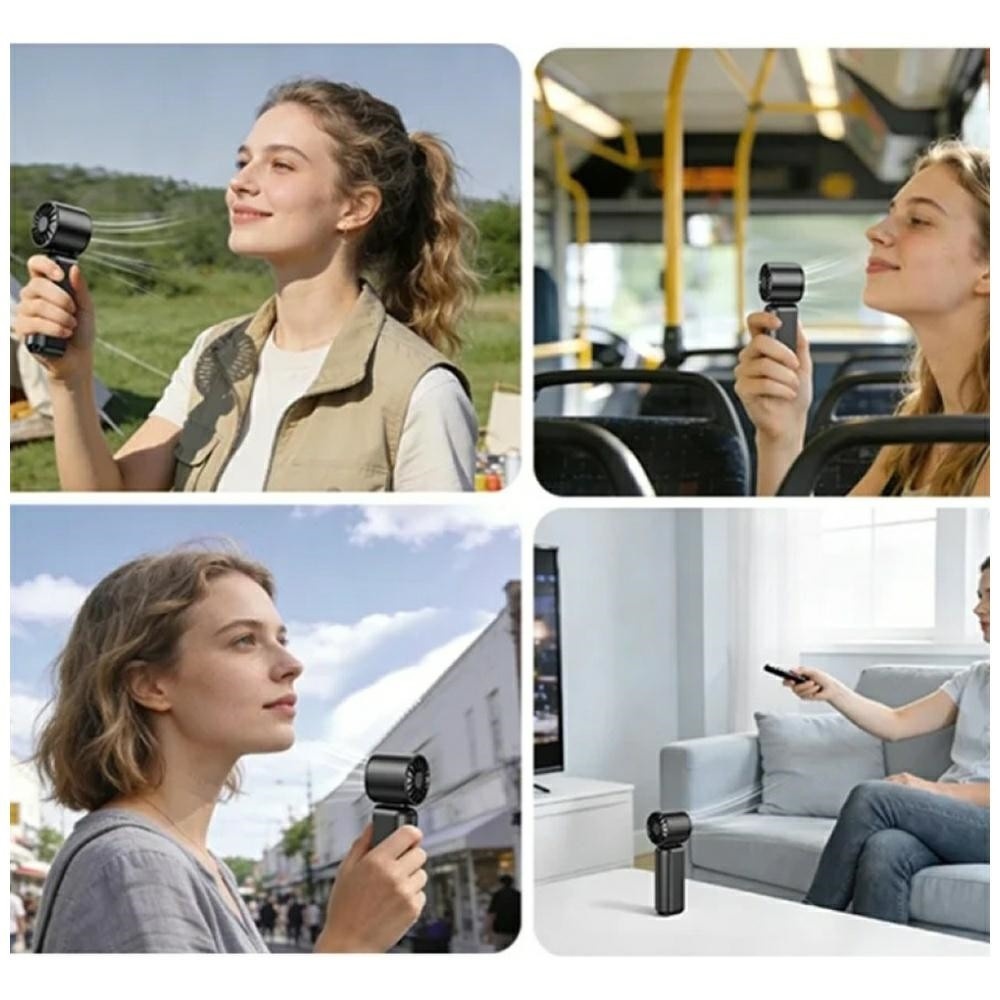
Dużo mocy za mało pieniędzy. USAMS Ice-Cooling Digital High-Speed (49 zł) to najmocniejszy wentylator w swojej półce cenowej. Silnik High-Speed kręci się z prędkością do 14 000 obr./min i przy mocy 7 W generuje silny strumień powietrza. Technologia Ice-Cooling potęguje wrażenie chłodu.
Bateria 2000 mAh jest jedną z pojemniejszych w rankingu, a cyfrowy wyświetlacz LED pokazuje dokładny poziom naładowania. Koniec ze zgadywaniem, ile zostało energii. Regulacja siły nawiewu jest płynna. Przy 115 g spokojnie wrzucisz go do plecaka, a ładowanie USB-C trwa około 2 godzin.
- Bateria: 2000 mAh
- Silnik: do 14 000 obr./min, 7 W
- Wyświetlacz: cyfrowy LED (poziom baterii)
- Waga: 115 g
- Plus: najmocniejszy nawiew w cenie 49 zł
4. USAMS magnetyczny na biurko: najlepszy do pracy i domu

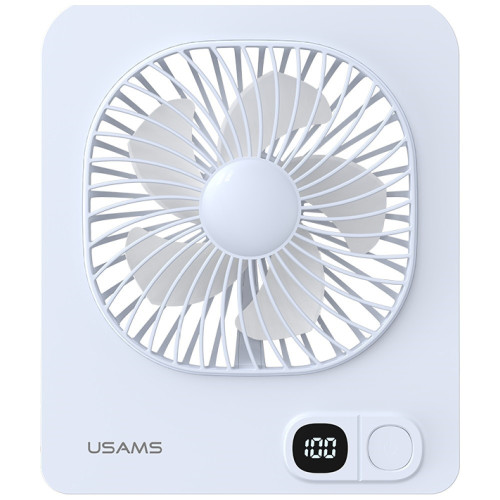
Best when you don’t want to hold it in your hand. USAMS magnetic fan (49 zł) is a hybrid of a handheld and desktop fan. The base rotates 180°, and the magnetic mount allows you to attach it to a metal surface without drilling, for example, to a computer case, refrigerator, or shelf.
The 2000 mAh battery provides up to 6 hours of operation on the first speed (3.5 h on the second, 2.5 h on the highest). The battery indicator informs you of the charge level. Weighing 225 g, it is the heaviest in this group, but it is a model that is meant to stand, not lie in your pocket. Perfect for a desk in a stuffy office.
- Battery: 2000 mAh (up to 6 h)
- Mounting: magnetic, no drilling
- Adjustment: base rotation 180°
- Weight: 225 g
- Plus: stands independently and can be attached to metal
5. AWEI F45 with clip: best desktop fan
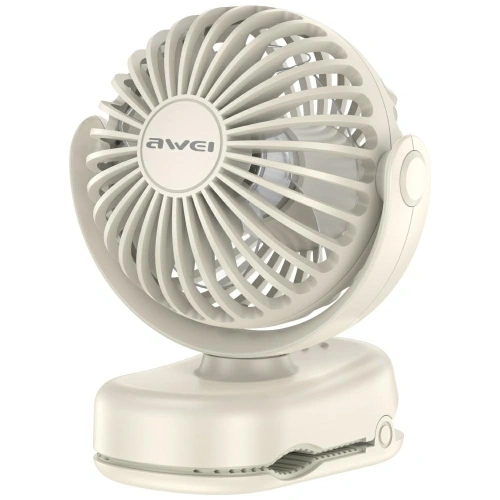
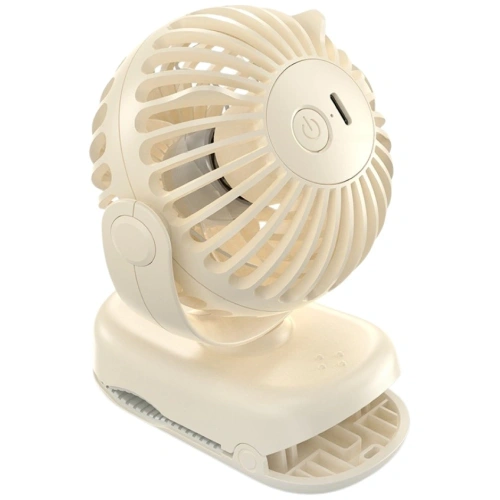
You can attach it wherever you want. AWEI F45 with clip (69 zł) is a desk fan with a sturdy clip that you can attach to the edge of a desk, shelf, or cart. The rotating head directs the airflow exactly where it’s needed, and the dense protective grille ensures finger safety.
The 1200 mAh battery lasts up to 7 hours on the first speed (2.5 h on the second, 1.5 h on the third). Three speeds cover the range from a gentle breeze to intense cooling. Charging via USB takes about 2 hours. It’s a good choice if you want your hands free while working on the computer.
- Battery: 1200 mAh (up to 7 h)
- Mounting: clip + for desk
- Adjustment: rotating head
- Power: 5 W, 3 speeds
- Plus: longest operation among desk fans with 1200 mAh
6. USAMS LiFE LU02: the most versatile
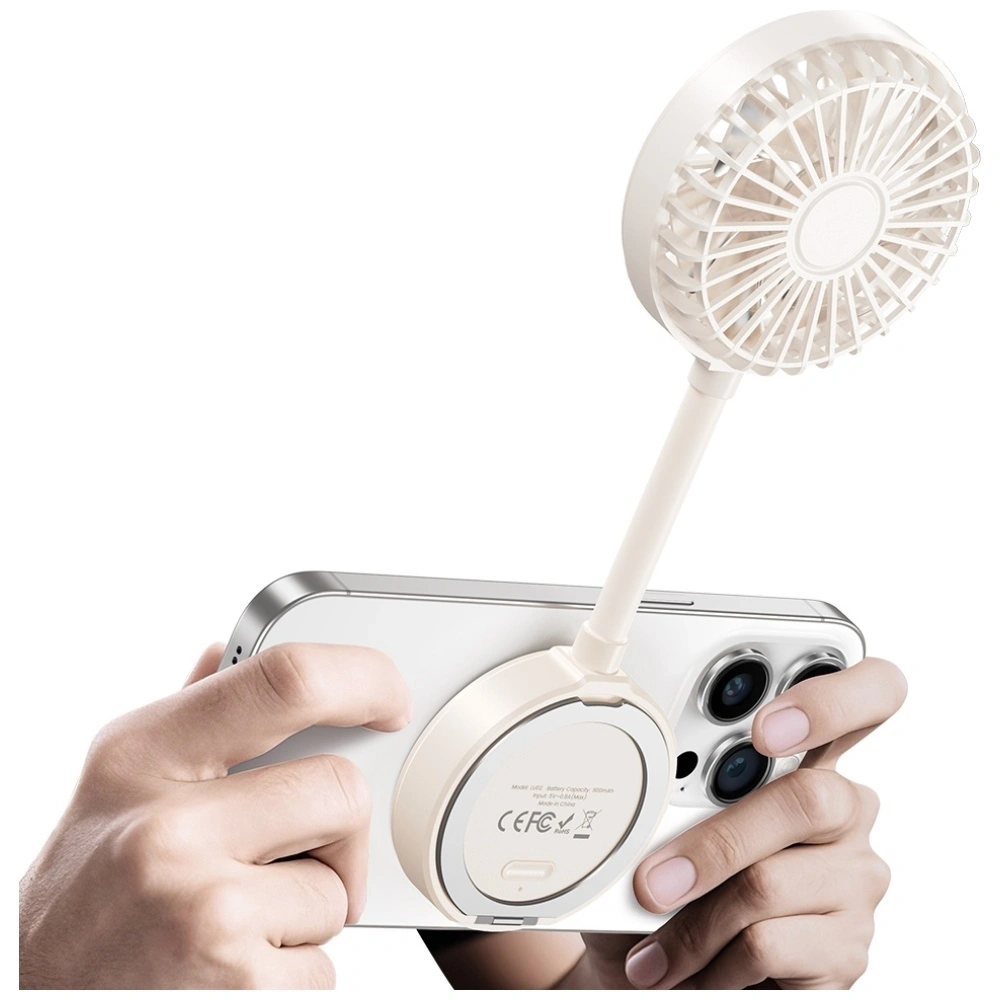
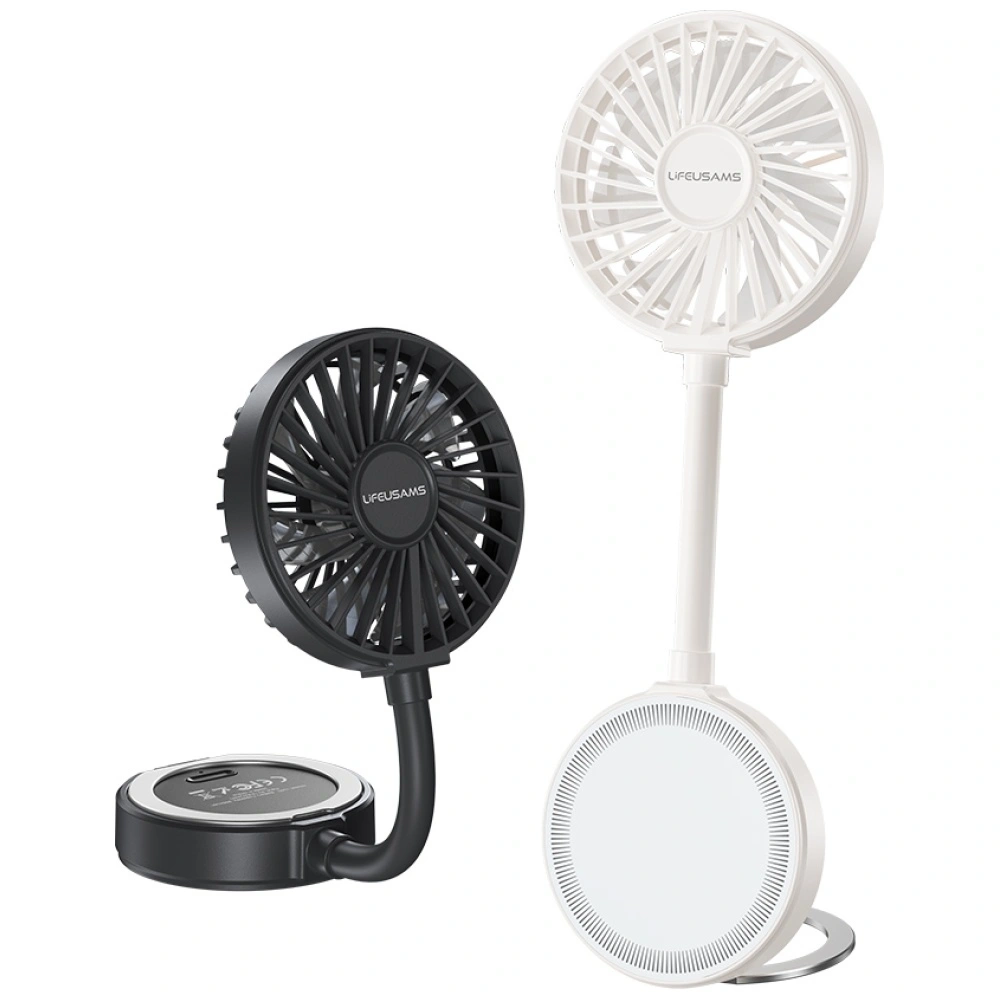
Fan, phone, and tripod in one. USAMS LiFE LU02 (59 zł) features a flexible goose neck and a magnetic phone holder. The bendable design can be set at any angle, and the steel ring allows you to hang the fan or rest it on a countertop.
It is the lightest of the «desktop» models, weighing only 95 g with a slim body of 208 × 75 × 23 mm. The 900 mAh battery and 3.9 W power are sufficient for cooling while working, and the magnetic holder will keep the phone in place while watching movies. Charging takes about 2 hours. A versatile gadget for the desk and travel.
- Battery: 900 mAh
- Design: flexible goose neck
- Bonus: magnetic phone holder
- Waga: 95 g
- Plus: chłodzi i trzyma telefon jednocześnie
7. Składany USAMS ZB352: najlepszy do podróży
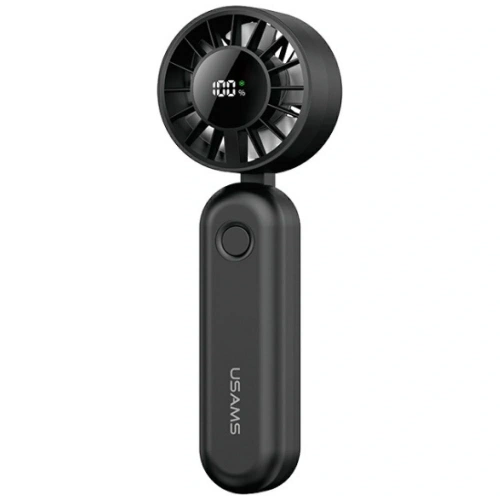
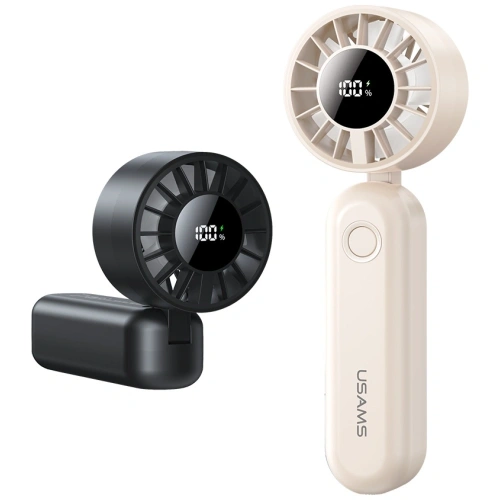
Raz w dłoni, raz na biurku. Składany USAMS ZB352 (49 zł) zmienia się z wentylatora ręcznego w biurkowy jednym ruchem. Regulacja kąta pozwala skierować powietrze dokładnie na siebie, a cyfrowy wyświetlacz pokazuje poziom baterii.
Bateria 1200 mAh zasila aż pięć biegów, więc dobierzesz siłę nawiewu do sytuacji. Przy 92 g i kompaktowych wymiarach 148 × 51 × 37 mm bez trudu schowasz go do torby. Ładowanie USB-C trwa około 2 godzin. To najbardziej praktyczny „dwa w jednym» w rankingu.
- Bateria: 1200 mAh
- Konstrukcja: składany, ręczny i biurkowy
- Prędkości: 5 biegów
- Waga: 92 g
- Plus: składa się na płasko, idealny w podróż
8. USAMS Mini ZB288: najlepszy budżetowy handheld

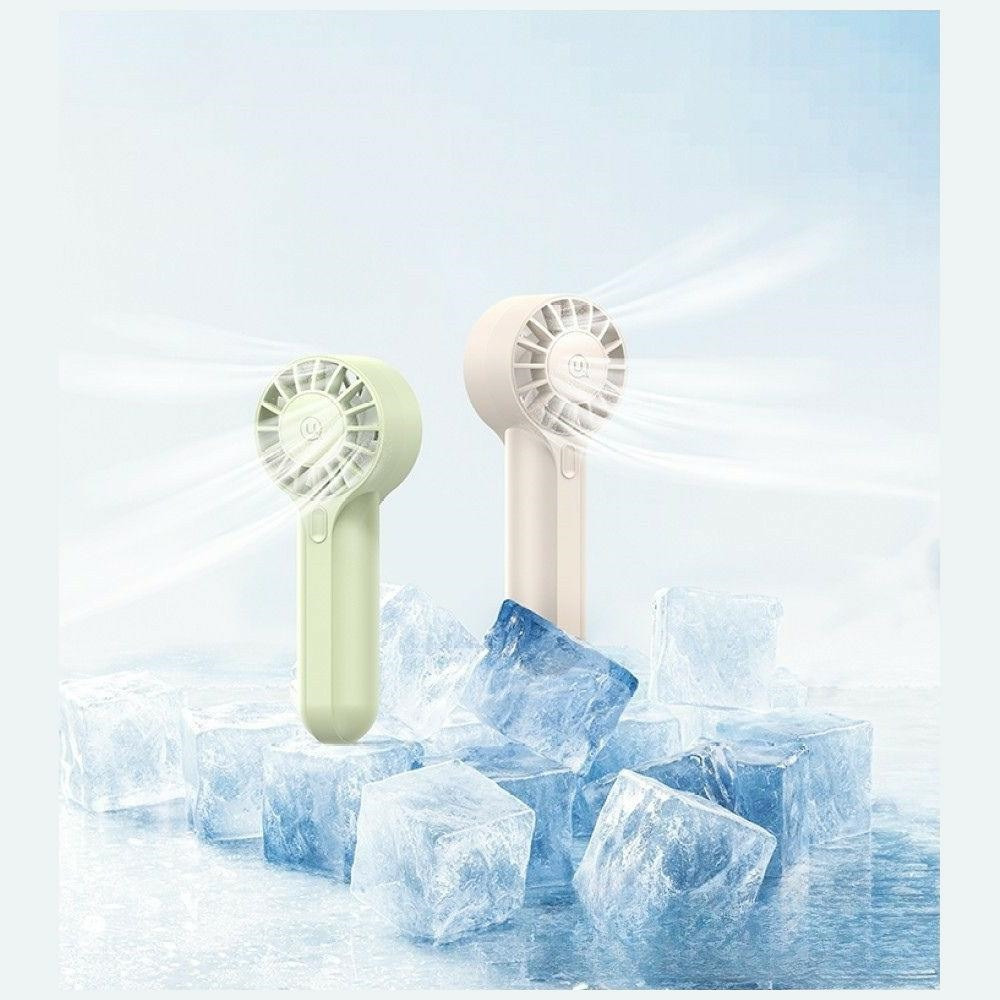
Tani, lekki, wystarczający. USAMS Mini ZB288 (29 zł) to świetny wybór na start lub jako drugi egzemplarz dla dziecka. Ergonomiczny uchwyt dobrze leży w dłoni, a trzy prędkości pokrywają większość sytuacji.
Bateria 1200 mAh pracuje do 4,7 godziny na pierwszym biegu, 2,4 h na drugim i 1,5 h na trzecim. Przy 81 g to jeden z najlżejszych modeli w rankingu. Ładowanie USB-C i kabel w komplecie. Za tę cenę trudno o coś sensowniejszego.
- Bateria: 1200 mAh (do 4,7 h)
- Prędkości: 3 biegi
- Waga: 81 g
- Ładowanie: USB-C, kabel w zestawie
- Plus: znakomity stosunek ceny do możliwości
9. AWEI F40 3w1: najbardziej wielofunkcyjny
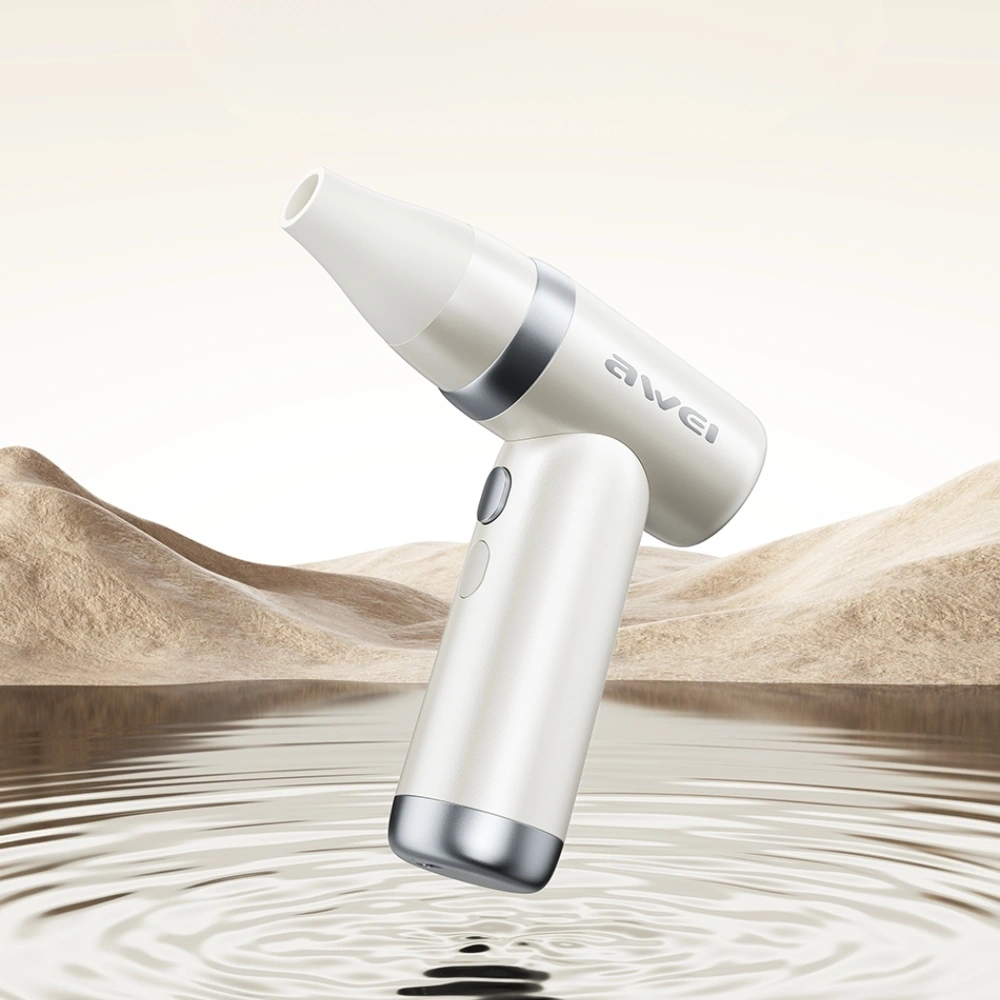
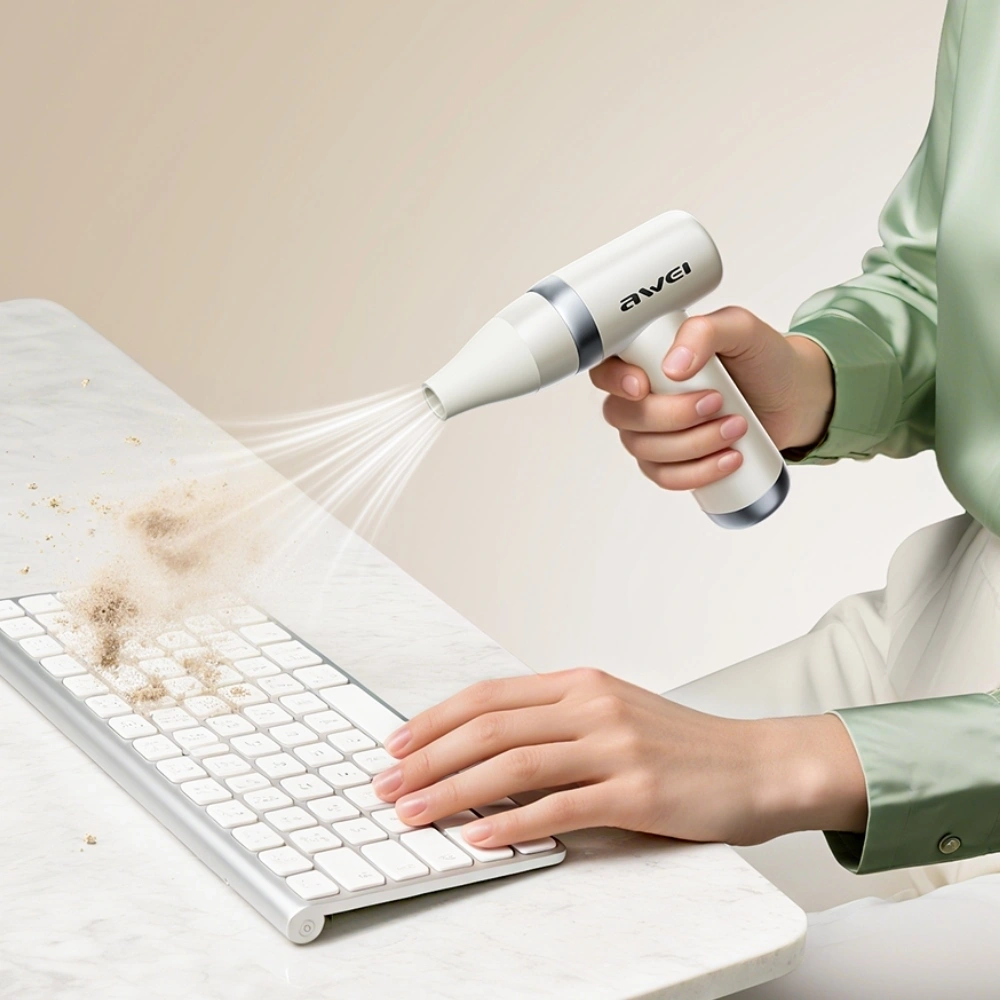
Wiatrak, dmuchawa i odkurzacz w jednym. AWEI F40 3w1 (159 zł) to najbardziej rozbudowany model w zestawieniu. Bezszczotkowy silnik z aluminiowymi łopatkami rozpędza się do 82 000 obr./min, więc oprócz chłodzenia posłuży do zdmuchiwania kurzu z klawiatury, czyszczenia zakamarków czy suszenia sierści zwierzaka.
W komplecie znajdziesz wymienne dysze (długą i krótką), dwie szczotki czyszczące oraz welurowe etui. Bateria 3300 mAh i cztery tryby prędkości dają dużą elastyczność, a ładowanie USB-C (5V/2A) trwa około 2 godzin. Przy 210 g to poręczny kombajn dla domu i biurka.
- Bateria: 3300 mAh
- Funkcje: wiatrak, dmuchawa, odkurzanie, suszenie
- Silnik: bezszczotkowy, do 82 000 obr./min
- Akcesoria: 2 dysze, 2 szczotki, etui
- Plus: cztery urządzenia w cenie jednego
10. USAMS Mini Pocket ZB354: najtańszy i najmniejszy
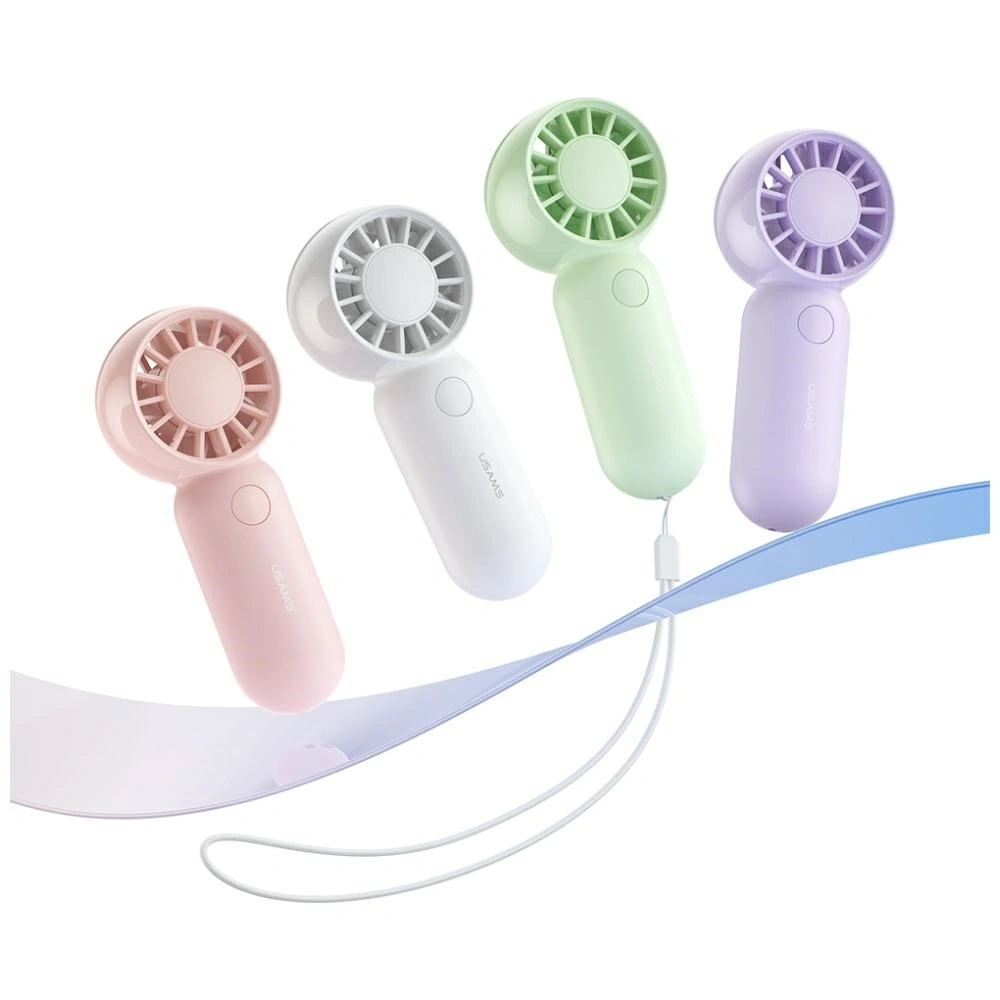
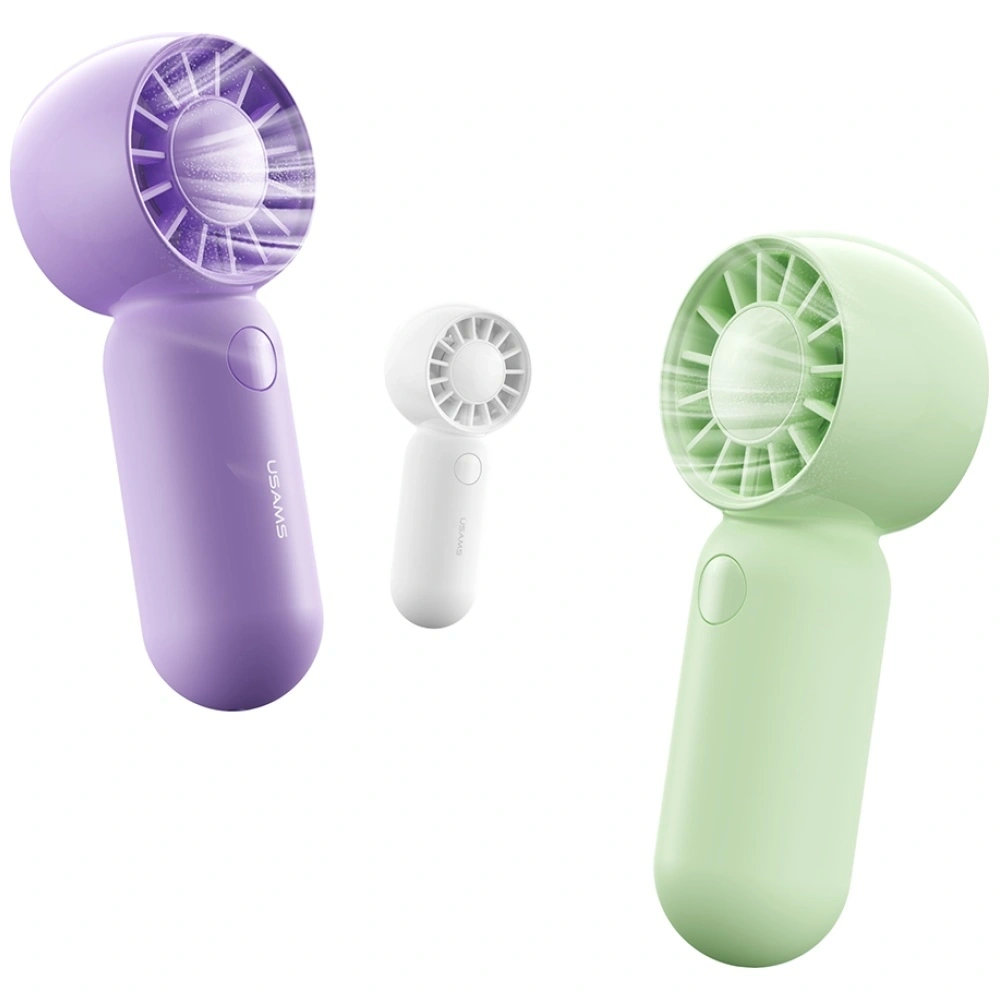
Najmniej pieniędzy, najmniej miejsca. USAMS Mini Pocket ZB354 (15,90 zł) to najtańszy i najlżejszy mini wentylator w rankingu. Waży zaledwie 55 g i zmieści się w każdej kieszeni czy małej torebce. Trzy prędkości dają zakres od delikatnego powiewu po mocniejszy nawiew.
Battery 500 mAh works for about 2 hours on the lowest setting and 36 minutes on maximum, so it’s more of a device for short outings than for a whole day. For less than 16 PLN, however, you get a fully functional fan for hot afternoons. Great as a gift and for a child.
- Battery: 500 mAh (up to 2 h)
- Speeds: 3 settings
- Weight: 55 g (lightest)
- Price: 15.90 PLN
- Pros: the cheapest fan in the comparison
Comparison of handheld fans
# Model Marka Bateria Waga Wyróżnik Cena 1 Spigen A905 Mini Spigen 1800 mAh 95 g do 11 h, pasek + podstawka 85 zł 2 AWEI F38 MINI AWEI 3600 mAh 212 g 100 poziomów, wyświetlacz 89 zł 3 USAMS Ice-Cooling High-Speed USAMS 2000 mAh 115 g 14 000 obr./min 49 zł 4 USAMS magnetyczny na biurko USAMS 2000 mAh 225 g magnes, obrót 180° 49 zł 5 AWEI F45 z klipsem AWEI 1200 mAh , klips, do 7 h 69 zł 6 USAMS LiFE LU02 USAMS 900 mAh 95 g gęsia szyja + uchwyt 59 zł 7 Składany USAMS ZB352 USAMS 1200 mAh 92 g składany, 5 biegów 49 zł 8 USAMS Mini ZB288 USAMS 1200 mAh 81 g budżetowy, do 4,7 h 29 zł 9 AWEI F40 3w1 AWEI 3300 mAh 210 g wiatrak + dmuchawa 159 zł 10 USAMS Mini Pocket ZB354 USAMS 500 mAh 55 g najtańszy, najlżejszy 15,90 zł Chcesz zobaczyć pełną ofertę? Sprawdź wszystkie wentylatory i wiatraki ręczne w homescreen.pl →
Wentylator ręczny, na biurko, składany czy na szyję?
Not every scenario involves holding a fan in your hand. Match the type to the situation:
- On the go (walking, festival, transportation): a classic handheld fan like Spigen A905, AWEI F38, or budget-friendly ZB354. Lightweight, fits in your pocket.
- At the desk and home: magnetic model USAMS or AWEI F45 with a clip. They stand independently and direct airflow where needed.
- While traveling: foldable USAMS ZB352, which you can flatten and store in your bag.
- With hands-free: neck fans. In the homescreen.pl fan category, there are also AWEI models that go around your neck, convenient for cooking or cleaning.
How much power does a handheld fan consume?
This is a common question, and the answer is reassuring: pennies. A small handheld fan consumes between 3 to 7 W. Even charging it daily throughout the summer, the annual energy cost amounts to a few złoty, not dozens of złoty.
The key is the battery. A 2000 mAh model can be fully charged in about 2 hours, and then you can use it wirelessly for most of the day. In the field, you can recharge it from a power bank with the same USB-C cable you use for your phone. Therefore, a battery-operated fan is more convenient and cheaper to use than 230 V mains models.
Jak dbać o baterię wentylatora
Wbudowany akumulator litowo-jonowy wytrzyma setki cykli, jeśli traktujesz go rozsądnie. Kilka prostych zasad wydłuży życie wentylatora na lata.
- Nie zostawiaj go rozładowanego na miesiące: przed dłuższym przechowywaniem naładuj baterię do około połowy.
- Ładuj rozsądnym prądem: wentylatory pobierają 5 V, więc wystarczy zwykła ładowarka do smartfona lub port USB w laptopie. Mocna ładowarka GaN nie naładuje go szybciej.
- Unikaj skrajnych temperatur: nie zostawiaj urządzenia na parapecie w pełnym słońcu ani w rozgrzanym aucie.
Na wycieczce sprawdzi się duet wentylator plus powerbank. Dzięki niemu chłód masz zapewniony przez cały dzień poza domem.
Który wentylator ręczny wybrać?
Krótko i konkretnie, zależnie od Twoich priorytetów:
- Najlepszy na co dzień → Spigen A905 Mini. Długi czas pracy, pasek i podstawka, sprawdzona marka.
- Maksymalna moc i bateria → AWEI F38 MINI. 3600 mAh, 100 poziomów, wyświetlacz LED.
- Najwięcej mocy za 49 zł → USAMS Ice-Cooling High-Speed. Silnik 14 000 obr./min i wyświetlacz.
- On the desk → magnetic USAMS or AWEI F45 with a clip. Hands-free while working.
- For travel → foldable USAMS ZB352. Flat, handy, five speeds.
- Up to 30 PLN → USAMS Mini ZB288, and even cheaper USAMS Mini Pocket ZB354 for 15.90 PLN.
- Something more than a fan → AWEI F40 3in1, which blows, vacuums, and dries.
There is no wrong choice here. The difference comes down to where and how often you will use it.
Summary
The best hand fan for the 2026 season is the Spigen A905 Mini (85 PLN), which, thanks to 11 hours of operation, low weight, and practical accessories, will work almost anywhere. Do you care about power? Choose AWEI F38 MINI or the cheaper USAMS Ice-Cooling High-Speed. For the desk, go for the magnetic USAMS or AWEI F45, and for travel, take the foldable ZB352. Budget up to 30 PLN? USAMS Mini ZB288 and Mini Pocket ZB354 won’t disappoint.
All recommended models can be charged with a USB cable (better through USB-C), so you can charge them together with your phone, even while traveling. Check the full offer and current prices in the category fans and handheld fans at homescreen.pl → and choose a model for your heat.
FAQ: frequently asked questions about handheld fans
Which handheld fan is best for heat?
On a daily basis, the Spigen A905 Mini with a 1800 mAh battery and up to 11 hours of operation works best. If you want the strongest airflow, choose the AWEI F38 MINI (3600 mAh) or the cheaper USAMS Ice-Cooling High-Speed with a motor of up to 14,000 RPM.What is a good and cheap handheld fan?
The best price-to-quality ratio is offered by the USAMS Mini ZB288 for 29 PLN, and the cheapest option to cool you down is the USAMS Mini Pocket ZB354 for 15.90 PLN. Both have three speeds and are very lightweight. They are a great choice for a starter or for a child.How much does it cost to run a handheld fan for an hour?
Pennies. A small fan consumes 3-7 W, so an hour of operation costs a fraction of a penny. Even daily charging throughout the summer is an expense measured in zlotys per year.How long does a handheld fan work on a single charge?
It depends on the battery and speed. A 500 mAh model works for about 2 hours, a 1200 mAh for up to 4.7 hours, and a 3600 mAh for even up to 10 hours on low speed. At maximum speed, the operating time is cut in half or more.Does a handheld fan charge via USB-C?
Better models, like the Spigen A905, AWEI F38, or USAMS Ice-Cooling, have a USB-C port and can be charged with the same charger as your phone. The cheapest fans may be charged with an older USB port, which is worth checking in the specifications.What is better: a handheld fan or a tower fan?
These are two different tools. The tower fan cools the entire room but stands in one place and requires power from an outlet. The handheld fan is portable and can cool you anywhere, even outside the home. It’s best to have both: the tower for the evening at home, the handheld for your bag.Is the handheld fan loud?
At the lowest and medium speed, it operates quietly and does not interfere with conversation or work. The highest speed, especially in strong models like AWEI F38 or USAMS Ice-Cooling, is clearly audible, but you usually only use it during extreme heat. -
Best Handheld Fan: TOP 10 Fans for Summer 2026
The best handheld fan for hot weather is the Spigen A905 Mini (85 zł), a pocket-sized model with a 1800 mAh battery and up to 11 hours of operation. The most powerful is the AWEI F38 MINI (89 zł) with a motor speed of 13,500 rpm, while you can cool down the cheapest with the USAMS Mini Pocket ZB354 for 15.90 zł. Below is the full ranking of the TOP 10 with prices and specifications.
Summer is in full swing, and the heat can be tough in a tram, at a festival, or in a stuffy office without air conditioning. A small fan in your bag costs less than a meal out, and you feel the difference immediately. The problem is that the models look almost identical, and they differ in battery, airflow strength, and weight. We have gathered the ten best handheld fans available at homescreen.pl and suggest which one to choose for your scenario.
How to choose a handheld fan? The most important criteria
Before we move on to the ranking, it’s worth knowing what to pay attention to. A good handheld fan is a compromise between airflow strength and operating time. A stronger blast drains the battery faster.
- Battery capacity (mAh): determines the operating time. 1200 mAh lasts a few hours on low speed, while 3600 mAh lasts all day outside the home.
- Number of speeds: at least three speeds provide real control over strength and noise.
- Waga: poniżej 100 g wentylator zniknie w kieszeni, powyżej 200 g lepiej sprawdzi się na biurku niż w dłoni.
- Ładowanie USB-C: dziś standard w lepszych modelach. Naładujesz je tym samym kablem co telefon, także z powerbanku.
- Głośność: na najwyższym biegu każdy mały wentylator szumi. Liczy się dobrze dobrany bieg średni, cichy, a wciąż wyczuwalny.
- Typ: do ręki, na biurko, składany, na szyję czy wielofunkcyjny. Każdy pasuje do innej sytuacji.
Nie daj się nabrać na hasła typu „turbo» bez podanych parametrów. Liczą się konkretne mAh, obroty i deklarowany czas pracy. Warto też zwrócić uwagę na materiały: obudowy z ABS i PP są lekkie i odporne na drobne upadki, co przy urządzeniu noszonym w torbie ma znaczenie. Jeśli szukasz sprzętu do plecaka, celuj w wentylator przenośny do 100 g z baterią co najmniej 1800 mAh.
Porada: standard USB-C (USB-IF) sprawia, że jeden kabel obsłuży telefon, słuchawki i wentylator. To realna wygoda w podróży, dlatego traktujemy USB-C jako plus przy wyborze.
Ranking: TOP 10 najlepszych wiatraków ręcznych 2026
Ten models, som verkligen är värda att överväga, från en budgetvänlig liten sak för 15,90 zł till en multifunktionell kombinerad enhet. Var och en kom hit för en specifik egenskap, inte för en fin förpackning. Märkena Spigen, USAMS och AWEI erbjuder ett verkligt val mellan pris och möjligheter.
1. Spigen A905 Mini: bästa fickfläkt
Vårt val för vardagen. Spigen A905 Mini kombinerar ett solidt tillbehörsmärke (Spigen) med ett rimligt pris på 85 zł. Den fembladiga rotorn och den breda luftintaget ger en tydlig, jämn vind, och batteriet på 1800 mAh räcker i 11 timmar på lägsta hastighet (6 h på medelhastighet, 3 h på maximal).
Den väger bara 95 g och får plats i byxfickan. Den halkfria silikonbasen gör att den kan ställas på skrivbordet, och den belysta knappen och den medföljande handledsremmen är trevliga detaljer. I paketet ingår en USB-C till USB-C-kabel (100 cm).
- Bateria: 1800 mAh (do 11 h)
- Prędkości: 3 biegi
- Waga: 95 g
- Ładowanie: USB-C, kabel w zestawie
- Plus: pasek na rękę i podstawka 2w1
2. AWEI F38 MINI: najmocniejszy wiatrak do ręki
Dla tych, którzy chcą poczuć wiatr. AWEI F38 MINI (89 zł) to najmocniejszy i najbardziej wytrzymały handheld w zestawieniu. Silnik kręci się z prędkością 13 500 obr./min, a strumień powietrza osiąga do 10,5 m/s. Bateria 3600 mAh daje od 2 do nawet 10 godzin pracy, zależnie od biegu.
Największy atut to płynna regulacja: aż 100 poziomów siły nawiewu i wyświetlacz LED pokazujący poziom baterii oraz aktualną moc. Ładowanie przez USB-C (5V/2A) trwa około 3 godzin. Przy 212 g to model, który dobrze leży w dłoni i wygląda elegancko.
- Bateria: 3600 mAh (do 10 h)
- Silnik: 13 500 obr./min, do 10,5 m/s
- Regulacja: 100 poziomów, wyświetlacz LED
- Waga: 212 g
- Plus: największa bateria i najdłuższy czas pracy
3. USAMS Ice-Cooling Digital High-Speed: najlepszy stosunek mocy do ceny
Dużo mocy za mało pieniędzy. USAMS Ice-Cooling Digital High-Speed (49 zł) to najmocniejszy wentylator w swojej półce cenowej. Silnik High-Speed kręci się z prędkością do 14 000 obr./min i przy mocy 7 W generuje silny strumień powietrza. Technologia Ice-Cooling potęguje wrażenie chłodu.
Bateria 2000 mAh jest jedną z pojemniejszych w rankingu, a cyfrowy wyświetlacz LED pokazuje dokładny poziom naładowania. Koniec ze zgadywaniem, ile zostało energii. Regulacja siły nawiewu jest płynna. Przy 115 g spokojnie wrzucisz go do plecaka, a ładowanie USB-C trwa około 2 godzin.
- Bateria: 2000 mAh
- Silnik: do 14 000 obr./min, 7 W
- Wyświetlacz: cyfrowy LED (poziom baterii)
- Waga: 115 g
- Plus: najmocniejszy nawiew w cenie 49 zł
4. USAMS magnetyczny na biurko: najlepszy do pracy i domu
The best when you don’t want to hold it in your hand. USAMS magnetic fan (49 zł) is a hybrid of a handheld and desktop fan. The base rotates 180°, and the magnetic mount allows you to attach it to a metal surface without drilling, for example, to a computer case, refrigerator, or shelf.
A 2000 mAh battery provides up to 6 hours of operation on the first speed (3.5 h on the second, 2.5 h on the highest). The battery indicator informs about the charge level. Weighing 225 g, it is the heaviest in this group, but it is a model that is meant to stand, not lie in your pocket. Ideal for a desk in a stuffy office.
- Battery: 2000 mAh (up to 6 h)
- Mounting: magnetic, no drilling
- Adjustment: base rotation 180°
- Weight: 225 g
- Plus: stands alone and can be attached to metal
5. AWEI F45 with clip: the best desktop fan
You can clip it wherever you want. AWEI F45 with clip (69 zł) is a desk fan with a sturdy clip that you can attach to the edge of your desk, shelf, or cart. The rotating head directs airflow exactly where needed, and the dense protective grille ensures finger safety.
The 1200 mAh battery lasts up to 7 hours on the first speed (2.5 h on the second, 1.5 h on the third). Three speeds cover the range from a gentle breeze to intense cooling. Charging via USB takes about 2 hours. It’s a good choice if you want your hands free while working at the computer.
- Battery: 1200 mAh (up to 7 h)
- Mounting: clip + on desk
- Adjustment: rotating head
- Power: 5 W, 3 speeds
- Plus: longest runtime among desk fans with 1200 mAh
6. USAMS LiFE LU02: the most versatile
Fan, phone, and tripod in one. USAMS LiFE LU02 (59 zł) stands out with its flexible gooseneck and magnetic phone holder. The bendable design can be set at any angle, and the steel ring allows you to hang the fan or rest it on a countertop.
It is the lightest of the «desktop» models, weighing only 95 g with a slim body of 208 × 75 × 23 mm. The 900 mAh battery and 3.9 W power are sufficient for cooling while working, and the magnetic holder will keep your phone in place while watching movies. Charging takes about 2 hours. A versatile gadget for the desk and travel.
- Battery: 900 mAh
- Design: flexible gooseneck
- Bonus: magnetic phone holder
- Waga: 95 g
- Plus: chłodzi i trzyma telefon jednocześnie
7. Składany USAMS ZB352: najlepszy do podróży
Raz w dłoni, raz na biurku. Składany USAMS ZB352 (49 zł) zmienia się z wentylatora ręcznego w biurkowy jednym ruchem. Regulacja kąta pozwala skierować powietrze dokładnie na siebie, a cyfrowy wyświetlacz pokazuje poziom baterii.
Bateria 1200 mAh zasila aż pięć biegów, więc dobierzesz siłę nawiewu do sytuacji. Przy 92 g i kompaktowych wymiarach 148 × 51 × 37 mm bez trudu schowasz go do torby. Ładowanie USB-C trwa około 2 godzin. To najbardziej praktyczny „dwa w jednym» w rankingu.
- Bateria: 1200 mAh
- Konstrukcja: składany, ręczny i biurkowy
- Prędkości: 5 biegów
- Waga: 92 g
- Plus: składa się na płasko, idealny w podróż
8. USAMS Mini ZB288: najlepszy budżetowy handheld
Tani, lekki, wystarczający. USAMS Mini ZB288 (29 zł) to świetny wybór na start lub jako drugi egzemplarz dla dziecka. Ergonomiczny uchwyt dobrze leży w dłoni, a trzy prędkości pokrywają większość sytuacji.
Bateria 1200 mAh pracuje do 4,7 godziny na pierwszym biegu, 2,4 h na drugim i 1,5 h na trzecim. Przy 81 g to jeden z najlżejszych modeli w rankingu. Ładowanie USB-C i kabel w komplecie. Za tę cenę trudno o coś sensowniejszego.
- Bateria: 1200 mAh (do 4,7 h)
- Prędkości: 3 biegi
- Waga: 81 g
- Ładowanie: USB-C, kabel w zestawie
- Plus: znakomity stosunek ceny do możliwości
9. AWEI F40 3w1: najbardziej wielofunkcyjny
Wiatrak, dmuchawa i odkurzacz w jednym. AWEI F40 3w1 (159 zł) to najbardziej rozbudowany model w zestawieniu. Bezszczotkowy silnik z aluminiowymi łopatkami rozpędza się do 82 000 obr./min, więc oprócz chłodzenia posłuży do zdmuchiwania kurzu z klawiatury, czyszczenia zakamarków czy suszenia sierści zwierzaka.
W komplecie znajdziesz wymienne dysze (długą i krótką), dwie szczotki czyszczące oraz welurowe etui. Bateria 3300 mAh i cztery tryby prędkości dają dużą elastyczność, a ładowanie USB-C (5V/2A) trwa około 2 godzin. Przy 210 g to poręczny kombajn dla domu i biurka.
- Bateria: 3300 mAh
- Funkcje: wiatrak, dmuchawa, odkurzanie, suszenie
- Silnik: bezszczotkowy, do 82 000 obr./min
- Akcesoria: 2 dysze, 2 szczotki, etui
- Plus: cztery urządzenia w cenie jednego
10. USAMS Mini Pocket ZB354: najtańszy i najmniejszy
Najmniej pieniędzy, najmniej miejsca. USAMS Mini Pocket ZB354 (15,90 zł) to najtańszy i najlżejszy mini wentylator w rankingu. Waży zaledwie 55 g i zmieści się w każdej kieszeni czy małej torebce. Trzy prędkości dają zakres od delikatnego powiewu po mocniejszy nawiew.
Battery 500 mAh works for about 2 hours on the lowest setting and 36 minutes on maximum, so it’s more of a device for short outings than for a whole day. For less than 16 PLN, however, you get a fully functional fan for a hot afternoon. Great as a gift and for a child.
- Battery: 500 mAh (up to 2 h)
- Speeds: 3 settings
- Weight: 55 g (lightest)
- Price: 15.90 PLN
- Pros: the cheapest fan in the comparison
Comparison of handheld fans
# Model Marka Bateria Waga Wyróżnik Cena 1 Spigen A905 Mini Spigen 1800 mAh 95 g do 11 h, pasek + podstawka 85 zł 2 AWEI F38 MINI AWEI 3600 mAh 212 g 100 poziomów, wyświetlacz 89 zł 3 USAMS Ice-Cooling High-Speed USAMS 2000 mAh 115 g 14 000 obr./min 49 zł 4 USAMS magnetyczny na biurko USAMS 2000 mAh 225 g magnes, obrót 180° 49 zł 5 AWEI F45 z klipsem AWEI 1200 mAh , klips, do 7 h 69 zł 6 USAMS LiFE LU02 USAMS 900 mAh 95 g gęsia szyja + uchwyt 59 zł 7 Składany USAMS ZB352 USAMS 1200 mAh 92 g składany, 5 biegów 49 zł 8 USAMS Mini ZB288 USAMS 1200 mAh 81 g budżetowy, do 4,7 h 29 zł 9 AWEI F40 3w1 AWEI 3300 mAh 210 g wiatrak + dmuchawa 159 zł 10 USAMS Mini Pocket ZB354 USAMS 500 mAh 55 g najtańszy, najlżejszy 15,90 zł Chcesz zobaczyć pełną ofertę? Sprawdź wszystkie wentylatory i wiatraki ręczne w homescreen.pl →
Wentylator ręczny, na biurko, składany czy na szyję?
Not every scenario involves holding a fan in your hand. Match the type to the situation:
- On the go (walking, festival, transportation): a classic handheld fan like Spigen A905, AWEI F38, or the budget-friendly ZB354. Lightweight, fits in your pocket.
- At the desk and home: magnetic model USAMS or AWEI F45 with a clip. They stand independently and direct airflow where needed.
- While traveling: foldable USAMS ZB352, which you can flatten and store in your bag.
- With hands-free: neck fans. In the homescreen.pl fan category, there are also AWEI models worn around the neck, convenient for cooking or cleaning.
How much power does a handheld fan consume?
This is a common question, and the answer is reassuring: pennies. A small handheld fan consumes between 3 to 7 W. Even charging it daily throughout the summer, the annual energy cost amounts to a few złoty, not dozens of złoty.
The key is the battery. A 2000 mAh model can be fully charged in about 2 hours, and then you can use it wirelessly for most of the day. Outdoors, you can recharge it from a power bank with the same USB-C cable that you use for your phone. Therefore, a battery-operated fan is more convenient and cheaper to use than 230 V mains models.
How to take care of the fan battery
The built-in lithium-ion battery will last for hundreds of cycles if treated wisely. A few simple rules will extend the fan’s life for years.
- Do not leave it discharged for months: before long-term storage, charge the battery to about half.
- Charge with a reasonable current: fans draw 5 V, so a regular smartphone charger or a USB port on a laptop will suffice. A powerful GaN charger will not charge it faster.
- Avoid extreme temperatures: do not leave the device on a windowsill in full sun or in a heated car.
On a trip, a fan plus a power bank will work well together. Thanks to it, you have coolness guaranteed all day outside the home.
Which handheld fan to choose?
Briefly and specifically, depending on your priorities:
- Best for everyday use → Spigen A905 Mini. Long runtime, strap and stand, trusted brand.
- Maximum power and battery → AWEI F38 MINI. 3600 mAh, 100 levels, LED display.
- Most power for 49 PLN → USAMS Ice-Cooling High-Speed. 14,000 RPM motor and display.
- On the desk → magnetic USAMS or AWEI F45 with a clip. Hands-free while working.
- For travel → foldable USAMS ZB352. Flat, handy, five speeds.
- Up to 30 PLN → USAMS Mini ZB288, and even cheaper USAMS Mini Pocket ZB354 for 15.90 PLN.
- Something more than a fan → AWEI F40 3in1, which blows, vacuums, and dries.
There is no bad choice here. The difference comes down to where and how often you will use it.
Summary
The best handheld fan for the 2026 season is the Spigen A905 Mini (85 PLN), which, thanks to 11 hours of operation, low weight, and practical accessories, will work almost anywhere. Do you care about power? Choose AWEI F38 MINI or the cheaper USAMS Ice-Cooling High-Speed. For the desk, go for the magnetic USAMS or AWEI F45, and for travel, take the foldable ZB352. Budget up to 30 PLN? USAMS Mini ZB288 and Mini Pocket ZB354 won’t disappoint.
All recommended models can be charged with a USB cable (better through USB-C), so you can charge them together with your phone, even while traveling. Check the full offer and current prices in the category fans and handheld fans at homescreen.pl → and choose a model for your heat.
FAQ: frequently asked questions about handheld fans
Which handheld fan is best for hot weather?
On a daily basis, the best choice is the Spigen A905 Mini with a 1800 mAh battery and up to 11 hours of operation. If you need the strongest airflow, choose the AWEI F38 MINI (3600 mAh) or the cheaper USAMS Ice-Cooling High-Speed with a motor of up to 14,000 RPM.What is a good and cheap handheld fan?
The best price-to-quality ratio is offered by the USAMS Mini ZB288 for 29 PLN, while the cheapest option is the USAMS Mini Pocket ZB354 for 15.90 PLN. Both have three speeds and are very lightweight. They are a great choice for beginners or for a child.How much does it cost to run a handheld fan for an hour?
Pennies. A small fan consumes 3-7 W, so an hour of operation costs just a fraction of a penny. Even daily charging throughout the summer amounts to an expense measured in zlotys per year.How long does a handheld fan run on a single charge?
It depends on the battery and speed setting. A 500 mAh model runs for about 2 hours, a 1200 mAh for up to 4.7 hours, and a 3600 mAh for even up to 10 hours on low speed. At maximum speed, the runtime is cut in half or more.Does the handheld fan charge via USB-C?
Better models, like the Spigen A905, AWEI F38, or USAMS Ice-Cooling, have a USB-C port and can be charged with the same charger as your phone. The cheapest fans may use an older USB port, which is worth checking in the specifications.What is better: a handheld fan or a tower fan?
These are two different tools. The tower fan cools the whole room, but it stays in one place and requires power from an outlet. The handheld fan is portable and will cool you anywhere, even outside the house. It’s best to have both: the tower fan for the evening at home, the handheld one for your bag.Is a handheld fan noisy?
On the lowest and medium settings, it operates quietly and does not interfere with conversation or work. The highest setting, especially in strong models like AWEI F38 or USAMS Ice-Cooling, is clearly audible, but you usually only use it during extreme heat. -
Xiaomi 17 Ultra vs Galaxy S26 Ultra — which camera is better?
Xiaomi 17 Ultra focuses on a 1-inch Leica sensor and a 200 MP periscope with smooth zoom, while the Galaxy S26 Ultra features a 200-megapixel main camera and two separate telephoto lenses (3x and 5x). Both flagships start at 6,499 PLN. Want a photographic character and a large sensor? Choose Xiaomi. Opting for versatile, reliable zoom and Galaxy AI? Go for Samsung.
This is a duel of two completely different philosophies of mobile photography. The Xiaomi 17 Ultra (premiere in Poland on February 28, 2026) leans towards a «real camera» with Leica and a sensor reminiscent of compacts. The Galaxy S26 Ultra (from March 11, 2026) is a computational powerhouse with the most extensive focal length set on the market.
In this comparison of the flagship cameras of 2026, we focus primarily on photography, as it is what divides these phones the most. We break down the main lens, zoom, ultra-wide angle, selfie, character of photos and videos. At the end, you will find a clear recommendation.
Camera Specifications — Xiaomi 17 Ultra vs Galaxy S26 Ultra
Let’s start with a complete overview of the optical systems. This is where we can see how different paths both manufacturers have taken.
Camera Xiaomi 17 Ultra Galaxy S26 Ultra Main 50 MP, 1″ Light Fusion 1050L (Leica), f/1.67 200 MP, 1/1.3″, f/1.4, OIS Telephoto no separate (zoom through periscope) 10 MP, 3x optical, f/2.4, OIS Periscope 200 MP, 1/1.4″, smooth optical zoom 50 MP, 5x optical, f/2.9, OIS Ultrawide 50 MP 50 MP, f/1.9, 120° Selfie 50 MP 12 MP Color Tuning Leica (Authentic and Vibrant profiles) Galaxy AI, ProVisual Engine Optical Zoom smooth (periscope 200 MP) two ranges: 3x and 5x Video up to 8K up to 8K Special Edition Leica Edition with mechanical zoom ring none At first glance, two ideas for the same thing are visible. Xiaomi focuses on two huge sensors (main and periscope), Samsung on four specialized lenses covering more focal lengths.
Main camera — 1-inch sensor vs 200 megapixels
This is the heart of both phones and the biggest difference in philosophy. Xiaomi 17 Ultra has a larger sensor, Galaxy S26 Ultra more pixels.
Xiaomi montuje 50-megapikselowy sensor Light Fusion 1050L o przekątnej 1 cala, strojony z Leicą i z technologią LOFIC rozszerzającą zakres tonalny. Duża matryca to więcej światła na piksel, naturalne rozmycie tła i lepsze zdjęcia po zmroku bez agresywnego software’u. Wysokie noty w teście aparatu Xiaomi 17 Ultra w DXOMARK potwierdzają, że to jeden z najlepszych aparatów na rynku.
Galaxy S26 Ultra odpowiada 200-megapikselowym sensorem 1/1.3″ z jaśniejszą przysłoną f/1.4 (rok wcześniej było f/1.7). Mniejsza matryca, ale gigantyczna rozdzielczość daje ogromny zapas detalu i swobodę kadrowania — możesz przyciąć zdjęcie i wciąż mieć ostry plik.
W praktyce różnica wygląda tak:
- Xiaomi — bardziej „aparatowy» charakter, ładniejszy bokeh, lepsza praca w trudnym świetle dzięki wielkiej matrycy.
- Samsung — więcej detalu w dzień, większa elastyczność kadrowania i bardziej przewidywalny, obliczeniowy efekt.
Conclusion: If the most important factor is the quality of the main camera at night and the photographic atmosphere, the Xiaomi 17 Ultra has the advantage. For photos in full light and maximum resolution, Samsung performs just as well.
Zoom — one powerful periscope vs dual telephoto
This is where the paths diverge the most, and often this element determines the choice.
Xiaomi 17 Ultra has one, but exceptional telephoto lens: a 200 MP periscope on a 1/1.4″ sensor with smooth optical zoom. The enormous resolution ensures that even heavily cropped shots retain surprisingly much detail. This solution shines in medium and long zoom — portraits, architecture, details from a distance. Thanks to the pixel reserve, intermediate magnifications (e.g., 4x or 6x) are cut from the sensor without real loss of quality.
Galaxy S26 Ultra focuses on the classic versatility typical of the Ultra series: two separate telephoto lenses — 10 MP with 3x zoom (f/2.4) and a 50-megapixel 5x periscope (f/2.9, with a brighter aperture than before). This gives you dedicated optics for portraits (3x) and for long zoom (5x), while the software smoothly combines the ranges up to 100x digital zoom.
What does it mean in the field?
- Xiaomi wins in raw detail at specific, long-range zoom.
- Samsung wins in versatility — you have native focal lengths for different situations, from portrait to landscape from afar.
If you take a lot of portraits, Samsung’s dual telephoto lens can be more convenient on a daily basis. If maximum detail in strong zoom matters to you, Xiaomi’s periscope is impressive.
Ultrawide angle and selfies
In the ultrawide angle, it’s a tie on paper — both phones have 50-megapixel sensors. The Galaxy S26 Ultra adds a bright aperture of f/1.9 and a 120-degree angle, which helps with architecture and landscapes. Xiaomi maintains a consistent level and color with the rest of the lenses thanks to Leica tuning.

Selfies are Xiaomi’s advantage at least on the numbers: 50 MP versus 12 MP in Samsung. More pixels up front means sharper self-portraits and better framing for group photos. However, Samsung makes up for it with refined processing and natural skin rendering.


Character of photos — Leica vs Galaxy AI
Numbers are not everything. Whether you will like the photos is determined by their «character» — and here the difference is fundamental.
Xiaomi 17 Ultra uses Leica tuning. You get two profiles: Leica Authentic (contrasty, with strong shadows, more documentary) and Leica Vibrant (brighter colors for social media). This sound is known from Leica cameras, which many photographers simply love. The Leica Edition adds a mechanical zoom ring on the body, allowing you to set the focal length, exposure, and white balance like in a real lens.
Galaxy S26 Ultra is on a computational path. Galaxy AI and the ProVisual engine ensure a consistent, «safe» effect: readable colors, strong HDR, and plenty of automatic enhancements. It’s convenient, predictable, and great for those who want a good photo without fussing around.
Tip: If you like to influence the photo and appreciate a characterful, photographic look, you will love Leica in Xiaomi. If you prefer the phone to «do well for you,» you will appreciate Samsung’s approach.
Night photography — where a large sensor makes a difference
After dark, Xiaomi 17 Ultra often wins. The 1-inch sensor of the main camera gathers more light, so night shots are brighter and less «processed» than in phones that have to compensate with algorithms. Less noise, more natural city lights, and better preserved neon colors.
Galaxy S26 Ultra is not far behind. A brighter f/1.4 aperture and a strong night mode deliver very good results, although Samsung tends to brighten and smooth the scene more. It’s a matter of taste: Xiaomi keeps the night atmosphere, while Samsung prefers to show as many details as possible.
In night zoom, Xiaomi maintains an advantage thanks to the 200 MP periscope, which retains more detail when zoomed in even in low light.

Portrety i bokeh
Do portretów liczą się dwie rzeczy: rozmycie tła i odwzorowanie skóry. Xiaomi 17 Ultra korzysta z dużej matrycy i strojenia Leiki, więc bokeh jest naturalny, a odcień skóry przyjemnie ciepły. Profile Leica Authentic i Vibrant pozwalają dobrać klimat pod nastrój zdjęcia.

Galaxy S26 Ultra ma za to dedykowany teleobiektyw 3x — klasyczną „portretówkę», która daje pochlebną perspektywę bez podchodzenia zbyt blisko. Efekt jest spójny i przewidywalny, a Galaxy AI dba o czytelne odseparowanie postaci od tła.
Wideo
Both flagships record in up to 8K resolution and offer stabilization and pro modes. Samsung has long been a benchmark in video on Android — it has consistent color across lenses and very good sound. Xiaomi has caught up significantly, and the large sensor of the main camera helps in night recordings. For most users, the differences in filming will be subtle; only creators will fully appreciate the advantage.
The rest of the specifications — display, battery, performance
Cameras are not everything, so a brief note on the rest. Both phones have top processors, bright AMOLED displays, and fast charging. Xiaomi stands out here with a large 6800 mAh battery and a display brightness of 3500 nits, which translates to excellent readability in sunlight and long usage time.
Parameter Xiaomi 17 Ultra Galaxy S26 Ultra Battery 6800 mAh flagship, fast charging Display AMOLED, up to 3500 nits AMOLED, high refresh rate System / AI HyperOS, AI assistant One UI, Galaxy AI S Pen none S Pen One of Samsung’s advantages remains the S Pen — a stylus that Xiaomi does not offer. If you take notes, draw, or edit photos with your finger, this is a real advantage of the Galaxy.
Price and availability in Poland
The starting prices are identical: both flagships cost from 6,499 PLN. The Xiaomi 17 Ultra in the 16/512 GB version is 6,499 PLN, while the 16 GB/1 TB version is 6,999 PLN. The Galaxy S26 Ultra starts at 6,499 PLN for the 256 GB variant and can be significantly cheaper during promotions.
Both phones are officially available in Poland, so you can buy them with a Polish warranty and support. This is important — with Xiaomi Ultra flagships, it has varied, but the 17 Ultra model has entered official sales.
Which one to choose? Recommendations based on needs
In terms of the camera, there is no single winner — there is a winner for a specific style of photography:
- You want the largest sensor and photographic character → Xiaomi 17 Ultra (1-inch sensor, Leica tuning).
- Maximum detail in strong zoom matters → Xiaomi 17 Ultra (200 MP periscope).
- You value manual control over the frame → Xiaomi 17 Ultra Leica Edition (zoom ring).
- Do you need a versatile, reliable zoom for everyday use → Galaxy S26 Ultra (3x and 5x).
- Do you want maximum detail during the day and freedom in framing → Galaxy S26 Ultra (200 MP main).
- Are you interested in the S Pen and Samsung ecosystem → Galaxy S26 Ultra.
Our choice: For pure photographic pleasure and night shots — Xiaomi 17 Ultra. As a universal, reliable device with the best zoom package and S Pen — Galaxy S26 Ultra. Both are at the top of the 2026 rankings.
Looking for a broader picture? Check out our ranking of the best phones for photos in 2026, and if you’re into photography with Xiaomi — also check out the comparison of Vivo X300 Ultra vs Xiaomi 17 Ultra.
Accessories — how to secure a flagship for 6,499 PLN
Telefon za ponad sześć tysięcy złotych warto chronić od pierwszego dnia — szkło hartowane i etui to ułamek ceny naprawy. Sprawdź dopasowane akcesoria do obu modeli: etui i ochronę do Xiaomi 17 Ultra, a po stronie Samsunga najlepsze etui do Galaxy S26 Ultra i szkło hartowane do Galaxy S26 Ultra. Przy tak rozbudowanych aparatach warto pomyśleć też o szkle na aparat Galaxy S26 Ultra, które ochroni obiektywy przed zarysowaniem. Konkretne modele podpowiadamy w rankingu najlepszych szkieł do Xiaomi 17 Ultra. Kupujesz u sprawdzonego sprzedawcy: ocena 4,9/5 w Google i 99,8% pozytywnych opinii na Allegro.
Podsumowanie
Xiaomi 17 Ultra i Galaxy S26 Ultra to dwa najlepsze aparaty w telefonie w 2026 roku, tyle że osiągają to inaczej. Xiaomi gra wielką, 1-calową matrycą Leica i peryskopem 200 MP, stawiając na charakter i detal w zoomie. Samsung odpowiada 200-megapikselowym głównym aparatem i podwójnym teleobiektywem, stawiając na wszechstronność i komputacyjną niezawodność.
Najważniejsze wnioski:
- Główny aparat: Xiaomi (większa matryca, nocne zdjęcia, bokeh) vs Samsung (więcej detalu w dzień).
- Zoom: Xiaomi (peryskop 200 MP, detal) vs Samsung (3x i 5x, wszechstronność).
- Character: Leica (Xiaomi) vs Galaxy AI (Samsung).
- Price: identical, starting from 6,499 PLN.
Choose Xiaomi 17 Ultra for photographic pleasure and a large sensor, and Galaxy S26 Ultra for versatility, S Pen, and ecosystem. Regardless of your decision, take care of the glass and case, as a camera worth thousands of PLN deserves protection.
FAQ — frequently asked questions
Xiaomi 17 Ultra or Galaxy S26 Ultra, which has a better camera?
It depends on the style. Xiaomi 17 Ultra wins with sensor size (1 inch) and detail in strong zoom (periscope 200 MP), while Galaxy S26 Ultra excels in zoom versatility (3x and 5x) and main camera resolution (200 MP). For night shots, Xiaomi is better, for universal use — Samsung.Which takes better photos at night?
Usually, Xiaomi 17 Ultra — thanks to the 1-inch main camera sensor that gathers more light. Galaxy S26 Ultra also performs well, but relies more on computational processing.Which has better zoom?
It depends on the distance. Xiaomi provides more detail in one strong periscope 200 MP, while Samsung is more flexible with two telephoto lenses (3x and 5x) covering different focal lengths.How much do Xiaomi 17 Ultra and Galaxy S26 Ultra cost in Poland?
Both start from 6,499 PLN. Xiaomi 17 Ultra in the 16/512 GB version is 6,499 PLN, and the 16 GB/1 TB version — 6,999 PLN. Galaxy S26 Ultra costs from 6,499 PLN for 256 GB and can be cheaper during promotions.What is the Leica edition in Xiaomi 17 Ultra?
It is a variant with a unique design and a mechanical zoom ring on the body, allowing you to set the focal length, exposure, and white balance like in a classic lens. The camera specifications are the same as in the standard version.Does the Galaxy S26 Ultra have an S Pen, while the Xiaomi 17 Ultra does not?
Yes. The Galaxy S26 Ultra retains the S Pen stylus, which the Xiaomi 17 Ultra does not offer. For those who take notes and draw, this is a significant advantage for Samsung. -
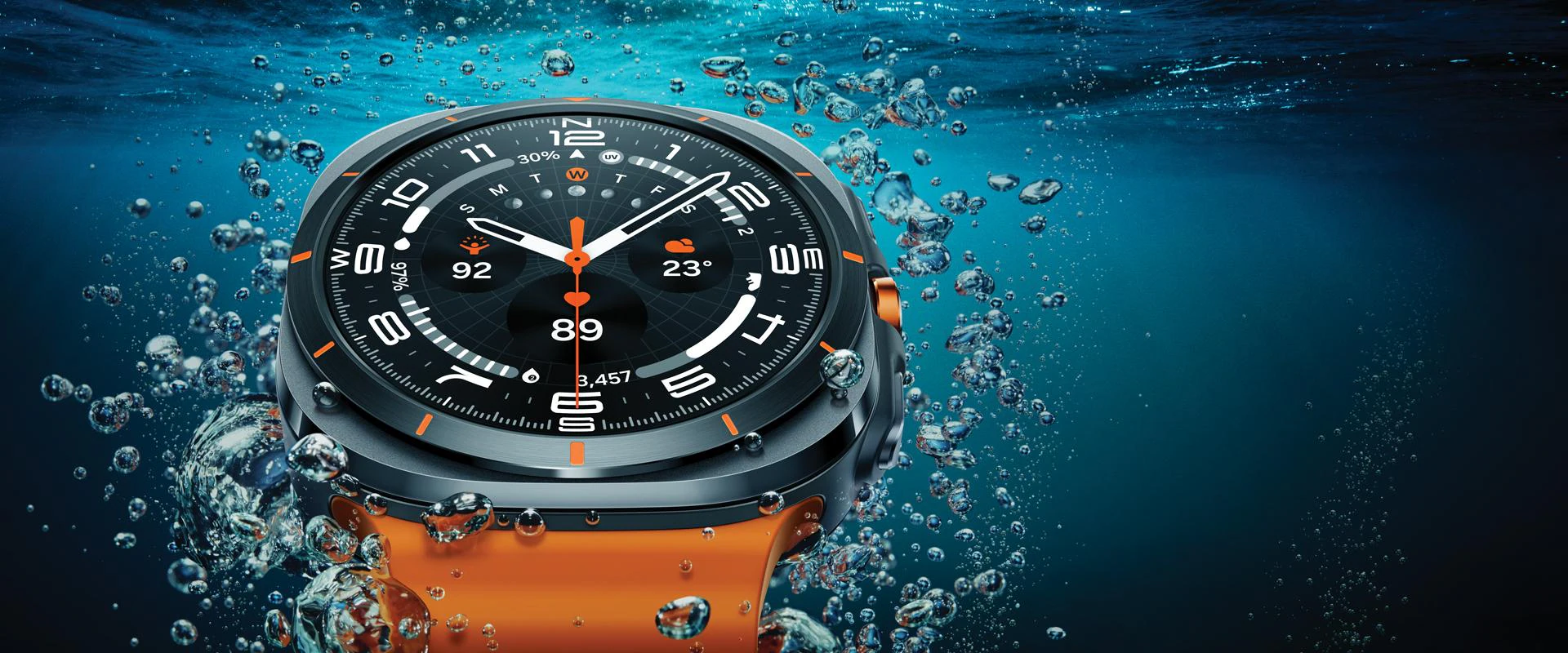
Galaxy Watch Ultra 2 – specifications, price, and release date
Galaxy Watch Ultra 2 is set to debut on July 22, 2026, at Samsung Unpacked in London, alongside the Galaxy Z Fold 8, Z Fold 8 Wide, and Z Flip 8. The key changes in the watch include a new processor in 3 nm lithography, an 800 mAh battery (35% larger), and Samsung’s first-ever 5G. Note: these are findings from leaks, Samsung has not yet officially confirmed the date or name.
Summer is traditionally the time for Samsung’s foldables and watches. This year, the Korean manufacturer is expected to showcase the second generation of its most powerful smartwatch, while also refreshing the entire line of wearable devices and foldables. Below, we have gathered everything that is known about the Galaxy Watch Ultra 2 premiere: the date, leaked specifications, expected price, and a list of phones that will be released on the same day.
When is the Galaxy Watch Ultra 2 premiere?
The Galaxy Watch Ultra 2 is set to be presented on July 22, 2026 during the Galaxy Unpacked conference. According to reports, Samsung is organizing a summer Unpacked in London for the first time, moving away from the previous pattern with Korea and the USA.
The date is consistently reported by tech outlets, including Tom’s Guide and PhoneArena. An additional signal that the premiere is near was the passage of the Galaxy Watch 9 and Watch Ultra 2 through the American FCC in mid-June 2026.
Attention: As of the publication date, Samsung has not yet sent out an official invitation for Unpacked nor has it used the name «Galaxy Watch Ultra 2». Treat the date of July 22 and the specifications as highly probable leaks, not data confirmed by the manufacturer. Official information will appear on the Samsung newsroom.
Pre-orders usually start on the day of the conference, with retail sales occurring 1–2 weeks later. If the pattern repeats, you will be able to buy the watch in stores at the turn of July and August 2026.
What’s new in the Galaxy Watch Ultra 2?
The second generation Ultra is expected to be an evolution, not a revolution — Samsung is refining what was lacking in the first model. Three changes make the biggest difference.
- New 3 nm processor — the watch is set to receive a next-generation Snapdragon Wear chip (Wear Elite), focused on AI tasks. The lower lithography means higher performance with lower power consumption.
- 800 mAh battery — an increase of about 35% compared to 590 mAh in the first Ultra. This was the biggest drawback of its predecessor, so a longer battery life will be noticeable on a daily basis.
- 5G — the Galaxy Watch Ultra 2 is expected to be Samsung’s first smartwatch with a 5G modem. However, the 5G versions will only be available in select markets (USA, Korea), while in Europe we will receive 4G/LTE variants.
The rest of the construction is to remain verified: a 47 mm titanium case, a bright AMOLED display, an additional programmable Quick Button, and resistance to extreme conditions. This is a watch for runners, divers, and those who need equipment that can withstand more than a classic smartwatch.
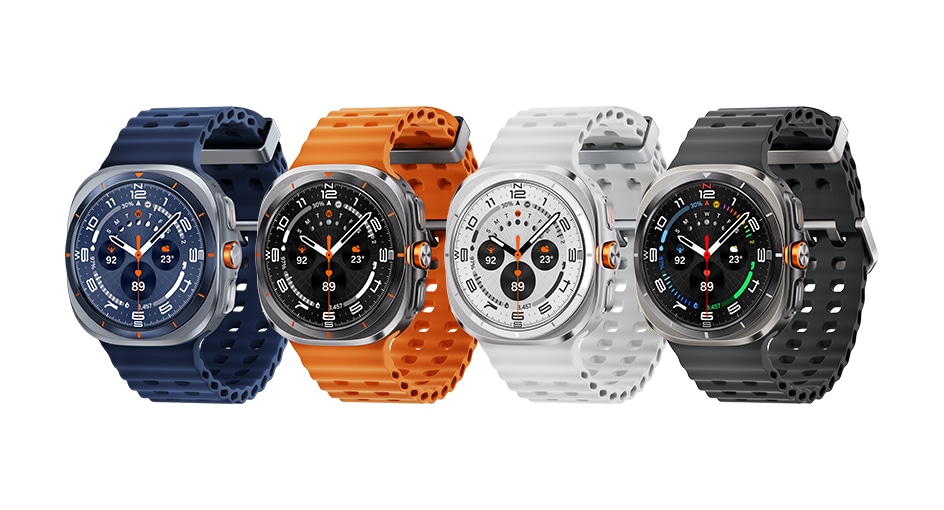
Samsung Galaxy Watch Ultra Parameter (leak) Galaxy Watch Ultra 2 Premiere July 22, 2026 (Galaxy Unpacked) Processor Snapdragon Wear Elite, 3 nm Battery approx. 800 mAh Connectivity 5G (USA/Korea), 4G/LTE (Europe) Case Titanium, 47 mm System Wear OS / One UI Watch Design of the Galaxy Watch Ultra 2 — what leaks reveal
The most excitement surrounds the appearance. According to the GalaxyTechie account on X, the second Ultra is said to be more angular than its predecessor, and there will be an engraving with numbers from 1 to 12 around the display. This detail is reminiscent of classic mechanical watches, which could clearly distinguish the Ultra 2 from the rest of the smartwatch market.
One question remains open: will this ring be rotatable, like in diving watches, or will it serve solely as decoration? For now, it is unknown.
The same reports indicate thinner bezels around the display and redesigned buttons on the right side of the case. The round Quick Button is set to be replaced by a flat, wider button in a vivid orange color. These may seem like minor changes, but in a watch worn on the wrist daily, the look makes a big difference.
source X/Galaxy Techie Note: The above design information is unofficial leaks from social media, not data confirmed by Samsung. The final look will only be revealed at the premiere.
Galaxy Watch Ultra 2 vs Galaxy Watch Ultra — what is changing
If you have the first Ultra, you will most notice the jump in battery and performance. The rest is cosmetic.
Cecha Galaxy Watch Ultra (2024) Galaxy Watch Ultra 2 (przeciek) Procesor Exynos W1000 Snapdragon Wear Elite (3 nm) Bateria 590 mAh ok. 800 mAh 5G ❌ ✅ (wybrane rynki) Koperta Tytan, 47 mm Tytan, 47 mm Premiera lipiec 2024 lipiec 2026 Dla posiadaczy modelu z 2024 roku to upgrade „dla chcących», a nie konieczność. Dłuższy czas pracy i szybszy chip kuszą, ale tytanowa koperta i czujniki zdrowotne pozostają na podobnym poziomie. Większy sens przesiadka ma dla osób z Galaxy Watch 6 lub starszym sprzętem.
Jakie telefony pojawią się razem z Galaxy Watch Ultra 2?
Unpacked to nie tylko zegarki. Tego samego dnia Samsung ma pokazać nową generację składaków — i to właśnie one będą gwiazdami konferencji. Poniższe parametry pochodzą z przecieków i nie są potwierdzone przez Samsunga.
- Galaxy Z Fold 8 — większa bateria 5000 mAh (z 4400 mAh), ładowanie 45 W, aparat ultraszerokokątny 50 MP i procesor Snapdragon 8 Elite Gen 5. Spodziewana cena startowa to ok. 1 999 dolarów.
- Galaxy Z Fold 8 Wide — nowy, lżejszy wariant o proporcjach bliższych tabletowi: wewnętrzny ekran 7,6″ w formacie 4:3, masa około 200 g i podwójny aparat 50 MP bez teleobiektywu.
- Galaxy Z Flip 8 — składak z klapką z ekranem wewnętrznym 6,9″ i dużym wyświetlaczem zewnętrznym 4,1″ otaczającym aparaty.
Do tego dojdą Galaxy Watch 9 (w tej generacji bez wersji Classic, według zgłoszeń FCC) oraz okulary Galaxy Glasses, pierwsze inteligentne okulary Samsunga. Więcej o samych składakach pisaliśmy w artykule o premierze Galaxy Z Fold 8 i Z Fold 8 Wide.
Jeśli planujesz kupić nowego folda lub flipa, etui i folie warto mieć od pierwszego dnia. Sprawdź akcesoria do Galaxy Z Fold i Galaxy Z Flip, kategorie aktualizujemy wraz z premierą nowych modeli.
Cena i dostępność w Polsce
Samsung nie podał jeszcze cen, ale punktem odniesienia jest poprzednik. Galaxy Watch Ultra z 2024 roku startował w Polsce od około 3 299 zł, więc druga generacja powinna utrzymać się w podobnym przedziale, ewentualnie z niewielką podwyżką.
W Europie, w tym w Polsce, spodziewaj się wariantu 4G/LTE zamiast 5G. W praktyce różnica jest niewielka — zegarek i tak najczęściej korzysta z łączności przez telefon, a samodzielne 5G w smartwatchu to bardziej ciekawostka niż realna potrzeba.
Akcesoria do Galaxy Watch Ultra — co warto przygotować
Galaxy Watch Ultra 2 retains a 47 mm titanium case, so bands and screens compatible with the current Ultra should also work with the new generation. We will confirm the final compatibility right after the launch.
If you want protection ready for day one, check out the accessories for Galaxy Watch Ultra category — you’ll find among others watch bands and protective screens for the display.
Summary
Galaxy Watch Ultra 2 promises to be a solid upgrade where it hurt the most: the 800 mAh battery and new 3 nm chip address the biggest flaws of its predecessor, and 5G is a novelty in Samsung smartwatches. The launch is set for July 22, 2026, at Galaxy Unpacked in London, alongside the Galaxy Z Fold 8, Z Fold 8 Wide, Z Flip 8, and Galaxy Glasses.
The key takeaways:
- Launch: July 22, 2026 (leak, no official confirmation from Samsung).
- Key changes: 3 nm chip, 800 mAh battery, 5G (4G/LTE in Europe).
- Price: likely starting from around 3,299 PLN, based on the predecessor.
Are you waiting for a new watch or foldable? Prepare your protection in advance, bands and screens for Galaxy Watch Ultra are available immediately, and we update the categories of new models right after the launch.
FAQ — frequently asked questions
When is the Galaxy Watch Ultra 2 premiere?
According to leaks, the premiere will take place on July 22, 2026, during Galaxy Unpacked in London. Samsung has not officially confirmed this date yet, but the watch’s submission to the FCC suggests that the debut is very close.How much will the Galaxy Watch Ultra 2 cost?
There is no official price yet. The previous generation started in Poland at around 3,299 PLN, so the second Ultra should remain in a similar range, possibly with a slight increase.Will the Galaxy Watch Ultra 2 have 5G in Poland?
Probably not. According to reports, 5G versions will only be available in selected markets (USA, Korea), and in Europe, including Poland, 4G/LTE variants will be available.What phones will Samsung showcase alongside the watch?
At Unpacked on July 22, 2026, the Galaxy Z Fold 8, Galaxy Z Fold 8 Wide, and Galaxy Z Flip 8 are expected, as well as the Galaxy Watch 9 and the smart glasses Galaxy Glasses.Do straps from the Galaxy Watch Ultra fit the Ultra 2?
Most likely yes. The Galaxy Watch Ultra 2 retains the 47 mm case, so straps and glasses for the 2024 and 2025 model should also fit the new generation. Final compatibility will be confirmed after the premiere.Is it worth waiting for the Galaxy Watch Ultra 2?
If you have the first Ultra, upgrading is not necessary — it’s an evolution, not a revolution. If you are using the Galaxy Watch 6 or an older watch, the longer battery life and new processor will be a real quality leap.