Blog

  • Xiaomi 18 Pro na renderach — AI button, two 200 MP cameras and a screen on the back

    Xiaomi 18 Pro na renderach — AI button, two 200 MP cameras and a screen on the back

    Xiaomi 18 Pro appeared in the first renders with a dedicated AI button on the side frame, two 200 MP cameras with LOFIC HDR 3.0, a rear AMOLED screen (returning after Xiaomi 17 Pro) and a 7000 mAh battery. The larger Pro Max will get 8500 mAh and an expanded audio set. Both models are powered by Snapdragon 8 Elite Gen 6 in a 2 nm process — the Pro variant with a higher clock speed than the base model.

    The most interesting novelty is the dedicated AI button placed centrally on the curved middle frame. Xiaomi has made it a three-function controller: a single click launches the AI agent, a double click controls the Xiaomi SU7 electric car, and a long press activates smart home routines. This is the first button in a smartphone designed from scratch for AI — unlike the Apple Action Button, which is simply a configurable shortcut.

    Xiaomi 18 Pro in renders, what can be seen

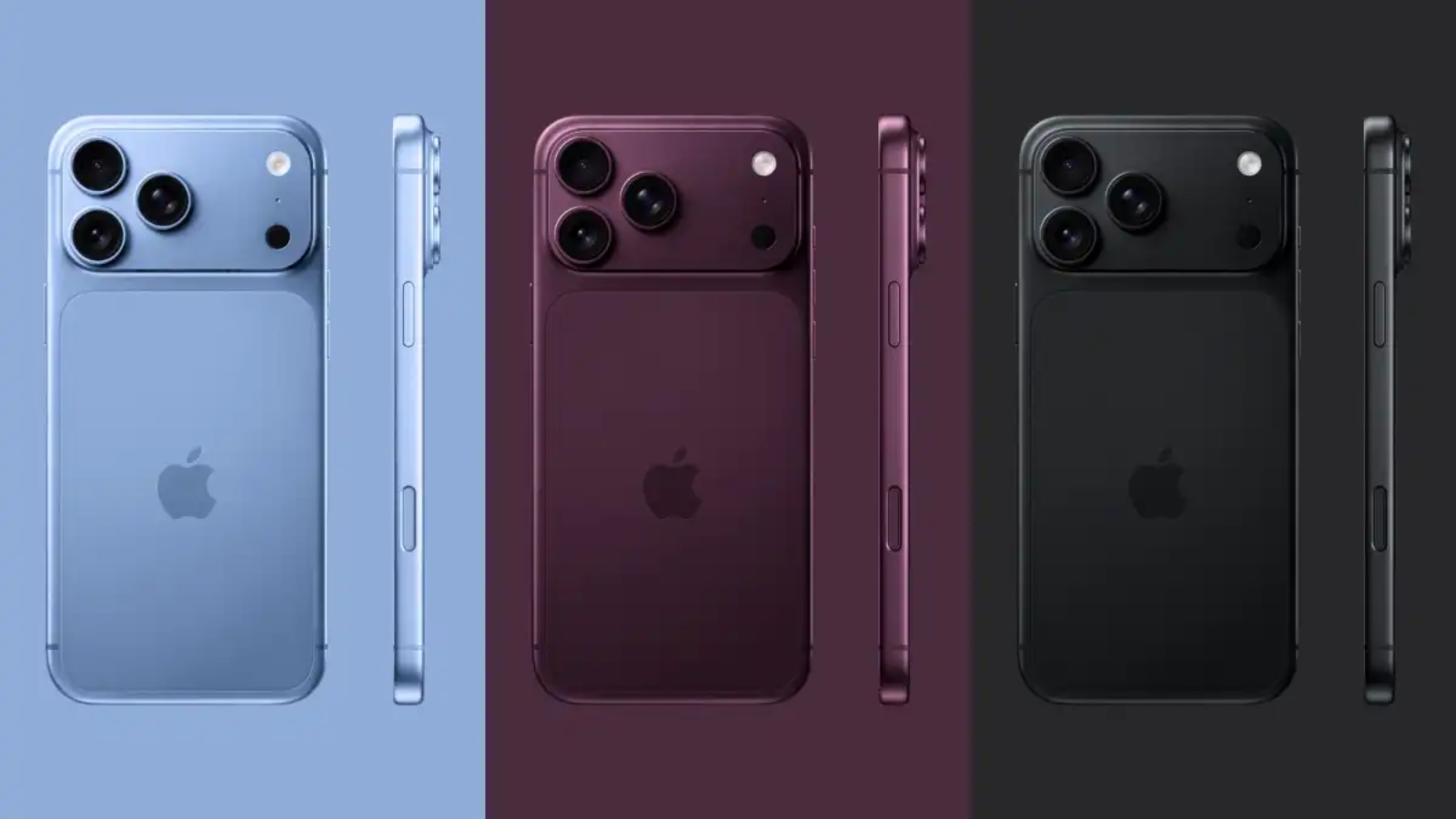
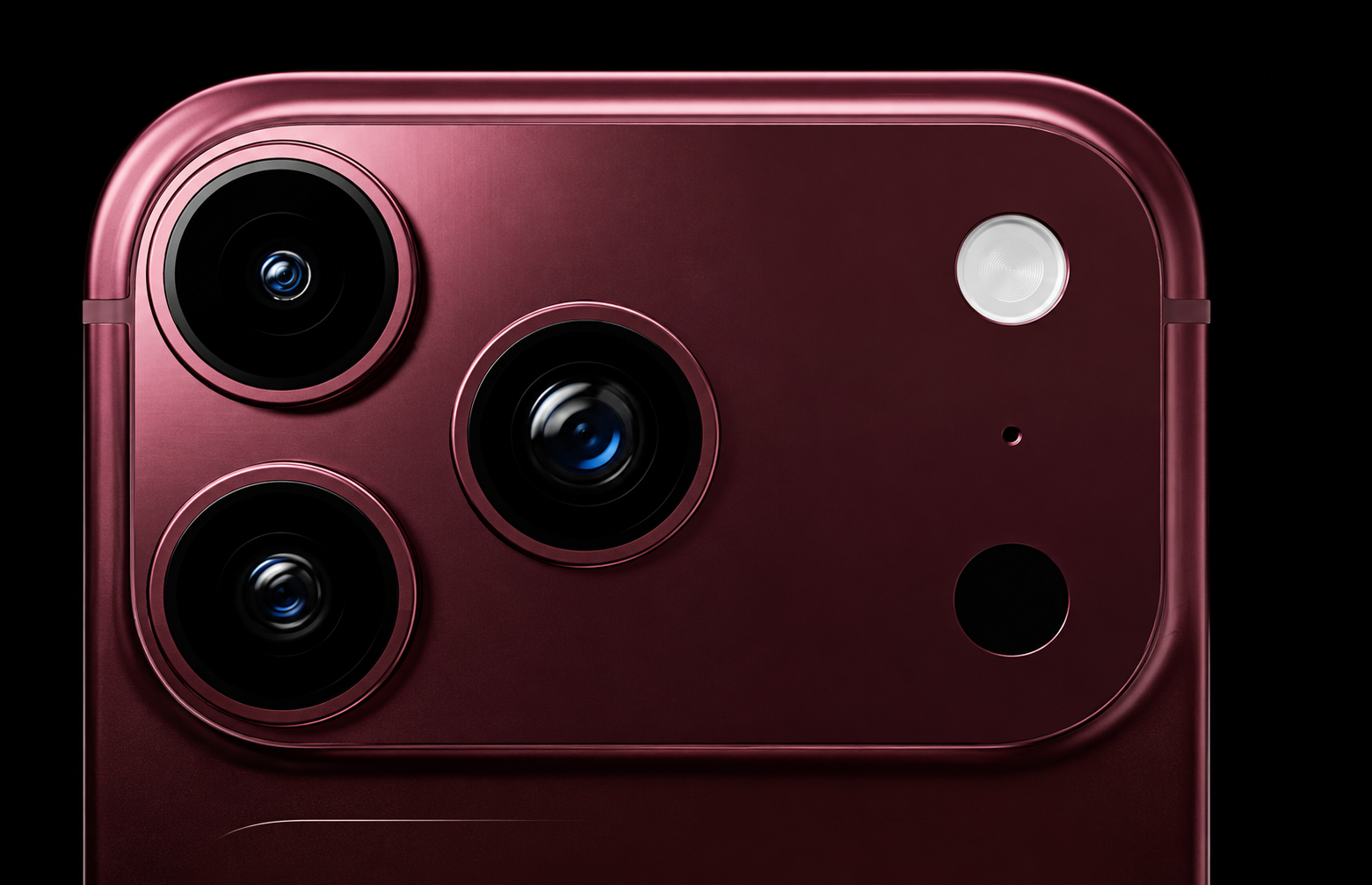
    Leaked renders show the Xiaomi 18 Pro with a distinctive camera island in the shape of a round «plate», similar to the Xiaomi 17, but enlarged with a second 200-megapixel module. On the back cover, there is an additional AMOLED display, which Xiaomi calls an «intelligent window». The small screen allows for receiving calls, controlling music, translating conversations in real-time, and functioning as a viewfinder during selfies with the main camera.

    The design departs from the flat edges known from the previous generation. The renders show a rounded titanium frame and a slightly curved display, a move towards ergonomics that Xiaomi has already tested in the 17 Ultra model. The colors visible in the leaks are classic black, white with a ceramic texture, and dark Leica brown, the latter likely as a limited edition with distinctive leather finishes.

    Note: The renders come from early prototypes. Xiaomi regularly changes design details between the leak and the premiere, so the final version may look different. The confirmed elements are two 200 MP modules and the rear display.

    Specifications of Xiaomi 18 Pro and 18 Pro Max, what we already know

    Below is a summary of all confirmed and expected parameters of both models, gathered from leaks mgsm.pl, notebookcheck.pl, and gsmmaniak.pl.

    ParameterXiaomi 18 ProXiaomi 18 Pro Max
    ProcessorSnapdragon 8 Elite Gen 6 (2 nm)Snapdragon 8 Elite Gen 6 Pro (SM8975)
    Main display6.3″ 2K LTPO OLED6.9″ flat 2K LTPO OLED
    Rear displayAMOLED “intelligent window»AMOLED AI-powered (enhanced version)
    Main camera200 MP, 1/1.28″ SmartSens, LOFIC HDR 3.0200 MP, 1/1.28″, LOFIC HDR 3.0
    Telephoto200 MP periscope, 3× zoom200 MP periscope, 3× zoom
    Ultrawide50 MP50 MP
    OpticsLeicaLeica
    Battery7000 mAh8500 mAh
    Wired charging100 W100 W
    Wireless charging50 W50 W
    AI buttonDedicated, 3 functions (click/double click/long press)Dedicated, 3 functions (click/double click/long press)
    SpeakersStereoSymmetrical stereo
    Haptic engineX-axisX-axis (enhanced)
    Fingerprint readerUltrasonic, under the screenUltrasonic, under the screen
    Water resistanceIP68/IP69 (expected)IP68/IP69 (expected)
    SystemHyperOS 4 on Android 17HyperOS 4 on Android 17
    Global launchSeptember 2026September 2026
    Availability in Poland20272027

    The most important change compared to its predecessor is the second 200 MP module in the telephoto lens. This would be the first Xiaomi with two 200 MP sensors — previously, such a configuration was only available in selected Chinese models. The European version of the Xiaomi 17 Pro ended with a single 200 MP + 50 MP periscope 5× zoom.

    Xiaomi 18 Pro Camera, Leica and Two 200 MP

    The heart of the Xiaomi 18 Pro is two SmartSens 1/1.28″ sensors (each 200 MP), tuned by Leica. The photo configuration is a triple rear module: main 200 MP + periscope 200 MP with zoom + ultra-wide 50 MP. We have the same sensor size as in the Oppo Find X9 Ultra and Vivo X300 Ultra, but used in two lenses simultaneously.

    The change in focal length from 5× in the Xiaomi 17 Pro to 3× in the 18 Pro is a response to user criticism. A 3× zoom (approx. 75-85 mm) is a classic portrait range — natural face proportions, gentle bokeh, less distortion. 5× is great for cropping details from afar, but few people use it in everyday photography.

    LOFIC HDR 3.0, what does it give

    LOFIC (Lateral Overflow Integration Capacitor) is a CMOS sensor technology that allows for capturing brighter lights without clipping and darker shadows without noise in a single shot. According to leaks, the third generation of this implementation in SmartSens sensors has two advantages over older versions:

    • Larger dynamic range (by 1-1.5 EV more than LOFIC 2.0), practically noticeable in high-contrast scenes like sunsets or night street photography
    • Faster detection, fewer artifacts on moving objects, which will be appreciated by those photographing children or pets

    LOFIC 3.0 will debut for the first time in the Xiaomi 18 Pro. Previously, the 1-inch version of the technology debuted in the Xiaomi 17 Ultra, but only in one module.
    Do you have the current Xiaomi flagship? Check out available accessories for the Xiaomi 17 series at homescreen.pl, including cases, protective glasses, and films.

    Dedicated AI button in Xiaomi 18 Pro — Miclaw, smart home, and Xiaomi SU7

    The most important physical novelty in the Xiaomi 18 Pro is the dedicated AI button placed centrally on the curved side frame. Renders from tipster Leo Hefeng (Gizchina) clearly show it — it is located below the power button, on the right edge.

    In contrast to the Apple Action Button from the iPhone 16/17 Pro, which is simply a configurable shortcut, the Xiaomi button has been designed from the ground up as an AI controller. It supports three different interactions:

    • Single click — invokes the AI assistant Miclaw (the new Xiaomi HyperIntelligence agent) with an immediate query
    • Double click — controls the electric car Xiaomi SU7 (opens doors, climate control, navigation)
    • Long press — launches smart home routines (lighting scenes, thermostat, Xiaomi Mi Home devices)

    What the Miclaw assistant can do

    Miclaw is the first fully agent-based AI from Xiaomi — unlike traditional chatbots, it understands the context of what you see on the screen. Confirmed features from leaks:

    • Flight and hotel booking — you press the button during a conversation on Messenger, Miclaw books a ticket according to the discussed dates
    • Automatic photo organization — you press the button in the Gallery, Miclaw groups photos by places, people, or events and adds tags
    • Editing emails — in Gmail, long press starts dictation, Miclaw adds a formal tone and context of previous conversations
    • Screen summary — one click summarizes a long article, email, or Slack message

    Integration with the Xiaomi ecosystem

    The AI button unlocks full integration with the Xiaomi ecosystem in a way that is not programmatically accessible from the app level. For owners of Xiaomi SU7 and SU7 Ultra, this means a physical key in the smartphone — double-clicking from a distance of up to 10 m opens the car, without the need to take out the phone. Similar integration applies to Mi Smart Plug smart sockets, Roborock vacuum cleaners, and air purifiers.

    For Polish users, a key question is whether the AI button will work with the global ROM version. Xiaomi 17 Pro (sold in Poland) only has the classic silent mode slider. If the Polish distribution of Xiaomi 18 Pro does not receive a dedicated button, the entire Miclaw + Xiaomi SU7 function will bypass the Polish market — just like before with the satellite connectivity feature in Xiaomi 14 Ultra.

    Note: The functionality of Xiaomi SU7 in Poland is purely theoretical until Xiaomi officially introduces electric vehicles to the European market — and that will not happen before 2027-2028. Until then, «double-click» will either be inactive or reassigned to another function in the EEA ROM.

    Rear screen, what the «intelligent window» can do

    The second AMOLED display on the back cover is a feature that debuts in the Xiaomi series for the first time. Previously, we encountered a similar solution in the Honor Magic V5, Nubia Z70 Ultra, and even earlier, in the pre-release series of foldable smartphones. Xiaomi positions the rear screen as a «intelligent window» with several specific applications.

    Notification widget and AI control

    The rear display shows notifications from the calendar, music, incoming calls, all without the need to turn the phone around. A dedicated AI button (a new element of the casing) launches the Xiaomi HyperIntelligence assistant, which works in tandem with the rear screen: you see the assistant’s responses directly on the back of the phone.

    Recording prompter and selfie viewfinder

    A feature that will delight vloggers and streamers, the rear screen acts as a viewfinder when recording with the main camera. You see the frame you are in without fiddling with an additional monitor. The built-in prompter displays scripts during recordings, scrolling the text at a set pace.

    Live translation

    The rear screen shows a real-time transcription of the conversation on the side of the interlocutor. You turn the phone around, the interlocutor sees the text in their language, and you hear the translation through the speaker. The feature works offline for several languages, including Polish.

    Advice: If you often record videos for YouTube or TikTok, the rear screen saves you from purchasing an external monitor for 800-1500 PLN. For a combined tripod, consider accessories for Xiaomi after the Polish premiere.

    Snapdragon 8 Elite Gen 6 in 2 nm lithography

    Xiaomi 18 Pro gets Snapdragon 8 Elite Gen 6 — the upcoming Qualcomm chip in 2-nanometer lithography (a shift from 3 nm in the previous generation). A smaller manufacturing process means lower energy consumption at the same performance, which will realistically extend battery life by 15-20% compared to Xiaomi 17 Pro with 8 Elite Gen 5.

    Pro Max goes a step further — it is powered by Snapdragon 8 Elite Gen 6 Pro (designation SM8975), a variant with higher GPU clock speed. The practical difference: Pro Max renders 8K video faster, handles HDR computational photography effects more smoothly, and performs better in AAA game titles at maximum settings.

    Xiaomi 18 Pro is powered by a 7000 mAh battery (with a new silicon-carbon cell), while Pro Max boasts a record 8500 mAh. This is 20% more than the Motorola Edge 70 Pro (6500 mAh) and almost twice as much as the iPhone 17 Pro Max (4685 mAh). Charging: 100 W wired and 50 W wireless in both models. Thanks to Si-C cells, Xiaomi managed to fit 8500 mAh in a case of the same thickness as the previous generation.

    Availability of Xiaomi 18 Pro in Poland

    The global premiere of the Xiaomi 18 series is planned for September 2026, in line with Xiaomi’s typical cycle (similar to the 17 series in 2025). The problem is that European distribution, including Poland, will likely not start until the first quarter of 2027.

    Xiaomi’s past practice: global premiere in China → international distribution after 3-5 months → full availability in Poland (Media Expert, x-kom) after another 2-3 months. For the 18 series, this realistically means January-February 2027 for orders in Polish stores.

    Estimated Polish price for Xiaomi 18 Pro: 5499-5999 zł (12/256 GB variant), and 6499-6999 zł for Pro Max. This positions it in the flagship segment, comparable to the launch price of Xiaomi 15 and Samsung Galaxy S26 Ultra flagships.

    Xiaomi 18 Pro vs competition, who will it be best for

    The photo-flagship segment of 2026-2027 will be the most competitive in years. The Xiaomi 18 Pro must compete with three specific models that target the same group of users.

    ModelGłówny aparatTeleobiektywBateriaCena premierowa (PL)
    Xiaomi 18 Pro200 MP, 1/1.28″200 MP peryskop 85 mm7000 mAh~5799 zł (szac.)
    Oppo Find X9 Ultra50 MP, 1-calowy200 MP peryskop 85 mm6500 mAh~5999 zł
    Vivo X300 Ultra200 MP, 1/1.28″200 MP, 85 mm6500 mAh~6299 zł
    Samsung Galaxy S26 Ultra200 MP HP550 MP peryskop 5×5000 mAh~7499 zł
    iPhone 18 Pro Max48 MP Fusion48 MP peryskop 5×4200 mAh~7999 zł

    Xiaomi 18 Pro stands out with its battery (7000 mAh vs 4200-6500 in the competition) and a rear screen that no one else has in this segment. The photo advantage over the Oppo Find X9 Ultra is minimal (the same sensor in the telephoto lens, competitive 1-inch main). The difference with the iPhone and Samsung is obvious; Xiaomi wins in photography and battery, but loses in the application ecosystem and long-term support.

    Who should buy the Xiaomi 18 Pro

    Entuzjaster mobilfotografii, dwa sensorer 200 MP z Leiki to najbardziej allround zestaw foto na rynku Android. Jeśli mobilfotografia jest Twoim hobby i nie masz problemu z chińskim ekosystemem, to najlepszy wybór. Pasujące szkła i etui dla całej serii Xiaomi znajdziesz w kategorii Xiaomi 17, Xiaomi 15 oraz starsze Xiaomi 14.

    Vlogerzy i streamerzy, tylny ekran + prompter to unikalna funkcja, która oszczędza setki złotych na dodatkowym sprzęcie. Do pełnego zestawu warto dodać powerbanki z PD i dobre akcesoria do Xiaomi Pad 7 jako drugi ekran.

    Osoby nienawidzące krótkiej baterii, 7000 mAh to 40% więcej niż iPhone 18 Pro Max (4200 mAh) i 65% więcej niż Samsung Galaxy S26 Ultra (5000 mAh). Realnie oznacza to 2 dni użytkowania bez ładowarki.

    Podsumowanie, czy warto czekać na Xiaomi 18 Pro

    Pierwsze rendery Xiaomi 18 Pro potwierdzają ambitny zestaw: dwa aparaty 200 MP Leica z LOFIC HDR 3.0, tylny ekran AMOLED, bateria 7000 mAh i Snapdragon 8 Elite Gen 6 Pro. Premiera globalna we wrześniu 2026, dostępność w Polsce spodziewana styczeń-luty 2027, szacowana cena 5499-5999 zł.

    Xiaomi 18 Pro is the choice for mobile photographers, vloggers, and those who value battery over brand. If you’re considering a Xiaomi flagship today, the 17 Pro (4499-4999 PLN) is still a strong competitor, and its cameras are only slightly inferior to the upcoming 18 Pro. The new model is mainly an evolution (second 200 MP, rear screen, better battery), not a revolution.
    FAQ, frequently asked questions about Xiaomi 18 Pro

    When is the Xiaomi 18 Pro premiere?

    The global premiere of Xiaomi 18 Pro is planned for September 2026 in China. International distribution, including Poland, is expected in the first quarter of 2027. Typical Xiaomi schedule: China → Asia → Europe (3-5 months delay).

    How much will Xiaomi 18 Pro cost in Poland?

    The estimated launch price of Xiaomi 18 Pro in Poland: 5499-5999 PLN for the 12/256 GB variant. Xiaomi 18 Pro Max is expected to cost 6499-6999 PLN. Prices are based on the previous generation and market trends +10-15% annually.

    What is the difference between Xiaomi 18 Pro and 18 Pro Max?

    Both models have the same processor (Snapdragon 8 Elite Gen 6 Pro), identical camera setup (2× 200 MP Leica), and AMOLED rear screen. Differences include: larger main screen in Pro Max (expected 6.9″ vs 6.73″), larger battery in Pro Max (~7500 mAh vs 7000 mAh), and price (difference of about 1000 PLN).

    Where to buy accessories for Xiaomi 18 Pro?

    After the Polish premiere in 2027, compatible cases, protective glasses, and films will appear in the Xiaomi category at homescreen.pl. Until then, accessories for the previous generation Xiaomi 17 and Xiaomi 15 from brands Spigen, Tech-Protect, 3mk, and ESR are available.

  • Huawei Pura 90 Pro Max — a photographic monster with 200 MP zoom

    Huawei Pura 90 Pro Max — a photographic monster with 200 MP zoom

    Huawei officially presented the Pura 90 series on April 20, 2026, and sales of the base variant in China will start on April 29, 2026. At the top of the range is the Huawei Pura 90 Pro Max with a record telephoto lens 200 MP on a RYYB 1/1.28″ sensor, a main camera of 50 MP with a variable, 10-step mechanical aperture f/1.4–f/4.0, and an ultra-wide 40 MP. Additionally, it features a new processor HiSilicon Kirin 9030S, the HarmonyOS 6.1 system, a 6000 mAh battery with 100 W wired and 80 W wireless charging, and a 6.9″ OLED LTPO 1–120 Hz display with next-generation Kunlun glass.

    Prices in China start from 6499 yuan (approx. 3500 PLN) for the 12/256 GB variant and rise to 8499 yuan (approx. 4500 PLN) for the top 16 GB + 1 TB. In China, this is a lower price than for the iPhone 17 Pro Max, Samsung Galaxy S25 Ultra, or Xiaomi 15 Ultra. We break down everything that Huawei announced and check if the Pura 90 Pro Max will make it to Poland.

    When is the Huawei Pura 90 Pro Max premiere in Poland

    The official presentation of the Huawei Pura 90 series took place on April 20, 2026, in China. Sales of the Pro and Pro Max variants start on April 29, 2026 in the Chinese market, while the basic Pura 90 model goes on sale a few days earlier. All three phones are initially available on consumer.huawei.com, in the Vmall network, and with official offline partners.

    The global premiere is expected at the turn of June and July 2026. Since 2023, Huawei has been consistently introducing the Pura series to Europe, albeit with a 2–3 month delay compared to China. The predecessor, Huawei Pura 80 Ultra, debuted in China in March 2025, and appeared in Poland in June 2025 at a price of 6,499 PLN. For the Pura 90 Pro Max, we can expect a similar pattern — availability in Poland from July to September 2026.

    Note: Availability in the European Union is not guaranteed. Some color variants (Orange Ocean, Sunset Purple) remain exclusive to the Chinese market. The Polish distribution will likely offer only Dawn Gold and Obsidian Black, similar to the Pura 80 Pro.

    We will return to the article on Polish prices after the official announcement. At this moment, estimates for Polish prices of Huawei Pura 90 Pro Max are 6,999–8,499 PLN depending on the configuration. The Pro model is expected to be around 5,799–6,999 PLN, and the basic Pura 90 — 4,999–5,499 PLN.

    Specifications of Huawei Pura 90 Pro Max — full technical data

    Below is the complete specification of the flagship provided by Huawei at the Chinese conference and confirmed by benchmark.pl, GSMArena, and Notebookcheck.

    ParametrHuawei Pura 90 Pro Max
    Wyświetlacz6,9″ OLED LTPO
    Rozdzielczość2880 × 1308 px (458 ppi)
    Odświeżanie1–120 Hz adaptywne
    Ochrona ekranuKunlun Glass (nowa generacja, −70% odbicia)
    ProcesorHiSilicon Kirin 9030S
    RAM12 GB / 16 GB LPDDR5X + HyperSpace Memory
    Pamięć256 GB / 512 GB / 1 TB
    Aparat główny50 MP, RYYB 1/1,28″, f/1,4–f/4,0 (10-stopniowa mechaniczna), OIS
    TechnologiaLOFIC + XMAGE
    Ultraszeroki40 MP, f/2,2
    Teleobiektyw200 MP, RYYB 1/1,28″, zoom optyczny 4×, hybrydowy 16×, OIS, f/2,6
    Makro5 cm
    Selfie13 MP, f/2,0
    Bateria6000 mAh
    Ładowanie przewodowe100 W
    Ładowanie bezprzewodowe80 W
    Ładowanie zwrotneTak (indukcyjne)
    WodoszczelnośćIP69
    Wymiary164 × 77,1 × 8,1 mm
    Waga231 g
    SystemHarmonyOS 6.1
    Łączność5G (SA/NSA), Wi-Fi 7, Bluetooth 6.0, NFC, podczerwień, satelitarna, eSIM
    KoloryOrange Ocean, Sunset Purple, Emerald Lake, Dawn Gold, Obsidian Black
    Cena Chinyod 6499 CNY (~3 500 zł) do 8499 CNY (~4 500 zł)
    Cena PL (szac.)6 999–8 499 zł
    Premiera29.04.2026 (Chiny), ~07.2026 (PL)

    The most important key features are the 200-megapixel RYYB telephoto lens with a 1/1.28″ sensor (the largest in the industry in a telephoto camera), variable 10-step mechanical aperture f/1.4–f/4.0, and LOFIC technology that expands the dynamic range of the main sensor.

    Huawei Pura 90 Pro Max Camera — 200 MP Telephoto Lens with 1/1.28″ Sensor

    The heart of the Pura 90 Pro Max is the 200 MP telephoto lens with a RYYB 1/1.28″ sensor — the same size as the main camera. In the Samsung Galaxy S25 Ultra or iPhone 17 Pro Max, telephoto lenses have sensors of 1/2.5″ and smaller, which results in a loss of quality in low light. In Huawei’s case, the opposite is true: the 4× optical zoom and 16× hybrid zoom remain usable even in a museum gallery, and the macro mode from a distance of 5 cm produces full-quality 200 MP photos of flowers or jewelry — without a dedicated macro sensor.

    The main 50 MP camera has a 10-step variable mechanical aperture f/1.4–f/4.0 — f/1.4 for portraits with bokeh, f/2.8 for general scenes, f/4.0 for landscapes. Competitors (iPhone, Samsung, Xiaomi) use a fixed aperture of f/1.6–f/1.8, which forces compromises. Additionally, there are two unique Huawei technologies: LOFIC (Lateral Overflow Integration Capacitor) that expands the dynamic range, and the RYYB sensor with yellow pixels instead of green — 40% more light than RGB, which is visibly noticeable in night mode and zoom in indoor settings. The processing is managed by the proprietary algorithm XMAGE, which balances colors without excessive saturation boosting.

    Ekran 6,9″ OLED LTPO, Kunlun Glass i procesor Kirin 9030S

    Wyświetlacz 6,9″ OLED LTPO oferuje rozdzielczość 2880 × 1308 px (458 ppi) i adaptywne odświeżanie 1–120 Hz — przy czytaniu tekstu ekran pracuje na 1 Hz, w grach na 120 Hz. Nowością jest Kunlun Glass nowej generacji z 70% redukcją odbicia światła (ekran pozostaje czytelny w słońcu bez maksymalnej jasności) oraz dziesięciokrotnie wyższa odporność na upadki niż Gorilla Glass Victus 2 (według deklaracji Huawei).

    Pro Max napędza HiSilicon Kirin 9030S — autorski procesor Huaweia (SMIC 7 nm+). Względem Kirin 9020 z Pura 80 Ultra daje +30% w testach ML i +15% w Geekbench multi-core. Telefon działa na HarmonyOS 6.1 — systemie bez Google Play, Gmaila, Map Google czy YouTube. Huawei oferuje własne App Gallery, które obsługuje polskie aplikacje bankowe (mBank, PKO BP, BLIK), ale Netflix i część narzędzi wymagają ręcznej instalacji. Ekosystem HarmonyOS 6.1 płynnie łączy telefon z Huawei Watch GT 6, FreeBuds Pro 4 i tabletami MatePad.

    Co wyróżnia Pro Max — HyperSpace Memory, satelita, design

    HyperSpace Memory in the 16 GB variant provides up to 24 GB of effective RAM (virtual buffering in UFS) — practically 30 background applications without being removed from memory, instant switching between the camera and editors, no freezes in Genshin Impact after 90 minutes. Samsung and iPhone offer a maximum of 12 GB without expansion.

    Pro Max supports two-way satellite communication via BeiDou and Tiantong (Chinese systems) — SMS and voice calls without GSM coverage. Disclaimer for Poland: lack of full coverage in Europe, so the feature will likely be limited in the European version.

    The design features a round, central camera island (a departure from the squares of Pura 70/80) and a 5th class titanium frame. Of the five colors — Orange Ocean, Sunset Purple, Emerald Lake — they have eco-leather or microcrystalline glass textures, while Dawn Gold and Obsidian Black have matte glass backs.

    6000 mAh battery with 100 W charging and 80 W wireless

    Pro Max dostaje batteri 6000 mAh — więcej niż iPhone 17 Pro Max (4685 mAh) i Galaxy S25 Ultra (5000 mAh). Technologia silikonowo-węglowa daje do 2 dni pracy i 2400 cykli ładowania z zachowaniem 80% pojemności (ok. 5–6 lat). Ładowanie: 100 W przewodowo (0–100% w 38 minut) i 80 W bezprzewodowo (50 minut) — rekord w branży, choć pełne 80 W wymaga oryginalnej ładowarki Huawei Wireless SuperCharge. Dla porównania: iPhone 17 Pro Max ma 25 W MagSafe, Samsung S25 Ultra 15 W Qi2, Xiaomi 15 Ultra 50 W.

    Do ładowania przewodowego sprawdzą się uniwersalne zasilacze GaN 100 W z USB PD 3.1 — zobacz ładowarki sieciowe. W kategorii ładowarek bezprzewodowych znajdziesz modele uniwersalne do 15 W na codzienne użytkowanie biurkowe. Ładowanie zwrotne pozwala używać Pro Max jako powerbanka dla słuchawek lub smartwatcha.

    Huawei Pura 90 Pro Max vs Pura 90 Pro vs Pura 90 — który wariant wybrać

    Seria Pura 90 ma trzy warianty: podstawowy Pura 90, Pura 90 Pro i Pura 90 Pro Max. Focus w tym artykule padł na flagowy model, ale warto wiedzieć, co dostaje się na każdym szczeblu cennika.

    ParametrPura 90 Pro MaxPura 90 ProPura 90
    Screen6,9″ OLED LTPO 2880 × 1308 px6,6″ OLED 2760 × 1256 px6,8″ OLED 2856 × 1320 px
    Refresh Rate1–120 Hz adaptive120 Hz120 Hz
    ProcessorKirin 9030SKirin 9030SKirin 9010S
    Main Camera50 MP f/1,4–f/4,0 LOFIC50 MP f/1,4–f/4,050 MP f/1,8
    Ultrawide40 MP12,5 MP12,5 MP
    Telephoto200 MP 1/1,28″ RYYB 4×50 MP 4× zoom50 MP 3,7× zoom
    Selfie13 MP13 MP50 MP
    Battery6000 mAh6000 mAh6500 mAh
    Dimensions164 × 77,1 × 8,1 mm157,8 × 74,5 × 8,2 mm163,1 × 78,1 × 7 mm
    Weight231 g213,5 g210 g
    Price Chinafrom 6499 CNYfrom 5499 CNYfrom 4699 CNY
    Price PL (est.)6 999–8 499 zł5 799–6 999 zł4 999–5 499 zł

    Key differences are telephoto (200 MP vs 50 MP), ultrawide (40 MP vs 12,5 MP), and screen (6,9″ LTPO vs 6,6″ standard OLED). The Pro model also loses the LOFIC technology in the main camera, although the variable aperture f/1,4–f/4,0 is identical.

    Who is Pro Max for: professional photographers, people using zoom daily (concerts, sports, nature), enthusiasts of top specifications.

    For whom Pro: people looking for a compact flagship, as 6.6″ within 157 mm in height is a rarity in 2026. Pro is also 17.5 g lighter — a difference clearly felt in the pocket.

    For whom the basic Pura 90: people wanting the cheapest Huawei flagship with a good camera and a record battery of 6500 mAh, without paying extra for LOFIC and a 200 MP telephoto lens.

    Huawei Pura 90 — the basic model with a 6500 mAh battery and a 50 MP selfie

    The basic Huawei Pura 90 stands out with two parameters better than in Pro and Pro Max: a larger battery (6500 mAh) and a better selfie camera (50 MP instead of 13 MP). The older Kirin 9010S processor (known from Pura 80 Pro, about 20% slower than 9030S) left room for a larger cell, and the lack of an advanced telephoto lens allowed investment in a better front. Additionally, the thinnest body (7 mm) and the lowest weight (210 g) of the entire trio.

    For whom Pura 90: vloggers and people who take a lot of selfies (50 MP front), users requiring a battery for 2+ days, people in the Huawei ecosystem without the need for top photography. When it’s not enough: if you take a lot of zoom photos, portraits with bokeh, or night photography — the difference compared to Pro Max (lack of LOFIC, variable aperture, smaller tele sensor) will be noticeable. At a price of ~5,000 PLN, the basic Pura 90 competes with Samsung Galaxy S25 and Xiaomi 15 — Samsung offers full Android with Google, Huawei has a better camera and battery.

    Huawei Pura 90 Pro Max vs competition in the 7,000–9,000 PLN segment

    The top tier of flagship cameras in Poland in 2026 consists of four names: Huawei, Apple, Samsung, and Xiaomi. All have sensibly configured camera sets, but each is going in a different direction.

    ModelProcesorAparat gł.TelefotoBateriaEkranCena PL
    Huawei Pura 90 Pro MaxKirin 9030S50 MP f/1,4–f/4,0200 MP 4× RYYB6000 mAh6,9″ 120 Hzod ~6 999 zł
    iPhone 17 Pro MaxA19 Pro48 MP f/1,7848 MP 5×4685 mAh6,9″ 120 Hz8 199 zł
    Samsung Galaxy S25 UltraSnapdragon 8 Elite200 MP f/1,750 MP 5×5000 mAh6,9″ 120 Hz7 499 zł
    Xiaomi 15 UltraSnapdragon 8 Elite50 MP f/1,63 Sony LYT-900200 MP 4,3× Leica5410 mAh6,73″ 120 Hz6 999 zł

    Huawei wygrywa w trzech parametrach: sensor teleobiektywu (1/1,28″ to dwukrotnie większy niż u Samsunga czy Apple), zmienna przysłona (unikat w 2026) i bateria (6000 mAh to najwięcej w segmencie). Traci w aparacie głównym — 200 MP w Samsungu daje więcej szczegółów w pełnym kadrze, a Xiaomi z sensorem Sony LYT-900 ma lepszy zakres dynamiczny.

    Czy Huawei Pura 90 Pro Max jest najlepszym aparatem fotograficznym w 2026

    Z perspektywy samej jakości zdjęć — prawdopodobnie tak, ale z zastrzeżeniem. Pura 90 Pro Max będzie dominował w scenariuszach wymagających zoomu (koncerty, sport, natura, fotografia uliczna), portretów i trybu nocnego. Samsung Galaxy S25 Ultra pozostanie lepszy w pełnych kadrach i w szczegółowości, a Xiaomi 15 Ultra — w naturalnych kolorach dzięki Leica Summicron.

    The problem for a Pole remains the lack of Google services. For those who take photos, but also use Gmail, Google Maps, and YouTube as their main source of multimedia — the Pura 90 Pro Max requires compromises. For photographers who mainly use the phone for photos and editing — this lack becomes irrelevant.

    Prices of Huawei Pura 90 Pro Max in China and expected in Poland

    VariantChina (CNY)Estimated Poland (PLN)
    12 GB + 256 GB6499 CNY~6 999 zł
    12 GB + 512 GB7199 CNY~7 599 zł
    16 GB + 512 GB7799 CNY~8 199 zł
    16 GB + 1 TB8499 CNY~8 499 zł

    The Polish price list has not been officially announced and the above amounts are estimates based on the yuan exchange rate (1 CNY ≈ 0.54 zł) and distributor margin (traditionally 15–25% for the Pura series). For reference: the Huawei Pura 80 Ultra cost 9,999 CNY (about 5,400 zł) in China, while in Poland it was sold for 6,499 zł — with VAT and distribution costs, this is a fair conversion.

    If Huawei maintains a similar pricing policy, Pura 90 Pro Max in Poland will fall within the range of 6,999–8,499 zł depending on the memory variant. Competition from Xiaomi 15 Ultra (6,999 zł) and Samsung Galaxy S25 Ultra (7,499 zł) forces Huawei to adjust prices — the top model 16 GB + 1 TB may not exceed 8,500 zł.

    What else we don’t know about Huawei Pura 90 Pro Max

    Three elements remain to be confirmed in the context of the European market:

    • Official release date in Poland — Huawei may decide on distribution only after the first quarter of sales in China. The Pura 80 Ultra appeared in Poland 3 months after its Chinese debut; we expect a similar pattern for the Pura 90 Pro Max
    • Polish pricing — the official distributor of Huawei in Poland usually announces prices about a week before the start of sales. Our estimates of 6,999–8,499 PLN are based on the yuan exchange rate and the pricing policy of its predecessor
    • Available colors in Polish distribution — from the five Chinese variants (Orange Ocean, Sunset Purple, Emerald Lake, Dawn Gold, Obsidian Black), usually only two reach Poland: neutral black and exclusive gold

    The topic of the top variant remains open (details below).

    Huawei Pura 90 Ultra — will a top variant be created

    Huawei Pura 90 Ultra is a phrase that Polish users search for on Google significantly more often than «Pura 90 Pro Max» (210 vs 10 searches per month, trend +420% month over month). The reason is simple — in previous generations, Huawei always released the Ultra variant as the absolute flagship, even stronger than Pro Plus or Pro Max. The problem is that at the conference on April 20, 2026, Huawei did not show the Pura 90 Ultra.

    What does this mean? There are three scenarios:

    • Ultra will debut later — just like the Pura 70 Ultra, which appeared 3 months after Pro+, the Pura 90 Ultra may have a separate conference in July or September 2026
    • Pro Max replaced Ultra — Huawei may have changed the naming of the line. The Pura 80 had Ultra, the Pura 90 may not — Pro Max with a 200 MP telephoto lens realistically serves the same role as the previous Ultra
    • Ultra is just a leak — it is possible that the phrase «huawei pura 90 ultra» in Google comes solely from extrapolating the names of predecessors, and such a variant may never appear

    For Polish buyers, this means that if you are waiting for Ultra — you are probably wasting your time. The Huawei Pura 90 Pro Max in photo specifications (200 MP zoom, variable aperture, LOFIC) surpasses the Pura 80 Ultra, so there is realistically no room for another, higher variant. Distributors openly focus on two variants instead of three — Pro and Pro Max.

    Our choice: If you are looking for the strongest camera in a smartphone in 2026 and accept the lack of Google — the Huawei Pura 90 Pro Max will be the best purchase of the summer. In any other scenario (Google Pay, YouTube, Android ecosystem) — the Samsung Galaxy S25 Ultra or Xiaomi 15 Ultra will provide more satisfaction in daily use.

    Summary — is it worth waiting for the Huawei Pura 90 Pro Max in Poland

    The Huawei Pura 90 Pro Max officially debuted on April 20, 2026, and sales in China start on April 29, 2026, at prices of 6,499–8,499 CNY (approx. 3,500–4,500 PLN). In Poland, we expect availability from July to September 2026 at prices of 6,999–8,499 PLN. The upgrades compared to the Pura 80 Ultra are spectacular: 200 MP telephoto lens on a sensor with about four times larger surface area, new Kirin 9030S with 30% better AI performance, Kunlun glass with 70% reflection reduction.

    The biggest advantage remains the camera set. No other flagship in 2026 has a variable mechanical aperture, a 200 MP telephoto lens, and LOFIC technology at the same time. For photographers, vloggers, and creative individuals — a natural choice. For other users — it is worth comparing with the Samsung Galaxy S25 Ultra or Xiaomi 15 Ultra, which offer full Android with Google.

    Check out accessories for the Pura 80 series today at homescreen.pl — as soon as the Pura 90 category is opened, you will find it next to it. Also, see accessories for Pura 70, Huawei Watch GT 6, which integrates with HarmonyOS 6.1 in a unique way, and universal protective films and wireless chargers for 80 W of inductive charging.

    FAQ, frequently asked questions about Huawei Pura 90 Pro Max

    When is the premiere of Huawei Pura 90 Pro Max?

    The official presentation of the Pura 90 series took place on April 20, 2026, in China. Sales of the Pura 90 Pro Max and Pura 90 Pro will start on April 29, 2026 in the Chinese market. In Europe and Poland, the phone is expected from July to September 2026 — Huawei traditionally introduces the Pura series to our markets 2–3 months after the Chinese debut.

    How much will Huawei Pura 90 Pro Max cost in Poland?

    The estimated price of Huawei Pura 90 Pro Max in Poland is 6,999–8,499 PLN depending on the memory configuration. The base variant 12 GB + 256 GB is likely to start from 6,999 PLN, while the top variant 16 GB + 1 TB may reach 8,499 PLN. Chinese prices are 6,499–8,499 yuan (approx. 3,500–4,500 PLN). The Polish distributor will announce the official amounts after the date of the Polish premiere is set.

    What camera does the Huawei Pura 90 Pro Max have?

    The Huawei Pura 90 Pro Max has three cameras on the back: 50 MP RYYB 1/1.28″ main camera with a variable mechanical aperture of f/1.4–f/4.0 and LOFIC technology, 40 MP f/2.2 ultra-wide, and 200 MP RYYB 1/1.28″ telephoto lens with 4× optical zoom and 16× hybrid zoom. The selfie camera is 13 MP f/2.0. The telephoto lens has a sensor size equal to that of the main camera — a unique feature in the smartphone industry.

    What battery does the Huawei Pura 90 Pro Max have?

    The Huawei Pura 90 Pro Max comes with a 6000 mAh battery featuring silicon-carbon technology. Wired charging operates at 100 W (from 0 to 100% in about 38 minutes), while wireless charging reaches 80 W (full charge in 50 minutes with Huawei Wireless SuperCharge). The phone also supports reverse wireless charging, allowing it to act as a power bank for headphones or a smartwatch.

    What processor does the Huawei Pura 90 Pro Max have?

    The Huawei Pura 90 Pro Max is powered by the HiSilicon Kirin 9030S — Huawei’s proprietary processor manufactured in China by SMIC using a 7 nm+ process. The chip offers about 30% better AI performance and a 15% higher Geekbench multi-core score compared to its predecessor, the Kirin 9020 from the Pura 80 Ultra. The phone runs on HarmonyOS 6.1.

    Does the Huawei Pura 90 Pro Max have Google Play?

    No, Huawei Pura 90 Pro Max runs on HarmonyOS 6.1 without Google services. There is no Play Store, Gmail, Google Maps, or YouTube as native apps. Huawei offers its own App Gallery, which supports popular Polish banking apps (mBank, PKO BP, BLIK), but some apps (Netflix, public transport apps) require manual installation from APK files.

    What is the difference between Huawei Pura 90 Pro Max and Pura 90 Pro?

    Huawei Pura 90 Pro Max has a larger screen (6.9″ vs 6.6″), significantly better telephoto lens (200 MP vs 50 MP), better ultra-wide (40 MP vs 12.5 MP), and LOFIC technology in the main camera. The processor, RAM, charging, and selfie are identical. Pro Max is also 17.5 g heavier and costs about 1000 CNY more. Pro is a better choice for those looking for a compact flagship, while Pro Max is for photographers requiring top zoom.

    Will there be a Huawei Pura 90 Ultra?

    At the conference on April 20, 2026, Huawei did not show the Pura 90 Ultra variant. There are three scenarios: Ultra will debut with a few months delay (like Pura 70 Ultra in 2024), Huawei has abandoned Ultra in favor of Pro Max as the flagship, or Ultra will not appear at all in this generation. The second scenario seems the most likely — Pura 90 Pro Max with its 200 MP telephoto lens and LOFIC technology surpasses Pura 80 Ultra, so realistically there is no room for a higher variant.

  • When is the OnePlus Nord CE6 premiere? Date, price, and specifications

    When is the OnePlus Nord CE6 premiere? Date, price, and specifications

    Premiere OnePlus Nord CE6 and OnePlus Nord CE6 Lite will take place on May 7, 2026, at 12:00 IST in India — confirmed by OnePlus on the oneplus.in website. The higher model will receive a Qualcomm Snapdragon 7s Gen 4 processor with a dedicated Touch Reflex chip, an 8000 mAh battery with 80 W SUPERVOOC charging, and a 6.78″ 1.5K AMOLED 144 Hz display with a brightness of 1800 nits. All enclosed in a case with a quadruple certification of IP66, IP68, IP69, and IP69K and a standard of MIL-STD-810H.

    CE6 Lite is a budget variant for those who want long battery life without spending a fortune. It gets a MediaTek Dimensity 7400 Apex (over 1,030,000 points in AnTuTu), a 7000 mAh battery, and also a 144 Hz screen. The price in India starts at around 23,000 rupees (~900 PLN), so in Poland, we can expect the starting variant to be around 1,299–1,499 PLN. We break down all confirmed information and leaks into their components.

    When is the premiere of OnePlus Nord CE6 and CE6 Lite

    Globalna premiera OnePlus Nord CE6 i OnePlus Nord CE6 Lite została oficjalnie potwierdzona na 7 maja 2026 roku, godzina 12:00 czasu indyjskiego (8:30 w Polsce). Konferencja odbędzie się w Indiach i zostanie transmitowana w kanale OnePlus na YouTube. Sprzedaż na rynku indyjskim rusza poprzez Amazon.in, OnePlus.in oraz sieć partnerów offline.

    Dostępność w Polsce to na razie znak zapytania. OnePlus w ostatnich latach konsekwentnie dystrybuuje serię Nord CE w Europie z opóźnieniem 4–8 tygodni względem premiery indyjskiej. Poprzednik, OnePlus Nord CE5, zadebiutował w Indiach w lipcu 2025 i pojawił się w polskich sklepach na początku września 2025 w cenie 1 999 zł za wariant 8/256 GB. Dla CE6 spodziewajmy się analogicznego schematu — dostępność w Polsce od końca czerwca do połowy lipca 2026.

    Uwaga: Oficjalne polskie ceny OnePlus ogłosi dopiero w momencie startu sprzedaży na rynku europejskim. Do tego czasu wszystkie kwoty podane w tym artykule są szacunkami opartymi na kursie rupii i euro oraz cenie poprzednika.

    Zanim telefon trafi do Polski, na oficjalnej stronie OnePlus pojawią się strony produktowe — na ten moment działa już dedykowana strona premiery. Producent tradycyjnie dorzuca bonusy dla pierwszych kupujących — w przypadku serii Nord CE5 był to rok dodatkowej gwarancji i kupon 200 zł na akcesoria. Dla CE6 spodziewajmy się podobnego zestawu startowego.

    Specifications of OnePlus Nord CE6 — what we already know officially

    Below is the full list of parameters for the OnePlus Nord CE6 confirmed by OnePlus in pre-launch materials and by the portals Gadget Bridge, GSMArena, GSMManiak, and Notebookcheck.

    ParametrOnePlus Nord CE6
    Wyświetlacz6,78″ AMOLED, 1.5K
    Odświeżanie144 Hz
    Jasność (peak)1800 nitów
    PWM3840 Hz
    ProcesorSnapdragon 7s Gen 4
    Układ Touch ReflexTak, próbkowanie 3200 Hz
    RAM8 GB (przeciek)
    Pamięćdo 256 GB (przeciek)
    Aparat główny50 MP (przeciek)
    Ultraszeroki8 MP (przeciek)
    Selfie32 MP (przeciek)
    Bateria8000 mAh
    Ładowanie przewodowe80 W SUPERVOOC
    Ładowanie zwrotne27 W przewodowo
    Żywotność baterii80% pojemności po 6 latach
    WodoszczelnośćIP66 + IP68 + IP69 + IP69K
    WytrzymałośćMIL-STD-810H
    ChłodzenieKomora parowa 33 000 mm²
    Gaming144 FPS, 6-osiowy żyroskop
    SystemAndroid 16 / OxygenOS 16 (spodziewane)
    KoloryFresh Blue, Lunar Pearl, Pitch Black
    Cena Indie (spodziewana)Rs. 27 000–30 000
    Cena PL (szac.)1 899–2 099 zł
    Premiera07.05.2026 (Indie), ~07.2026 (PL)

    Najważniejsze nowości względem Nord CE5 to większa bateria (8000 vs 5200 mAh, +54%), jaśniejszy ekran (1800 vs 1600 nitów), szybsze odświeżanie (144 vs 120 Hz) oraz poczwórna certyfikacja IP69K, której nie miał żaden wcześniejszy telefon w serii Nord CE.

    OnePlus Nord CE6 — battery 8000 mAh and 80 W SUPERVOOC charging

    The biggest practical change in the OnePlus Nord CE6 is the 8000 mAh battery. This is one of the largest values in the mid-range segment — for comparison, the Samsung Galaxy S25 Ultra has 5000 mAh, the iPhone 17 Pro Max 4685 mAh, and even the more expensive Motorola Edge 70 Pro ends at 6500 mAh. OnePlus claims over 2.5 days of usage on a single charge with typical use.

    In practice, this means:

    • 18–22 hours of screen-on time (SOT) while scrolling social media and watching videos
    • 3–4 days without a charger with moderate use (1–2 hours of screen time daily)
    • 12–15 hours of gaming in games like Genshin Impact, Call of Duty Mobile, or PUBG Mobile
    • Emergency power bank for a second phone thanks to 27 W wired reverse charging

    Charging 80 W SUPERVOOC will charge the phone from 0 to 100% in about 55 minutes (with 5200 mAh in the predecessor it took 45 minutes — a larger battery extends the charging time). To achieve full speed, the original OnePlus charger or a compatible power adapter supporting the SUPERVOOC protocol is required. Alternatively, a universal charger with USB Power Delivery can be used — then the power will drop to 45–65 W, but you will still get a good charging time.

    If you don’t have a universal charger yet, now is a good time to invest in a GaN wall charger — the 100 W model will also charge a laptop and tablet while supporting fast charging for the phone. For trips, a good complement will also be a power bank with PD — 20,000 mAh will recharge the Nord CE6 one and a half times.

    Tip: An 8000 mAh battery in a case expected to be 8.5 mm thick is possible thanks to silicon-carbon cells with higher energy density. This is the same technology that powers the Honor Magic 7 Pro and Oppo Find X8 Pro. OnePlus claims 80% of initial capacity after 6 years and 2400 charging cycles — that’s twice the standard lithium-ion lifespan.
    AMOLED Display 1.5K 144 Hz and Touch Reflex 3200 Hz

    OnePlus Nord CE6 dostaje 6,78-calowy wyświetlacz AMOLED o rozdzielczości 1.5K, czyli około 2800 × 1280 pikseli. Odświeżanie 144 Hz plasuje go wśród najszybszych ekranów w segmencie 1500–2000 zł. Maksymalna jasność to 1800 nitów szczytowo — wystarczająco, żeby zachować czytelność w pełnym słońcu, choć w wyższej cenie Motorola Edge 70 Pro z 5200 nitami pozostaje liderem.

    Najciekawszą nowością jest dedykowany układ Touch Reflex, który podbija częstotliwość próbkowania dotyku do 3200 Hz. To trzykrotnie więcej niż standard 1000 Hz w większości telefonów tej klasy. W praktyce oznacza to niemal niezauważalną latencję dotyku — parametr najważniejszy w grach typu Call of Duty Mobile czy PUBG, gdzie opóźnienie 10 ms może zdecydować o trafieniu.

    Co daje PWM 3840 Hz

    OnePlus Nord CE6 jest też jednym z pierwszych telefonów w cenie poniżej 2000 zł z przyciemnianiem PWM 3840 Hz. PWM (Pulse Width Modulation) to sposób regulacji jasności w ekranach AMOLED — im wyższa częstotliwość, tym mniej migotania widocznego dla wrażliwych oczu.

    • Standard AMOLED have a PWM of 240–480 Hz, which after 1–2 hours of viewing causes eye strain and headaches in some people
    • 3840 Hz is the level at which even the most sensitive eyes do not detect flicker
    • Comparatively: Xiaomi 15T Pro has 3840 Hz, iPhone 17 Pro has 480 Hz

    For people spending 3–4 hours a day in front of their phone screen, this is a real difference in comfort. The quad curved screen is not confirmed in the Nord CE6 — the first renders show a flat panel with thin bezels, which makes it easier to choose tempered glass and hydrogel filmsj.

    Camera OnePlus Nord CE6 — 50 MP with ultra-wide 8 MP and selfie 32 MP

    The camera set in OnePlus Nord CE6 has not yet been fully confirmed by OnePlus, but leaks from GSMArena indicate three modules:

    • Main 50 MP with optical image stabilization (OIS) and a bright f/1.8 lens
    • Ultra-wide 8 MP with a field of view of 112–120° for landscapes and architecture
    • Selfie 32 MP with 4K recording at 30 fps

    Brakuje teleobiektywu, co jest standardem w tej półce cenowej — konkurenci jak Motorola Edge 60 czy Samsung Galaxy A56 też opierają się na cyfrowym zoomie z głównego sensora. W praktyce 50 MP pozwala na 2× zoom bez utraty jakości (przycinanie matrycy), ale dla 3× i więcej jakość zauważalnie spada.

    Nowy Snapdragon 7s Gen 4 wnosi aktualne AI Image Processing, które OnePlus używa do poprawy nocnych zdjęć, scen HDR i portretów. Spodziewajmy się też AI Unblur (rekonstrukcja rozmytych zdjęć) i AI Reframe (automatyczne kadrowanie) — funkcje znane z OnePlus 15 i 15R, teraz dostępne w cenie o tysiąc złotych niższej.

    OnePlus Nord CE6 — poczwórne IP i MIL-STD-810H

    OnePlus Nord CE6 to jeden z pierwszych telefonów w cenie do 2000 zł z poczwórną certyfikacją wodoodporności: IP66, IP68, IP69 i IP69K. Żaden znany nam konkurent w tej półce nie oferuje pełnego zestawu. Co to oznacza w praktyce?

    • IP66 — pełna ochrona przed kurzem i silnymi strumieniami wody z dyszy
    • IP68 — zanurzenie w słodkiej wodzie do 1,5 m przez 30 minut
    • IP69 — protection against high-pressure water jets
    • IP69K — resistance to hot water jets (80°C) at a pressure of 10 MPa

    IP69K is a standard originating from the industrial environment — car washers and cleaning machines. For the average user, it means that the Nord CE6 can withstand washing under a tap with hot water, sudden rain in the tropics, bathing in a jacuzzi, and leisurely swimming in a pool. This is a level of durability that even the iPhone 17 Pro Max does not have (only IP68).

    Additionally, there is the MIL-STD-810H certification — an American military standard testing resistance to drops, vibrations, extreme temperatures (−40°C to +70°C), and altitude (up to 4500 m). In practice: the phone will survive a winter trip to the mountains, a beach day in August, and daily falls from the desk.

    Despite this, a case remains an essential accessory. Certifications protect against water and dust, but not against glass cracks. Check out OnePlus accessories at homescreen.pl, where you will find Spigen, UAG, and Tech-Protect cases compatible with the entire Nord series.

    OnePlus Nord CE6 Lite Specification — affordable and durable

    OnePlus Nord CE6 Lite is a budget equivalent of its bigger brother, positioned as the cheapest phone in Poland with a 7000 mAh battery. Here’s what we already know:

    ParameterOnePlus Nord CE6 Lite
    Display6.7″ IPS LCD (leak)
    Resolution2400 × 1080 px (20:9, leak)
    Refresh Rate144 Hz
    ProcessorMediaTek Dimensity 7400 Apex
    CPU4× Cortex-A78 2.6 GHz + 4× Cortex-A55 2.0 GHz
    GPUMali-G57 MC2
    AnTuTu~1,030,000 points
    RAM6 GB / 8 GB (leak)
    Storage128 GB / 256 GB UFS (leak)
    microSD CardYes (slot shared with SIM, leak)
    Main Camera50 MP, f/1.8, OIS (leak)
    Selfie16 MP, f/2.4 (leak)
    Video1080p 30 fps (gyro-EIS)
    Battery7000 mAh
    Charging33–45 W (expected)
    5GSA / NSA
    AudioStereo speakers, 3.5 mm jack
    NFCYes
    Bluetooth5.4
    Wi-Fi802.11 a/b/g/n/ac
    SystemAndroid 16 / OxygenOS 16 (leak)
    ColorsBlack, green
    Price Indiafrom Rs. 23,000 (~900 PLN)
    Price PL (est.)1,299–1,499 PLN
    Launch07.05.2026 (India)

    Kluczowy wybór OnePlus to ekran IPS LCD zamiast AMOLED. To dzięki temu udało się zmieścić w niskiej cenie baterię 7000 mAh. Wadą jest słabszy kontrast (brak czerni absolutnej) i niższa jasność szczytowa (około 1000 nitów), ale zaletą — brak problemów z PWM i dłuższa żywotność panelu (IPS nie wypala się tak, jak AMOLED).

    Dimensity 7400 Apex w AnTuTu osiąga ponad 1 030 000 punktów — to wynik porównywalny ze Snapdragonem 6 Gen 3 i o około 15% wyższy od Dimensity 6300 z poprzednika. W praktyce: płynne działanie systemu, gry mobilne typu Call of Duty Mobile na średnich detalach 60 fps, przeglądanie stron i YouTube bez zacięć.

    OnePlus Nord CE6 vs OnePlus Nord CE5 — co się zmienia

    Nord CE5 jest aktualnie dostępny w polskich sklepach w cenie 1 499–1 699 zł (po promocjach), więc zestawienie pokazuje, czy warto dopłacić do nowszej generacji.

    ParameterOnePlus Nord CE6OnePlus Nord CE5
    ProcessorSnapdragon 7s Gen 4Dimensity 8350
    Screen6.78″ AMOLED 144 Hz6.77″ AMOLED 120 Hz
    Peak brightness1800 nits1600 nits
    Battery8000 mAh5200 mAh
    Charging80 W SUPERVOOC80 W SUPERVOOC
    Main camera50 MP (leak)50 MP Sony LYT-600
    Ultrawide8 MP (leak)8 MP
    Selfie32 MP (leak)16 MP
    DurabilityIP66+IP68+IP69+IP69K+MIL-STD-810HIP65
    Touch sampling3200 Hz (Touch Reflex)2160 Hz
    SystemOxygenOS 16 / Android 16 (leak)OxygenOS 15 / Android 15
    Launch price PL~1,899–2,099 zł (est.)1,999 zł

    The most noticeable changes are 54% larger battery, twice the water resistance, and faster screen refresh rate. The camera and charging remain at the same level — OnePlus has shifted the budget towards durability and battery life.

    Is it worth waiting for CE6 instead of buying CE5 on sale? If you care about long battery life and water resistance — definitely yes. If you use your phone for 6–8 hours a day and charge it every night — CE5 for 1,499 zł will remain a good choice for another year.

    OnePlus Nord CE6 vs competition in the 1,800–2,200 zł segment

    The shelf of 1800–2200 zł in 2026 is the most competitive in history. OnePlus Nord CE6 enters a territory where four strong models are already fighting.

    ModelProcessorBatteryScreenCameraPrice PL
    OnePlus Nord CE6Snapdragon 7s Gen 48000 mAh6.78″ 144 Hz50 MP~2 000 zł
    Samsung Galaxy A57Exynos 15805000 mAh6.7″ 120 Hz 1900 nit50 MP2 199 zł
    Motorola Edge 60 ProDimensity 83506000 mAh6.7″ 120 Hz 4500 nit50 MP Lytia1 999 zł
    Xiaomi 15TDimensity 8400 Ultra5500 mAh6.8″ 144 Hz 3200 nit50 MP Leica2 199 zł
    Nothing Phone 3a ProSnapdragon 7s Gen 35000 mAh6.77″ 120 Hz50 MP periscope 3×1 899 zł

    OnePlus Nord CE6 wins in two key parameters: battery (8000 mAh — unattainable for the rest) and waterproofing (IP69K + MIL-STD-810H — unique in the segment). It loses in the camera to Xiaomi 15T (Leica) and in screen brightness — here Motorola Edge 60 Pro with 4500 nits remains the leader.

    In OnePlus’s internal offering, Nord CE6 is positioned between the OnePlus Nord CE5 series and the flagship OnePlus Nord 5 — the latter has Snapdragon 7+ Gen 3, 6800 mAh and costs around 2 499 zł in Poland. Accessories for the entire OnePlus series can be found in one place.

    For whom the OnePlus Nord CE6 will be the best choice

    Frequent travelers — 8000 mAh guarantees that the phone will last all day on a plane, train, or at the beach without searching for an outlet. Quad IP69K certification means you don’t have to worry about rain, sand, or falling into water.

    Mobile gamers — Snapdragon 7s Gen 4 + Touch Reflex 3200 Hz + 144 Hz display is the best set for mobile gaming at this price. A 33,000 mm² vapor chamber prevents throttling even during hour-long sessions of Genshin Impact or Call of Duty Mobile.

    Those who value long support — OnePlus declares 4 years of Android updates and 6 years of security patches for the 15 series, and we expect similar support for the Nord CE6. Additionally, the battery retains 80% capacity after 6 years — the phone will realistically last 5–6 years of use without battery replacement.

    Those sensitive to screen flicker — PWM 3840 Hz is a rarity at this price. If you spend 3+ hours a day on your phone and experience eye strain — the CE6 will be a real relief.

    OnePlus Nord CE6 Lite — for whom this budget variant

    The Nord CE6 Lite is a model for those who want reliability and long battery life without paying 2000 PLN. Here are the scenarios where it wins:

    • First smartphone for a teenager — durable casing, 2-day battery, good 50 MP camera, and Android 16 with updates for 3–4 years
    • Second business phone — cheap, durable, with NFC for payments and two SIMs
    • Phone for seniors — long battery means less charging, IPS screen is more readable in sunlight than dark AMOLED, 3.5 mm jack makes it easier to connect headphones

    OnePlus Nord CE6 — what is missing before the premiere on May 7

    Three key elements remain unconfirmed and may affect the final assessment of both models:

    • Exact price in Poland — OnePlus will announce it only with Polish distribution (expected in July 2026). Estimates are 1,899–2,099 PLN for CE6 and 1,299–1,499 PLN for Lite based on the price of the predecessor plus inflation
    • CE6 camera details — exact main sensor 50 MP (Sony or Samsung), presence of a telephoto lens and support for 4K 60 fps recording have not been officially confirmed
    • Software support — OnePlus traditionally offers 3 years of Android and 4 years of patches for the Nord CE series, but for CE6 we expect an upgrade to 4+6 years like in OnePlus 15

    Istotne jest też pytanie o dostępność wariantu 12 GB RAM. Pierwsze przecieki wskazują, że Nord CE6 w Indiach dostanie tylko jedną konfigurację 8/256 GB, ale europejska dystrybucja może otrzymać dodatkowy wariant 12/512 GB — podobnie jak było przy Nord CE5.

    Nasz wybór: Jeśli szukasz telefonu z najdłuższą baterią w swojej cenie i gwarancją, że przetrwa wszystko — OnePlus Nord CE6 będzie najlepszym zakupem lata 2026. Ale do zakupu dodaj od razu etui i szkło hartowane — nawet IP69K nie ochroni przed upadkiem na chodnik.

    Podsumowanie — czy warto czekać na OnePlus Nord CE6

    OnePlus Nord CE6 i Nord CE6 Lite zadebiutują 7 maja 2026 w Indiach, a w Polsce pojawią się prawdopodobnie w lipcu 2026. Ceny szacunkowe: 1 899–2 099 zł dla Nord CE6 i 1 299–1 499 zł dla Nord CE6 Lite. Upgrade’y względem Nord CE5 są wyraźne: +54% baterii, +24 Hz odświeżania, IP69K i nowy procesor Snapdragon 7s Gen 4 z układem Touch Reflex.

    Największym atutem CE6 pozostaje kombinacja rekordowej baterii i wytrzymałości. 8000 mAh z IP69K i MIL-STD-810H w cenie poniżej 2100 zł to coś, czego nie oferuje żaden konkurent. Dla osób aktywnych, podróżujących i ceniących długi czas pracy — wybór oczywisty. Dla fotografów — Xiaomi 15T z Leica lub Motorola Edge 60 Pro z Lytia dadzą odrobinę lepsze zdjęcia.

    Check accessories for OnePlus today at homescreen.pl — cases, tempered glass, films, and chargers for the entire Nord series, Nord CE4, Nord CE5, and Nord 5. And if you’re comparing competitors, also check Motorola accessories and Xiaomi.

    FAQ, frequently asked questions about OnePlus Nord CE6

    When is the release of OnePlus Nord CE6?

    The official release of OnePlus Nord CE6 and Nord CE6 Lite will take place on May 7, 2026, at 12:00 IST in India. In Poland, the phones will most likely appear around the end of June and July 2026 — OnePlus typically introduces the Nord CE series to Europe with a delay of 4–8 weeks compared to the Indian market.

    How much will OnePlus Nord CE6 cost in Poland?

    The estimated price of OnePlus Nord CE6 in Poland is 1,899–2,099 PLN for the 8/256 GB variant, while OnePlus Nord CE6 Lite starts at around 1,299–1,499 PLN for 6/128 GB. The Indian price for CE6 Lite is Rs. 23,000 (about 900 PLN). Official Polish prices will be announced by OnePlus at the time of the European market launch.

    What battery does OnePlus Nord CE6 have?

    OnePlus Nord CE6 dostaje akumulator 8000 mAh — to jedna z największych baterii w historii smartfonów i o 54% więcej niż w Nord CE5 (5200 mAh). Ładowanie przewodowe działa z mocą 80 W SUPERVOOC (od 0 do 100% w około 55 minut), a ładowanie zwrotne 27 W pozwala używać telefonu jako powerbanka. Producent deklaruje 80% pojemności baterii po 6 latach i 2400 cyklach.

    Jaki procesor w OnePlus Nord CE6?

    OnePlus Nord CE6 napędza Qualcomm Snapdragon 7s Gen 4 z dedykowanym układem Touch Reflex, który podbija częstotliwość próbkowania dotyku do 3200 Hz. To 3-krotnie więcej niż standard 1000 Hz i daje niemal zerową latencję w grach mobilnych. Do tego dochodzi komora parowa 33 000 mm² do chłodzenia i wsparcie dla 144 FPS w gamingu.

    Jaki procesor w OnePlus Nord CE6 Lite?

    OnePlus Nord CE6 Lite dostaje MediaTek Dimensity 7400 Apex z wynikiem ponad 1 030 000 punktów w AnTuTu. Procesor ma 8 rdzeni (4× Cortex-A78 2,6 GHz + 4× Cortex-A55 2,0 GHz) i GPU Mali-G57 MC2. W praktyce wystarczy do gier mobilnych na średnich detalach 60 fps oraz płynnego działania systemu Android 16.

    Czy OnePlus Nord CE6 jest wodoodporny?

    Yes, the OnePlus Nord CE6 has quadruple certification IP66, IP68, IP69, and IP69K — it is the first phone priced under 2000 PLN with such comprehensive protection. Additionally, it has a military certification MIL-STD-810H (resistance to drops, vibrations, and extreme temperatures). The phone can withstand washing under hot water, tropical rain, and swimming pool immersion. The OnePlus Nord CE6 Lite did not receive the full IP69K set.

    What is the difference between OnePlus Nord CE6 and CE6 Lite?

    The OnePlus Nord CE6 has a more powerful processor (Snapdragon 7s Gen 4 vs Dimensity 7400), a larger battery (8000 vs 7000 mAh), a better screen (AMOLED 1.5K vs IPS LCD 1080p), faster charging (80 W vs expected 33–45 W), and full IP69K certification. The CE6 Lite is a cheaper alternative (~600–700 PLN difference) for those who want long battery life and reliability within a budget below 1500 PLN.

    Where to buy accessories for OnePlus Nord CE6?

    Compatible cases, tempered glass, protective films, and chargers for OnePlus Nord CE6 and Nord CE6 Lite can be found in the OnePlus section on homescreen.pl. Available brands: Spigen, Tech-Protect, Ringke, UAG, 3mk.

  • Motorola Edge 70 Pro — premiere, specifications, and price

    Motorola Edge 70 Pro — premiere, specifications, and price

    The premiere of Motorola Edge 70 Pro is scheduled for April 22, 2026, and the first units are expected to hit Polish stores most likely on May 14, 2026. The mid-range flagship features a 6.8-inch Extreme AMOLED 144 Hz display with a brightness of 5200 nits, a MediaTek Dimensity 8500 Extreme processor, a main camera of 50 MP Sony Lytia 710, and a 6500 mAh battery with 90 W charging. All enclosed in a case with IP68, IP69, and MIL-STD-810H certifications.

    Motorola is learning from the Edge 60 Pro. A larger battery, brighter screen, stronger chip, and bolder design (marble, satin, fabric) — all under Pantone. The European price of €649–699 (around 2,900–3,100 PLN) positions the model exactly where Galaxy A57, Xiaomi 15T, and Nothing Phone 3a Pro compete. Does Motorola have what it takes to win? We break down the leaks and confirmed facts into their components.
    When is the Motorola Edge 70 Pro premiere

    Global premiere of Motorola Edge 70 Pro takes place on April 22, 2026, in India, as confirmed by Flipkart in pre-sale. The Polish distribution starts according to information from purepc.pl on May 14, 2026 — that’s when the first orders will be shipped from x-kom, Media Expert, Komputronik, and RTV Euro AGD.

    This is standard practice for Motorola for the Edge series. Its predecessor, Motorola Edge 60 Pro, debuted in April 2025 and was available in Polish stores from May of the same year at a price of 2499 PLN. Edge 70 Pro will follow this pattern, although the price may be slightly higher due to better components.

    Note: Global dates announced by Motorola may differ from Polish ones. The official Motorola EMEA (Europe, Middle East, Africa) conference is expected at the turn of April and May 2026. Until then, details about the Polish price and availability are estimates.

    Motorola is preparing launch promotions. The company traditionally adds a selected gadget at the start: for the Edge 60 series, it was the Moto Buds 2 Loop headphones, for Edge 70 Pro we expect the Moto Watch 70 smartwatch or a TurboPower 90 W charger with USB-C to USB-C cable. Details will be confirmed at the press conference in May.

    Specyfikacja Motorola Edge 70 Pro, co już wiemy oficjalnie

    Poniżej pełna lista potwierdzonych parametrów (część z oficjalnych grafik Motoroli opublikowanych przed premierą) oraz przecieków z portali PhoneArena, gsmmaniak.pl i telepolis.pl.

    ParametrMotorola Edge 70 Pro
    Wyświetlacz6,8″ Extreme AMOLED, quad curved
    Rozdzielczość2712 × 1220 px (1,5K Super HD)
    Odświeżanie144 Hz
    Jasność (peak)5200 nitów
    Ochrona ekranuCorning Gorilla Glass 7i
    ProcesorMediaTek Dimensity 8500 Extreme, 3,40 GHz
    GPUMali-G720 MC8
    RAM12 GB LPDDR5X
    Pamięćdo 512 GB
    Aparat główny50 MP, Sony Lytia 710, OIS
    Ultraszeroki50 MP
    Teleobiektyw3,5× zoom optyczny (przeciek)
    Sensor multispektralnyTak, 3-w-1
    Selfie50 MP
    Wideo4K 60 fps na każdym module
    Bateria6500 mAh
    Ładowanie przewodowe90 W (TurboPower)
    Ładowanie bezprzewodowe15 W (spodziewane)
    WodoszczelnośćIP68 + IP69
    WytrzymałośćMIL-STD-810H
    ChłodzenieKomora parowa 4600 mm²
    AudioDolby Atmos, Hi-Res Audio
    SystemAndroid 16
    Wsparcie3 lata aktualizacji Androida, 5 lat łatek
    KoloryPantone Lily White, Tea, Titan
    Cena EU (spodziewana)€649–699 (2 900–3 100 zł)
    Cena IndieRs. 36 999+
    Premiera22.04.2026 (Indie), 14.05.2026 (PL)

    The biggest upgrades compared to the Edge 60 Pro are battery (6500 mAh vs 6000 mAh), screen brightness (5200 vs 4500 nits), and refresh rate (144 Hz vs 120 Hz). The camera remains at a similar level with the same Sony sensor (now Lytia 710 instead of 700C).

    Motorola Edge 70 Pro — Extreme AMOLED display 5200 nits

    The Motorola Edge 70 Pro gets one of the brightest screens in the mid-range segment. The peak brightness of 5200 nits is a value that today only competes with Xiaomi 15T Pro (4500 nits) and Honor Magic 7 Lite (5000 nits) at this price. In comparison, the iPhone 17 has 3000 nits peak, and the Samsung Galaxy A57 — 1900 nits.

    In practice, this means readability in full sunlight without squinting, even on the beach or in a convertible car. The refresh rate of 144 Hz is an advantage for gamers and those using dynamic applications. The difference between 120 and 144 Hz in everyday scrolling is subtle, but noticeable in games like Call of Duty Mobile or Genshin Impact.

    The screen is quad curved — curved on all four edges. It’s an impressive but controversial design: accidental touches are more likely, and the full-screen tempered glass is harder to fit. If you’re planning to buy, prepare to invest in UV glass or hydrogel film that will cover the curves.

    It’s worth immediately choosing a case and glass for the new Edge 70 — check accessories for Motorola Edge 70 at homescreen.pl

    Sony Lytia 710 camera, telephoto lens, and multispectral sensor

    The heart of photography in the Motorola Edge 70 Pro is the 50-megapixel Sony Lytia 710 sensor with optical image stabilization (OIS). This is an improved version of the sensor from the Edge 60 Pro (Lytia 700C), with higher sensitivity and better noise reduction in low light. The lens has a brightness of f/1.8.

    The rear set is complemented by two additional modules: a 50 MP ultra-wide (field of view 120°, useful for landscapes and architecture) and a telephoto lens with 3.5× optical zoom. The latter has an interesting focal length — close to the classic 85 mm used in portraits, but far enough to cut out detail from the background.

    What the 3-in-1 multispectral sensor offers

    The new feature compared to the Edge 60 Pro is the additional 3-in-1 multispectral sensor. This component does not take pictures but collects information about light in three spectral ranges: visible, infrared, and UV. As a result, the phone better maps colors and accurately reproduces skin tones, fabrics, and plants — areas where smartphones traditionally struggle.

    The effect is noticeable in two scenarios:

    • Portraits under artificial light (office, restaurant, shopping mall), where fluorescence tints the skin green or yellow
    • Culinary photography, where traditional white balance washes out the colors of the dishes

    The 50 MP front selfie camera supports 4K recording at 60 fps — a specification that just two years ago was reserved for flagship models costing 5000 PLN. Perfect for vloggers and those creating content for TikTok or YouTube Shorts.

    Motorola Edge 70 Pro Battery — 6500 mAh and 90 W charging

    The biggest practical change in the Motorola Edge 70 Pro is the 6500 mAh battery. That’s 500 mAh more than in the Edge 60 Pro (6000 mAh) and 25% more than in the Samsung Galaxy S25 (5000 mAh). Motorola claims over two days of usage on a single charge with typical use.

    In real terms, this means:

    • 16-18 hours of screen on time (SOT) while scrolling social media and watching videos
    • Weekend without a charger — a trip from Friday to Sunday without searching for a socket
    • 10-12 hours of gaming in games like Genshin Impact or PUBG Mobile

    Charging with 90 W TurboPower will charge the phone from 0 to 100% in about 35-40 minutes (confirmed parameters similar to Edge 60 Pro). Wireless charging is expected to be around 15 W — an unofficial value, but predicted based on the predecessor. For inductive charging, it’s worth looking at wireless chargers and docking stations.

    It is worth remembering that the Motorola package does not include a 90 W charger — you have to buy it separately. If you don’t have a GaN charger yet, now is a good time to invest in a universal USB-C Power Delivery unit. Check out our category of network chargers at homescreen.pl — the Baseus GaN5 Pro and Anker 737 models support 100 W and can also charge a laptop. A good power bank with PD will also come in handy on trips — 20,000 mAh will recharge the Edge 70 Pro three times.

    Tip: The 6500 mAh battery in an 8 mm thick casing was made possible only by the new silicon-carbon cells with higher energy density. This is the same technology that powers the Oppo Find X8 Pro and Honor Magic 7 Pro. In practice: longer lifespan and less degradation after 500 charging cycles.
    Pantone design, marble and fabric instead of plastic

    Motorola consistently embraces bold design. The Motorola Edge 70 Pro comes in three color variants curated by Pantone:

    • Pantone Lily White — white with marble texture (replicates the pattern of natural stone)
    • Tea — warm beige with a satin finish (matte, resistant to fingerprints)
    • Titan — graphite with fabric texture (new — tactile finish, slightly rough to the touch)

    Three different textures instead of one glass on the back is the direction Motorola has been heading for several years. Previous Edge series had versions with eco-leather, vegan velvet, and wood. The marble texture in the Edge 70 Pro is the first in the industry — no one has used this effect in a mass series before.

    Practical consequence: each texture reacts differently to everyday use. Marble and fabric are more resistant to minor scratches and fingerprints, but harder to clean. Satin is the most versatile, but collects micro-scratches.

    For all three versions, a case is a must-have investment — the manufacturer does not include a silicone cover in the box. A transparent case will show the unique texture, while a rugged one will protect the phone from drops. It’s also worth getting tempered glass for curved screens right away, as standard flat glass will not cover the edges of the quad curved.

    Motorola Edge 70 Pro vs Edge 60 Pro, what has changed

    The predecessor is currently available in Polish stores at a price of 1,999–2,099 zł (after seasonal promotions). A comparison of key differences shows whether it is worth paying extra for the newer generation.

    ParameterMotorola Edge 70 ProMotorola Edge 60 Pro
    ProcessorDimensity 8500 ExtremeDimensity 8350
    Geekbench performance (multi)65635840
    Screen6.8″ AMOLED 144 Hz6.7″ pOLED 120 Hz
    Peak brightness5200 nits4500 nits
    Battery6500 mAh6000 mAh
    Wired charging90 W90 W
    Main camera50 MP Sony Lytia 71050 MP Sony Lytia 700C
    Telephoto3.5× with multispectral3× without multispectral
    Selfie50 MP50 MP
    DurabilityIP68 + IP69 + MIL-STD-810HIP68 + IP69
    SystemAndroid 16 (3+5 years)Android 15 (3+4 years)
    Launch price PL~2,999 zł (est.)2,499 zł

    The most noticeable changes are a stronger processor (+12% multi-core), a brighter screen (+16%), and a larger battery (+8%). The camera received a better sensor, but in everyday use, the difference is subtle — mainly noticeable in low light and in portraits thanks to the multispectral sensor.

    Is it worth paying an extra 500 PLN for the newer model? If you want a phone for 3-4 years — yes, the longer support and better processor will pay off. If you’re looking for a basic, reliable phone for 2 years — the Edge 60 Pro on promotion (~1,999 PLN) still offers a great price-to-quality ratio.

    Motorola Edge 70 Pro vs competition in the mid-range

    The 2,500–3,000 PLN segment is the most competitive area in the market. The Edge 70 Pro enters a territory where four other mid-range flagships are already competing.

    ModelProcessorBatteryScreenMain CameraPrice PL
    Motorola Edge 70 ProDimensity 85006500 mAh6.8″ 144 Hz 5200 nit50 MP Lytia 710~2,999 PLN
    Samsung Galaxy A57Exynos 15805000 mAh6.7″ 120 Hz 1900 nit50 MP2,499 PLN
    Xiaomi 15TDimensity 8400 Ultra5500 mAh6.8″ 144 Hz 3200 nit50 MP Leica2,799 PLN
    Nothing Phone 3a ProSnapdragon 7s Gen 35000 mAh6.77″ 120 Hz 3000 nit50 MP periscope 3×2,399 PLN
    Honor 400 ProSnapdragon 8s Gen 35300 mAh6.78″ 120 Hz 5000 nit200 MP2,999 PLN

    Motorola wins in three key parameters: battery (6500 mAh — the most in the segment), screen brightness (5200 nits — on par with Honor 400 Pro) and durability (MIL-STD-810H — no one else has this at this price). It loses a bit in the camera to Xiaomi 15T (Leica) and Honor 400 Pro (200 MP).

    Who the Motorola Edge 70 Pro is the best choice for

    Travelers and active individuals — MIL-STD-810H + IP69 guarantees that the phone will survive a fall from a bike path, a dip in the sea, and office coffee disasters. Add a good case and hydrogel film from brands like 3mk, Spigen, or Tech-Protect, and the phone will last 3-4 years without a scratch.

    Screen demanding users — a brightness of 5200 nits is visible even at noon in the sun, which no competitor offers at this price. Ideal for those who spend a lot of time outdoors or in the car.

    Portrait and scenery photographers — multispectral sensor + Lytia 710 + 3.5× telephoto lens is the most versatile photo set in the segment. If natural skin tone and good portraits are important to you, Motorola does it better than Samsung and Nothing.

    Mobile gamers — the combination of 144 Hz + Dimensity 8500 + 4600 mm² vapor chamber provides stable 90-120 fps in Call of Duty and Genshin Impact. The Samsung Galaxy A57 with 60 fps in these titles falls short.

    What is missing before the premiere

    Three elements remain unconfirmed and may affect the final rating:

    • Exact price in Poland — Motorola will announce it only at the EMEA conference (end of April/May 2026). Estimates of 2,899–3,099 PLN are based on the predecessor and the euro exchange rate.
    • Availability of the 16 GB RAM variant — India receives two configurations (12/256 GB and 12/512 GB), but the variant with 16 GB RAM seen in some leaks has not been confirmed for Europe
    • Telephoto lens details — 3.5× optical zoom is a leak, not official data. Motorola may still change this specification between the Indian and European launches

    It is also important to ask about long-term software support. 3 years of Android updates is a good standard, but Samsung (7 years) and Google Pixel (7 years) offer significantly longer support — 2-4 years more. For those planning to use the phone for 5+ years, this may be a deciding factor.

    Our choice: If you are looking for a solid mid-range flagship with a record battery and bright screen — the Motorola Edge 70 Pro will be the best choice in its price range for 2026. But be sure to add a case and tempered glass right away. The quad curved AMOLED is beautiful but delicate.

    Summary, is it worth waiting for the Motorola Edge 70 Pro

    The Motorola Edge 70 Pro will hit the market on April 22, 2026, in India, and on May 14, 2026, in Poland, priced around 2,900–3,100 PLN. The upgrades compared to the Edge 60 Pro are evolutionary but significant: +500 mAh battery, +24 Hz refresh rate, +700 nits brightness, and a new Dimensity 8500 Extreme processor. Overall: a better phone in every dimension.

    The biggest asset remains durability combined with design. MIL-STD-810H in a Pantone case with marble is something you won’t find at Samsung or Xiaomi. For active people and those demanding durability — an obvious choice. For photographers — great, but the Xiaomi 15T with Leica will offer a slightly better photo set for a similar price.

    Check out accessories for Motorola Edge 70 today at homescreen.pl — cases, tempered glass, hydrogel films, and camera protection for the entire series.

    FAQ, frequently asked questions about Motorola Edge 70 Pro

    When is the release of Motorola Edge 70 Pro?

    The official release of Motorola Edge 70 Pro will take place on April 22, 2026, in India. In Poland, the phone will be available from May 14, 2026 — that’s when the first orders will start shipping from x-kom, Media Expert, and Komputronik. The EMEA conference with the Polish price is expected at the turn of April and May 2026.

    How much will Motorola Edge 70 Pro cost in Poland?

    The estimated price of Motorola Edge 70 Pro in Poland is 2,899–3,099 PLN for the 12/512 GB variant. The European price is €649–699, and the Indian price starts from Rs. 36,999. Official Polish prices will be announced by Motorola at the EMEA press conference. The predecessor Edge 60 Pro cost 2,499 PLN at launch.

    What battery does Motorola Edge 70 Pro have?

    Motorola Edge 70 Pro dostaje akumulator 6500 mAh — to o 500 mAh więcej niż w Edge 60 Pro i o 30% więcej niż w Samsung Galaxy A57. Ładowanie przewodowe działa z mocą 90 W TurboPower (od 0 do 100% w około 35-40 minut). Producent deklaruje ponad dwa dni pracy na jednym ładowaniu.

    Jaki procesor w Motorola Edge 70 Pro?

    Motorola Edge 70 Pro napędza MediaTek Dimensity 8500 Extreme z maksymalnym taktowaniem 3,40 GHz i procesorem graficznym Mali-G720 MC8. W Geekbench osiąga wyniki 1727 single-core i 6563 multi-core, co przekłada się na płynne granie w tytułach AAA na średnich i wysokich detalach.

    Jaki aparat w Motorola Edge 70 Pro?

    Aparat główny w Motorola Edge 70 Pro to 50 MP z sensorem Sony Lytia 710 i OIS. Dodatkowo dostaje ultraszeroki 50 MP (120°), teleobiektyw z zoomem optycznym 3,5× oraz dodatkowy sensor multispektralny 3-w-1 do wierniejszego oddania kolorów. Selfie 50 MP z nagrywaniem 4K 60 fps.

    Czy Motorola Edge 70 Pro jest wodoodporny?

    Tak, Motorola Edge 70 Pro ma podwójną certyfikację IP68 (ochrona przed zanurzeniem do 1,5 m) i IP69 (ochrona przed gorącą wodą pod ciśnieniem) oraz wojskową normę MIL-STD-810H (odporność na upadki, wstrząsy, ekstremalne temperatury). To jeden z najbardziej wytrzymałych flagowców średnich 2026 roku.

  • Huawei Watch Buds 2, premiere, specification and price of the smartwatch with headphones

    Huawei Watch Buds 2, premiere, specification and price of the smartwatch with headphones

    Huawei shows the second generation of the most unusual smartwatch on the market. Watch Buds 2 debuts on April 20, 2026, during the Huawei Pura event and combines a watch with a pair of TWS headphones hidden under the dial.

    Huawei Watch Buds 2 is a smartwatch with built-in wireless headphones, which will have its official premiere on April 20, 2026 during the Huawei Pura event. The device continues the idea from 2022, after a light press on the dial, the case opens, and inside are two miniature TWS headphones with active noise cancellation. The second generation is expected to bring a new chip, HarmonyOS NEXT, and a set of AI features.

    The first generation of Watch Buds cost 2299 zł in Poland and was available in only one color. Version 2 is expected to be lighter, thinner, and equipped with better sound, while also opening the segment of «hybrid» audio-smart devices. We check everything we already know before the premiere.

    Huawei Watch Buds 2, when the premiere and availability in Poland

    The manufacturer has confirmed the date of the official premiere, April 20, 2026. The presentation will take place as part of the global event Huawei dedicated to the new Pura 80 smartphone series, alongside which the second generation of Watch Buds will also debut. The first generation of Watch Buds reached the European market a few months after its debut in China, so we will probably see the second one in Poland in the second quarter of 2026.

    Global sales are set to begin within four to six weeks of the premiere. The Polish distribution of Huawei usually aligns with the rest of Europe, so June–July 2026 is a realistic availability date for the Watch Buds 2 with Polish trade partners. The first generation was available at Media Expert, x-kom, and the official Huawei store.

    Tip: If you plan to buy the Watch Buds 2 right after the premiere, it’s worth preparing a replacement strap and protective glass for the dial, as Huawei only provides them in the package for selected colors. You can find compatible accessories in the category watch straps.

    Specifications of Huawei Watch Buds 2, what we already know

    Huawei has not yet released the full specifications, but leaks and regulatory documents indicate specific changes compared to the first generation. Below we summarize the confirmed and expected parameters.

    ParameterWatch Buds (2022)Watch Buds 2 (2026)
    DisplayAMOLED 1.43″, 466 × 466 pxAMOLED 1.5″, LTPO (expected)
    CaseStainless steel, 47 mmAluminum alloy, ~46 mm (expected)
    Headphones2× TWS with ANC, IP542× TWS with ANC 2.0 (expected)
    Watch battery lifeUp to 3 daysUp to 5 days (expected)
    Headphone battery~4 hours on charge~5–6 hours (expected)
    Battery capacity410 mAh~450 mAh (expected)
    SystemHarmonyOS 3.0HarmonyOS NEXT 5.0
    GPSDual-band L1 + L5Dual-band L1 + L5
    Health monitoringTruSeen 5.0, SpO2TruSeen 6.0, EKG, blood pressure (expected)
    Water resistance of the watch5 ATM5 ATM
    ConnectivityBluetooth 5.2, NFCBluetooth 5.4, NFC
    Sport modes80+100+ (expected)
    Launch price (PL)2299 zł~2499–2699 zł (estimate)

    The most important changes concern TWS headphones. Huawei claims better transducers, a second generation of active noise cancellation (ANC 2.0), and support for the LDAC codec, which theoretically will raise the sound quality to the level of separate headphones costing 400–500 zł. This is crucial for those who consider the Watch Buds a real replacement for a pair of TWS.

    How Huawei Watch Buds 2 works, a watch with hidden headphones

    The mechanism remains the same. The magnetic disc opens under the thumb, revealing two slots with headphones. The headphones charge inside the watch, the case serves as both a case and a power bank. When you don’t need music, the watch looks like a classic smartwatch with a round face.

    This concept solves the daily inconvenience: carrying two devices (watch + headphone case) and managing two batteries. Watch Buds 2 integrates one with the other, and after removing the headphones, the watch still shows notifications, measures heart rate, and tracks steps. In the first generation, the entire cycle of «touch, open, put on headphones» took about 3 seconds. The new case is expected to be thinner and lighter by about 8 g.

    Note: The headphones in Watch Buds 2 are the size of bullet-type headphones (elongated capsules), not classic AirPods. People with small ears should try them on before purchasing, the dimensions of the first generation headphones are 21.8 × 10.3 × 10.3 mm, the new version is expected to be comparable.

    AI Features and HarmonyOS NEXT in Watch Buds 2

    The second generation debuts with a new system HarmonyOS NEXT 5.0, which Huawei presents as a separate platform from Android. In practice, this means three significant changes for the user of Watch Buds 2.

    AI Health Coach, a health assistant based on a language model

    The first generation measured parameters but couldn’t interpret them. HarmonyOS NEXT introduces AI Health Coach, an assistant that analyzes pulse, sleep, activity, and suggests specific actions. Noticed poorer sleep quality for three nights in a row? It will suggest a shorter nap or a change in meal time. This is a local feature; most calculations happen on the watch without sending data to the cloud.

    Smart headphone modes

    The Watch Buds 2 headphones automatically adapt to the situation. Adaptive ANC recognizes the environment, enhancing noise reduction on the train, and switching to transparent mode in the office. During a phone call, the voice isolation system cuts out background noise, which you’ll appreciate on a busy street or in a café.

    Live conversation translation

    The Watch Buds 2 supports live translation between several languages (including Polish). The feature works in tandem with a Huawei smartphone from the Pura 80 or Mate series, allowing you to hear the translation in the headphones while the conversation partner sees the transcription on the phone screen. This is not a substitute for a translator but assistance in simple situations (shopping, ordering in a restaurant, asking for directions).

    Huawei Watch Buds 2 price, how much will it cost?

    The manufacturer has not yet announced an official price, but based on the first generation and pricing trends in the hybrid wearables segment, we estimate the launch price of the Watch Buds 2 in Poland to be 2499–2699 PLN. For comparison:

    DevicePriceType
    Huawei Watch Buds (1st gen)2299 złSmartwatch + headphones
    Huawei Watch 51999 złFlagship smartwatch
    Huawei Watch GT 61499 złSports smartwatch
    Huawei Watch Ultimate3799 złPremium smartwatch
    Samsung Galaxy Watch 81899 złSmartwatch with Wear OS
    Apple Watch Series 102299 złiOS smartwatch

    Watch Buds 2 is positioned in the premium segment, you are not just paying for a better smartwatch, but for the convenience of wearing one device instead of two. If you still need a smartwatch and TWS, the sum of ~1500 zł (watch) + ~800 zł (ANC headphones) gives 2300 zł. The difference becomes symbolic.

    Want to check the current offer? Also see the full range of accessories for Huawei Watch 5 at homescreen.pl, straps, protective glasses, and screen protectors.

    Watch Buds 2 vs first generation, what has changed

    The first generation had three weak points: short battery life of the headphones (about 4 hours), thick case (14.99 mm), and limited compatibility with iPhone. The second generation addresses all three.

    • Battery of the headphones, expected 5–6 hours of single use, with the possibility of recharging in the watch for a total of 20 hours of playback
    • Thickness, the case is thinner by about 1.5 mm thanks to the new magnetic mechanism
    • iOS compatibility, full support for iPhone through the Huawei Health app (notifications, activity tracking, music control)
    • Headphones, ANC 2.0, LDAC support, dual microphone with noise reduction
    • Health, added blood pressure measurement (after calibration with a cuff) and real-time stress analysis
    • Connectivity, Bluetooth 5.4 instead of 5.2, which reduces latency and increases range

    Who is Huawei Watch Buds 2 for

    Watch Buds 2 is not a device for everyone. If you already have a good pair of headphones and a smartwatch, a dual solution will not be better than dedicated devices. However, for three groups of users, it is a great choice.

    Osoby minimalizujące codzienne „noszenie», jedno urządzenie zamiast dwóch, jedna bateria do pilnowania, jeden ładownik w torbie. Jeśli codziennie zapominasz etui ze słuchawkami w domu lub w pracy, Watch Buds 2 rozwiązuje ten problem fizycznie.

    Podróżnicy i osoby dojeżdżające, szybki dostęp do słuchawek bez wyciągania etui z plecaka, tłumaczenie na żywo w podróży, dobra jakość rozmów telefonicznych dzięki dwóm mikrofonom. Dodatkowo monitoring snu przyda się w samolocie.

    Entuzjaści ekosystemu Huawei, jeśli masz smartfon Huawei Pura 80 albo z serii Mate, integracja z HarmonyOS NEXT działa płynnie. Dla posiadaczy iPhone’a i Androida od innych producentów funkcjonalność jest okrojona o 15–20%.

    Nasz wybór: Watch Buds 2 rekomendujemy osobom, dla których wygoda „jedno urządzenie» przeważa nad maksymalną jakością dźwięku i osobnymi funkcjami zegarka.

    Alternatywy dla Huawei Watch Buds 2

    Jeśli koncept hybrydowego urządzenia Cię nie przekonuje, warto rozważyć trzy klasyczne kombinacje:

    Smartwatch + osobne słuchawki TWS (budżet). Huawei Watch GT 5 (999 zł) plus dowolna para słuchawek TWS (300–500 zł) da podobne funkcje za mniej pieniędzy. Minus: dwa urządzenia do ładowania i noszenia.

    Apple Watch + AirPods Pro 3. For iPhone users, this is probably the best combination, with full integration with iOS, dictation, Handoff, and Apple Music. The total cost is around 3400 PLN, but you get two separate, best-in-class devices. Matching accessories: Apple Watch bands and AirPods Pro 3.

    Samsung Galaxy Watch 8 + Galaxy Buds 4 Pro. For Android and Samsung users, the Galaxy ecosystem offers seamless integration. Total cost: around 2800 PLN. On homescreen.pl you will find a full selection of cases for Galaxy Watch 8 and Galaxy Buds 4 headphones.
    What Will Be Missing in Watch Buds 2

    The full specification is not yet available, but knowing Huawei’s strategy from previous generations, three areas can be identified where Watch Buds 2 will likely not match the competition.

    • Google Pay / Apple Pay, HarmonyOS supports Huawei Pay, but in Poland, integration with banks is limited (only selected cards work)
    • App Store, AppGallery does not match Google Play or App Store, lacking popular fitness apps (Strava, AllTrails)
    • GPS Support for Advanced Sports, despite dual-band L1+L5, the watch does not offer as precise analytics as Garmin or dedicated sports watches

    If your main goal is professional training tracking, the Huawei Watch Ultimate or the Garmin series are a better choice. The Watch Buds 2 is more of a versatile everyday tool than specialized sports equipment.

    Summary, it’s worth waiting for the Huawei Watch Buds 2

    The Huawei Watch Buds 2 is not a device for everyone, but it has no competition in its niche. The second generation fixes the weak points of its predecessor (battery, thickness, ANC) and adds HarmonyOS NEXT with AI features. Premiere on April 20, 2026, availability in Poland expected in June–July 2026, estimated price 2499–2699 PLN.

    If you want one device instead of two and live in the Huawei ecosystem, wait and buy. If you are an iPhone user or an Android user from another manufacturer, consider whether the lost integration functionality is worth the convenience. And if you already have a good smartwatch and headphones, there’s no reason to change.

    FAQ, frequently asked questions about Watch Buds 2

    When is the release of Huawei Watch Buds 2?

    Huawei Watch Buds 2 will officially debut on April 20, 2026 during the global event accompanying the launch of the Huawei Pura 80 series. Availability in Poland is expected in the second quarter of 2026, with the most likely months being June and July.

    How much will Huawei Watch Buds 2 cost?

    Huawei has not yet announced an official price. We estimate it to be 2499–2699 PLN, based on the price of the first generation (2299 PLN) and expected improvements. The first generation cost 2299 PLN, so the new model will likely increase by 10–15%.

    What headphones are in Watch Buds 2?

    The watch hides two bullet-type TWS earbuds (elongated capsules) with second-generation active noise cancellation (ANC 2.0). The expected battery life on a single charge is 5–6 hours, and the watch case charges them for a total of 20 hours of playback.

    What distinguishes Watch Buds 2 from the first generation?

    The main changes are: a thinner case (about 1.5 mm), longer battery life for the earbuds (5–6 h instead of 4 h), the HarmonyOS NEXT 5.0 system with AI Health Coach, Bluetooth 5.4, LDAC codec, blood pressure measurement, and full iPhone support. The price will increase by about 200–400 PLN.

    Do the headphones in the Watch Buds 2 sound like separate AirPods?

    According to specifications and initial leaks, yes. Support for the LDAC codec, larger drivers, and ANC 2.0 are expected to provide sound quality comparable to TWS headphones in the 400–600 PLN segment. The first generation reached the level of around 250 PLN headphones.

    Where to buy accessories for Watch Buds 2?

    Replacement straps, protective glass for the dial, and films can be found at homescreen.pl, categories Huawei Watch 5 and watch straps offer compatible accessories for most Huawei models. For Watch Buds 2, the first products will appear after the premiere.

  • Motorola Razr Fold vs Samsung Galaxy Z Fold 7 — comparison

    Motorola Razr Fold vs Samsung Galaxy Z Fold 7 — comparison

    Motorola Razr Fold and Samsung Galaxy Z Fold 7 are two top foldable smartphones in a book style. Which one to choose? We compare specifications, cameras, batteries, and prices.

    Motorola Razr Fold vs Samsung Galaxy Z Fold 7 — this is the clash that the entire foldable smartphone market has been waiting for in 2026. Motorola debuts in the book format with a 6000 mAh battery, a triple 50 MP camera (DXOMARK Gold certification), and a price starting from 9999 zł (8499 zł with cashback).

    Samsung responds with the proven One UI 8 ecosystem, a 200 MP camera, Galaxy AI, and a price starting at around 6450 zł in stores (RRP 8799 zł). Which of them will perform better as your daily smartphone? Below is a detailed comparison of specifications, cameras, batteries, and prices — with specific recommendations for different types of users.

    Specifications — comparison table

    Before we get into the details, here are the key parameters of both smartphones in one table:

    ParametrMotorola Razr FoldSamsung Galaxy Z Fold 7
    Wewnętrzny ekran8,09″ LTPO pOLED, 2K, 120 Hz, 6200 nitów8,0″ Dynamic AMOLED 2X, 2K, 120 Hz
    Zewnętrzny ekran6,6″ pOLED, 165 Hz, 6000 nitów6,5″ Dynamic AMOLED 2X, 120 Hz
    ProcesorSnapdragon 8 Gen 5 (3 nm)Snapdragon 8 Elite for Galaxy (3 nm)
    RAM16 GB LPDDR5X12 GB / 16 GB (1 TB)
    Pamięć512 GB UFS 4.1256 / 512 GB / 1 TB
    Aparat główny50 MP Sony LYTIA 828, f/1.6, OIS200 MP, f/1.7, OIS
    Teleobiektyw50 MP Sony LYTIA 600, 3x zoom10 MP, f/2.4, 3x zoom
    Ultraszerokokątny50 MP, f/2.0, 122°12 MP, f/2.2, 123°
    Selfie (zewnętrzny ekran)32 MP10 MP
    Selfie (wewnętrzny ekran)20 MP10 MP
    Wideo8K @ 30 fps Dolby Vision, 4K @ 120 fps8K @ 30 fps, 4K @ 60 fps
    Bateria6000 mAh (Si/C)4400 mAh
    Ładowanie przewodowe80 W TurboPower45 W
    Ładowanie bezprzewodowe50 W + 5 W reverse15 W + 4,5 W reverse
    OdpornośćIPX9IP48
    SystemAndroid 16 (7 lat aktualizacji)Android 16 + One UI 8 (7 lat)
    RysikMoto Pen Ultra (w zestawie)S Pen (opcjonalny)
    Wymiary (złożony)160,1 × 73,6 × 10,1 mm158,5 × 72,8 × 8,9 mm
    Waga243 g215 g
    Ochrona ekranuGorilla Glass Ceramic 3Gorilla Glass Victus 2
    Cena w Polsce (RRP)9999 zł (16/512 GB)8799 zł (12/256 GB)
    Cena rynkowa (kwiecień 2026)od ~8499 zł (z cashbackiem)od ~6450 zł (Ceneo/Allegro)

    Razr Fold vs Z Fold 7 — brightness and refresh rate

    Motorola Razr Fold offers slightly larger screens and significantly higher brightness. The internal display 8.09 inches with a brightness of 6200 nits is one of the brightest panels in foldable smartphones — readable even in full sunlight. The external display 6.6 inches with a refresh rate of 165 Hz is better suited for gaming and fast scrolling of content.

    Samsung Galaxy Z Fold 7 has an internal display of 8.0 inches and an external display of 6.5 inches — both with a refresh rate of 120 Hz and Dynamic AMOLED 2X technology. Samsung does not provide peak brightness, but in practice, the panel is bright enough for everyday use.

    Screen verdict: Motorola wins in brightness and size, Samsung offers proven Dynamic AMOLED technology with deeper blacks and excellent color calibration. If you use your smartphone outdoors a lot — Razr Fold will be the better choice.

    Camera — 50 MP vs 200 MP

    To jedna z najciekawszych różnic. Samsung stawia na jeden duży sensor 200 MP z binningiem pikseli, Motorola na trzy aparaty 50 MP z topowymi sensorami Sony LYTIA.

    Motorola Razr Fold — potrójny 50 MP

    • 50 MP Sony LYTIA 828 (f/1.6, OIS) — duży sensor 1/1,28″ z doskonałą wydajnością w słabym oświetleniu
    • 50 MP ultraszerokokątny (f/2.0, 122°) — z trybem makro od 3,5 cm
    • 50 MP teleobiektyw Sony LYTIA 600 (3x zoom, OIS) — peryskopowy, z AI Super Zoom Pro do 100x
    • Certyfikat DXOMARK Gold 2026 — 164/175 punktów

    Samsung Galaxy Z Fold 7 — 200 MP z AI

    • 200 MP (f/1.7, OIS) — binning do 12,5 MP, doskonałe szczegóły w dziennym świetle
    • 12 MP ultra-wide (f/2.2, 123°)
    • 10 MP telephoto (f/2.4, 3x zoom, OIS)
    • Galaxy AI — zaawansowana edycja zdjęć i generatywne narzędzia

    W praktyce różnica jest najbardziej widoczna przy zoomie. Motorola z teleobiektywem 50 MP i peryskopem zachowuje dużo szczegółów przy 3x i daje użyteczne zdjęcia nawet przy 10x. Samsung z teleobiektywem zaledwie 10 MP szybko traci ostrość powyżej 3x — szczegóły rozmywają się już przy 5x.

    W słabym oświetleniu Motorola korzysta z dużego sensora Sony LYTIA 828 (1/1,28″) — jednego z największych w składanych smartfonach. Samsung kompensuje mniejszy sensor zaawansowanym przetwarzaniem AI i wieloklatkowym HDR, co daje dobre wyniki, ale z mniejszą ilością naturalnych szczegółów.

    Do nagrywania wideo Motorola oferuje 4K @ 120 fps i 8K z Dolby Vision — Samsung ogranicza się do 4K @ 60 fps i 8K bez Dolby Vision. Dla twórców wideo to konkretna przewaga Razr Fold.

    Samsung z kolei wygrywa w dziennych portretach dzięki sensorowi 200 MP i lepszej postprodukcji Galaxy AI — automatyczne upiększanie, generatywna edycja i Circle to Search to funkcje, których Motorola nie oferuje na tym poziomie.

    Bateria Razr Fold vs Galaxy Z Fold 7 — 6000 vs 4400 mAh

    To największa różnica między tymi smartfonami i główny argument za Motorolą.

    ParametrMotorola Razr FoldSamsung Galaxy Z Fold 7
    Pojemność6000 mAh (Si/C)4400 mAh
    Różnica36% mniej
    Ładowanie przewodowe80 W TurboPower45 W
    Ładowanie bezprzewodowe50 W15 W
    Reverse wireless5 W4,5 W
    Deklarowany czas pracydo 59 h (cykl mieszany)brak oficjalnych danych

    Motorola Razr Fold z baterią 6000 mAh to największa bateria w segmencie składanych smartfonów. W porównaniu z Galaxy Z Fold 7 (4400 mAh) oferuje 36% więcej pojemności. Motorola deklaruje do 59 godzin pracy w cyklu mieszanym — w praktyce oznacza to 1,5-2 dni typowego użytkowania bez ładowania.

    Charging 80 W TurboPower allows you to recharge from 0 to 50% in about 15 minutes. Samsung with 45 W charging takes about 25-30 minutes for the same — that’s almost twice as long.

    Wireless charging 50 W in Motorola is over three times faster than 15 W in Samsung. For those using wireless chargers, this is an important difference.

    Tip: For the Motorola Razr Fold, you need a wall charger supporting TurboPower 80 W (USB PD 3.0), while for Samsung, a 45 W charger with PD/PPS is sufficient. Check USB-C cables that support fast charging.

    Performance, system, and stylus

    Both smartphones use top Qualcomm processors in a 3 nm process, but they are slightly different chipsets with variations in clock speed and performance.

    Motorola Razr FoldSnapdragon 8 Gen 5 with cores 2×3.8 GHz + 6×3.32 GHz and Adreno 829 GPU. 16 GB RAM and 512 GB UFS 4.1 in the only available variant. Snapdragon 8 Gen 5 scores about 2300 points in Geekbench Single-Core and 9100 points in Multi-Core.

    Samsung Galaxy Z Fold 7 — Snapdragon 8 Elite for Galaxy with cores 2×4.47 GHz + 6×3.53 GHz and Adreno 830 GPU. Higher clock speeds translate to about 3100 points in Geekbench Single-Core and 10,200 points in Multi-Core — 15-20% advantage in single-threaded tasks. In everyday use — scrolling through social media, switching apps, browsing websites — the difference is negligible. Both smartphones are extremely fast.

    Software

    In terms of software, Samsung has a clear advantage. One UI 8 is the most refined interface for foldable smartphones — with multitasking features (App Pair, Multi-window, floating windows), Galaxy AI (real-time translations, generative photo editing, call transcription, Circle to Search) and a rich ecosystem of accessories. If you have a Galaxy Watch or Galaxy Buds — the integration with Samsung is unmatched.

    Motorola offers a cleaner Android 16 with minimal overlay, but with fewer features dedicated to foldable screens. Motorola’s interface is fast and free of bloatware, which will be appreciated by those who prefer a pure Android experience.

    Both models will receive 7 years of system updates — support until 2032 (Samsung) and 2033 (Motorola).

    S Pen

    Motorola Razr Fold has a significant advantage: the Moto Pen Ultra is included in the package. It supports precise drawing, note-taking, and navigation through the interface on the large 8.09-inch screen.

    Samsung Galaxy Z Fold 7 supports the S Pen, but it must be purchased separately (about 200-350 PLN). The S Pen offers comparable functionality — note-taking, drawing, Air Gestures — but the additional cost must be added to the price of the smartphone.

    Design and durability — weight, thickness, and resistance

    Samsung Galaxy Z Fold 7 is lighter (215 g vs 243 g) and thinner when folded (8.9 mm vs 10.1 mm). For those carrying a smartphone in their pants pocket, this is a significant difference — 28 g and over a millimeter less is a noticeable change in carrying comfort.

    Motorola features a teardrop hinge made of stainless steel, which eliminates the visible gap when folded — at Samsung, this gap is still visible. When unfolded, Motorola has a thickness of 4.7 mm, while Samsung has 4.2 mm — here Samsung is slightly thinner.

    Available colors:
    Motorola: Pantone Blackened Blue, Pantone Lily White (+ FIFA edition with 24-karat gold)
    Samsung: Silver Gray, Navy Blue, Black

    In terms of durability, both smartphones have different priorities:
    Motorola: IPX9 (water jets under pressure + immersion up to 1.5 m for 30 min), Gorilla Glass Ceramic 3
    Samsung: IP48 (dust resistant above 1 mm + splashes of water), Gorilla Glass Victus 2

    Motorola offers better water resistance (IPX9 > IPX8 in Samsung), Samsung better dust protection (IP4X vs no dustproof certification in Motorola). If you often use your smartphone at the beach or in a workshop — each model has its own strengths here.

    Price of Razr Fold vs Z Fold 7 in Poland

    WariantMotorola Razr FoldSamsung Galaxy Z Fold 7
    12/256 GBRRP 8799 zł / rynkowa od ~6450 zł
    12/512 GBRRP 9999 zł / rynkowa od ~7200 zł
    16/512 GB9999 zł (cashback 1500 zł → 8499 zł)
    16/1 TBRRP 11 349 zł
    Edycja limitowanaFIFA World Cup 26™: 11 499 zł

    Samsung Galaxy Z Fold 7 jest na rynku od lipca 2025 roku, więc jego ceny rynkowe zdążyły znacząco spaść. Na Ceneo i Allegro wariant 256 GB można kupić już od ok. 6450 zł — ponad 2000 zł taniej niż w oficjalnym sklepie Samsung.

    Porównując najbardziej zbliżone konfiguracje:

    • Motorola 16/512 GB (8499 zł z cashbackiem) vs Samsung 12/512 GB (od ~7200 zł rynkowo) — Samsung jest w tej chwili ok. 1300 zł tańszy, choć oferuje mniej RAM (12 vs 16 GB) i nie ma rysika w zestawie
    • Samsung 12/256 GB (od ~6450 zł) to najtańszy punkt wejścia — o ponad 2000 zł mniej niż Motorola, co czyni go znacznie bardziej przystępnym, choć z mniejszą pamięcią, mniejszą baterią i bez rysika

    Akcesoria — etui, folie i ładowarki

    Ochrona składanego smartfona to priorytet — wymiana ekranu pOLED kosztuje nawet kilka tysięcy złotych. W homescreen.pl znajdziesz akcesoria do obu modeli.

    Do Samsung Galaxy Z Fold 7 — dostępne są m.in. etui i folie ochronne do Galaxy Z Fold 7 od Samsung, 3MK, Ringke, UAG, PITAKA i PanzerGlass. Ceny od 15,99 zł (folia GrizzGlass) do 379 zł (etui Samsung Carbon Shield Case).

    Do Motorola Razr Fold — w ofercie są folie hydrożelowe i ochrony na obiektyw od 3MK, Bizon Glass i GrizzGlass. Ze względu na składany ekran pOLED zalecane są folie hydrożelowe zamiast tradycyjnych szkieł hartowanych.

    Kompletny zestaw ochronny? Etui + folia na ekran wewnętrzny + szkło na obiektyw aparatu. Sprawdź też powerbanki — przydadzą się zwłaszcza z Galaxy Z Fold 7, który ma mniejszą baterię.

    Motorola Razr Fold czy Samsung Galaxy Z Fold 7 — który wybrać?

    Motorola Razr Fold i Samsung Galaxy Z Fold 7 to dwa najlepsze składane smartfony w stylu książki w 2026 roku — ale skierowane do różnych użytkowników. Nie ma jednoznacznego zwycięzcy. Motorola dominuje w specyfikacji sprzętowej (bateria, aparat, ładowanie), a Samsung w oprogramowaniu i ekosystemie. Decyzja zależy od Twoich priorytetów.

    Samsung has been on the market for 9 months and its market prices have dropped significantly — the 256 GB variant costs around 6450 zł, and the 512 GB from around 7200 zł. Motorola with cashback comes out to 8499 zł for 16/512 GB. Samsung is therefore cheaper, but Motorola offers more RAM (16 vs 12 GB), a better battery, a camera with a DXOMARK Gold certification, and a stylus included. Samsung, on the other hand, provides access to Galaxy AI, a lighter construction (215 g), and the best software for foldable screens on the market.

    Choose the Motorola Razr Fold if:
    – You care about long battery life (6000 vs 4400 mAh)
    – You photograph and record videos (better telephoto lens, 4K @ 120 fps, DXOMARK Gold)
    – You want a stylus included without extra payment
    – You do not need the Samsung ecosystem (Galaxy Watch, Galaxy Buds, DeX)

    Choose the Samsung Galaxy Z Fold 7 if:
    – You use the Samsung ecosystem (watch, headphones, tablet)
    – You care about a lighter and slimmer construction (215 g vs 243 g)
    – You value Galaxy AI and advanced multitasking features of One UI
    – You want more memory options (256 GB / 512 GB / 1 TB)
    – You are looking for a lower entry price (from ~6450 zł market price vs 9999 zł)

    Jeśli porównasz modele w podobnej konfiguracji pamięci (512 GB), Motorola z cashbackiem wychodzi 800 zł taniej i oferuje lepszą baterię, aparat i rysik w zestawie. Samsung odpowiada lepszym oprogramowaniem, lżejszą konstrukcją i szerszym ekosystemem akcesoriów.

    FAQ

    Który składany smartfon ma lepszą baterię — Razr Fold czy Galaxy Z Fold 7?

    Motorola Razr Fold ma baterię 6000 mAh — o 36% większą niż 4400 mAh w Samsung Galaxy Z Fold 7. To obecnie największa bateria w segmencie składanych smartfonów.

    Ile kosztuje Motorola Razr Fold vs Samsung Galaxy Z Fold 7 w Polsce?

    Motorola Razr Fold kosztuje 9999 zł (8499 zł z cashbackiem) w wersji 16/512 GB. Samsung Galaxy Z Fold 7 ma RRP od 8799 zł, ale w sklepach (Ceneo, Allegro) dostępny jest już od ok. 6450 zł za wersję 12/256 GB.

    Który ma lepszy aparat — Motorola Razr Fold czy Samsung Galaxy Z Fold 7?

    Motorola Razr Fold z potrójnym aparatem 50 MP (Sony LYTIA) zdobyła certyfikat DXOMARK Gold 2026 (164/175 pkt). Samsung ma sensor 200 MP z lepszym binningiem pikseli. Motorola wygrywa w teleobiektyw (50 vs 10 MP) i wideo (4K @ 120 fps).

    Który składany smartfon jest lżejszy?

    Samsung Galaxy Z Fold 7 weighs 215 g, Motorola Razr Fold — 243 g. Samsung is 28 g lighter and 1.2 mm slimmer when folded.

    Do both smartphones have a stylus?

    Motorola Razr Fold comes with the Moto Pen Ultra stylus included. Samsung Galaxy Z Fold 7 supports the S Pen, but it needs to be purchased separately for about 200-350 PLN.

  • Motorola Razr Fold — premiere, price and specifications

    Motorola Razr Fold — premiere, price and specifications

    Motorola Razr Fold is the first foldable smartphone from Motorola in a book style — with Snapdragon 8 Gen 5, a 6000 mAh battery, and a triple camera of 50 MP. Pre-orders in Poland started from 9999 PLN.

    Motorola Razr Fold is the first foldable smartphone in the brand’s history in a book format — with a crease along the longer edge. In Poland, pre-orders started on April 14, 2026 at a price starting from 9999 PLN (with a cashback of 1500 PLN). It is equipped with a Snapdragon 8 Gen 5 processor, an internal display of 8.09 inches 2K, a 6000 mAh battery with 80 W charging, and a triple camera of 50 MP with DXOMARK Gold 2026 certification.

    Motorola has been associated with foldable smartphones for years — but so far only in the flip format (Razr series). Razr Fold represents a completely new category in the brand’s portfolio: a large screen that unfolds like a book, directly competing with Samsung Galaxy Z Fold 7 and Google Pixel Fold. What exactly does it offer? Is it worth buying in pre-order? We check the specifications, prices, and comparison with the competition.

    Pre-order of Motorola Razr Fold in Poland — price and promotions

    Motorola Razr Fold is available for pre-order from April 14, 2026 with Polish brand partners. Shipping will begin on May 14, 2026.

    Two versions to choose from

    VersionMemoryPricePromotion
    Razr Fold Classic16/512 GB9999 złCashback 1500 zł
    Razr Fold FIFA World Cup 26™16/512 GB11 499 złGroup stage match ticket for the 2026 World Cup

    The FIFA World Cup 26™ edition features the official tournament logo with elements plated in 24-karat gold on a steel casing.

    Two promotions at launch — cashback or World Cup ticket

    Motorola has prepared two independent promotions for the launch of the Razr Fold pre-sale:

    1. Cashback 1500 zł — when purchasing the Classic edition (9999 zł). After registering the purchase on the manufacturer’s website, you will receive a refund of 1500 zł, lowering the effective price to 8499 zł.
    1. Group stage match ticket for the 2026 World Cup — when purchasing the limited edition FIFA World Cup 26™ (11 499 zł). The ticket pertains to this year’s World Cup in the USA, Canada, and Mexico. Promotion available exclusively at RTV Euro AGD, Media Expert, and Orange. The number of units is limited.
    Promotions do not combine — you choose one of two options depending on the version of the smartphone.

    Where to buy?

    Pre-sale is conducted by retail chains: RTV Euro AGD, Media Expert, Media Markt, x-kom, Neonet, Komputronik, Sferis.pl and the Lenovo and Motorola Showroom in Warsaw. The smartphone is also offered by operators: Orange, Play, Plus, and T-Mobile.

    Pre-sale period:
    Classic Edition: April 14 – May 13, 2026
    FIFA Edition: April 14 – June 7, 2026

    Specifications of the Motorola Razr Fold

    Under the hood, the Motorola Razr Fold hides the latest Qualcomm platform in a 3 nm process, 16 GB of RAM, and UFS 4.1 storage. In the foldable smartphone segment, it is also distinguished by a 6000 mAh silicon-carbon battery — the largest in this category. Below is the full technical specification.

    ParametrMotorola Razr Fold
    Wewnętrzny ekran8,09″ LTPO pOLED, 2232 x 2484 px (2K), 120 Hz, HDR10+, 6200 nitów
    Zewnętrzny ekran6,6″ LTPO pOLED, 1080 x 2520 px, 165 Hz, 6000 nitów
    ProcesorQualcomm Snapdragon 8 Gen 5 (3 nm)
    RAM / Pamięć16 GB LPDDR5X / 512 GB UFS 4.1
    Aparat główny50 MP Sony LYTIA 828, f/1.6, OIS, 1/1,28″
    Teleobiektyw50 MP Sony LYTIA 600, 3x zoom optyczny, OIS
    Ultraszerokokątny50 MP, f/2.0, 122°, makro od 3,5 cm
    Aparat z przodu (zewn.)32 MP, f/2.4
    Aparat z przodu (wewn.)20 MP, f/2.4
    Wideo8K @ 30 fps (Dolby Vision), 4K @ 120 fps
    Bateria6000 mAh (Si/C)
    Ładowanie przewodowe80 W TurboPower
    Ładowanie bezprzewodowe50 W + 5 W reverse
    OdpornośćIPX9
    SystemAndroid 16 (7 lat aktualizacji)
    Łączność5G SA/NSA, Wi-Fi 7, Bluetooth 5.4, NFC
    USBType-C 3.2 z DisplayPort 1.2
    Wymiary (rozłożony)160,1 × 144,5 × 4,7 mm
    Wymiary (złożony)160,1 × 73,6 × 10,1 mm
    Waga243 g
    KoloryPantone Blackened Blue, Pantone Lily White
    RysikMoto Pen Ultra (w zestawie)
    Ochrona ekranuCorning Gorilla Glass Ceramic 3

    Ekrany — jasność na poziomie flagowców

    Motorola Razr Fold stands out with two screens of record brightness. The internal display 8.09 inches with a resolution of 2K and a brightness of 6200 nits is one of the brightest panels in smartphones in 2026. It supports Dolby Vision and HDR10+.

    The external screen 6.6 inches with a refresh rate of 165 Hz and a brightness of 6000 nits allows for convenient smartphone use without unfolding. With a higher refresh rate than the internal screen (165 vs 120 Hz), it performs excellently in gaming and scrolling content.

    Both panels are protected by Corning Gorilla Glass Ceramic 3 — this is the first smartphone in the world with this type of glass.

    Camera — DXOMARK Gold 2026 certification

    Motorola Razr Fold scored 164 out of 175 points in the DXOMARK benchmark and received the DXOMARK Gold 2026 certification, ranking at the top among foldable smartphones in terms of photography.

    Triple rear camera:

    • 50 MP Sony LYTIA 828 (f/1.6, OIS) — large 1/1.28″ sensor provides excellent quality in low light
    • 50 MP ultraszerokokątny (f/2.0, 122°) — z trybem makro od 3,5 cm
    • 50 MP teleobiektyw Sony LYTIA 600 (3x zoom optyczny) — z AI Super Zoom Pro do 100x

    Smartfon nagrywa wideo w rozdzielczości 8K @ 30 fps z Dolby Vision i 4K @ 120 fps — to parametry na poziomie najdroższych flagowców.

    Bateria 6000 mAh — największa w składanych smartfonach

    Bateria 6000 mAh z technologią krzemowo-węglową (Si/C) to obecnie największa bateria w segmencie składanych smartfonów. Motorola deklaruje do 59 godzin pracy w cyklu mieszanym.

    Ładowanie TurboPower 80 W pozwala uzupełnić energię od 0 do 50% w kilkanaście minut. Dostępne jest też ładowanie bezprzewodowe 50 W i zwrotne ładowanie bezprzewodowe 5 W — np. do naładowania słuchawek.

    Are you looking for the right network charger or wireless charger for the Razr Fold? In our store, you will find models compatible with 80 W and 50 W charging.

    Motorola Razr Fold vs Samsung Galaxy Z Fold 7

    How does the Motorola Razr Fold compare to its main competitor — Samsung Galaxy Z Fold 7? Let’s compare the key parameters.

    ParameterMotorola Razr FoldSamsung Galaxy Z Fold 7
    Internal display8.09″, 2K, 120 Hz, 6200 nits8.0″, Dynamic AMOLED 2X, 120 Hz
    External display6.6″, 165 Hz, 6000 nits6.5″, 120 Hz
    ProcessorSnapdragon 8 Gen 5Snapdragon 8 Elite for Galaxy
    RAM16 GB12 GB
    Battery6000 mAh4400 mAh
    Charging80 W / 50 W wireless45 W / 15 W wireless
    Main camera50 MP, f/1.6, 1/1.28″50 MP, f/1.8
    Telephoto lens50 MP, 3x zoom10 MP, 3x zoom
    Video8K Dolby Vision8K
    Weight243 g~239 g
    StylusMoto Pen Ultra (included)S Pen (optional)
    Price in Poland9999 zł (with cashback 8499 zł)approx. 9499 zł

    Motorola wins with battery (6000 vs 4400 mAh — that’s 36% more), charging speed (80 W vs 45 W), camera (DXOMARK Gold), and the stylus comes included. Samsung offers a slightly lighter construction and a more mature One UI ecosystem with better app optimization for the foldable screen.

    Tip: If you care about long battery life and a top camera, and don’t need the Samsung ecosystem (Galaxy Watch, Galaxy Buds), the Razr Fold offers a better specifications-to-price ratio — especially with a 1500 zł cashback.

    Design, system, and additional features

    The Motorola Razr Fold has a teardrop hinge made of stainless steel, allowing for complete folding without a visible gap. When unfolded, the smartphone is just 4.7 mm thick — one of the slimmest foldable smartphones on the market.

    The IPX9 certification indicates resistance to water under pressure (water jets) and immersion up to 1.5 m for 30 minutes. The lack of an IP6X certification means the manufacturer has not tested dust resistance.

    Available colors are Pantone Blackened Blue (navy black) and Pantone Lily White (white). The FIFA World Cup 26™ edition features additional elements made of 24-karat gold.

    Razr Fold runs on Android 16 with the Motorola interface. The manufacturer guarantees 7 years of system updates — until 2033. The package includes a stylus Moto Pen Ultra for precise drawing and notes on the large screen — an advantage over Samsung, where the S Pen must be purchased separately.

    USB-C 3.2 with DisplayPort 1.2 allows you to connect the smartphone to a monitor and use it in desktop mode.

    Accessories for Motorola Razr Fold

    On the homescreen.pl store, the first accessories for Motorola Razr Fold are already available — protective films and cases from manufacturers such as 3MK, Bizon Glass, and GrizzGlass. Protecting the foldable screen is particularly important due to the flexible pOLED panel.

    We also recommend checking out protective films tailored for the new Razr Fold and USB-C cables that will fully utilize the TurboPower 80 W fast charging.

    Summary

    Motorola Razr Fold is the best option for those who want a foldable smartphone in a book style with a top-notch camera and battery — without the need to tie themselves to the Samsung ecosystem. A 6000 mAh battery (the largest in foldable smartphones), a DXOMARK Gold certification, and the Moto Pen Ultra stylus included in the package are strong arguments for choosing the Razr Fold.

    The price is 9999 zł (effectively 8499 zł with cashback), placing it competitively against the Galaxy Z Fold 7. Pre-orders are open until May 13, 2026, and shipping starts on May 14. Who is this smartphone not for? For users deeply integrated into the Samsung ecosystem (Galaxy Watch, Galaxy Buds, DeX) — there, One UI still has the advantage.

    FAQ

    How much does the Motorola Razr Fold cost in Poland?

    The Motorola Razr Fold in the 16/512 GB version costs 9999 zł. In the pre-sale, a cashback of 1500 zł is available, which lowers the price to 8499 zł. The limited edition FIFA World Cup 26™ costs 11,499 zł and includes a ticket to a group stage match of the World Cup.

    When will the Motorola Razr Fold be available for sale?

    Pre-orders started on April 14, 2026. Shipping of pre-order items begins on May 14, 2026. The smartphone can be ordered, among others, at RTV Euro AGD, Media Expert, x-kom, and from operators.

    How does the Motorola Razr Fold differ from the Galaxy Z Fold 7?

    Razr Fold has a larger battery (6000 vs 4400 mAh), faster charging (80 W vs 45 W), a better camera according to DXOMARK, and a stylus included. Samsung offers a lighter design and more refined software for foldable screens.

    Is the Motorola Razr Fold waterproof?

    The smartphone has an IPX9 certification, which confirms resistance to water jets under pressure and immersion up to 1.5 m for 30 minutes. It does not have a dust resistance certification (IP6X).

    What accessories fit the Motorola Razr Fold?

    On homescreen.pl, hydrogel films, protective cases, and camera lens glasses are available from manufacturers 3MK, Bizon Glass, and GrizzGlass. Due to the pOLED foldable screen, hydrogel films are recommended instead of traditional tempered glasses.

    Does the Motorola Razr Fold come with a stylus?

    Yes, the Razr Fold comes with the Moto Pen Ultra stylus, which supports precise drawing and notes on the large 8.09-inch screen.

  • Vivo X300 Ultra vs OPPO Find X9 Ultra — which camera is better? Comparison

    Vivo X300 Ultra vs OPPO Find X9 Ultra — which camera is better? Comparison

    Vivo X300 Ultra and OPPO Find X9 Ultra are the only smartphones with a dual 200 MP setup — but each realizes this idea differently. Vivo focuses on ZEISS T* optics with gimbal stabilization and a 400 mm teleconverter, while OPPO responds with a triple optical zoom from Hasselblad (3× + 10×) and a 7050 mAh battery. Which one better replaces a compact camera? We compare them point by point.

    OPPO Find X9 Ultra has its global premiere on April 21, 2026 — it is the first Ultra model in OPPO’s history to hit the European markets. Vivo X300 Ultra has been available for pre-order in Europe since April 16. Both phones share the same Snapdragon 8 Elite Gen 5 processor and Sony LYT-901 main sensor, but differ in practically everything else.

    Note: OPPO Find X9 Ultra had not yet officially premiered at the time of publication of this article. OPPO specifications are based on official announcements from the manufacturer, certification entries (China Telecom), and reliable leaks.

    Looking for accessories for the new flagship? Check out cases and glass for OPPO Find X9 and accessories for Vivo X phones at Home Screen.

    Specifications Vivo X300 Ultra vs OPPO Find X9 Ultra

    ParametrVivo X300 UltraOPPO Find X9 Ultra
    PremieraApril 2026 (Europe)April 21, 2026 (globally)
    Ekran6.82″ LTPO AMOLED, 2K (1440×3168), 144 Hz, ZEISS Master Color6.82″ LTPO AMOLED, 2K (1440×3120), 144 Hz, 3600 nits
    Ochrona ekranuArmor GlassNanoCrystal Shield
    ProcesorSnapdragon 8 Elite Gen 5 (3 nm)Snapdragon 8 Elite Gen 5 (3 nm)
    RAM12/16 GB LPDDR5X12/16 GB LPDDR5X
    Pamięć256/512 GB/1 TB UFS 4.1256/512 GB/1 TB UFS 4.1
    Aparat główny200 MP Sony LYT-901 (1/1.12″), f/1.85, OIS gimbal, ZEISS T*200 MP Sony LYT-901 (1/1.12″), f/1.5, OIS, Hasselblad
    Teleobiektyw 3-4×200 MP Samsung HP0 (1/1.4″), f/2.3, 85 mm, 3.7× periscope, ZEISS APO200 MP OmniVision OV52A (1/1.28″), f/2.2, 70 mm, 3× periscope, Hasselblad
    Teleobiektyw 10×none50 MP Samsung JNL (1/2.75″), f/3.5, 230 mm, 10× periscope
    Ultraszerokokątny50 MP Sony LYTIA 818 (1/1.28″), f/2.0, 116°, OIS50 MP Sony LYT-600 (1/1.95″), f/2.0, 120°
    Sensor wielospektralny5 MP VCS 3rd generation3.2 MP (color reproduction accuracy)
    Selfie50 MP, f/2.5, AF50 MP, AF
    Wideo8K/30, 4K/120 10-bit Log (all lenses), APV 422, ACES, Dolby Vision4K/120, 10-bit, Dolby Vision HDR
    Bateria6600/7000 mAh (silicon-carbon)7050 mAh (silicon-carbon)
    Ładowanie przewodowe100 W100 W SuperVOOC
    Ładowanie bezprzewodowe40 W + reverse50 W AirVOOC + 10 W reverse
    Wymiary8.19 mm thickness163.04 × 76.91 × 9.15 mm
    Waga232-237 g235-238 g
    WodoodpornośćIP68/IP69IP68/IP69
    Bluetooth5.45.4
    Wi-FiWi-Fi 7Wi-Fi 7
    NFC / IRyes / yesyes / yes
    USBType-C 3.2, DisplayPortType-C 3.2
    SIMdual nano-SIMdual nano-SIM
    Czytnik linii papilarnychultrasonic, under displayultrasonic, under display
    Głośnikistereo, Hi-Resstereo
    SystemAndroid 16, OriginOS 6Android 16, ColorOS 16
    Partnerstwo optyczneZEISSHasselblad
    Dedykowany przycisk aparatunoneyes (Camera Quick Launch)
    Telekonwerter zewnętrznyZEISS 400 mm G2 Ultra (17.4× zoom)Hasselblad 300 mm
    Łączność satelitarnayes (1 TB version)yes (Satellite version)
    Koloryblack, silver, greenPolar Glacier, Sand Canyon, Earth Tundra
    Cena od (szacowana)~6500 PLN (pre-order)~6000-7000 PLN (estimated, premiere 21.04)

    Pełne specyfikacje obu telefonów można porównać na GSMArena.

    Aparat Vivo X300 Ultra vs OPPO Find X9 Ultra — ZEISS kontra Hasselblad

    Aparat Vivo X300 Ultra i aparat OPPO Find X9 Ultra to dwa najambitniejsze systemy fotograficzne w smartfonach 2026 roku. Oba mają podwójny układ 200 MP, ale różnią się filozofią i zakresem zoomu.

    Aparat główny — ten sam sensor, inne podejście

    Oba telefony korzystają z tego samego sensora Sony LYT-901 (1/1,12″) — jednego z największych w smartfonach. Kluczowa różnica tkwi w optyce:

    Vivo X300 Ultra ma jaśniejszy teleobiektyw z gimbalową stabilizacją OIS i certyfikacją ZEISS T* (powłoki antyrefleksyjne). Przysłona f/1.85 to solidny wynik.

    OPPO Find X9 Ultra according to leaks goes further with an aperture of f/1.5 — it’s one of the brightest optics in smartphone history (some sources report f/1.8, official data will be revealed on April 21). A brighter lens means more light on the sensor, which translates to better photos in low light. Hasselblad calibration gives photos a distinctive, warm tone.

    OPPO’s advantage in the brightness of the main lens (f/1.5 vs f/1.85). Vivo responds with gimbal stabilization, which can provide sharper images at longer exposure times.

    Zoom – this is where the biggest difference lies

    This is the key point of this comparison.

    Vivo X300 Ultra has one 200 MP telephoto lens with 3.7× optical zoom (85 mm) and an optional ZEISS 400 mm G2 Ultra teleconverter, which provides 17.4× optical zoom. In the range of 3.7-17×, it is the best zoom system in a smartphone — but the teleconverter is purchased separately.

    OPPO Find X9 Ultra has two telephoto lenses: 200 MP 3× periscope (70 mm) and 50 MP 10× periscope (230 mm) — both built into the phone. You don’t need any accessories to achieve 10× optical zoom. Lossless zoom reaches up to 40-50× thanks to computations.

    In the range of 3-5× both phones will deliver excellent photos from the 200 MP sensors. Above 5× OPPO has a built-in 10× zoom, while Vivo needs a teleconverter. But with a teleconverter, Vivo achieves 17.4× at full 200 MP — a range unavailable to any other smartphone.

    OPPO wins in versatility (triple zoom without accessories), Vivo wins in maximum range (400 mm with a teleconverter).

    Ultra-wide

    Here Vivo X300 Ultra has a significant advantage. The Sony LYTIA 818 (1/1.28″) sensor is much larger than the Sony LYT-600 (1/1.95″) in OPPO. Additionally, the ultra-wide Vivo has its own OIS stabilization, which OPPO lacks.

    A larger sensor and OIS clearly result in better ultra-wide photos, especially in low light and when recording video.

    Vivo X300 Ultra wins — the 1/1.28″ sensor with OIS is in a different league.

    Night Photos

    Both phones use the same main sensor, the Sony LYT-901, but OPPO has a brighter lens (f/1.5 vs f/1.85). In theory, this provides about 40% more light on the sensor, which should translate into better night photos from the main camera.

    Vivo odpowiada gimbalową stabilizacją OIS, która pozwala na dłuższe czasy naświetlania bez rozmycia. W praktyce oba podejścia dają świetne efekty nocą.

    Lekka przewaga OPPO dzięki potencjalnie jaśniejszemu obiektywowi — ale ostateczna przysłona zostanie potwierdzona na premierze, a realna różnica w jakości zdjęć będzie widoczna dopiero po niezależnych testach.

    Wideo

    Vivo X300 Ultra dominuje w wideo:
    4K/120 fps 10-bit Log na wszystkich obiektywach (główny, tele, ultrawide)
    – Kodowanie APV 422 i workflow ACES
    – 8K/30 fps, Dolby Vision HDR

    OPPO Find X9 Ultra według dotychczasowych informacji nagrywa 4K/120 fps z 10-bitowym kolorem i Dolby Vision HDR. Nagrywanie Log i 8K nie zostało jeszcze potwierdzone przez OPPO — poprzednik Find X9 Pro obsługiwał Log do 4K/120 z ACES, więc model Ultra prawdopodobnie też to oferuje. Pełne szczegóły poznamy po premierze 21 kwietnia.

    Vivo wygrywa wideo — 10-bit Log na każdym obiektywie i APV 422 to profesjonalne narzędzia. Do stabilnego nagrywania filmów w ruchu przyda się statyw lub gimbal do telefonu.

    Ekran – bliźniacze parametry

    ParametrVivo X300 UltraOPPO Find X9 Ultra
    Przekątna6,82″ LTPO AMOLED6,82″ LTPO AMOLED
    Rozdzielczość1440 × 3168 (2K)1440 × 3120 (2K)
    Odświeżanie144 Hz144 Hz
    Jasność szczytowa4500 nitów (deklarowane)3600 nitów
    KalibracjaZEISS Master ColorHDR10+, Dolby Vision, HDR Vivid
    OchronaArmor GlassNanoCrystal Shield

    Oba telefony mają niemal identyczne ekrany — 6,82″ LTPO AMOLED z rozdzielczością 2K i odświeżaniem 144 Hz. To jedne z najlepszych wyświetlaczy na rynku.

    Vivo deklaruje wyższą jasność szczytową (4500 vs 3600 nitów) i oferuje kalibrację ZEISS Master Color — bonus dla fotografów oceniających zdjęcia na ekranie. OPPO odpowiada obsługą HDR Vivid i NanoCrystal Shield jako ochroną ekranu.

    Minimalny remis — oba ekrany są doskonałe. Vivo ma potencjalnie jaśniejszy panel, ale bez niezależnych testów trudno to potwierdzić.

    Bateria i ładowanie

    ParametrVivo X300 UltraOPPO Find X9 Ultra
    Pojemność6600/7000 mAh (krzem-węgiel)7050 mAh (krzem-węgiel)
    Ładowanie przewodowe100 W100 W SuperVOOC
    Ładowanie bezprzewodowe40 W50 W AirVOOC
    Ładowanie zwrotnetak (bezprzewodowe)tak (10 W bezprzewodowe)
    Żywotność80% po 1200 cyklachbrak danych

    OPPO Find X9 Ultra ma najnowszą baterię krzem-węglową o pojemności 7050 mAh — to jedna z największych baterii w flagowcach na rynku. Vivo oferuje 6600 lub 7000 mAh w zależności od wariantu.

    Ładowanie przewodowe jest identyczne (100 W), ale OPPO ma lepsze ładowanie bezprzewodowe (50 W AirVOOC vs 40 W u Vivo). Oba telefony obsługują ładowanie zwrotne.

    OPPO wygrywa baterią — gwarantowane 7050 mAh i szybsze ładowanie bezprzewodowe.

    Planujesz zabrać flagowca na dłuższą wycieczkę? Sprawdź powerbanki do smartfona i ładowarki sieciowe w Home Screen.

    Budowa, waga i wodoodporność

    Oba telefony mają certyfikaty IP68 i IP69 — przetrwają zanurzenie w wodzie i strumień gorącej wody pod ciśnieniem. Fotografowanie w deszczu nie stanowi problemu.

    OPPO Find X9 Ultra jest nieco grubszy (9,15 mm vs 8,19 mm u Vivo) i waży 235-238 g. Dostępny w trzech wariantach kolorystycznych z ekoskórą: Polar Glacier (jasnoniebieski), Sand Canyon (pomarańczowy) i Earth Tundra (ciemnobrązowy). Ma dedykowany przycisk aparatu (Camera Quick Launch) i przycisk szybkiego dostępu Plus Key.

    Vivo X300 Ultra jest smuklejszy (8,19 mm) i waży 232-237 g. Dostępny w kolorze czarnym, srebrnym i zielonym z wykończeniem szkłem Armor Glass. Oba telefony mają emiter podczerwieni (IR blaster).

    Remis — Vivo jest smuklejszy, OPPO ma ciekawszy design z ekoskórą i dedykowany przycisk aparatu.

    Vivo X300 Ultra cena vs OPPO Find X9 Ultra cena

    VariantVivo X300 UltraOPPO Find X9 Ultra
    Base~6500 zł (pre-order with Pro Video kit)~6000-7000 zł (estimated, premiere 21.04)
    Top~8600 zł (16 GB/1 TB)no data
    TeleconverterZEISS 400 mm (~2000 zł)Hasselblad 300 mm (price unknown)

    Vivo X300 Ultra price starts from 6500 zł in pre-order with Pro Video Rig Kit — this is the confirmed price. OPPO Find X9 Ultra price has not yet been officially announced and will only appear at the premiere on April 21, 2026. Based on the price of OPPO Find X9 Pro (~5499 zł in Europe), we estimate that OPPO Find X9 Ultra will cost ~6000-7000 zł, but this is just our estimation.

    Both phones have dedicated photographic accessories — teleconverters (ZEISS 400 mm vs Hasselblad 300 mm) and grips with battery.

    OPPO price will be confirmed on April 21 — we will return with an update after the premiere.

    Unique features – what distinguishes each model

    Only Vivo X300 Ultra:

    • ZEISS 400 mm G2 Ultra Teleconverter — 17.4× optical zoom at 200 MP
    • 4K/120 10-bit Log on all lenses + APV 422 + ACES
    • Ultrawide with 1/1.28″ sensor (Sony LYTIA 818) with OIS
    • 5 MP multispectral sensor VCS 3rd generation
    • Gimbal stabilization OIS (main camera)
    • ZEISS Master Color screen calibration

    Only OPPO Find X9 Ultra:

    • Triple optical zoom (3× + 10×) — without accessories up to 230 mm
    • Main lens f/1.5 — brightest in flagships
    • 7050 mAh battery — largest in comparison
    • 50 W wireless charging AirVOOC
    • Dedicated camera button + Plus Key button
    • Hasselblad Color Calibration on all lenses
    • Hasselblad 300 mm teleconverter
    • 5 years of system updates, 6 years of security updates

    Summary: which one to choose?

    Choose Vivo X300 Ultra if:
    – You record professional videos (10-bit Log on every lens, APV 422)
    – You need extreme zoom with a teleconverter (400 mm, 17.4×)
    – You care about the best ultra-wide angle (1/1.28″ sensor with OIS)
    – You prefer a slimmer design (8.19 mm)
    – You want neutral, true-to-life colors from ZEISS

    Choose OPPO Find X9 Ultra if:
    – You want a built-in triple zoom in the phone (3× + 10× without accessories)
    – You mainly photograph in low light (f/1.5 lens)
    – You care about the largest battery (7050 mAh)
    – You appreciate warm, distinctive colors from Hasselblad
    – You want a dedicated camera button

    Comparing Vivo X300 Ultra vs OPPO Find X9 Ultra is a clash of two mobile photography philosophies — ZEISS vs Hasselblad, gimbal vs triple zoom, professional video vs versatility without accessories. There is no single winner — your winner is yours.

    Looking for a case, tempered glass, or charger for the new flagship? Check out accessories for OPPO Find X9, Vivo X accessories, and wireless chargers at Home Screen — with free delivery from 100 PLN and a rating of 4.9/5 on Google.

    FAQ – frequently asked questions

    When is the OPPO Find X9 Ultra premiere?
    The global premiere of the OPPO Find X9 Ultra takes place on April 21, 2026. This is the first Ultra model in OPPO’s history to hit the European markets.

    What is the price of the OPPO Find X9 Ultra in Poland?
    The price of the OPPO Find X9 Ultra has not yet been officially announced. Based on the price of the OPPO Find X9 Pro (~5499 PLN), we estimate that the Ultra model will cost around 6000-7000 PLN. The official price will be revealed on April 21.

    Will the OPPO Find X9 Ultra be available in Poland?
    Yes — OPPO has confirmed the global premiere, including for the European markets. In Poland, OPPO is available through Media Expert, among others. The exact date of arrival in stores depends on the distributor.

    Which phone takes better photos?
    The Vivo X300 Ultra camera wins in video (10-bit Log on every lens, APV 422) and ultra-wide (1/1.28″ sensor). The OPPO Find X9 Ultra camera has an advantage in zoom (built-in 10× without accessories) and night photography (f/1.5 lens). Both have the same main sensor, the Sony LYT-901.

    Which phone has a better battery?
    The OPPO Find X9 Ultra has a 7050 mAh battery with 50 W wireless charging. The Vivo X300 Ultra has a 6600-7000 mAh battery with 40 W wireless charging.

    What is the best camera smartphone in 2026?
    The Vivo X300 Ultra, OPPO Find X9 Ultra, and Xiaomi 17 Ultra are the top three camera smartphones of 2026. Each excels in a different category — Vivo in video, OPPO in zoom, Xiaomi in mechanical optical zoom with Leica colors.

    What are the opinions on the OPPO Find X9 Ultra?
    The OPPO Find X9 Ultra has not yet had its official premiere (April 21, 2026), so independent opinions and reviews will appear after this date. Its predecessor — the OPPO Find X9 Pro — ranked 5th in the DxOMark ranking, which bodes well for the Ultra model.

  • Vivo X300 Ultra vs Xiaomi 17 Ultra – comparison of photographic flagships

    Vivo X300 Ultra vs Xiaomi 17 Ultra – comparison of photographic flagships

    Vivo X300 Ultra has a dual 200 MP setup with ZEISS optics and a 400 mm teleconverter, while the Xiaomi 17 Ultra features a 1-inch Leica sensor with a mechanical zoom of 75-100 mm. Both phones target photographers, but the philosophy of each is completely different — Vivo focuses on raw power and zoom range, while Xiaomi emphasizes the atmosphere of photos and hardware HDR. Which one better replaces a compact camera? If you’re looking for the best photography smartphone of 2026, the choice comes down to these two models.

    Vivo X300 Ultra went on European pre-sale on April 16, 2026, while the Xiaomi 17 Ultra has been available since the end of February. They are direct rivals in the ultra-premium segment, united by one ambition: to replace the compact camera. However, they differ in philosophy, optics, and price.

    Specifications Vivo X300 Ultra vs Xiaomi 17 Ultra

    ParametrVivo X300 UltraXiaomi 17 Ultra
    PremieraApril 2026 (Europe)February 2026 (globally)
    Ekran6.82″ LTPO AMOLED, 2K (1440×3168), 144 Hz, ZEISS Master Color6.9″ OLED Xiaomi HyperRGB, 2608×1200, 120 Hz LTPO, 300 Hz touch, 12-bit
    Jasność szczytowa4500 nits (declared)3500 nits
    Ochrona ekranuArmor GlassXiaomi Shield Glass 3.0
    ProcesorSnapdragon 8 Elite Gen 5 (3 nm)Snapdragon 8 Elite Gen 5 (3 nm)
    RAM12/16 GB LPDDR5X16 GB LPDDR5X
    Pamięć256/512 GB/1 TB UFS 4.1512 GB/1 TB UFS 4.1
    Aparat główny200 MP Sony LYT-901 (1/1.12″), f/1.85, OIS gimbal, ZEISS T*50 MP Light Fusion 1050L (1″), f/1.67, OIS, LOFIC HDR
    Teleobiektyw200 MP Samsung HP0 (1/1.4″), f/2.3, 85 mm, 3.7× periscope, ZEISS APO200 MP Samsung HPE (1/1.4″), f/2.39-2.96, 75-100 mm mechanical zoom, OIS
    Ultraszerokokątny50 MP Sony LYTIA 818 (1/1.28″), f/2.0, 116°, OIS50 MP Samsung JN5 (1/2.75″), f/2.2, 14 mm, 115°
    Sensor wielospektralny5 MP VCS 3rd generationnone
    Selfie50 MP, f/2.5, AF50 MP OV50M, f/2.2, AF, 21 mm, 90°
    Wideo8K/30, 4K/120 10-bit Log, Dolby Vision, APV 4228K/30, 4K/120 Log, ACES, Dolby Vision, slow-mo 1080p/1920 fps
    Bateria6600/7000 mAh (silicon-carbon)6000 mAh (global version)
    Ładowanie przewodowe100 W90 W (~43 min)
    Ładowanie bezprzewodowe40 W + reverse charging50 W
    Ładowanie zwrotneyes (wireless)yes (22.5 W wired)
    Wymiary8.19 mm thickness162.9 × 77.6 × 8.29 mm
    Waga232-237 g (depending on color)218.4 g (Black/White) / 219 g (Green)
    WodoodpornośćIP68/IP69IP68
    Bluetooth5.46.0
    Wi-FiWi-Fi 7Wi-Fi 7 (tri-band, Wi-Fi 6e)
    NFCyesyes
    Port podczerwieni (IR)yesyes
    USBType-C 3.2, DisplayPortType-C 3.2 Gen 2, DisplayPort
    SIMdual nano-SIMnano+nano or nano+eSIM or eSIM+eSIM
    Czytnik linii papilarnychultrasonic, under displayultrasonic, under display
    Głośnikistereo, Hi-Resstereo, Hi-Res
    SystemAndroid 16, OriginOS 6Android 16, HyperOS 3
    DxOMarknot yet rated166 points (#6 globally)
    Łączność satelitarnayes (1 TB version)none
    Koloryblack, silver, greenblack, white, green (Starlit Green)
    Cena odapprox. 7999 zł for the 16 GB/1 TB variantapprox. 6499

    Pełne specyfikacje obu telefonów można porównać również na GSMArena. Szukasz akcesoriów do swojego nowego flagowca? Sprawdź etui i szkła do Xiaomi 17 Ultra oraz akcesoria do telefonów Vivo X w Home Screen.

    Aparat Vivo X300 Ultra vs Xiaomi 17 Ultra — kto lepiej fotografuje?

    Tu zaczyna się prawdziwa zabawa — aparat Vivo X300 Ultra i aparat Xiaomi 17 Ultra podchodzą do fotografii mobilnej z zupełnie innej strony.

    Filozofia aparatu

    Vivo X300 Ultra to «technolog» — stawia na surową moc specyfikacji. Podwójny sensor 200 MP (główny Sony LYT-901, f/1.85 + teleobiektyw Samsung HP0, f/2.3) daje ogromne pole do kadrowania i cyfrowego przybliżania. Stabilizacja OIS na poziomie gimbala i certyfikacja ZEISS T* na głównym obiektywie to parametry niespotykane w smartfonach. Do tego ultraszerokokątny obiektyw z dużym sensorem Sony LYTIA 818 (1/1,28″) — znacznie większym niż u konkurencji.

    Xiaomi 17 Ultra is an «artist» — 1-inch main sensor with LOFIC technology (hardware HDR without frame merging) and mechanical optical zoom of 75-100 mm are solutions known from professional cameras. Collaboration with Leica translates into characteristic color reproduction and emulation of Leica M9 films.

    Photo quality during the day

    In good lighting, Vivo X300 Ultra produces more neutral, true-to-life colors. Photos from the 200 MP sensor have an enormous amount of detail — when cropping to a lower resolution, the effect is incredibly sharp.

    Xiaomi 17 Ultra with a 1-inch sensor captures more light and creates more natural background blur (bokeh). Colors in Leica Vibrant mode are warmer and more saturated, while in Leica Authentic mode — truer, with the characteristic «leica look».

    Draw. Vivo wins in detail and resolution, Xiaomi — in atmosphere and color reproduction. The choice depends on the photography style.

    Night mode photos

    Here Xiaomi 17 Ultra has a clear advantage. The 1-inch sensor with LOFIC technology processes exposure information at the hardware level, resulting in more balanced night photos without the typical artifacts from merging multiple frames.

    Vivo X300 Ultra performs well thanks to CIPA 7.0 stabilization, which allows for longer exposure times without blur. In practice, both phones deliver excellent night results, but Xiaomi retains more detail in shadows and better controls noise.

    Xiaomi 17 Ultra wins — the LOFIC sensor is a real advantage in low light.

    Zoom and telephoto lens

    This is the key difference between the two phones.

    Vivo X300 Ultra offers a 200 MP telephoto lens with a focal length of 85 mm (3.7× optical zoom). Additionally, there is an optional ZEISS 400 mm G2 Ultra teleconverter that provides up to 17.4× optical zoom at full 200 MP resolution. This is a record among smartphones.

    Xiaomi 17 Ultra has a 200 MP telephoto lens with mechanical optical zoom of 75-100 mm (3.2-4.3×). This is the first such solution in a smartphone — a movable optical element provides true optical zoom without loss of quality across the entire focal length range.

    At 3-5× close-ups, Xiaomi delivers sharper images because it uses optical zoom without digital cropping. Above 5×, Vivo takes the lead — with the teleconverter, it achieves ranges unavailable to any other smartphone.

    Vivo wins in range, Xiaomi — in photo quality in the popular 3-5× range. The ZEISS teleconverter is a powerful accessory, but you buy it separately.

    If you plan to record professional video on your smartphone, a tripod or gimbal for your phone. will also be useful.

    Ultrawide

    Both phones have 50 MP ultrawide lenses with similar fields of view (~116°), but the Vivo X300 Ultra has a huge advantage with the Sony LYTIA 818 sensor sized 1/1.28″ — that’s more than twice the size of the Samsung JN5 (1/2.75″) in the Xiaomi. Additionally, the ultrawide Vivo has its own OIS stabilization.

    In practice, the Vivo X300 Ultra should deliver significantly better ultrawide photos, especially in low light, thanks to the larger sensor and stabilization.

    The Vivo X300 Ultra wins — the 1/1.28″ sensor with OIS is in a completely different league than the 1/2.75″ without stabilization.

    Video

    Both phones record in 8K/30 fps, 4K/120 fps Log with ACES and Dolby Vision support — this is currently the absolute top of smartphone video. The differences lie in the details:

    Vivo X300 Ultra:
    4K/120 fps 10-bit Vivo Log na wszystkich obiektywach (główny, tele, ultra-szeroki)
    – Kodowanie APV 422 (wydajniejszy format niż H.265)
    – Dolby Vision HDR, 8K/30 fps

    Xiaomi 17 Ultra:
    4K/120 fps Log z obsługą ACES (Academy Color Encoding System)
    – Super slow-motion 1080p do 1920 fps
    – Tryby filmowe Leica (ciepłe odwzorowanie kolorów)
    – Nagrywanie ShootSteady do 2,8K/60 fps (zaawansowana stabilizacja)
    – Dolby Vision HDR, 8K/30 fps

    Obie te maszyny oferują profesjonalne narzędzia do wideo — Log, ACES i 4K/120. Kluczowa przewaga Vivo to 10-bitowy Log na każdym obiektywie (nie tylko głównym) i kodowanie APV 422. Xiaomi z kolei oferuje super slow-motion 1080p/1920 fps i stabilizację ShootSteady — idealne do dynamicznych ujęć w ruchu.

    Remis w wideo — oba telefony to profesjonalne narzędzia filmowe. Vivo ma lepsze kodowanie (APV 422) i Log na wszystkich obiektywach, Xiaomi lepsze slow-motion i stabilizację. Do stabilnego nagrywania filmów w ruchu sprawdzi się też kijek do selfie z funkcją statywu.

    Screen — does 2K resolution make a difference?

    ParameterVivo X300 UltraXiaomi 17 Ultra
    Diagonal6.82″ LTPO AMOLED6.9″ OLED Xiaomi HyperRGB
    Resolution1440 × 3168 (2K)2608 × 1200, 12-bit
    Refresh Rate144 Hz120 Hz LTPO
    Peak Brightness4500 nits (declared)3500 nits
    CalibrationZEISS Master ColorDCI-P3, TUV Rheinland
    ProtectionArmor GlassXiaomi Shield Glass 3.0

    Vivo leads in all screen parameters — 2K vs FHD+, 144 Hz vs 120 Hz, and 4500 nits peak brightness (declared) vs 3500 nits for Xiaomi. ZEISS Master Color calibration is an additional bonus for photographers who want to evaluate photos directly on the phone’s screen.

    Xiaomi counters with adaptive LTPO refresh rate, which saves battery by lowering the frequency to 1 Hz when sufficient. The Xiaomi screen offers 12-bit color depth and TÜV Rheinland certifications (Low Blue Light, Flicker Free).

    Vivo wins with the screen — higher resolution, faster refresh rate, and brighter panel. Xiaomi counters with better color depth (12-bit) and eye protection certifications.

    Battery and charging — Vivo X300 Ultra vs Xiaomi 17 Ultra

    ParameterVivo X300 UltraXiaomi 17 Ultra
    Capacity6600/7000 mAh (silicon-carbon)6000 mAh
    Wired charging100 W90 W (~43 min)
    Wireless charging40 W + reverse charging50 W
    Reverse chargingyes (wireless)yes (10 W wireless, 22.5 W wired)
    Battery life80% after 1200 cyclesno data

    Vivo X300 Ultra has a significantly larger battery — 6600 or even 7000 mAh (depending on the variant) with a silicon-carbon cell, compared to 6000 mAh in the Xiaomi 17 Ultra. Faster wired charging (100 W vs 90 W) is an additional advantage. In tests EPREL, Vivo achieved about 57 hours of operation, placing it among the top smartphones. Both phones support reverse charging — you can charge headphones, a watch, or even a second phone with them.

    Xiaomi 17 Ultra has better wireless charging (50 W vs 40 W) and stronger wired reverse charging (22.5 W). In everyday use, both phones easily last a full day of intensive photography.

    Vivo wins in battery capacity (even 1000 mAh more), Xiaomi in wireless and reverse charging.

    Planning to take the flagship on a longer trip? Check out smartphone power banks and wall chargers to ensure that the battery doesn’t die at a crucial moment.

    Build, weight, and water resistance

    You will take both phones in hand and feel the difference — Xiaomi is about 13-19 g lighter. With similar dimensions (~163 × 77 × 8.2-8.3 mm), every gram matters during long photography sessions.

    Vivo X300 Ultra has IP68 and IP69 certifications — it can withstand immersion in water and a stream of hot water under pressure. Xiaomi 17 Ultra has an IP68 certification (immersion up to 6 m for 30 minutes). Taking photos in the rain or by the water is not a problem for either of them.

    Xiaomi 17 Ultra weighs 218.4 g (Black/White) or 219 g (Starlit Green). Available in three colors: black, white, and green. Both phones have an infrared emitter (IR blaster) for controlling home appliances.

    Vivo X300 Ultra weighs 232-237 g (the black is lighter, the green is heavier) and has Armor Glass on the back. The construction is massive but solid — the aluminum frame and flat edges provide a secure grip. Available in black, silver, and green.

    Vivo wins with IP protection (IP68+IP69 vs just IP68), but Xiaomi wins with weight — it is clearly lighter.

    Price in Poland — how much does each flagship cost?

    Xiaomi 17 Ultra’s launch price was 6499 PLN for the 16/512 GB version, but it can currently be purchased from 5295 PLN. The official prices for this model in Poland have not yet been announced, but leaks suggest that Vivo X300 Ultra may cost around 7999 PLN for the 16 GB / 1 TB version.

    Both phones have dedicated photography grips (Xiaomi Photography Kit, SmallRig Kit for Vivo), but you buy them separately. The ZEISS 400 mm teleconverter is a unique accessory that has no equivalent among competitors. The price-to-quality ratio favors Xiaomi — but Vivo with the pre-sale set levels the playing field.

    Unique features — what distinguishes each model

    Only Vivo X300 Ultra:

    • ZEISS 400 mm G2 Ultra teleconverter — 17.4× optical zoom in 200 MP
    • Dual sensor 200 MP (main + telephoto) with ZEISS T* optics
    • 4K/120 10-bit Vivo Log on all lenses + ACES workflow
    • Ultrawide with 1/1.28″ sensor (Sony LYTIA 818) with OIS
    • 5 MP multispectral sensor VCS 3rd generation
    • 6600/7000 mAh battery (silicon-carbon)
    • ZEISS Master Color screen calibration
    • BeiDou satellite connectivity (1 TB version)
    • Infrared port (IR blaster)
    • OIS gimbal stabilization

    Only Xiaomi 17 Ultra:

    • Mechanical optical zoom 75-100 mm (first in a smartphone)
    • 1-inch sensor with LOFIC (hardware HDR)
    • Leica film modes (Leica Authentic, Leica Vibrant, film filters)
    • Super slow-motion 1080p/1920 fps
    • Stabilizacja ShootSteady do 2,8K/60 fps
    • Bluetooth 6.0 i Wi-Fi 6e (tri-band)
    • Obsługa eSIM (nano+eSIM lub eSIM+eSIM)
    • DxOMark 166 pkt (#6 globalnie)
    • Xiaomi HyperAI (pisanie SI, tłumacz SI, wyszukiwanie SI)

    Podsumowanie: który wybrać?

    Wybierz Vivo X300 Ultra, jeśli:
    – Nagrywasz dużo wideo (8K i 4K/120 Log to ogromna przewaga nad konkurencją)
    – Potrzebujesz ekstremalnego zoomu (400 mm z telekonwerterem)
    – Chcesz maksymalną rozdzielczość zdjęć (dual 200 MP)
    – Preferujesz neutralne, wierne kolory ZEISS
    – Zależy Ci na najlepszym ekranie (2K, 144 Hz)

    Wybierz Xiaomi 17 Ultra, jeśli:
    – Fotografujesz głównie w terenie (IP68, lżejszy)
    – Cenisz kolory i atmosferę zdjęć Leica
    – Robisz dużo zdjęć nocnych (sensor LOFIC)
    – Zależy Ci na niższej cenie (od ~5295 zł)
    – Chcesz telefon dostępny od zaraz

    Comparison of Vivo X300 Ultra vs Xiaomi 17 Ultra shows that there is no single winner — it is your winner, depending on whether you prefer the raw power of Vivo or the artistic character of Leica in Xiaomi.

    Looking for a case, tempered glass, or charger for your new flagship? Check out cases and glass for Xiaomi 17 Ultra and wireless chargers at Home Screen – with free shipping from 100 PLN and a rating of 4.9/5 on Google.

    FAQ — frequently asked questions

    Will Vivo X300 Ultra be available in Poland?
    Vivo X300 Ultra is available for pre-order in Europe from April 16, 2026, with shipping starting from April 24. It can be ordered through the official Vivo website and selected retailers.

    What is the price of Xiaomi 17 Ultra in Poland?
    Xiaomi 17 Ultra costs around 5295 PLN (current market price) for the 16/512 GB version to about 6999 PLN for the 16 GB/1 TB version. The launch price was 6499 PLN. It has been available in Polish stores since March 2026.

    Which phone takes better photos?
    It depends on the photography style. The Vivo X300 Ultra camera wins in zoom range, resolution, and video recording. The Xiaomi 17 Ultra camera provides better night photos, warmer Leica colors, and better ultra-wide shots. For video — Vivo, for street and portrait photography — Xiaomi.

    Is it worth waiting for the Vivo X300 Ultra, since the Xiaomi 17 Ultra is already available?
    If your priority is video, extreme zoom, or dual 200 MP — yes, it’s worth waiting. If you care about immediate availability, IP68, a lighter design, and a lower price — the Xiaomi 17 Ultra is a safe choice right now.

    When is the Vivo X300 Ultra release?
    The European pre-sale starts on April 16, 2026, and regular sales begin on April 24, 2026.

    What is the best camera smartphone in 2026?
    The Vivo X300 Ultra and Xiaomi 17 Ultra are the two main contenders for the title of best camera smartphone of 2026. Vivo leads in video and zoom, while Xiaomi excels in night photography and Leica colors. The Samsung Galaxy S26 Ultra and iPhone 17 Pro Max are strong competitors, but they do not have such advanced optical systems.

    What are the reviews of the Vivo X300 Ultra and Xiaomi 17 Ultra?
    The first reviews of the Vivo X300 Ultra highlight its outstanding video capabilities and record zoom range. Reviews of the Xiaomi 17 Ultra praise its night photography, Leica colors, and mechanical optical zoom.

  • New car — 5 elements you should wrap in film right away

    New car — 5 elements you should wrap in film right away

    Nowe auto najszybciej traci fabryczny wygląd w 5 miejscach: na progach drzwi, piano black wnętrza, wnękach klamek, ekranie multimedialnym i słupkach z krawędzią bagażnika. Folia ochronna na nowe auto chroni te elementy za 45 zł od zestawu i montujesz ją samodzielnie w 30–60 minut — to ułamek ceny renowacji zarysowanego lakieru w lakierni.

    Wiesz, co jest najgorsze w nowym samochodzie? Ten moment, gdy pierwszy raz zauważasz rysę, której wcześniej nie było. Na progu po wsiadaniu w butach, na piano black od rękawa kurtki, na klamce od pierścionka. Po paru miesiącach z eleganckiego wnętrza zostaje mapa mikrorys. Dobra wiadomość — większości tych problemów da się uniknąć, jeśli zadbasz o kilka kluczowych miejsc od razu po odbiorze auta.

    Dlaczego folia ochronna na nowe auto to konieczność?

    Nowe samochody mają więcej delikatnych powierzchni niż kiedykolwiek. Producenci oszczędzają na lakierach, stosują cienkie warstwy czystego lakieru (clear coat) i coraz więcej plastików piano black we wnętrzu. Efekt? Wystarczy kilka tygodni, by nowiutkie auto wyglądało na używane.

    Trzy powody, dla których warto nałożyć folię ochronną na nowe auto:

    • Ochrona wartości rezydualnej — auta z zabezpieczonym lakierem i wnętrzem osiągają o 10–20% wyższe ceny odsprzedaży
    • Oszczędność — renowacja progu w lakierni kosztuje 300–800 zł, folia na progi od 45 zł
    • Full reversibility — PPF (Paint Protection Film) comes off without a trace, does not affect the manufacturer’s warranty

    The best time to wrap is the first week after pickup — the elements are then perfectly clean, without scratches, and the film will preserve the factory condition for years.

    How does PPF protective film work on a new car?

    PPF (Paint Protection Film) is a multi-layer polyurethane (TPU) film with a thickness of 150–200 microns. The top layer is a self-healing topcoat that seals minor scratches when exposed to heat — just pour warm water on the film, and the small scratches disappear.

    Unlike films sold by the meter (which require professional cutting and installation), at homescreen.pl you will find ready-made GrizzGlass kits tailored to specific car models. Each element is precisely cut to the dimensions of a given car — Volkswagen Passat B9, Toyota Corolla, BMW Series 3, or Tesla Model 3 Highland. Installation takes 30–60 minutes and does not require detailing experience.

    5 elements of a new car that are worth wrapping with film right away

    Below you will find a list of the five most vulnerable elements along with ready-made solutions from the car accessories homescreen.pl offer.

    1. Door sills — most prone to scratches

    The most important element to protect in a new car

    Door thresholds are number one on this list — and there’s no doubt about it. Every time you get in and out, there’s contact with shoes, belt buckles, bags, and suitcases. After a month of daily use, the first scratches appear on the thresholds, and after a year, the surface looks like it has been sanded.

    GrizzGlass BodyShield films for thresholds are a carbon or matte laminate resistant to scratches, available in ready-made sets tailored to specific car models. They cover the entire visible area of the threshold — from the outer edge to the inner trim.

    What it protects:
    – Outer edge of the threshold (contact with shoes)
    – Inner threshold trim
    – Corners by the doors

    Cost: from 45 PLN for a set for one car model

    Alternative at the paint shop: 300–800 PLN for the renovation of one scratched threshold

    2. Piano black interior — scratches from just a glance

    Element number one for interior protection

    Piano black is the name of the glossy black finish on the plastic elements of the dashboard, center console, screen frames, and door trims. It looks fantastic — right until the first touch. The material has the awful characteristic of scratching from the slightest contact. Nails, sweater sleeves, and even dust particles wiped with a dry cloth leave visible marks.

    GrizzGlass PianoSkin is a set of precisely cut films tailored to a specific car model. Available in Glossy (maintains the original shine) and Matte (changes the finish to satin, which does not collect fingerprints).

    What it protects:
    – Central panel and center console
    – Multimedia screen frame
    – Door trims and gear shift lever cover
    – Dashboard elements

    Cost: from 112 zł per set

    Tip: The matte PianoSkin variant has an additional advantage — on the matte surface, fingerprints and minor scratches are practically invisible.

    If you want to know the details, read our full guide: Piano black in the car — how to protect against scratches.

    3. Handle recesses — invisible scratches that are visible up close

    Element najczęściej pomijany przez kierowców

    Wnęki klamek drzwi — przestrzeń wokół uchwytu, w którą wkładasz palce — to miejsce, które rysują paznokcie, pierścionki i kluczyki. Problem jest uniwersalny: niezależnie od modelu auta, po kilku miesiącach wokół klamek pojawia się matowa poświata drobnych zarysowań. Z daleka niewidoczne, z bliska psują wygląd drogiego samochodu.

    Folie GrizzGlass BodyShield na klamki to precyzyjnie wycięte elementy, które zakrywają dokładnie te fragmenty karoserii, które ulegają zniszczeniu. Transparentne, samoregenerujące się, nie wpływają na wygląd auta.

    Co chroni:
    – Wewnętrzna powierzchnia wnęki klamki
    – Krawędź drzwi wokół klamki
    – Same klamki (w wybranych zestawach)

    Koszt: od 35 zł za zestaw (komplet 2–4 klamek)

    4. Ekran multimedialny — coraz większy, coraz bardziej narażony

    An increasingly important element — screens are growing, and their replacement costs a fortune

    Screens in modern cars range from 8 to 24 inches diagonally and are often priced in the thousands of zlotys when replaced. The central display is touched daily — fingerprints, dust, scratches from jewelry are a daily occurrence. Some new cars have a protective glass, but most use plastic panels that scratch easily.

    GrizzGlass CarDisplay Protection is available in two variants:

    VariantEffectFor whom
    CeramicMaintains full transparencyPeople who value the original appearance
    Matte (PaperScreen)Reduces glare, improves readability in sunlightDrivers often driving in the sun

    What it protects:
    – Central multimedia display
    – Digital clock / virtual cockpit (in selected models)
    – Air conditioning screen

    Cost: from 110 PLN for the screen film (110–220 PLN depending on size)

    5. B/C pillars and trunk edge — hidden areas that quickly get damaged

    The element you’ll think about only when you see scratches

    B and C pillars (between the doors and behind the rear doors) and the trunk edge are two areas that in new cars are painted with a high gloss or piano black finish. The problem? Passengers lean their bags against them, get in with dirty shoes, and the trunk collects scratches from suitcases, boxes, and groceries.

    GrizzGlass BodyShield for pillars and trunk edges covers these elements with a film that is practically invisible, protecting against scratches and chips.

    What it protects:
    – B pillar (between the driver’s door and the rear doors)
    – C pillar (behind the rear doors)
    – Trunk lid edge
    – Rear bumper (in some kits)

    Cost: from 45 PLN for a set for one car model

    Cost comparison — film vs paint shop

    Why is it worth investing in protective films right away? Here are the specific numbers.

    ElementFilm cost (DIY)Renovation at paint shopSavings
    Door sills (4 pcs.)45–120 zł1 200–3 200 złup to 3 080 zł
    Piano black interior112–430 zł500–1 500 zł (wrapping)up to 1 070 zł
    Handle recesses (4 pcs.)35–90 zł600–1 200 złup to 1 110 zł
    Multimedia screen110–220 złfrom 2 000 zł (replacement)up to 1 780 zł
    Pillars + trunk45–150 zł800–2 000 złup to 1 850 zł
    TOTAL345–1 010 zł5 100–9 900 złup to 8 890 zł

    Complete protection of a new car with film costs less than 1 000 zł with self-installation. A visit to the paint shop after a year of use — even 10 times more.

    Which car brands does GrizzGlass service?

    The kits are tailored for over 20 brands of cars and hundreds of specific models, including:

    MarkaLink do kategorii
    Volkswagen (Golf, Passat, Tiguan, ID.4)Folie VW
    Toyota (Corolla, RAV4, C-HR, Yaris Cross)Folie Toyota
    BMW (Seria 3, Seria 5, X3, X5)Folie BMW
    Tesla (Model 3, Model Y, Model S)Folie Tesla
    Kia (Sportage, EV6, Ceed, Niro)Folie Kia
    Hyundai (Tucson, Kona, Ioniq 5)Folie Hyundai
    Škoda (Octavia, Kodiaq, Superb)Folie Škoda
    Mercedes (Klasa C, GLC, Klasa E)Folie Mercedes
    Audi (A3, A4, Q5, Q7)Folie Audi
    Ford (Kuga, Focus, Puma)Folie Ford

    Nie widzisz swojej marki? Sprawdź kategorię folie do pozostałych aut — znajdziesz tam m.in. marki chińskie (Chery, Jetour), Volvo, Renault, Peugeot, Citroën, Fiat i wiele innych.

    Kiedy najlepiej okleić nowe auto folią?

    Odpowiedź: w pierwszym tygodniu po odbiorze. Powody są trzy.

    Firstly — the elements are then in perfect condition. No scratches, no fingerprints, no dust embedded in micro-cracks. The film will preserve the factory look and protect against scratches.

    Secondly — a new car usually sits in the garage for the first few days. You have time and peace for installation. Then routine sets in and constant postponement.

    Thirdly — later you will have to polish out scratches before wrapping, which takes extra time and requires experience. On a new car, installation is simpler and faster.

    Tip: Order the film kits even before picking up the car. They should be ready on the day you take the car from the showroom — you dedicate the first weekend to installation, and then enjoy your new car without worries about scratches.

    Summary

    A new car deserves protection from day one. Five elements worth wrapping in film right away are: door sills, piano black interior, door handle recesses, multimedia screen, and B/C pillars with the trunk edge. A complete film kit for all these places costs from 345 PLN with self-installation — that’s a fraction of the cost of later restoration at a paint shop, which can amount to even 10,000 PLN.

    Check the full offer of protective films for cars at homescreen.pl — ready sets GrizzGlass PianoSkin, BodyShield, and CarDisplay Protection for over 20 brands and hundreds of models. Free shipping for orders over 100 PLN and next-day delivery.

    FAQ — frequently asked questions

    Is it worth wrapping a new car with film?

    Yes, especially if you plan to use the car for more than 2 years. The protective film protects against scratches in the most vulnerable areas — thresholds, piano black, screen — and maintains the factory appearance for years. The cost of DIY kits (from 45 PLN per piece) is many times lower than later renovation at a paint shop.

    How much does it cost to wrap a new car with film?

    Complete protection of the five most important elements (thresholds, piano black, handles, screen, pillars) costs 345–1,010 PLN with self-installation of GrizzGlass kits. Professional wrapping at a detailing studio costs 3,000–8,000 PLN. The film for the entire body PPF costs from 6,000 PLN upwards.

    Can PPF film be applied independently?

    Yes — the GrizzGlass PianoSkin and BodyShield kits are designed for self-installation. The package includes precisely cut elements, mounting gel, a squeegee, microfiber cloth, and instructions. Installing one element takes 10–20 minutes and does not require detailing experience. A complete installation for the whole car takes about 1–2 hours.

    Does the protective film void the manufacturer’s warranty?

    No. GrizzGlass PPF films are fully reversible — they can be removed without a trace at any time. They do not affect the warranty on the paint or other car components. Additionally, they are invisible, so they do not alter the appearance of the car in the eyes of the insurer.

    Which parts of a new car scratch the most?

    The most commonly scratched areas are: door sills (when entering), piano black in the cabin (from sleeves and dust), door handle recesses (from nails and rings), multimedia screen (from fingers), and trunk edge (from suitcases and shopping). These five areas are worth protecting with film immediately after picking up the car.

    Can GrizzGlass films be used to wrap a Chinese brand car?

    Yes — at homescreen.pl you will find films tailored for models such as Chery Tiggo, Jetour X70, and other Chinese brands. Check the category films for other cars, where all brands outside the list of major European, American, and Japanese manufacturers are collected.