
What is the best smartphone for photos in 2026? The answer is not straightforward — each manufacturer focuses on different strengths.
In this ranking of phones for photos, we compare five flagships sorted by camera quality — from the iPhone 17 Pro Max, through the 1-inch sensor of the Xiaomi 17 Ultra with Leica optics, to the revolutionary vivo system with a ZEISS lens.
Ranking of the best phones for photos 2026 — quick overview
Before we move on to a detailed analysis, here is a summary of our top five at a glance:
| Position | Model | DxOMark | Main sensor | Optical zoom | Price from |
|---|---|---|---|---|---|
| 1. | Apple iPhone 17 Pro Max | 168 pts | 48 MP, sensor 1/1.28″ | 8x (tetraprism, 200 mm) | 6,299 PLN |
| 2. | Xiaomi 17 Ultra | 166 pts | 50 MP, Light Fusion 1050L (1″) | 4.3x (mechanical Leica zoom) | 6,499 PLN |
| 3. | Google Pixel 10 Pro | 163 pts | 50 MP, Samsung GNK (1/1.31″) | 5x (100x Pro Res Zoom) | ~3,450 PLN |
| 4. | Samsung Galaxy S26 Ultra | 157 pts | 200 MP, ISOCELL HP2 (1/1.3″) | 2x/3x/5x/10x | 6,499 PLN |
| 5. | vivo X300 Ultra | TBD* | 200 MP, Sony LYTIA-901 (1/1.12″) | 3.5x (17x with ZEISS extender) | ~7,500 PLN |
*estimated price — global launch Q2 2026
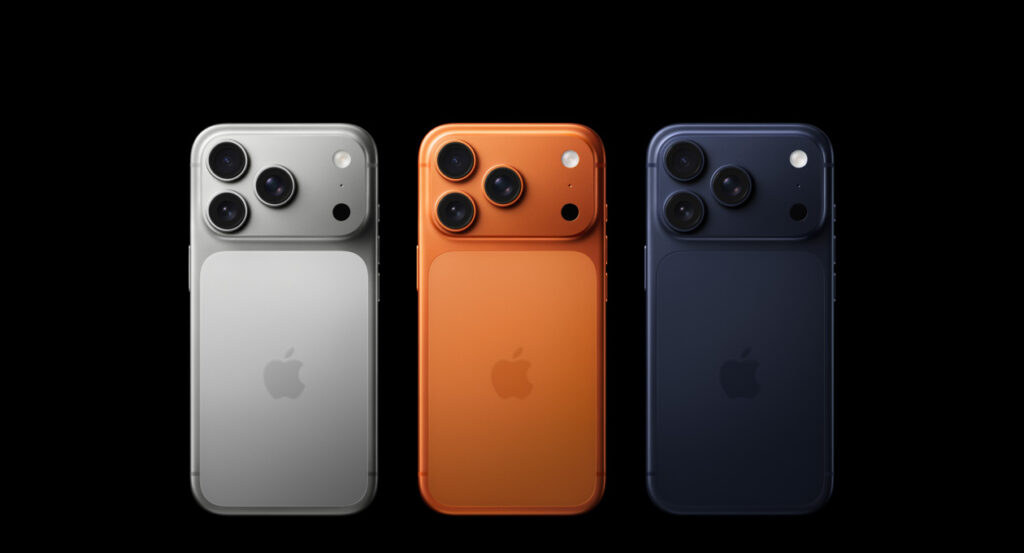
1. Apple iPhone 17 Pro Max — lider DxOMark i 8x zoom tetrapryzmat
Apple iPhone 17 Pro Max to najlepszy telefon do zdjęć 2026 według rankingu DxOMark (168 pkt). Ogromny skok w teleobiektywie — z 5x na 8x zoom optyczny z nowym tetrapryzmem i sensorem 48 MP — czyni go numerem jeden wśród smartfonów fotograficznych.
System aparatów
| Obiektyw | Rozdzielczość | Sensor | Przysłona | Ogniskowa |
|---|---|---|---|---|
| Główny | 48 MP Fusion | 1/1.28″ | f/1.5 | 24 mm |
| Ultraszeroki | 48 MP | — | f/2.2 | 13 mm |
| Teleobiektyw 8x (tetrapryzmat) | 48 MP | 56% większy sensor | f/2.8 | 200 mm |
| Przedni (Centre Stage) | 18 MP | kwadratowy sensor | f/2.2 | — |
Dlaczego numer 1?
iPhone 17 Pro Max wprowadza przełomowy teleobiektyw — 48 MP sensor z 8-krotnym zoomem optycznym (200 mm) na tetrapryzmie nowej generacji. To najdłuższa ogniskowa w historii iPhone’a. Dzięki crop z sensora 48 MP, jakość optyczna utrzymuje się nawet przy 16-krotnym zakresie zoomu. To ogromny postęp względem 12 MP teleobiektywu w poprzedniku.


Video remains the hallmark of Apple — 4K Dolby Vision, ProRes Log, Cinematic Mode, and Spatial Video for Apple Vision Pro. The new 18 MP front camera with a square Centre Stage sensor allows for rotating the photo orientation without turning the phone. The physical Camera Control button turns the iPhone into an intuitive camera.
Tip: Check out cases and tempered glass for iPhone 17 Pro Max at Home Screen — you’ll protect both the camera and the display at the same time.
Strengths and Weaknesses
Strengths: Highest DxOMark score (168 points), 8x optical zoom 48 MP (200 mm), best video (4K ProRes Log), Camera Control, Spatial Video.
Weaknesses: No 8K video, high price starting from 6,299 PLN, smaller main sensor than Xiaomi and vivo.
2. Xiaomi 17 Ultra — 1-calowy sensor i mechaniczny zoom Leica
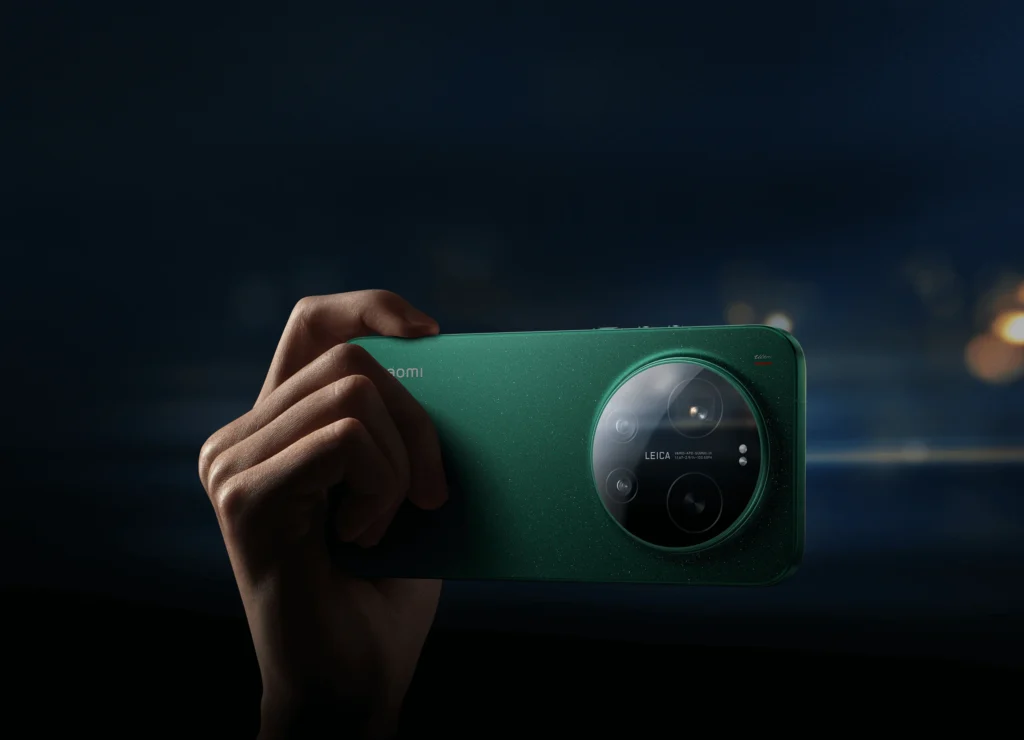
Xiaomi 17 Ultra to smartfon stworzony z myślą o fotografii — 1-calowy sensor główny Light Fusion 1050L i mechaniczny zoom optyczny z certyfikacją Leica APO sprawiają, że granica między smartfonem a aparatem bezlusterkowym zaciera się bardziej niż kiedykolwiek.
System aparatów
| Obiektyw | Rozdzielczość | Sensor | Przysłona | Ogniskowa |
|---|---|---|---|---|
| Główny | 50 MP | Light Fusion 1050L (1″) | f/1.67 | 23 mm |
| Ultraszeroki | 50 MP | — | f/2.2 | 14 mm |
| Teleobiektyw (mechaniczny zoom) | 200 MP | 1/1.4″ | — | 75–100 mm (4,3x) |
| Przedni | 32 MP | — | f/2.0 | — |
Dlaczego na podium?
Xiaomi 17 Ultra has a 1-inch sensor in the main camera — this is the largest sensor among smartphones in 2026 (excluding the yet-to-be-global vivo X300 Ultra). The Light Fusion 1050L sensor with LOFIC HDR technology offers a full well capacity 6.3 times greater than its predecessor, the Xiaomi 15 Ultra. In practice, this means phenomenal dynamic range — details in both bright and dark areas of the photo.
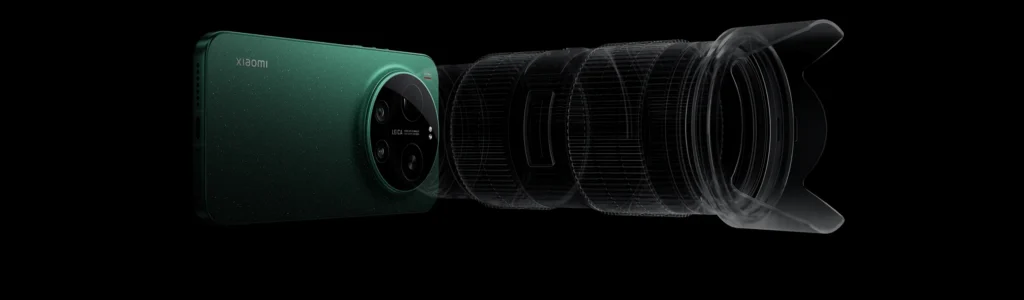
The 200 MP telephoto lens with a 1/1.4″ sensor is a revolution — a mechanical optical zoom system with three groups of lenses changes the focal length from 75 to 100 mm. Leica APO eliminates chromatic aberrations, and the optical quality zoom reaches an equivalent of 400 mm. The special edition Leica Leitzphone adds a physical zoom ring on the body.
Video and special features
Recording 8K at 24 fps, 4K at 120 fps Dolby Vision, Movie mode with full manual control and 10-bit Log support. The Xiaomi 17 Ultra is a serious tool for video creators.
Advice: The Xiaomi 17 Ultra with the Leica camera module requires solid protection — check out cases for Xiaomi 17 Ultra at Home Screen.
Strengths and Weaknesses
Strengths: 1-inch main sensor, mechanical optical zoom, 200 MP telephoto lens, Leica APO optics, 6,500 mAh battery.
Weaknesses: No extender version (like vivo), 32 MP selfie camera weaker than Pixel 9 Pro, price starting from 6,499 PLN.
3. Google Pixel 10 Pro — master of artificial intelligence with 100x Pro Res Zoom
The Google Pixel 10 Pro is the best photo phone of 2026 for those who want to take the perfect picture without worrying about settings. The Tensor G5 chip with an enhanced TPU unit powers powerful AI features, and the new 100x Pro Res Zoom finally puts the Pixel on par with Samsung in terms of close-ups. A score of 163 points in DxOMark ranks it third in the world.
System aparatów
| Obiektyw | Rozdzielczość | Sensor | Przysłona | Ogniskowa |
|---|---|---|---|---|
| Główny | 50 MP | Samsung GNK (1/1.31″) | f/1.68 | 24 mm |
| Ultraszeroki (AF) | 48 MP | 1/2.55″ | f/1.7 | 12 mm |
| Teleobiektyw 5x (peryskop) | 48 MP | 1/2.55″ | f/2.8 | 110 mm |
| Przedni | 42 MP | — | f/2.2 | 18 mm |
Co wyróżnia Pixela 10 Pro?
Google Pixel 10 Pro dziedziczy najlepsze cechy poprzednika i dodaje kluczowe ulepszenia:
- 100x Pro Res Zoom — AI-wspomagany zoom z jakością optyczną do 10x
- 50 MP portrety — nowa jakość zdjęć portretowych dzięki Tensor G5
- 8K wideo — upscaling chmurowy do 8K z 4K, nowa funkcja Pixela
- Magic Eraser — usuwanie niechcianych obiektów i osób ze zdjęć
- Magic Editor — generatywna AI do modyfikacji elementów zdjęcia
- Best Take — składanie najlepszych min z wielu ujęć
- Night Sight Video — nagrywanie wideo w słabym oświetleniu z AI
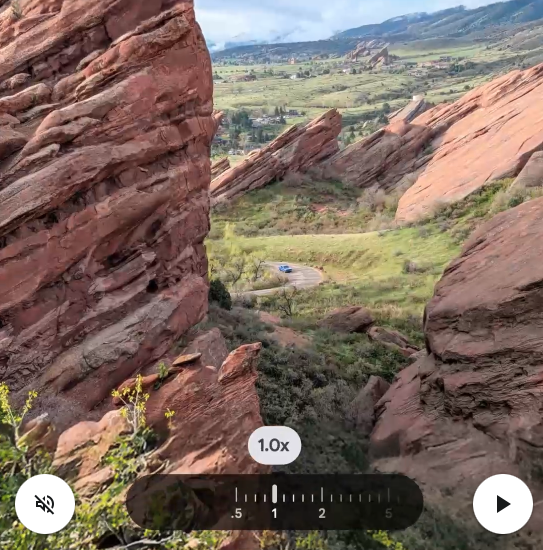

Ultraszeroki obiektyw z autofocusem (f/1.7!) to jeden z najjaśniejszych w branży. Przedni aparat 42 MP z najszerszym kątem widzenia (18 mm) robi najlepsze selfie w tym zestawieniu.
Porada: Pixel 10 Pro to najkorzystniej wyceniony flagowiec w tym zestawieniu — od ~3 450 zł. Sprawdź dostępne akcesoria do Google Pixel 10 Pro w Home Screen.
Mocne i słabe strony
Mocne strony: DxOMark 163 pkt (3. na świecie), najlepsze funkcje AI, 50 MP portrety, naturalne odwzorowanie kolorów, najlepsza kamera selfie (42 MP), najniższa cena.
Słabe strony: 8K tylko przez upscaling chmurowy, Tensor G5 słabszy w ogólnej wydajności niż Snapdragon, mniejsze sensory niż Xiaomi/vivo.

4. Samsung Galaxy S26 Ultra — king of zoom and versatility
Samsung Galaxy S26 Ultra (157 pts DxOMark) is the best phone for photography in 2026 for those who value versatility. The quadruple camera system covers every photographic scenario — from ultra-wide landscapes to details of distant objects thanks to 100x Space Zoom.
Camera system
| Lens | Resolution | Sensor | Aperture | Focal Length |
|---|---|---|---|---|
| Main | 200 MP | Samsung ISOCELL HP2 (1/1.3″) | f/1.4 | 23 mm |
| Ultra-wide | 50 MP | Samsung ISOCELL JN3 (1/2.5″) | f/1.9 | 120° FoV |
| 3x Telephoto | 10 MP | Sony IMX754 (1/3.94″) | f/2.4 | 67 mm |
| 5x Telephoto (periscope) | 50 MP | Sony IMX854 (1/2.52″) | f/2.9 | 111 mm |
| Front | 12 MP | — | f/2.2 | 26 mm |
Why is it still in the TOP 5?
Samsung Galaxy S26 Ultra inherits the proven quad zoom system from the S25 Ultra, but introduces key optical improvements — f/1.4 aperture in the main lens (47% brighter than f/1.7 in its predecessor) and f/2.9 in the periscope (37% brighter than f/3.4). Four optical focal lengths (23, 67, 111 mm + ultra-wide) still represent the widest zoom range among smartphones — no competitor offers this.


Video on this smartphone is a separate league — recording 8K at 30 fps on three lenses, Galaxy Log mode, and new 60 W charging. DxOMark points out issues with exposure and AF in low light, but in everyday use, the Galaxy S26 Ultra remains an incredibly versatile tool.
Advice: Samsung Galaxy S26 Ultra is a premium flagship — it’s worth securing it with a solid case for Galaxy S26 Ultra that will protect the titanium frame and glass back.
Strengths and weaknesses
Strengths: The widest zoom range (4 focal lengths), brighter aperture f/1.4, 8K recording, 60W charging, Galaxy Log mode.
Weaknesses: DxOMark 157 points (18th in the world), 3x telephoto only 10 MP, unstable exposure according to DxOMark, high price starting from 6,499 PLN.
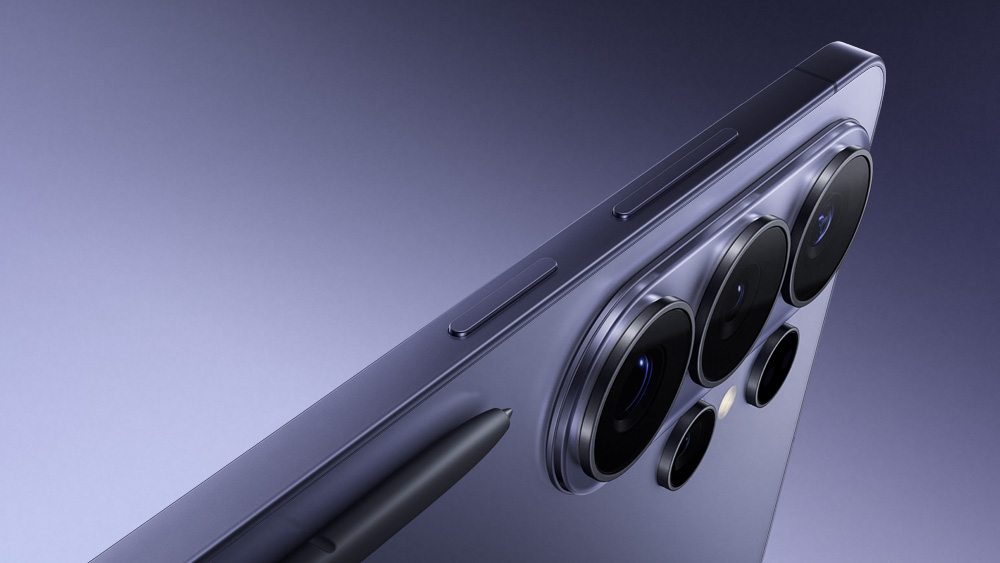
5. vivo X300 Ultra — record-breaking sensor and ZEISS optics
Vivo X300 Ultra is a phone with a good camera in 2026, which changes the game in mobile photography. Equipped with a record-breaking sensor — Sony LYTIA-901 with a size of 1/1.12″ — and full ZEISS T* APO optical certification, it approaches the capabilities of mirrorless cameras more than any competitor.
System aparatów
| Obiektyw | Rozdzielczość | Sensor | Ogniskowa |
|---|---|---|---|
| Główny | 200 MP | Sony LYTIA-901 (1/1.12″) | 35 mm |
| Ultraszeroki | 50 MP | Sony LYTIA-818 (1/1.28″) | 14 mm |
| Teleobiektyw peryskop | 200 MP | Samsung ISOCELL HP01 (1/1.4″) | 3,5x |
| Multispektralny | 5 MP | — | — |
| Przedni | 50 MP (AF) | — | — |
Co wyróżnia vivo X300 Ultra?
Kluczowym elementem jest akcesorium ZEISS Telephoto Extender Gen 2 Ultra — doczepiana soczewka, która zwiększa zoom z 3,5x do 17x optycznego (ekwiwalent 400 mm). To jedyny smartfon na rynku z możliwością osiągnięcia takiego zoomu w pełni optycznie. Z extenderem zachowujesz pełną rozdzielczość 200 MP.
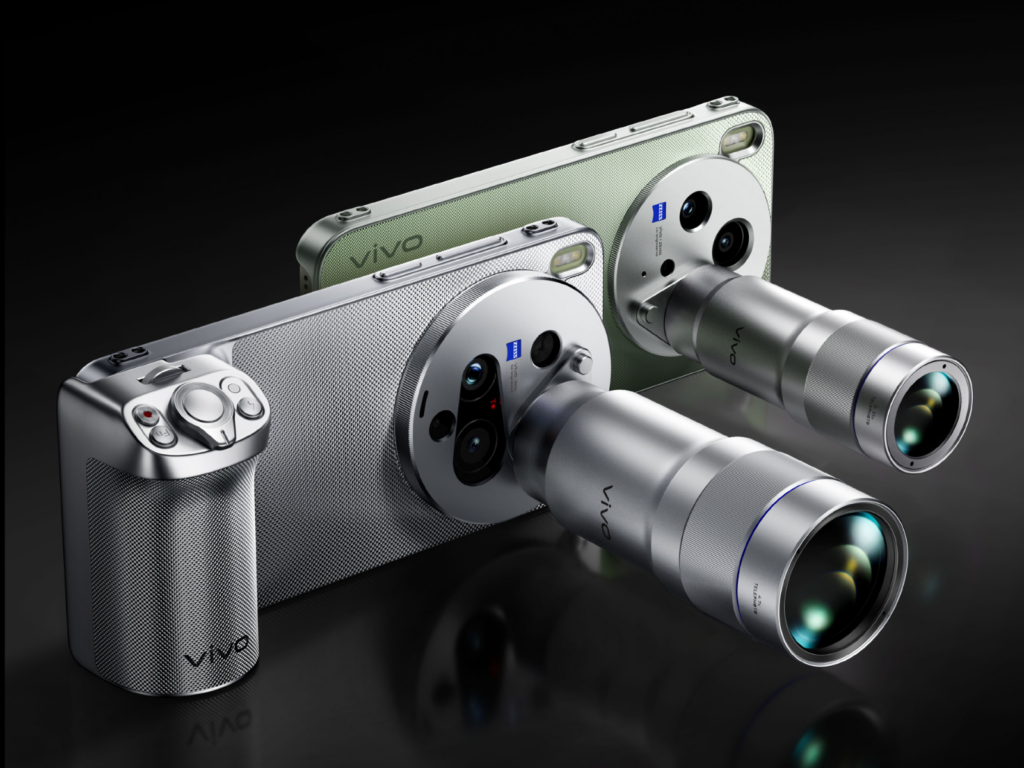
The main sensor 1/1.12″ collects even more light than the 1-inch sensor of the Xiaomi 17 Ultra. The ultra-wide 50 MP with a 1/1.28″ sensor is larger than the main sensors of many flagships — this is a unique feature of vivo.
Video and special features
Recording 4K at 120 fps Dolby Vision HDR on all rear lenses with 10-bit Log mode. vivo also offers a SmallRig accessory ecosystem (video cage).
Tip: The global launch of the vivo X300 Ultra is planned for Q2 2026. It’s worth keeping an eye on the availability of vivo accessories at the Home Screen store.
Strengths and weaknesses
Strengths: The largest sensors (1/1.12″ and 1/1.28″), 17x optical zoom with ZEISS extender, dual 200 MP cameras, 4K 120 fps Dolby Vision.
Weaknesses: The most expensive option in the ranking (~7,500 PLN), ZEISS extender is an additional purchase, global launch not until Q2 2026, 35 mm focal length may be too wide for portraits.
Best phone for photos 2026 — comparison in every scenario
The best flagship for photos is not just about specifications — it’s also about software, AI processing, and the accessory ecosystem. The following comparison of phones with the best camera takes into account ten key photographic scenarios.
| Scenario | Best Choice | Why? |
|---|---|---|
| Daytime Photos | vivo X300 Ultra | Largest sensor 1/1.12″, 200 MP |
| Night Photos | Xiaomi 17 Ultra | 1-inch sensor + LOFIC HDR, phenomenal dynamic range |
| Long Zoom (>5x) | Samsung Galaxy S26 Ultra | Quad zoom system, 100x Space Zoom |
| Portrait | Xiaomi 17 Ultra | Leica mechanical zoom 75-100 mm, natural bokeh |
| Selfie | Google Pixel 10 Pro | 42 MP, widest angle 18 mm |
| Professional Video | iPhone 17 Pro Max | 4K ProRes Log, Dolby Vision |
| Casual Video | Samsung Galaxy S26 Ultra | 8K on three lenses |
| Action Shots (Sports) | vivo X300 Ultra | 17x optical zoom with ZEISS extender |
| AI Photography | Google Pixel 10 Pro | Magic Eraser, Best Take, 100x Pro Res Zoom |
| Price to Quality Ratio | Google Pixel 10 Pro | From ~3,450 PLN for a flagship camera |
Best Phone for Photos 2026 — Which to Choose?
Choosing the best phone for photography in 2026 depends on your shooting style and budget.
For versatile photographers: Samsung Galaxy S26 Ultra — covers every scenario from ultra-wide to 100x zoom. A brighter f/1.4 aperture is a clear improvement over its predecessor.
For photography enthusiasts: Xiaomi 17 Ultra — 1-inch sensor and Leica mechanical zoom offer image quality unavailable on any other smartphone in this price range.
For budget-conscious professionals: vivo X300 Ultra — if you take mobile photography seriously. The largest sensors and 17x optical zoom with ZEISS extender are in a league of their own.
For filmmakers and video creators: iPhone 17 Pro Max — ProRes Log, 8x zoom 48 MP, and Spatial Video are professional tools in a smartphone.
For those who value simplicity and value: Google Pixel 10 Pro — Google’s artificial intelligence with 100x Pro Res Zoom will do most of the work for you, and the price starting at ~3,450 PLN is unbeatable.
Our verdict: iPhone 17 Pro Max is the best phone for photography in 2026 according to DxOMark (168 points) — it has the best camera in a phone for 2026 with a groundbreaking 8x zoom 48 MP. Xiaomi 17 Ultra with a 1-inch sensor and Leica optics (166 points) is ideal for photography enthusiasts, while Google Pixel 10 Pro (163 points, starting at ~3,450 PLN) offers the best value for money.
Flagships with large sensors consume more energy while photographing — check network chargers with USB-C PD to quickly charge your phone after a full day of shooting. For a longer outdoor session, it’s worth bringing a power bank — especially since recording in 4K and 8K can drain even a 6,000 mAh battery in a few hours.
Frequently Asked Questions (FAQ)
What is the best phone for photos in 2026?
The best phone for photos in 2026 is the Apple iPhone 17 Pro Max with a score of 168 points in DxOMark — it offers 8x optical zoom 48 MP (200 mm), the best video with ProRes Log and Camera Control. Right behind it is the Xiaomi 17 Ultra (166 points) with a 1-inch Leica sensor and the Google Pixel 10 Pro (163 points) with revolutionary AI photography.
Which phone takes the best night photos?
The Xiaomi 17 Ultra with a 1-inch Light Fusion 1050L sensor and LOFIC HDR technology offers phenomenal dynamic range in low light. The Samsung Galaxy S26 Ultra with an f/1.4 aperture (47% brighter than its predecessor) also performs excellently after dark.
Will vivo X300 Ultra be available in Poland?
vivo announced the global premiere of the X300 Ultra for Q2 2026. The premiere in China is scheduled for March 30, 2026. Availability in Poland depends on official distribution — it’s worth keeping an eye on updates on the manufacturer’s website.
Which flagship has the best zoom?
The Samsung Galaxy S26 Ultra with a quadruple optical system (2x/3x/5x/10x) and AI-assisted Space Zoom 100x offers the best built-in zoom range. The iPhone 17 Pro Max with 8x optical zoom 48 MP (200 mm) is a newcomer, while the vivo X300 Ultra with a ZEISS extender achieves a 17x purely optical zoom.
Is the Google Pixel 10 Pro a good choice for mobile photography?
Yes — the Google Pixel 10 Pro is an excellent choice, especially at its price (from ~3,450 PLN). The Tensor G5 powers unique AI features like Magic Eraser, 100x Pro Res Zoom, and Best Take. Natural color reproduction and Night Sight Video mode set it apart from the competition.
Samsung Galaxy S26 Ultra or Xiaomi 17 Ultra — which is better for photos?
The Samsung Galaxy S26 Ultra wins in zoom versatility (4 focal lengths) and 8K recording on three lenses. The Xiaomi 17 Ultra dominates in single photo quality thanks to its 1-inch sensor and Leica APO optics with mechanical zoom. Samsung is better for sports and wildlife photography, while Xiaomi excels in portraits and street photography.
Legg att eit svar