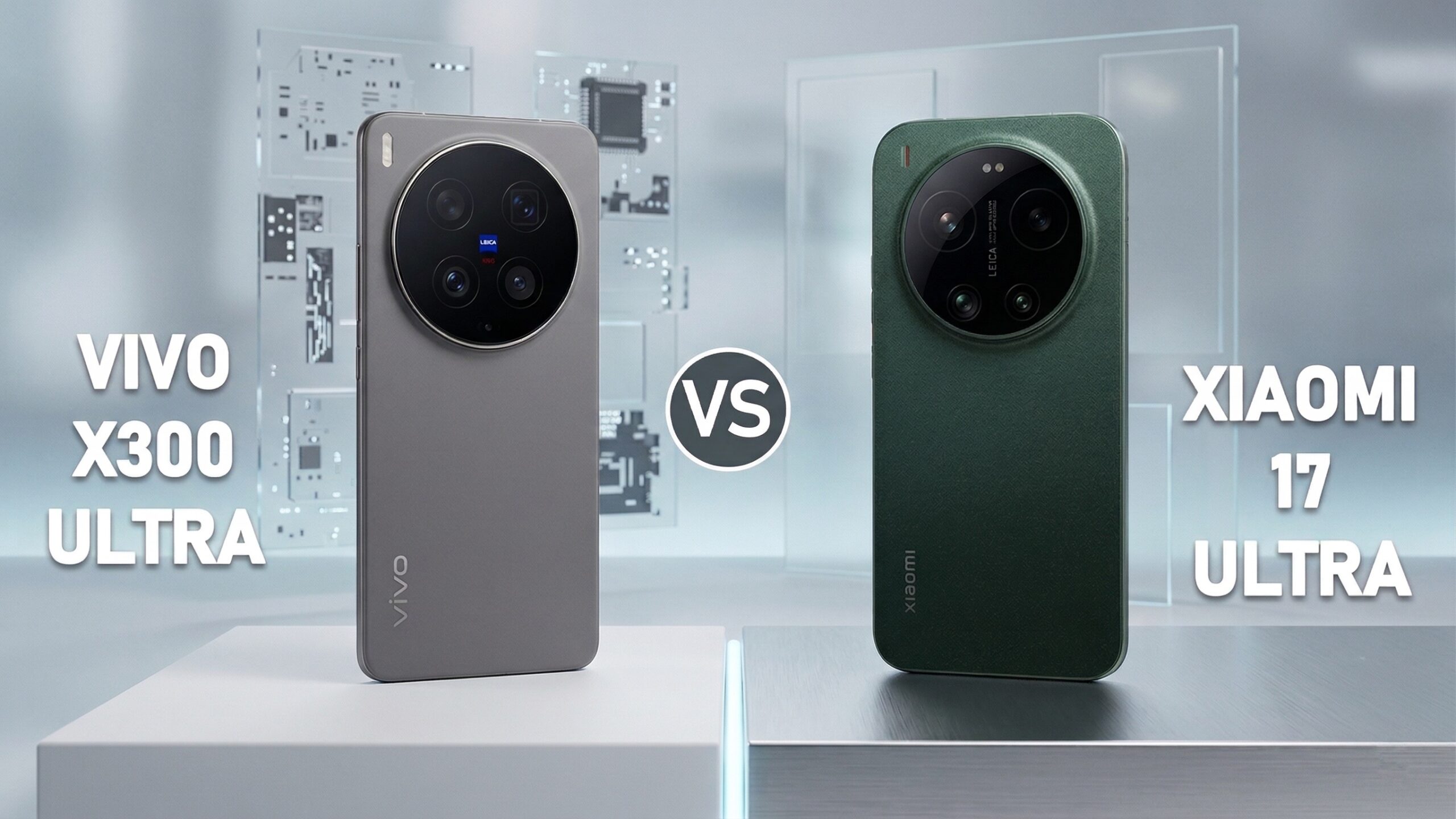
Vivo X300 Ultra has a dual 200 MP setup with ZEISS optics and a 400 mm teleconverter, while the Xiaomi 17 Ultra features a 1-inch Leica sensor with a mechanical zoom of 75-100 mm. Both phones target photographers, but the philosophy of each is completely different — Vivo focuses on raw power and zoom range, while Xiaomi emphasizes the atmosphere of photos and hardware HDR. Which one better replaces a compact camera? If you’re looking for the best photography smartphone of 2026, the choice comes down to these two models.
Vivo X300 Ultra went on European pre-sale on April 16, 2026, while the Xiaomi 17 Ultra has been available since the end of February. They are direct rivals in the ultra-premium segment, united by one ambition: to replace the compact camera. However, they differ in philosophy, optics, and price.
Specifications Vivo X300 Ultra vs Xiaomi 17 Ultra
| Parametr | Vivo X300 Ultra | Xiaomi 17 Ultra |
|---|---|---|
| Premiera | April 2026 (Europe) | February 2026 (globally) |
| Ekran | 6.82″ LTPO AMOLED, 2K (1440×3168), 144 Hz, ZEISS Master Color | 6.9″ OLED Xiaomi HyperRGB, 2608×1200, 120 Hz LTPO, 300 Hz touch, 12-bit |
| Jasność szczytowa | 4500 nits (declared) | 3500 nits |
| Ochrona ekranu | Armor Glass | Xiaomi Shield Glass 3.0 |
| Procesor | Snapdragon 8 Elite Gen 5 (3 nm) | Snapdragon 8 Elite Gen 5 (3 nm) |
| RAM | 12/16 GB LPDDR5X | 16 GB LPDDR5X |
| Pamięć | 256/512 GB/1 TB UFS 4.1 | 512 GB/1 TB UFS 4.1 |
| Aparat główny | 200 MP Sony LYT-901 (1/1.12″), f/1.85, OIS gimbal, ZEISS T* | 50 MP Light Fusion 1050L (1″), f/1.67, OIS, LOFIC HDR |
| Teleobiektyw | 200 MP Samsung HP0 (1/1.4″), f/2.3, 85 mm, 3.7× periscope, ZEISS APO | 200 MP Samsung HPE (1/1.4″), f/2.39-2.96, 75-100 mm mechanical zoom, OIS |
| Ultraszerokokątny | 50 MP Sony LYTIA 818 (1/1.28″), f/2.0, 116°, OIS | 50 MP Samsung JN5 (1/2.75″), f/2.2, 14 mm, 115° |
| Sensor wielospektralny | 5 MP VCS 3rd generation | none |
| Selfie | 50 MP, f/2.5, AF | 50 MP OV50M, f/2.2, AF, 21 mm, 90° |
| Wideo | 8K/30, 4K/120 10-bit Log, Dolby Vision, APV 422 | 8K/30, 4K/120 Log, ACES, Dolby Vision, slow-mo 1080p/1920 fps |
| Bateria | 6600/7000 mAh (silicon-carbon) | 6000 mAh (global version) |
| Ładowanie przewodowe | 100 W | 90 W (~43 min) |
| Ładowanie bezprzewodowe | 40 W + reverse charging | 50 W |
| Ładowanie zwrotne | yes (wireless) | yes (22.5 W wired) |
| Wymiary | 8.19 mm thickness | 162.9 × 77.6 × 8.29 mm |
| Waga | 232-237 g (depending on color) | 218.4 g (Black/White) / 219 g (Green) |
| Wodoodporność | IP68/IP69 | IP68 |
| Bluetooth | 5.4 | 6.0 |
| Wi-Fi | Wi-Fi 7 | Wi-Fi 7 (tri-band, Wi-Fi 6e) |
| NFC | yes | yes |
| Port podczerwieni (IR) | yes | yes |
| USB | Type-C 3.2, DisplayPort | Type-C 3.2 Gen 2, DisplayPort |
| SIM | dual nano-SIM | nano+nano or nano+eSIM or eSIM+eSIM |
| Czytnik linii papilarnych | ultrasonic, under display | ultrasonic, under display |
| Głośniki | stereo, Hi-Res | stereo, Hi-Res |
| System | Android 16, OriginOS 6 | Android 16, HyperOS 3 |
| DxOMark | not yet rated | 166 points (#6 globally) |
| Łączność satelitarna | yes (1 TB version) | none |
| Kolory | black, silver, green | black, white, green (Starlit Green) |
| Cena od | approx. 7999 zł for the 16 GB/1 TB variant | approx. 6499 |
Pełne specyfikacje obu telefonów można porównać również na GSMArena. Szukasz akcesoriów do swojego nowego flagowca? Sprawdź etui i szkła do Xiaomi 17 Ultra oraz akcesoria do telefonów Vivo X w Home Screen.
Aparat Vivo X300 Ultra vs Xiaomi 17 Ultra — kto lepiej fotografuje?
Tu zaczyna się prawdziwa zabawa — aparat Vivo X300 Ultra i aparat Xiaomi 17 Ultra podchodzą do fotografii mobilnej z zupełnie innej strony.
Filozofia aparatu
Vivo X300 Ultra to «technolog» — stawia na surową moc specyfikacji. Podwójny sensor 200 MP (główny Sony LYT-901, f/1.85 + teleobiektyw Samsung HP0, f/2.3) daje ogromne pole do kadrowania i cyfrowego przybliżania. Stabilizacja OIS na poziomie gimbala i certyfikacja ZEISS T* na głównym obiektywie to parametry niespotykane w smartfonach. Do tego ultraszerokokątny obiektyw z dużym sensorem Sony LYTIA 818 (1/1,28″) — znacznie większym niż u konkurencji.
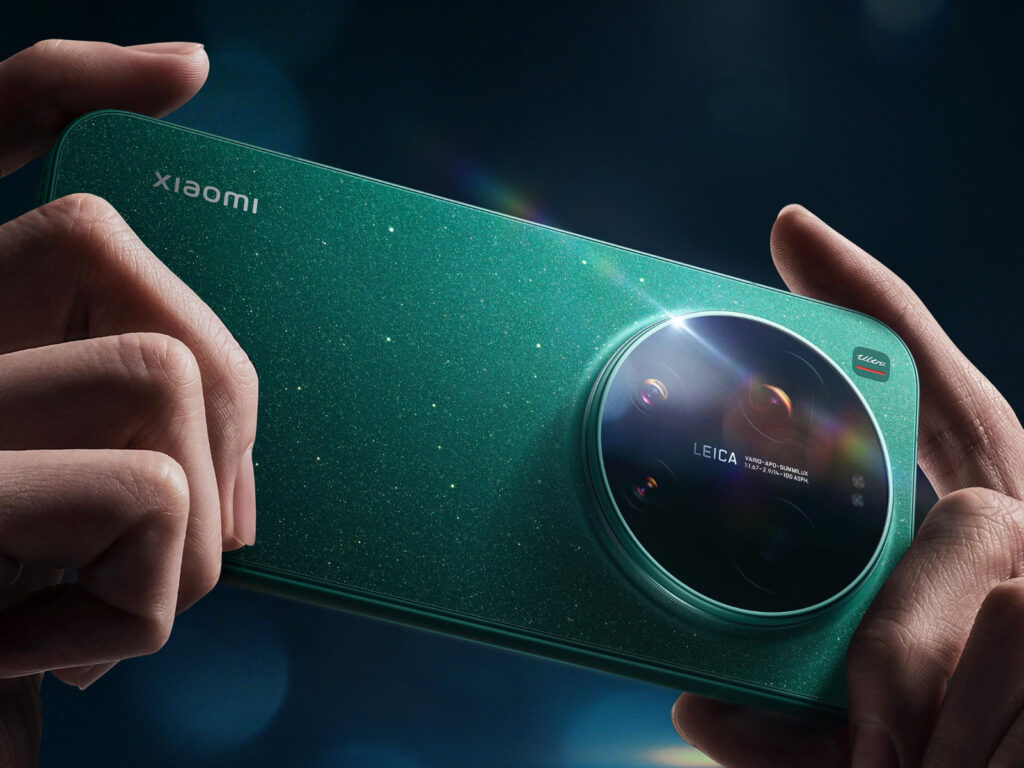
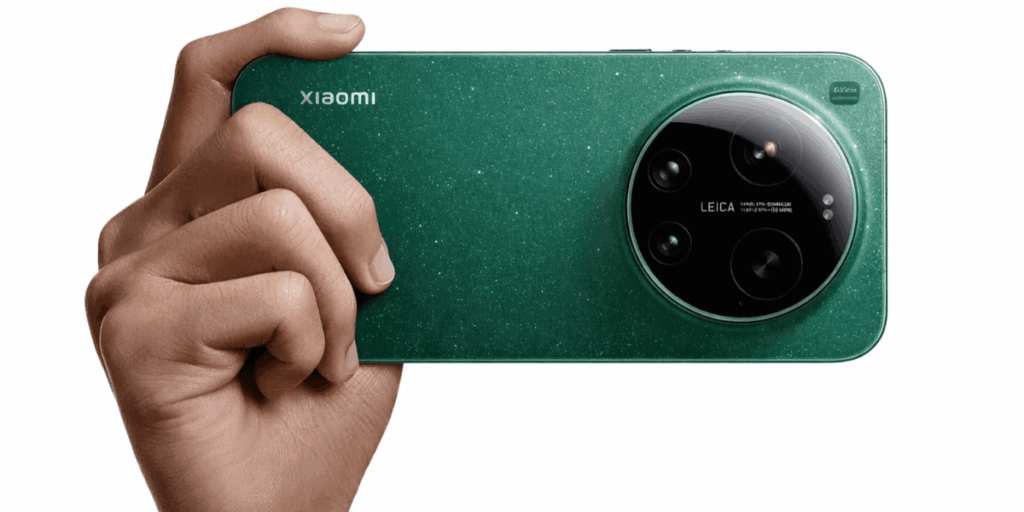
Xiaomi 17 Ultra is an «artist» — 1-inch main sensor with LOFIC technology (hardware HDR without frame merging) and mechanical optical zoom of 75-100 mm are solutions known from professional cameras. Collaboration with Leica translates into characteristic color reproduction and emulation of Leica M9 films.
Photo quality during the day
In good lighting, Vivo X300 Ultra produces more neutral, true-to-life colors. Photos from the 200 MP sensor have an enormous amount of detail — when cropping to a lower resolution, the effect is incredibly sharp.
Xiaomi 17 Ultra with a 1-inch sensor captures more light and creates more natural background blur (bokeh). Colors in Leica Vibrant mode are warmer and more saturated, while in Leica Authentic mode — truer, with the characteristic «leica look».
Draw. Vivo wins in detail and resolution, Xiaomi — in atmosphere and color reproduction. The choice depends on the photography style.
Night mode photos
Here Xiaomi 17 Ultra has a clear advantage. The 1-inch sensor with LOFIC technology processes exposure information at the hardware level, resulting in more balanced night photos without the typical artifacts from merging multiple frames.
Vivo X300 Ultra performs well thanks to CIPA 7.0 stabilization, which allows for longer exposure times without blur. In practice, both phones deliver excellent night results, but Xiaomi retains more detail in shadows and better controls noise.
Xiaomi 17 Ultra wins — the LOFIC sensor is a real advantage in low light.
Zoom and telephoto lens
This is the key difference between the two phones.
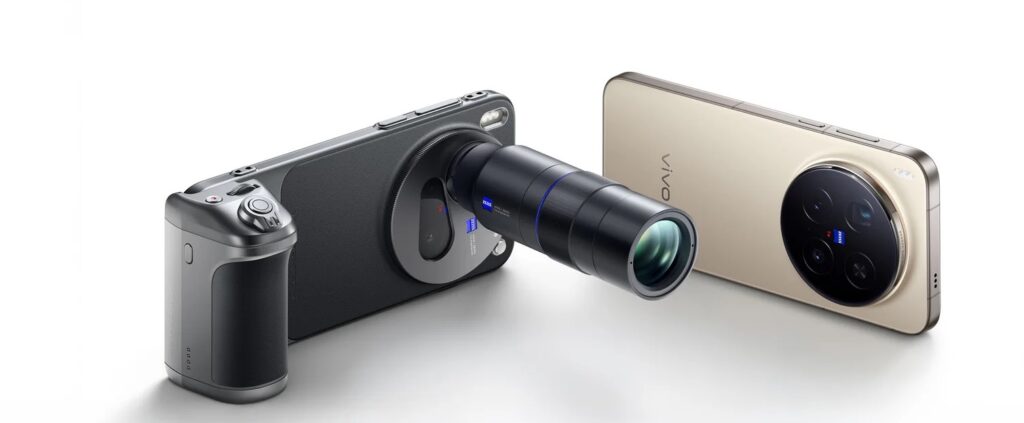
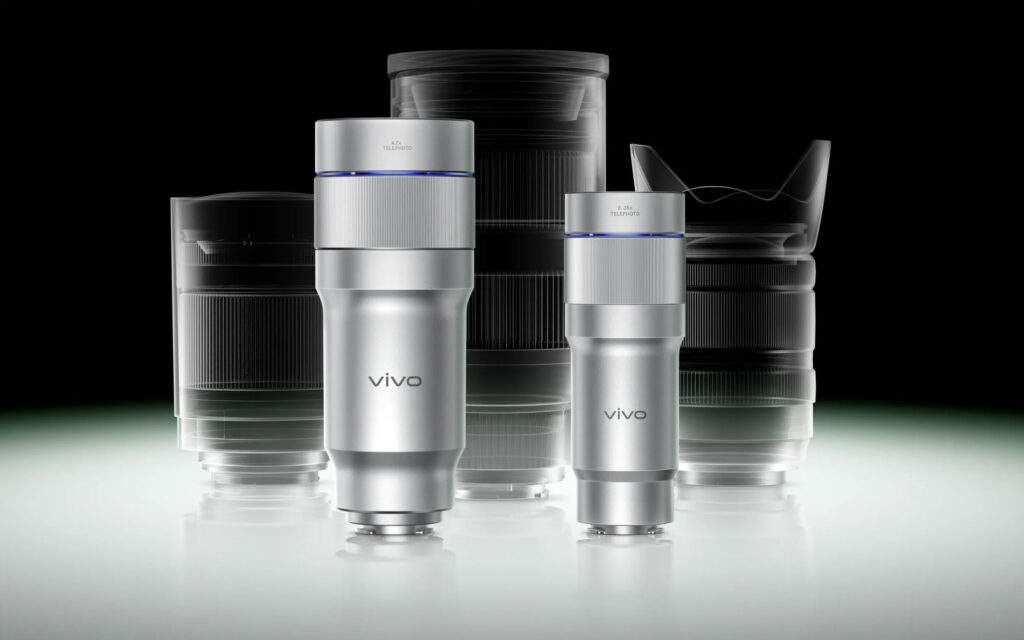
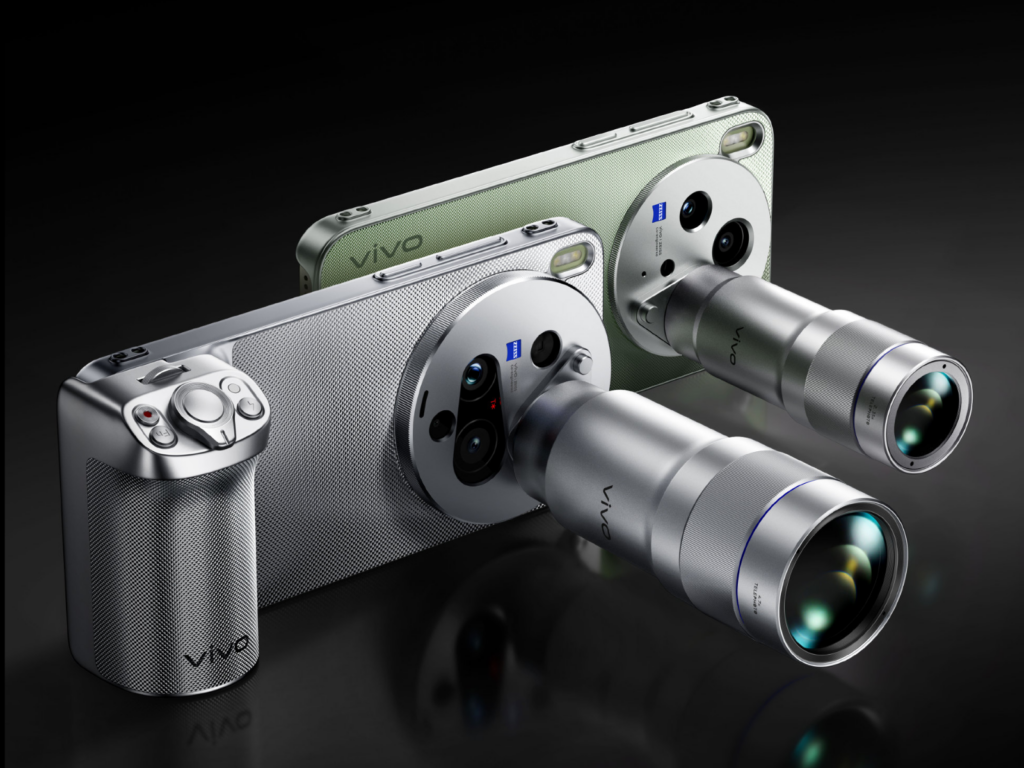
Vivo X300 Ultra offers a 200 MP telephoto lens with a focal length of 85 mm (3.7× optical zoom). Additionally, there is an optional ZEISS 400 mm G2 Ultra teleconverter that provides up to 17.4× optical zoom at full 200 MP resolution. This is a record among smartphones.
Xiaomi 17 Ultra has a 200 MP telephoto lens with mechanical optical zoom of 75-100 mm (3.2-4.3×). This is the first such solution in a smartphone — a movable optical element provides true optical zoom without loss of quality across the entire focal length range.
At 3-5× close-ups, Xiaomi delivers sharper images because it uses optical zoom without digital cropping. Above 5×, Vivo takes the lead — with the teleconverter, it achieves ranges unavailable to any other smartphone.
Vivo wins in range, Xiaomi — in photo quality in the popular 3-5× range. The ZEISS teleconverter is a powerful accessory, but you buy it separately.
If you plan to record professional video on your smartphone, a tripod or gimbal for your phone. will also be useful.
Ultrawide
Both phones have 50 MP ultrawide lenses with similar fields of view (~116°), but the Vivo X300 Ultra has a huge advantage with the Sony LYTIA 818 sensor sized 1/1.28″ — that’s more than twice the size of the Samsung JN5 (1/2.75″) in the Xiaomi. Additionally, the ultrawide Vivo has its own OIS stabilization.
In practice, the Vivo X300 Ultra should deliver significantly better ultrawide photos, especially in low light, thanks to the larger sensor and stabilization.
The Vivo X300 Ultra wins — the 1/1.28″ sensor with OIS is in a completely different league than the 1/2.75″ without stabilization.
Video
Both phones record in 8K/30 fps, 4K/120 fps Log with ACES and Dolby Vision support — this is currently the absolute top of smartphone video. The differences lie in the details:
Vivo X300 Ultra:
– 4K/120 fps 10-bit Vivo Log na wszystkich obiektywach (główny, tele, ultra-szeroki)
– Kodowanie APV 422 (wydajniejszy format niż H.265)
– Dolby Vision HDR, 8K/30 fps
Xiaomi 17 Ultra:
– 4K/120 fps Log z obsługą ACES (Academy Color Encoding System)
– Super slow-motion 1080p do 1920 fps
– Tryby filmowe Leica (ciepłe odwzorowanie kolorów)
– Nagrywanie ShootSteady do 2,8K/60 fps (zaawansowana stabilizacja)
– Dolby Vision HDR, 8K/30 fps
Obie te maszyny oferują profesjonalne narzędzia do wideo — Log, ACES i 4K/120. Kluczowa przewaga Vivo to 10-bitowy Log na każdym obiektywie (nie tylko głównym) i kodowanie APV 422. Xiaomi z kolei oferuje super slow-motion 1080p/1920 fps i stabilizację ShootSteady — idealne do dynamicznych ujęć w ruchu.
Remis w wideo — oba telefony to profesjonalne narzędzia filmowe. Vivo ma lepsze kodowanie (APV 422) i Log na wszystkich obiektywach, Xiaomi lepsze slow-motion i stabilizację. Do stabilnego nagrywania filmów w ruchu sprawdzi się też kijek do selfie z funkcją statywu.

Screen — does 2K resolution make a difference?
| Parameter | Vivo X300 Ultra | Xiaomi 17 Ultra |
|---|---|---|
| Diagonal | 6.82″ LTPO AMOLED | 6.9″ OLED Xiaomi HyperRGB |
| Resolution | 1440 × 3168 (2K) | 2608 × 1200, 12-bit |
| Refresh Rate | 144 Hz | 120 Hz LTPO |
| Peak Brightness | 4500 nits (declared) | 3500 nits |
| Calibration | ZEISS Master Color | DCI-P3, TUV Rheinland |
| Protection | Armor Glass | Xiaomi Shield Glass 3.0 |
Vivo leads in all screen parameters — 2K vs FHD+, 144 Hz vs 120 Hz, and 4500 nits peak brightness (declared) vs 3500 nits for Xiaomi. ZEISS Master Color calibration is an additional bonus for photographers who want to evaluate photos directly on the phone’s screen.
Xiaomi counters with adaptive LTPO refresh rate, which saves battery by lowering the frequency to 1 Hz when sufficient. The Xiaomi screen offers 12-bit color depth and TÜV Rheinland certifications (Low Blue Light, Flicker Free).
Vivo wins with the screen — higher resolution, faster refresh rate, and brighter panel. Xiaomi counters with better color depth (12-bit) and eye protection certifications.
Battery and charging — Vivo X300 Ultra vs Xiaomi 17 Ultra
| Parameter | Vivo X300 Ultra | Xiaomi 17 Ultra |
|---|---|---|
| Capacity | 6600/7000 mAh (silicon-carbon) | 6000 mAh |
| Wired charging | 100 W | 90 W (~43 min) |
| Wireless charging | 40 W + reverse charging | 50 W |
| Reverse charging | yes (wireless) | yes (10 W wireless, 22.5 W wired) |
| Battery life | 80% after 1200 cycles | no data |
Vivo X300 Ultra has a significantly larger battery — 6600 or even 7000 mAh (depending on the variant) with a silicon-carbon cell, compared to 6000 mAh in the Xiaomi 17 Ultra. Faster wired charging (100 W vs 90 W) is an additional advantage. In tests EPREL, Vivo achieved about 57 hours of operation, placing it among the top smartphones. Both phones support reverse charging — you can charge headphones, a watch, or even a second phone with them.
Xiaomi 17 Ultra has better wireless charging (50 W vs 40 W) and stronger wired reverse charging (22.5 W). In everyday use, both phones easily last a full day of intensive photography.
Vivo wins in battery capacity (even 1000 mAh more), Xiaomi in wireless and reverse charging.
Planning to take the flagship on a longer trip? Check out smartphone power banks and wall chargers to ensure that the battery doesn’t die at a crucial moment.
Build, weight, and water resistance
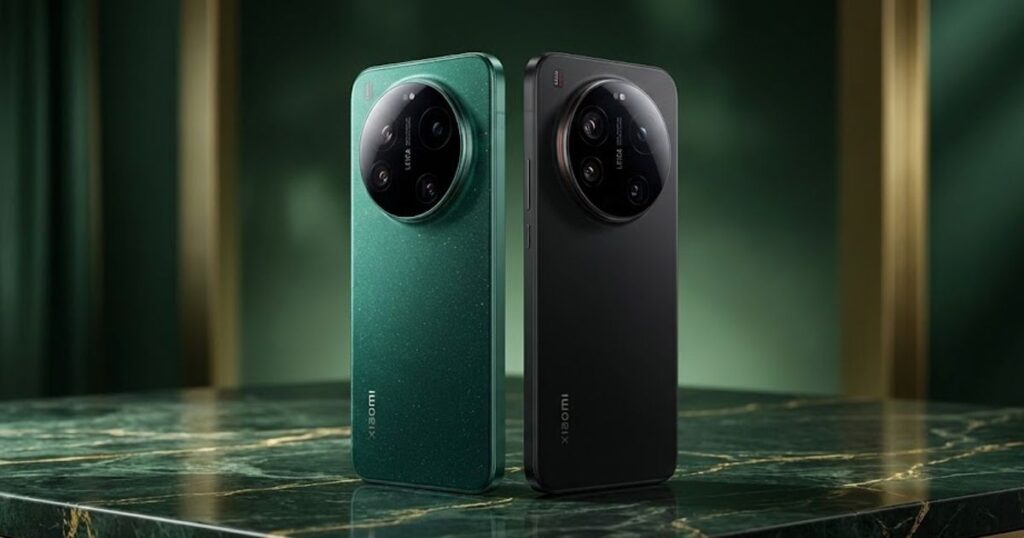
You will take both phones in hand and feel the difference — Xiaomi is about 13-19 g lighter. With similar dimensions (~163 × 77 × 8.2-8.3 mm), every gram matters during long photography sessions.
Vivo X300 Ultra has IP68 and IP69 certifications — it can withstand immersion in water and a stream of hot water under pressure. Xiaomi 17 Ultra has an IP68 certification (immersion up to 6 m for 30 minutes). Taking photos in the rain or by the water is not a problem for either of them.
Xiaomi 17 Ultra weighs 218.4 g (Black/White) or 219 g (Starlit Green). Available in three colors: black, white, and green. Both phones have an infrared emitter (IR blaster) for controlling home appliances.
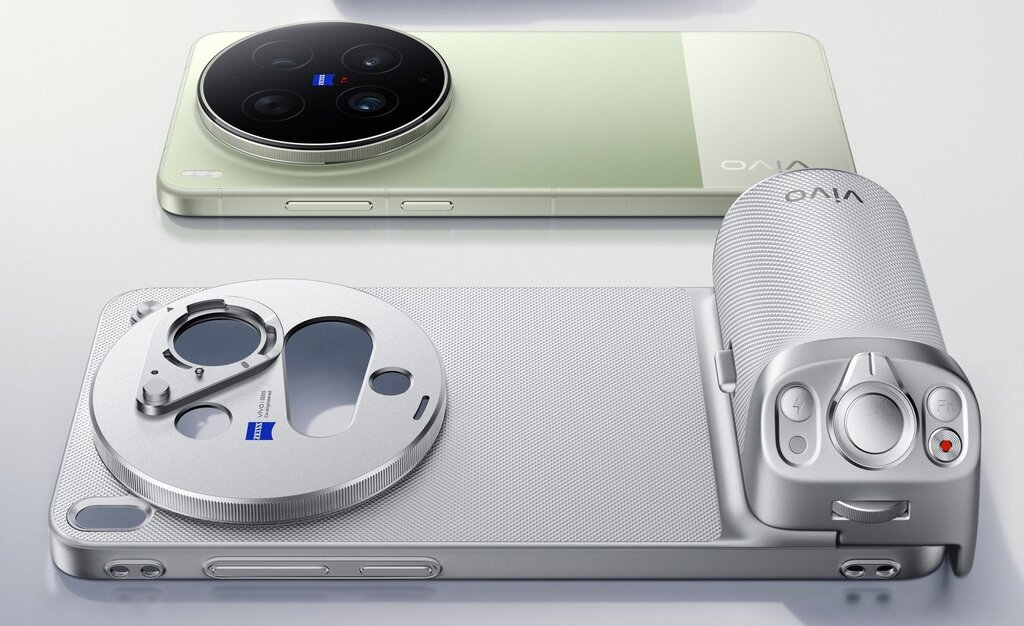
Vivo X300 Ultra weighs 232-237 g (the black is lighter, the green is heavier) and has Armor Glass on the back. The construction is massive but solid — the aluminum frame and flat edges provide a secure grip. Available in black, silver, and green.
Vivo wins with IP protection (IP68+IP69 vs just IP68), but Xiaomi wins with weight — it is clearly lighter.
Price in Poland — how much does each flagship cost?
Xiaomi 17 Ultra’s launch price was 6499 PLN for the 16/512 GB version, but it can currently be purchased from 5295 PLN. The official prices for this model in Poland have not yet been announced, but leaks suggest that Vivo X300 Ultra may cost around 7999 PLN for the 16 GB / 1 TB version.
Both phones have dedicated photography grips (Xiaomi Photography Kit, SmallRig Kit for Vivo), but you buy them separately. The ZEISS 400 mm teleconverter is a unique accessory that has no equivalent among competitors. The price-to-quality ratio favors Xiaomi — but Vivo with the pre-sale set levels the playing field.
Unique features — what distinguishes each model
Only Vivo X300 Ultra:
- ZEISS 400 mm G2 Ultra teleconverter — 17.4× optical zoom in 200 MP
- Dual sensor 200 MP (main + telephoto) with ZEISS T* optics
- 4K/120 10-bit Vivo Log on all lenses + ACES workflow
- Ultrawide with 1/1.28″ sensor (Sony LYTIA 818) with OIS
- 5 MP multispectral sensor VCS 3rd generation
- 6600/7000 mAh battery (silicon-carbon)
- ZEISS Master Color screen calibration
- BeiDou satellite connectivity (1 TB version)
- Infrared port (IR blaster)
- OIS gimbal stabilization
Only Xiaomi 17 Ultra:
- Mechanical optical zoom 75-100 mm (first in a smartphone)
- 1-inch sensor with LOFIC (hardware HDR)
- Leica film modes (Leica Authentic, Leica Vibrant, film filters)
- Super slow-motion 1080p/1920 fps
- Stabilizacja ShootSteady do 2,8K/60 fps
- Bluetooth 6.0 i Wi-Fi 6e (tri-band)
- Obsługa eSIM (nano+eSIM lub eSIM+eSIM)
- DxOMark 166 pkt (#6 globalnie)
- Xiaomi HyperAI (pisanie SI, tłumacz SI, wyszukiwanie SI)
Podsumowanie: który wybrać?
Wybierz Vivo X300 Ultra, jeśli:
– Nagrywasz dużo wideo (8K i 4K/120 Log to ogromna przewaga nad konkurencją)
– Potrzebujesz ekstremalnego zoomu (400 mm z telekonwerterem)
– Chcesz maksymalną rozdzielczość zdjęć (dual 200 MP)
– Preferujesz neutralne, wierne kolory ZEISS
– Zależy Ci na najlepszym ekranie (2K, 144 Hz)
Wybierz Xiaomi 17 Ultra, jeśli:
– Fotografujesz głównie w terenie (IP68, lżejszy)
– Cenisz kolory i atmosferę zdjęć Leica
– Robisz dużo zdjęć nocnych (sensor LOFIC)
– Zależy Ci na niższej cenie (od ~5295 zł)
– Chcesz telefon dostępny od zaraz
Comparison of Vivo X300 Ultra vs Xiaomi 17 Ultra shows that there is no single winner — it is your winner, depending on whether you prefer the raw power of Vivo or the artistic character of Leica in Xiaomi.
Looking for a case, tempered glass, or charger for your new flagship? Check out cases and glass for Xiaomi 17 Ultra and wireless chargers at Home Screen – with free shipping from 100 PLN and a rating of 4.9/5 on Google.
FAQ — frequently asked questions
Will Vivo X300 Ultra be available in Poland?
Vivo X300 Ultra is available for pre-order in Europe from April 16, 2026, with shipping starting from April 24. It can be ordered through the official Vivo website and selected retailers.
What is the price of Xiaomi 17 Ultra in Poland?
Xiaomi 17 Ultra costs around 5295 PLN (current market price) for the 16/512 GB version to about 6999 PLN for the 16 GB/1 TB version. The launch price was 6499 PLN. It has been available in Polish stores since March 2026.
Which phone takes better photos?
It depends on the photography style. The Vivo X300 Ultra camera wins in zoom range, resolution, and video recording. The Xiaomi 17 Ultra camera provides better night photos, warmer Leica colors, and better ultra-wide shots. For video — Vivo, for street and portrait photography — Xiaomi.
Is it worth waiting for the Vivo X300 Ultra, since the Xiaomi 17 Ultra is already available?
If your priority is video, extreme zoom, or dual 200 MP — yes, it’s worth waiting. If you care about immediate availability, IP68, a lighter design, and a lower price — the Xiaomi 17 Ultra is a safe choice right now.
When is the Vivo X300 Ultra release?
The European pre-sale starts on April 16, 2026, and regular sales begin on April 24, 2026.
What is the best camera smartphone in 2026?
The Vivo X300 Ultra and Xiaomi 17 Ultra are the two main contenders for the title of best camera smartphone of 2026. Vivo leads in video and zoom, while Xiaomi excels in night photography and Leica colors. The Samsung Galaxy S26 Ultra and iPhone 17 Pro Max are strong competitors, but they do not have such advanced optical systems.
What are the reviews of the Vivo X300 Ultra and Xiaomi 17 Ultra?
The first reviews of the Vivo X300 Ultra highlight its outstanding video capabilities and record zoom range. Reviews of the Xiaomi 17 Ultra praise its night photography, Leica colors, and mechanical optical zoom.
Legg att eit svar