Category: Uncategorized

  • Huawei Pura 90 Pro Max — a photographic monster with 200 MP zoom

    Huawei Pura 90 Pro Max — a photographic monster with 200 MP zoom

    Huawei officially presented the Pura 90 series on April 20, 2026, and sales of the base variant in China will start on April 29, 2026. At the top of the range is the Huawei Pura 90 Pro Max with a record telephoto lens of 200 MP on a RYYB 1/1.28″ sensor, a main camera of 50 MP with a variable 10-step mechanical aperture of f/1.4–f/4.0, and an ultra-wide 40 MP. Additionally, it features a new processor HiSilicon Kirin 9030S, the HarmonyOS 6.1 system, a 6000 mAh battery with 100 W wired and 80 W wireless charging, and a 6.9″ OLED LTPO 1–120 Hz display with next-generation Kunlun glass.

    Prices in China start from 6499 yuan (approx. 3500 PLN) for the 12/256 GB variant and rise to 8499 yuan (approx. 4500 PLN) for the top 16 GB + 1 TB. In China, this is a lower price than for the iPhone 17 Pro Max, Samsung Galaxy S25 Ultra, or Xiaomi 15 Ultra. We break down everything Huawei announced and check if the Pura 90 Pro Max will make it to Poland.

    When is the Huawei Pura 90 Pro Max premiere in Poland

    The official presentation of the Huawei Pura 90 series took place on April 20, 2026, in China. Sales of the Pro and Pro Max variants will start on April 29, 2026 in the Chinese market, while the basic Pura 90 model will go on sale a few days earlier. All three phones will be available first on consumer.huawei.com, in the Vmall network, and through official offline partners.

    The global premiere is expected at the turn of June and July 2026. Since 2023, Huawei has been consistently introducing the Pura series to Europe, albeit with a 2–3 month delay compared to China. The predecessor, Huawei Pura 80 Ultra, debuted in China in March 2025, and appeared in Poland in June 2025 at a price of 6,499 PLN. For the Pura 90 Pro Max, we can expect a similar pattern — availability in Poland from July to September 2026.

    Note: Availability in the European Union is not guaranteed. Some color variants (Orange Ocean, Sunset Purple) will remain exclusive to the Chinese market. The Polish distribution will likely offer only Dawn Gold and Obsidian Black, similar to the Pura 80 Pro.

    We will return to the article about Polish prices after the official announcement. For now, estimates for Polish prices of Huawei Pura 90 Pro Max are 6,999–8,499 PLN depending on the configuration. The Pro model is expected to be around 5,799–6,999 PLN, and the basic Pura 90 — 4,999–5,499 PLN.

    Specifications of Huawei Pura 90 Pro Max — full technical data

    Below is the complete specification of the flagship presented by Huawei at the Chinese conference and confirmed by benchmark.pl, GSMArena, and Notebookcheck.

    ParameterHuawei Pura 90 Pro Max
    Display6.9″ OLED LTPO
    Resolution2880 × 1308 px (458 ppi)
    Refresh Rate1–120 Hz adaptive
    Screen ProtectionKunlun Glass (new generation, −70% reflection)
    ProcessorHiSilicon Kirin 9030S
    RAM12 GB / 16 GB LPDDR5X + HyperSpace Memory
    Storage256 GB / 512 GB / 1 TB
    Main Camera50 MP, RYYB 1/1.28″, f/1.4–f/4.0 (10-step mechanical), OIS
    TechnologyLOFIC + XMAGE
    Ultra Wide40 MP, f/2.2
    Telephoto200 MP, RYYB 1/1.28″, 4× optical zoom, 16× hybrid, OIS, f/2.6
    Macro5 cm
    Selfie13 MP, f/2.0
    Battery6000 mAh
    Wired Charging100 W
    Wireless Charging80 W
    Reverse ChargingYes (inductive)
    Water ResistanceIP69
    Dimensions164 × 77.1 × 8.1 mm
    Weight231 g
    Operating SystemHarmonyOS 6.1
    Connectivity5G (SA/NSA), Wi-Fi 7, Bluetooth 6.0, NFC, infrared, satellite, eSIM
    ColorsOrange Ocean, Sunset Purple, Emerald Lake, Dawn Gold, Obsidian Black
    Price Chinafrom 6499 CNY (~3,500 PLN) to 8499 CNY (~4,500 PLN)
    Price PL (est.)6,999–8,499 PLN
    Launch29.04.2026 (China), ~07.2026 (PL)

    The most important key features are the 200-megapixel RYYB telephoto lens with a 1/1.28″ sensor (the largest in the industry for a telephoto camera), a variable 10-stop mechanical aperture f/1.4–f/4.0, and LOFIC technology that expands the dynamic range of the main sensor.

    Huawei Pura 90 Pro Max Camera — 200 MP Telephoto with 1/1.28″ Sensor

    At the heart of the Pura 90 Pro Max is a 200 MP telephoto lens on a 1/1.28″ RYYB sensor — the same size as the main camera. In the Samsung Galaxy S25 Ultra or iPhone 17 Pro Max, telephoto lenses have sensors of 1/2.5″ and smaller, which results in a loss of quality in low light. With Huawei, it’s the opposite: 4× optical zoom and 16× hybrid zoom remain usable even in a museum gallery, and the macro mode from a distance of 5 cm provides full-value 200 MP photos of flowers or jewelry — without a dedicated macro sensor.

    The main 50 MP camera features a 10-stop variable mechanical aperture f/1.4–f/4.0 — f/1.4 for portraits with bokeh, f/2.8 for general scenes, and f/4.0 for landscapes. Competitors (iPhone, Samsung, Xiaomi) use a fixed aperture of f/1.6–f/1.8, which forces compromises. Additionally, there are two unique Huawei technologies: LOFIC (Lateral Overflow Integration Capacitor) that expands the dynamic range, and the RYYB sensor with yellow pixels instead of green — 40% more light than RGB, which is visibly noticeable in night mode and indoor zoom. The processing is managed by the proprietary XMAGE algorithm, which balances colors without excessive saturation boosting.

    6.9″ OLED LTPO Display, Kunlun Glass, and Kirin 9030S Processor

    The 6.9″ OLED LTPO display offers a resolution of 2880 × 1308 px (458 ppi) and adaptive refresh rate of 1–120 Hz — when reading text, the screen operates at 1 Hz, while in games at 120 Hz. A novelty is the next-generation Kunlun Glass with 70% reduction in light reflection (the screen remains readable in sunlight without maximum brightness) and ten times higher drop resistance than Gorilla Glass Victus 2 (according to Huawei’s claims).

    The Pro Max is powered by the HiSilicon Kirin 9030S — Huawei’s proprietary processor (SMIC 7 nm+). Compared to the Kirin 9020 from the Pura 80 Ultra, it offers +30% in ML tests and +15% in Geekbench multi-core. The phone runs on HarmonyOS 6.1 — a system without Google Play, Gmail, Google Maps, or YouTube. Huawei offers its own App Gallery, which supports Polish banking apps (mBank, PKO BP, BLIK), but Netflix and some tools require manual installation. The HarmonyOS 6.1 ecosystem seamlessly connects the phone with Huawei Watch GT 6, FreeBuds Pro 4, and MatePad tablets.

    What Sets Pro Max Apart — HyperSpace Memory, Satellite, Design

    HyperSpace Memory in the 16 GB variant provides up to 24 GB of effective RAM (virtual buffering in UFS) — practically 30 background applications without being removed from memory, instant switching between the camera and editors, no freezes in Genshin Impact after 90 minutes. Samsung and iPhone offer a maximum of 12 GB without expansion.

    Pro Max supports bidirectional satellite communication via BeiDou and Tiantong (Chinese systems) — SMS and voice calls without GSM coverage. Disclaimer for Poland: lack of full coverage in Europe, so the feature will likely be limited in the European version.

    The design features a round, central camera island (a departure from the squares of Pura 70/80) and a 5th class titanium frame. Of the five colors — Orange Ocean, Sunset Purple, Emerald Lake — they have textures of eco-leather or microcrystalline glass, while Dawn Gold and Obsidian Black have matte glass backs.

    6000 mAh battery with 100 W charging and 80 W wireless

    Pro Max gets a 6000 mAh battery — more than the iPhone 17 Pro Max (4685 mAh) and Galaxy S25 Ultra (5000 mAh). The silicon-carbon technology provides up to 2 days of use and 2400 charging cycles while maintaining 80% capacity (about 5–6 years). Charging: 100 W wired (0–100% in 38 minutes) and 80 W wireless (50 minutes) — a record in the industry, although the full 80 W requires the original Huawei Wireless SuperCharge charger. For comparison: the iPhone 17 Pro Max has 25 W MagSafe, Samsung S25 Ultra 15 W Qi2, Xiaomi 15 Ultra 50 W.

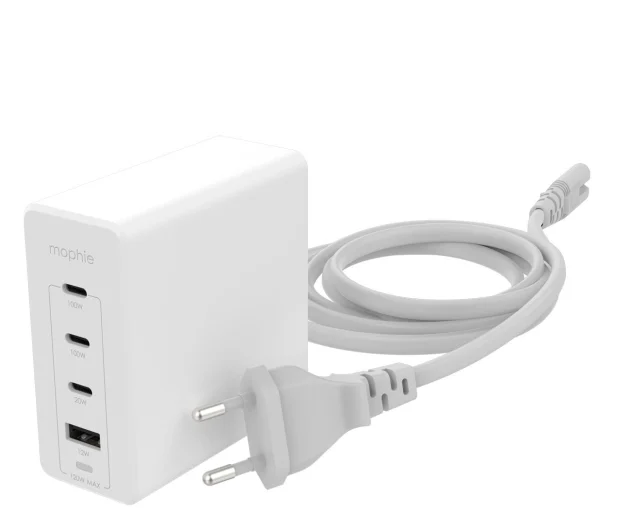
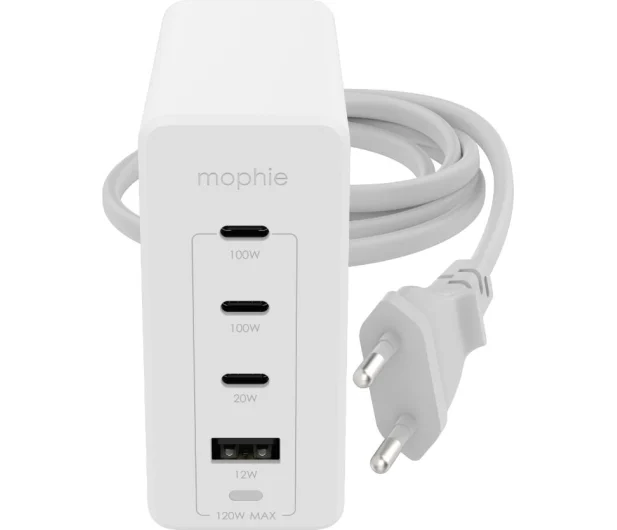
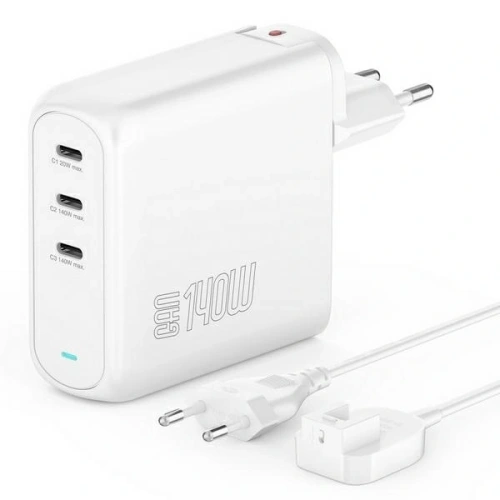
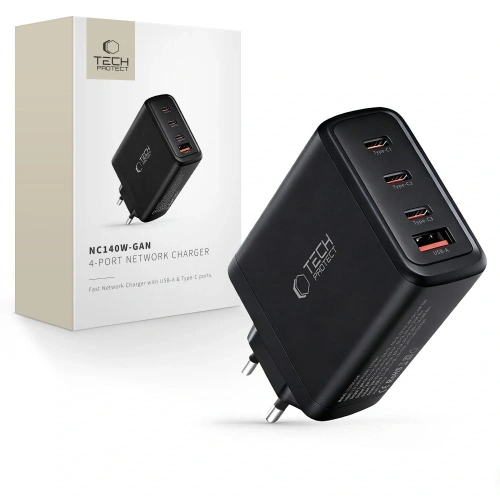
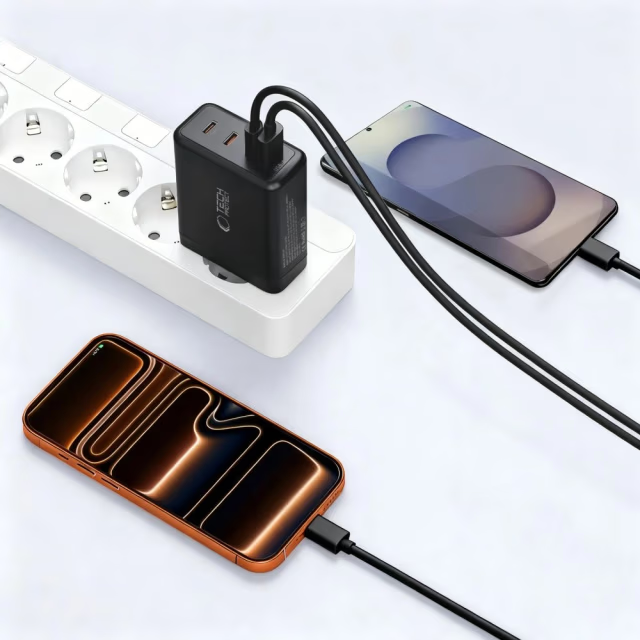
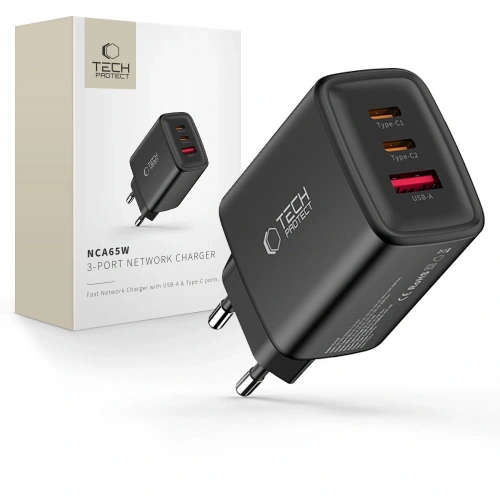
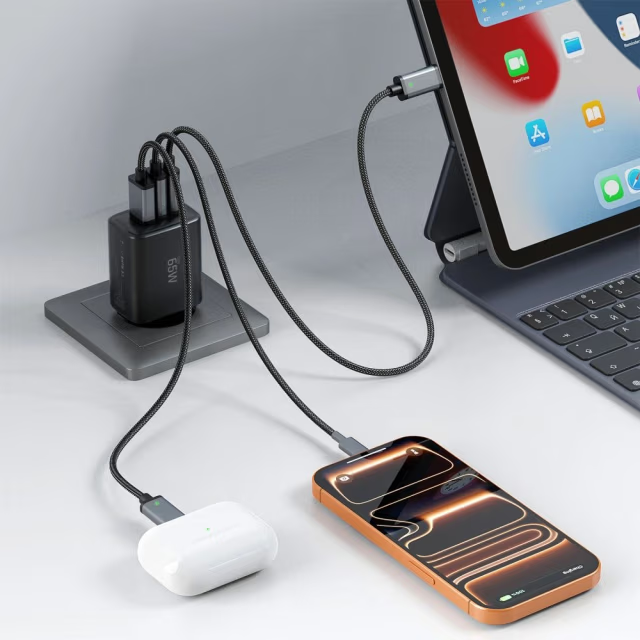
    For wired charging, universal 100 W GaN chargers with USB PD 3.1 will work well — see wall chargers. In the category of wireless chargers, you will find universal models up to 15 W for everyday desk use. Reverse charging allows you to use Pro Max as a power bank for headphones or a smartwatch.

    Huawei Pura 90 Pro Max vs Pura 90 Pro vs Pura 90 — which variant to choose

    The Pura 90 series has three variants: basic Pura 90, Pura 90 Pro, and Pura 90 Pro Max. This article focuses on the flagship model, but it’s worth knowing what you get at each price tier.

    ParameterPura 90 Pro MaxPura 90 ProPura 90
    Screen6.9″ OLED LTPO 2880 × 1308 px6.6″ OLED 2760 × 1256 px6.8″ OLED 2856 × 1320 px
    Refresh Rate1–120 Hz adaptive120 Hz120 Hz
    ProcessorKirin 9030SKirin 9030SKirin 9010S
    Main Camera50 MP f/1.4–f/4.0 LOFIC50 MP f/1.4–f/4.050 MP f/1.8
    Ultrawide40 MP12.5 MP12.5 MP
    Telephoto200 MP 1/1.28″ RYYB 4×50 MP 4× zoom50 MP 3.7× zoom
    Selfie13 MP13 MP50 MP
    Battery6000 mAh6000 mAh6500 mAh
    Dimensions164 × 77.1 × 8.1 mm157.8 × 74.5 × 8.2 mm163.1 × 78.1 × 7 mm
    Weight231 g213.5 g210 g
    Price Chinafrom 6499 CNYfrom 5499 CNYfrom 4699 CNY
    Price PL (est.)6,999–8,499 zł5,799–6,999 zł4,999–5,499 zł

    The key differences are telephoto (200 MP vs 50 MP), ultrawide (40 MP vs 12.5 MP), and screen (6.9″ LTPO vs 6.6″ standard OLED). The Pro model also lacks the LOFIC technology in the main camera, although the variable aperture f/1.4–f/4.0 is identical.

    For whom is Pro Max: professional photographers, people using zoom daily (concerts, sports, nature), enthusiasts of top specifications.

    For whom Pro: people looking for a compact flagship, as 6.6″ within 157 mm in height is a rarity in 2026. The Pro is also 17.5 g lighter — a difference that is clearly felt in the pocket.

    For whom the basic Pura 90: people wanting the cheapest Huawei flagship with a good camera and a record battery of 6500 mAh, without paying extra for LOFIC and a 200 MP telephoto lens.

    Huawei Pura 90 — basic model with a 6500 mAh battery and 50 MP selfie

    The basic Huawei Pura 90 stands out with two parameters better than in Pro and Pro Max: a larger battery (6500 mAh) and a better selfie camera (50 MP instead of 13 MP). The older Kirin 9010S processor (known from Pura 80 Pro, about 20% slower than 9030S) left room for a larger cell, and the lack of an advanced telephoto lens allowed for investment in a better front. Additionally, the thinnest body (7 mm) and the lowest weight (210 g) of the entire trio.

    For whom is Pura 90: vloggers and people who take a lot of selfies (50 MP front camera), users requiring a battery for 2+ days, people in the Huawei ecosystem without the need for top photography. When it’s not enough: if you take a lot of zoom photos, portraits with bokeh, or night photography — the difference compared to Pro Max (lack of LOFIC, variable aperture, smaller telephoto sensor) will be noticeable. Priced at around 5,000 PLN, the basic Pura 90 competes with the Samsung Galaxy S25 and Xiaomi 15 — Samsung offers full Android with Google, while Huawei provides a better camera and battery.

    Huawei Pura 90 Pro Max vs competition in the 7,000–9,000 PLN segment

    The top tier of flagship cameras in Poland in 2026 includes four names: Huawei, Apple, Samsung, and Xiaomi. All have sensibly configured camera setups, but each is going in a different direction.

    ModelProcessorMain CameraTelephotoBatteryScreenPrice PL
    Huawei Pura 90 Pro MaxKirin 9030S50 MP f/1.4–f/4.0200 MP 4× RYYB6000 mAh6.9″ 120 Hzfrom ~6,999 zł
    iPhone 17 Pro MaxA19 Pro48 MP f/1.7848 MP 5×4685 mAh6.9″ 120 Hz8,199 zł
    Samsung Galaxy S25 UltraSnapdragon 8 Elite200 MP f/1.750 MP 5×5000 mAh6.9″ 120 Hz7,499 zł
    Xiaomi 15 UltraSnapdragon 8 Elite50 MP f/1.63 Sony LYT-900200 MP 4.3× Leica5410 mAh6.73″ 120 Hz6,999 zł

    Huawei wins in three parameters: telephoto sensor (1/1.28″ is twice as large as Samsung’s or Apple’s), variable aperture (unique in 2026), and battery (6000 mAh is the largest in the segment). It loses in the main camera — 200 MP in Samsung provides more details in full frames, and Xiaomi with the Sony LYT-900 sensor has better dynamic range.

    Is Huawei Pura 90 Pro Max the best camera in 2026

    From the perspective of photo quality — probably yes, but with reservations. The Pura 90 Pro Max will dominate in scenarios requiring zoom (concerts, sports, nature, street photography), portraits, and night mode. The Samsung Galaxy S25 Ultra will remain better in full frames and detail, while the Xiaomi 15 Ultra will excel in natural colors thanks to Leica Summicron.

    The problem for Poles remains the lack of Google services. For those who take photos, but also use Gmail, Google Maps, and YouTube as their main source of multimedia — the Pura 90 Pro Max requires compromises. For photographers who primarily use their phone for photos and editing — this lack becomes irrelevant.

    Prices of Huawei Pura 90 Pro Max in China and expected in Poland

    VariantChina (CNY)Estimated Poland (PLN)
    12 GB + 256 GB6499 CNY~6,999 zł
    12 GB + 512 GB7199 CNY~7,599 zł
    16 GB + 512 GB7799 CNY~8,199 zł
    16 GB + 1 TB8499 CNY~8,499 zł

    The Polish price list has not been officially announced and the above amounts are estimates based on the yuan exchange rate (1 CNY ≈ 0.54 zł) and distributor margin (traditionally 15–25% for the Pura series). For reference: the Huawei Pura 80 Ultra cost 9,999 CNY (about 5,400 zł) in China, while in Poland it was sold for 6,499 zł — with VAT and distribution costs, this is a fair conversion.

    If Huawei maintains a similar pricing policy, Pura 90 Pro Max in Poland will fall within the range of 6,999–8,499 zł depending on the memory variant. Competition from Xiaomi 15 Ultra (6,999 zł) and Samsung Galaxy S25 Ultra (7,499 zł) forces Huawei to adjust prices — the top model 16 GB + 1 TB may not exceed 8,500 zł.

    What else we don’t know about Huawei Pura 90 Pro Max

    Three elements remain to be confirmed in the context of the European market:

    • Official release date in Poland — Huawei may decide on distribution only after the first quarter of sales in China. The Pura 80 Ultra appeared in Poland 3 months after its Chinese debut; for the Pura 90 Pro Max, we are betting on a similar pattern.
    • Polish pricing — the official distributor of Huawei in Poland usually announces prices about a week before the sales start. Our estimates of 6,999–8,499 PLN are based on the yuan exchange rate and the pricing policy of its predecessor.
    • Available colors in Polish distribution — from the five Chinese variants (Orange Ocean, Sunset Purple, Emerald Lake, Dawn Gold, Obsidian Black), usually only two reach Poland: neutral black and exclusive gold.

    The topic of the top variant also remains open (details below).

    Huawei Pura 90 Ultra — will a top variant be created?

    Huawei Pura 90 Ultra is a phrase that Polish users search for on Google significantly more often than “Pura 90 Pro Max” (210 vs 10 searches per month, trend +420% month over month). The reason is simple — in previous generations, Huawei always released the Ultra variant as the absolute flagship, even stronger than the Pro Plus or Pro Max. The problem is that at the conference on April 20, 2026, Huawei did not show the Pura 90 Ultra.

    What does this mean? There are three scenarios:

    • Ultra will debut later — just like the Pura 70 Ultra, which appeared 3 months after the Pro+, the Pura 90 Ultra may have a separate conference in July or September 2026
    • Pro Max replaced Ultra — Huawei may have changed the naming of the line. The Pura 80 had an Ultra, the Pura 90 may not — the Pro Max with a 200 MP telephoto lens realistically serves the same role as the previous Ultra
    • Ultra is just a leak — it is possible that the phrase “huawei pura 90 ultra” in Google comes solely from extrapolating the names of predecessors, and such a variant may never appear

    For Polish buyers, this means that if you are waiting for the Ultra — you are probably wasting your time. The Huawei Pura 90 Pro Max in photo specifications (200 MP zoom, variable aperture, LOFIC) surpasses the Pura 80 Ultra, so there is realistically no room for another, higher variant. Distributors openly favor two variants instead of three — Pro and Pro Max.

    Our choice: If you are looking for the strongest camera in a smartphone in 2026 and accept the lack of Google — the Huawei Pura 90 Pro Max will be the best purchase of the summer. In any other scenario (Google Pay, YouTube, Android ecosystem) — the Samsung Galaxy S25 Ultra or Xiaomi 15 Ultra will provide more satisfaction in everyday use.

    Summary — is it worth waiting for the Huawei Pura 90 Pro Max in Poland

    The Huawei Pura 90 Pro Max officially debuted on April 20, 2026, and sales in China will start on April 29, 2026, at prices of 6,499–8,499 CNY (approx. 3,500–4,500 PLN). In Poland, we expect availability from July to September 2026 at prices of 6,999–8,499 PLN. The upgrades over the Pura 80 Ultra are spectacular: 200 MP telephoto lens on a sensor with about four times larger surface area, new Kirin 9030S with 30% better AI performance, Kunlun glass with 70% reflection reduction.

    The biggest advantage remains the camera set. No other flagship in 2026 has both a variable mechanical aperture, a 200 MP telephoto lens, and LOFIC technology at the same time. For photographers, vloggers, and creative individuals — a natural choice. For other users — it’s worth comparing with the Samsung Galaxy S25 Ultra or Xiaomi 15 Ultra, which offer full Android with Google.

    Check out accessories for the Pura 80 series today at homescreen.pl — as soon as the Pura 90 category is opened, you will find it next to it. Also, check out accessories for Pura 70, Huawei Watch GT 6, which integrates with HarmonyOS 6.1 in a unique way, as well as universal protective films and wireless chargers for 80 W of inductive charging.

    FAQ, frequently asked questions about Huawei Pura 90 Pro Max

    When is the release of Huawei Pura 90 Pro Max?

    The official presentation of the Pura 90 series took place on April 20, 2026, in China. Sales of the Pura 90 Pro Max and Pura 90 Pro will start on April 29, 2026 in the Chinese market. In Europe and Poland, the phone is expected from July to September 2026 — Huawei traditionally introduces the Pura series to our markets 2–3 months after the Chinese debut.

    How much will Huawei Pura 90 Pro Max cost in Poland?

    The estimated price of Huawei Pura 90 Pro Max in Poland is 6,999–8,499 PLN depending on the memory configuration. The base variant 12 GB + 256 GB is likely to start from 6,999 PLN, while the top variant 16 GB + 1 TB may reach 8,499 PLN. The Chinese prices are 6,499–8,499 yuan (approx. 3,500–4,500 PLN). The Polish distributor will announce the official prices after setting the date for the Polish premiere.

    What camera does the Huawei Pura 90 Pro Max have?

    The Huawei Pura 90 Pro Max has three cameras on the back: 50 MP RYYB 1/1.28″ main camera with a variable mechanical aperture of f/1.4–f/4.0 and LOFIC technology, 40 MP f/2.2 ultra-wide, and 200 MP RYYB 1/1.28″ telephoto lens with 4× optical zoom and 16× hybrid zoom. The selfie camera is 13 MP f/2.0. The telephoto lens has a sensor size equal to that of the main camera — a unique feature in the smartphone industry.

    What battery does the Huawei Pura 90 Pro Max have?

    The Huawei Pura 90 Pro Max comes with a 6000 mAh battery featuring silicon-carbon technology. Wired charging works at 100 W (from 0 to 100% in about 38 minutes), while wireless charging reaches 80 W (full charge in 50 minutes with Huawei Wireless SuperCharge). The phone also supports reverse wireless charging, allowing it to serve as a power bank for headphones or a smartwatch.

    What processor does the Huawei Pura 90 Pro Max have?

    The Huawei Pura 90 Pro Max is powered by the HiSilicon Kirin 9030S — Huawei’s proprietary processor manufactured in China by SMIC using a 7 nm+ process. The chip offers approximately 30% better AI performance and 15% higher Geekbench multi-core score compared to its predecessor, the Kirin 9020 from the Pura 80 Ultra. The phone runs on HarmonyOS 6.1.

    Does the Huawei Pura 90 Pro Max have Google Play?

    No, the Huawei Pura 90 Pro Max runs on HarmonyOS 6.1 without Google services. There is no Play Store, Gmail, Google Maps, or YouTube as native apps. Huawei offers its own App Gallery, which supports popular Polish banking apps (mBank, PKO BP, BLIK), but some apps (Netflix, public transport apps) require manual installation from APK files.

    What is the difference between Huawei Pura 90 Pro Max and Pura 90 Pro?

    The Huawei Pura 90 Pro Max has a larger screen (6.9″ vs 6.6″), a significantly better telephoto lens (200 MP vs 50 MP), a better ultra-wide (40 MP vs 12.5 MP), and LOFIC technology in the main camera. The processor, RAM, charging, and selfie camera are identical. The Pro Max is also 17.5 g heavier and costs about 1000 CNY more. The Pro is a better choice for those looking for a compact flagship, while the Pro Max is for photographers demanding top-notch zoom.

    Will there be a Huawei Pura 90 Ultra?

    At the conference on April 20, 2026, Huawei did not showcase the Pura 90 Ultra variant. There are three scenarios: Ultra will debut with a few months delay (like the Pura 70 Ultra in 2024), Huawei has opted for Pro Max as the flagship instead of Ultra, or Ultra will not appear at all in this generation. The second scenario seems the most likely — the Pura 90 Pro Max with its 200 MP telephoto lens and LOFIC technology surpasses the Pura 80 Ultra, so realistically there is no longer room for a higher variant.

  • When is the OnePlus Nord CE6 premiere? Date, price, and specifications

    When is the OnePlus Nord CE6 premiere? Date, price, and specifications

    The premiere of OnePlus Nord CE6 and OnePlus Nord CE6 Lite will take place on May 7, 2026, at 12:00 IST in India — confirmed by OnePlus on the oneplus.in website. The higher model will feature a Qualcomm Snapdragon 7s Gen 4 processor with a dedicated Touch Reflex chip, an 8000 mAh battery with 80 W SUPERVOOC charging, and a 6.78″ 1.5K AMOLED 144 Hz display with a brightness of 1800 nits. All enclosed in a body with a quadruple certification of IP66, IP68, IP69, and IP69K and a standard of MIL-STD-810H.

    CE6 Lite is a budget variant for those who want long battery life without spending a fortune. It gets a MediaTek Dimensity 7400 Apex (over 1,030,000 points in AnTuTu), a 7000 mAh battery, and also a 144 Hz screen. The price in India starts at around 23,000 rupees (~900 PLN), so in Poland, we can expect the starting variant to be around 1,299–1,499 PLN. We break down all confirmed information and leaks into their components.

    OnePlus Nord CE6 in Fresh Blue color with a square camera island
    OnePlus Nord CE6 Lite in green with a vertical camera module

    When is the OnePlus Nord CE6 and CE6 Lite premiere

    The global premiere of OnePlus Nord CE6 and OnePlus Nord CE6 Lite has been officially confirmed for May 7, 2026, at 12:00 PM Indian time (8:30 AM in Poland). The conference will take place in India and will be streamed on the OnePlus YouTube channel. Sales in the Indian market will start through Amazon.in, OnePlus.in, and a network of offline partners.

    Availability in Poland is still a question mark. In recent years, OnePlus has consistently distributed the Nord CE series in Europe with a delay of 4–8 weeks compared to the Indian premiere. The predecessor, OnePlus Nord CE5, debuted in India in July 2025 and appeared in Polish stores at the beginning of September 2025 at a price of 1,999 PLN for the 8/256 GB variant. For CE6, we can expect a similar pattern — availability in Poland from late June to mid-July 2026.

    Note: Official Polish prices for OnePlus will only be announced at the start of sales in the European market. Until then, all amounts mentioned in this article are estimates based on the exchange rate of rupees and euros as well as the price of the predecessor.

    Before the phone arrives in Poland, product pages will appear on the official OnePlus website — for now, a dedicated launch page is already live. The manufacturer traditionally adds bonuses for early buyers — in the case of the Nord CE5 series, it was a year of additional warranty and a 200 PLN coupon for accessories. For the CE6, we can expect a similar starter set.

    OnePlus Nord CE6 Specifications — what we officially know

    Below is the complete list of OnePlus Nord CE6 parameters confirmed by OnePlus in pre-launch materials and by the portals Gadget Bridge, GSMArena, GSMManiak, and Notebookcheck.

    ParameterOnePlus Nord CE6
    Display6.78″ AMOLED, 1.5K
    Refresh Rate144 Hz
    Brightness (peak)1800 nits
    PWM3840 Hz
    ProcessorSnapdragon 7s Gen 4
    Touch Reflex SystemYes, sampling 3200 Hz
    RAM8 GB (leak)
    Storageup to 256 GB (leak)
    Main Camera50 MP (leak)
    Ultra Wide8 MP (leak)
    Selfie32 MP (leak)
    Battery8000 mAh
    Wired Charging80 W SUPERVOOC
    Reverse Charging27 W wired
    Battery Life80% capacity after 6 years
    Water ResistanceIP66 + IP68 + IP69 + IP69K
    DurabilityMIL-STD-810H
    CoolingVapor chamber 33,000 mm²
    Gaming144 FPS, 6-axis gyroscope
    SystemAndroid 16 / OxygenOS 16 (expected)
    ColorsFresh Blue, Lunar Pearl, Pitch Black
    Price India (expected)Rs. 27,000–30,000
    Price PL (est.)1,899–2,099 zł
    Launch07.05.2026 (India), ~07.2026 (PL)

    The main new features compared to the Nord CE5 are larger battery (8000 vs 5200 mAh, +54%), brighter screen (1800 vs 1600 nits), faster refresh rate (144 vs 120 Hz), and quadruple IP69K certification, which no previous phone in the Nord CE series had.

    OnePlus Nord CE6 — 8000 mAh battery and 80 W SUPERVOOC charging

    The biggest practical change in the OnePlus Nord CE6 is the 8000 mAh battery. This is one of the largest values in the mid-range segment — for comparison, the Samsung Galaxy S25 Ultra has 5000 mAh, the iPhone 17 Pro Max 4685 mAh, and even the more expensive Motorola Edge 70 Pro ends at 6500 mAh. OnePlus claims over 2.5 days of usage on a single charge with typical use.

    In practice, this means:

    • 18–22 hours of screen on time (SOT) while scrolling social media and watching videos
    • 3–4 days without a charger with moderate use (1–2 hours of screen time daily)
    • 12–15 hours of gaming on titles like Genshin Impact, Call of Duty Mobile, or PUBG Mobile
    • Emergency power bank for a second phone thanks to 27 W reverse wired charging

    Charging 80 W SUPERVOOC will charge the phone from 0 to 100% in about 55 minutes (with 5200 mAh in the predecessor it took 45 minutes — a larger battery extends the charging time). To achieve full speed, the original OnePlus charger or a compatible power adapter supporting the SUPERVOOC protocol is required. Alternatively, you can use a universal charger with USB Power Delivery — then the power will drop to 45–65 W, but you will still get a good charging time.

    If you don’t have a universal charger yet, now is the time to invest in a GaN wall charger — the 100 W model will also charge a laptop and tablet while supporting fast charging for the phone. For trips, a good addition will also be a power bank with PD — 20,000 mAh will charge the Nord CE6 one and a half times.

    Tip: An 8000 mAh battery in a casing expected to be around 8.5 mm thick is possible thanks to silicon-carbon cells with higher energy density. This is the same technology that powers the Honor Magic 7 Pro and Oppo Find X8 Pro. OnePlus claims 80% of initial capacity after 6 years and 2400 charging cycles — that’s twice the standard lithium-ion lifespan.

    1.5K AMOLED Display 144 Hz and Touch Reflex 3200 Hz

    OnePlus Nord CE6 receives a 6.78-inch AMOLED display with a resolution of 1.5K, which is approximately 2800 × 1280 pixels. The refresh rate of 144 Hz places it among the fastest screens in the 1500–2000 PLN segment. The maximum brightness is 1800 nits peak — enough to maintain readability in full sunlight, although at a higher price, the Motorola Edge 70 Pro with 5200 nits remains the leader.

    The most interesting novelty is the dedicated Touch Reflex chip, which boosts the touch sampling rate to 3200 Hz. This is three times more than the standard 1000 Hz in most phones of this class. In practice, this means almost imperceptible touch latency — a parameter that is crucial in games like Call of Duty Mobile or PUBG, where a 10 ms delay can determine a hit.

    What does PWM 3840 Hz provide

    OnePlus Nord CE6 is also one of the first phones priced below 2000 PLN with PWM dimming at 3840 Hz. PWM (Pulse Width Modulation) is a method of regulating brightness in AMOLED screens — the higher the frequency, the less flicker is visible to sensitive eyes.

    • Standard AMOLED have a PWM of 240–480 Hz, which after 1–2 hours of viewing causes eye strain and headaches in some people
    • 3840 Hz is the level at which even the most sensitive eyes do not detect flicker
    • Comparatively: Xiaomi 15T Pro has 3840 Hz, iPhone 17 Pro has 480 Hz

    For people spending 3–4 hours a day in front of their phone screen, this is a real difference in comfort. The quad curved screen is not confirmed in the Nord CE6 — the first renders show a flat panel with thin bezels, which will make it easier to choose tempered glass and hydrogel filmsj.

    OnePlus Nord CE6 Camera — 50 MP with ultra-wide 8 MP and 32 MP selfie

    The camera setup in the OnePlus Nord CE6 has not yet been fully confirmed by OnePlus, but leaks from GSMArena indicate three modules:

    • Main 50 MP with optical image stabilization (OIS) and a bright f/1.8 lens
    • Ultra-wide 8 MP with a field of view of 112–120° for landscapes and architecture
    • Selfie 32 MP with 4K recording at 30 fps

    Missing a telephoto lens, which is standard in this price range — competitors like Motorola Edge 60 or Samsung Galaxy A56 also rely on digital zoom from the main sensor. In practice, 50 MP allows for 2× zoom without quality loss (cropping the sensor), but for 3× and more, the quality noticeably decreases.

    The new Snapdragon 7s Gen 4 brings current AI Image Processing, which OnePlus uses to enhance night photos, HDR scenes, and portraits. We can also expect AI Unblur (reconstruction of blurred images) and AI Reframe (automatic cropping) — features known from OnePlus 15 and 15R, now available at a price a thousand zlotys lower.

    OnePlus Nord CE6 — quad IP and MIL-STD-810H

    OnePlus Nord CE6 is one of the first phones priced under 2000 PLN with quad water resistance certification: IP66, IP68, IP69, and IP69K. No known competitor in this range offers the full set. What does this mean in practice?

    • IP66 — complete protection against dust and strong water jets from a nozzle
    • IP68 — immersion in fresh water up to 1.5 m for 30 minutes
    • IP69 — protection against high-pressure water jets
    • IP69K — resistance to hot water jets (80°C) at a pressure of 10 MPa

    IP69K is a standard originating from the industrial environment — car washers and cleaning machines. For the average user, it means that the Nord CE6 will survive washing under a tap with hot water, sudden rain in the tropics, a bath in a jacuzzi, and calm swimming in a pool. This is a level of durability that even the iPhone 17 Pro Max does not have (only IP68).

    Additionally, there is the MIL-STD-810H certification — an American military standard testing resistance to drops, vibrations, extreme temperatures (−40°C to +70°C), and altitude (up to 4500 m). In practice: the phone will survive a winter trip to the mountains, a beach day in August, and daily drops from the desk.

    Despite this, a case remains an essential accessory. Certifications protect against water and dust, but not against glass cracks. Check OnePlus accessories at homescreen.pl, where you will find Spigen, UAG, and Tech-Protect cases that fit the entire Nord series.

    OnePlus Nord CE6 Lite Specification — affordable and durable

    OnePlus Nord CE6 Lite is the budget equivalent of its bigger brother, positioned as the cheapest phone in Poland with a 7000 mAh battery. Here’s what we already know:

    ParameterOnePlus Nord CE6 Lite
    Display6.7″ IPS LCD (leak)
    Resolution2400 × 1080 px (20:9, leak)
    Refresh Rate144 Hz
    ProcessorMediaTek Dimensity 7400 Apex
    CPU4× Cortex-A78 2.6 GHz + 4× Cortex-A55 2.0 GHz
    GPUMali-G57 MC2
    AnTuTu~1,030,000 points
    RAM6 GB / 8 GB (leak)
    Storage128 GB / 256 GB UFS (leak)
    microSD CardYes (slot shared with SIM, leak)
    Main Camera50 MP, f/1.8, OIS (leak)
    Selfie16 MP, f/2.4 (leak)
    Video1080p 30 fps (gyro-EIS)
    Battery7000 mAh
    Charging33–45 W (expected)
    5GSA / NSA
    AudioStereo speakers, 3.5 mm jack
    NFCYes
    Bluetooth5.4
    Wi-Fi802.11 a/b/g/n/ac
    SystemAndroid 16 / OxygenOS 16 (leak)
    ColorsBlack, green
    Price Indiafrom Rs. 23,000 (~900 PLN)
    Price PL (est.)1,299–1,499 PLN
    Launch07.05.2026 (India)

    The key choice of OnePlus is the IPS LCD screen instead of AMOLED. This is how they managed to fit a 7000 mAh battery at a low price. The downside is weaker contrast (lack of absolute black) and lower peak brightness (around 1000 nits), but the advantage is no PWM issues and longer panel lifespan (IPS does not burn in like AMOLED).

    Dimensity 7400 Apex scores over 1,030,000 points in AnTuTu — a result comparable to Snapdragon 6 Gen 3 and about 15% higher than Dimensity 6300 from the predecessor. In practice: smooth system operation, mobile games like Call of Duty Mobile at medium settings 60 fps, browsing websites and YouTube without stuttering.

    OnePlus Nord CE6 vs OnePlus Nord CE5 — what changes

    Nord CE5 is currently available in Polish stores at a price of 1,499–1,699 PLN (after promotions), so the comparison shows whether it’s worth paying extra for the newer generation.

    ParameterOnePlus Nord CE6OnePlus Nord CE5
    ProcessorSnapdragon 7s Gen 4Dimensity 8350
    Screen6.78″ AMOLED 144 Hz6.77″ AMOLED 120 Hz
    Peak brightness1800 nits1600 nits
    Battery8000 mAh5200 mAh
    Charging80 W SUPERVOOC80 W SUPERVOOC
    Main camera50 MP (leak)50 MP Sony LYT-600
    Ultrawide8 MP (leak)8 MP
    Selfie32 MP (leak)16 MP
    DurabilityIP66+IP68+IP69+IP69K+MIL-STD-810HIP65
    Touch sampling3200 Hz (Touch Reflex)2160 Hz
    SystemOxygenOS 16 / Android 16 (leak)OxygenOS 15 / Android 15
    Launch price PL~1,899–2,099 PLN (est.)1,999 PLN

    The most noticeable changes are a 54% larger battery, twice the water resistance, and faster screen refresh rate. The camera and charging remain at the same level — OnePlus has shifted the budget towards durability and battery life.

    Is it worth waiting for the CE6 instead of buying the CE5 on sale? If you care about long battery life and water resistance — definitely yes. If you use your phone for 6–8 hours a day and charge it every night — the CE5 for 1,499 PLN will remain a good choice for another year.

    OnePlus Nord CE6 vs competition in the 1,800–2,200 PLN segment

    The shelf of 1800–2200 PLN in 2026 is the most competitive in history. The OnePlus Nord CE6 enters a territory where four strong models are already battling.

    ModelProcessorBatteryScreenCameraPrice PL
    OnePlus Nord CE6Snapdragon 7s Gen 48000 mAh6.78″ 144 Hz50 MP~2,000 PLN
    Samsung Galaxy A57Exynos 15805000 mAh6.7″ 120 Hz 1900 nit50 MP2,199 PLN
    Motorola Edge 60 ProDimensity 83506000 mAh6.7″ 120 Hz 4500 nit50 MP Lytia1,999 PLN
    Xiaomi 15TDimensity 8400 Ultra5500 mAh6.8″ 144 Hz 3200 nit50 MP Leica2,199 PLN
    Nothing Phone 3a ProSnapdragon 7s Gen 35000 mAh6.77″ 120 Hz50 MP periscope 3×1,899 PLN

    OnePlus Nord CE6 wins in two key parameters: battery (8000 mAh — unattainable for the rest) and water resistance (IP69K + MIL-STD-810H — unique in the segment). It loses in the camera to the Xiaomi 15T (Leica) and in screen brightness — here the Motorola Edge 60 Pro with 4500 nits remains the leader.

    In OnePlus’s internal offering, the Nord CE6 is positioned between the OnePlus Nord CE5 and the flagship OnePlus Nord 5 — the latter has Snapdragon 7+ Gen 3, 6800 mAh and costs around 2,499 PLN in Poland. Accessories for the entire OnePlus series can be found in one place.

    Who is OnePlus Nord CE6 the best choice for

    Frequent travelers — 8000 mAh guarantees that the phone will last all day on a plane, train, or at the beach without searching for an outlet. The quad IP69K certification means you don’t have to worry about rain, sand, or falling into water.

    Mobile gamers — Snapdragon 7s Gen 4 + Touch Reflex 3200 Hz + 144 Hz display is the best set for mobile gaming at this price. The 33,000 mm² vapor chamber prevents throttling even during hour-long sessions of Genshin Impact or Call of Duty Mobile.

    Those who value long support — OnePlus declares 4 years of Android updates and 6 years of security patches for the 15 series, and we expect similar support for the Nord CE6. Additionally, the battery retains 80% capacity after 6 years — the phone will realistically last 5–6 years of use without battery replacement.

    Those sensitive to screen flicker — PWM 3840 Hz is a rarity at this price. If you spend 3+ hours a day in front of your phone and experience eye strain — CE6 will be a real relief.

    OnePlus Nord CE6 Lite — who is this budget variant for

    Nord CE6 Lite is a model for those who want reliability and long battery life without paying 2000 PLN. Here are the scenarios where it excels:

    • First smartphone for a teenager — durable casing, 2-day battery, good 50 MP camera, and Android 16 with updates for 3–4 years
    • Second business phone — inexpensive, durable, with NFC for payments and dual SIM
    • Phone for seniors — long battery means less charging, IPS screen is more readable in sunlight than a dark AMOLED, 3.5 mm jack makes it easier to connect headphones

    Immediately pair the Nord CE6 Lite with case and tempered glass. The plastic casing is lightweight but scratches more easily than the aluminum in the CE6. On homescreen.pl, you can already find accessories compatible with its predecessors.

    OnePlus Nord CE6 — what’s missing before the premiere on May 7

    Three key elements remain unconfirmed and may affect the final assessment of both models:

    • Exact price in Poland — OnePlus will announce it only with the Polish distribution (expected in July 2026). Estimates of 1,899–2,099 PLN for the CE6 and 1,299–1,499 PLN for the Lite are based on the price of the predecessor plus inflation
    • CE6 camera details — the exact 50 MP main sensor (Sony or Samsung), presence of a telephoto lens, and support for 4K 60 fps recording have not been officially confirmed
    • Software support — OnePlus traditionally offers 3 years of Android and 4 years of patches for the Nord CE series, but for the CE6, we expect an upgrade to 4+6 years like in the OnePlus 15

    It is also important to ask about the availability of the 12 GB RAM variant. Initial leaks suggest that the Nord CE6 in India will only get one configuration of 8/256 GB, but the European distribution may receive an additional 12/512 GB variant — similar to what happened with the Nord CE5.

    Our choice: If you are looking for a phone with the longest battery in its price range and a guarantee that it will withstand everything — the OnePlus Nord CE6 will be the best purchase of summer 2026. But make sure to immediately add a case and tempered glass — even IP69K won’t protect it from falling on the pavement.

    Summary — is it worth waiting for the OnePlus Nord CE6

    The OnePlus Nord CE6 and Nord CE6 Lite will debut on May 7, 2026, in India, and are expected to arrive in Poland probably in July 2026. Estimated prices: 1,899–2,099 PLN for the Nord CE6 and 1,299–1,499 PLN for the Nord CE6 Lite. The upgrades compared to the Nord CE5 are significant: +54% battery, +24 Hz refresh rate, IP69K, and new Snapdragon 7s Gen 4 processor with Touch Reflex chip.

    The biggest advantage of the CE6 remains the combination of a record battery and durability. 8000 mAh with IP69K and MIL-STD-810H at a price below 2100 PLN is something that no competitor offers. For active individuals, travelers, and those who value long battery life — an obvious choice. For photographers — the Xiaomi 15T with Leica or Motorola Edge 60 Pro with Lytia will provide slightly better photos.

    Check out OnePlus accessories today at homescreen.pl — cases, tempered glass, films, and chargers for the entire Nord series, Nord CE4, Nord CE5, and Nord 5. And if you are comparing competitors, also see Motorola accessories and Xiaomi.

    FAQ, frequently asked questions about OnePlus Nord CE6

    When is the OnePlus Nord CE6 premiere?

    The official premiere of the OnePlus Nord CE6 and Nord CE6 Lite will take place on May 7, 2026, at 12:00 IST in India. In Poland, the phones are expected to appear around late June and early July 2026 — OnePlus typically introduces the Nord CE series to Europe with a delay of 4–8 weeks compared to the Indian market.

    How much will the OnePlus Nord CE6 cost in Poland?

    The estimated price of the OnePlus Nord CE6 in Poland is 1,899–2,099 PLN for the 8/256 GB variant, while the OnePlus Nord CE6 Lite starts at around 1,299–1,499 PLN for the 6/128 GB. The Indian price for the CE6 Lite is Rs. 23,000 (approximately 900 PLN). Official Polish prices will be announced by OnePlus at the time of the European market launch.

    What battery does the OnePlus Nord CE6 have?

    The OnePlus Nord CE6 features a 8000 mAh battery — one of the largest batteries in smartphone history and 54% more than the Nord CE5 (5200 mAh). Wired charging operates at 80 W SUPERVOOC (from 0 to 100% in about 55 minutes), and reverse charging at 27 W allows the phone to be used as a power bank. The manufacturer claims 80% battery capacity after 6 years and 2400 cycles.

    What processor does the OnePlus Nord CE6 have?

    The OnePlus Nord CE6 is powered by the Qualcomm Snapdragon 7s Gen 4 with a dedicated Touch Reflex chip, which boosts the touch sampling rate to 3200 Hz. This is 3 times more than the standard 1000 Hz and provides nearly zero latency in mobile gaming. Additionally, it features a 33,000 mm² vapor chamber for cooling and supports 144 FPS in gaming.

    What processor does the OnePlus Nord CE6 Lite have?

    The OnePlus Nord CE6 Lite is equipped with the MediaTek Dimensity 7400 Apex, achieving over 1,030,000 points in AnTuTu. The processor has 8 cores (4× Cortex-A78 2.6 GHz + 4× Cortex-A55 2.0 GHz) and a Mali-G57 MC2 GPU. In practice, it is sufficient for mobile gaming at medium settings 60 fps and smooth operation of Android 16.

    Is the OnePlus Nord CE6 waterproof?

    Yes, the OnePlus Nord CE6 has quadruple certification IP66, IP68, IP69, and IP69K — it is the first phone priced under 2000 PLN with such comprehensive protection. Additionally, it has a military certification MIL-STD-810H (resistance to drops, vibrations, and extreme temperatures). The phone can withstand washing under hot water, tropical rain, and a swim in the pool. The OnePlus Nord CE6 Lite did not receive the full IP69K set.

    What is the difference between OnePlus Nord CE6 and CE6 Lite?

    The OnePlus Nord CE6 has a more powerful processor (Snapdragon 7s Gen 4 vs Dimensity 7400), a larger battery (8000 vs 7000 mAh), a better screen (AMOLED 1.5K vs IPS LCD 1080p), faster charging (80 W vs expected 33–45 W), and full IP69K certification. CE6 Lite is a cheaper alternative (~600–700 PLN difference) for those who want long battery life and reliability on a budget below 1500 PLN.

    Where to buy accessories for OnePlus Nord CE6?

    Compatible cases, tempered glass, protective films, and chargers for OnePlus Nord CE6 and Nord CE6 Lite can be found in the OnePlus section on homescreen.pl. Available brands: Spigen, Tech-Protect, Ringke, UAG, 3mk. Most accessories compatible with predecessors (Nord CE5, Nord CE4) will also be compatible with the new models due to similar dimensions.

  • Motorola Edge 70 Pro — premiere, specifications, and price

    Motorola Edge 70 Pro — premiere, specifications, and price

    Motorola Edge 70 Pro officially debuts on April 22, 2026, in India, and we expect it in Poland in May. The phone will feature a 6500 mAh battery, a 144 Hz display with a brightness of 5200 nits, and a Sony Lytia 710 camera — all for a price of around 3000 PLN.

    The premiere of Motorola Edge 70 Pro is scheduled for April 22, 2026, and the first units are expected to hit Polish stores most likely on May 14, 2026. The mid-range flagship comes with a 6.8-inch Extreme AMOLED 144 Hz display with a brightness of 5200 nits, a MediaTek Dimensity 8500 Extreme processor, a main camera of 50 MP Sony Lytia 710, and a 6500 mAh battery with 90 W charging. All enclosed in a body with IP68, IP69, and MIL-STD-810H certifications.

    Motorola is learning from the Edge 60 Pro. A larger battery, a brighter screen, a more powerful chip, and a bolder design (marble, satin, fabric) — all under Pantone. The European price of €649–699 (around 2,900–3,100 PLN) positions the model exactly where Galaxy A57, Xiaomi 15T, and Nothing Phone 3a Pro compete. Does Motorola have what it takes to win? We break down the leaks and confirmed facts into their components.

    When is the Motorola Edge 70 Pro premiere

    The global premiere of Motorola Edge 70 Pro takes place on April 22, 2026, in India, as confirmed by Flipkart in the pre-sale. According to information from purepc.pl, the Polish distribution starts on May 14, 2026 — that’s when the shipping of the first orders from x-kom, Media Expert, Komputronik, and RTV Euro AGD is expected to begin.

    This is standard practice for Motorola’s Edge series. The predecessor, Motorola Edge 60 Pro, debuted in April 2025 and was available in Polish stores from May of the same year at a price of 2499 PLN. The Edge 70 Pro will follow this pattern, although the price may be slightly higher due to better components.

    Note: The global dates announced by Motorola may differ from the Polish ones. The official Motorola EMEA (Europe, Middle East, Africa) conference is expected at the turn of April and May 2026. Until then, details about the Polish price and availability are estimates.

    Motorola is preparing launch promotions. The company traditionally adds a selected gadget at the start: for the Edge 60 series, it was the Moto Buds 2 Loop headphones, and for the Edge 70 Pro, we expect the Moto Watch 70 smartwatch or a TurboPower 90 W charger set with USB-C to USB-C cable. Details will be confirmed at the press conference in May.

    Specifications of the Motorola Edge 70 Pro, what we officially know

    Below is the complete list of confirmed parameters (some from official Motorola graphics published before the premiere) and leaks from the portals PhoneArena, gsmmaniak.pl and telepolis.pl.

    ParameterMotorola Edge 70 Pro
    Display6.8″ Extreme AMOLED, quad curved
    Resolution2712 × 1220 px (1.5K Super HD)
    Refresh Rate144 Hz
    Brightness (peak)5200 nits
    Screen ProtectionCorning Gorilla Glass 7i
    ProcessorMediaTek Dimensity 8500 Extreme, 3.40 GHz
    GPUMali-G720 MC8
    RAM12 GB LPDDR5X
    Storageup to 512 GB
    Main Camera50 MP, Sony Lytia 710, OIS
    Ultrawide50 MP
    Telephoto3.5× optical zoom (leak)
    Multispectral SensorYes, 3-in-1
    Selfie50 MP
    Video4K 60 fps on each module
    Battery6500 mAh
    Wired Charging90 W (TurboPower)
    Wireless Charging15 W (expected)
    Water ResistanceIP68 + IP69
    DurabilityMIL-STD-810H
    CoolingVapor chamber 4600 mm²
    AudioDolby Atmos, Hi-Res Audio
    SystemAndroid 16
    Support3 years of Android updates, 5 years of patches
    ColorsPantone Lily White, Tea, Titan
    EU Price (expected)€649–699 (2,900–3,100 PLN)
    India PriceRs. 36,999+
    Launch22.04.2026 (India), 14.05.2026 (PL)

    The biggest upgrades compared to the Edge 60 Pro are battery (6500 mAh vs 6000 mAh), screen brightness (5200 vs 4500 nits), and refresh rate (144 Hz vs 120 Hz). The camera remains at a similar level with the same Sony sensor (now Lytia 710 instead of 700C).

    Motorola Edge 70 Pro — Extreme AMOLED display 5200 nits

    The Motorola Edge 70 Pro gets one of the brightest screens in the mid-range segment. The peak brightness of 5200 nits is a value that today only competes with the Xiaomi 15T Pro (4500 nits) and Honor Magic 7 Lite (5000 nits) at this price. In comparison, the iPhone 17 has 3000 nits peak, and the Samsung Galaxy A57 — 1900 nits.

    In practice, this means readability in full sunlight without squinting, even on the beach or in a convertible car. The refresh rate of 144 Hz is an advantage for gamers and those using dynamic applications. The difference between 120 and 144 Hz in everyday scrolling is subtle, but noticeable in games like Call of Duty Mobile or Genshin Impact.

    The screen is quad curved — curved on all four edges. It’s an impressive but controversial design: accidental touches are more likely, and the full-screen tempered glass is harder to fit. If you plan to purchase, prepare to invest in UV glass or hydrogel film to cover the curves.

    It’s worth getting a case and glass for the new Edge 70 right away — check accessories for Motorola Edge 70 at homescreen.pl

    Sony Lytia 710 camera, telephoto lens, and multispectral sensor

    The heart of the Motorola Edge 70 Pro photography is the 50-megapixel Sony Lytia 710 sensor with optical image stabilization (OIS). This is an improved version of the sensor from the Edge 60 Pro (Lytia 700C), with higher sensitivity and better noise reduction in low light. The lens has an aperture of f/1.8.

    The rear set is complemented by two additional modules: a 50 MP ultra-wide (120° field of view, useful for landscapes and architecture) and a telephoto lens with 3.5× optical zoom. The latter has an interesting focal length — close to the classic 85 mm used in portraits, but far enough to cut out details from the background.

    What the 3-in-1 multispectral sensor offers

    A new feature compared to the Edge 60 Pro is the additional 3-in-1 multispectral sensor. This component does not take photos but collects information about light in three spectral ranges: visible, infrared, and UV. As a result, the phone better maps colors and accurately represents skin tones, fabrics, and plants — areas where smartphones traditionally struggle.

    The effect is noticeable in two scenarios:

    • Portraits in artificial light (office, restaurant, shopping mall), where fluorescence tints the skin green or yellow
    • Culinary photography, where traditional white balance washes out the colors of dishes

    The 50 MP front selfie camera supports 4K recording at 60 fps — a specification that just two years ago was reserved for flagship models costing 5000 PLN. Perfect for vloggers and those creating content for TikTok or YouTube Shorts.

    Motorola Edge 70 Pro Battery — 6500 mAh and 90 W charging

    The biggest practical change in the Motorola Edge 70 Pro is the 6500 mAh battery. This is 500 mAh more than in the Edge 60 Pro (6000 mAh) and 25% more than in the Samsung Galaxy S25 (5000 mAh). Motorola claims over two days of use on a single charge with typical usage.

    In practical terms, this means:

    • 16-18 hours of screen on time (SOT) while scrolling through social media and watching videos
    • Weekend without a charger — a trip from Friday to Sunday without searching for a socket
    • 10-12 hours of gaming in games like Genshin Impact or PUBG Mobile

    Charging with 90 W TurboPower will charge the phone from 0 to 100% in about 35-40 minutes (confirmed parameters similar to Edge 60 Pro). Wireless charging is expected at 15 W — an unofficial value, but predicted based on its predecessor. For inductive charging, it’s worth looking at wireless chargers and docking stations.

    It is worth remembering that Motorola does not include a 90 W charger in the package — you have to buy it separately. If you don’t have a GaN charger yet, this is a good time to invest in a universal USB-C Power Delivery unit. Check out our category of wall chargers at homescreen.pl — the Baseus GaN5 Pro and Anker 737 models support 100 W and can also charge a laptop. A good power bank with PD will also come in handy on trips — 20,000 mAh will recharge the Edge 70 Pro three times.

    Tip: The 6500 mAh battery in an 8 mm thick case was made possible only by new silicon-carbon cells with higher energy density. This is the same technology that powers the Oppo Find X8 Pro and Honor Magic 7 Pro. In practice: longer lifespan and less degradation after 500 charging cycles.

    Pantone Design, marble, and fabric instead of plastic

    Motorola consistently embraces bold design. Motorola Edge 70 Pro comes in three color variants curated by Pantone:

    • Pantone Lily White — white with a marble texture (replicates the pattern of natural stone)
    • Tea — warm beige with a satin finish (matte, fingerprint resistant)
    • Titan — graphite with fabric texture (new — tactile finish, slightly rough to the touch)

    Three different textures instead of one glass on the back is the direction Motorola has been heading for several years. Previous Edge series had versions with eco-leather, vegan velvet, and wood. The marble texture in the Edge 70 Pro is the first in the industry — no one has applied this effect in a mass series before.

    Practical consequence: each texture reacts differently to daily use. Marble and fabric are more resistant to minor scratches and fingerprints, but harder to clean. Satin is the most versatile, but collects micro-scratches.

    For all three versions, a case is a must-have investment — the manufacturer does not include a silicone cover in the box. A transparent case will showcase the unique texture, while a rugged one will protect the phone from drops. It is also worth getting tempered glass for curved screens right away, as standard flat glass will not cover the edges of the quad curved.

    Motorola Edge 70 Pro vs Edge 60 Pro, what has changed

    The predecessor is currently available in Polish stores at a price of 1,999–2,099 PLN (after seasonal promotions). A comparison of key differences shows whether it’s worth paying extra for the newer generation.

    ParameterMotorola Edge 70 ProMotorola Edge 60 Pro
    ProcessorDimensity 8500 ExtremeDimensity 8350
    Geekbench performance (multi)65635840
    Screen6.8″ AMOLED 144 Hz6.7″ pOLED 120 Hz
    Peak brightness5200 nits4500 nits
    Battery6500 mAh6000 mAh
    Wired charging90 W90 W
    Main camera50 MP Sony Lytia 71050 MP Sony Lytia 700C
    Telephoto3.5× with multispectral3× without multispectral
    Selfie50 MP50 MP
    DurabilityIP68 + IP69 + MIL-STD-810HIP68 + IP69
    SystemAndroid 16 (3+5 years)Android 15 (3+4 years)
    Launch price PL~2,999 PLN (est.)2,499 PLN

    The most noticeable changes are more powerful processor (+12% multi-core), brighter screen (+16%), and larger battery (+8%). The camera received a better sensor, but in everyday use, the difference is subtle — mainly noticeable in low light and in portraits thanks to the multispectral sensor.

    Is it worth paying an extra 500 PLN for the newer model? If you want a phone for 3-4 years — yes, the longer support and better processor will pay off. If you’re looking for a basic, reliable phone for 2 years — the Edge 60 Pro on promotion (~1,999 PLN) still offers great value for money.

    Motorola Edge 70 Pro vs competition in the mid-range

    The 2,500–3,000 PLN segment is the most competitive area on the market. The Edge 70 Pro enters a territory where four other mid-range flagships are already battling.

    ModelProcessorBatteryScreenMain CameraPrice PL
    Motorola Edge 70 ProDimensity 85006500 mAh6.8″ 144 Hz 5200 nit50 MP Lytia 710~2,999 PLN
    Samsung Galaxy A57Exynos 15805000 mAh6.7″ 120 Hz 1900 nit50 MP2,499 PLN
    Xiaomi 15TDimensity 8400 Ultra5500 mAh6.8″ 144 Hz 3200 nit50 MP Leica2,799 PLN
    Nothing Phone 3a ProSnapdragon 7s Gen 35000 mAh6.77″ 120 Hz 3000 nit50 MP periscope 3×2,399 PLN
    Honor 400 ProSnapdragon 8s Gen 35300 mAh6.78″ 120 Hz 5000 nit200 MP2,999 PLN

    Motorola wins in three key parameters: battery (6500 mAh — the most in the segment), screen brightness (5200 nits — on par with Honor 400 Pro) and durability (MIL-STD-810H — no one else has this at this price). It loses a bit in the camera to Xiaomi 15T (Leica) and Honor 400 Pro (200 MP).

    Who the Motorola Edge 70 Pro will be the best choice for

    Travelers and active individuals — MIL-STD-810H + IP69 guarantees that the phone will survive a fall from a bike path, a dip in the sea, and office coffee disasters. Add a good case and hydrogel film from brands like 3mk, Spigen, or Tech-Protect, and the phone will last 3-4 years without a scratch.

    Screen demanding users — a brightness of 5200 nits is visible even at noon in the sun, which no competitor offers at this price. Ideal for those spending a lot of time outdoors or in the car.

    Portrait and scenery photographers — multispectral sensor + Lytia 710 + 3.5× telephoto lens is the most versatile photo set in the segment. If natural skin tone and good portraits are important to you, Motorola does it better than Samsung and Nothing.

    Mobile gamers — the combination of 144 Hz + Dimensity 8500 + 4600 mm² vapor chamber provides stable 90-120 fps in Call of Duty and Genshin Impact. The Samsung Galaxy A57 with 60 fps in these titles falls short.

    What is missing before the premiere

    Three elements remain unconfirmed and may affect the final rating:

    • Exact price in Poland — Motorola will announce it only at the EMEA conference (end of April/beginning of May 2026). Estimates of 2,899–3,099 PLN are based on the predecessor and the euro exchange rate.
    • Availability of the 16 GB RAM variant — India receives two configurations (12/256 GB and 12/512 GB), but the variant with 16 GB RAM seen in some leaks has not been confirmed for Europe
    • Telephoto lens details — 3.5× optical zoom is a leak, not official data. Motorola may still change this specification between the Indian and European launches

    It is also important to ask about long-term software support. 3 years of Android updates is a good standard, but Samsung (7 years) and Google Pixel (7 years) offer significantly longer support — 2-4 years more. For those planning to use the phone for 5+ years, this may be a deciding factor.

    Our choice: If you are looking for a solid mid-range flagship with a record battery and bright screen — the Motorola Edge 70 Pro will be the best choice in its price range for 2026. But make sure to buy a case and tempered glass right away. The quad curved AMOLED is beautiful, but delicate.

    Summary, is it worth waiting for the Motorola Edge 70 Pro

    The Motorola Edge 70 Pro will hit the market on April 22, 2026, in India, and on May 14, 2026, in Poland, at a price of around 2,900–3,100 PLN. The upgrades over the Edge 60 Pro are evolutionary but significant: +500 mAh battery, +24 Hz refresh rate, +700 nits brightness, and a new Dimensity 8500 Extreme processor. Overall: a better phone in every dimension.

    The biggest advantage remains durability combined with design. MIL-STD-810H in a Pantone casing with marble is something you won’t find at Samsung or Xiaomi. For active people and those demanding durability — an obvious choice. For photographers — great, but the Xiaomi 15T with Leica will provide a slightly better photo set for a similar price.

    Check out accessories for Motorola Edge 70 today at homescreen.pl — cases, tempered glass, hydrogel films, and camera protection for the entire series.

    FAQ, frequently asked questions about Motorola Edge 70 Pro

    When is the release of Motorola Edge 70 Pro?

    The official release of the Motorola Edge 70 Pro will take place on April 22, 2026, in India. In Poland, the phone will be available from May 14, 2026 — that’s when the first orders will start shipping from x-kom, Media Expert, and Komputronik. The EMEA conference with the Polish price is expected at the turn of April and May 2026.

    How much will Motorola Edge 70 Pro cost in Poland?

    The estimated price of the Motorola Edge 70 Pro in Poland is 2,899–3,099 PLN for the 12/512 GB variant. The European price is €649–699, and the Indian price starts at Rs. 36,999. Official Polish prices will be announced by Motorola at the EMEA press conference. The predecessor Edge 60 Pro cost 2,499 PLN at launch.

    What battery is in Motorola Edge 70 Pro?

    The Motorola Edge 70 Pro comes with a 6500 mAh battery — that’s 500 mAh more than the Edge 60 Pro and 30% more than the Samsung Galaxy A57. Wired charging works with a power of 90 W TurboPower (from 0 to 100% in about 35-40 minutes). The manufacturer claims over two days of use on a single charge.

    What processor is in the Motorola Edge 70 Pro?

    The Motorola Edge 70 Pro is powered by the MediaTek Dimensity 8500 Extreme with a maximum clock speed of 3.40 GHz and a Mali-G720 MC8 graphics processor. In Geekbench, it achieves scores of 1727 single-core and 6563 multi-core, which translates to smooth gaming in AAA titles at medium and high settings.

    What camera is in the Motorola Edge 70 Pro?

    The main camera in the Motorola Edge 70 Pro is a 50 MP with a Sony Lytia 710 sensor and OIS. Additionally, it features an ultra-wide 50 MP (120°), a telephoto lens with 3.5× optical zoom, and an additional 3-in-1 multispectral sensor for more accurate color reproduction. The selfie camera is 50 MP with 4K 60 fps recording.

    Is the Motorola Edge 70 Pro waterproof?

    Yes, the Motorola Edge 70 Pro has dual certification of IP68 (protection against immersion up to 1.5 m) and IP69 (protection against hot water under pressure) as well as military standard MIL-STD-810H (resistance to drops, shocks, extreme temperatures). It is one of the most durable mid-range flagships of 2026.

  • Huawei Watch Buds 2: premiere, specifications, and price of the smartwatch with earbuds

    Huawei Watch Buds 2: premiere, specifications, and price of the smartwatch with earbuds

    Huawei showcases the second generation of the most unusual smartwatch on the market. The Watch Buds 2 debuts on April 20, 2026, during the Huawei Pura event and combines a watch with a pair of TWS earbuds hidden under the dial.

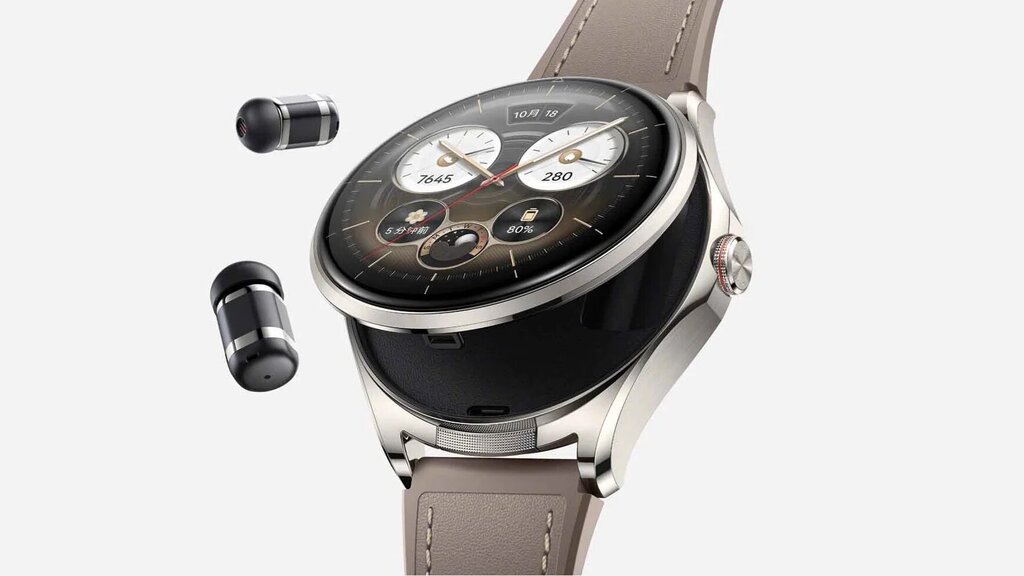
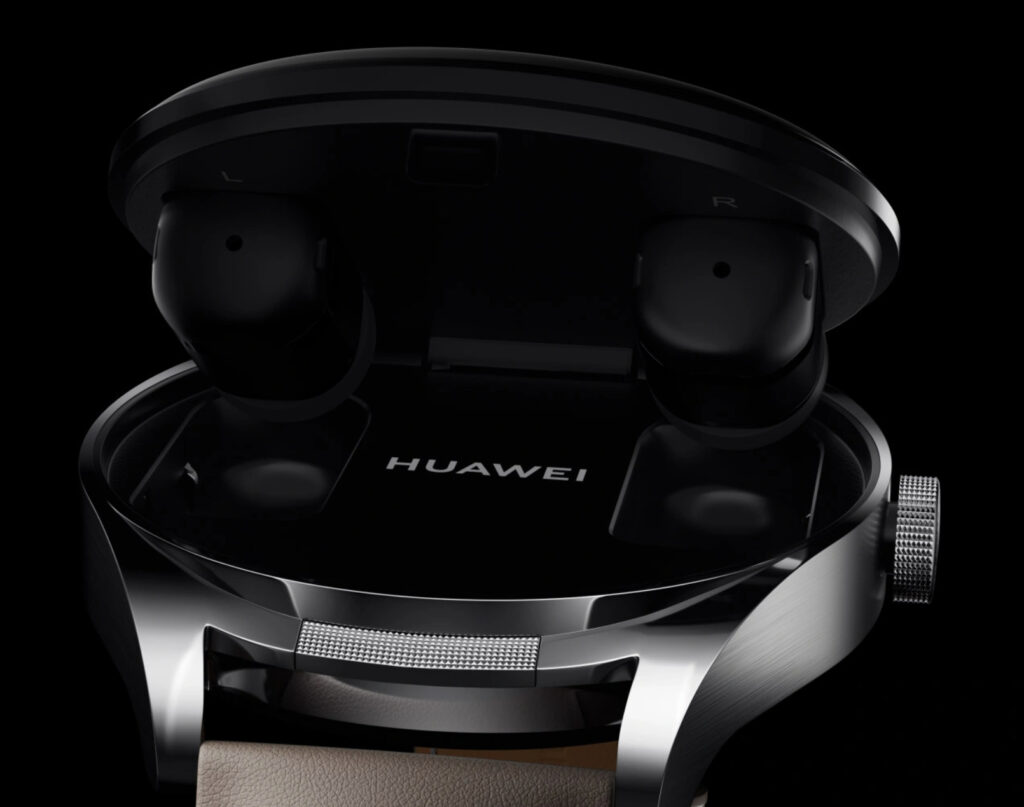
    The Huawei Watch Buds 2 is a smartwatch with built-in wireless earbuds that will have its official premiere on April 20, 2026, during the Huawei Pura event. The device continues the concept from 2022, where a slight press on the dial opens the case, revealing two miniature TWS earbuds with active noise cancellation inside. The second generation is expected to bring a new chip, HarmonyOS NEXT, and a set of AI features.

    The first generation of Watch Buds cost 2299 PLN in Poland and was available in only one color. The version 2 is expected to be lighter, thinner, and equipped with better sound, while also opening up the segment of “hybrid” audio-smart devices. We check everything we already know before the premiere.

    Huawei Watch Buds 2, when the premiere and availability in Poland

    The manufacturer has confirmed the date of the official premiere, April 20, 2026. The presentation will take place as part of the global Huawei event dedicated to the new Pura 80 smartphone series, alongside which the second generation of Watch Buds will also debut. The first generation of Watch Buds reached the European market a few months after its debut in China, so we will likely see the second one in Poland in the second quarter of 2026.

    Global sales are set to begin within four to six weeks of the premiere. The Polish distribution of Huawei usually aligns with the rest of Europe, so June–July 2026 is a realistic availability date for the Watch Buds 2 with Polish retail partners. The first generation was available at Media Expert, x-kom, and the official Huawei store.

    Tip: If you plan to buy the Watch Buds 2 right after the premiere, it’s worth preparing a replacement strap and protective glass for the face, as Huawei only provides them in a package for selected colors. You can find compatible accessories in the watch straps category.
    Specifications of Huawei Watch Buds 2, what we already know

    Huawei has not yet released the full specifications, but leaks and regulatory documents indicate specific changes compared to the first generation. Below we summarize the confirmed and expected parameters.

    ParameterWatch Buds (2022)Watch Buds 2 (2026)
    DisplayAMOLED 1.43″, 466 × 466 pxAMOLED 1.5″, LTPO (expected)
    CaseStainless steel, 47 mmAluminum alloy, ~46 mm (expected)
    Earbuds2× TWS with ANC, IP542× TWS with ANC 2.0 (expected)
    Watch battery lifeUp to 3 daysUp to 5 days (expected)
    Earbud battery~4 hours per charge~5–6 hours (expected)
    Battery capacity410 mAh~450 mAh (expected)
    SystemHarmonyOS 3.0HarmonyOS NEXT 5.0
    GPSDual-band L1 + L5Dual-band L1 + L5
    Health monitoringTruSeen 5.0, SpO2TruSeen 6.0, ECG, blood pressure (expected)
    Watch water resistance5 ATM5 ATM
    ConnectivityBluetooth 5.2, NFCBluetooth 5.4, NFC
    Sport modes80+100+ (expected)
    Launch price (PL)2299 zł~2499–2699 zł (estimate)

    The most important changes concern TWS earbuds. Huawei claims a better driver, second-generation active noise cancellation (ANC 2.0), and support for the LDAC codec, which theoretically will elevate sound quality to the level of separate earbuds costing 400–500 zł. This is crucial for those who consider the Watch Buds a real replacement for a pair of TWS.

    How Huawei Watch Buds 2 works, a watch with hidden earbuds

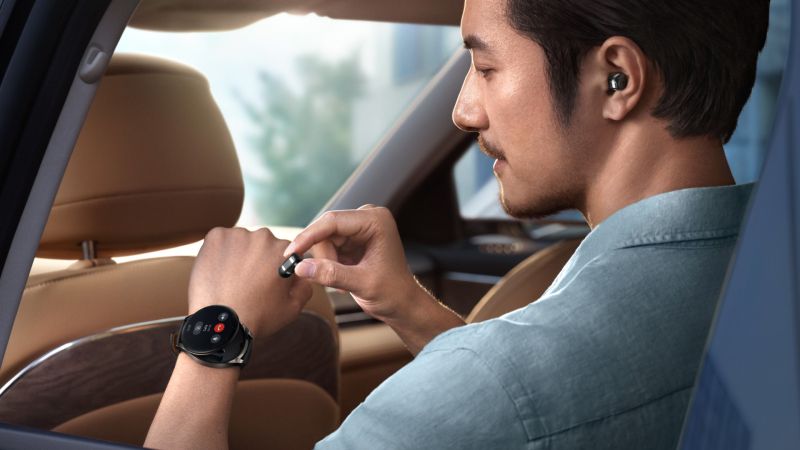
    The mechanism remains the same. The magnetic disc opens under the thumb, revealing two slots with earbuds. The earbuds charge inside the watch, the case functions as both a case and a power bank. When you don’t need music, the watch looks like a classic smartwatch with a round face.

    This concept solves a daily inconvenience: carrying two devices (watch + earbud case) and managing two batteries. Watch Buds 2 integrates one with the other, and after removing the earbuds, the watch still shows notifications, measures heart rate, and tracks steps. In the first generation, the entire cycle of “tap, open, put on earbuds” took about 3 seconds. The new case is expected to be thinner and lighter by about 8 g.

    Note: The earbuds in Watch Buds 2 are the size of bullet-type earbuds (elongated capsules), not classic AirPods. People with small ears should try them on before purchasing; the dimensions of the first generation earbuds are 21.8 × 10.3 × 10.3 mm, and the new version is expected to be comparable.

    AI Features and HarmonyOS NEXT in Watch Buds 2

    The second generation debuts with a new system HarmonyOS NEXT 5.0, which Huawei presents as a separate platform from Android. In practice, this means three significant changes for the user of Watch Buds 2.

    AI Health Coach, a health assistant based on a language model

    The first generation measured parameters but could not interpret them. HarmonyOS NEXT introduces AI Health Coach, an assistant that analyzes pulse, sleep, activity, and suggests specific actions. Noticed poorer sleep quality for three consecutive nights? It will suggest a shorter nap or a change in meal time. This is a local feature, most calculations happen on the watch, without sending data to the cloud.

    Smart headphone modes

    The Watch Buds 2 headphones automatically adapt to the situation. Adaptive ANC recognizes the environment, enhancing noise reduction on the train, switching to transparent mode in the office. During a phone call, the voice isolation system cuts out background noise, which you will appreciate on a busy street or in a café.

    Live conversation translation

    The Watch Buds 2 supports live translation between several languages (including Polish). The feature works in tandem with a Huawei smartphone from the Pura 80 or Mate series, you hear the translation in the headphones, while the conversation partner sees the transcription on the phone screen. This is not a substitute for a translator but assistance in simple situations (shopping, ordering in a restaurant, asking for directions).

    Huawei Watch Buds 2 price, how much will it cost?

    The manufacturer has not yet announced the official price, but based on the first generation and pricing trends in the hybrid wearables segment, we estimate the launch price of the Watch Buds 2 in Poland to be 2499–2699 PLN. For comparison:

    DevicePriceType
    Huawei Watch Buds (1st gen)2299 złSmartwatch + headphones
    Huawei Watch 51999 złFlagship smartwatch
    Huawei Watch GT 61499 złSports smartwatch
    Huawei Watch Ultimate3799 złPremium smartwatch
    Samsung Galaxy Watch 81899 złSmartwatch with Wear OS
    Apple Watch Series 102299 złiOS smartwatch

    Watch Buds 2 is positioned in the premium segment, you are not paying so much for a better smartwatch, but for the convenience of wearing one device instead of two. If you still need a smartwatch and TWS, the total of ~1500 zł (watch) + ~800 zł (ANC headphones) gives 2300 zł. The difference becomes symbolic.

    Want to check the current offer? Also see the full range of accessories for Huawei Watch 5 at homescreen.pl, straps, protective glasses, and screen protectors.

    Watch Buds 2 vs first generation, what has changed

    The first generation had three weak points: short battery life of the headphones (about 4 hours), thick case (14.99 mm), and limited compatibility with iPhone. The second generation addresses all three.

    • Headphone battery, expected 5–6 hours of single use, with the possibility of recharging in the watch for a total of 20 hours of playback
    • Thickness, the casing is thinner by about 1.5 mm thanks to the new magnetic mechanism
    • iOS compatibility, full support for iPhone through the Huawei Health app (notifications, activity tracking, music control)
    • Headphones, ANC 2.0, LDAC support, dual microphone with noise reduction
    • Health, added blood pressure measurement (after calibration with a cuff) and real-time stress analysis
    • Connectivity, Bluetooth 5.4 instead of 5.2, which reduces latency and increases range

    Who is Huawei Watch Buds 2 for

    Watch Buds 2 is not a device for everyone. If you already have a good pair of headphones and a smartwatch, a dual solution will not be better than dedicated devices. However, for three groups of users, it is a great choice.

    People minimizing daily “carrying”, one device instead of two, one battery to keep track of, one charger in the bag. If you often forget your earbud case at home or at work, Watch Buds 2 physically solves that problem.

    Travelers and commuters, quick access to earbuds without taking the case out of the backpack, live translation while traveling, good call quality thanks to two microphones. Additionally, sleep monitoring will be useful on the plane.

    Huawei ecosystem enthusiasts, if you have a Huawei Pura 80 smartphone or one from the Mate series, integration with HarmonyOS NEXT works smoothly. For iPhone and Android users from other manufacturers, functionality is reduced by 15–20%.

    Our choice: We recommend Watch Buds 2 to those for whom the convenience of “one device” outweighs maximum sound quality and separate watch functions.

    Alternatives to Huawei Watch Buds 2

    If the concept of a hybrid device doesn’t convince you, it’s worth considering three classic combinations:

    Smartwatch + separate TWS earbuds (budget). Huawei Watch GT 5 (999 zł) plus any pair of TWS earbuds (300–500 zł) will provide similar functions for less money. Minus: two devices to charge and carry.

    Apple Watch + AirPods Pro 3. For iPhone users, this is probably the best combination, with full integration with iOS, dictation, Handoff, and Apple Music. The total cost is around 3400 PLN, but you get two separate devices that are the best in their categories. Matching accessories: Apple Watch bands and AirPods Pro 3.

    Samsung Galaxy Watch 8 + Galaxy Buds 4 Pro. For Android and Samsung users, the Galaxy ecosystem offers seamless integration. Total cost: around 2800 PLN. At homescreen.pl, you will find a full selection of cases for Galaxy Watch 8 and Galaxy Buds 4 headphones.

    What Will Be Missing in Watch Buds 2

    The full specifications are not yet available, but knowing Huawei’s strategy from previous generations, three areas can be pointed out where Watch Buds 2 will likely not match the competition.

    • Google Pay / Apple Pay, HarmonyOS supports Huawei Pay, but in Poland, integration with banks is limited (only selected cards work)
    • App Store, AppGallery does not match Google Play or the App Store, lacking popular fitness apps (Strava, AllTrails)
    • GPS Support for Advanced Sports, despite dual-band L1+L5, the watch does not offer as precise analytics as Garmin or dedicated sports watches

    If your main goal is professional workout tracking, the Huawei Watch Ultimate or the Garmin series are a better choice. The Watch Buds 2 are more of a versatile everyday tool than specialized sports equipment.

    Summary, is it worth waiting for the Huawei Watch Buds 2

    The Huawei Watch Buds 2 is not a device for everyone, but it has no competition in its niche. The second generation fixes the weak points of its predecessor (battery, thickness, ANC) and adds HarmonyOS NEXT with AI features. Premiere on April 20, 2026, availability in Poland expected in June–July 2026, estimated price 2499–2699 PLN.

    If you care about having one device instead of two and live in the Huawei ecosystem, wait and buy. If you are an iPhone user or an Android user from another manufacturer, consider whether the lost integration functionality is worth the convenience. And if you already have a good smartwatch and headphones, there’s no reason to change.
    FAQ, frequently asked questions about Watch Buds 2

    When is the premiere of Huawei Watch Buds 2?

    Huawei Watch Buds 2 will officially debut on April 20, 2026 during the global event accompanying the launch of the Huawei Pura 80 series. Availability in Poland is expected in the second quarter of 2026, with the most likely months being June and July.

    How much will Huawei Watch Buds 2 cost?

    Huawei has not yet announced an official price. We estimate it to be 2499–2699 PLN, based on the price of the first generation (2299 PLN) and expected improvements. The first generation cost 2299 PLN, so the new model will likely increase in price by 10–15%.

    What headphones are in the Watch Buds 2?

    The watch hides two bullet-type TWS earbuds (elongated capsules) with second-generation active noise cancellation (ANC 2.0). The expected battery life on a single charge is 5–6 hours, and the watch case charges them for a total of 20 hours of playback.

    How does Watch Buds 2 differ from the first generation?

    The main changes are: a thinner case (about 1.5 mm), longer battery life for the earbuds (5–6 hours instead of 4 hours), the HarmonyOS NEXT 5.0 system with AI Health Coach, Bluetooth 5.4, LDAC codec, blood pressure measurement, and full iPhone support. The price will increase by about 200–400 PLN.

    Do the earbuds in the Watch Buds 2 sound like separate AirPods?

    According to the specifications and initial leaks, yes. Support for the LDAC codec, larger drivers, and ANC 2.0 are expected to provide sound quality comparable to TWS earbuds in the 400–600 PLN segment. The first generation reached the level of around 250 PLN earbuds.

    Where to buy accessories for the Watch Buds 2?

    Replacement straps, protective glass for the dial, and films can be found at the homescreen.pl store, with the categories Huawei Watch 5 and watch straps offering compatible accessories for most Huawei models. For the Watch Buds 2, the first products will appear after the premiere.

  • Huawei Watch Buds 2: premiere, specifications, and price of the smartwatch with headphones

    Huawei Watch Buds 2: premiere, specifications, and price of the smartwatch with headphones

    Huawei showcases the second generation of the most unusual smartwatch on the market. The Watch Buds 2 debuts on April 20, 2026, during the Huawei Pura event, combining a watch with a pair of TWS headphones hidden under the dial.

    The Huawei Watch Buds 2 is a smartwatch with built-in wireless headphones, which will have its official premiere on April 20, 2026, during the Huawei Pura event. The device continues the concept from 2022, opening the case with a light press on the dial, revealing two miniature TWS headphones with active noise cancellation inside. The second generation is expected to bring a new chip, HarmonyOS NEXT, and a set of AI features.

    The first generation of Watch Buds cost 2299 PLN in Poland and was available in only one color. The version 2 is expected to be lighter, thinner, and equipped with better sound, while also opening the segment of “hybrid” audio-smart devices. We check everything we already know before the premiere.

    Huawei Watch Buds 2, when is the premiere and availability in Poland

    The manufacturer has confirmed the date of the official premiere, April 20, 2026. The presentation will take place as part of the global event dedicated to the new Pura 80 smartphone series by Huawei, alongside which the second generation of Watch Buds will also debut. The first generation of Watch Buds reached the European market a few months after its debut in China, so we will likely see the second one in Poland in the second quarter of 2026.

    Global sales are expected to start within four to six weeks after the premiere. The Polish distribution of Huawei usually joins the rest of Europe, so June–July 2026 is a realistic availability date for the Watch Buds 2 with Polish trading partners. The first generation was available at Media Expert, x-kom, and the official Huawei store, among others.

    Tip: If you plan to buy the Watch Buds 2 right after the premiere, it’s worth preparing a replacement strap and protective glass for the dial, as Huawei provides them in the package only for selected colors. Compatible accessories can be found in the category watch straps.

    Specifications of Huawei Watch Buds 2, what we already know

    Huawei has not yet released the full specifications, but leaks and regulatory documents indicate specific changes compared to the first generation. Below we summarize the confirmed and expected parameters.

    ParameterWatch Buds (2022)Watch Buds 2 (2026)
    DisplayAMOLED 1.43″, 466 × 466 pxAMOLED 1.5″, LTPO (expected)
    CaseStainless steel, 47 mmAluminum alloy, ~46 mm (expected)
    Earbuds2× TWS with ANC, IP542× TWS with ANC 2.0 (expected)
    Watch battery lifeUp to 3 daysUp to 5 days (expected)
    Earbud battery~4 hours per charge~5–6 hours (expected)
    Battery capacity410 mAh~450 mAh (expected)
    SystemHarmonyOS 3.0HarmonyOS NEXT 5.0
    GPSDual-band L1 + L5Dual-band L1 + L5
    Health monitoringTruSeen 5.0, SpO2TruSeen 6.0, EKG, blood pressure (expected)
    Watch water resistance5 ATM5 ATM
    ConnectivityBluetooth 5.2, NFCBluetooth 5.4, NFC
    Sport modes80+100+ (expected)
    Launch price (PL)2299 zł~2499–2699 zł (estimate)

    The most important changes concern TWS earbuds. Huawei claims a better driver, second-generation active noise cancellation (ANC 2.0), and support for the LDAC codec, which theoretically will elevate sound quality to the level of separate earbuds costing 400–500 zł. This is crucial for those who consider the Watch Buds a real replacement for a pair of TWS.

    How Huawei Watch Buds 2 works, a watch with hidden earbuds

    The mechanism remains the same. The magnetic disc opens under the thumb, revealing two slots with earbuds. The earbuds charge inside the watch, the case serves as both a case and a power bank. When you don’t need music, the watch looks like a classic smartwatch with a round face.

    This concept solves a daily inconvenience: carrying two devices (watch + earbud case) and managing two batteries. Watch Buds 2 integrates one with the other, and after removing the earbuds, the watch still shows notifications, measures heart rate, and tracks steps. In the first generation, the entire cycle of “tap, open, put on earbuds” took about 3 seconds. The new case is supposed to be thinner and lighter by about 8 g.

    Note: The earbuds in Watch Buds 2 are the size of bullet-type earbuds (elongated capsules), not classic AirPods. People with small ears should try them on before purchasing; the dimensions of the first generation earbuds are 21.8 × 10.3 × 10.3 mm, and the new version is expected to be comparable.

    AI Features and HarmonyOS NEXT in Watch Buds 2

    The second generation debuts with the new system HarmonyOS NEXT 5.0, which Huawei presents as a separate platform from Android. In practice, this means three significant changes for the user of Watch Buds 2.

    AI Health Coach, a health assistant based on a language model

    The first generation measured parameters but could not interpret them. HarmonyOS NEXT introduces AI Health Coach, an assistant that analyzes pulse, sleep, activity, and suggests specific actions. Noticed worse sleep quality for three nights in a row? It will suggest a shorter nap or a change in meal time. This is a local feature, most calculations happen on the watch, without sending data to the cloud.

    Smart headphone modes

    The Watch Buds 2 headphones automatically adjust to the situation. Adaptive ANC recognizes the environment, enhancing noise reduction on the train, switching to transparent mode in the office. During a phone call, the voice isolation system cuts out background noise, which you will appreciate on a busy street or in a café.

    Live conversation translation

    The Watch Buds 2 supports live translation between several languages (including Polish). The feature works in tandem with a Huawei smartphone from the Pura 80 or Mate series, you hear the translation in the headphones, while the conversation partner sees the transcription on the phone screen. This is not a substitute for a translator but a help in simple situations (shopping, ordering in a restaurant, asking for directions).

    Huawei Watch Buds 2 price, how much will it cost?

    The manufacturer has not yet provided an official price, but based on the first generation and price trends in the hybrid wearables segment, we estimate the launch price of the Watch Buds 2 in Poland to be 2499–2699 PLN. For comparison:

    DevicePriceType
    Huawei Watch Buds (1st gen)2299 PLNSmartwatch + headphones
    Huawei Watch 51999 PLNFlagship smartwatch
    Huawei Watch GT 61499 PLNSport smartwatch
    Huawei Watch Ultimate3799 PLNPremium smartwatch
    Samsung Galaxy Watch 81899 PLNSmartwatch with Wear OS
    Apple Watch Series 102299 PLNiOS smartwatch

    Watch Buds 2 is positioned in the premium segment, you are not just paying for a better smartwatch, but for the convenience of wearing one device instead of two. If you still need a smartwatch and TWS, the sum of ~1500 PLN (watch) + ~800 PLN (ANC headphones) totals 2300 PLN. The difference becomes symbolic.

    Want to check the current offer? Also see the full range of accessories for Huawei Watch 5 at homescreen.pl, straps, protective glasses, and screen protectors.

    Watch Buds 2 vs first generation, what has changed

    The first generation had three weak points: short battery life of the headphones (about 4 hours), thick case (14.99 mm), and limited compatibility with iPhone. The second generation addresses all three.

    • Headphone battery, expected 5–6 hours of single use, with the possibility of recharging in the watch for a total of 20 hours of playback
    • Thickness, the casing is thinner by about 1.5 mm thanks to the new magnetic mechanism
    • iOS compatibility, full support for iPhone through the Huawei Health app (notifications, activity tracking, music control)
    • Headphones, ANC 2.0, LDAC support, dual microphone with noise reduction
    • Health, added blood pressure measurement (after calibration with a cuff) and real-time stress analysis
    • Connectivity, Bluetooth 5.4 instead of 5.2, which reduces latency and increases range

    Who is Huawei Watch Buds 2 for

    Watch Buds 2 is not a device for everyone. If you already have a good pair of headphones and a smartwatch, a dual solution will not be better than dedicated devices. However, for three groups of users, it is a great choice.

    People minimizing daily “carrying”, one device instead of two, one battery to keep track of, one charger in the bag. If you forget your headphone case at home or work every day, Watch Buds 2 physically solves that problem.

    Travelers and commuters, quick access to headphones without taking the case out of the backpack, live translation while traveling, good call quality thanks to two microphones. Additionally, sleep monitoring will be useful on the plane.

    Huawei ecosystem enthusiasts, if you have a Huawei Pura 80 smartphone or one from the Mate series, integration with HarmonyOS NEXT works smoothly. For iPhone and Android users from other manufacturers, functionality is reduced by 15–20%.

    Our choice: We recommend Watch Buds 2 to those for whom the convenience of “one device” outweighs maximum sound quality and separate watch functions.

    Alternatives to Huawei Watch Buds 2

    If the concept of a hybrid device doesn’t convince you, it’s worth considering three classic combinations:

    Smartwatch + separate TWS headphones (budget). Huawei Watch GT 5 (999 PLN) plus any pair of TWS headphones (300–500 PLN) will provide similar functions for less money. Minus: two devices to charge and carry.

    Apple Watch + AirPods Pro 3. For iPhone users, this is probably the best combination, with full integration with iOS, dictation, Handoff, and Apple Music. The total cost is around 3400 PLN, but you get two separate devices that are the best in their categories. Matching accessories: Apple Watch bands and AirPods Pro 3.

    Samsung Galaxy Watch 8 + Galaxy Buds 4 Pro. For Android and Samsung users, the Galaxy ecosystem offers seamless integration. Total cost: around 2800 PLN. On homescreen.pl you will find a full selection of cases for Galaxy Watch 8 and Galaxy Buds 4 headphones.

    What Will Be Missing in Watch Buds 2

    The full specification is not yet available, but knowing Huawei’s strategy from previous generations, three areas can be identified where Watch Buds 2 will likely not match the competition.

    • Google Pay / Apple Pay, HarmonyOS supports Huawei Pay, but in Poland, integration with banks is limited (only selected cards work)
    • App Store, AppGallery does not match Google Play or the App Store, lacking popular fitness apps (Strava, AllTrails)
    • GPS Support for Advanced Sports, despite dual-band L1+L5, the watch does not offer as precise analytics as Garmin or dedicated sports watches

    If your main goal is professional training tracking, the Huawei Watch Ultimate or the Garmin series are a better choice. The Watch Buds 2 is more of a versatile everyday tool than specialized sports equipment.

    Summary, it’s worth waiting for Huawei Watch Buds 2

    The Huawei Watch Buds 2 is not a device for everyone, but it has no competition in its niche. The second generation fixes the weak points of its predecessor (battery, thickness, ANC) and adds HarmonyOS NEXT with AI features. Launch on April 20, 2026, availability in Poland expected in June–July 2026, estimated price 2499–2699 PLN.

    If you value having one device instead of two and live in the Huawei ecosystem, wait and buy. If you are an iPhone user or an Android user from another manufacturer, consider whether the lost integration functionality is worth the convenience. And if you already have a good smartwatch and headphones, there is no reason to change.

    FAQ, frequently asked questions about Watch Buds 2

    When is the launch of Huawei Watch Buds 2?

    The Huawei Watch Buds 2 will officially debut on April 20, 2026 during the global event accompanying the launch of the Huawei Pura 80 series. Availability in Poland is expected in the second quarter of 2026, with June and July being the most likely months.

    How much will the Huawei Watch Buds 2 cost?

    Huawei has not yet announced an official price. We estimate it to be 2499–2699 PLN, based on the price of the first generation (2299 PLN) and expected improvements. The first generation cost 2299 PLN, so the new model will likely increase in price by 10–15%.

    What headphones are in the Watch Buds 2?

    The watch hides two bullet-type TWS earbuds (elongated capsules) with second-generation active noise cancellation (ANC 2.0). The expected battery life on a single charge is 5–6 hours, and the watch case charges them for a total of 20 hours of playback.

    How does the Watch Buds 2 differ from the first generation?

    The main changes are: a thinner case (about 1.5 mm), longer battery life for the earbuds (5–6 hours instead of 4 hours), the HarmonyOS NEXT 5.0 system with AI Health Coach, Bluetooth 5.4, LDAC codec, blood pressure measurement, and full iPhone support. The price will increase by about 200–400 PLN.

    Do the headphones in the Watch Buds 2 sound like separate AirPods?

    According to specifications and initial leaks, yes. Support for the LDAC codec, larger drivers, and ANC 2.0 are expected to provide sound quality comparable to TWS headphones in the 400–600 PLN segment. The first generation reached the level of about 250 PLN headphones.

    Where to buy accessories for Watch Buds 2?

    Replacement straps, protective glass for the dial, and films can be found at homescreen.pl, the categories Huawei Watch 5 and watch straps offer compatible accessories for most Huawei models. For Watch Buds 2, the first products will appear after the premiere.
  • Vivo X300 Ultra vs OPPO Find X9 Ultra — which camera is better? Comparison

    Vivo X300 Ultra vs OPPO Find X9 Ultra — which camera is better? Comparison

    Vivo X300 Ultra and OPPO Find X9 Ultra are the only smartphones with a dual 200 MP setup — but each implements this idea differently. Vivo focuses on ZEISS T* optics with gimbal stabilization and a 400 mm teleconverter, while OPPO counters with a triple optical zoom from Hasselblad (3× + 10×) and a 7050 mAh battery. Which one better replaces a compact camera? We compare them point by point.

    OPPO Find X9 Ultra has its global premiere on April 21, 2026 — this is the first Ultra model in OPPO’s history to hit European markets. Vivo X300 Ultra has been available for pre-order in Europe since April 16. Both phones share the same Snapdragon 8 Elite Gen 5 processor and Sony LYT-901 main sensor, but differ practically in everything else.

    Note: OPPO Find X9 Ultra had not yet officially premiered at the time of publication of this article. OPPO specifications are based on the manufacturer’s official announcements, certification entries (China Telecom), and reliable leaks.

    Looking for accessories for the new flagship? Check out cases and glass for OPPO Find X9 and accessories for Vivo X phones at Home Screen.

    Specifications Vivo X300 Ultra vs OPPO Find X9 Ultra

    ParameterVivo X300 UltraOPPO Find X9 Ultra
    PremiereApril 2026 (Europe)April 21, 2026 (globally)
    Screen6.82″ LTPO AMOLED, 2K (1440×3168), 144 Hz, ZEISS Master Color6.82″ LTPO AMOLED, 2K (1440×3120), 144 Hz, 3600 nits
    Screen protectionArmor GlassNanoCrystal Shield
    ProcessorSnapdragon 8 Elite Gen 5 (3 nm)Snapdragon 8 Elite Gen 5 (3 nm)
    RAM12/16 GB LPDDR5X12/16 GB LPDDR5X
    Storage256/512 GB/1 TB UFS 4.1256/512 GB/1 TB UFS 4.1
    Main camera200 MP Sony LYT-901 (1/1.12″), f/1.85, OIS gimbal, ZEISS T*200 MP Sony LYT-901 (1/1.12″), f/1.5, OIS, Hasselblad
    Telephoto 3-4×200 MP Samsung HP0 (1/1.4″), f/2.3, 85 mm, 3.7× periscope, ZEISS APO200 MP OmniVision OV52A (1/1.28″), f/2.2, 70 mm, 3× periscope, Hasselblad
    Telephoto 10×none50 MP Samsung JNL (1/2.75″), f/3.5, 230 mm, 10× periscope
    Ultrawide50 MP Sony LYTIA 818 (1/1.28″), f/2.0, 116°, OIS50 MP Sony LYT-600 (1/1.95″), f/2.0, 120°
    Multispectral sensor5 MP VCS 3rd generation3.2 MP (color accuracy)
    Selfie50 MP, f/2.5, AF50 MP, AF
    Video8K/30, 4K/120 10-bit Log (all lenses), APV 422, ACES, Dolby Vision4K/120, 10-bit, Dolby Vision HDR
    Battery6600/7000 mAh (silicon-carbon)7050 mAh (silicon-carbon)
    Wired charging100 W100 W SuperVOOC
    Wireless charging40 W + reverse50 W AirVOOC + 10 W reverse
    Dimensions8.19 mm thickness163.04 × 76.91 × 9.15 mm
    Weight232-237 g235-238 g
    Water resistanceIP68/IP69IP68/IP69
    Bluetooth5.45.4
    Wi-FiWi-Fi 7Wi-Fi 7
    NFC / IRyes / yesyes / yes
    USBType-C 3.2, DisplayPortType-C 3.2
    SIMdual nano-SIMdual nano-SIM
    Fingerprint readerultrasonic, under the screenultrasonic, under the screen
    Speakersstereo, Hi-Resstereo
    SystemAndroid 16, OriginOS 6Android 16, ColorOS 16
    Optical partnershipZEISSHasselblad
    Dedicated camera buttonnoneyes (Camera Quick Launch)
    External teleconverterZEISS 400 mm G2 Ultra (17.4× zoom)Hasselblad 300 mm
    Satellite connectivityyes (1 TB version)yes (Satellite version)
    Colorsblack, silver, greenPolar Glacier, Sand Canyon, Earth Tundra
    Price from (estimated)~6500 PLN (pre-order)~6000-7000 PLN (estimated, premiere 21.04)

    The full specifications of both phones can be compared on GSMArena.

    Vivo X300 Ultra vs OPPO Find X9 Ultra — ZEISS vs Hasselblad

    The camera of the Vivo X300 Ultra and the camera of the OPPO Find X9 Ultra are the two most ambitious photographic systems in smartphones of 2026. Both have a dual 200 MP setup, but differ in philosophy and zoom range.

    Main camera — the same sensor, different approach

    Both phones use the same Sony LYT-901 sensor (1/1.12″) — one of the largest in smartphones. The key difference lies in the optics:

    Vivo X300 Ultra has a brighter telephoto lens with gimbal OIS stabilization and ZEISS T* certification (anti-reflective coatings). The f/1.85 aperture is a solid result.

    OPPO Find X9 Ultra according to leaks goes further with an aperture of f/1.5 — it’s one of the brightest optics in smartphone history (some sources report f/1.8, official data will be revealed on April 21). A brighter lens means more light on the sensor, which translates to better photos in low light. Hasselblad calibration gives photos a characteristic, warm tone.

    OPPO’s advantage in the brightness of the main lens (f/1.5 vs f/1.85). Vivo responds with gimbal stabilization, which can provide sharper images at longer exposure times.

    Zoom – this is where the biggest difference lies

    This is the key point of this comparison.

    Vivo X300 Ultra has one 200 MP telephoto lens with 3.7× optical zoom (85 mm) and an optional ZEISS 400 mm G2 Ultra teleconverter, which provides 17.4× optical zoom. In the range of 3.7-17×, it is the best zoom system in a smartphone — but the teleconverter is purchased separately.

    OPPO Find X9 Ultra has two telephoto lenses: 200 MP 3× periscope (70 mm) and 50 MP 10× periscope (230 mm) — both built into the phone. You don’t need any accessories to achieve 10× optical zoom. Lossless zoom reaches up to 40-50× thanks to computations.

    In the range of 3-5× both phones will deliver excellent photos from the 200 MP sensors. Above 5× OPPO has a built-in 10× zoom, while Vivo needs a teleconverter. But with the teleconverter, Vivo achieves 17.4× at full 200 MP — a range unavailable to any other smartphone.

    OPPO wins in versatility (triple zoom without accessories), Vivo wins in maximum range (400 mm with teleconverter).

    Ultrawide

    Here Vivo X300 Ultra has a significant advantage. The Sony LYTIA 818 (1/1.28″) sensor is much larger than the Sony LYT-600 (1/1.95″) in OPPO. Additionally, the ultrawide Vivo has its own OIS stabilization, which is lacking in OPPO.

    A larger sensor and OIS clearly result in better ultrawide photos, especially in low light and when recording video.

    Vivo X300 Ultra wins — the 1/1.28″ sensor with OIS is in a different league.

    Night Photos

    Both phones use the same main sensor, the Sony LYT-901, but OPPO has a brighter lens (f/1.5 vs f/1.85). In theory, this provides about 40% more light on the sensor, which should translate to better night photos from the main camera.

    Vivo responds with gimbal stabilization OIS, which allows for longer exposure times without blur. In practice, both approaches yield great results at night.

    Slight advantage for OPPO due to a potentially brighter lens — but the final aperture will be confirmed at the premiere, and the real difference in photo quality will only be visible after independent tests.

    Video

    Vivo X300 Ultra dominates in video:
    4K/120 fps 10-bit Log on all lenses (main, tele, ultrawide)
    APV 422 encoding and ACES workflow
    – 8K/30 fps, Dolby Vision HDR

    OPPO Find X9 Ultra according to current information records 4K/120 fps with 10-bit color and Dolby Vision HDR. Log recording and 8K have not yet been confirmed by OPPO — the predecessor Find X9 Pro supported Log up to 4K/120 with ACES, so the Ultra model likely offers this as well. Full details will be revealed after the premiere on April 21.

    Vivo wins video — 10-bit Log on every lens and APV 422 are professional tools. For stable video recording in motion, a tripod or gimbal for your phone will come in handy.

    Screen – twin parameters

    ParameterVivo X300 UltraOPPO Find X9 Ultra
    Diagonal6.82″ LTPO AMOLED6.82″ LTPO AMOLED
    Resolution1440 × 3168 (2K)1440 × 3120 (2K)
    Refresh Rate144 Hz144 Hz
    Peak Brightness4500 nits (claimed)3600 nits
    CalibrationZEISS Master ColorHDR10+, Dolby Vision, HDR Vivid
    ProtectionArmor GlassNanoCrystal Shield

    Both phones have nearly identical screens — 6.82″ LTPO AMOLED with a 2K resolution and a 144 Hz refresh rate. These are some of the best displays on the market.

    Vivo claims a higher peak brightness (4500 vs 3600 nits) and offers ZEISS Master Color calibration — a bonus for photographers evaluating images on the screen. OPPO counters with HDR Vivid support and NanoCrystal Shield as screen protection.

    Minimal draw — both screens are excellent. Vivo potentially has a brighter panel, but without independent tests, it’s hard to confirm.

    Battery and Charging

    ParameterVivo X300 UltraOPPO Find X9 Ultra
    Capacity6600/7000 mAh (silicon-carbon)7050 mAh (silicon-carbon)
    Wired charging100 W100 W SuperVOOC
    Wireless charging40 W50 W AirVOOC
    Reverse chargingyes (wireless)yes (10 W wireless)
    Battery life80% after 1200 cyclesno data

    OPPO Find X9 Ultra features the latest silicon-carbon battery with a capacity of 7050 mAh — one of the largest batteries in flagship devices on the market. Vivo offers 6600 or 7000 mAh depending on the variant.

    The wired charging is identical (100 W), but OPPO has better wireless charging (50 W AirVOOC vs 40 W on Vivo). Both phones support reverse charging.

    OPPO wins with the battery — guaranteed 7050 mAh and faster wireless charging.

    Planning to take a flagship on a longer trip? Check out smartphone power banks and wall chargers at Home Screen.

    Build, weight, and water resistance

    Both phones have IP68 and IP69 certifications — they can withstand immersion in water and a stream of hot water under pressure. Taking photos in the rain is not a problem.

    OPPO Find X9 Ultra is slightly thicker (9.15 mm vs 8.19 mm for Vivo) and weighs 235-238 g. Available in three color variants with eco-leather: Polar Glacier (light blue), Sand Canyon (orange), and Earth Tundra (dark brown). It has a dedicated camera button (Camera Quick Launch) and a quick access button Plus Key.

    Vivo X300 Ultra is slimmer (8.19 mm) and weighs 232-237 g. Available in black, silver, and green with an Armor Glass finish. Both phones have an infrared emitter (IR blaster).

    Draw — Vivo is slimmer, OPPO has a more interesting design with eco-leather and a dedicated camera button.

    Vivo X300 Ultra price vs OPPO Find X9 Ultra price

    VariantVivo X300 UltraOPPO Find X9 Ultra
    Base~6500 PLN (pre-order with Pro Video set)~6000-7000 PLN (estimated, premiere on 21.04)
    Top~8600 PLN (16 GB/1 TB)no data
    TeleconverterZEISS 400 mm (~2000 PLN)Hasselblad 300 mm (price unknown)

    The price of the Vivo X300 Ultra starts at 6500 PLN in pre-order with the Pro Video Rig Kit — this is the confirmed price. The price of the OPPO Find X9 Ultra has not yet been officially announced and will only be revealed at the premiere on April 21, 2026. Based on the price of the OPPO Find X9 Pro (~5499 PLN in Europe), we estimate that the OPPO Find X9 Ultra will cost ~6000-7000 PLN, but this is just our estimation.

    Both phones have dedicated photographic accessories — teleconverters (ZEISS 400 mm vs Hasselblad 300 mm) and grips with a battery.

    The price of OPPO will be confirmed on April 21 — we will return with an update after the premiere.

    Unique features – what distinguishes each model

    Only Vivo X300 Ultra:

    • ZEISS 400 mm G2 Ultra Teleconverter — 17.4× optical zoom in 200 MP
    • 4K/120 10-bit Log on all lenses + APV 422 + ACES
    • Ultrawide with 1/1.28″ sensor (Sony LYTIA 818) with OIS
    • 5 MP multispectral sensor VCS 3rd generation
    • Gimbal stabilization OIS (main camera)
    • ZEISS Master Color screen calibration

    Only OPPO Find X9 Ultra:

    • Triple optical zoom (3× + 10×) — without accessories up to 230 mm
    • Main lens f/1.5 — the brightest among flagships
    • 7050 mAh battery — the largest in comparison
    • 50 W wireless charging AirVOOC
    • Dedicated camera button + Plus Key button
    • Hasselblad Color Calibration on all lenses
    • Hasselblad 300 mm teleconverter
    • 5 years of system updates, 6 years of security updates

    Summary: which one to choose?

    Choose Vivo X300 Ultra if:
    – You record professional videos (10-bit Log on every lens, APV 422)
    – You need extreme zoom with a teleconverter (400 mm, 17.4×)
    – You care about the best ultra-wide (1/1.28″ sensor with OIS)
    – You prefer a slimmer design (8.19 mm)
    – You want neutral, true-to-life colors from ZEISS

    Choose OPPO Find X9 Ultra if:
    – You want a triple zoom built into the phone (3× + 10× without accessories)
    – You mainly photograph in low light (f/1.5 lens)
    – You care about the largest battery (7050 mAh)
    – You value warm, distinctive colors from Hasselblad
    – You want a dedicated camera button

    The comparison of Vivo X300 Ultra vs OPPO Find X9 Ultra is a clash of two mobile photography philosophies — ZEISS vs Hasselblad, gimbal vs triple zoom, professional video vs versatility without accessories. There is no single winner — there is your winner.

    Looking for a case, tempered glass, or charger for your new flagship? Check out accessories for OPPO Find X9, Vivo X accessories, and wireless chargers at Home Screen — with free delivery from 100 PLN and a rating of 4.9/5 on Google.

    FAQ – frequently asked questions

    When is the OPPO Find X9 Ultra premiere?
    The OPPO Find X9 Ultra premiere takes place globally on April 21, 2026. This is the first Ultra model in OPPO’s history to hit the European markets.

    What is the price of the OPPO Find X9 Ultra in Poland?
    The price of the OPPO Find X9 Ultra has not yet been officially announced. Based on the price of the OPPO Find X9 Pro (~5499 PLN), we estimate that the Ultra model will cost around 6000-7000 PLN. The official price will be revealed on April 21.

    Will the OPPO Find X9 Ultra be available in Poland?
    Yes — OPPO has confirmed the global premiere, including for the European markets. In Poland, OPPO is available, among others, through Media Expert. The exact date of availability in stores depends on the distributor.

    Which phone takes better photos?
    The Vivo X300 Ultra camera excels in video (10-bit Log on each lens, APV 422) and ultra-wide (1/1.28″ sensor). The OPPO Find X9 Ultra camera has an advantage in zoom (built-in 10× without accessories) and night shots (f/1.5 lens). Both have the same main sensor, the Sony LYT-901.

    Which phone has a better battery?
    The OPPO Find X9 Ultra has a 7050 mAh battery with 50 W wireless charging. The Vivo X300 Ultra has a 6600-7000 mAh battery with 40 W wireless charging.

    What is the best camera smartphone in 2026?
    The Vivo X300 Ultra, OPPO Find X9 Ultra, and Xiaomi 17 Ultra are the top three camera smartphones of 2026. Each excels in a different category — Vivo in video, OPPO in zoom, Xiaomi in mechanical optical zoom with Leica colors.

    What are the opinions on the OPPO Find X9 Ultra?
    The OPPO Find X9 Ultra has not yet had its official premiere (April 21, 2026), so independent opinions and reviews will appear after this date. Its predecessor — the OPPO Find X9 Pro — ranked 5th in the DxOMark ranking, which bodes well for the Ultra model.

  • Vivo X300 Ultra vs Xiaomi 17 Ultra – comparison of flagship cameras

    Vivo X300 Ultra vs Xiaomi 17 Ultra – comparison of flagship cameras

    Vivo X300 Ultra has a dual 200 MP setup with ZEISS optics and a 400 mm teleconverter, while the Xiaomi 17 Ultra features a 1-inch Leica sensor with a mechanical zoom of 75-100 mm. Both phones target photographers, but the philosophy of each is completely different — Vivo focuses on raw power and zoom range, while Xiaomi emphasizes the atmosphere of photos and hardware HDR. Which one better replaces a compact camera? If you’re looking for the best photography smartphone of 2026, the choice comes down to these two models.

    Vivo X300 Ultra went on European pre-sale on April 16, 2026, while the Xiaomi 17 Ultra has been available since the end of February. They are direct competitors in the ultra-premium segment, united by one ambition: to replace the compact camera. However, they differ in philosophy, optics, and price.

    Specifications Vivo X300 Ultra vs Xiaomi 17 Ultra

    ParameterVivo X300 UltraXiaomi 17 Ultra
    PremiereApril 2026 (Europe)February 2026 (globally)
    Screen6.82″ LTPO AMOLED, 2K (1440×3168), 144 Hz, ZEISS Master Color6.9″ OLED Xiaomi HyperRGB, 2608×1200, 120 Hz LTPO, 300 Hz touch, 12-bit
    Peak brightness4500 nits (declared)3500 nits
    Screen protectionArmor GlassXiaomi Shield Glass 3.0
    ProcessorSnapdragon 8 Elite Gen 5 (3 nm)Snapdragon 8 Elite Gen 5 (3 nm)
    RAM12/16 GB LPDDR5X16 GB LPDDR5X
    Storage256/512 GB/1 TB UFS 4.1512 GB/1 TB UFS 4.1
    Main camera200 MP Sony LYT-901 (1/1.12″), f/1.85, OIS gimbal, ZEISS T*50 MP Light Fusion 1050L (1″), f/1.67, OIS, LOFIC HDR
    Telephoto200 MP Samsung HP0 (1/1.4″), f/2.3, 85 mm, 3.7× periscope, ZEISS APO200 MP Samsung HPE (1/1.4″), f/2.39-2.96, 75-100 mm mechanical zoom, OIS
    Ultrawide50 MP Sony LYTIA 818 (1/1.28″), f/2.0, 116°, OIS50 MP Samsung JN5 (1/2.75″), f/2.2, 14 mm, 115°
    Multispectral sensor5 MP VCS 3rd generationnone
    Selfie50 MP, f/2.5, AF50 MP OV50M, f/2.2, AF, 21 mm, 90°
    Video8K/30, 4K/120 10-bit Log, Dolby Vision, APV 4228K/30, 4K/120 Log, ACES, Dolby Vision, slow-mo 1080p/1920 fps
    Battery6600/7000 mAh (silicon-carbon)6000 mAh (global version)
    Wired charging100 W90 W (~43 min)
    Wireless charging40 W + reverse charging50 W
    Reverse chargingyes (wireless)yes (22.5 W wired)
    Dimensions8.19 mm thick162.9 × 77.6 × 8.29 mm
    Weight232-237 g (depending on color)218.4 g (Black/White) / 219 g (Green)
    Water resistanceIP68/IP69IP68
    Bluetooth5.46.0
    Wi-FiWi-Fi 7Wi-Fi 7 (tri-band, Wi-Fi 6e)
    NFCyesyes
    Infrared port (IR)yesyes
    USBType-C 3.2, DisplayPortType-C 3.2 Gen 2, DisplayPort
    SIMdual nano-SIMnano+nano or nano+eSIM or eSIM+eSIM
    Fingerprint readerultrasonic, under displayultrasonic, under display
    Speakersstereo, Hi-Resstereo, Hi-Res
    SystemAndroid 16, OriginOS 6Android 16, HyperOS 3
    DxOMarknot yet rated166 points (#6 globally)
    Satellite connectivityyes (1 TB version)none
    Colorsblack, silver, greenblack, white, green (Starlit Green)
    Price fromapprox. 7999 PLN for the 16 GB/1 TB variantapprox. 6499

    The full specifications of both phones can also be compared on GSMArena. Looking for accessories for your new flagship? Check out cases and glass for Xiaomi 17 Ultra and accessories for Vivo X phones at Home Screen.

    Camera Vivo X300 Ultra vs Xiaomi 17 Ultra — which one takes better photos?

    This is where the real fun begins — the camera of the Vivo X300 Ultra and the camera of the Xiaomi 17 Ultra approach mobile photography from completely different angles.

    Camera Philosophy

    Vivo X300 Ultra is a “technologist” — it focuses on raw specification power. The dual 200 MP sensor (main Sony LYT-901, f/1.85 + telephoto Samsung HP0, f/2.3) provides a huge field for framing and digital zooming. OIS stabilization at gimbal level and ZEISS T* certification on the main lens are parameters rarely seen in smartphones. Additionally, the ultra-wide lens with a large Sony LYTIA 818 sensor (1/1.28″) — significantly larger than the competition.

    Xiaomi 17 Ultra is an “artist” — a 1-inch main sensor with LOFIC technology (hardware HDR without frame merging) and a mechanical optical zoom of 75-100 mm are solutions known from professional cameras. Collaboration with Leica translates into characteristic color reproduction and emulation of Leica M9 films.

    Daytime photo quality

    In good lighting, Vivo X300 Ultra produces more neutral, true-to-life colors. Photos from the 200 MP sensor have an enormous amount of detail — when cropped to a lower resolution, the effect is incredibly sharp.

    Xiaomi 17 Ultra with a 1-inch sensor captures more light and creates a more natural background blur (bokeh). Colors in Leica Vibrant mode are warmer and more saturated, while in Leica Authentic mode — truer, with the characteristic “leica look”.

    Draw. Vivo wins in detail and resolution, Xiaomi — in atmosphere and color reproduction. The choice depends on the photography style.

    Night mode photos

    Here, Xiaomi 17 Ultra has a clear advantage. The 1-inch sensor with LOFIC technology processes exposure information at the hardware level, resulting in more balanced night photos without the typical artifacts from merging multiple frames.

    Vivo X300 Ultra performs well thanks to CIPA 7.0 stabilization, which allows for longer exposure times without blurring. In practice, both phones deliver excellent results at night, but Xiaomi retains more detail in shadows and better controls noise.

    Xiaomi 17 Ultra wins — the LOFIC sensor is a real advantage in low light.

    Zoom and telephoto lens

    This is the key difference between the two phones.

    Vivo X300 Ultra offers a 200 MP telephoto lens with a focal length of 85 mm (3.7× optical zoom). Additionally, there is an optional ZEISS 400 mm G2 Ultra teleconverter, which provides up to 17.4× optical zoom at full 200 MP resolution. This is a record among smartphones.

    Xiaomi 17 Ultra has a 200 MP telephoto lens with mechanical optical zoom of 75-100 mm (3.2-4.3×). This is the first such solution in a smartphone — a movable optical element provides true optical zoom without quality loss across the entire focal range.

    At close-ups of 3-5×, Xiaomi delivers sharper images because it uses optical zoom without digital cropping. Above 5×, Vivo takes the lead — with the teleconverter, it achieves ranges unavailable to any other smartphone.

    Vivo wins in range, Xiaomi — in photo quality in the popular 3-5× range. The ZEISS teleconverter is a powerful accessory, but you buy it separately.

    If you plan to record professional video on your smartphone, a tripod or gimbal for your phone. will also be useful.

    Ultrawide

    Both phones have 50 MP ultrawide lenses with similar fields of view (~116°), but the Vivo X300 Ultra has a huge advantage with its 1/1.28″ Sony LYTIA 818 sensor — that’s more than twice the size of the Samsung JN5 (1/2.75″) in the Xiaomi. Additionally, the ultrawide Vivo has its own OIS stabilization.

    In practice, the Vivo X300 Ultra should provide significantly better ultrawide photos, especially in low light, thanks to the larger sensor and stabilization.

    The Vivo X300 Ultra wins — the 1/1.28″ sensor with OIS is in a completely different league than the 1/2.75″ without stabilization.

    Video

    Both phones record in 8K/30 fps, 4K/120 fps Log with support for ACES and Dolby Vision — this is currently the absolute top of smartphone video. The differences lie in the details:

    Vivo X300 Ultra:
    4K/120 fps 10-bit Vivo Log on all lenses (main, tele, ultra-wide)
    – Encoding APV 422 (more efficient format than H.265)
    – Dolby Vision HDR, 8K/30 fps

    Xiaomi 17 Ultra:
    4K/120 fps Log with ACES support (Academy Color Encoding System)
    – Super slow-motion 1080p up to 1920 fps
    – Leica film modes (warm color rendition)
    – ShootSteady recording up to 2.8K/60 fps (advanced stabilization)
    – Dolby Vision HDR, 8K/30 fps

    Both of these machines offer professional video tools — Log, ACES, and 4K/120. The key advantage of Vivo is 10-bit Log on every lens (not just the main one) and APV 422 encoding. Xiaomi, on the other hand, offers super slow-motion 1080p/1920 fps and ShootSteady stabilization — ideal for dynamic shots in motion.

    Tie in video — both phones are professional filmmaking tools. Vivo has better encoding (APV 422) and Log on all lenses, Xiaomi has better slow-motion and stabilization. For stable video recording in motion, a selfie stick with tripod function will also work well.

    Screen — does 2K resolution make a difference?

    ParameterVivo X300 UltraXiaomi 17 Ultra
    Diagonal6.82″ LTPO AMOLED6.9″ OLED Xiaomi HyperRGB
    Resolution1440 × 3168 (2K)2608 × 1200, 12-bit
    Refresh Rate144 Hz120 Hz LTPO
    Peak Brightness4500 nits (claimed)3500 nits
    CalibrationZEISS Master ColorDCI-P3, TUV Rheinland
    ProtectionArmor GlassXiaomi Shield Glass 3.0

    Vivo leads in all screen parameters — 2K vs FHD+, 144 Hz vs 120 Hz, and 4500 nits peak brightness (claimed) vs 3500 nits from Xiaomi. ZEISS Master Color calibration is an additional bonus for photographers who want to evaluate photos directly on the phone’s screen.

    Xiaomi counters with adaptive LTPO refresh rate, which saves battery by lowering the frequency to 1 Hz when sufficient. The Xiaomi screen offers 12-bit color depth and TÜV Rheinland certifications (Low Blue Light, Flicker Free).

    Vivo wins with the screen — higher resolution, faster refresh rate, and brighter panel. Xiaomi counters with better color depth (12-bit) and eye protection certifications.

    Battery and Charging — Vivo X300 Ultra vs Xiaomi 17 Ultra

    ParameterVivo X300 UltraXiaomi 17 Ultra
    Capacity6600/7000 mAh (silicon-carbon)6000 mAh
    Wired charging100 W90 W (~43 min)
    Wireless charging40 W + reverse charging50 W
    Reverse chargingyes (wireless)yes (10 W wireless, 22.5 W wired)
    Battery life80% after 1200 cyclesno data

    The Vivo X300 Ultra has a significantly larger battery — 6600 or even 7000 mAh (depending on the variant) with a silicon-carbon cell, compared to 6000 mAh in the Xiaomi 17 Ultra. Faster wired charging (100 W vs 90 W) is an additional advantage. In tests, EPREL showed that Vivo achieved about 57 hours of operation, placing it among the top smartphones. Both phones support reverse charging — you can charge headphones, a watch, or even a second phone with them.

    The Xiaomi 17 Ultra has better wireless charging (50 W vs 40 W) and stronger wired reverse charging (22.5 W). In everyday use, both phones easily last a full day of intensive photography.

    Vivo wins in battery capacity (even 1000 mAh more), Xiaomi in wireless and reverse charging.

    Planning to take your flagship on a longer trip? Check out smartphone power banks and wall chargers to ensure that the battery doesn’t die at a crucial moment.

    Build, weight, and water resistance

    You will take both phones in your hand and feel the difference — Xiaomi is about 13-19 g lighter. With similar dimensions (~163 × 77 × 8.2-8.3 mm), every gram matters during long photography sessions.

    Vivo X300 Ultra has IP68 and IP69 certifications — it can withstand immersion in water and a stream of hot water under pressure. Xiaomi 17 Ultra has an IP68 certification (immersion up to 6 m for 30 minutes). Taking photos in the rain or near water is not a problem for either of them.

    Xiaomi 17 Ultra weighs 218.4 g (Black/White) or 219 g (Starlit Green). Available in three colors: black, white, and green. Both phones have an infrared emitter (IR blaster) for controlling home appliances.

    Vivo X300 Ultra weighs 232-237 g (the black is lighter, the green is heavier) and has Armor Glass on the back. The construction is massive but solid — the aluminum frame and flat edges provide a secure grip. Available in black, silver, and green.

    Vivo wins with IP protection (IP68+IP69 vs just IP68), but Xiaomi wins with weight — it is noticeably lighter.

    Price in Poland — how much does each flagship cost?

    The launch price of Xiaomi 17 Ultra was 6499 PLN for the 16/512 GB version, but it can currently be purchased from 5295 PLN. The official prices for this model in Poland have not yet been announced, but leaks suggest that Vivo X300 Ultra may cost around 7999 PLN for the 16 GB / 1 TB version.

    Both phones have dedicated photography grips (Xiaomi Photography Kit, SmallRig Kit for Vivo), but you buy them separately. The ZEISS 400 mm teleconverter is a unique accessory that has no equivalent among competitors. The quality-to-price ratio favors Xiaomi — but Vivo with the pre-sale set levels the playing field.

    Unique features — what distinguishes each model

    Only Vivo X300 Ultra:

    • ZEISS 400 mm G2 Ultra teleconverter — 17.4× optical zoom in 200 MP
    • Dual sensor 200 MP (main + telephoto) with ZEISS T* optics
    • 4K/120 10-bit Vivo Log on all lenses + ACES workflow
    • Ultrawide with 1/1.28″ sensor (Sony LYTIA 818) with OIS
    • 5 MP multispectral sensor VCS 3rd generation
    • 6600/7000 mAh battery (silicon-carbon)
    • ZEISS Master Color screen calibration
    • BeiDou satellite connectivity (1 TB version)
    • Infrared port (IR blaster)
    • OIS gimbal stabilization

    Only Xiaomi 17 Ultra:

    • Mechanical optical zoom 75-100 mm (first in a smartphone)
    • 1-inch sensor with LOFIC (hardware HDR)
    • Leica film modes (Leica Authentic, Leica Vibrant, film filters)
    • Super slow-motion 1080p/1920 fps
    • ShootSteady stabilization up to 2.8K/60 fps
    • Bluetooth 6.0 and Wi-Fi 6e (tri-band)
    • Support for eSIM (nano+eSIM or eSIM+eSIM)
    • DxOMark 166 points (#6 globally)
    • Xiaomi HyperAI (writing AI, translating AI, searching AI)

    Summary: which one to choose?

    Choose Vivo X300 Ultra if:
    – You record a lot of video (8K and 4K/120 Log is a huge advantage over the competition)
    – You need extreme zoom (400 mm with a teleconverter)
    – You want maximum photo resolution (dual 200 MP)
    – You prefer neutral, true-to-life colors from ZEISS
    – You care about the best display (2K, 144 Hz)

    Choose Xiaomi 17 Ultra if:
    – You mainly photograph outdoors (IP68, lighter)
    – You value the colors and atmosphere of Leica photos
    – You take a lot of night shots (LOFIC sensor)
    – You care about a lower price (from ~5295 PLN)
    – You want a phone available immediately

    The comparison of Vivo X300 Ultra vs Xiaomi 17 Ultra shows that there is no single winner — it is your winner, depending on whether you prefer the raw power of Vivo or the artistic character of Leica in Xiaomi.

    Looking for a case, tempered glass, or charger for your new flagship? Check out cases and glass for Xiaomi 17 Ultra and wireless chargers at Home Screen – with free delivery from 100 PLN and a rating of 4.9/5 on Google.

    FAQ — frequently asked questions

    Will Vivo X300 Ultra be available in Poland?
    Vivo X300 Ultra is available for pre-order in Europe since April 16, 2026, with shipping starting from April 24. It can be ordered through the official Vivo website and selected retailers.

    What is the price of Xiaomi 17 Ultra in Poland?
    Xiaomi 17 Ultra costs around 5295 PLN (current market price) for the 16/512 GB version up to about 6999 PLN for the 16 GB/1 TB version. The launch price was 6499 PLN. It has been available in Polish stores since March 2026.

    Which phone takes better photos?
    It depends on the photography style. The camera of Vivo X300 Ultra wins in zoom range, resolution, and video recording. The camera of Xiaomi 17 Ultra provides better night photos, warmer Leica colors, and better ultra-wide shots. For video — Vivo, for street and portrait photography — Xiaomi.

    Is it worth waiting for the Vivo X300 Ultra, since the Xiaomi 17 Ultra is already available?
    If your priority is video, extreme zoom, or dual 200 MP — yes, it’s worth the wait. If you care about immediate availability, IP68, a lighter design, and a lower price — the Xiaomi 17 Ultra is a safe choice right now.

    When is the Vivo X300 Ultra release?
    European pre-sales start on April 16, 2026, and regular sales begin on April 24, 2026.

    What is the best camera smartphone in 2026?
    The Vivo X300 Ultra and Xiaomi 17 Ultra are the two main contenders for the title of best camera smartphone of 2026. Vivo leads in video and zoom, while Xiaomi excels in night photography and Leica colors. The Samsung Galaxy S26 Ultra and iPhone 17 Pro Max are strong competitors, but they do not have such advanced optical systems.

    What are the reviews of the Vivo X300 Ultra and Xiaomi 17 Ultra?
    The first reviews of the Vivo X300 Ultra highlight its outstanding video capabilities and record zoom range. Reviews of the Xiaomi 17 Ultra praise its night photography, Leica colors, and mechanical optical zoom.

  • Vivo Pad 6 Pro — premiere of the tablet with a 4K display

    Vivo Pad 6 Pro — premiere of the tablet with a 4K display

    Vivo Pad 6 Pro is the flagship tablet with a 13.2-inch 4K display (3840 x 2512 px) with a refresh rate of 144 Hz, a Snapdragon 8 Elite Gen 5 processor (3 nm), and a 13,000 mAh battery with 66 W charging. It has 8 speakers with Super Audio 7.0, supports the Vivo Pencil 3 with 16,384 levels of pressure, and a keyboard with a touchpad. Premiere: March 30, 2026 (China), Europe 2026. Price starting from ~2500 PLN (8/256 GB).

    This is the most ambitious tablet Vivo has ever made — and the first one showcased at MWC 2026 in Barcelona with the European market in mind. The 4K display with a 3:2 aspect ratio, a VC cooling system with an area of over 71,000 mm², and up to 16 GB of LPDDR5X RAM — everything indicates a direct attack on the iPad Air and Samsung Galaxy Tab S10 FE.

    Vivo Pad 6 Pro — tablet with a 4K screen front view
    Vivo Pad 6 Pro — tablet with stylus and keyboard from the back

    Vivo Pad 6 Pro technical specifications

    ParameterVivo Pad 6 Pro
    Display13.2″ IPS LCD, 3840 x 2512 px (4K), 144 Hz, Dolby Vision, 1200 nits
    ProcessorQualcomm Snapdragon 8 Elite Gen 5 (3 nm)
    RAM / Storage8/256, 12/256, 12/512 or 16/512 GB (LPDDR5X + UFS 4.1)
    Rear Camera13 MP with LED flash
    Front Camera8 MP, 1080p
    Battery13,000 mAh, 66 W charging
    Operating SystemAndroid 16 + OriginOS 6
    Audio8 speakers, Super Audio 7.0
    ConnectivityWi-Fi 7, Bluetooth 5.4, USB-C 3.2
    Dimensions and Weight297 x 199.8 x 6.2 mm, 663 g
    ColorsInspiration Purple, Relax Blue, Free Gray

    4K 144 Hz Display — The Sharpest in Class

    The most important element of the Vivo Pad 6 Pro is the 13.2-inch IPS LCD panel with a 4K resolution (3840 x 2512 pixels) with a 3:2 aspect ratio. The 144 Hz refresh rate and 540 Hz touch sampling ensure smoothness both when scrolling pages and drawing with a stylus.

    The peak brightness reaches 1200 nits, and the color accuracy with a Delta E value of ≈ 0.8 makes the tablet suitable for photo and video editing. The panel displays a billion colors in the P3 palette and supports Dolby Vision — movies look truly cinematic on it.

    Proportions 3:2 are a thoughtful choice — compared to the typical 16:10, you gain more vertical space, which you’ll appreciate when working with documents, browsing websites, and drawing. It’s the same aspect ratio that Microsoft uses in the Surface Pro.

    Good to know: Vivo chose IPS LCD instead of OLED — this means no risk of screen burn-in and a lower price, but also weaker contrasts in low light. In daytime use, the difference is minimal thanks to TÜV Rheinland certification for low blue light emission.

    Performance — Snapdragon 8 Elite Gen 5

    The performance is powered by Snapdragon 8 Elite Gen 5 — the most powerful Qualcomm processor manufactured using a 3 nm process. The Oryon V3 Phoenix cores reach clock speeds of up to 4.6 GHz, and the Adreno 840 GPU handles even the most demanding mobile games at the highest settings.

    In the AnTuTu benchmark, the tablet scores over 2 million points — that’s flagship smartphone territory and more than any other Android tablet on the market. The UFS 4.1 and LPDDR5X memory ensure lightning-fast data write and read speeds.

    The VC (Vapor Chamber) cooling system with an area of 71,446 mm² keeps the temperature under control even during long gaming sessions or video rendering. You have as many as four variants to choose from:

    • 8/256 GB — for multimedia and everyday work
    • 12/256 GB — optimal for most users
    • 12/512 GB — for content creators with a large file library
    • 16/512 GB — for professionals and power users

    The tablet runs on Android 16 with the OriginOS 6 overlay, which introduces floating windows, desktop mode, and a split screen activated by a two-finger gesture.

    13,000 mAh Battery — up to two days of work

    The Vivo Pad 6 Pro is equipped with a 13,000 mAh battery — one of the largest in any tablet on the market. For comparison: the Samsung Galaxy Tab S10 FE has 10,090 mAh, and the iPad Air has a battery capacity of ~36 Wh (~9500 mAh equivalent).

    In practice, this means:

    • Up to 13 hours of continuous video playback
    • Up to 78 days in standby mode
    • All day of intensive work with documents, browsing, and multimedia

    Charging 66 W replenishes the battery in a reasonable time — it’s not a speed record, but with a capacity of 13,000 mAh, it’s a good result. To charge, you need a USB-C cable and a wall charger with a minimum power of 66 W.

    8 speakers and Dolby Vision

    The Vivo Pad 6 Pro has 8 speakers arranged panoramically around the body — that’s twice as many as in the iPad Air or Galaxy Tab S10 FE. The Super Audio 7.0 technology simulates surround sound, and the system automatically adjusts the stereo channels to the tablet’s orientation.

    Combined with a 4K display and support for Dolby Vision, this tablet turns into a portable mini-cinema. With a thickness of just 6.2 mm and a weight of 663 g, it can still be held in hand, although for longer movie sessions, it’s worth getting a holder or stand.

    Vivo Pad 6 Pro — tablet with keyboard in work mode

    Stylus and keyboard — a tablet for work

    The Vivo Pad 6 Pro supports two key accessories (sold separately):

    Vivo Pencil 3 — a stylus with 16,384 pressure levels, a linear motor simulating paper resistance, and a dual tip (soft and hard). It charges magnetically on the tablet’s case and lasts about 15 hours on a single charge. The button on the body allows you to switch drawing modes.

    Smart Touch Keyboard 6 Pro — a keyboard with a full-surface touchpad, magnetically connected via a pogo-pin connector. Adjustable tilt angle up to 140 degrees and a dedicated AI assistant key. In desktop mode, OriginOS 6 turns the tablet into a quasi-laptop with application windows, a taskbar, and mouse support.

    Looking for a stylus for your tablet? At homescreen.pl you will find styluses for phones and tablets from trusted brands — including models compatible with Vivo tablets.

    Vivo Pad 6 Pro vs competition

    ParameterVivo Pad 6 ProSamsung Galaxy Tab S10 FEiPad Air M3 (13″)Xiaomi Pad 7 Pro
    Display13.2″ 4K IPS, 144 Hz12.4″ TFT, 90 Hz13″ Liquid Retina, 60 Hz11.2″ LCD, 144 Hz
    ProcessorSnapdragon 8 Elite Gen 5Exynos 1580Apple M3Snapdragon 8s Gen 3
    RAM8–16 GB8–12 GB8 GB8–12 GB
    Battery13,000 mAh10,090 mAh~9500 mAh8850 mAh
    Charging66 W45 W30 W67 W
    Speakers84 (AKG)46
    StylusPencil 3, 16,384 levelsS Pen (included)Pencil Pro (separately)Focus Pen (separately)
    Price (est.)from ~2500 PLNfrom ~2200 PLNfrom ~5500 PLNfrom ~2000 PLN

    The Vivo tablet outperforms its Android competitors in screen resolution (the only 4K), battery capacity (13,000 mAh), and number of speakers (8). Samsung counters with the included S Pen and better app support in One UI. The iPad Air M3 offers an unmatched app ecosystem but costs more than twice as much.

    Xiaomi Pad 7 Pro is the closest price competitor — offering solid specifications for ~2000 PLN, but with a smaller 11.2-inch screen and lower resolution.

    Vivo Pad 6 Pro price and availability in Europe

    VariantPrice (China)Estimated price in Europe
    8/256 GB4499 CNY~2500 PLN
    12/256 GB4999 CNY~2700 PLN
    12/512 GB5799 CNY~3150 PLN
    16/512 GB6699 CNY~3650 PLN

    The Vivo Pad 6 Pro premiered on March 30, 2026 in China, and sales began on April 3, 2026. The tablet was showcased at the MWC 2026 in Barcelona, confirming plans for European distribution — the specific date and prices for Poland have not yet been announced.

    According to the portals GSMManiak and Tabletowo, the European premiere is planned for 2026. GSMArena estimates the base price in Europe to be around 570 EUR.

    When the Vivo tablet hits the Polish market, it is worth taking care of a case for Vivo Pad tablets right away — the aluminum casing looks premium but is prone to scratches and dents.

    Summary

    The Vivo Pad 6 Pro is the most powerful Android tablet on the market in 2026 — 4K 144 Hz display, Snapdragon 8 Elite Gen 5, 13,000 mAh and 8 speakers in a body that is only 6.2 mm thick. With an estimated price starting from ~2500 PLN, it offers significantly more power and higher resolution than the Samsung Galaxy Tab S10 FE, and costs less than half the price of the iPad Air 13″.

    If you are looking for a tablet for work, entertainment, and drawing — and you are not tied to the Apple ecosystem — this Vivo tablet should be at the top of your list. It’s worth keeping an eye on information about the European premiere.

    Check out Vivo tablet accessories at homescreen.pl →

    FAQ

    When is the Vivo Pad 6 Pro premiere in Europe?

    The tablet debuted in China on March 30, 2026, and was showcased at MWC 2026 in Barcelona. The European premiere is confirmed for 2026, but the specific date and prices have not yet been announced.

    How much does the Vivo Pad 6 Pro cost?

    The Vivo Pad 6 Pro price starts at 4499 CNY (~2500 PLN) for the 8/256 GB variant in China. The estimated base price in Europe is around 570 EUR. The 16/512 GB variant costs 6699 CNY (~3650 PLN).

    What kind of display does this tablet have?

    The Vivo Pad 6 Pro has a 13.2-inch IPS LCD panel with a 4K resolution (3840 x 2512 pixels), a refresh rate of 144 Hz, a brightness of 1200 nits, and support for Dolby Vision. The aspect ratio is 3:2.

    Does the Vivo Pad 6 Pro support a stylus?

    Yes — the tablet is compatible with the Vivo Pencil 3, which offers 16,384 levels of pressure, a dual tip, and magnetic charging. The stylus is sold separately.

    How does it differ from the iPad Air?

    The Vivo Pad 6 Pro offers a 4K display (vs Liquid Retina), a refresh rate of 144 Hz (vs 60 Hz), a 13,000 mAh battery (vs ~9500 mAh), and 8 speakers (vs 4) — for less than half the price of the iPad Air 13″. The iPad wins with its app ecosystem and M3 processor.

    Is there a 5G version of the tablet?

    No — the Vivo Pad 6 Pro is available only in a Wi-Fi version. No variant with 4G/5G cellular connectivity has been announced.

  • Vivo V70 and V70 FE — launch in Poland, price, and comparison

    Vivo V70 and V70 FE — launch in Poland, price, and comparison

    Vivo V70 is a smartphone with a Snapdragon 7 Gen 4 processor, a triple ZEISS camera with a 3x periscope telephoto lens, and a 5000 nit display — priced at 3099 PLN (promo 2699 PLN). Vivo V70 FE offers a 200 MP sensor, a 7000 mAh battery, and a glow-in-the-dark casing for 2099 PLN (promo 1799 PLN). Both models have an IP68/IP69 certification, 90 W charging, and Android 16.

    Vivo V70 and Vivo V70 FE will hit the Polish market in 2026 as some of the most interesting proposals in the mid-range segment. Both models share the IP68/IP69 certification, 90 W fast charging, and Android 16 system, but apart from that, they are two completely different smartphones — aimed at different users.

    Vivo V70 focuses on the ZEISS camera with a periscope telephoto lens and faster UFS 4.1 memory. The V70 FE (Fashion Edition) features a 7000 mAh battery, a larger 6.83-inch display, and a 200 MP sensor — at a lower price. Which one suits you? Let’s compare.

    Vivo V70 vs V70 FE — key differences

    Before we dive into the details, here are the key differences in one table:

    ParameterVivo V70Vivo V70 FE
    ProcessorSnapdragon 7 Gen 4 (4 nm)Dimensity 7360 Turbo (4 nm)
    Display6.59″ AMOLED, 5000 nits peak6.83″ AMOLED, 1900 nits
    Main Camera50 MP ZEISS, f/1.9, OIS200 MP Samsung HP5, f/1.9, OIS
    Telephoto50 MP periscope, 3x zoom, ZEISSnone
    Ultrawide8 MP ZEISS8 MP
    Selfie50 MP AF, ZEISS32 MP AF
    Battery6500 mAh7000 mAh
    Charging90 W90 W
    MemoryUFS 4.1 + LPDDR5XUFS 3.1 + LPDDR5
    Video4K @ 60 fps4K @ 30 fps
    Weight187 g200 g
    ResistanceIP68/IP69IP68/IP69
    Price in Poland3099 PLN (promo 2699 PLN)2099 PLN (promo 1799 PLN)

    In short: V70 has a better camera and faster processor at a higher price. V70 FE offers a larger battery and screen for a thousand zlotys less.

    Specifications of Vivo V70

    ParameterVivo V70
    Display6.59″ AMOLED, 1260 x 2750 px (1.5K), 120 Hz, HDR10+, 5000 nits
    ProcessorQualcomm Snapdragon 7 Gen 4 (4 nm)
    RAM / Storage8/256 GB, 12/256 GB or 8/512 GB (LPDDR5X + UFS 4.1)
    Main Camera50 MP ZEISS, 1/1.56″, f/1.9, OIS
    Telephoto50 MP ZEISS periscope, 3x optical zoom, OIS
    Ultrawide8 MP ZEISS, f/2.2, 115°
    Front Camera50 MP ZEISS, f/2.0, AF, 92°
    Battery6500 mAh (Si/C), 90 W
    SystemAndroid 16 + OriginOS 6
    Connectivity5G, Wi-Fi 7, Bluetooth 5.4, NFC, IR
    ResistanceIP68 + IP69
    Dimensions and Weight157.5 x 74.3 x 7.4 mm, 187 g
    ColorsGolden Hour, Alpine Gray

    Vivo V70 FE Specification

    ParameterVivo V70 FE
    Display6.83″ AMOLED, 1260 x 2800 px (1.5K), 120 Hz, HDR10+, 1900 nits
    ProcessorMediaTek Dimensity 7360 Turbo (4 nm)
    RAM / Storage8/256 GB, 12/256 GB or 8/512 GB (LPDDR5 + UFS 3.1)
    Main Camera200 MP Samsung HP5, 1/1.56″, f/1.9, OIS
    Ultrawide8 MP, f/2.2, 120°
    Front Camera32 MP, f/2.2, Eye AF
    Battery7000 mAh (Si/C), 90 W
    SystemAndroid 16 + OriginOS 6
    Connectivity5G, Wi-Fi, Bluetooth 5.4, NFC, IR
    DurabilityIP68 + IP69
    Dimensions and Weight163.7 x 76.2 x 7.6 mm, 200 g
    ColorsOcean Blue, Muse Purple, Titanium Silver

    Vivo V70 Camera — ZEISS with Zoom or 200 MP?

    This is the biggest difference between these models and also the most important selection criterion.

    Vivo V70 offers a triple ZEISS system with a 50 MP periscope telephoto lens and 3x optical zoom — something that practically does not exist in the competition at a price below 3500 PLN. ZEISS optics are present in all four lenses (three on the back + selfie), and it records video in 4K at 60 fps with dual stabilization OIS + EIS. The telephoto lens is great for portraits, concert photos, and street photography — it provides natural perspective compression without digital artifacts.

    Vivo V70 FE focuses on raw resolution — the Samsung HP5 200 MP sensor with a 1/1.56 inch matrix. In good light, the photos are full of details, especially in cropped landscape shots. The 30x SuperZoom feature uses excess pixels for digital zooming, but the quality at higher zoom levels does not match the optical telephoto lens of the V70. There is also no separate telephoto lens and ZEISS branding.

    Additionally, there are AI features common to both models:

    • AI Night Mode — frame merging for night photos with noise reduction
    • AI Portrait — background blur with precise subject cutout
    • Scene Detection — automatic recognition of scene types

    Tip: If you often take photos from a distance (concerts, sports, children at the playground), the telephoto lens in the V70 is a game-changer. If you prefer cropping from large files or mainly take selfies and landscapes — the V70 FE will suffice.

    Performance — Snapdragon 7 Gen 4 vs Dimensity 7360 Turbo

    Vivo V70 is powered by Snapdragon 7 Gen 4 — the latest Qualcomm chip manufactured using a 4 nm process. In the AnTuTu benchmark, it scores over 1.48 million points, placing it well above typical mid-range devices. The Adreno 722 GPU allows for playing Genshin Impact and PUBG at high settings. The UFS 4.1 storage means faster read and write speeds — applications launch noticeably smoother than on UFS 3.1.

    Vivo V70 FE features Dimensity 7360 Turbo — a solid but slower processor. In everyday use — browsing, social media, navigation — the difference is negligible. The gap widens in gaming and multitasking. It has UFS 3.1 and LPDDR5 (without X), which is an earlier generation.

    Both models have a VC (Vapor Chamber) cooling system and run on Android 16 with the OriginOS 6 overlay. The manufacturer promises 4 years of system updates and 6 years of security patches. Shared additional features include infrared port (IR), NFC, and Bluetooth 5.4 — the V70 adds Wi-Fi 7 to this.

    Battery — 6500 vs 7000 mAh

    Both models use silicon-carbon (Si/C) cells, which are denser in energy than traditional lithium-polymer ones. The 90 W FlashCharge charges the battery from 0 to 100% in about an hour in both cases.

    V70 FE wins in capacity — 7000 mAh is one of the largest batteries in the segment. The portal GSMArena awarded it a result of over 67 hours of endurance. With moderate use, that’s over two days without charging.

    V70 with a 6500 mAh battery also performs very well — it easily lasts a whole day of intensive use. The smaller capacity is compensated by a more energy-efficient Snapdragon processor and a smaller display.

    To charge both models, you need a USB-C cable and a wall charger with a minimum power of 90 W. For longer trips, it’s worth getting a power bank.

    Vivo V70 and V70 FE Display

    Both panels are 1.5K AMOLED with 120 Hz refresh rate and HDR10+, but they differ in details.

    V70 has a smaller screen of 6.59 inches, but it is brighter — the peak brightness reaches 5000 nits, which is a flagship-level result. Schott Xensation Core glass protects the display.

    V70 FE offers a larger screen of 6.83 inches with a brightness of 1900 nits — still readable in sunlight, but the difference in direct comparison to the V70 is noticeable. The 10-bit panel displays a billion colors in the P3 color gamut.

    Good to know: If you often use your phone outdoors, the 5000 nits in the V70 makes a huge difference in readability in direct sunlight.

    Design and Durability

    Vivo V70 is compact — 157.5 x 74.3 mm and weighs only 187 g. The aluminum frame with a glass or plastic back (depending on the variant) makes it feel secure in hand. Available colors are Golden Hour (sunset gradient) and Alpine Gray.

    Vivo V70 FE is the Fashion Edition — 163.7 x 76.2 mm and 200 g. It features Darkness Glow technology: the back panel in the Muse Purple variant absorbs light and glows in the dark, changing color. Ocean Blue has similar luminescent properties. Despite the 7000 mAh battery, the casing is only 7.6 mm thick.

    Both models have an IP68 + IP69 certification — complete dust resistance and immersion resistance up to 1.5 m. IP69 means additional resistance to water under pressure — a rarity in this price range. Nevertheless, it is worth securing the device — cases and accessories for Vivo V protect the AMOLED display from scratches, which the IP certification does not help with.

    Price of Vivo V70 and V70 FE in Poland

    ModelRegular PricePromotional PriceVariant
    Vivo V703099 zł2699 zł8/512 GB
    Vivo V70 FE2099 zł1799 zł8/256 GB

    The difference is one thousand złoty — and that is the key question: is the ZEISS telephoto lens, faster processor, and brighter screen worth an additional 1000 zł?

    For comparison with the competition:

    ModelPrice in PolandHighlight
    Vivo V703099 złZEISS telephoto, Snapdragon 7 Gen 4
    Vivo V70 FE2099 zł200 MP, 7000 mAh battery
    Samsung Galaxy A56~1999 zł7 years of updates, One UI
    Xiaomi Redmi Note 15 Pro+~1599 zł200 MP, Dimensity 7400 Ultra

    According to the portal GSMManiak, both models are available in Polish stores (Media Expert, RTV Euro AGD, Neonet) with promotional prices at launch.

    Which one to choose? Vivo V70 or V70 FE

    Choose Vivo V70 if:
    – You take a lot of photos and need a telephoto lens (portraits, sports, concerts)
    – You care about the best gaming performance
    – You prefer a compact smartphone (6.59″, 187 g)
    – Screen brightness is important to you (5000 nits)

    Choose Vivo V70 FE if:
    – Battery life is a priority (7000 mAh)
    – You prefer a larger screen (6.83 inches)
    – You want to save 1000 PLN
    – You don’t need a telephoto lens — digital zoom from a 200 MP sensor is enough for you

    Our choice: For most users, Vivo V70 FE for 1799 PLN (on promotion) offers a better value for money. The telephoto lens in V70 is great, but the additional 900 PLN is a significant expense if you’re not a photography enthusiast.

    Summary

    Vivo V70 and V70 FE are two well-thought-out smartphones targeting different needs. V70 is aimed at photographers — a triple ZEISS camera with a 3x periscope telephoto lens and Snapdragon 7 Gen 4 for 3099 PLN. V70 FE focuses on durability — 7000 mAh, 200 MP sensor, and Darkness Glow casing for 2099 PLN.

    Both models share an IP68/IP69 certification, 90 W fast charging, Android 16, and solid build quality. Regardless of your choice, it’s worth taking care of protection — check out Vivo smartphone accessories at homescreen.pl.

    FAQ

    How much does the Vivo V70 cost in Poland?

    The official price of the Vivo V70 in Poland is 3099 PLN for the 8/512 GB variant. In a promotional launch, the price drops to 2699 PLN. The V70 FE model costs 2099 PLN (promo 1799 PLN) for the 8/256 GB variant.

    What is the difference between the Vivo V70 and V70 FE?

    The V70 has a faster processor (Snapdragon 7 Gen 4), a triple ZEISS camera with a 3x periscope telephoto lens, and a brighter screen (5000 vs 1900 nits). The V70 FE offers a larger battery (7000 vs 6500 mAh), a higher camera resolution (200 vs 50 MP), and a lower price.

    Does the Vivo V70 have a telephoto lens?

    Yes — the Vivo V70 has a 50 MP periscope telephoto lens with ZEISS optics and 3x optical zoom. It is one of the few mid-range phones with a telephoto lens in this price class. The V70 FE model does not have a telephoto lens.

    Which model has a better camera?

    It depends on the photography style. The Vivo V70 wins in versatility — ZEISS telephoto lens, better 4K@60fps video, and ZEISS optics on all lenses. The V70 FE offers a higher resolution of 200 MP, which provides more detail in good light and better digital zoom.

    Are the Vivo V70 and V70 FE waterproof?

    Yes — both models have an IP68 certification (submersion up to 1.5 m) and IP69 (resistance to water under pressure). This is one of the highest resistance standards in the mid-range segment.

  • Multimedia Screen Film — Ranking of the Best Films 2026

    Multimedia Screen Film — Ranking of the Best Films 2026

    The best multimedia screen film for cars is GrizzGlass CarDisplay Protection in ceramic version (from 109.99 PLN) — it protects the display from scratches, maintains full touch responsiveness, and does not alter image colors. For drivers who are bothered by sunlight reflections, the matte version with an anti-reflective filter will be better. In our ranking, we included films for car screens dedicated to specific models with precise laser cuts.

    Multimedia screens in modern cars have increasingly larger diagonals — from 9 to even 17 inches. At the same time, they are exposed to scratches from rings, nails, and keys. Replacing a damaged display at an authorized service center costs around 3,000–8,000 PLN.

    A protective film for the screen for a fraction of that cost solves the problem for several years. In this article, we compare the best car screen films available in 2026, test the differences between the ceramic and matte variants, and suggest which film for a car display will work best in your vehicle.

    Why is it worth protecting the multimedia screen in a car?

    Car displays operate under much harsher conditions than smartphone screens. They are exposed to large temperature fluctuations — from freezing in winter to over 60°C in summer under the sun. Additionally, you handle them while wearing gloves, with dirty hands after refueling, or with shopping bags in your hands.

    A scratched multimedia screen not only looks worse but also makes it difficult to read navigation and information from the onboard computer. In premium cars, where the infotainment system costs several thousand zlotys, a protective film for the screen is a cheap insurance policy.

    A car display film also provides additional benefits:

    • Reduction of sun glare (matte versions)
    • Protection against fingerprints and greasy stains
    • Maintaining the car’s value when reselling or returning a lease
    • Easier screen cleaning thanks to the oleophobic coating
    • Protection against overheating — ceramic film filters some UV radiation

    Types of protective films for car screens

    Before you move on to the ranking of multimedia screen films, it’s worth understanding the differences between the available types. Each variant has its strengths and will work in different situations — just like with protective films for smartphone screens, the choice depends on your priorities.

    Ceramic film

    Ceramic film is a solution for those who want screen protection without changing the appearance of the display. The ceramic layer effectively absorbs impacts and scratches while maintaining 100% clarity and natural colors. The touch remains just as responsive as on a bare screen.

    Ceramic film for multimedia screens is particularly suitable for cars with high-quality OLED or AMOLED displays, where you care about accurate color reproduction — for example, in navigation systems with satellite views. This is the most commonly chosen type of protective film for screens in new cars.

    Matte film (anti-glare)

    Matte film for screens is the choice for drivers who often drive on sunny days. The surface with an anti-reflective filter eliminates light reflections, ensuring that navigation and multimedia remain readable even in bright sunlight. An additional plus — the matte texture reduces the visibility of fingerprints.

    The disadvantage of matte film is a slight dulling of the image. Colors lose some saturation, and fine details on the map may be minimally less sharp. In practice, the difference is mainly noticeable when directly compared to a bare screen. Matte film on a car screen works best in SUVs with panoramic roofs and convertibles.

    PPF Film (Paint Protection Film)

    PPF film on the screen is a premium solution, mainly known for protecting car paint. It has self-healing properties — minor scratches disappear under the influence of heat. It is thicker than ceramic and matte films, which translates to better mechanical protection of the display.

    It is worth knowing that not every PPF film is suitable for touch screens. Choose only variants designed for car displays that maintain touch responsiveness and do not interfere with sensor operation. PPF film for multimedia screens usually costs more than ceramic variants but offers the highest durability.

    What to pay attention to when choosing a film for a car screen?

    When purchasing protective film for a multimedia screen, check a few key parameters. Choosing the right film for a car display ensures that the protection will be effective and will not worsen the comfort of using the screen.

    • Fit for the model — the film for the car screen must be precisely cut for your display. Universal films cut with scissors never fit as well as those made with dedicated laser cutters.
    • Thickness — thinner films (0.1–0.15 mm) are less noticeable to the touch, while thicker ones (0.2+ mm) provide better mechanical protection.
    • Oleophobic coating — repels grease and makes it easier to clean the multimedia screen from fingerprints.
    • Touch responsiveness — check if the manufacturer guarantees 100% sensitivity of the touch screen.
    • Installation kit — a good protective film for the screen should include a cloth, squeegee, and cleaning solution.
    • Surface hardness — films with a hardness of 9H provide protection against scratches from keys and coins.

    Tip: Before applying the film to the multimedia screen, turn off the engine and wait for the display to cool to room temperature. A warm screen makes precise application difficult and can cause air bubbles.

    Ranking of Multimedia Screen Films 2026

    Below we present the best protective films for car screens available at homescreen.pl in the category car accessories. All products are from the GrizzGlass CarDisplay Protection series — the only brand with dedicated laser-cut templates for over 6,000 car models. Therefore, in our ranking of multimedia screen films, we focus specifically on this series.

    1. GrizzGlass CarDisplay Protection ceramic for Audi Q3 (2025–2026) — 199.99 zł

    Best premium protection — ceramic film dedicated to the new Audi Q3 with a large 10.1 inch MMI multimedia screen. The ceramic layer provides effective protection against scratches without altering the display colors. The flexible material perfectly adheres to the curved panel.

    The GrizzGlass ceramic technology is distinguished by the absence of optical distortions. The image on the screen looks identical to that without the film — which you will especially appreciate in the MMI system with high-resolution graphics. The higher price results from the larger protective area covering the climate control panel.

    2. GrizzGlass CarDisplay Protection ceramic for VW T-Roc 2 12.9″ (2025–2026) — 129.99 zł

    The best film for the car screen from the VAG group — the new second-generation T-Roc features an impressive 12.9-inch display. The ceramic film protects it from scratches during everyday use while maintaining full brightness and color saturation.

    The precise laser cut ensures a perfect fit of the film to the shape of the multimedia screen — without the need for self-trimming. The installation kit included makes application easy even for those without experience in applying protective films.

    3. GrizzGlass CarDisplay Protection matte for Tesla Model Y Juniper — rear screen (2024–2025) — 129.99 zł

    The best matte film for Tesla screen — the rear screen in the refreshed Model Y Juniper is particularly prone to dirt from passengers. The matte surface effectively reduces glare and fingerprints, which will be especially appreciated by children using the multimedia screen in the back seat.

    Tesla is a car where the display serves as the control center — from air conditioning to opening the trunk. A protective film for the screen is an absolute necessity here. GrizzGlass offers films for both the front and rear displays of Tesla in all generations.

    4. GrizzGlass CarDisplay Protection ceramic for BMW 7 G11/G12 10.25″ (2015–2023) — 119.99 zł

    Ceramic film dedicated to the iDrive screen in the BMW 7 series. The 10.25 inch format is one of the most popular sizes of car displays in BMW vehicles — the same film for the multimedia screen fits many models with the iDrive 7 system. The ceramic material does not affect the operation of gestures and multi-touch.

    The BMW 7 series is a premium segment car, where a scratched screen lowers the resale value of the vehicle. A protective film for the screen for 119.99 zł is a minimal investment compared to replacing the display for several thousand zł in an authorized service.

    5. GrizzGlass CarDisplay Protection matte for Skoda Scala 9.2″ Amundsen (2019–2023) — 109.99 zł

    Matte film for the Amundsen 9.2 inch system screen in Skoda Scala — one of the cheapest films in the ranking. The anti-reflective surface ensures that navigation is readable even in bright sunlight coming through the windshield. This is a great film for the car screen for drivers who travel a lot.

    Skoda is a brand where the Columbus and Amundsen multimedia screens have gained recognition for their intuitiveness. The matte film for the car display does not change the way of operation — the touch works exactly the same as on a bare screen. Installation takes literally a few minutes thanks to precise fitting.

    6. GrizzGlass CarDisplay Protection matte for Android 2DIN 7″ radio — 109.99 zł

    If you have replaced your factory radio with an Android station, this screen protection film is for you. The universal size of 7 inches fits popular 2DIN radio models installed in Fords, Volkswagens, Skodas, Seats, and Opels. The matte surface protects the multimedia screen and reduces glare.

    Android radios are a popular upgrade for older cars — they add Google Maps navigation, Android Auto, and multimedia. However, the touchscreen in such radios is prone to scratches, as there is no factory protection like that used by OEM manufacturers. The film for the car display effectively and cheaply solves this problem.

    Comparison of multimedia screen films — summary table

    ModelType of filmScreen sizeCarPrice
    CarDisplay ProtectionCeramic10.1″Audi Q3 (2025–2026)199.99 zł
    CarDisplay ProtectionCeramic12.9″VW T-Roc 2 (2025–2026)129.99 zł
    CarDisplay ProtectionMatteRear screenTesla Model Y Juniper129.99 zł
    CarDisplay ProtectionCeramic10.25″BMW 7 G11/G12119.99 zł
    CarDisplay ProtectionMatte9.2″Skoda Scala Amundsen109.99 zł
    CarDisplay ProtectionMatte7″ 2DINAndroid Radio (universal)109.99 zł

    Ceramic or matte — which film for the car screen to choose?

    The choice between ceramic and matte film depends on your priorities. Both versions of GrizzGlass CarDisplay Protection protect the multimedia screen equally effectively — the difference lies in the finish of the protective film surface on the screen.

    FeatureCeramic filmMatte film
    Image clarity✅ 100% — no distortionsSlightly matte
    Glare reductionStandard✅ Anti-reflective
    FingerprintsVisible (oleophobic coating helps)✅ Minimal
    Color fidelity✅ No changesSlight tinting
    CleaningEasy✅ Very easy
    Ideal forOLED/AMOLED screens, premium carsDriving in the sun, families with children

    Ceramic film for multimedia screen — choose this if you care about the best image quality. It works well in cars with vibrant color screens, such as new Audi, Mercedes, or BMW with OLED displays. It’s also a better choice if you often use the rearview camera — the image remains crystal clear.

    Matte film for car screen — choose this if you drive a lot on the road and the sun bothers you. Ideal for Tesla (large screens close to windows), SUVs with panoramic roofs, and cars used by families with children. The matte surface is also easier to keep clean on a daily basis.

    How to install film on multimedia screen — step by step

    Installing a protective film on a car screen is easier than applying film on a smartphone. Dedicated laser cutters eliminate the most difficult stage — trimming. Here’s a five-step guide:

    1. Turn off the engine and wait — the screen should be at room temperature. A warm car display causes air bubbles under the film.
    2. Clean the multimedia screen — use the cloth from the kit and cleaning solution. Remove every speck of dust — it will be visible under the film.
    3. Remove the protective layer — carefully peel the film from the backing, holding it by the edges. Do not touch the adhesive side.
    4. Apply from the top edge — align the film with the top edge of the screen and slowly lower it, smoothing it with a squeegee from the center to the sides.
    5. Remove bubbles — gently push out any remaining air bubbles with the squeegee towards the nearest edge of the screen.

    Note: Do not use alcohol-based cleaners on car screens — they can damage the anti-reflective coating of the factory display. Only use products designed for LCD/OLED screens.

    How to take care of the protective film on the car screen?

    After installing the film on the multimedia screen, it is worth following a few rules that will extend its lifespan. Proper care of the film on the car display ensures that it retains its protective properties for a full 2–3 years.

    • Cleaning — use a soft microfiber cloth. Avoid paper towels, which can scratch the surface of the protective film on the screen.
    • Products — use only LCD/OLED screen cleaners, without alcohol and ammonia. Available at any electronics store.
    • Sunshade — when parking in the sun, use a sunshade for the windshield. This protects both the film on the car screen and the entire interior from overheating.
    • Nails and rings — the film on the multimedia screen protects against scratches, but sharp edges of jewelry can damage it with overly aggressive handling.

    For which cars are multimedia screen films available?

    The CarDisplay Protection series includes dedicated protective films for multimedia screens for over 6,000 car models. In the offer of homescreen.pl you will find films for cars of the following brands:

    If you can’t find your model, check the category films for other cars — we regularly add new templates.

    Summary — the best film for multimedia screen 2026

    A film for the multimedia screen in the car is an inexpensive and effective way to protect one of the most expensive elements of the interior. In our ranking, the best option turned out to be the GrizzGlass CarDisplay Protection series — available in ceramic and matte variants, with precise laser cutting and a complete installation kit.

    For drivers who value image quality, we recommend the ceramic film for the multimedia screen (from 109.99 PLN). If comfort while driving on sunny days is a priority — the matte film for the car screen with an anti-reflective filter will be a better choice.

    Order by 12:00 PM, and the shipment will be sent the next business day.

    Check the full offer of protective films for car screens at homescreen.pl →

    FAQ — frequently asked questions

    Does the film for the multimedia screen affect touch functionality?

    No. The GrizzGlass CarDisplay Protection films maintain 100% touchscreen responsiveness. Both the ceramic and matte variants are thin enough not to interfere with touch sensitivity or the operation of multi-touch gestures in car navigation systems.

    How long does a car screen protective film last?

    The film for the car display lasts on average 2–3 years with normal use. The lifespan depends on conditions — frequent temperature changes and intensive use of the multimedia screen can shorten this period. Replacing the protective film on the screen is simple and does not require a visit to a service center.

    Can I install the film on the car screen myself?

    Yes. All GrizzGlass CarDisplay Protection films come with a mounting kit (cloth, squeegee, cleaning solution). Installing the film on the multimedia screen takes 5–10 minutes. The dedicated laser cut eliminates the need for trimming — just apply and smooth it out.

    Ceramic or matte film — which is better for the car screen?

    The ceramic film for the multimedia screen preserves the original image quality and is better for OLED/AMOLED screens in premium cars. The matte film for the car screen reduces glare and fingerprints — it works well when driving on sunny days. Both protect the display equally effectively from scratches.

    Is a film on the car screen legal?

    Yes. Protective films for multimedia screens are not subject to any legal restrictions, unlike window tinting. You can freely install a film on the car display without worrying about fines or issues with the technical inspection.

    How much does a film for a multimedia screen cost?

    GrizzGlass CarDisplay Protection films cost from 109.99 PLN to 199.99 PLN depending on the car model and screen size. This is a fraction of the cost of replacing a scratched car display at a service center, which can reach 3,000–8,000 PLN.