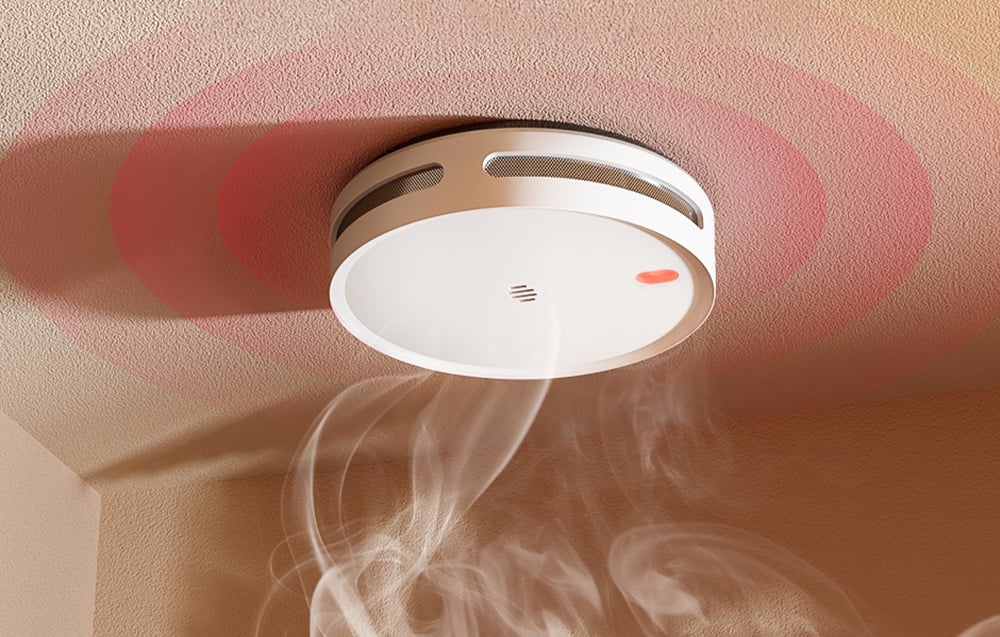
A regular smoke detector does not detect carbon monoxide. Carbon monoxide has no smell or color and does not produce smoke, so it can only be detected by a carbon monoxide detector with a CO sensor. If you have a gas stove, heater, boiler, or fireplace in your apartment, you need a smoke and carbon monoxide detector that meets the EN 14604 and EN 50291-1 standards, such as the Meross CS11.
The heating season is just beginning, and with it comes the period when carbon monoxide poisoning is most prevalent. From October 1, 2025, to March 31, 2026, the fire department recorded 3,750 incidents involving carbon monoxide, in which 1,354 people were injured and 69 died.
In the text, you will find the difference between a smoke detector and a carbon monoxide detector, an explanation of when a regular one is sufficient and when a smart one is useful, and installation guidelines. We also write about the obligation that is already in effect in new buildings and will cover all apartments.
Smoke Detector vs. Carbon Monoxide Detector: What Are the Differences?
Each of them detects a different hazard.
- Smoke detector reacts to smoke particles in the air. It warns of a fire, often before visible flames appear.
- Carbon monoxide detector, or carbon monoxide (CO), usually has an electrochemical sensor that measures CO concentration. Carbon monoxide is produced during incomplete combustion of gas, coal, wood, or oil, for example, with a faulty heater or a blocked chimney.
Carbon monoxide is dangerous because it is undetectable. It has no smell, color, or taste, and the initial symptoms of poisoning, such as headache, drowsiness, and nausea, can easily be mistaken for fatigue. In such a situation, the smoke detector remains silent because there is simply no smoke.
Standards EN 14604 and EN 50291-1
Look for the standard numbers on the packaging of a good detector:
| Standard | What it concerns |
|---|---|
| EN 14604 | Autonomous smoke detectors for homes |
| EN 50291-1 | Carbon monoxide detectors for domestic use |
The smoke and carbon monoxide detector should meet both. Meross CS11 has, according to the manufacturer, certificates EN 14604:2005/AC:2008 and EN 50291-1:2018.
Obligation of smoke and carbon monoxide detectors: deadlines
The Regulation of the Minister of the Interior and Administration of November 21, 2024 (Journal of Laws 2024, item 1716) introduces a requirement for the installation of autonomous detectors. According to the Chief Command of the State Fire Service, starting from January 1, 2030, it will apply to all houses and apartments in Poland.
According to the fire service announcement, the deadlines are as follows:
| Who it concerns | From when |
|---|---|
| New residential buildings | From December 23, 2024, already in effect |
| Establishments with hotel services, e.g., short-term rentals | From June 30, 2026, already in effect |
| All houses and apartments | From January 1, 2030. |
What specifically needs to be present:
- at least one autonomous smoke detector in each residential unit,
- at least one autonomous carbon monoxide detector in every room where solid, liquid, or gas fuel is burned.
The deadline for existing apartments is the year 2030. However, the risk of carbon monoxide poisoning is highest during each heating season, from October to March.
Advice: an autonomous detector has a sensor, a signaler, and a power supply in one housing and activates the sound alarm by itself. It is most often powered by a battery. Phone notifications are an addition, not a requirement of regulations.
Smoke and carbon monoxide detector from our offer: Meross CS11
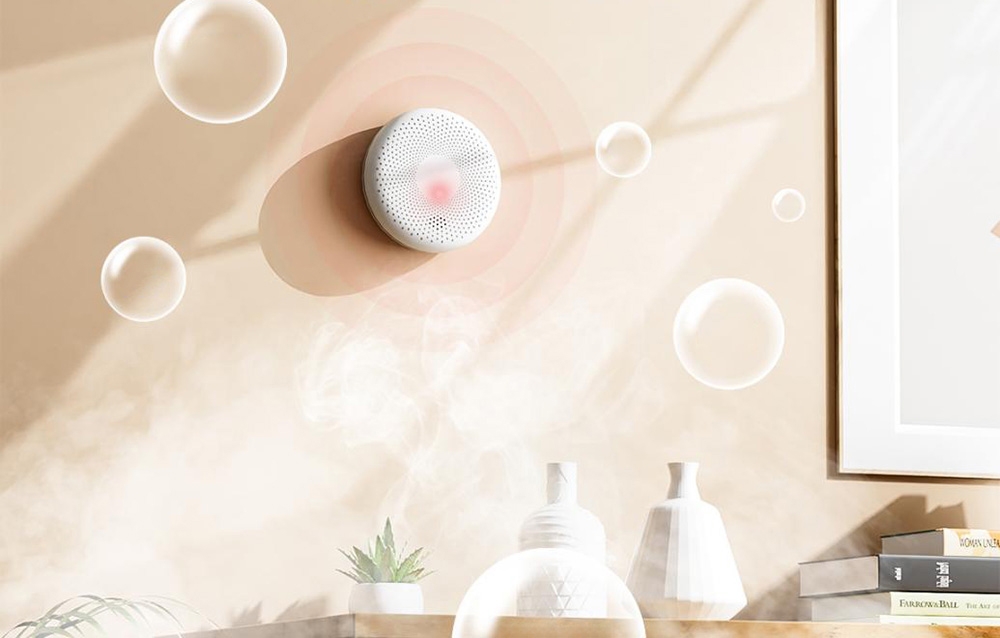
Meross CS11 is our choice for an apartment with a gas stove, heater, or fireplace. It has two independent sensors: a photoelectric sensor for smoke and an electrochemical sensor for carbon monoxide, thus combining a smoke detector and a carbon monoxide detector in one housing.
- Standards EN 14604 and EN 50291-1
- Alarm 85 dB(A) at a distance of 3 m
- At a CO concentration of 300 ppm, the alarm activates in less than 3 minutes
- Built-in CR123A battery, according to the manufacturer, for about 10 years of operation
- LED in three colors: standby, low battery level or fault, alarm
- Ceiling or wall mounting, no electrician required
Advantages:
- The only one in the comparison that detects carbon monoxide
- Meets both standards, which are worth checking before purchase
- The battery lasts about 10 years according to the manufacturer
Cons:
- The description does not mention an app or phone notifications
- The battery is non-replaceable, so after it runs out, the entire sensor needs to be replaced
Wi-Fi Smoke Detector: When a Smart Version is Useful
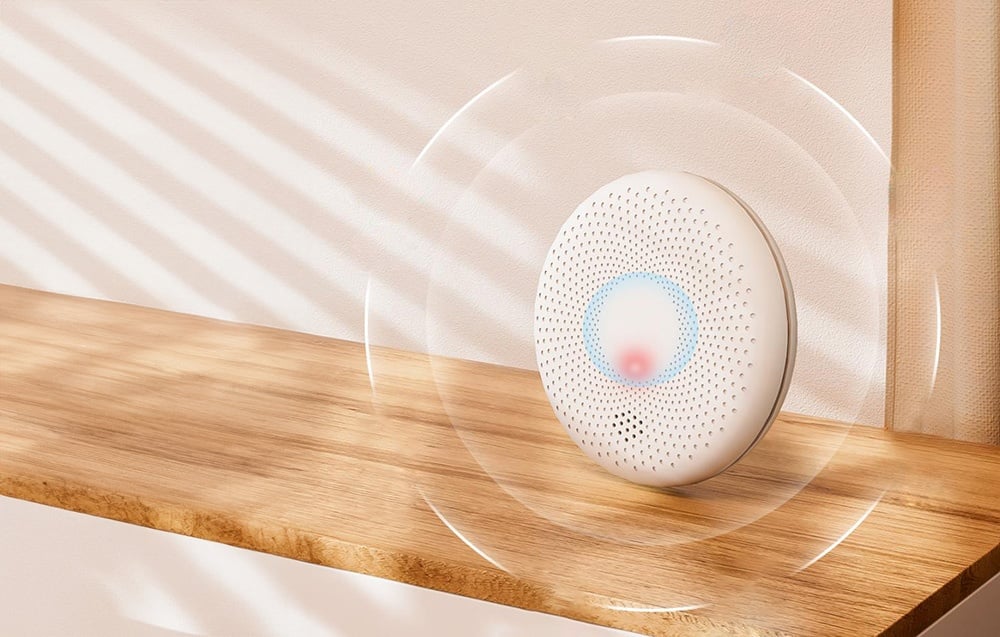
A regular detector will trigger an alarm in the apartment, but no one will hear it if everyone is at work. A smart smoke detector will then send a notification to your phone. It is useful in a single-family home, in an apartment that is often empty, or when older parents are left at home.
Meross MA151 with MSH450MA Hub
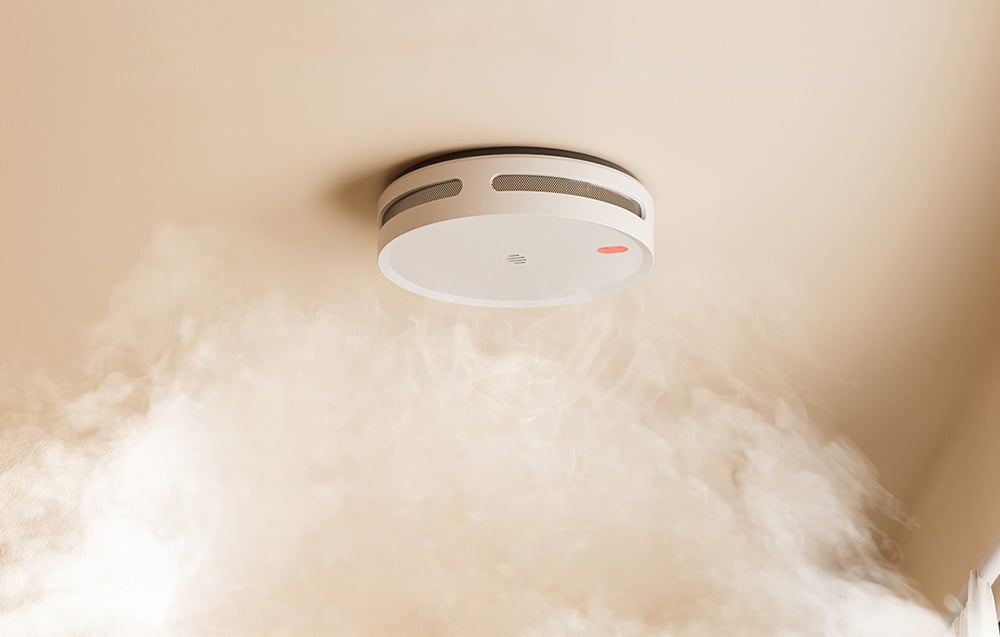
Meross MA151 is mounted on the ceiling. The Meross hub is needed for configuration and notifications.
Meross MA151-UN detects smoke using dual optical detection technology, which according to the manufacturer recognizes both white and black smoke and reduces false alarms. Despite “Wi-Fi” in the name, the sensor connects to the Meross hub via 433 MHz, and only then does the hub connect to the router and the app.
- Alarm of at least 85 dB, audible from 3 m
- Two AA batteries, according to the manufacturer up to 3 years
- Notifications for alarms, low battery, and offline status, event history in the app
- With multiple sensors connected to the hub, all will sound the alarm when one detects smoke
- Compliance with EN 14604 according to the manufacturer’s website
Advantages:
- Notification on your phone when you are not at home
- Connected alarms throughout the house
Disadvantages:
- Detects only smoke, not carbon monoxide
- Requires the Meross hub for configuration and notifications
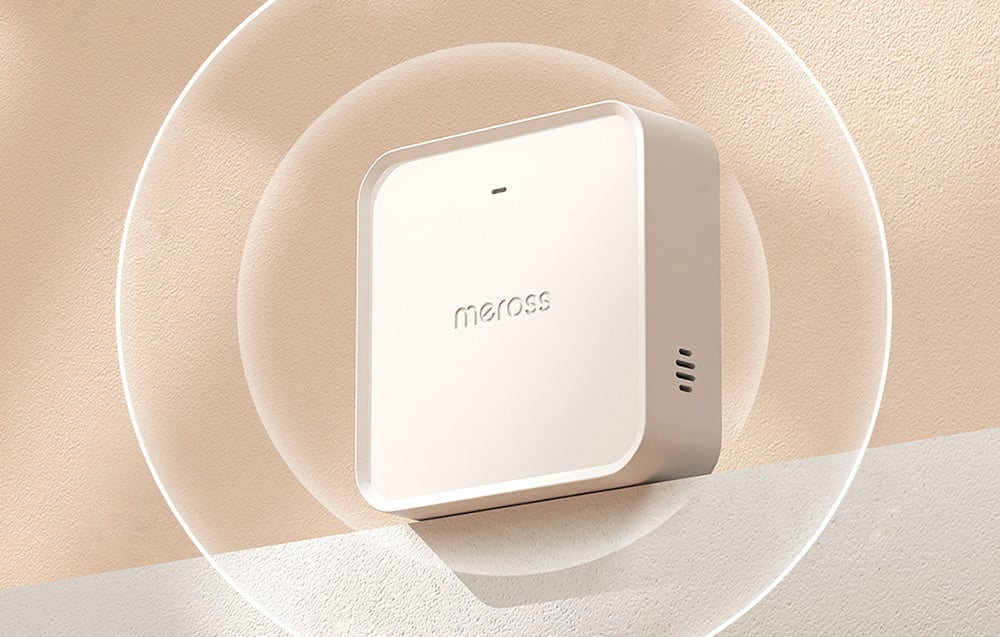
Meross MSH450MA Hub
Meross MSH450MA Hub can handle up to 32 Meross devices. It has its own 110 dB siren and a local mode, allowing alarms to function even during an internet outage. It connects to the router via 2.4 GHz Wi-Fi or an Ethernet cable and supports the Matter standard.
[hs_products ids=”115382,138837,121070″ cols=”3″]
Comparison: smoke and carbon monoxide detector vs smart smoke detector
| Feature | Meross CS11 | Meross MA151 + hub MSH450MA |
|---|---|---|
| Detects smoke | ✅ | ✅ |
| Detects carbon monoxide (CO) | ✅ | ❌ |
| Standards | EN 14604, EN 50291-1 | EN 14604 (according to the manufacturer’s website) |
| Phone notifications | ❌ | ✅ |
| Power supply | CR123A battery, approx. 10 years | 2× AA, approx. 3 years |
| Hub required | ❌ | ✅ |
| Best for | rooms with a gas stove, heater, fireplace | hallway and bedroom, when the house is often empty |
If you want both a carbon monoxide detector and phone notifications, connect both: CS11 where something is burning, and a smart smoke detector in the hallway.
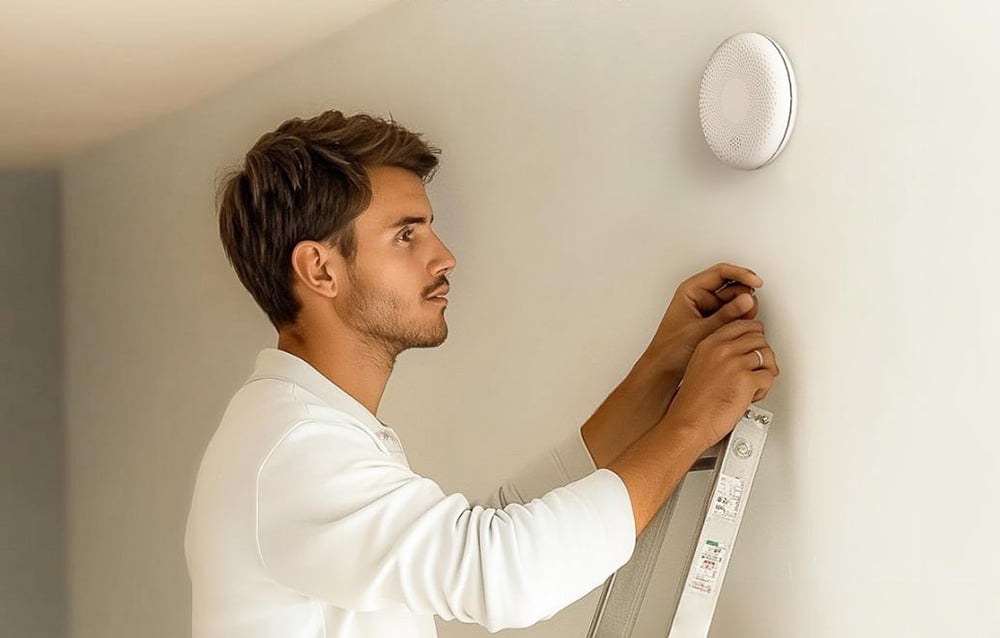
Where to install the carbon monoxide and smoke detector
The exact location and distances are always determined by the manufacturer’s instructions. However, a few rules are repeated almost everywhere:
- Carbon monoxide detector in a combustion room. This refers to a kitchen with a gas stove, a bathroom with a gas heater, a boiler room, and a room with a fireplace. This is also stipulated by regulations. The fire department states that a separate CO detector is most often installed at eye level, at least 1.5 m from the floor and about 2 m from the device that may be a source of carbon monoxide.
- Sensor connected according to the instructions. CS11 detects both smoke and carbon monoxide, so check the installation location in its manual, not in the general recommendations for CO detectors.
- Smoke detector on the ceiling, preferably in the hallway between the bedrooms and the rest of the apartment. Smoke rises.
- Away from the stove and steam. Do not install the smoke sensor directly above the stove or near the bathroom door. Steam and smoke from pots are common sources of false alarms. In a bathroom with a heater, keep the sensor away from the shower.
- Do not cover the sensor with furniture or curtains and do not install it right next to a window, door, or ventilation grille, as fresh air will distort the measurement.
- Regularly test the sensor with the button, as often as recommended in the manual. MA151 can also initiate a test from the app.
What to do when the carbon monoxide detector alarms
The carbon monoxide detector alarm is a signal for immediate action, even if no one feels unwell. You cannot smell carbon monoxide, and the symptoms can be easily overlooked. At high concentrations, loss of consciousness can occur within minutes.
- Open windows and doors to let in fresh air.
- Take everyone outside, including pets. Move anyone showing symptoms to a safe place with access to fresh air and do not return inside.
- Call 112 if someone has symptoms of poisoning or the alarm does not stop after ventilating.
- Do not restart the furnace or heater until a professional checks it.
What to watch out for? The fire department lists symptoms such as headache and dizziness, shortness of breath, nausea, and vomiting. It’s easy to mistake them for a cold or fatigue, and the detector will alert you before you feel them.
Attention: the detector does not replace inspection. The fire department reminds you to regularly check the tightness and clean the chimneys and to ensure that the ventilation has proper draft.
Summary: which smoke and carbon monoxide detector to choose
- The smoke detector does not detect carbon monoxide. For rooms with a gas stove, heater, boiler, or fireplace, a carbon monoxide detector is needed.
- Meross CS11 combines both sensors and meets the EN 14604 and EN 50291-1 standards.
- Smart smoke detector Meross MA151 with hub MSH450MA will send a notification when you are not at home, but will not detect carbon monoxide.
- From January 1, 2030, every apartment must have a smoke detector, and rooms with fuel combustion must also have a carbon monoxide detector.
The most carbon monoxide poisonings occur during the heating season, which is just beginning, so it is not worth waiting until 2030. You can find all detectors in the smart home sensors category, and delivery is free for orders over 100 PLN.
FAQ
Does a smoke detector detect carbon monoxide? No. A smoke detector reacts to smoke particles, while carbon monoxide, which is a colorless gas, does not produce smoke. To detect carbon monoxide, a carbon monoxide detector with a CO sensor is needed, e.g., Meross CS11.
Since when is a smoke and carbon monoxide detector mandatory? In new buildings from December 23, 2024, in establishments with hotel services from June 30, 2026, and in all houses and apartments from January 1, 2030. A carbon monoxide detector is required in rooms where fuel is burned. This is due to the regulation of the Ministry of Interior and Administration from November 21, 2024.
Where to install a carbon monoxide detector? In a room where fuel is burned: in a kitchen with gas, in a bathroom with a heater, in a boiler room, or in a room with a fireplace. A separate CO detector is usually installed at eye level, at least 1.5 m from the floor and about 2 m from the combustion source, but the manufacturer’s instructions are binding.
What standard should a carbon monoxide detector meet? A carbon monoxide detector for home use should meet the EN 50291-1 standard, while a smoke detector should meet the EN 14604 standard. A smoke and carbon monoxide detector should have both.
Does the Meross smart smoke detector work without the internet? The sound alarm operates locally, and the Meross MSH450MA hub has a local mode in which alarms work even during a network failure. Without the internet, you just won’t receive notifications on your phone.
How long does the battery last in a carbon monoxide detector? In the Meross CS11, the built-in CR123A battery lasts up to about 10 years according to the manufacturer. It is non-replaceable, so after that time, the entire detector needs to be replaced.
What to do if the carbon monoxide detector is beeping? A continuous alarm indicates danger: open windows, get everyone to fresh air, and call 112 if someone shows symptoms or the alarm does not stop. Short, single beeps from time to time usually signal a low battery, malfunction, or the end of the detector’s lifespan. Check the meaning of the signals in the manual.