Category: New arrivals

  • WWDC 2026 — what to expect? iOS 27 and the new Siri

    WWDC 2026 — what to expect? iOS 27 and the new Siri

    WWDC 2026 starts on June 8, and the highlight of the keynote (at 7:00 PM Polish time) will be iOS 27 along with a completely redesigned Siri based on Apple Intelligence. Apple will showcase six new systems: iOS 27, iPadOS 27, macOS 27, watchOS 27, tvOS 27, and visionOS 27. This is a fully software-focused conference, so we are unlikely to see any new hardware.

    Looking for specifics, not marketing fluff? Below we have gathered everything that is known about iOS 27 before the official feature presentation: key new features, a list of supported iPhones, the release date, and what WWDC 2026 means for your phone. No beating around the bush.

    When is the iOS 27 release?

    The iOS 27 developer beta will be available on June 8, 2026, right after the keynote. The public iOS 27 beta is expected in July, and the final, stable version will be available to everyone in the fall of 2026, shortly after the September launch of the iPhone 18 series (iOS 27 release date).

    When is WWDC 2026 and how to watch the keynote?

    WWDC 2026 runs from June 8 to June 12, 2026. The keynote opening the conference takes place on Monday, June 8 at 10:00 AM Pacific Time, which is 7:00 PM in Poland. It is during this presentation that Apple will showcase all the new operating systems.

    You can watch the live stream for free on the Apple Developer website, in the Apple TV app, and on Apple’s YouTube channel. The conference has a hybrid format: online sessions for developers from around the world and an in-person event at Apple Park.

    In short: if you’re only interested in what you’ll get on your iPhone, the keynote on June 8 is enough. The rest of the week is dedicated to technical sessions for developers.
    iOS 27 — what’s new in the update?

    iOS 27 is the biggest premiere of WWDC 2026. According to reliable reports, Apple is focusing this time on stability, performance, and battery life, rather than a visual revolution. Internally, the project is compared to the legendary “Snow Leopard” — a release that refined the system instead of adding dozens of features.

    This doesn’t mean there will be a lack of new features. Here are the key changes we expect in iOS 27:

    • New Siri with Apple Intelligence — features promised back in iOS 18 are finally making their way to users
    • Siri as a chatbot — a full-fledged conversational mode, working similarly to ChatGPT or Claude, with a separate Siri app
    • Personal context — Siri is supposed to understand what is on the screen and perform actions within and between applications
    • Liquid Glass Adjustment — a system slider to adjust the intensity of the Liquid Glass effect throughout the system
    • Smart Photos — AI-based editing in the Photos app and new Visual Intelligence features in the camera
    • Optimizations for Foldable iPhone — a mode for two apps side by side, preparing the ground for the iPhone Fold

    Revamped Siri — the most important change

    The overhaul of Siri is the highlight of the program. The assistant is set to gain “memory” of context, awareness of what you see on the screen, and the ability to take real actions in apps — e.g., “send photos from yesterday’s walk to Ania.” After years of promises, Siri is finally catching up with the competition.

    For the first time, there will also be a standalone Siri app in chat mode. This is a significant shift in philosophy: instead of short commands, you engage in a conversation.

    iOS 27 — which phones support the update?

    iOS 27 supports iPhones from model 12 and above, as well as the iPhone SE 3rd generation (the so-called iOS 27 supported devices). The iPhone 11, 11 Pro, 11 Pro Max, and iPhone SE 2nd generation (2020) are dropping off the list — these are the ones losing support this year.

    Importantly, the update itself is not everything. Apple Intelligence requires a more powerful processor, which is why only newer models will receive the full AI functionality. Compatibility is divided into three levels:

    iPhoneiOS 27Apple Intelligence
    iPhone 17, Air, 17 Pro, 17 Pro Max
    iPhone 16, 16 Plus, 16 Pro, 16 Pro Max, 16e
    iPhone 15 Pro, 15 Pro Max
    iPhone 15, 15 Plus
    iPhone 14 (all)
    iPhone 13 (all)
    iPhone 12 (all)
    iPhone SE (3rd gen)
    iPhone 11 and older

    In practice: if you have an iPhone 15 Pro or newer, you will receive the full iOS 27 with AI features. Do you have an iPhone 12-15 (non-Pro)? You will update the system, but without Apple Intelligence. iPhone 11 and older will remain on iOS 26.

    Are you planning to upgrade to a newer model? If you care about full Apple Intelligence, aim for at least the iPhone 15 Pro. You can find the latest flagship models with full AI support along with iPhone accessories at Home Screen — from cases to tempered glass.

    New features in iPadOS 27, macOS 27, watchOS 27, and other systems

    WWDC 2026 is not just about the iPhone. Apple is unifying the experience across all devices, and the “27” numbering encompasses the entire portfolio.

    • iPadOS 27 — further development of multitasking and windows, bringing the iPad closer to the Mac
    • macOS 27 — another release for Macs, focusing on performance and integration with Apple Intelligence
    • watchOS 27 — new watch faces, including the Modular Ultra variant with a large clock and three complications
    • visionOS 27 — development of the system for Apple Vision Pro
    • tvOS 27 — a refresh for Apple TV, with rumors of new hardware in the background

    The consistent “27” numbering means that your iPhone, iPad, Apple Watch, and Mac will receive updates in the same cycle. This is convenient if you use multiple Apple devices at once.
    Will there be new hardware at WWDC 2026?

    Probably not. WWDC has been a software conference for years, and Apple reserves hardware launches for the fall. There are whispers about a new Apple TV and a refreshed Mac mini, but none of these devices have been confirmed.

    If you’re waiting for a new iPhone, the real launch will take place in September 2026 along with the iPhone 18 series. WWDC is a preview of how your current phone will change after the fall update. And if you’re comparing cameras before making a purchase, check out our ranking of the best phones for photos 2026.

    What does WWDC 2026 mean for your iPhone?

    The biggest benefits will go to owners of the iPhone 15 Pro and newer — they will receive the full Apple Intelligence and the new Siri. If you have an older model, iOS 27 will still bring better stability and longer battery life, which for many people is more important than additional AI features.

    The new system is also a good time to take care of your hardware. The update doesn’t change the physical protection of the phone, and a well-chosen case and glass still protect against the most common cause of service, which is dropping. Check out cases for the iPhone 17 Pro Max if you’re using the latest flagship.

    Owners of newer iPhones will also appreciate the wireless charging ecosystem. After the update, it’s worth complementing your setup with MagSafe accessories and a power bank for a longer day, especially when the new AI features drain the battery.

    And since the “27” systems encompass the entire Apple portfolio, it’s a good opportunity to organize accessories for other devices: AirPods case and iPad accessories will be useful for anyone using multiple devices at once.

    Summary — key facts about WWDC 2026

    WWDC 2026 is primarily about software and artificial intelligence. Here are the key takeaways:

    1. Keynote on June 8 at 19:00 Polish time, free online broadcast
    2. iOS 27 focuses on stability, battery life, and the new Siri with Apple Intelligence
    3. Siri gains a chatbot mode, personal context, and a separate app
    4. Support from iPhone 12, but full AI features only from iPhone 15 Pro
    5. No new hardware — device launches will only happen in the fall

    The best time to make a purchasing decision will come after the keynote when we learn the full list of features. If you are already planning a new phone or want to secure your current one, check out the full range of iPhone accessories at Home Screen (ratings: Allegro 99.8%, Google 4.9/5), with free delivery from 100 PLN.

    FAQ — frequently asked questions about WWDC 2026 and iOS 27

    When is the iOS 27 release?

    The developer version of iOS 27 usually appears right after the keynote, which is on June 8, 2026. The public beta is expected in July, and the final, stable version will be available to everyone in the fall of 2026, shortly after the September launch of the iPhone 18 series.

    What’s new in iOS 27?

    The most significant change is the revamped Siri with Apple Intelligence: a chatbot mode, context understanding, and a separate app. Additionally, Apple focuses on stability and longer battery life, adds a system-wide Liquid Glass adjustment slider, AI-based photo editing, and new Visual Intelligence features in the camera.

    Which iPhones will get iOS 27?

    iOS 27 supports iPhones from model 12 and above, as well as the iPhone SE 3rd generation. Support is dropped for the iPhone 11, 11 Pro, 11 Pro Max, and iPhone SE 2nd generation (2020). The full Apple Intelligence features will only be available on the iPhone 15 Pro models and newer.

    Will the new Siri be available in Polish?

    Apple Intelligence is gradually adding more languages, but Polish has not yet been among the first supported. Apple usually provides the official list of languages at the time of release, so it’s worth checking the availability of the new Siri in Polish after the keynote.

    Will they show the new iPhone at WWDC 2026?

    No. WWDC is a software conference. Apple presents new iPhones every fall, so we expect the iPhone 18 series only in September 2026.

    Is it worth waiting to buy an iPhone until WWDC?

    WWDC does not introduce new phones, so it does not directly affect hardware prices. If you need an iPhone now, there is no point in waiting for the keynote. It is worth knowing that the full iOS 27 with AI will be available on models from the iPhone 15 Pro onwards.

    Where to watch the WWDC 2026 keynote live?

    You can watch the keynote for free on the Apple Developer website, in the Apple TV app, and on Apple’s official YouTube channel. The broadcast starts on June 8 at 7:00 PM Polish time.


  • AirPods Max 2 — premiere, price, and specifications of the new Apple headphones

    AirPods Max 2 — premiere, price, and specifications of the new Apple headphones

    AirPods Max 2 are the new over-ear headphones from Apple with the H2 chip, offering 1.5x better active noise cancellation than the previous generation. The price in Poland is 2499 zł, pre-orders start on March 25, 2026, and deliveries will begin in early April.

    Four years of waiting and the same price — sounds like good news. But has Apple changed enough to justify replacing the old Max? We check what exactly you get for that 2499 zł.

    Technical specifications of AirPods Max 2

    ParameterAirPods Max (1st gen)AirPods Max 2
    ChipApple H1Apple H2
    Bluetooth5.05.3
    ANCStandard1.5x better
    Lossless audio24-bit / 48 kHz (USB-C)
    Transparency modeYesEnhanced
    Adaptive Audio
    Conversation detection
    Voice isolation
    Live translation
    Personalized volume
    Battery lifeup to 20 hup to 20 h
    ConnectionLightning / USB-CUSB-C
    Weight384.8 g386.2 g
    Colors55 (new palette)
    Price in Poland2499 zł (USB-C)2499 zł

    H2 Chip — the heart of the new AirPods Max 2

    The biggest change is hidden under the aluminum casing. The new Apple AirPods Max use the H2 chip (the same one that debuted in AirPods Pro 2), and the improvements concern three key areas:

    • Better noise cancellation — new computational algorithms analyze the surrounding sound up to 48,000 times per second, resulting in 1.5x more effective ANC than in the first generation
    • Lower wireless latency — Bluetooth 5.3 reduces audio lag, which gamers and movie lovers will appreciate
    • Lossless audio support — via USB-C cable, you can listen to music in 24-bit / 48 kHz quality (Apple Lossless)

    The H2 chip also supports personalized spatial audio with dynamic head tracking — the effect is closest to what you know from the cinema. The result? On paper, it’s the same amplifier with a wide dynamic range, but in practice, the bass sounds fuller, and individual instruments are easier to extract from the mix. The difference is most noticeable in orchestral music and well-produced recordings on Apple Music — with a pop playlist, you might not notice it.

    You can find the full range of Apple over-ear headphones at homescreen.pl.


    New smart features

    The new Apple AirPods Max take on features known from AirPods Pro 3, which were previously unavailable in the over-ear version.

    Adaptive Audio is a feature that makes you stop thinking about headphone modes. Are you entering a café? The headphones automatically let in the voices around you. Are you getting on a train? ANC kicks in at full power. Conversation Awareness works similarly — when you start speaking, the music fades out, and the voice of your conversation partner is amplified. You don’t have to take off your headphones to order a coffee.

    Voice Isolation does the same thing, but in the opposite direction — during a phone call, your conversation partner hears only you, even if you are calling from a busy street. All three features work without any configuration.

    Live Translation requires an iPhone with iOS 26 and Apple Intelligence — so for now, it only works on iPhone 16 and newer. The headphones translate the conversation in real time, displaying subtitles on the phone screen. It sounds futuristic, but in practice, it’s more of a help for simple conversations than a substitute for a translator. A dozen languages are supported, including Polish.

    Personalized Volume learns your preferences and automatically adjusts the volume level to the environment — Marek, who commutes by subway to work every day and then sits in an open space, will appreciate this feature the most.


    Price of AirPods Max 2 in Poland

    Apple AirPods Max 2 cost in Poland 2499 zł — exactly the same as the USB-C version of the original AirPods Max. This is an amount that clearly positions them in the premium segment.

    For comparison:

    ModelPrice in PolandType
    AirPods 4approx. 549 złIn-ear, open
    AirPods Pro 3approx. 1099 złIn-ear, ANC
    AirPods Max 22499 złOver-ear, ANC
    Sony WH-1000XM5approx. 1299 złOver-ear, ANC
    Bose QuietComfort Ultraapprox. 1699 złOver-ear, ANC

    2499 zł for wireless headphones is a lot — almost twice as much as the Sony WH-1000XM5, which regularly compete neck and neck with the Max in blind sound tests. What are you paying extra for? Primarily for integration with the Apple ecosystem: automatic switching between iPhone, iPad, and Mac works so smoothly that after a week you’ll forget you ever manually changed devices. Features like live translation are an additional argument, but — let’s be honest — for most users, it’s a curiosity, not a reason to buy.


    Design and materials — what has changed?

    Short answer: almost nothing. If you placed AirPods Max 1 vs 2 side by side, the only visible difference would be the color. Apple did not change the shape, weight (386 g — they are still among the heaviest popular over-ear headphones), or construction:

    • Aluminum ear cups with independent rotation provide a perfect fit
    • Mesh headband evenly distributes pressure on the top of the head
    • Memory foam ear cushions — comfortable even during long hours of wear
    • Digital Crown is used to adjust volume and control playback
    • Listening mode button — a new element replacing the noise control button

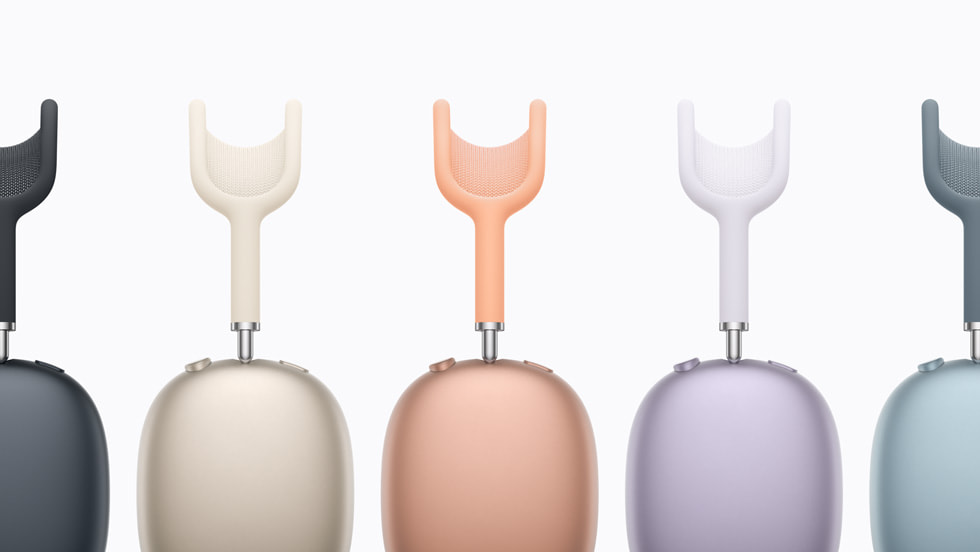
    However, the color palette is new. Instead of Space Gray, Silver, Sky Blue, Pink, and Green, we get: Midnight, Moonlight, Blue, Purple, and Orange. The orange variant is particularly bold, standing out against Apple’s typically muted offerings.


    AirPods Max 2 vs AirPods Max — is the upgrade worth it?

    If you have the original AirPods Max with the H1 chip, upgrading to the second generation makes sense in three cases:

    1. You care about better ANC — 1.5x more effective noise cancellation is a noticeable difference, especially in public transport and open spaces
    2. You want Adaptive Audio and Conversation Awareness — smart features that automate mode switching are a real convenience in everyday use
    3. You need live translation — if you travel or work in an international environment, Live Translation can be a game-changer

    However, if your current AirPods Max are working flawlessly and you mainly listen to music at home — don’t replace them. The sound quality has improved, but not enough for you to notice a difference during everyday listening on Spotify. It’s better to wait for the third generation.

    Advice: If you have AirPods Max with Lightning, the upgrade makes additional sense — you gain USB-C, which simplifies the cable setup and adds lossless audio.

    For everyday charging, any USB-C charger will suffice — and you can find the full range of all AirPods models and headphones at homescreen.pl.


    Ecology — Apple moves forward

    Apple emphasizes sustainability in AirPods Max 2:

    • 100% recycled rare earth metals in magnets
    • 100% recycled polyester in ear cushions
    • 100% recycled gold and tin in circuit boards
    • Packaging made entirely from paper from natural fibers

    This is a continuation of the Apple Carbon Neutral 2030 strategy, which encompasses more and more product categories. You can find the full specifications of AirPods Max 2 on the official Apple website.


    Summary — who are the AirPods Max 2 for?

    AirPods Max 2 is an evolution, not a revolution. Apple has put a new chip into an old case, and you get significantly better ANC, smart features from AirPods Pro 3, and lossless audio via USB-C. But you don’t get a new design, longer battery life, or a lower price. These are the best over-ear headphones from Apple that you can buy today.

    Worth buying if:
    – You use multiple Apple devices and value seamless integration
    – You are looking for top-notch ANC for working in a noisy environment
    – You want live translation features or Adaptive Audio

    Consider alternatives if:
    – You don’t need the Apple ecosystem — Sony WH-1000XM5 or Bose QC Ultra offer comparable ANC at a lower price. Compare over-ear headphones with ANC at homescreen.pl
    – You prefer in-ear — AirPods Pro 3 have the same H2 chip for less than half the price

    Our choice: AirPods Max 2 in Northern color — classic, versatile, and you won’t get bored of it after a year.

    In the store homescreen.pl, you will find cases tailored to various generations and models of AirPods – from classic models (1st, 2nd, and 3rd generation), through the newer AirPods 4, to models AirPods Pro 2 or AirPods Pro 3. This way, you can easily choose a protective case perfectly suited to your headphones, regardless of which generation or variant you have.

    Check all accessories for AirPods at homescreen.pl →


    FAQ — frequently asked questions

    When is the release of AirPods Max 2 in Poland?

    Orders for the new headphones start on March 25, 2026, and the first deliveries in Poland will begin in early April 2026. They will be available in authorized Apple stores and through retail partners.

    How much do AirPods Max 2 cost in Poland?

    The price of the second generation in Poland is 2499 PLN — the same as the USB-C version of the previous model. In the USA, the price is 549 dollars.

    What are the differences between AirPods Max 2 and the first generation?

    The main differences are the H2 chip instead of H1, 1.5x better noise cancellation, Bluetooth 5.3, lossless audio via USB-C, and new features: Adaptive Audio, Conversation Detection, Voice Isolation, and Live Translation. The design and battery (20 h) remain unchanged.

    Do AirPods Max 2 have USB-C?

    Yes, the second generation uses only the USB-C port for charging and wired listening to lossless music (24-bit / 48 kHz).

    What colors are available for AirPods Max 2?

    The new model is available in five colors: Midnight (black), Lunar Glow (gold), Blue, Purple, and Orange. This is a completely new palette compared to the first generation.

    Is it worth buying AirPods Max 2 instead of Sony WH-1000XM5?

    The second generation Apple Max headphones are a better choice for users of the Apple ecosystem due to automatic switching between devices and smart features. The Sony WH-1000XM5 offers comparable ANC at a lower price (around 1299 PLN) and works better with Android devices.

  • New iPhone 17e – what do we know before the premiere?

    New iPhone 17e – what do we know before the premiere?

    According to leaks, the iPhone 17e is likely to be released on Thursday, February 19 or March 4, 2026. There are many indications that Apple may announce this model without a large conference — rather in the form of a short press release and a quick launch of sales (or pre-sales) in the following days.

    The biggest question mark concerns the front design: will Apple opt for Dynamic Island, or will it stick with the classic notch — and this element may have the strongest impact on the perception of the 17e model as a “modern” iPhone.

    Dynamic Island or notch? The biggest mystery surrounding the iPhone 17e

    There are many leaks about the processor, RAM, or camera regarding the iPhone 17e, but it is the front design that evokes the most emotions. The reason is simple: for many people, it is the “business card” of a modern iPhone. Therefore, today, two scenarios are most often debated: Dynamic Island (as suggested by Jon Prosser) or sticking with the classic notch (which is indicated by other reports, including Mac Otakara and earlier signals from Digital Chat Station).

    What speaks for Dynamic Island? (the “Prosser” version)

    Jon Prosser in his material points to the possibility of using Dynamic Island in the iPhone 17e. It’s not just a matter of appearance, but also the “feeling of novelty” — Dynamic Island is seen as an element that immediately distinguishes newer iPhones from older generations with a notch. Prosser also notes that there is no 100% certainty, but his message is clear: if Apple were still selling a budget iPhone with a notch in 2026, many people would consider it too big of a compromise.

    Why could Apple do this?

    • Dynamic Island allows for “refreshing” the 17e without making a revolution in the entire design.
    • It’s easier from a marketing perspective to sell the 17e as a “new iPhone,” rather than just a cheaper version.
    • It’s a great selling point for those who want to enter iOS but don’t want to look like they’ve bought an older model.

    What speaks for the notch? (the “Mac Otakara” version)

    On the other hand, there are reports compared to Mac Otakara, according to which the iPhone 17e will take over the case and basic design of the iPhone 16e. If this version is true, the most logical consequence is that the notch remains, as Apple would not be redesigning the entire front of the device.

    Why might Apple stick with the notch?

    • It maintains clear differences between the “e” series and the more expensive iPhone 17/Pro/Air models.
    • It lowers production costs and minimizes the risk of changes in the supply chain.
    • It allows focusing on the internals (A19, 8 GB RAM, C1X/N1 modem, MagSafe) instead of an expensive redesign.

    Digital Chat Station: where did the hope for a “completely new design” come from?

    Additionally, there is the thread from Digital Chat Station, which previously suggested that the iPhone 17e might get a completely new design. It was these signals that heated expectations that Apple would finally “upgrade” the e model visually closer to the more expensive iPhones — and that Dynamic Island would be a natural element of such a change.

    In practice, it looks like this: Digital Chat Station fueled the scenario of “greater changes,” Prosser added a strong emphasis on Dynamic Island, and Mac Otakara proposed a more cautious version: “it will be like the 16e.”


    iPhone 17e in a nutshell: what will the cheapest iPhone 2026 have to offer?

    ElementWhat leaks suggest
    PremiereFebruary 19 or March 4
    Screen6.1” OLED
    Refresh rate60 Hz
    Screen cutoutDynamic Island or notch (depending on the source)
    ProcessorApple A19
    RAM8 GB
    Base storage128 GB
    Rear camera48 MP, single lens
    Selfie camera18 MP
    Batteryapprox. 4000 mAh
    ConnectivityApple C1X (modem) + N1 (wireless module)
    MagSafeis expected to be present (this is one of the most frequently repeated pieces of information)
    Starting price599 USD

    The leaks form a coherent specification that looks like “Apple’s minimum for 2026”, without exaggeration, but also without compromises on key points.


    What powers the iPhone 17e?

    A19: a new processor designed to provide peace of mind for years

    The performance is driven by the Apple A19 chip. It is this processor that usually determines whether the phone still works “like new” after 2–3 years – especially as iOS receives new features and increasingly heavy updates.

    8 GB RAM: a small number, a big effect

    The A19 will be accompanied by 8 GB of RAM, which in practice translates to:

    • smoother app switching,
    • less “killing” of background apps,
    • better photo and video processing performance,
    • greater power reserve for new system features.

    Connectivity redefined: what will Apple C1X and module N1 bring?

    Apple C1X: proprietary modem and potentially more stable connections

    In the leaks, Apple C1X appears as the modem responsible for connectivity. If Apple is indeed opting for its own solution here, the goal may be better control over:

    • connection stability,
    • energy consumption,
    • phone behavior in poor reception areas.

    N1: a detail that is not visible but can be felt

    Alongside C1X, a new wireless module N1 is also mentioned. Such changes rarely make a “wow” in the specs table, but often simply mean fewer problems in practice: more stable Wi-Fi/Bluetooth and more predictable connectivity.


    How much memory will the base version get?

    128 GB: the minimum that makes sense today

    It is most commonly assumed that the starting variant is 128 GB. For the “e” line, this would be a healthy compromise – without the feeling that one has to pay extra for a reasonable configuration right from the start.


    iPhone 17e screen

    6.1” OLED: a format that simply “sits”

    Leaks suggest a 6.1-inch OLED panel – which is the most versatile size, comfortable for everyday use, yet large enough for videos, maps, and social media.

    60 Hz: a compromise that Apple might leave intentionally

    The second part of the equation is 60 Hz. For some, this will be the biggest downside, as the market has gotten used to 90/120 Hz even in cheaper smartphones. From Apple’s perspective, however, it makes sense: 120 Hz is meant to be a selling point for the higher models. The 17e is supposed to be fast thanks to the A19, but it is not meant to compete “directly” with the more expensive iPhones.


    Cameras in the iPhone 17e

    48 MP on the back: simple, but in Apple style

    The “e” line is meant to remain simple: there will be one 48 MP camera on the back. This approach is “one lens, one philosophy” – Apple aims to deliver quality with the main camera, without pretending to be a photographic powerhouse.

    18 MP selfie: supposed to be better for calls and front photos

    On the front, there is talk of an 18 MP camera. If the iPhone 17e actually gets Dynamic Island, leaks also mention a change in the design of the front module (hence the references to a “different” sensor at 18 MP). In practice: the goal is simple – better selfies and FaceTime.

    Battery and MagSafe

    About 4000 mAh: a specific value many are waiting for

    Leaks mention the battery value: about 4000 mAh. If confirmed, this could be a real step towards longer usage time in everyday use.

    MagSafe is expected to be present — and it changes the way you use your phone

    One of the most anticipated pieces of information is: MagSafe is set to return. This is important not only for charging. MagSafe means an entire ecosystem of accessories:

    For many people, MagSafe is a “dealbreaker,” because once you enter this system, it’s hard to go back to classic solutions.


    Price of iPhone 17e

    $599 sounds good — but Poland has its own rules

    The leaks mention a price of $599 for the base version (most often assumed to be 128 GB). A simple conversion to złoty doesn’t make sense, as Apple prices its devices based on the market, not “the exchange rate”.

    Polish reference point: 16e started at 2999 zł

    A good anchor is its predecessor: iPhone 16e 128 GB started in Poland at a price of 2999 zł. Therefore, the most realistic scenario for the 17e is a similar price range – Apple may maintain this tier so that the “e” model remains the cheapest gateway to iOS.


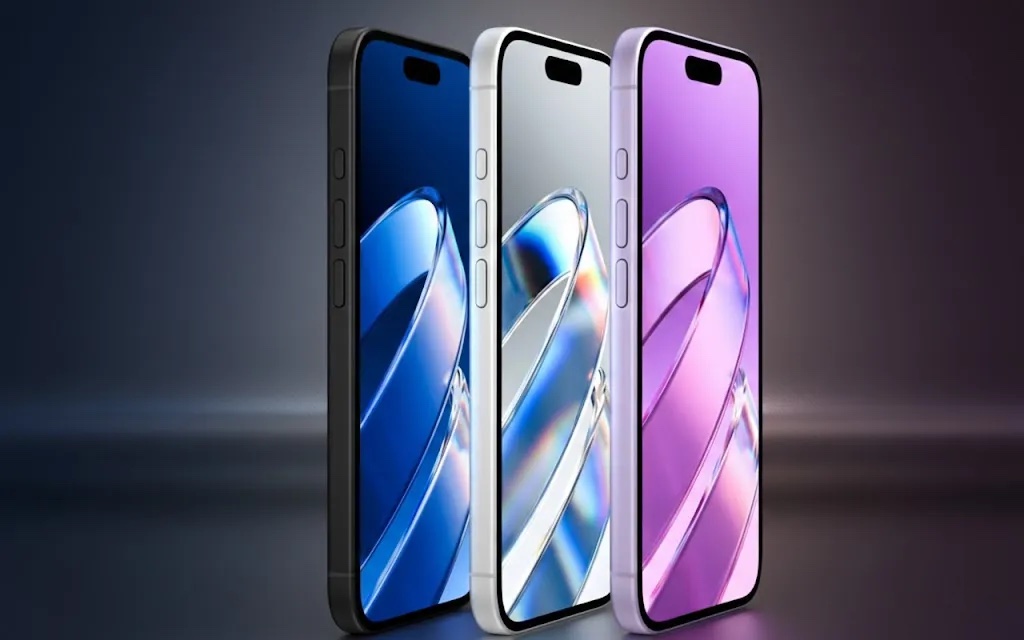
    iPhone 17e colors: black, white, and… purple as a “wildcard”

    Purple (wildcard): a color that could make the biggest impression

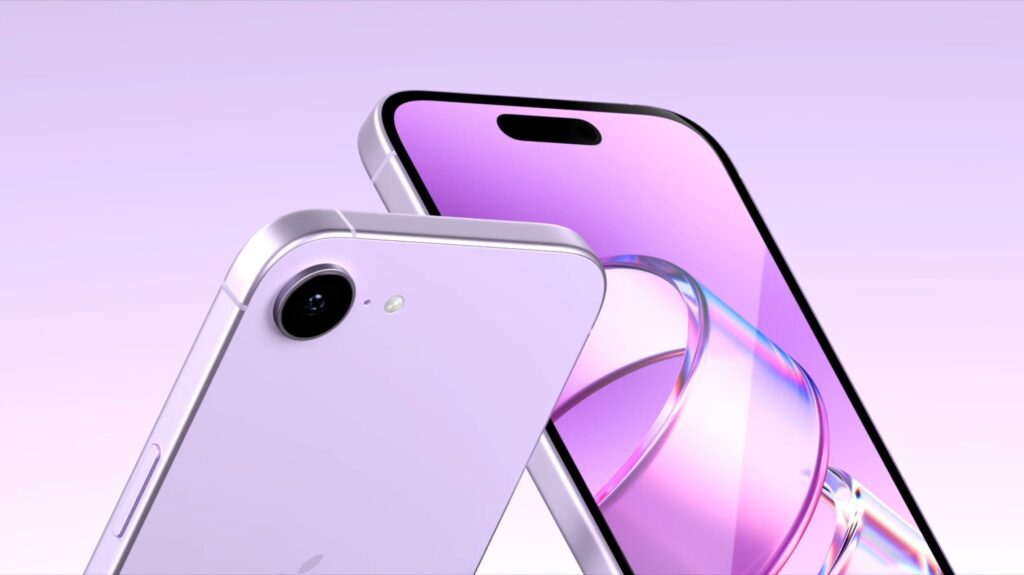
    There is a graphic circulating online that lists three variants: Black, White and Purple (wildcard). If purple is confirmed, it could be the “distinguishing feature” of the 17e – a simple way for the phone to look fresh even if Apple doesn’t make a revolution in design.


    Is it worth waiting for the iPhone 17e?

    The iPhone 17e makes sense for those who want to:

    • enter iOS and the Apple ecosystem as cheaply as possible,
    • have a new processor (A19) and peace of mind with performance for years,
    • use MagSafe and magnetic accessories,
    • not need additional lenses.

    It may disappoint if the priority is:

    • 120 Hz,
    • a significant change in design,
    • certainty of Dynamic Island (as there is still no full consensus on this).

    FAQ: frequently asked questions about the iPhone 17e

    When is the iPhone 17e release?

    The most frequently mentioned date is February 19 or March 4.


    Will the iPhone 17e have Dynamic Island?

    This remains the biggest question mark. Jon Prosser suggests Dynamic Island, but other reports indicate that Apple may stick with the notch and a design similar to the iPhone 16e.


    What screen will the iPhone 17e have?

    Leaks suggest a 6.1” OLED and 60 Hz. This may be a compromise that Apple intentionally leaves to differentiate the 17e from the more expensive models.


    Is 60 Hz a big problem for the iPhone 17e?

    It depends on what you are used to. If you have used a phone with 120 Hz, the difference in scrolling smoothness will be noticeable. If not — many users will accept 60 Hz without much pain, especially if the rest of the phone operates very quickly.


    What cameras does the iPhone 17e have?

    Back: one 48 MP camera. Front: 18 MP. The “e” line is supposed to be simple – one good camera instead of several additional lenses.


    Will the iPhone 17e be good for photos, even though it has only one camera?

    In theory, yes, if Apple focuses on a solid 48 MP sensor and strong image processing (the A19 helps here). The limitation will be less flexibility (lack of ultra-wide and telephoto), but the quality “from the main” is supposed to be simply very good.


    Will the iPhone 17e support MagSafe?

    Probably yes — and this is one of the most practical changes that have been mentioned in leaks. MagSafe means not only charging but also car mounts, power banks, and magnetic accessories.


    Will MagSafe in the 17e be fast?

    This can’t be said for sure based on the leaks alone. The safest thing to say is: MagSafe is supposed to be, but we will only know the charging power details after the premiere.


    What processor will the iPhone 17e have?

    The most frequently mentioned is Apple A19 and 8 GB RAM. This suggests very good performance and power reserves for years to come.


    How much will the iPhone 17e cost?

    The most common figure is 599 USD. In Poland, a price close to its predecessor (e.g., around 2999 zł for the base version) is realistic, but the final amount will only be known after the announcement.


    Will the iPhone 17e have new colors?

    A set is being mentioned: black, white, and purple (as a “wildcard”). If purple is confirmed, it could be the most distinctive version of the 17e.


    Is it worth waiting for the iPhone 17e instead of buying the 16e?

    It’s worth waiting if you care about the newer processor (A19), possible connectivity improvements (C1X/N1), and MagSafe. If the 17e turns out to be very similar visually, the differences may mainly be “under the hood.”

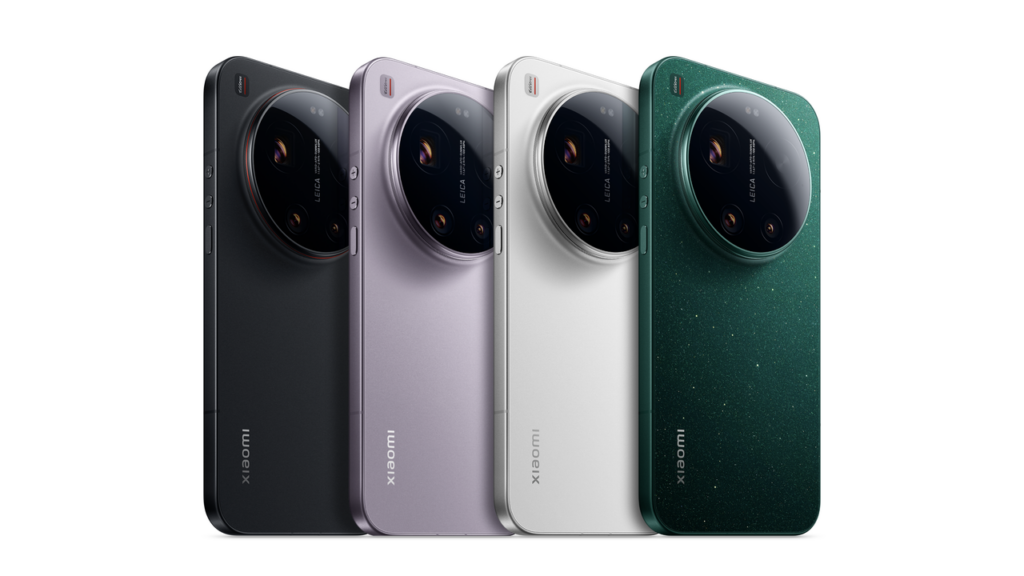
  • When will the Xiaomi 17 Ultra be available in Poland?

    When will the Xiaomi 17 Ultra be available in Poland?

    Xiaomi plans a global debut of the Xiaomi 17 series in Q1 2026, but the exact release date in Europe has not yet been officially confirmed.

    As of now, reports suggest that the presentation for the international market may take place on March 2–5, 2026, during the MWC in Barcelona. In China, however, Xiaomi 17 Ultra and Xiaomi 17 Ultra Leica Edition were presented on December 25, 2025, and sales started on December 27, 2025 through the manufacturer’s official channels.

    Xiaomi 17 Ultra — specifications at a glance

    FeatureSpecification
    Display6.9″ AMOLED*, LTPO 120 Hz, up to 3500 nits, flat
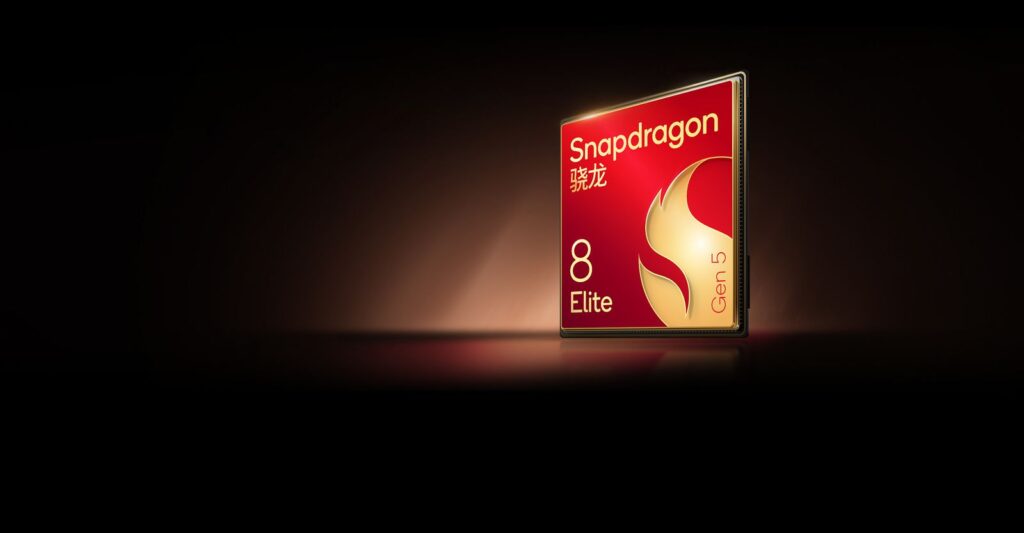
    ProcessorSnapdragon 8 Elite Gen 5
    RAM / storage12/16 GB* • 512 GB / 1 TB* (UFS 4.1*)
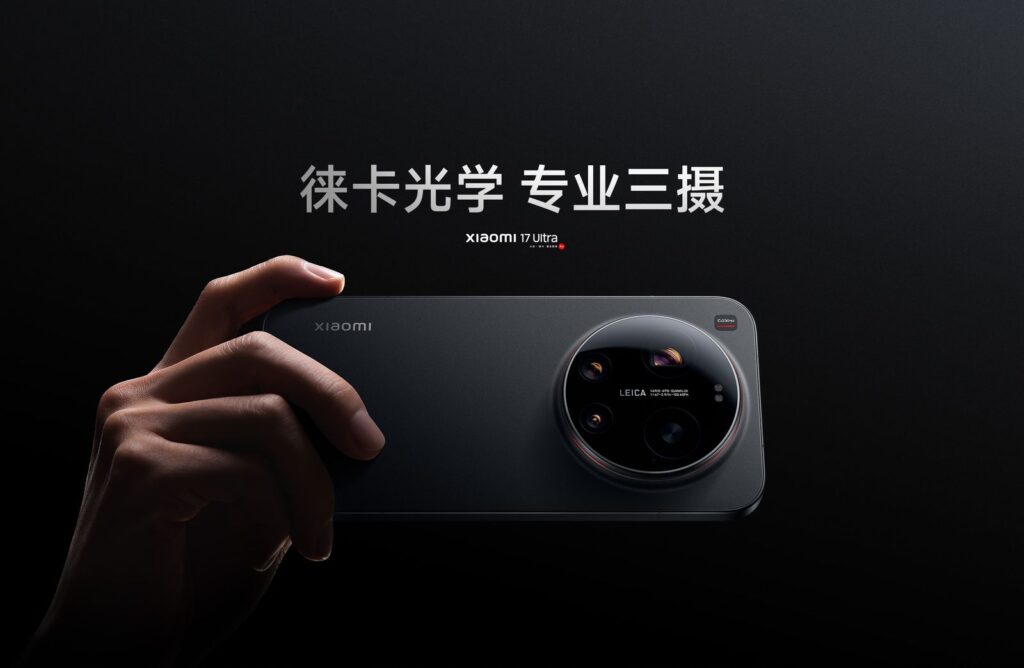
    Cameras (rear)14 mm ultra-wide + 23 mm 1″ Leica + tele 200 MP 75–100 mm
    Battery / charging6800 mAh • 90W wired • 50W wireless • 90W PD/PPS
    Operating systemHyperOS 3
    ResistanceIP66 / IP68 / IP69
    ExtrasUWB (digital car key), IceLoop Xiaomi 3D
    Dimensions / weight162.9 × 77.6 × 8.29 mm* • ~224 g*

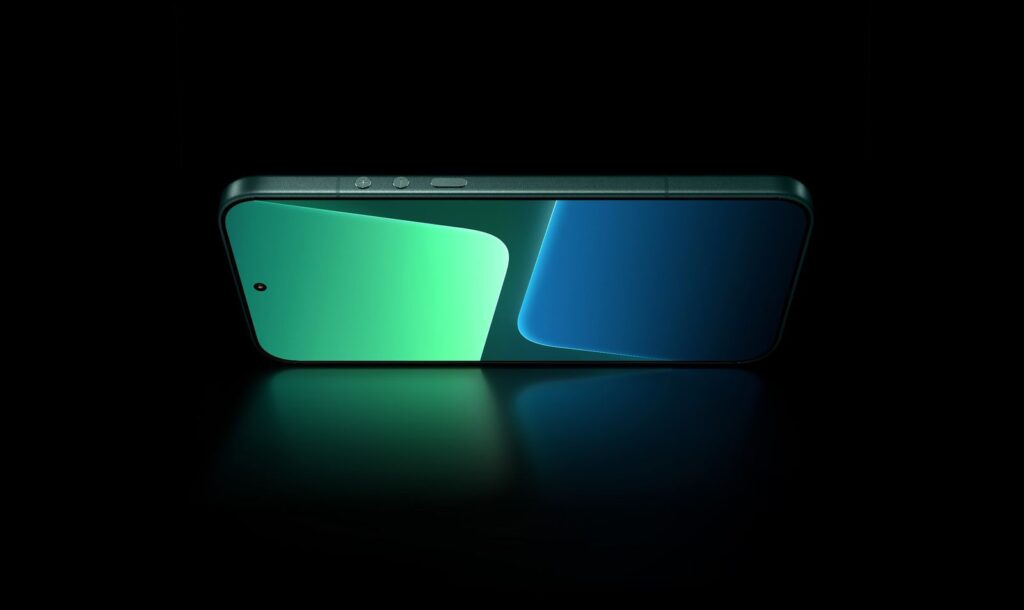
    Design and display of Xiaomi 17 Ultra – flat screen and slimmer form

    Xiaomi 17 Ultra is the first model from the Ultra series, which according to the manufacturer has a flat screen. This is a significant change, as it affects not only the appearance but also the everyday comfort — especially if you use a protective glass and want the phone to be “trouble-free” with accessories.

    Flat LTPO 120 Hz screen and 3500 nits – what does it offer?

    • LTPO 120 Hz means smooth scrolling and animations, while also providing better energy efficiency than a constant 120 Hz.
    • 3500 nits (peak) indicates very good readability in bright sunlight (typical for a “flagship” model).
    • Flat panel usually makes it easier to use gestures at the edges and reduces accidental touches.

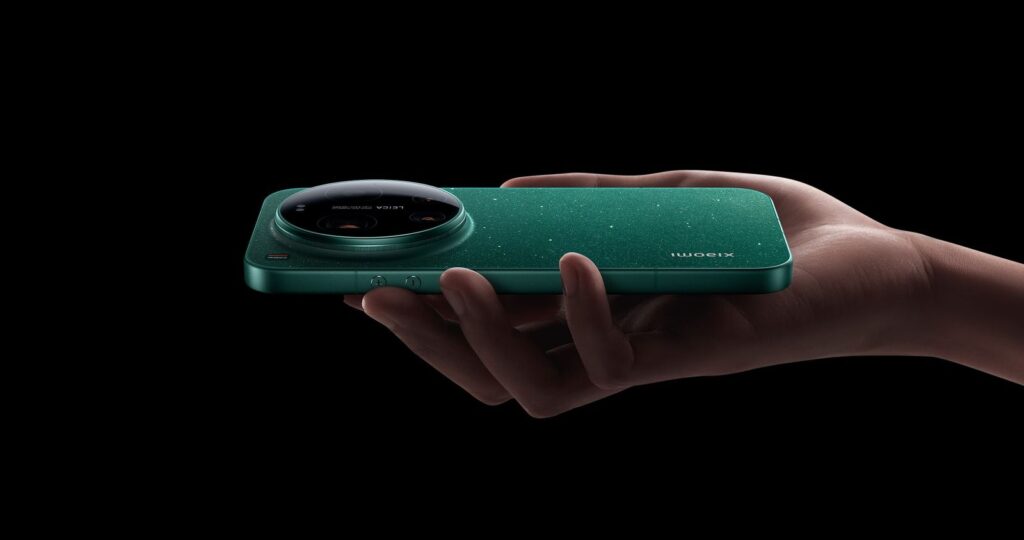
    Slim 8.29 mm design – Ultra that fits better in the hand

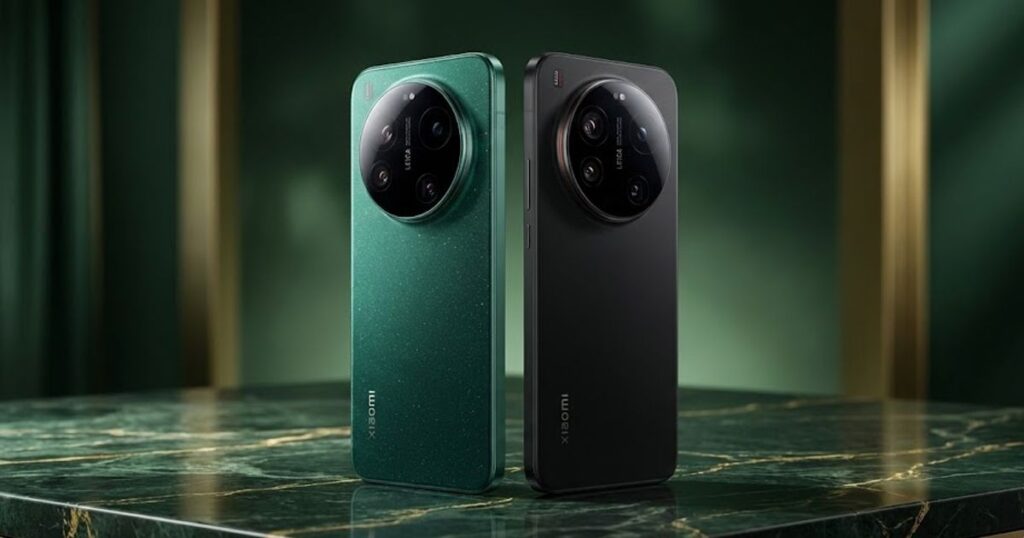
    Xiaomi emphasizes the thickness of 8.29 mm and changes in the shape: a micro-curved aluminum frame, a “slimmed down” camera decoration, and a higher positioned camera module. The goal is simple: better balance and a more natural grip, even though it is still a large, photographic flagship.


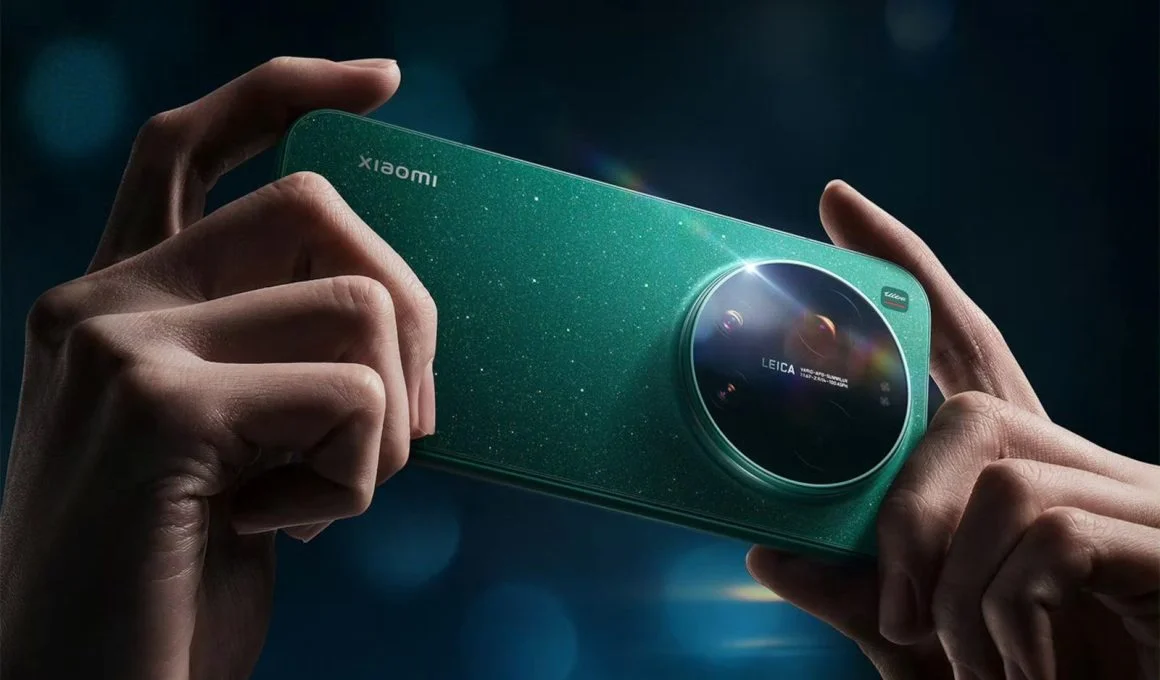
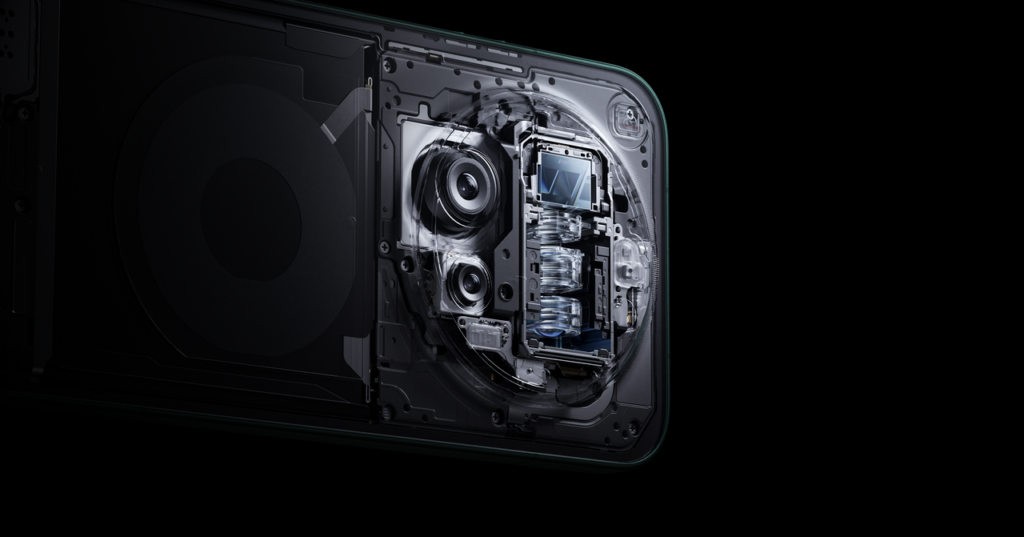
    Xiaomi 17 Ultra Cameras – Leica, 1 inch and 200 MP Telephoto

    In the Xiaomi 17 Ultra, the most important aspect is that the manufacturer combines everything into a very specific photographic set: ultra-wide 14 mm + main 23 mm with a 1-inch sensor + 200 MP telephoto with a range of 75–100 mm. This is intended to provide consistent results in the three most common scenarios: landscape, portrait, street — even in low light.

    1-inch main camera 23 mm + LOFIC HDR – why does it matter?

    Xiaomi states that the main camera is based on the Light Fusion 1050L sensor and supports LOFIC HDR. In practice, this combination is supposed to improve:

    • control of highlights in high-contrast scenes (e.g., against the sun),
    • details in shadows,
    • stability of results at night (less “blurry” exposure).

    Ultra-wide 14 mm – landscapes and interiors without complications

    The lens 14 mm is typically the most useful focal length for:

    • landscapes,
    • architecture,
    • photos in tight spaces.
      In the 17 Ultra, it is meant to be a fully-fledged part of the set, not a “supplement to the table”.

    Tele 200 MP 75–100 mm – portraits and details with Leica APO optics

    The biggest novelty is the tele 200 MP with a range of 75–100 mm. Xiaomi describes two key elements here:

    • variable focal length in the range of 75–100 mm (based on the movement of lens groups),
    • optics Leica APO and Leica APO certification, meaning an emphasis on reducing chromatic aberration (fewer purple/green fringes on contrasts).
      The manufacturer also emphasizes that in this range, the phone is supposed to use a large tele module and maintain high quality without “digital cropping”.

    In the entire system of Xiaomi 17 Ultra cameras, the Leica UltraPure optical design with a G+P lens group has been implemented to minimize flares and ‘arc apparitions’ in difficult lighting.


    Performance and Cooling – Snapdragon 8 Elite Gen 5 + IceLoop Xiaomi 3D

    Xiaomi 17 Ultra is said to provide flagship performance thanks to the Snapdragon® 8 Elite Gen 5 platform and the Adreno 840 graphics chip with a very large graphics cache. According to the manufacturer, this translates to smooth handling of complex tasks and high work culture even under heavier loads.

    New Platform + Adreno 840

    In the announcement, Xiaomi emphasizes:

    • an improved processor architecture in Snapdragon 8 Elite Gen 5,
    • Adreno 840 with a very large graphics cache,
    • smoothness in more demanding operations.

    IceLoop Xiaomi 3D Cooling and Improved Heat Dissipation

    The stable operation is to be ensured by the dual-channel IceLoop Xiaomi 3D and a new capillary structure. Xiaomi claims that the Xiaomi 17 Ultra achieves a 50% improvement in thermal conductivity compared to the previous generation.


    Screen and Durability – 2K, LTPO 120 Hz, 3500 nits, and Shield Glass 3.0

    The Xiaomi 17 Ultra is set to feature a display aimed at “professional experiences”: 2KLTPO 120 Hz and peak brightness of 3500 nits. The manufacturer also emphasizes solutions aimed at improving energy efficiency and durability.

    LTPO 120 Hz and 3500 nits

    In the announcement, Xiaomi points out:

    • refresh rate of LTPO 120 Hz,
    • peak brightness of 3500 nits,
    • resolution of 2K.

    Xiaomi HyperRGB – screen power efficiency

    Xiaomi describes the technology HyperRGB as a solution that aims to increase screen power efficiency — so that 2K displays consume less energy than typical 1.5K screens, while maintaining image quality and battery life.

    Xiaomi Shield Glass 3.0 – drop resistance

    The screen is to be protected by Xiaomi Shield Glass 3.0, and the manufacturer claims that drop resistance is up to 20 times greater than that of regular tempered glass.


    Xiaomi 17 Ultra battery and charging

    One of the stronger points in the specification is the 6800 mAh battery, as Xiaomi emphasizes that it has managed to fit it into the thinnest Ultra model in the brand’s history (8.29 mm). In practice, this is a clear signal: Xiaomi wants to combine slim design with ultra-large battery, without giving up fast charging.

    6800 mAh – what does Xiaomi promise?

    In the manufacturer’s statement, it is indicated that the latest battery Xiaomi Surge is designed to provide an “excellent balance” between:

    • slimness of the design,
    • high capacity,
    • maintaining flagship charging parameters.

    Xiaomi 17 Ultra Charging

    Xiaomi 17 Ultra supports:

    • 90W wired HyperCharge,
    • 50W wireless HyperCharge,
    • 90W universal PD PPS charging (important, as it refers to charging compatible with PD/PPS).

    Additionally, performance is ensured by the Snapdragon® 8 Elite Gen 5 with graphics from Adreno 840, and stable operation is maintained by the IceLoop Xiaomi 3D cooling system.


    Connectivity and features – 51 bands, roaming in 210 countries, and UWB (car key)

    Xiaomi strongly emphasizes that the Xiaomi 17 Ultra is to be a “no-compromise” phone also in terms of connectivity — both for everyday use and while traveling. The announcement specifies: the device is supposed to support a total of 51 4G and 5G bands and operate in roaming in 210 countries.

    51 4G/5G bands and roaming to 210 countries

    According to Xiaomi, such a configuration is intended to ensure stable connectivity even during cross-border trips and across different operator networks.

    UWB and digital car key

    The Xiaomi 17 Ultra integrates UWB technology, allowing the phone to function as a digital car key:

    • automatically unlocks the car when the user approaches,
    • locks when the user walks away.

    The manufacturer states that the feature is currently compatible with Xiaomi YU7 and some models of XPeng.


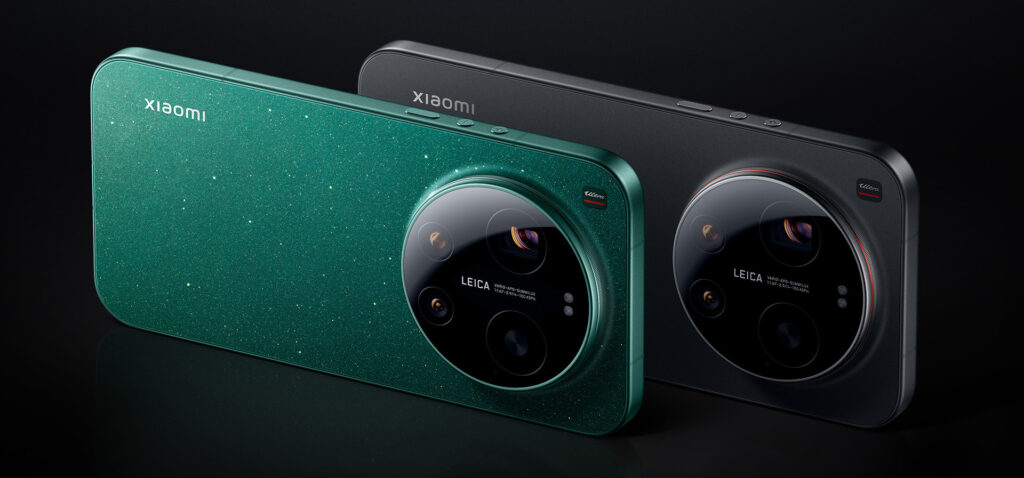
    Xiaomi 17 Ultra by Leica – a tribute to the masters of image

    Xiaomi describes the variant Xiaomi 17 Ultra by Leica as the first flagship created under the new collaboration model “Strategic Co-creation Model”, which aims to combine concept, design, and technology through deep co-creation.

    This version emphasizes inspiration from classic Leica M cameras:

    • the rear panel features a two-tone design (leather texture + matte finish),
    • the middle frame has an engraving of “LEICA CAMERA GERMANY” and is designed to improve grip,
    • for the first time, there will be a Leica badge with a red dot.

    camera ring has also been introduced, redesigned for the smartphone:

    • it is said to have 20 ball bearings for very smooth operation,
    • The internal optical displacement sensor is designed to detect movement as small as 0.03 mm, allowing for precise focus adjustment,
    • the sealing is intended to maintain resistance to dust and water at the IP66 / IP68 / IP69 standard.

    Leica Essential modes, photo authenticity protection, and satellite connectivity

    The version of Xiaomi 17 Ultra by Leica is expected to offer additional solutions related to photography and content security.

    Leica Essential – two styles inspired by classics

    Xiaomi describes the Leica Essential mode, which aims to replicate the image characteristics of two iconic cameras:

    • Leica M9 – Xiaomi is said to have trained a “RAW-to-RGB” style transfer model on hundreds of thousands of images taken with actual Leica M9 cameras,
    • Leica M3 – style can digitally model color response, tonality, and grain of Leica film MONOPAN 50, creating black-and-white photos with a cinematic character.

    CAI Photo Authenticity Protection – digital signature for photos

    Xiaomi 17 Ultra from Leica is set to introduce the technology CAI Photo Authenticity Protection, which is designed to work through a digital signature for each photo using a dedicated security chip. The goal is to confirm the origin of photographs as authentic (rather than AI-generated).

    Dual satellite system: Tiantong + Beidou

    In this version, Xiaomi also describes a dual satellite system supporting networks Tiantong and Beidou. In areas with weak cellular signals, the device is expected to display a prompt and allow quick access to the satellite interface to send messages and make calls.


    Xiaomi 17 Ultra Prices – China and Europe

    Prices in China

    Xiaomi 17 Ultra

    • 12 GB + 512 GB — 6,999 RMB
    • 16 GB + 512 GB — 7,499 RMB
    • 16 GB + 1 TB — 8,499 RMB

    Xiaomi 17 Ultra by Leica

    • 16 GB + 512 GB — 7,999 RMB
    • 16 GB + 1 TB — 8,999 RMB

    Price in Europe

    According to information attributed to the informant Arsène Lupin (@MysteryLupin), Xiaomi 17 Ultra is expected to cost 1499 euros in Europe for the 16 GB RAM + 512 GB storage version. This is currently unofficial information — the manufacturer has not confirmed the European pricing.


    Who is Xiaomi 17 Ultra for?

    For mobile photography enthusiasts (Leica + 1 inch + tele 200 MP)

    If you take a lot of photos and want to have a “full set” of focal lengths in one phone, Xiaomi 17 Ultra is clearly designed for this scenario. On the back, you get a setup of 14 mm ultra-wide + 23 mm with a 1-inch sensor + tele 200 MP 75–100 mm. Xiaomi also emphasizes LOFIC HDR in the main camera and Leica APO optics in the telephoto, focusing on quality in challenging conditions (contrast, night, details).

    For those who require top performance and stable operation

    This phone is for those who do not want to compromise on heavier tasks. Xiaomi focuses on Snapdragon 8 Elite Gen 5 and Adreno 840, and additionally includes dual-channel IceLoop Xiaomi 3D cooling with a new capillary structure. The manufacturer claims a 50% improvement in thermal conductivity compared to the previous generation, meaning the emphasis is on stability under load.

    For those who want a large battery, but without a “brick” in their pocket

    If battery life is a priority, the Xiaomi 17 Ultra has a strong argument: 6800 mAh in a body that is 8.29 mm thick (the thinnest Ultra Xiaomi to date). Additionally, it features fast charging: 90W wired50W wireless, and 90W PD PPS, meaning also in a more universal standard.

    For those who travel a lot and want maximum connectivity

    Xiaomi strongly emphasizes the “global” aspect: support for 51 4G/5G bands and roaming in 210 countries. Additionally, it features UWB, allowing the phone to function as a digital car key (automatic unlocking when approaching and locking when leaving), compatible with Xiaomi YU7 and selected XPeng models.


    FAQ — Frequently Asked Questions about Xiaomi 17 Ultra

    Does Xiaomi 17 Ultra have a flat screen?

    Yes. Xiaomi 17 Ultra is the first model in the Ultra line with a flat display.


    What cameras does Xiaomi 17 Ultra have?

    On the back, there is a set of three cameras: a 14 mm ultra-wide23 mm Leica with a 1-inch sensor and a Leica telephoto 200 MP 75–100 mm (optical zoom in this range).


    What does LOFIC HDR and the Light Fusion 1050L sensor provide?

    Xiaomi states that Light Fusion 1050L + LOFIC HDR improves light and shadow control in high-contrast scenes, including night shots and backlighting.


    What distinguishes the 200 MP 75–100 mm telephoto lens?

    It has a design with three lens groups and a prism, allows for 75–100 mm optical zoom, utilizes a large telephoto module 1/1.4 inch and features Leica APO optics (and a Leica APO certification).


    What battery and charging does the Xiaomi 17 Ultra have?

    The phone has a 6800 mAh battery and supports 90W wired50W wireless and 90W PD PPS.


    What is the durability of the Xiaomi 17 Ultra?

    The Xiaomi 17 Ultra has IP66 / IP68 / IP69 certifications.


    What about connectivity and travel?

    Xiaomi declares support for 51 4G/5G bands and roaming in up to 210 countries.


    Does the Xiaomi 17 Ultra have UWB and car key functionality?

    Yes, it integrates UWB and can function as a digital car key. Xiaomi lists compatibility with, among others, the Xiaomi YU7 and selected models of XPeng.

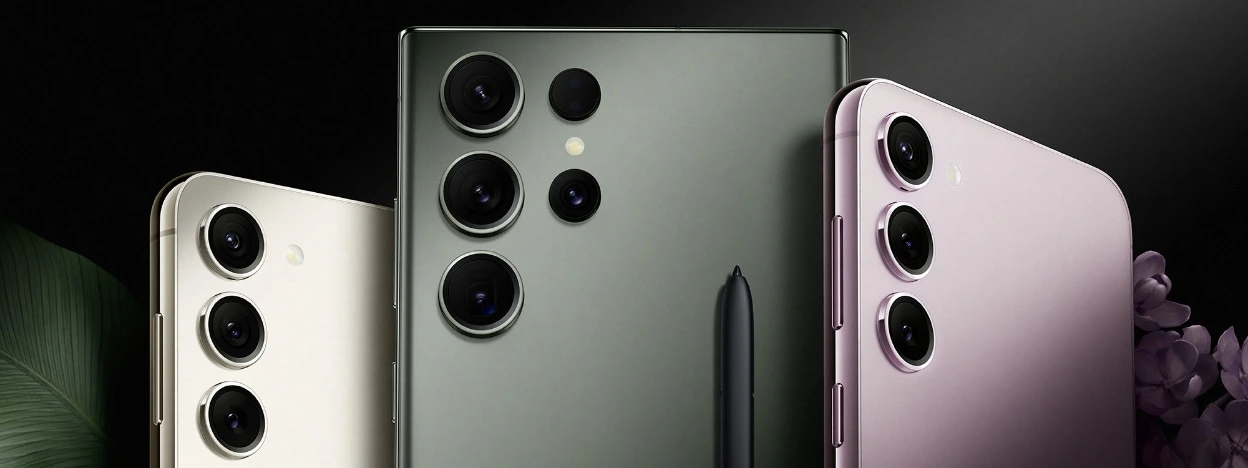
  • When is the Samsung Galaxy S26 premiere?

    When is the Samsung Galaxy S26 premiere?

    The series Samsung Galaxy S26 is set to be globally unveiled during the Galaxy Unpacked event at the end of February 2026, with the most likely date being February 25, 2026.

    Sales in Poland are likely to start on March 11, 2026. The series will include three models: Galaxy S26, Galaxy S26+Plus, and Galaxy S26 Ultra.


    Colors of Samsung Galaxy S26 – first variants

    Foreign sources report that the color scheme of the Galaxy S26 series is no longer a complete mystery. Leaks from production elements (including SIM trays and internal markings) suggest which color versions will be available for sale – primarily for the strongest Ultra variant.

    Leaked colors of Galaxy S26 Ultra

    According to available information, the Samsung Galaxy S26 Ultra is expected to debut in four basic color versions:

    • Black Shadow – classic, deep black
    • White Shadow – subdued white with a slightly matte finish
    • Galactical Blue – cool, elegant shade of blue
    • Ultraviolet – dark purple inspired by premium styling

    The color naming suggests a more minimalistic and technical character, while also confirming speculations about the abandonment of the titanium frame – the absence of the word “Titanium” in the names may indicate a return to aluminum.

    With such a subdued style, many users will want to additionally protect the phone’s casing – especially in the Ultra version. Therefore, there should be significant interest from the launch in cases for the Galaxy S26 Ultra, both thin silicone and more rugged variants.


    Processors and performance of Galaxy S26

    Snapdragon 8 Elite Gen 5 in Galaxy S26 Ultra

    The strongest variant,  Galaxy S26 Ultra, is set to be equipped with a new processor  Snapdragon 8 Elite Gen 5. According to leaks, this chip will bring  significant improvements in CPU and GPU performance  compared to the previous generation, as well as better support for artificial intelligence-based tasks.

    The new Snapdragon is also expected to offer  advanced video capabilities, including support for the  APV (Advanced Professional Video) codec, which will allow for recording materials in  8K HDR  with higher image quality and better compression. This is particularly important for users who treat their smartphone as a tool for video creation.


    Exynos 2600 (2 nm) in Galaxy S26 and S26+Plus

    The models  Galaxy S26 and Galaxy S26+Plus in selected regions are expected to use the  Exynos 2600 processor, manufactured using modern  2 nm lithography. If this information is confirmed, it will be one of the most technologically advanced mobile chips from Samsung.

    The transition to 2 nm is expected to result in:

    • better energy efficiency,
    • more stable operating temperatures,
    • longer battery life on a single charge.

    Samsung aims to reduce the differences between Exynos and Snapdragon, which were often criticized by users in previous generations.


    Cameras in the Galaxy S26 series

    Galaxy S26 Ultra – brighter optics

    The main camera 200 MP in the Galaxy S26 Ultra is expected to receive a brighter lens, which should realistically improve photo quality, especially after dark. According to leaks, this change will allow:

    • to achieve better night photos,
    • to reduce noise at high ISO,
    • to improve detail and image dynamics.

    Samsung is expected to focus more on optical quality and image processing rather than further increasing the number of megapixels.


    Galaxy S26 and S26+ – emphasis on software

    In the Galaxy S26 and S26+ models, no major hardware changes in the cameras are expected. Samsung is instead focusing on:

    • enhanced image processing algorithms,
    • improved HDR,
    • greater use of Galaxy AI in photography.

    As a result, the photos are expected to be more color-consistent and perform better in challenging lighting conditions.


    Battery, memory, and charging

    More memory as standard

    According to leaks, Samsung plans to drop the 128 GB variant, offering a minimum of 256 GB of internal memory already in the base Galaxy S26. This is a response to the growing needs of users related to recording high-resolution video and using AI features.

    Due to the larger size of the Plus model, Galaxy S26+Plus users are more likely to reach for protective accessories. A dedicated case for Galaxy S26+Plus effectively protects the phone in everyday use.


    Faster charging in Galaxy S26 Ultra

    Galaxy S26 Ultra will support wired charging of up to 60 W, which will significantly reduce the charging time compared to the previous generation. The other models are expected to stick to the existing charging standards.


    One UI 8.5 and Galaxy AI

    Android 16 from the first boot

    The new series Samsung Galaxy S26 will debut with One UI 8.5 based on Android 16, offering long update support and better system optimization for new processors.


    Enhanced Galaxy AI features

    Samsung will continue to develop Galaxy AI, focusing on:

    • photo and video editing,
    • productivity features,
    • user security and privacy.

    Some new features may initially be available exclusively for the Galaxy S26 series.


    Summary – what to expect from the Galaxy S26?

    The Galaxy S26 series promises to be a thoughtful evolution of Samsung’s flagships, rather than a revolution. The main changes are:

    • more powerful and energy-efficient chipsets,
    • refined cameras, especially in the Ultra model,
    • greater emphasis on artificial intelligence,
    • subtle improvements in design and battery.

    Samsung will confirm the final details only during Galaxy Unpacked 2026.

    If you plan to purchase one of the models from the Samsung Galaxy S26 series, it’s worth considering securing the phone from day one. A properly fittedcase for the Galaxy S26 will help protect the body and screen in everyday use, without affecting the comfort of using the smartphone.


    FAQ – Samsung Galaxy S26

    When will the Samsung Galaxy S26 be released?

    According to leaks, the Samsung Galaxy S26 will be presented during the Galaxy Unpacked event on February 25, 2026 (in some regions on February 26 due to time zones).


    When will the Samsung Galaxy S26 be available in Poland?

    Sales in Poland are set to begin on March 11, 2026. On that day, smartphones should be available in Samsung’s official store, electronics retailers, and operator offers.


    What models are included in the Galaxy S26 series?

    The Galaxy S26 series is expected to consist of three models: Galaxy S26, Galaxy S26+Plus, and Galaxy S26 Ultra


    Will the Galaxy S26 Ultra be better than the Galaxy S25 Ultra?

    According to leaks, the Galaxy S26 Ultra will offer:

    • a newer processor,
    • better energy efficiency,
    • a brighter main camera,
    • more Galaxy AI features.
      This won’t be a revolution, but a noticeable step forward, especially for those using the camera and video.

    Will the Galaxy S26 have a titanium frame?

    Everything indicates that Samsung may abandon the titanium frame and return to aluminum. This is suggested by the absence of the word “Titanium” in the color names and leaks regarding improved cooling.


    Will the Samsung Galaxy S26 support faster charging?

    Yes, according to leaks, the Galaxy S26 Ultra is expected to support wired charging up to 60 W, which will shorten the charging time compared to the previous generation. The S26 and S26+Plus models are expected to remain at the current power levels.


    What processor will the Samsung Galaxy S26 Ultra have?

    The Galaxy S26 Ultra is expected to be equipped with Snapdragon 8 Elite Gen 5, which according to leaks will provide a significant performance boost, better AI support, and advanced video recording capabilities (including 8K HDR).


    Will the Galaxy S26 have an Exynos processor?

    Yes, the models Galaxy S26 and Galaxy S26+Plus in selected regions are expected to use the Exynos 2600, manufactured using 2 nm lithography. This is intended to improve energy efficiency and battery life.


    Will the Samsung Galaxy S26 Ultra get a better camera?

    According to leaks, the Galaxy S26 Ultra will retain the 200 MP camera, but with a brighter lens, which should result in better night photos, less noise, and greater detail.


  • Samsung Galaxy A57 and Galaxy A37 – everything we know before the launch

    Samsung Galaxy A57 and Galaxy A37 – everything we know before the launch

    Samsung Galaxy A57 and Galaxy A37 are upcoming mid-range smartphones, which are set to be launched next month. According to information provided by Abhishek Yadav, a user on platform X known for accurate reports on smartphone launches, Samsung plans an earlier debut for the new mid-range models.

    His post suggests that Galaxy A57 and Galaxy A37 may be presented as early as the beginning of February, which is clearly earlier than in previous years.

    Until now, Samsung’s strategy looked different – first, the Galaxy S series debuted at the end of January or the beginning of February, and only in March did the strongest models from the Galaxy A line hit the market. However, in 2026, the schedule is set to change.

    Everything indicates that the launch of the flagship Galaxy S26 series has been postponed to February 25, 2026, which opens up space for Samsung to introduce mid-range novelties earlier. This means that Galaxy A57 and Galaxy A37 could become Samsung’s first major launches in 2026, even before the official showcase of the flagships.


    Samsung Galaxy A57 – specifications and key information

    As reported by Debayan Roy (Gadgetsdata)the Samsung Galaxy A57 has officially been listed in the Indian BIS certification database, which is one of the final steps before the smartphone’s market debut.

    This listing practically confirms the key specifications of the device, including:

    • a new processor Exynos 1680,
    • 120 Hz AMOLED display,
    • metal frame and IP67,
    • a battery ~5000 mAh with 45 W charging,
    • Android 16 at launch and as many as 6 years of updates.

    Importantly, the BIS certification clearly suggests that the Galaxy A57 is already production-ready, and its premiere is a matter of the coming weeks. Everything indicates a debut at the end of February or the beginning of March, in line with earlier reports of Samsung’s accelerated schedule.


    Performance of Galaxy A57 – Exynos 1680 in practice

    Galaxy A57 will receive a new Exynos 1680 processor, which is expected to significantly improve performance compared to previous generations of the A series. This chip has been designed for smooth operation at 120 Hz, better graphics in games, and lower energy consumption.
    With UFS 3.1 storage and up to 12 GB of RAM, the Galaxy A57 will handle multitasking and more demanding applications well.


    AMOLED 120 Hz display – one of the strongest points

    Samsung has dominated display quality for years, and Galaxy A57 will be no exception. The large 6.7″ Super AMOLED screen with a refresh rate of 120 Hz will provide very good smoothness, high contrast, and excellent readability in sunlight.
    This is a display that will work well for both multimedia and everyday use.


    Cameras in Galaxy A57 – solid, but without a telephoto lens

    The main camera 50 Mpix with OIS is supposed to guarantee stable photos and videos, even in low light. The ultra-wide lens 12 Mpix allows capturing a broader perspective, while the macro module serves as a complementary function.
    It is worth noting that the Galaxy A57 will not receive a telephoto lens, which may be a compromise for some users.


    Battery, charging, and durability

    The battery with a capacity of around 5000 mAh combined with an energy-efficient processor should ensure a full day of intensive use.

    On the plus side, there is 45 W wired charging, which shortens the energy replenishment time compared to older Galaxy A models, although it is no longer an exceptional solution against the competition. In practice, it allows charging the battery to full in about an hour.

    An important advantage remains the IP67 certification, ensuring resistance to water and dust. Although it is not new in the Galaxy A series, it still represents a rarity in the mid-range price segment and realistically enhances the device’s durability in everyday use.


    Specifications – Samsung Galaxy A37

    Processor and performance of Galaxy A37

    The Galaxy A37 is powered by a Exynos 1480 or Snapdragon 6 Gen 4 processor (depending on the market).
    This is a mid-range chip that handles everyday tasks well — browsing the internet, social media, and video streaming — although it is not a chip designed for the most demanding games.


    💾 RAM and internal storage

    The smartphone will offer memory configurations:

    • RAM: 6 GB or 8 GB
    • Internal storage: 128 GB or 256 GB
      There should also be expandable storage via microSD.
      The internal storage standard may come in the variant of UFS 2.2 or UFS 3.1, which affects the speed of opening applications and transfers.

    Galaxy A37 Display – AMOLED 120 Hz

    The Galaxy A37 is equipped with a large 6.7-inch Super AMOLED display with a Full HD+ resolution and 120 Hz refresh rate.
    This type of panel is an asset in this category — it offers vibrant colors, high contrast, and smoother interface animations, which positively affects user comfort.


    Cameras – photos in Galaxy A37

    The camera system of the Galaxy A37 consists of three lenses:

    • Main camera: 50 Mpix with OIS (optical image stabilization)
    • Ultrawide: 8 Mpix
    • Macro: 5 Mpix
    • Selfie: 12 Mpix
      This is a set that performs well in everyday photographic scenarios, although the ultrawide lens has a basic resolution.

    Battery and charging of Galaxy A37

    The device is equipped with a battery 5000 mAh, which should provide a full day of typical use.
    Support for 45 W fast charging is a practical feature that allows for quick energy replenishment, although it is no longer uncommon in this class of smartphones.


    Operating system and support

    At the start, the Galaxy A37 runs on Android 16 with One UI 8 – the latest version of Samsung’s system.
    The company promises long-term security and system updates, which translates to a longer lifespan for the device compared to cheaper alternatives.


    Galaxy A37 and Galaxy A57 renders reveal design ahead of launch

    Cases reveal the design of new Galaxy A models

    The first graphics of cases prepared by the accessory manufacturer Dux Ducis have appeared online, showing the overall appearance of the upcoming Samsung Galaxy A37 and Galaxy A57. Since the cases go into production before the official launch of the smartphones, it can be assumed that the presented design is already close to the final version.

    New pill-shaped camera island

    The renders indicate that both models will feature a vertical camera module in the form of a single, elongated island. Three lenses are arranged in a straight line within the raised block, while the LED light is located outside the camera area. This camera style references the design used in newer high-end Samsung smartphones.

    Larger camera bump – a sign of hardware changes?

    The distinctly marked camera module bump suggests that Samsung may have employed new sensors or modified optics. Although the number of lenses remains unchanged, their physical size may indicate an evolution in photographic capabilities compared to the previous generation.

    No revolution on the front, but with thinner bezels

    From the front, the Galaxy A37 and Galaxy A57 look very similar to earlier models in the Galaxy A series – with a flat screen and a central cutout for the selfie camera. At the same time, the renders suggest slightly narrower bezels around the display, resulting in a more modern and streamlined appearance.

    Main differences between Galaxy A37 and Galaxy A57

    FeatureGalaxy A57Galaxy A37
    ProcessorExynos 1680 – strongerExynos 1480 / Snapdragon 6 Gen 4 – weaker
    RAMup to 12 GBup to 8 GB
    Memory standardUFS 3.1UFS 2.2 / 3.1
    Ultra-wide cameras12 Mpix8 Mpix
    Bodymetal frameplastic frame
    Update supportabout 6 yearsabout 5–6 years
    Price~2000–2200 PLN~1700–1900 PLN

    Galaxy A37 is a more economical option while retaining many advantages of the more expensive model (large screen, strong battery, fast charging, IP67).

    Galaxy A57 on the other hand offers better performance (more powerful processor), more RAM, and a slightly stronger ultra-wide camera.

    If you care about smoother operation and better photographic capabilities, A57 is the better choice.

    If you want a good smartphone for less money — A37 will offer a lot for its price.


    FAQ – frequently asked questions about Galaxy A37 and Galaxy A57

    When is the release of Samsung Galaxy A37 and Galaxy A57?

    According to leaks, Samsung Galaxy A37 and Samsung Galaxy A57 are expected to debut in early February 2026, which would be an earlier date than in previous years for the Galaxy A series.


    How much will Samsung Galaxy A37 cost in Poland?

    The expected price of Galaxy A37 in Poland is around 1700–1900 PLN for the base version. The final amount will depend on the memory configuration and launch promotions.


    What will be the price of Samsung Galaxy A57?

    The price of Galaxy A57 is expected to start around 2000–2200 PLN. This model is positioned higher than A37 and offers a more powerful processor and better materials for the casing.


    What processor does Samsung Galaxy A37 have?

    The Galaxy A37 is expected to be equipped with Exynos 1480 or Snapdragon 6 Gen 4 (depending on the market). These are mid-range processors designed mainly for everyday use.


    What processor will the Samsung Galaxy A57 have?

    The Samsung Galaxy A57 will get Exynos 1680, which is a newer and more efficient chip that will provide better smoothness, especially during multitasking and gaming.


    Do the Galaxy A37 and A57 have a 120 Hz AMOLED display?

    Yes. Both the Galaxy A37 and Galaxy A57 are expected to feature a 6.7-inch Super AMOLED display with a 120 Hz refresh rate and Full HD+ resolution.


    Are the Samsung Galaxy A37 and A57 waterproof?

    Both models are expected to have an IP67 rating, which means they are resistant to dust and short-term immersion in water. This is still a rare feature in the mid-range segment.


    Do the Galaxy A37 and A57 support fast charging?

    Yes. Both the Galaxy A37 and Galaxy A57 support 45 W wired charging, which allows for relatively quick battery replenishment.


    Is there a telephoto lens in the Galaxy A37 and A57?

    No. Both models do not have a telephoto lens. The camera setup includes a main camera 50 Mpix with OIS, an ultra-wide lens, and a macro camera.

  • Realme 16 Pro and 16 Pro+ Plus – what do we know before the premiere?

    Realme 16 Pro and 16 Pro+ Plus – what do we know before the premiere?

    Realme 16 Pro and realme 16 Pro+ are upcoming premium mid-range smartphones that will likely debut on January 6 (India) and should shortly arrive in Europe. The phones stand out with a design created with Naoto Fukasawa, a large OLED 1.5K 144 Hz display, a massive 7000 mAh battery with 80 W charging, and a 200 MP camera, while the Pro+ version additionally offers a periscope telephoto lens. Realme 16 Pro uses Dimensity 7300, while the Pro+ will feature a Snapdragon processor.

    📊 Realme 16 Pro vs Realme 16 Pro+(Plus) – quick comparison

    Featurerealme 16 Prorealme 16 Pro+
    Launch (India)January 6 (expected)January 6 (expected)
    Screen6.78″ OLED 1.5K, 144 Hz6.78″ OLED 1.5K, 144 Hz
    ProcessorMediaTek Dimensity 7300Snapdragon (most likely 7 Gen 4)
    RAM / storage8 / 12 / 16 GB RAM*
    128–512 GB
    8 / 12 GB RAM
    128–512 GB
    Main camera200 MP200 MP
    Ultrawide camera8 MP8 MP
    Telephoto❌ none✅ periscope 3.5×
    Front camera50 MP50 MP
    Battery~7000 mAh~7000 mAh
    Charging80 W80 W
    SystemAndroid 16 + realme UI 7Android 16 + realme UI 7
    Fingerprint readerultrasonic in-screenultrasonic in-screen
    IR blasteryesyes
    DesignNaoto Fukasawa, two-tone backNaoto Fukasawa, two-tone back

    * RAM configurations depend on the market – the 16 GB variant available only in China.


    Design of the realme 16 Pro inspired by Naoto Fukasawa

    Who is Naoto Fukasawa and what influence did he have on the design of the realme 16 Pro?

    Naoto Fukasawa is one of the most respected industrial designers in the world. His portfolio includes collaborations with brands such as MUJI, B&B Italia, and Maruni, and his designs are part of the permanent collection of the Museum of Modern Art (MoMA) in New York. Realme has officially confirmed that the realme 16 Pro series was designed according to his unique vision, which is rare in the mid-range segment.

    Fukasawa’s influence is primarily visible in the minimalist approach to form, calm lines, and a departure from aggressive, “gaming” accents in favor of a design that aims to remain relevant for years.

    Two-tone casing and a new design language for realme

    The back of the realme 16 Pro and realme 16 Pro+ smartphones features a two-tone premium finish, combining a matte panel with a glossy camera module. This design visually organizes the phone’s shape and gives it a more elegant, orderly character.

    The camera layout attracts attention with its simple, symmetrical form, which may remind one of solutions known from more expensive models of competitors. The whole fits into the new stylistic direction of the realme brand, focusing on premium aesthetics, not just impressive numbers in specifications.

    Colors of realme 16 Pro – inspired by nature and floristry

    The manufacturer has prepared several color variants inspired by nature and floral motifs, which well reflect Fukasawa’s design philosophy:

    • Camellia Pink – a subtle pink inspired by camellia flowers
    • Orchid Purple – a vivid yet elegant purple
    • Master Gold – classic, luxurious gold
    • Pebble Grey / Master Grey – a muted grey with a stony character

    Realme emphasizes that some colors were created with the Indian market in mind, however, experience from previous launches shows that some color variants later also make their way to Europe.


    📱 Realme 16 Pro screen – is OLED 1.5K 144 Hz a real advantage?

    Large 6.78-inch display with higher 1.5K resolution

    Realme 16 Pro and Realme 16 Pro+ are equipped with a 6.78-inch OLED panel, which according to leaks offers a 1.5K resolution. This is an increasingly common compromise between Full HD+ and QHD+, providing sharper images without a drastic increase in power consumption.

    In practice, this means:

    • better sharpness of text and details,
    • higher readability at larger diagonals,
    • less battery drain than with 2K displays.

    144 Hz refresh rate – smoothness beyond mid-range standards

    Both the realme 16 Pro and the Pro+ version are expected to offer refresh rates of up to 144 Hz. This is a parameter that is still rare in the mid-range price segment and realistically improves:

    • smoother scrolling,
    • interface animations,
    • gaming comfort and everyday usage.

    Although the actual use of 144 Hz depends on the optimization of the system and applications, the mere fact of using such a panel places the 16 Pro series above many competitors limited to 120 Hz.

    Ultrasonic in-display fingerprint reader

    A significant distinguishing feature of the series is the ultrasonic fingerprint reader integrated into the display. This solution is mainly known from more expensive smartphones, which:

    • works faster than traditional optical readers,
    • handles wet fingers better,
    • offers a higher level of security.

    If this feature actually makes it to both models in Europe, it will be one of the biggest advantages of the realme 16 Pro over the competition in this price segment.

    Image quality and everyday usability

    The combination of OLED technology, high refresh rates, and higher resolution suggests that realme is heavily focused on content consumption comfort – movies, series, social media, and games. This is particularly important in conjunction with a large 7000 mAh battery, which will allow for long hours of screen use without frequent charging.


    realme 16 Pro Battery – is 7000 mAh the new standard in the mid-range?

    Huge capacity without compromises between markets

    The realme 16 Pro and realme 16 Pro+ are set to be equipped with a battery capacity of around 7000 mAh, which is significantly higher than the standard in the mid-range segment. Importantly, according to leaks, the manufacturer does not plan to differentiate capacity based on the market, which means that European variants should receive the same cell as the models sold in Asia.

    This large battery combined with energy-efficient processors and a 1.5K OLED display should translate into:

    • even 2 days of intensive usage,
    • a very long runtime in mixed mode,
    • less degradation of the cell with daily charging.

    80 W fast charging – practical energy replenishment

    Despite its large capacity, realme plans to implement 80 W wired charging. This solution allows for:

    • quickly replenishing energy before leaving home,
    • reducing the time the phone is plugged into the charger,
    • maintaining user comfort even on very busy days.

    Although the exact charging time has not yet been revealed, experiences with previous realme models suggest that charging to 50–60% should take a few minutes.

    Energy efficiency instead of a “watt race”

    The use of the Dimensity 7300 processor in the realme 16 Pro and the Snapdragon in the Pro+ version indicates that realme focuses on energy efficiency, not just raw performance. In practice, this means:

    • more stable operation without excessive heating,
    • better screen-on times (SoT),
    • slower battery consumption over the course of several years.

    The battery as a real purchasing argument

    In the smartphone segment up to about 2500 PLN, such a large battery is still a rarity, especially combined with an OLED screen and fast charging. If realme optimizes the system, 7000 mAh could become one of the main reasons users choose the 16 Pro series.


    Performance of realme 16 Pro and Pro+ – Dimensity vs Snapdragon

    Realme 16 Pro with Dimensity 7300 – stability and energy efficiency

    According to the Geekbench list, the realme 16 Pro is equipped with MediaTek Dimensity 7300. This is a modern, energy-efficient chip made with 4 nm lithography, which does not aim for benchmark records but for smooth and predictable daily performance.

    In practice, Dimensity 7300 should provide:

    • very good work culture,
    • low energy consumption,
    • sufficient performance for everyday tasks, multimedia, and gaming.

    This is a clear change compared to the realme 15 Pro, which relied on a more powerful Snapdragon chip but at the cost of higher energy demand.

    Realme 16 Pro+ – Snapdragon for the more demanding

    Realme has officially confirmed that the Pro+ model will receive a Snapdragon processor, most often indicated in leaks as Snapdragon 7 Gen 4. This chip is clearly more powerful than the Dimensity 7300, designed with:

    • better gaming performance,
    • more stable camera operation (ISP),
    • higher power reserve for the future.

    Thanks to this, the realme 16 Pro+ will be a natural choice for users who expect maximum smoothness and greater power reserve, even at the cost of slightly shorter battery life on a single charge.

    RAM and storage space

    The realme 16 Pro series is expected to offer several memory configurations:

    • 8 or 12 GB RAM as standard,
    • 16 GB RAM variant possible in selected markets,
    • internal storage from 128 GB to even 512 GB.

    This wide range of configurations allows the phone to be tailored to both basic users and more demanding ones.

    realme UI 7 and Android 16

    Both models are expected to run on Android 16 with realme UI 7. The manufacturer focuses on:

    • a lightweight and fast interface,
    • extensive customization options,
    • good optimization for large screens and high refresh rates.

    According to realme’s previous policy, one can expect 3 years of Android updates and 4 years of security patches.


    realme 16 Pro and Pro+ Cameras – Do 200 MP and Periscope Make a Difference?

    200 MP Sensor as the Main Camera in Both Models

    Both realme 16 Pro and realme 16 Pro+ are set to be equipped with a 200 MP main camera, which still makes a big impression in the mid-range segment. The resolution alone does not guarantee quality, but combined with the right optics and image processing, it can provide:

    • very high detail in photos,
    • effective digital zoom with minimal quality loss,
    • greater flexibility in framing.

    realme also announces improved image processing algorithms that are expected to handle skin tones and portrait photos better.

    Ultra-wide 8 MP and 50 MP selfie camera

    Complementing the camera setup is the 8-megapixel ultra-wide lens, present in both models. This is a standard solution in this class, mainly intended for landscape and group photos.

    On the front, there will be a 50 MP camera, which should provide:

    • high-quality selfie photos,
    • good detail during video calls,
    • solid video materials for social media.

    Periscope telephoto lens – the advantage of realme 16 Pro+

    The biggest difference between the models concerns the telephoto lens.
    realme 16 Pro+ is set to receive a periscope lens with approximately 3.5x optical zoom, which is a solution typically found in much more expensive smartphones.

    Thanks to this, the Pro+ variant will offer:

    • significantly better zoom,
    • better portrait quality,
    • greater photographic versatility.

    The basic realme 16 Pro will not receive a telephoto lens, which clearly positions it as a more universal model, but less advanced in photography.

    Cameras in practice – cautious optimism

    The history of smartphones with 200 MP sensors shows that numbers are not everything. The key will be:

    • maintaining quality in low light,
    • effectiveness of stabilization,
    • performance of HDR and night algorithms.

    If realme actually improves camera optimization and utilizes the potential of the periscope in the Pro+ version, the 16 Pro series could realistically threaten the competition in the segment up to around 2500 PLN.


    Realme 16 Pro and Pro+ – when is the premiere and how much could they cost in Poland?

    Release date and availability in Europe

    According to several independent and reliable sources, realme 16 Pro and realme 16 Pro+ will debut on January 6 in the Indian market. Although the manufacturer has not yet announced an official European release date, realme’s previous strategy suggests that the phones will reach Europe – including Poland – within a few weeks of their debut in India.

    In practice, this means:

    • European premiere January / February,
    • quick availability of accessories (cases, glass, chargers),
    • no significant specification differences between regions.

    Memory variants – a wide selection for a mid-range

    The realme 16 Pro series is expected to offer more flexible memory configurations than its predecessors, which is a clear nod to users requiring more data storage space.

    Expected variants:

    • realme 16 Pro
      • 8 / 128 GB
      • 8 / 256 GB
      • 12 / 256 GB
    • realme 16 Pro+
      • 8 / 256 GB
      • 12 / 256 GB
      • 12 / 512 GB

    The variant with 16 GB RAM may remain limited to the Chinese market.

    Expected prices of realme 16 Pro and Pro+ in Poland

    The official prices for the European market have not yet been revealed, however, based on:

    • the prices of the previous generation,
    • realme’s market position,
    • the specifications used,

    one can assume the following price ranges:

    • realme 16 Pro: around 1400–1600 PLN
    • realme 16 Pro+: around 2200–2500 PLN

    This pricing positions the 16 Pro series directly in competition with the strongest mid-range devices on the market, while also offering elements rarely found in this segment – such as a 7000 mAh battery or a periscope telephoto lens.

    Positioning of the realme 16 Pro series

    Realme clearly targets users who:

    • want a phone for several years,
    • value premium design,
    • expect long battery life,
    • but do not want to enter the flagship price segment.

    If the manufacturer maintains reasonable prices and good availability in Europe, realme 16 Pro and Pro+ could be among the most frequently chosen mid-range phones of 2026.


    FAQ – Realme 16 Pro and Realme 16 Pro+

    When is the release of realme 16 Pro and realme 16 Pro+?

    The official launch of the realme 16 Pro series is scheduled for January 6 (Indian market). In Europe, including Poland, the phones should appear a few weeks later, most likely in January or February.

    What processor does realme 16 Pro have?

    realme 16 Pro is equipped with a MediaTek Dimensity 7300, as confirmed by the Geekbench listing. It is an energy-efficient 4 nm chip focused on stable performance and long battery life.

    What processor does the realme 16 Pro+ have?

    The manufacturer confirmed that the realme 16 Pro+ will receive a Snapdragon processor. According to leaks, it will be Snapdragon 7 Gen 4, although the exact model has not yet been officially announced.

    Does the realme 16 Pro have a 200 MP camera?

    Yes. the realme 16 Pro features a 200 MP main camera, complemented by an 8 MP ultra-wide lens and a 50 MP front camera.

    What is the difference between the realme 16 Pro and the realme 16 Pro+?

    The main differences are:

    • more powerful Snapdragon processor in the Pro+ version,
    • periscope telephoto lens with 3.5× zoom only in Pro+,
    • higher price of the Pro+ model.

    The other elements, such as the screen, battery, and 200 MP main camera, are very similar.

    Does the realme 16 Pro+ have a periscope telephoto lens?

    Yes. the realme 16 Pro+ is expected to have a periscope telephoto lens with about 3.5x optical zoom, which is rare in the mid-range price segment.

    What battery does the realme 16 Pro and Pro+ have?

    Both models are equipped with a battery capacity of around 7000 mAh and 80 W fast charging, with no differences between markets.

    Does the realme 16 Pro have a 144 Hz OLED display?

    Yes. The realme 16 Pro series is expected to offer a 6.78-inch 1.5K OLED display with a refresh rate of up to 144 Hz, which will ensure very high image fluidity.

    How long will the realme 16 Pro receive updates?

    According to the manufacturer’s current policy, one can expect 3 years of Android updates and 4 years of security patches, although realme has not yet officially confirmed support for the 16 series.

  • When is the iPhone 17 premiere? Check the date, models, and news

    When is the iPhone 17 premiere? Check the date, models, and news

    According to the latest leaks and reports (including from TechRadar, El País, and Tom’s Guide), the official premiere of the iPhone 17 series will take place on September 9, 2025. The lineup will include the ultra-thin iPhone 17 Air, and the Pro models will gain features such as a 120 Hz display, LTE, new A19 processors, and larger batteries. 

    You can already check the available accessories for iPhone 17 and prepare for the premiere.

    Key Dates and Releases

    • September 9, 2025 – likely date for Apple’s presentation
    • September 12 – possible start of pre-orders
    • September 19–20 – availability in stores

    iPhone 17 – What Will the Models Be Like?

    ModelScreenProcessorRAMRear CamerasBatteryHighlight
    iPhone 176.3″ OLED 120 HzA198 GB48 MP + 12 MP ultra~3,900 mAhNew design, lighter
    iPhone 17 Air6.6″ OLED 120 HzA198 GB48 MP + 12 MP ultra~3,800 mAhUltra thin – 5.5 mm
    iPhone 17 Pro6.3″ LTPO OLED 1–120 HzA19 Pro12 GB48 MP + 12 MP ultra + tele~4,500 mAhAluminum frame
    iPhone 17 Pro Max6.9″ LTPO OLED 1–120 HzA19 Pro12 GB48 MP + 12 MP ultra + 48 MP periscope~5,000 mAhLargest screen and battery

    iPhone 17 – Appearance and Technical Details

    Although Apple is still keeping its cards close to its chest, leaks suggest that the iPhone 17 will visually continue the design style known from the iPhone 16, but with subtle, practical changes. One of them is expected to be a screen size increase from 6.1 inches to 6.3 inches – a similar approach was taken by Apple in the iPhone 16 Pro series, which resulted in greater comfort for browsing content and watching videos.

    The basic model of the iPhone 17 retains the proven design, well known from the previous generation. The camera module still has the form of a diagonal arrangement of two lenses placed in a square “island” in the upper left corner of the back panel. The mockup photos shared by leaker Sonny Dickson show that, unlike the Air and Pro models, Apple did not decide to enlarge or change the shape of the island here.

    The display in the basic iPhone 17 is expected to be made using OLED technology, which until now was reserved only for Pro models. This means about 30% higher brightness compared to the screens in the iPhone 16 and 16 Plus, as well as refresh rate of 120 Hz for much smoother scrolling and animations. 

    The basic model will debut in a wide range of colors – black, white, steel gray, green, purple, and light blue. The heart of the smartphone is expected to be the new Apple A19 processor and 8 GB of RAM – this configuration will allow for full utilization of the Apple Intelligence artificial intelligence features, which are expected to work locally on the device from launch.

    iPhone 17 Air – Ultra-Thin Revolution

    The new iPhone 17 Air replaces the Plus model in this year’s series and introduces a revolution in design – primarily in terms of the thickness of the casing. According to leaks from sources such as Mark Gurman (Bloomberg), Ming-Chi Kuo, and Jeff Pu, Apple has prepared the thinnest iPhone in history.

    Lewis George Hilsenteger from the Unbox Therapy channel described it as “terrifyingly slim” during the presentation of the mockup, which measured just 5.66 mm.

    For comparison – the iPhone 16 Pro is 8.25 mm thick, and the previous record belonged to the iPhone 6 (6.9 mm). This means it will be almost unnoticeable in the pocket, yet still provide high structural rigidity.

    Dimensions and Construction

    According to various analysts:

    • Mark Gurman: iPhone 17 Air will be 2 mm thinner than 16 Pro
    • Ming-Chi Kuo: 5.5 mm at its thinnest point
    • Jeff Pu: about 6 mm
    • Unbox Therapy (mockup): 5.66 mm

    Design and Ergonomics

    The iPhone 17 Air will likely be the most minimalist smartphone Apple has ever made. Its thin profile will necessitate the use of a proper case – preferably slim, so as not to disrupt the phone’s unique silhouette while still providing protection.

    🔗 Check out our offer for cases for iPhone 17 Air

    iPhone 17 Pro and iPhone 17 Pro Max 

    Specifications, Design Changes, and First Visualizations

    The new generation of iPhone 17 Pro (6.3 inches) and iPhone 17 Pro Max (6.9 inches) is shaping up to be one of the biggest steps in the development of the Pro series in years. According to leaks:

    • Processor: Apple A19 Pro – even faster and more energy-efficient than A18 Pro.
    • RAM: increase from 8 GB to 12 GB, which will speed up multitasking and 4K video editing.
    • Cameras:
      • Main lens – 48 MP
      • Ultra-wide lens – 48 MP
      • Telephoto lens – 48 MP, 3.5x optical zoom (instead of 12 MP in the previous generation)
    • Construction: return to aluminum, with the back panel divided into an aluminum top and glass bottom.
    • New camera “island”: a rectangle occupying the entire width of the phone, with rounded corners and aluminum finish.

    According to some sources, the arrangement of the lenses could be changed to horizontal to better cooperate with the features of Apple Vision Pro, however, most leaks suggest that the triangular arrangement will be retained.

    Known leaker Jon Prosser published a concept graphic showing how both models might look. It confirms the wide aluminum “island” and a more uniform back of the casing.

    📸 Video mockups from Unbox Therapy already show the first physical versions of these devices. Thanks to them, accessory manufacturers can prepare perfectly fitting cases for iPhone 17 Pro and cases for iPhone 17 Pro Max. In our homescreen.pl store in Koszalin, they can be ordered with fast shipping throughout Poland.

    Expected Prices in Poland

    Estimated prices (may change after the official premiere):

    • iPhone 17 – from 4499 PLN
    • iPhone 17 Air – from 4999 PLN
    • iPhone 17 Pro – from 5799 PLN
    • iPhone 17 Pro Max – from 6799 PLN (256 GB)

    Additional New Features and Color Variants

    • New colors: e.g. Papaya Orange in iPhone 17 Pro Max 
    • Redesigned camera module resembling Google Pixel 
    • Processors: standard models will receive A18/A19, Pro variants – A19 Pro with 12 GB RAM

    (FAQ) Frequently Asked Questions about iPhone 17

    🌟 When is the iPhone 17 premiere?
    The official premiere of the iPhone 17 will take place on September 9, 2025.

    🌟Where can I buy the iPhone 17 in Poland at the lowest price?
    Typically, the lowest prices appear in online stores during pre-orders or operator promotions. It is worth comparing offers at Media Expert, RTV Euro AGD, x-kom, and Orange/Play.

    🌟How much does the iPhone 17 cost in Poland on the day of the premiere?
    The starting price of the iPhone 17 in Poland is expected to be around 4999 PLN for the 128 GB version. The Air and Pro models will be more expensive.

    🌟Does the tempered glass from iPhone 16 fit the iPhone 17?
    No, because the screen of the iPhone 17 has different dimensions. The best choice is dedicated tempered glass for iPhone 17, available in Polish accessory stores.

    🌟Which iPhone 17 model has the best battery?
    The longest-lasting is the iPhone 17 Pro Max with a 5000 mAh battery and energy-saving optimization in iOS 19.

    🌟Will the iPhone 17 Air be available in Poland?
    Yes, the iPhone 17 Air will be available for sale in Poland on the same day as the other models.

    🌟Is the iPhone 17 compatible with MagSafe and Qi chargers in Poland?
    Yes, all iPhone 17 models support MagSafe and wireless charging in the Qi2 standard.

    🌟Does the iPhone 17 support 5G networks in Poland?
    Yes, all versions intended for the Polish market support the full 5G bands available from operators.

    🌟What are the new colors of the iPhone 17 available in Poland?
    The offer will include: titanium blue, pearl white, deep green, and classic black.